Customer project decision center

Factory CCTV and ELV Project Decision Guides

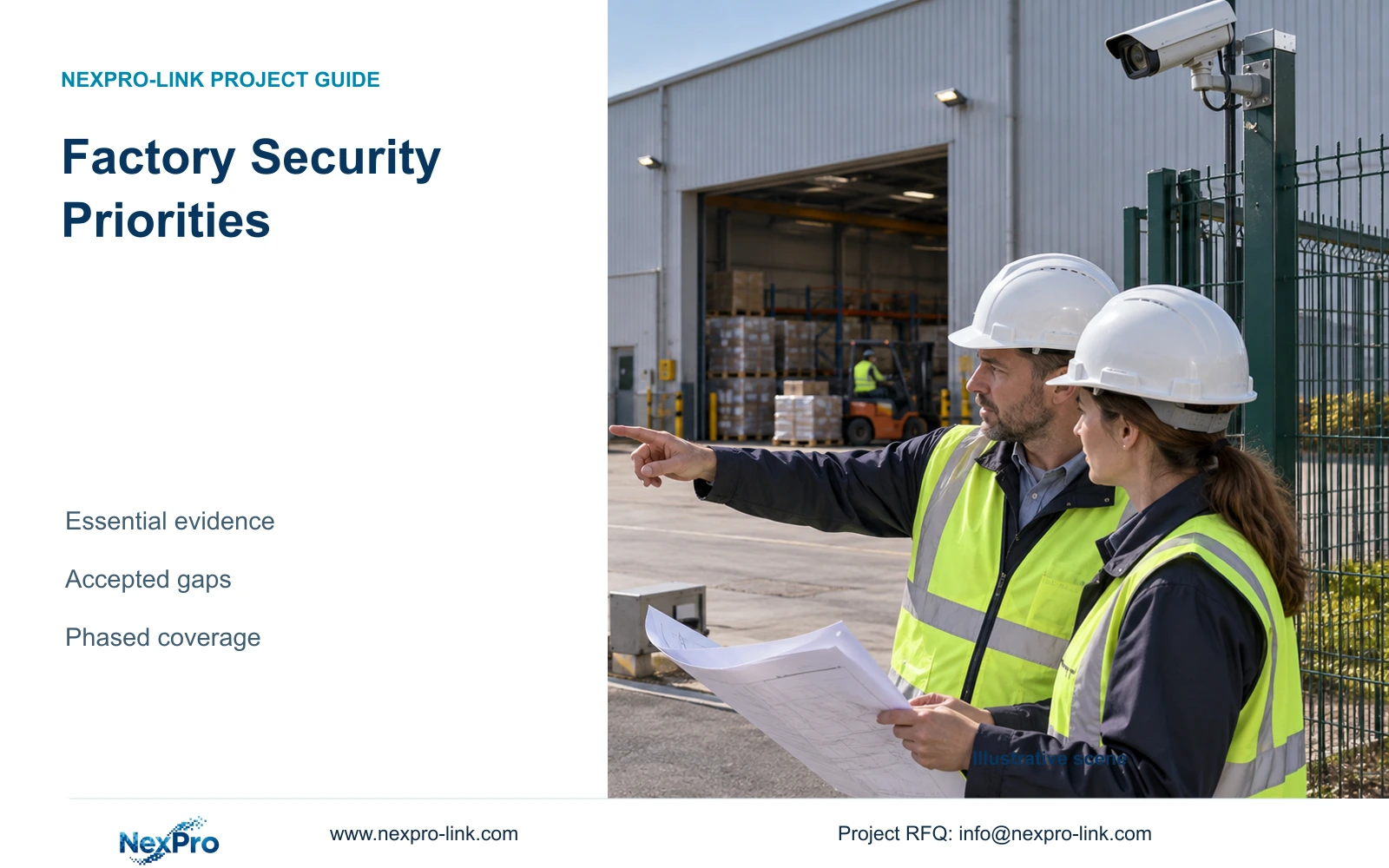
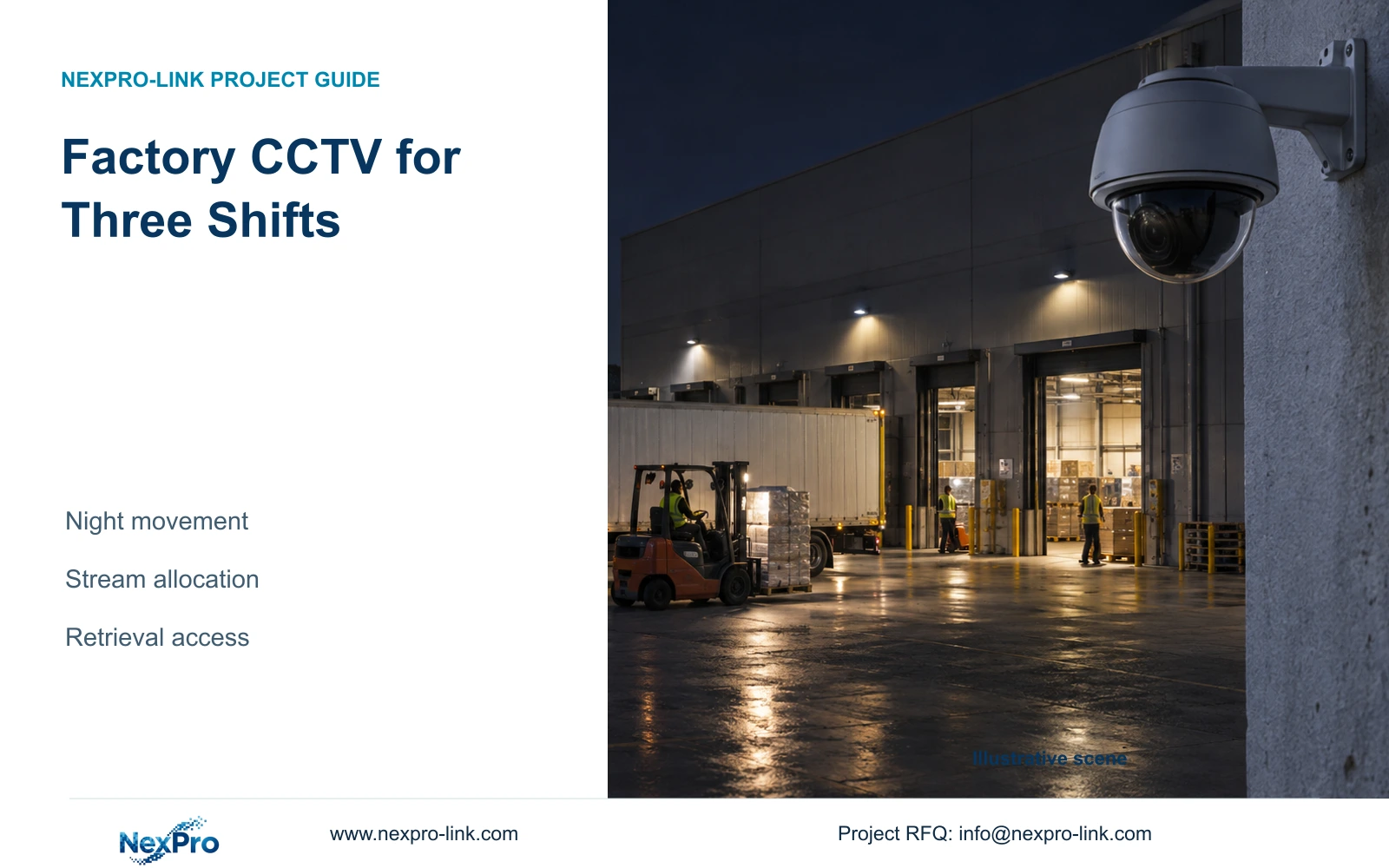
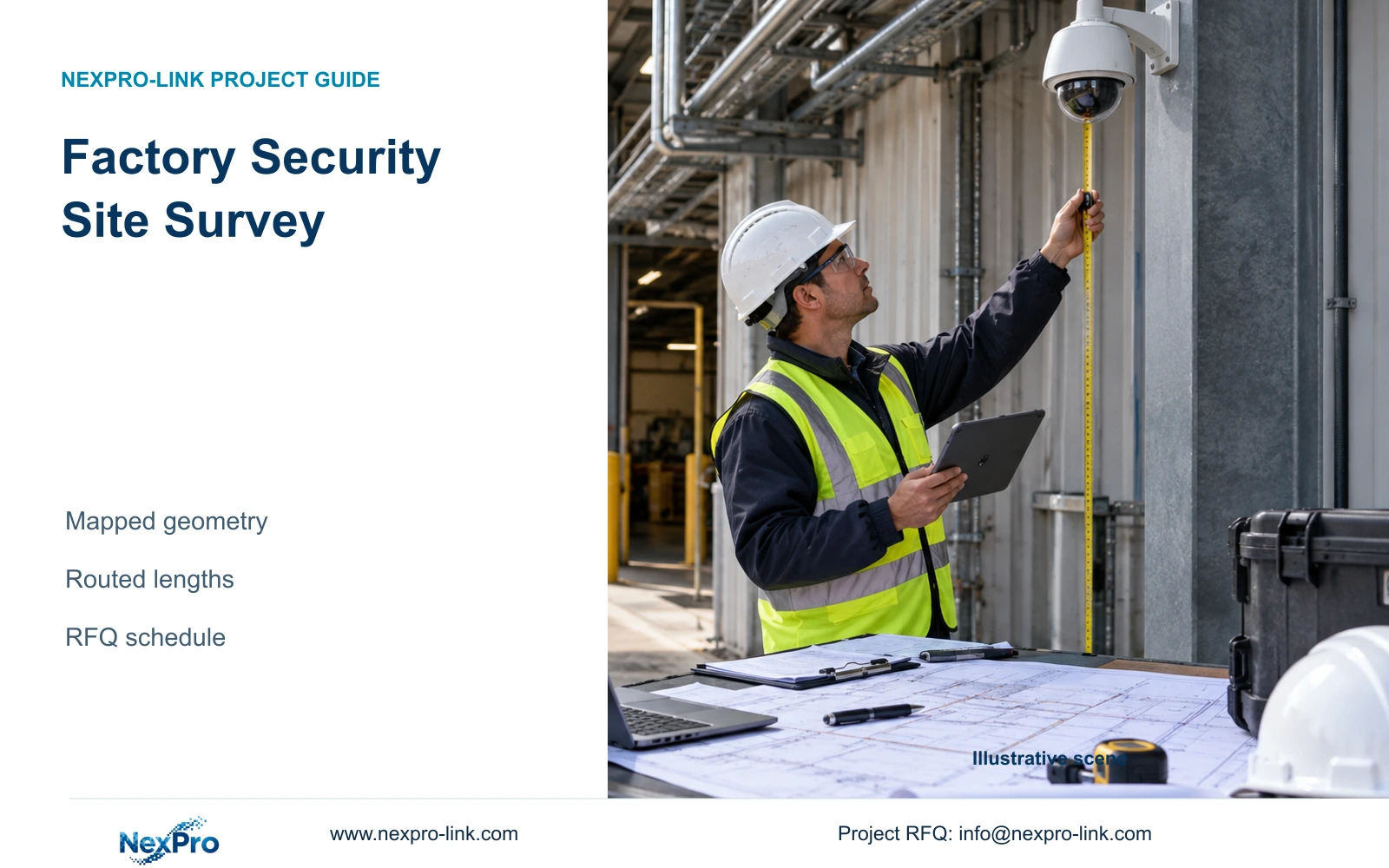
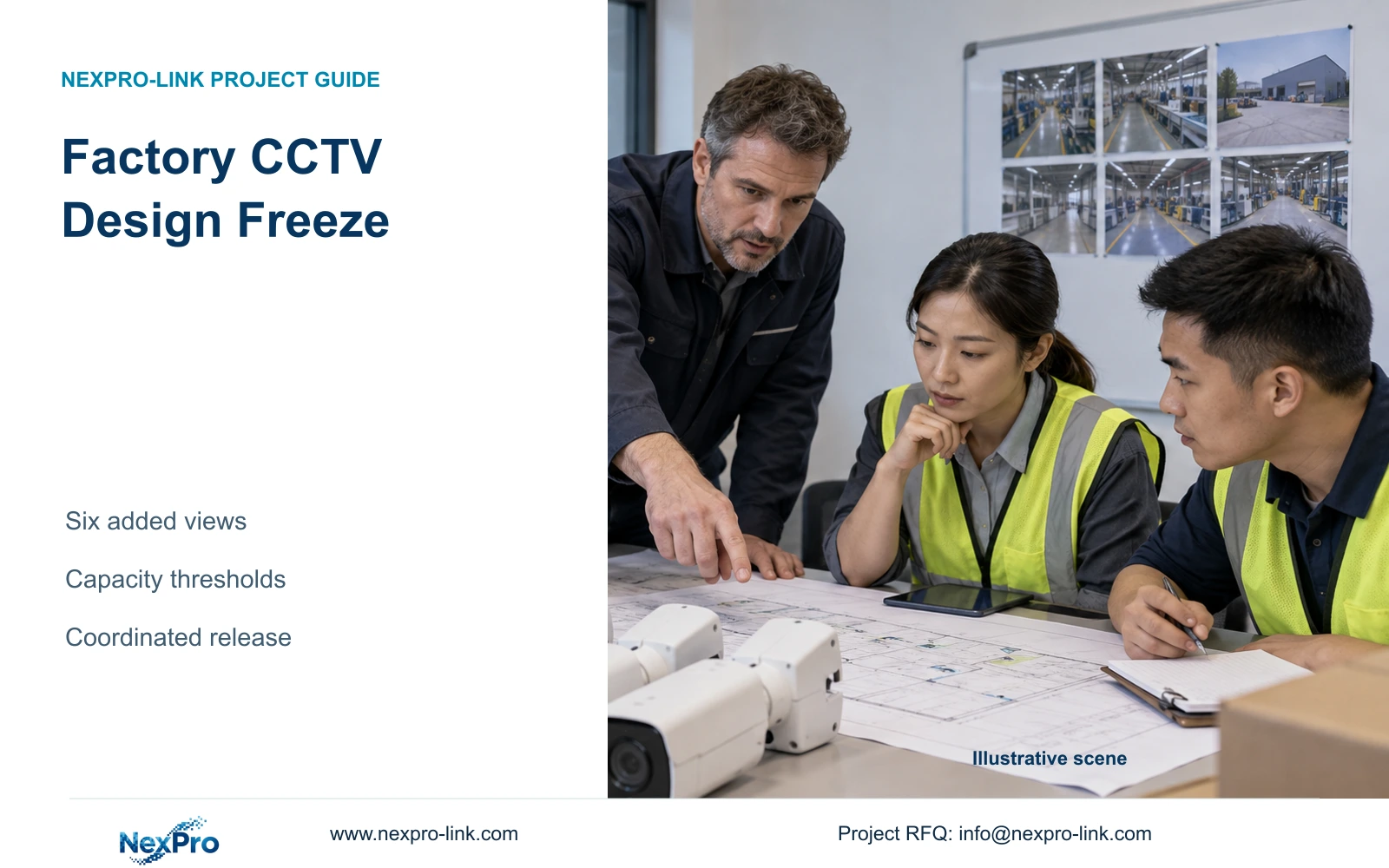
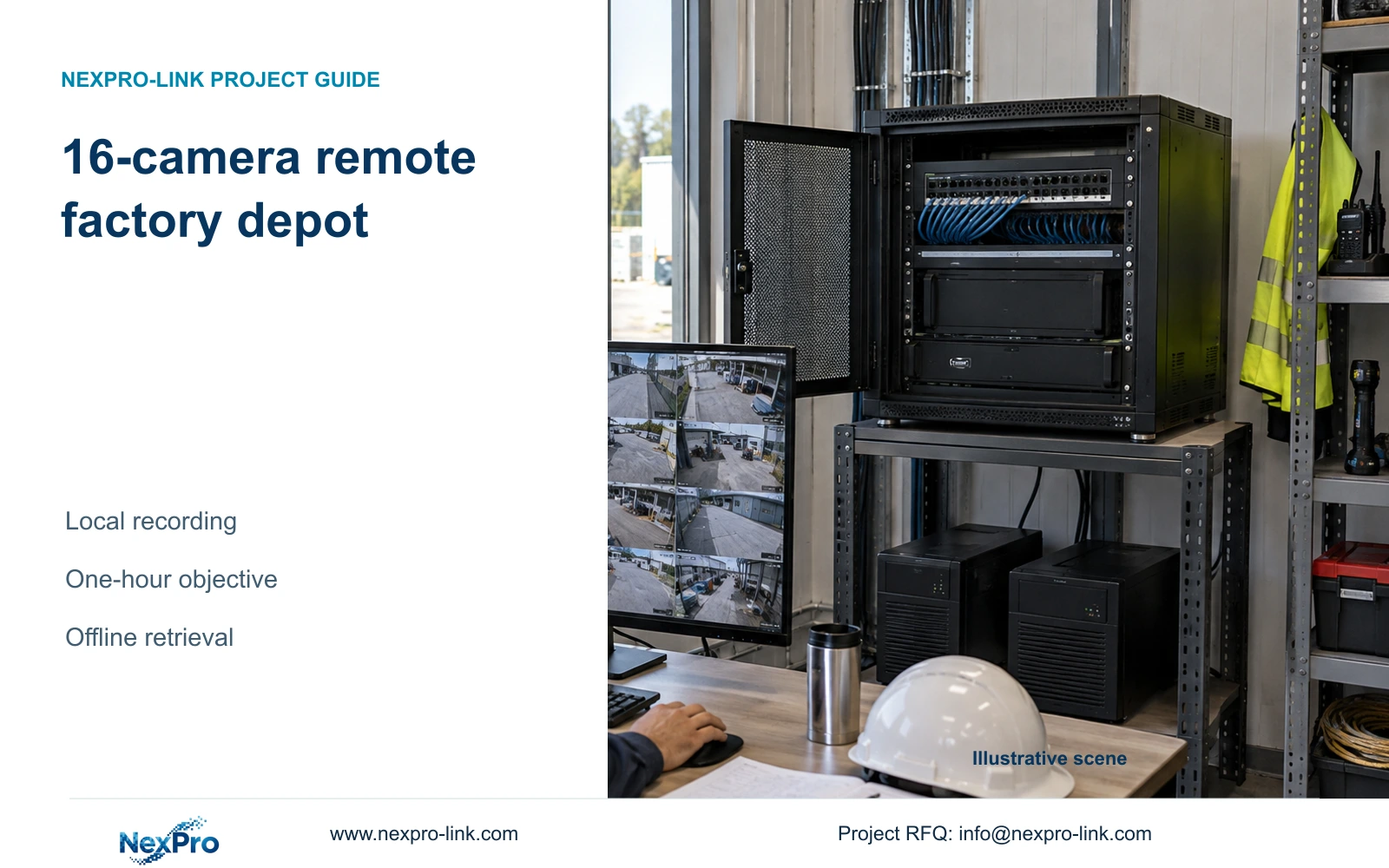
Plan factory security around the events operators need to retrieve. These guides connect zone tasks with camera views, recording, networks, protected power, equipment schedules and project supply.

For project owners, design engineers, contractors and quantity surveyors preparing a brief, comparing proposals or organising handover.

Answer first

The planning rule that connects this library

Approve the task for each factory zone before selecting equipment. Carry that task through the recording, power, cabling and acceptance scope, with specialist process and safety systems assigned separately.

Match each view to an observable factory task.

Size recording and protected power from declared inputs.

Keep supply, installation and specialist safety responsibilities separate.

Decision area 01

Factory Project Planning

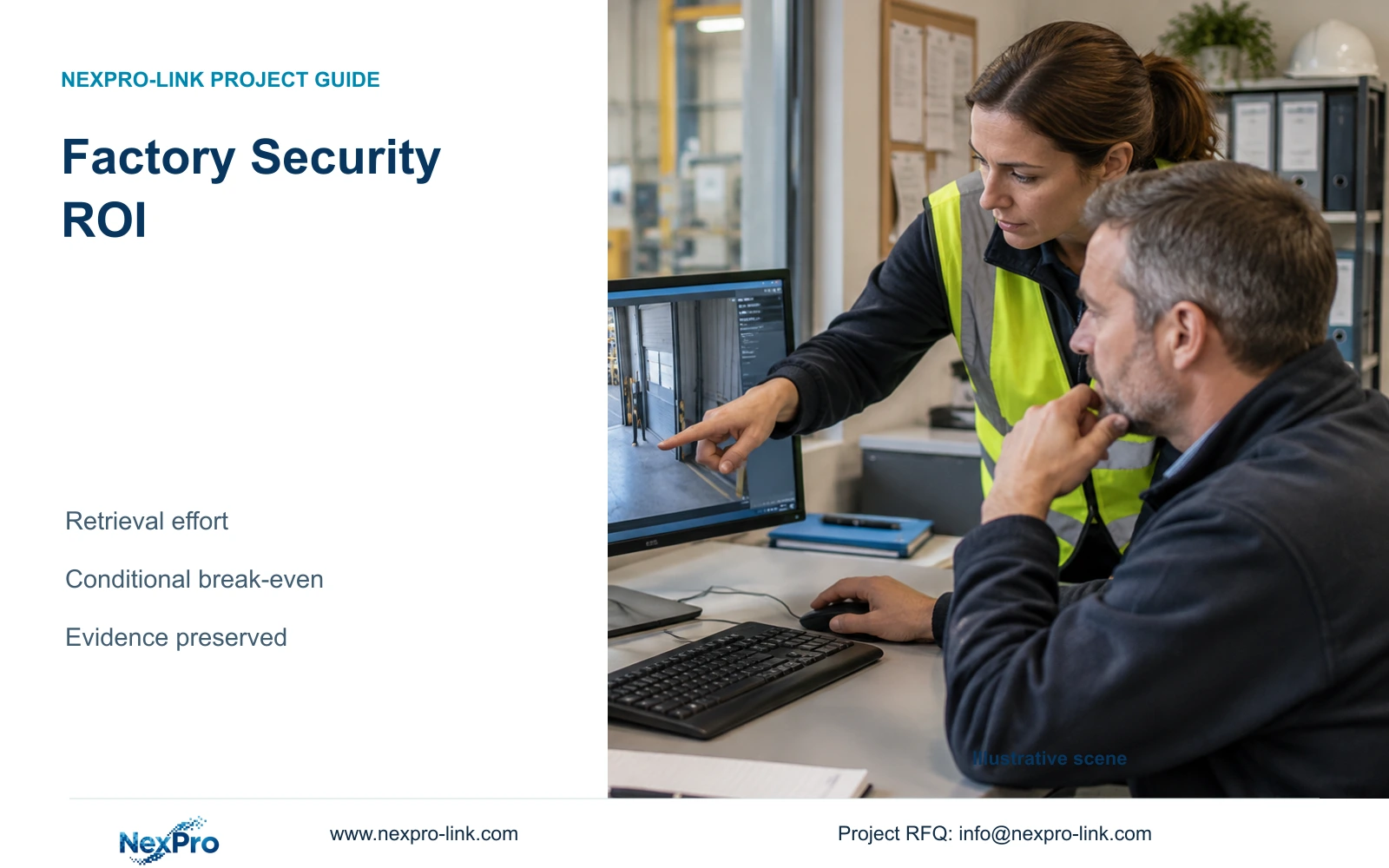
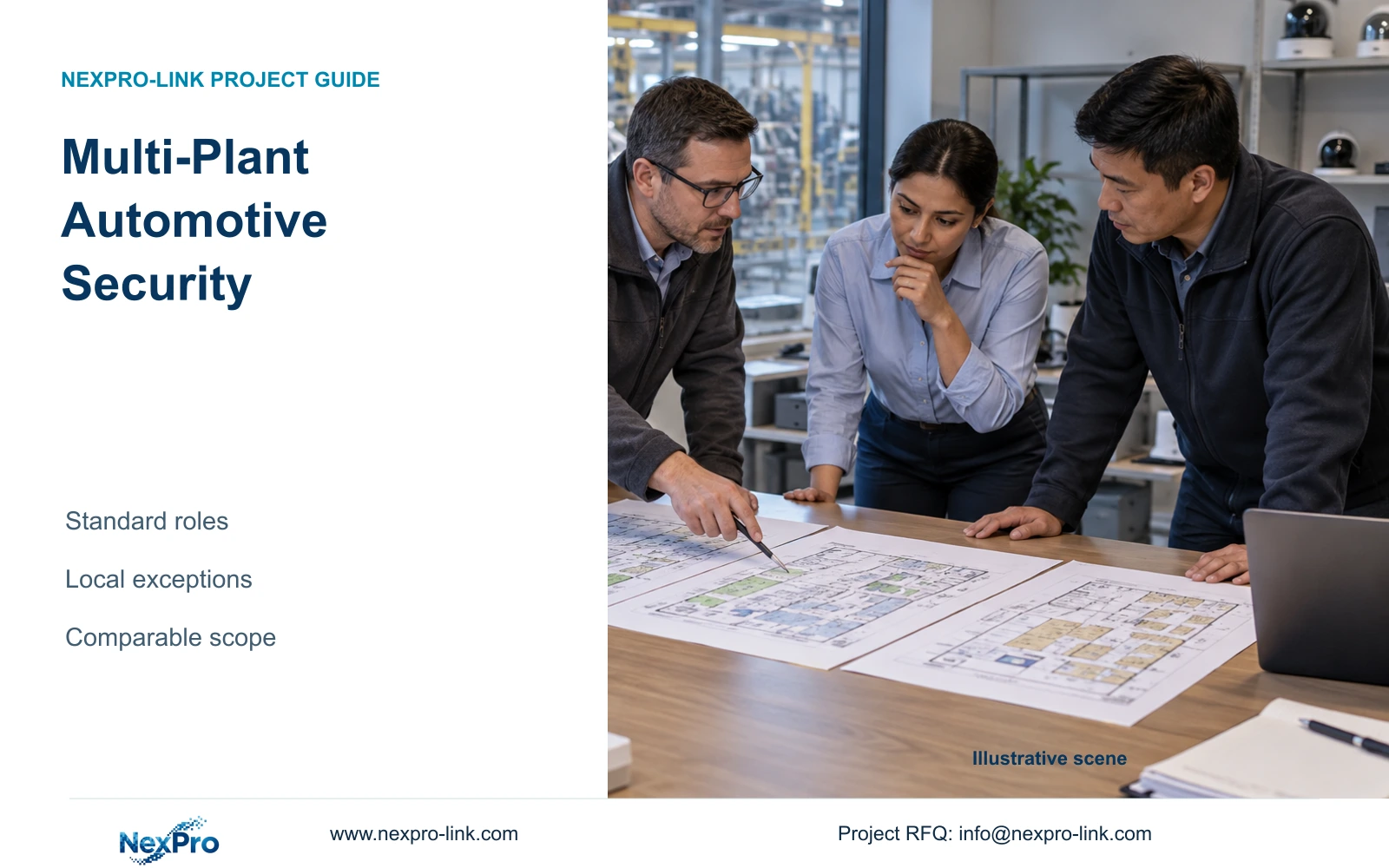
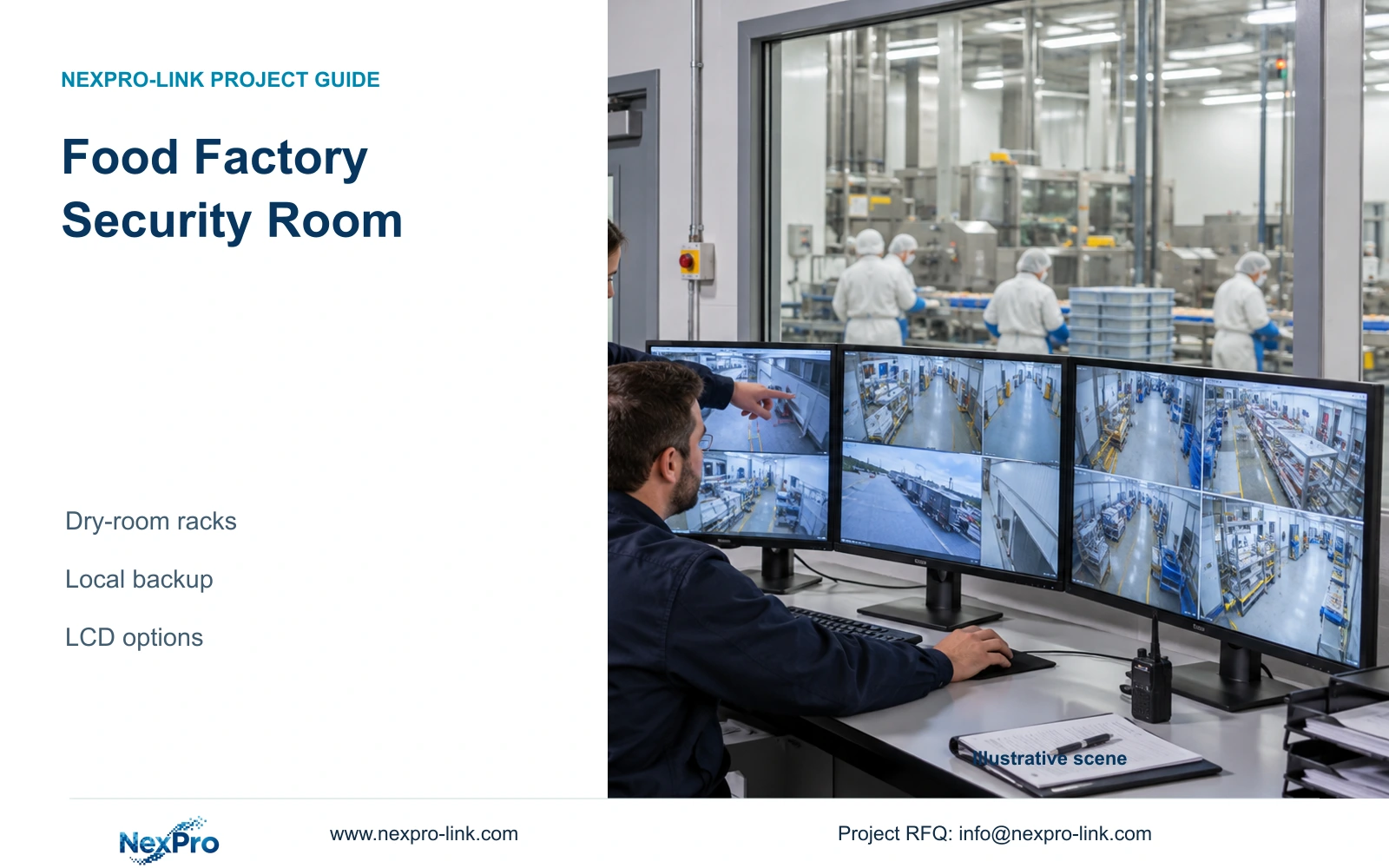
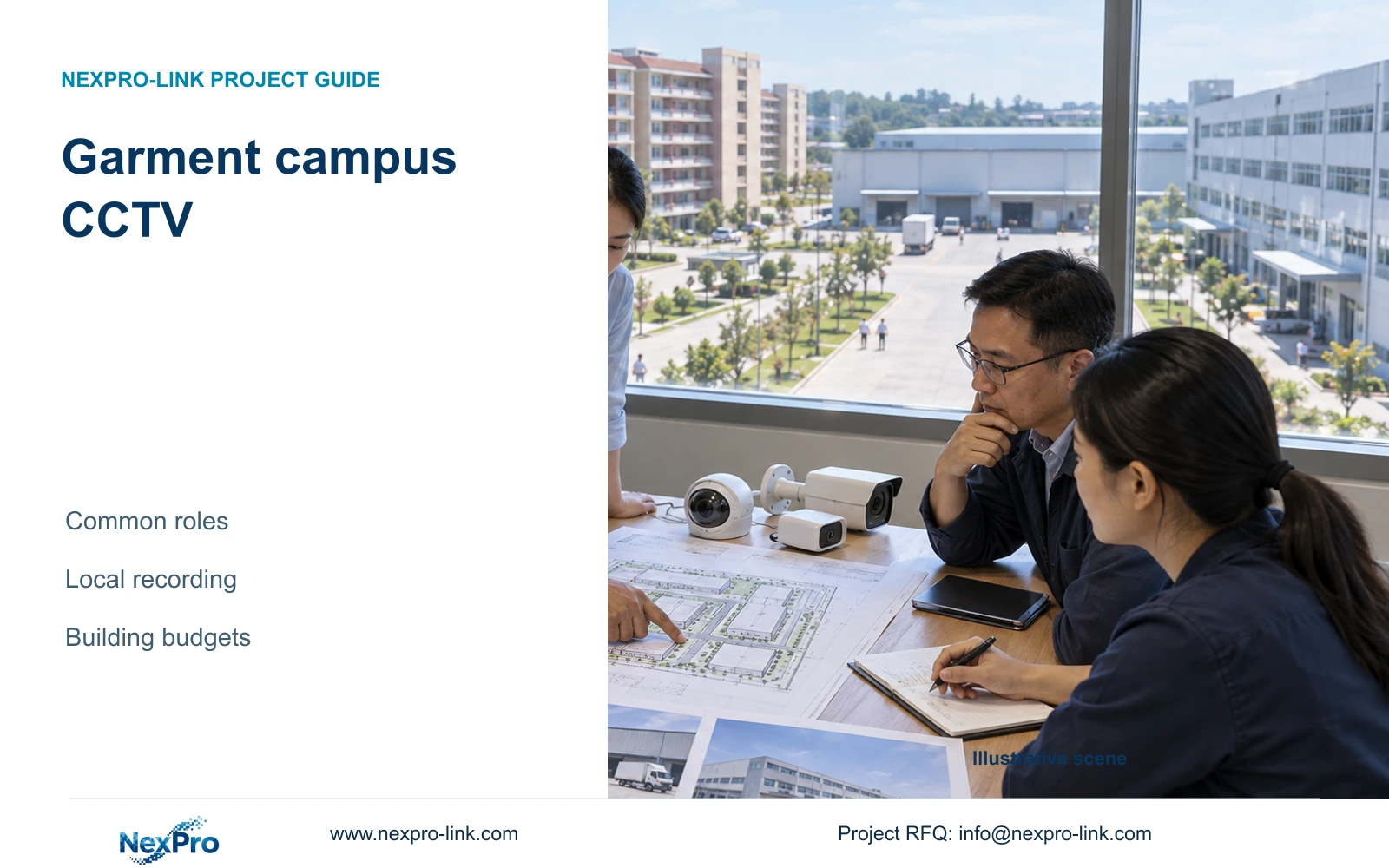
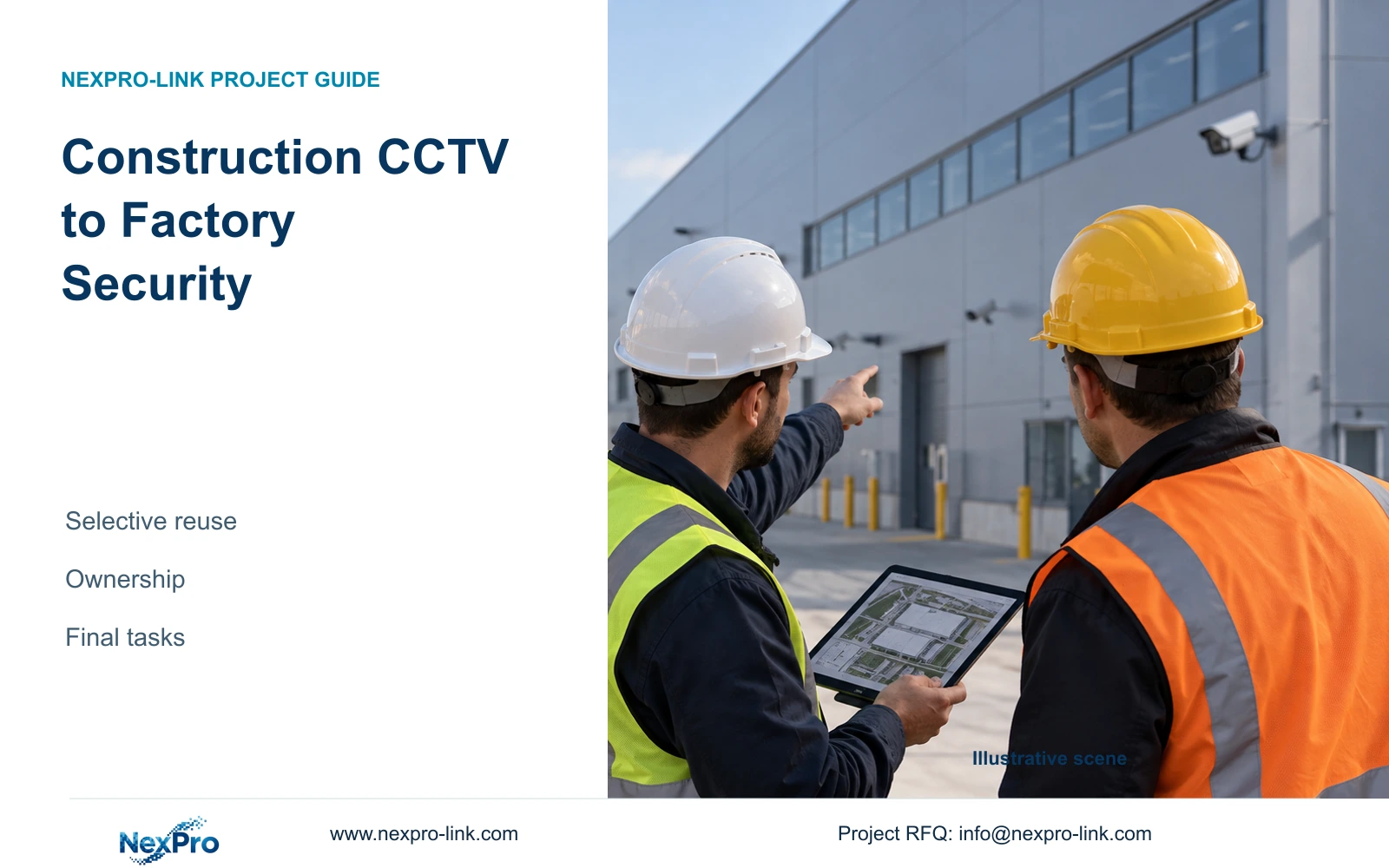
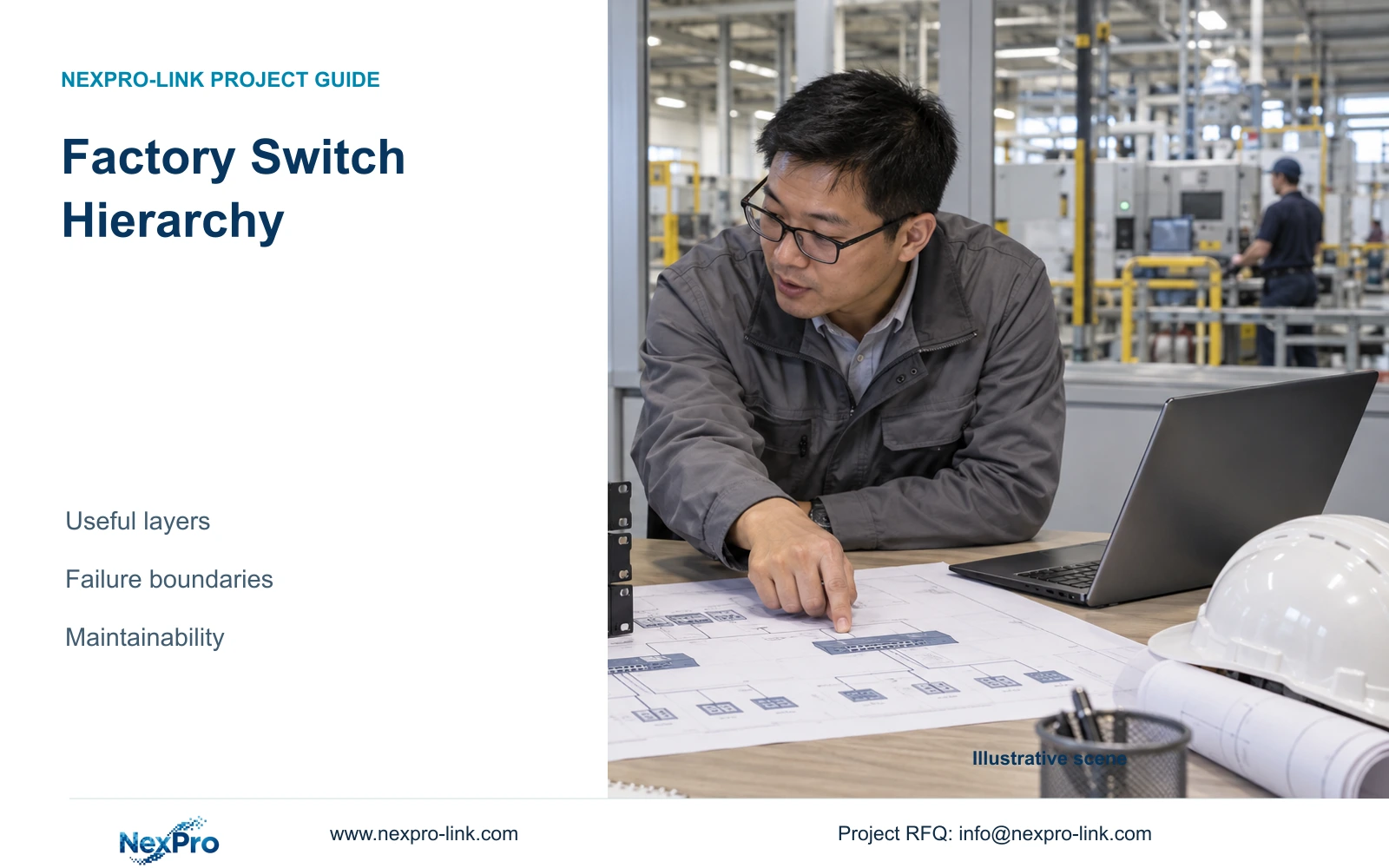
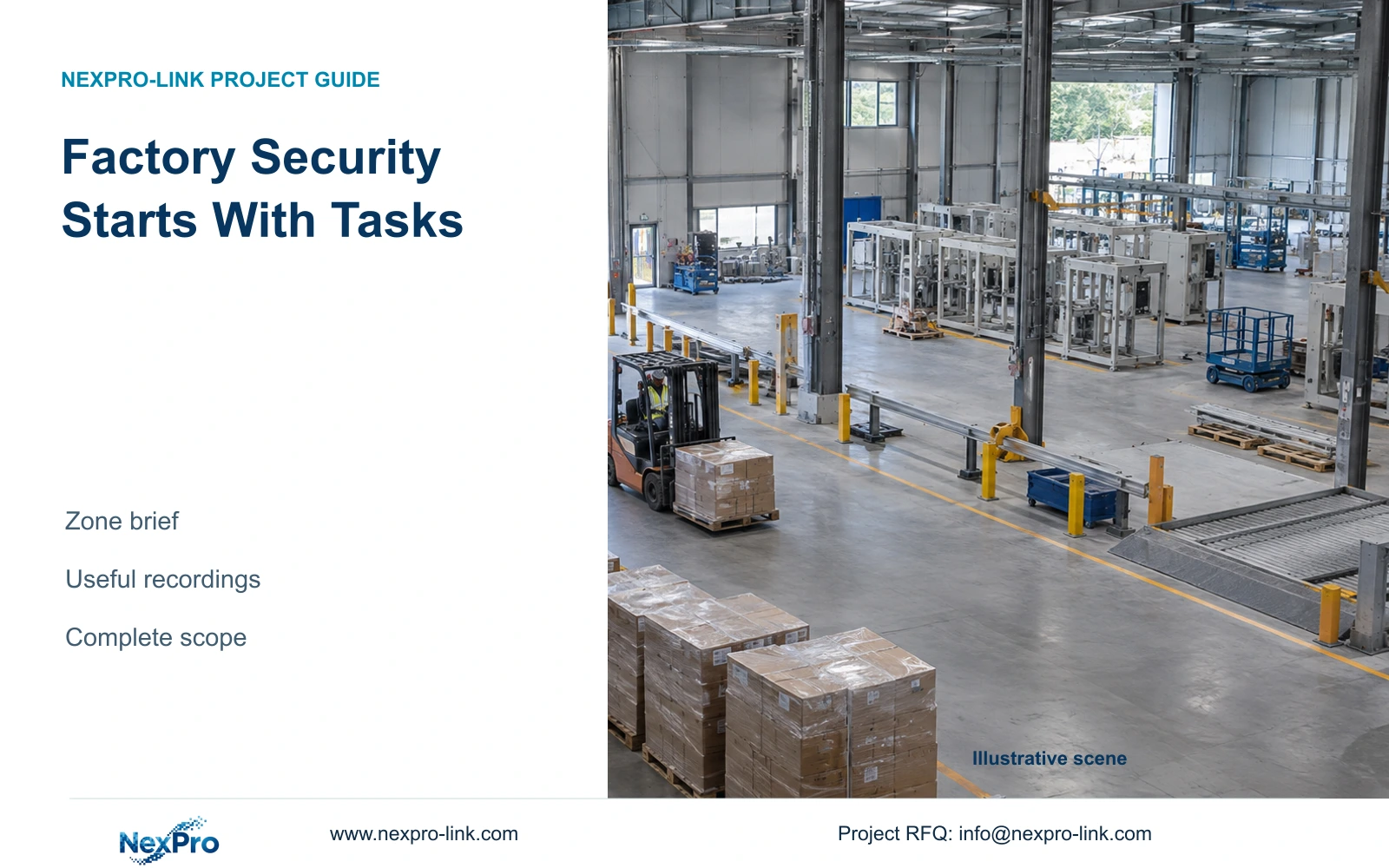
Factory security design starts with the events the owner needs to retrieve. A zone brief connects those events to camera views, recording, power and accountable delivery scope.

10 guides

Decision area 02

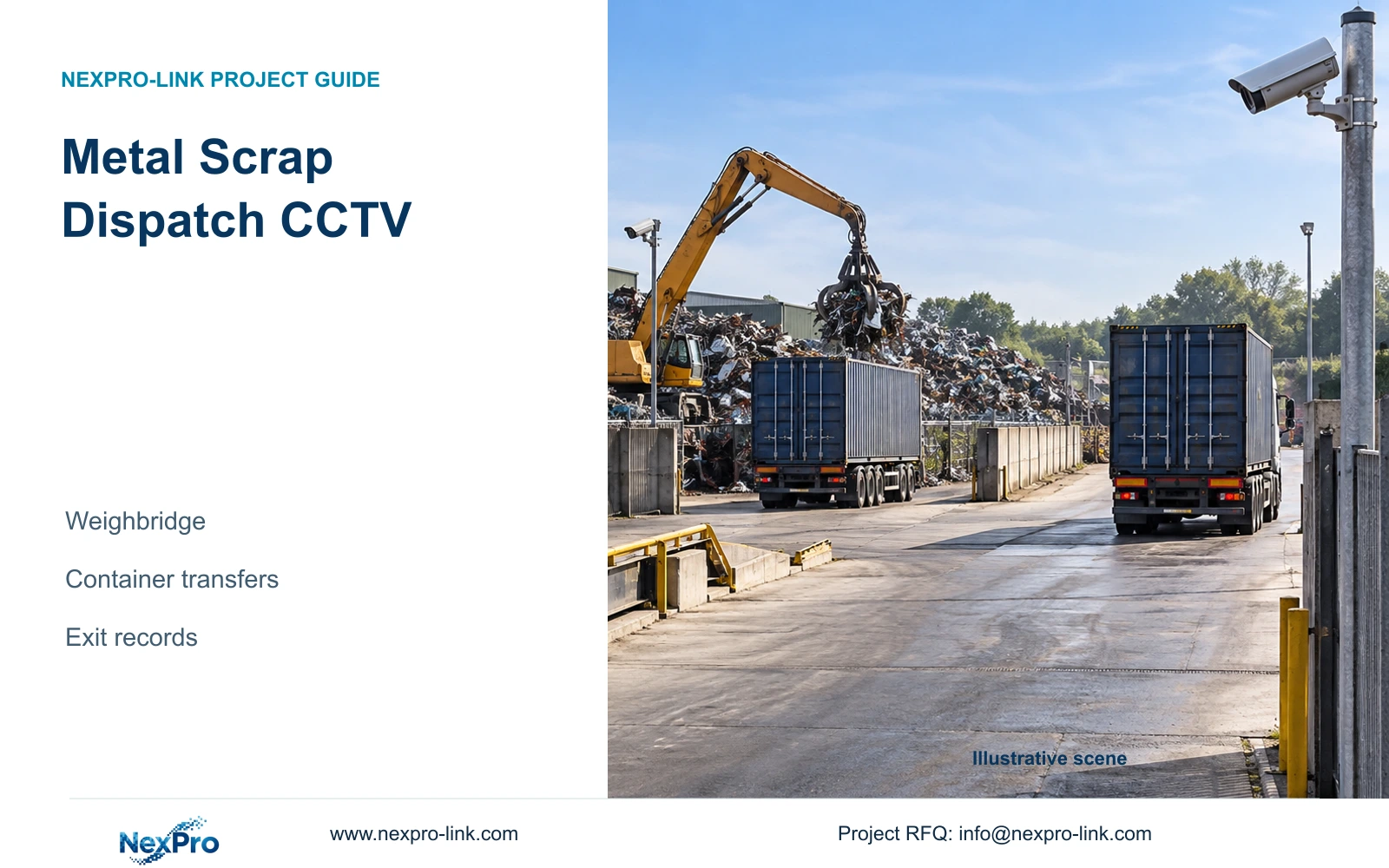
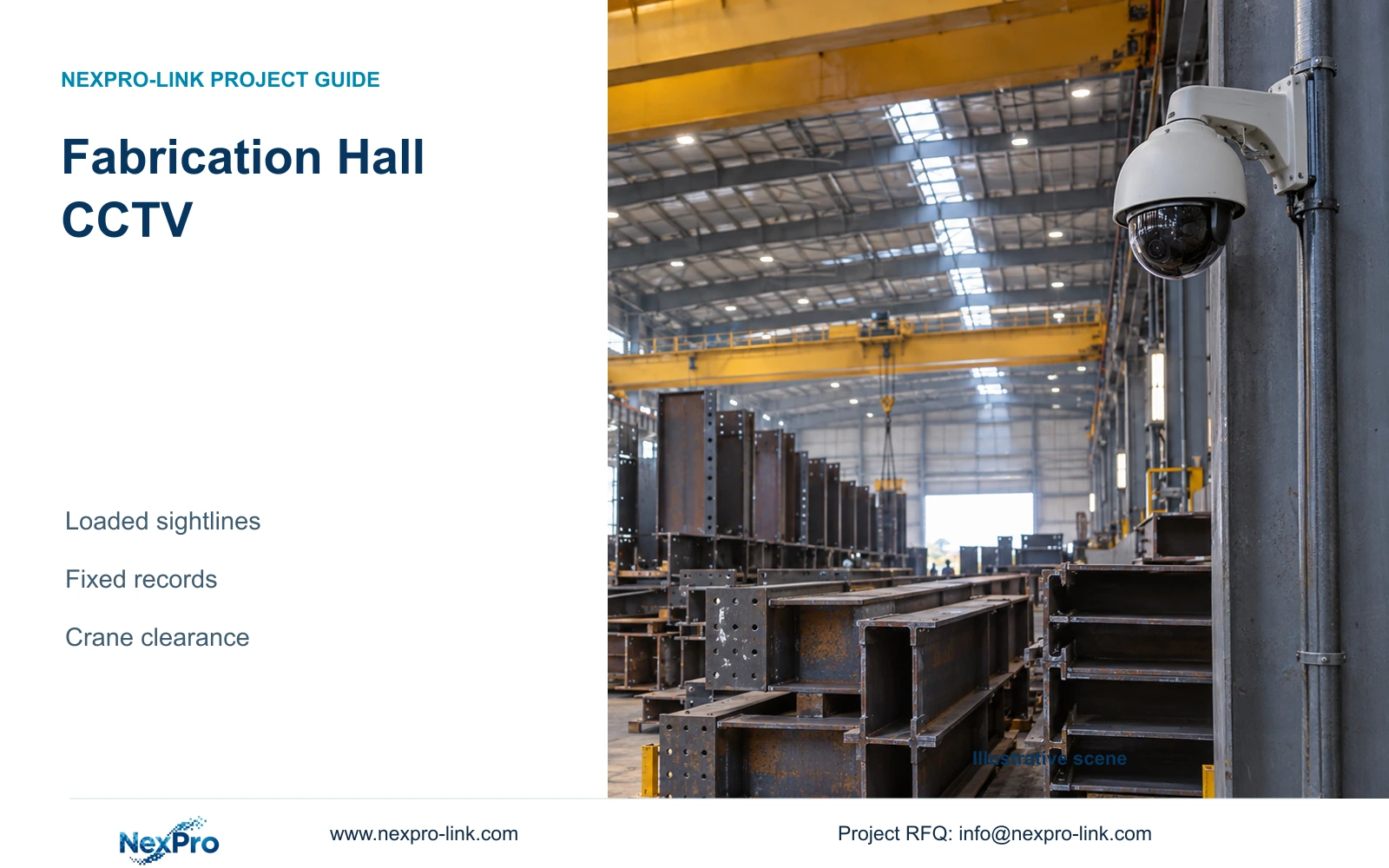
Metal CNC Foundry

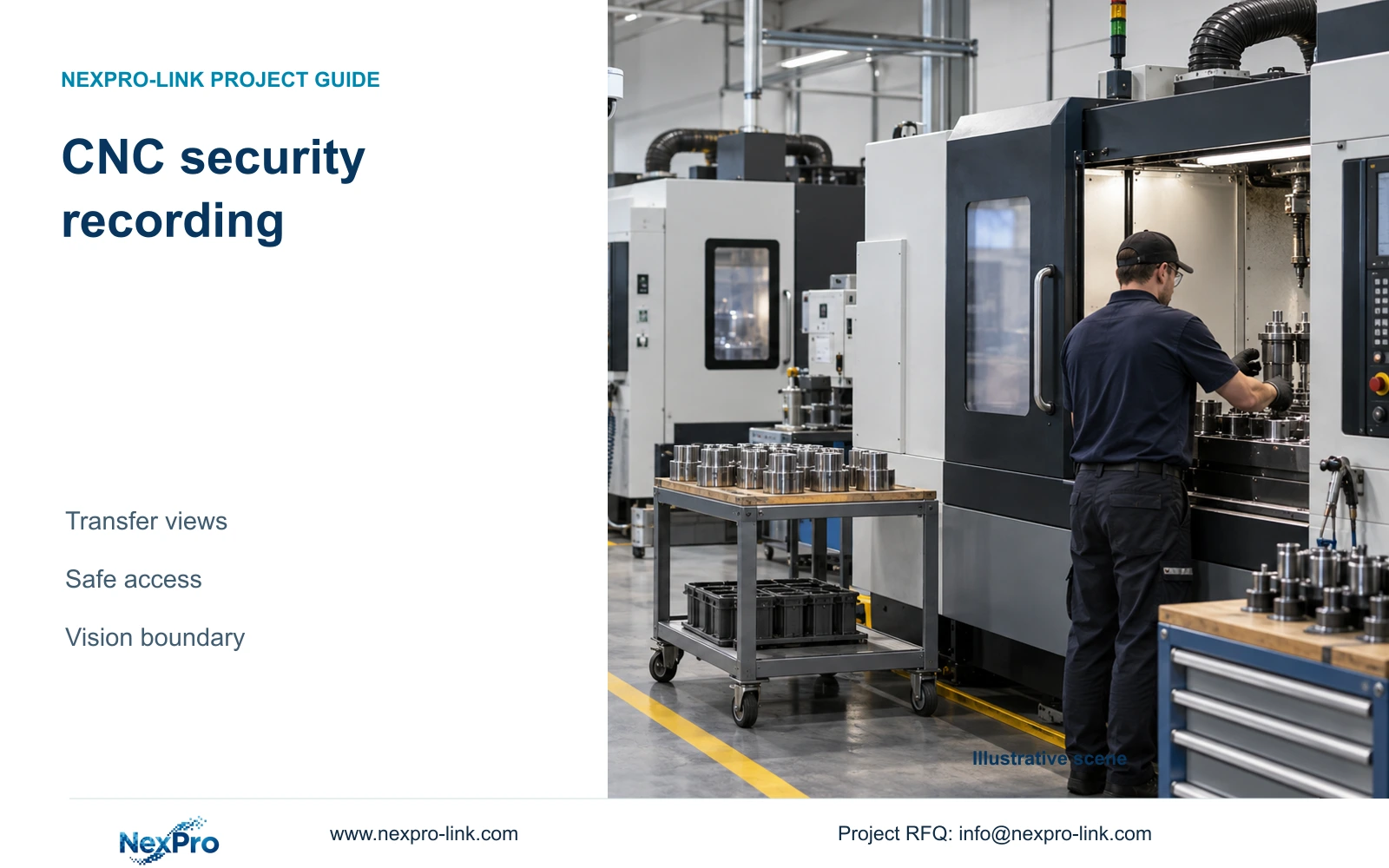
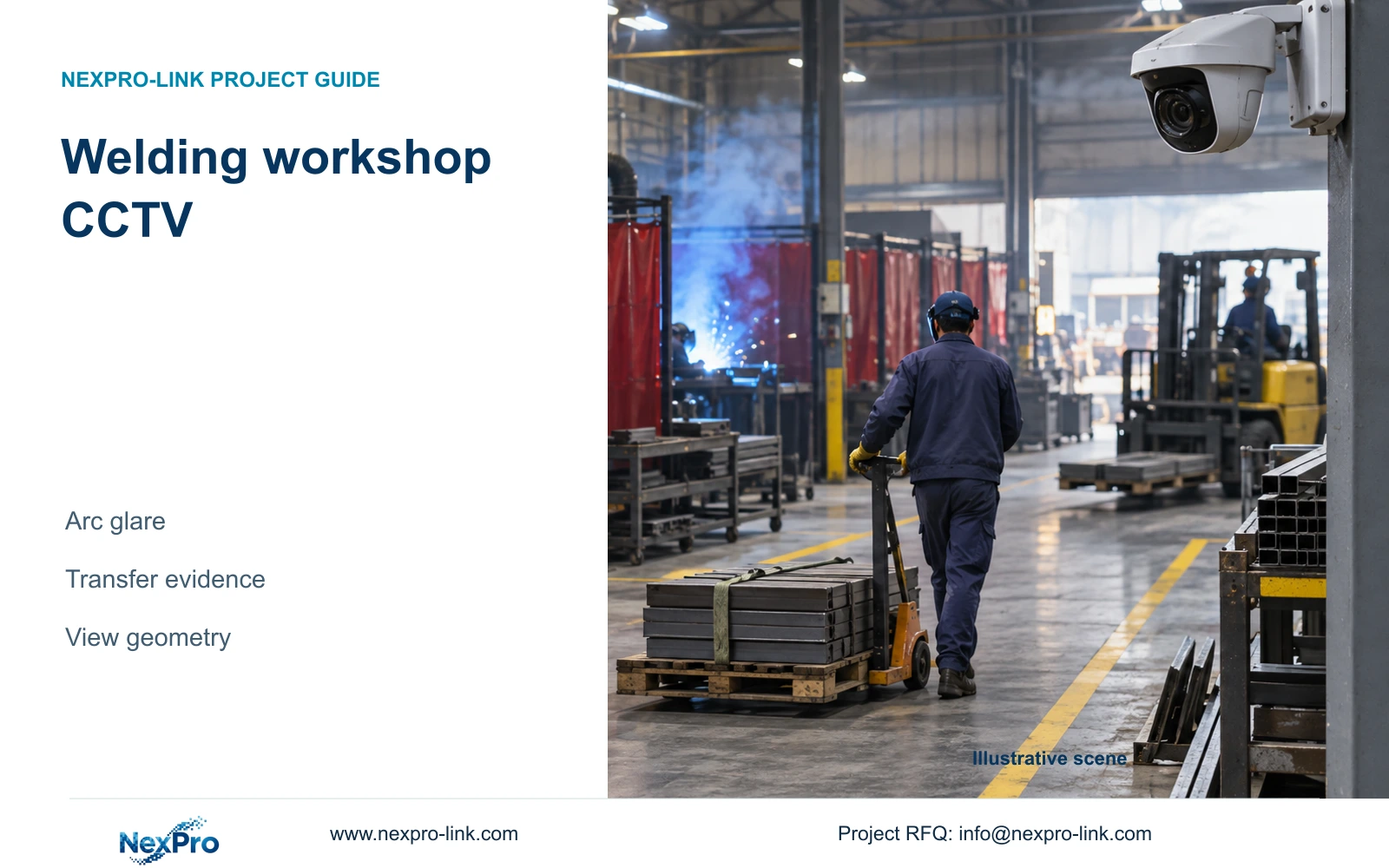
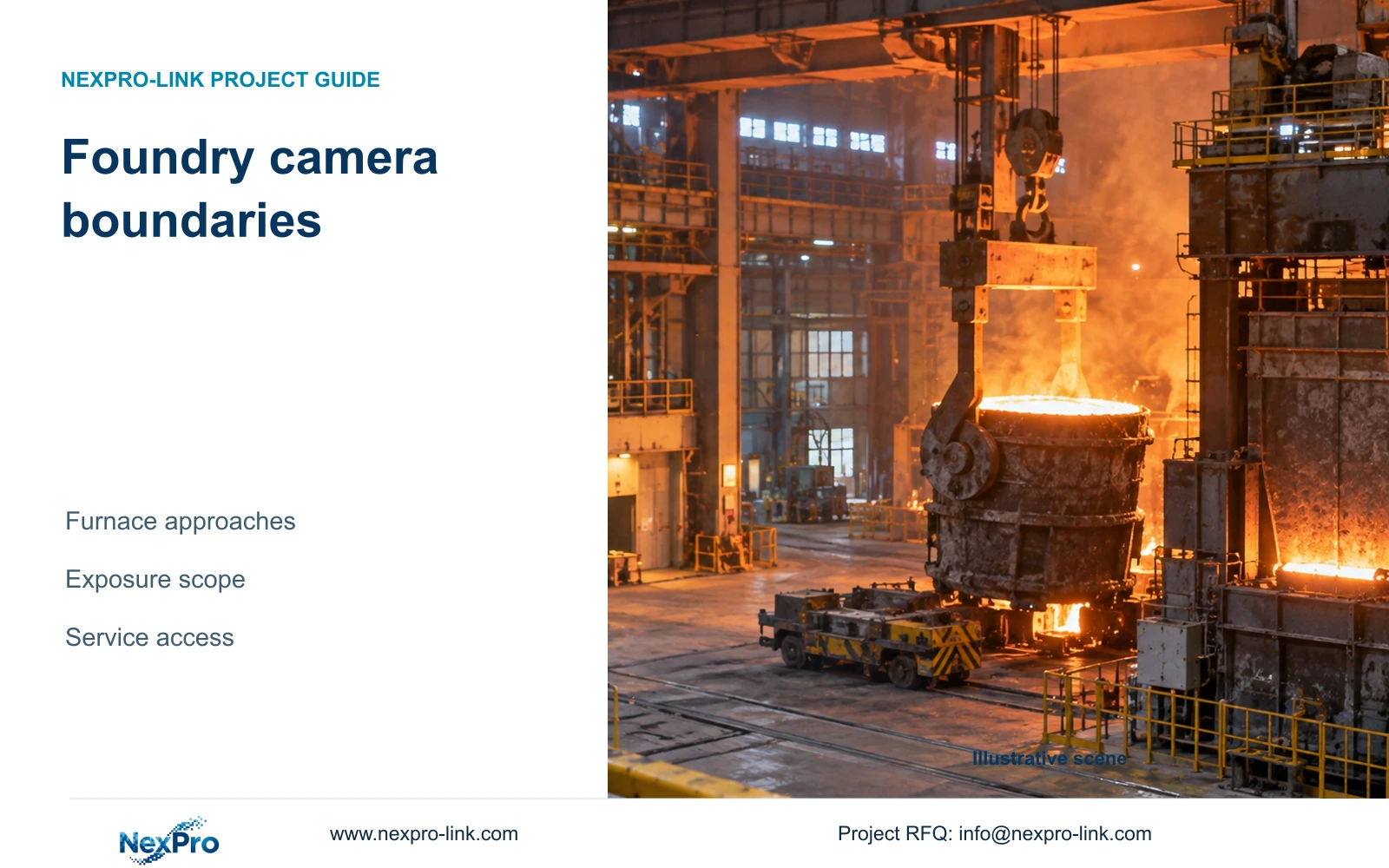
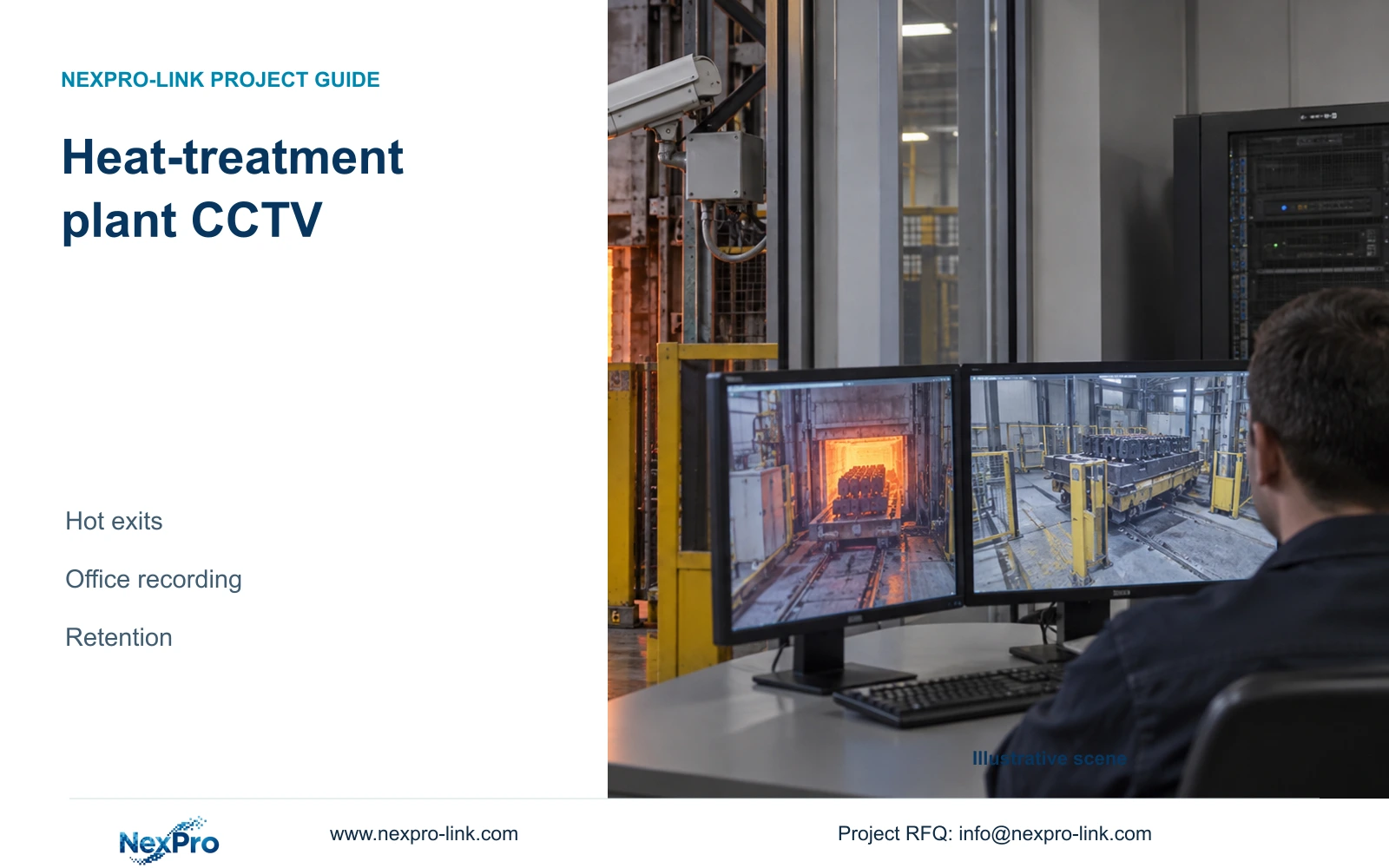
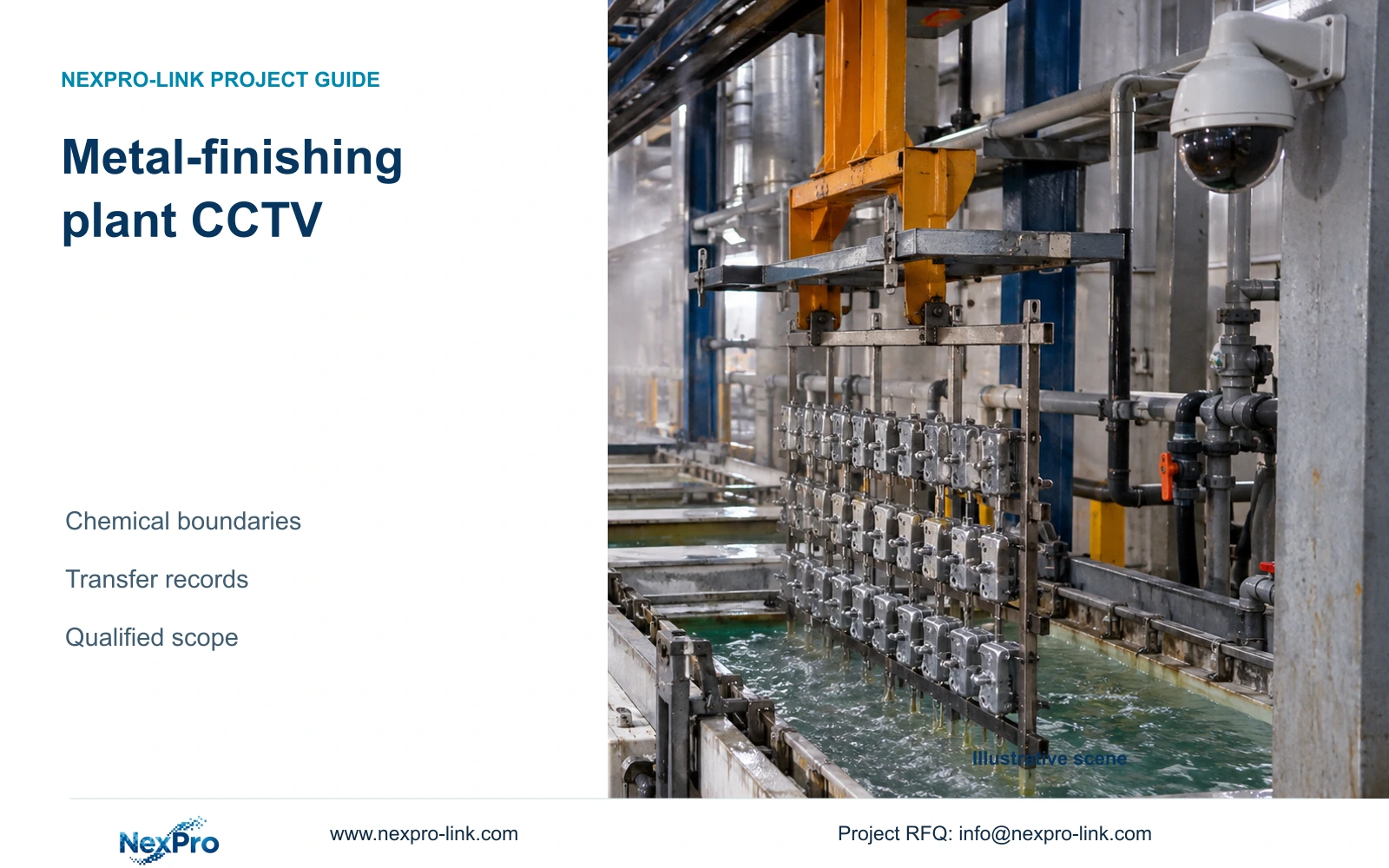
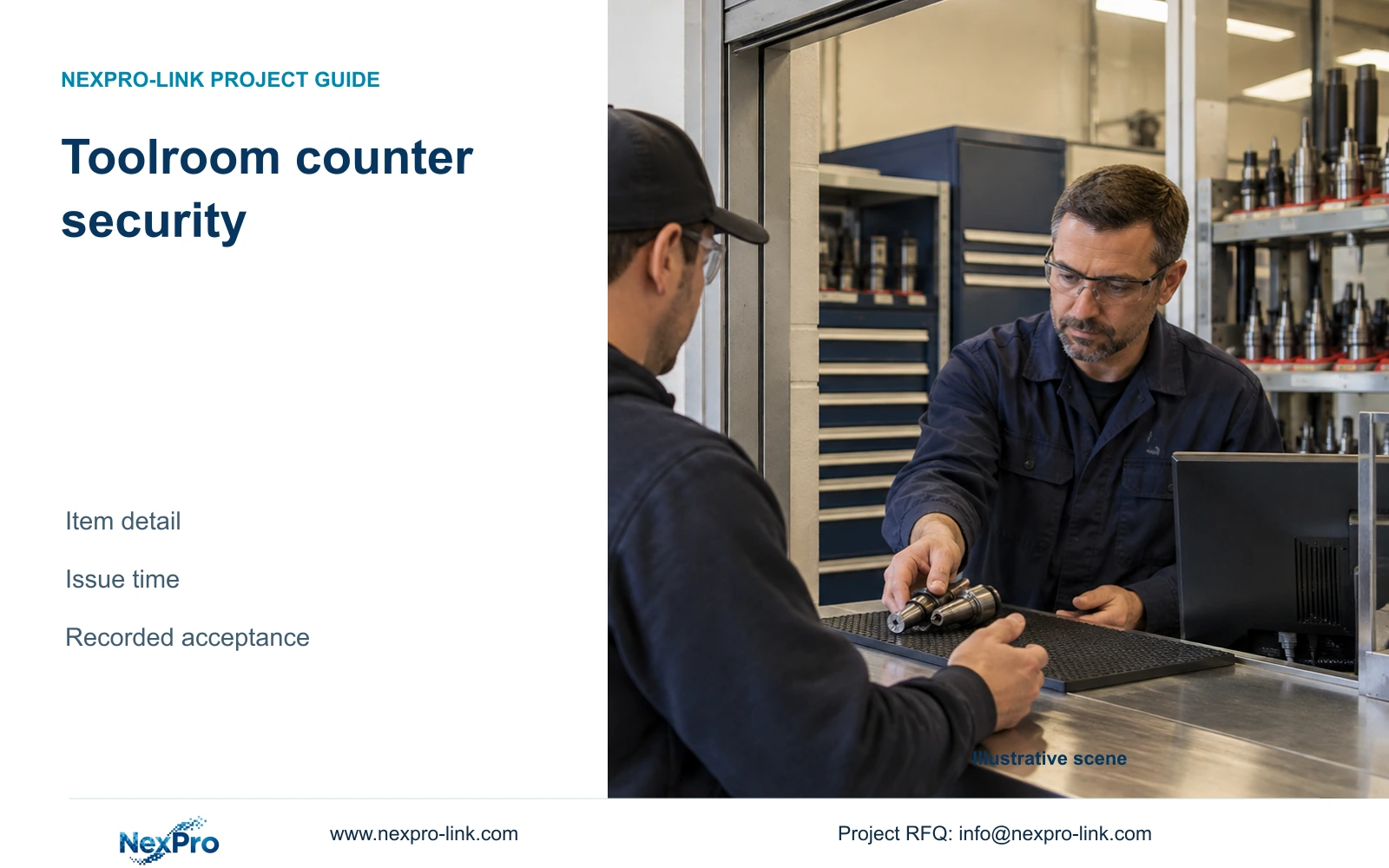
Accept a CNC material-transfer view by reconstructing arrival, loading handover and departure with the machine door and trolley in their normal positions. Keep inspection acceptance separate.

10 guides

Decision area 03

Automotive Mobility

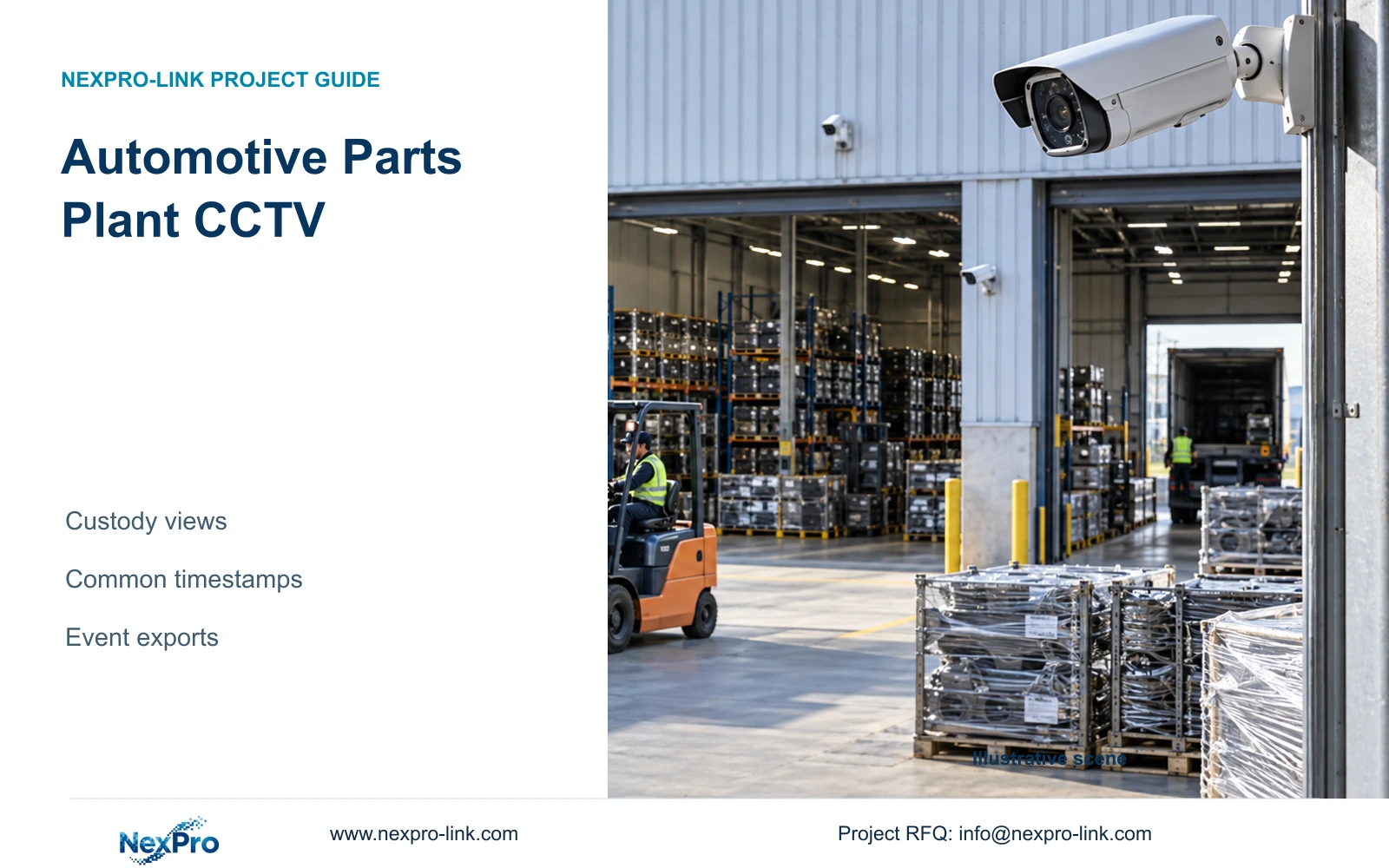
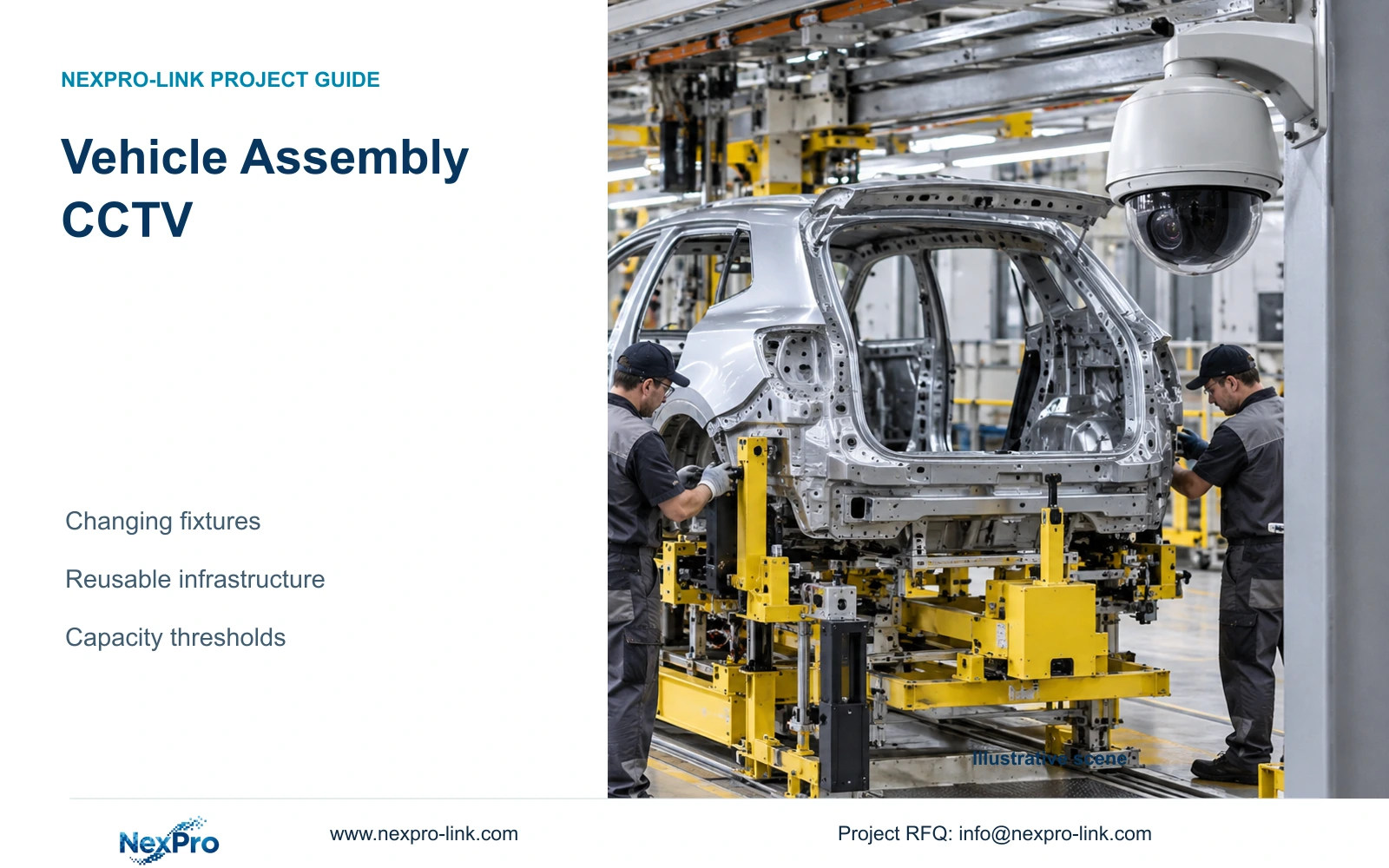
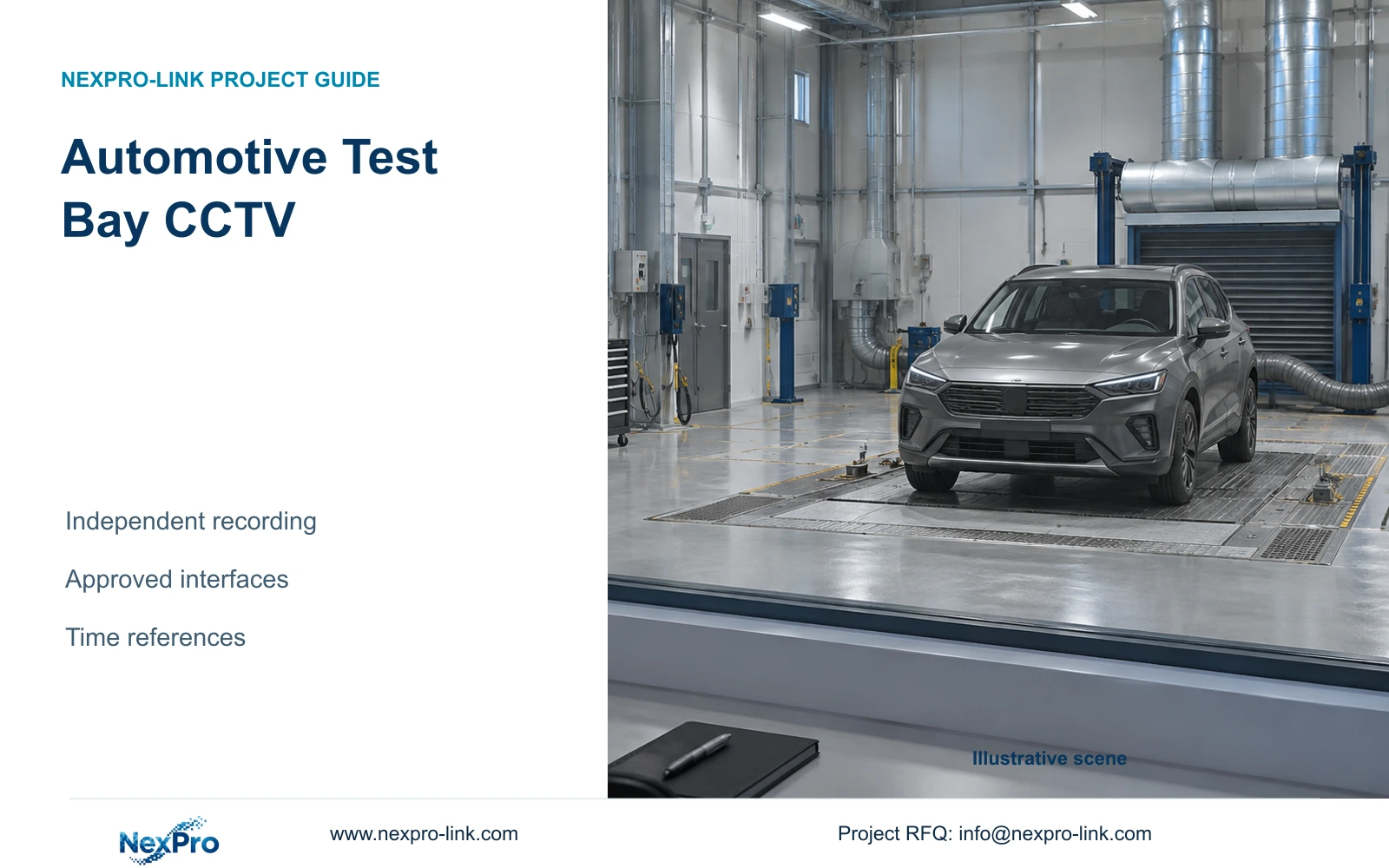
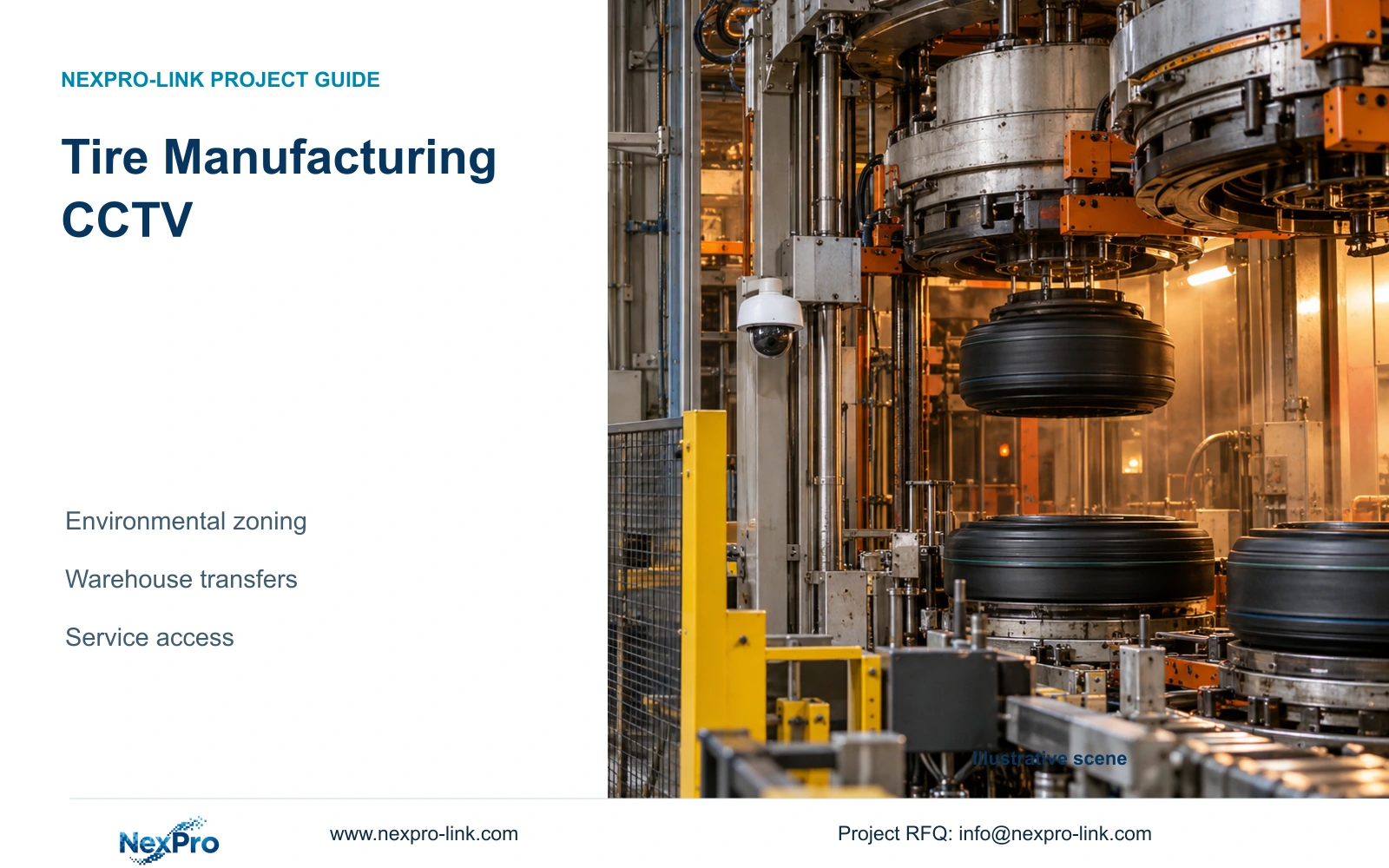
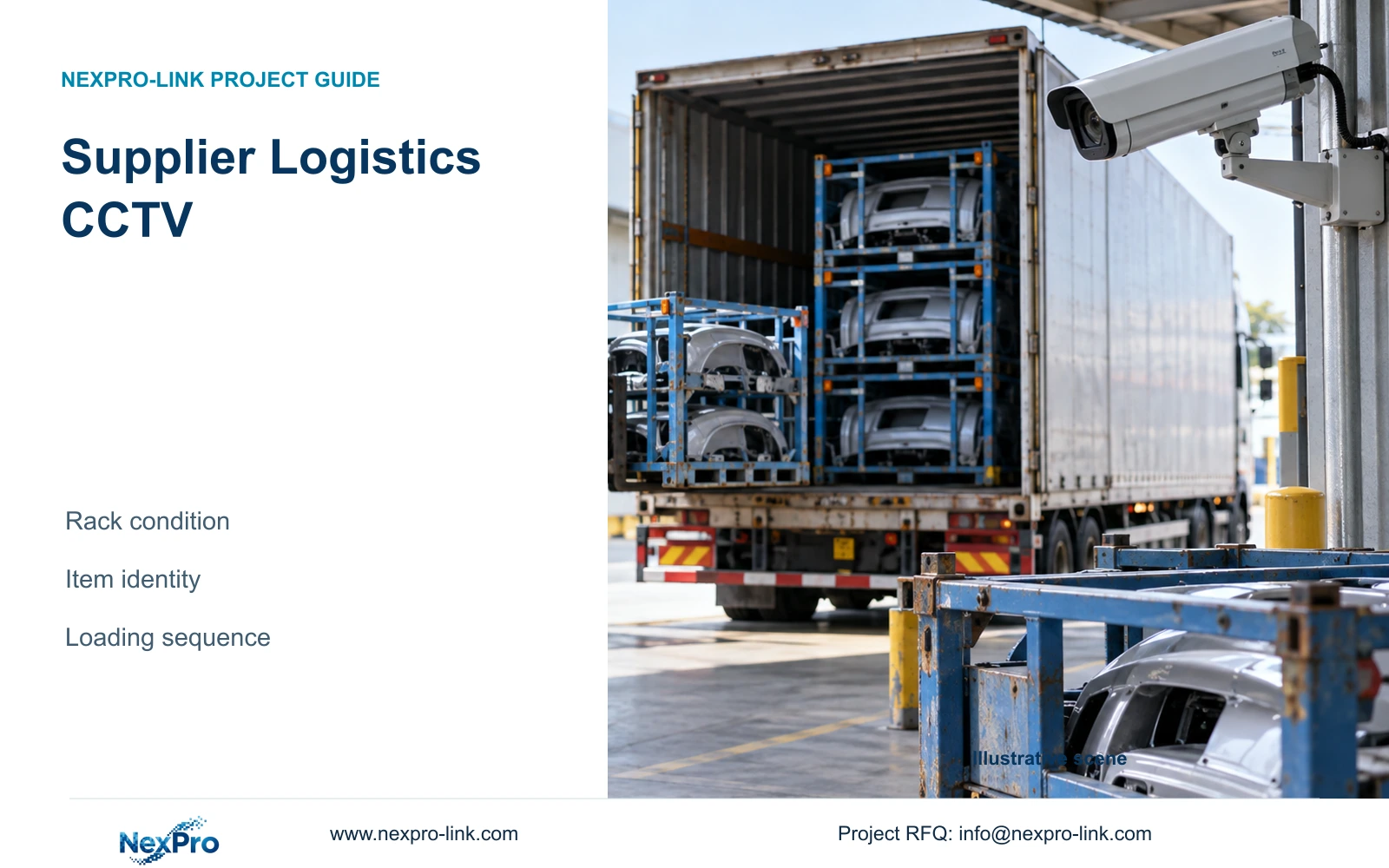
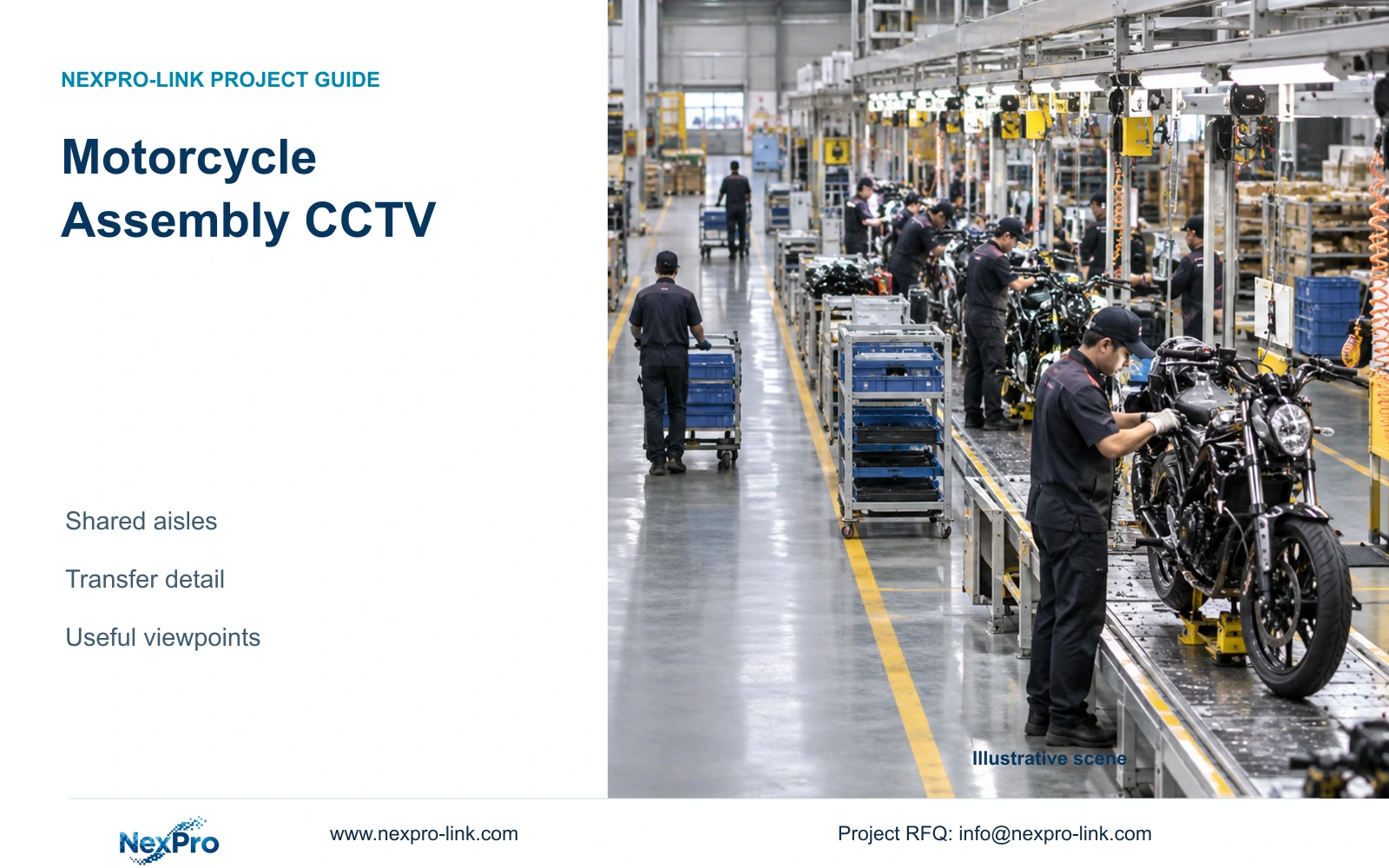
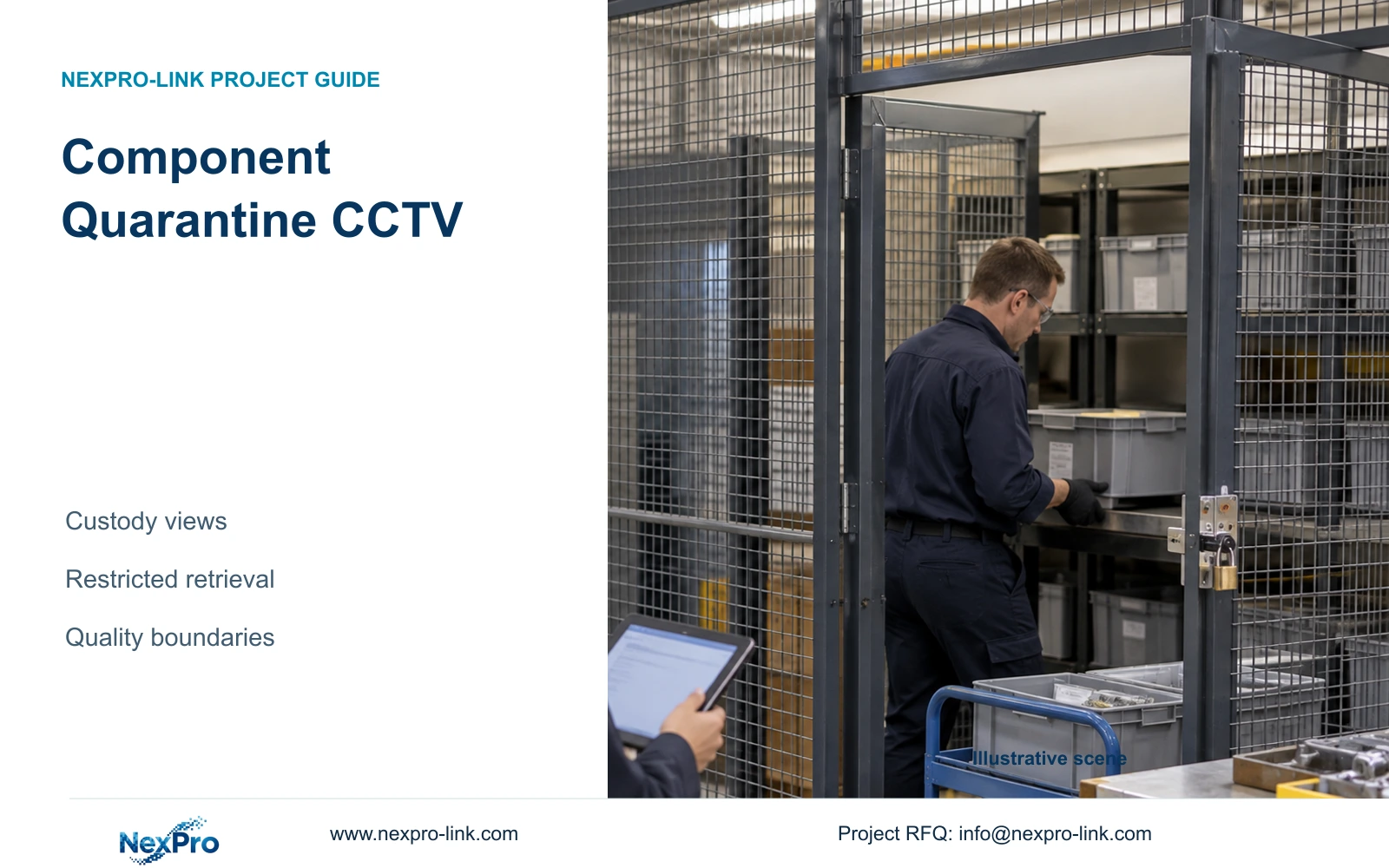
Build an automotive parts CCTV schedule around custody transitions, common timestamps and usable exports, while keeping production traceability responsibilities separate.

10 guides

Decision area 04

Electronics Appliances

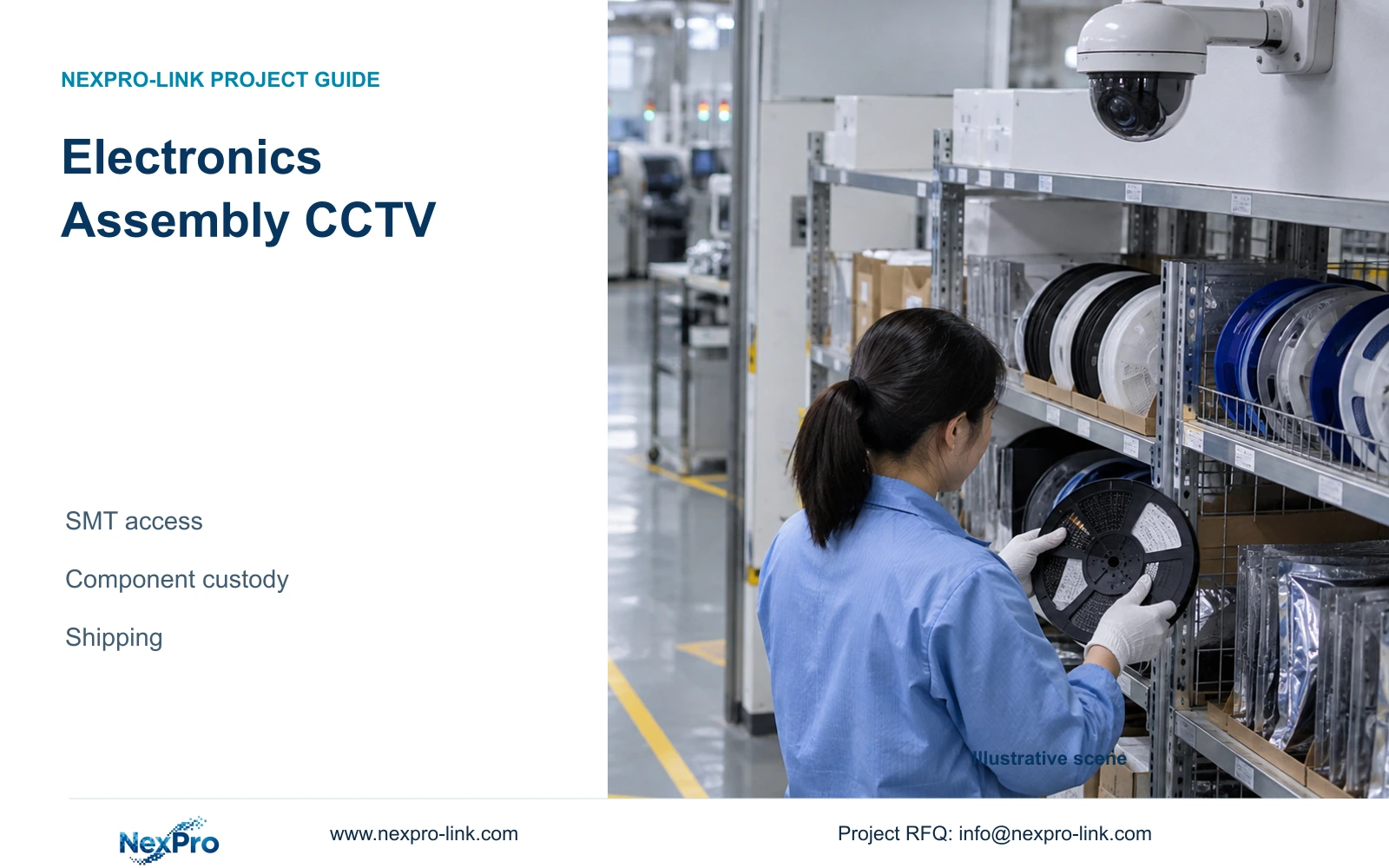
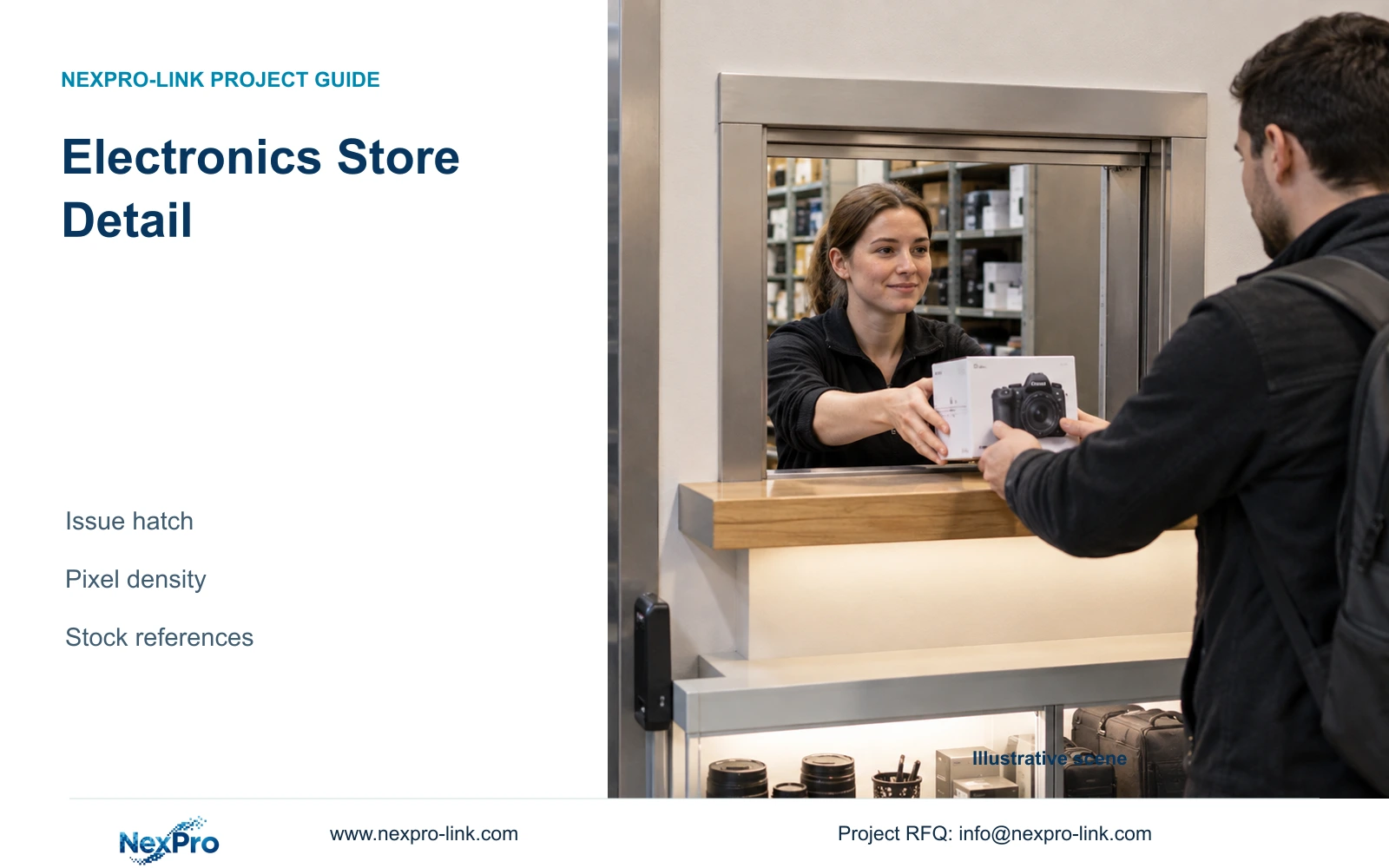
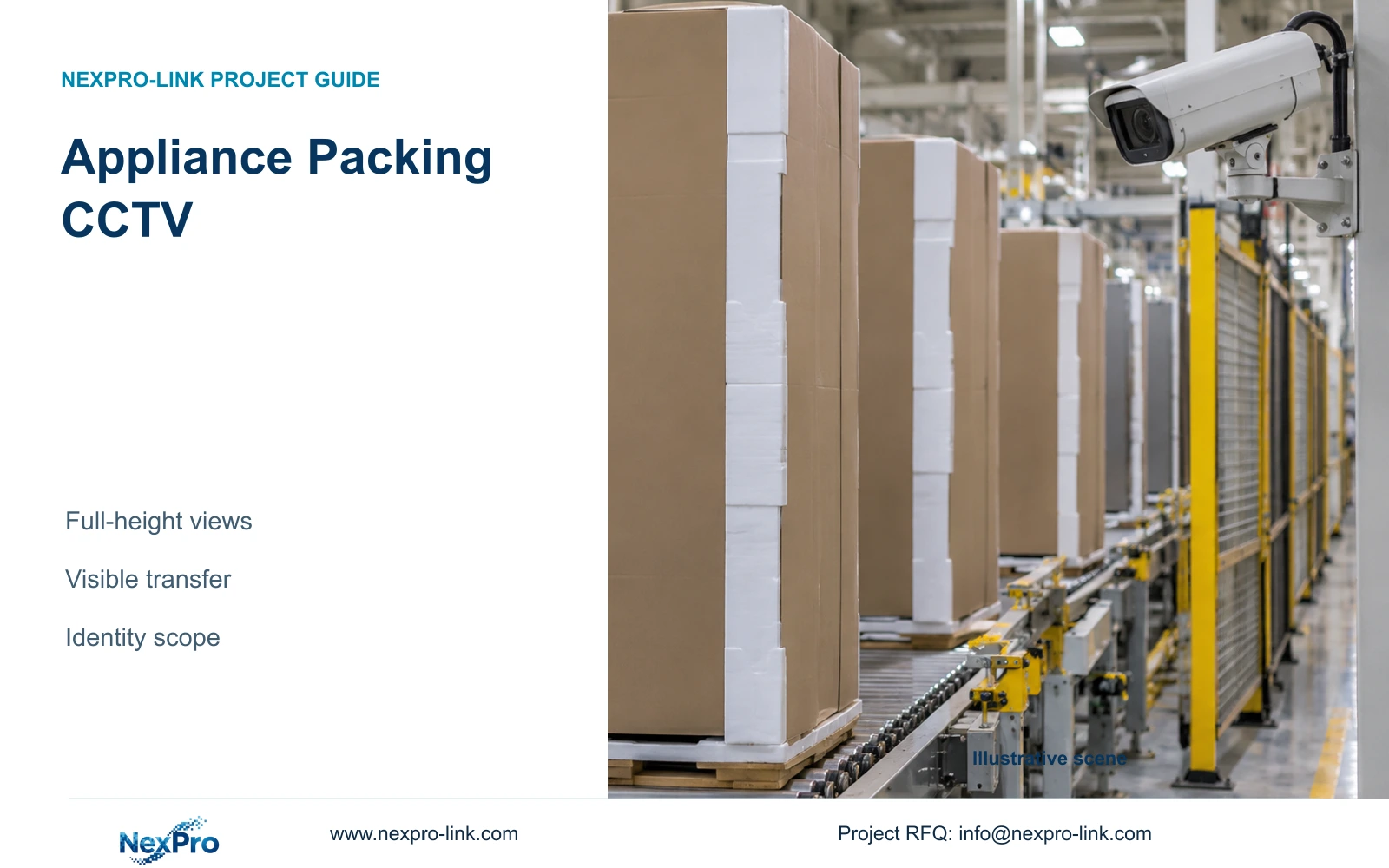
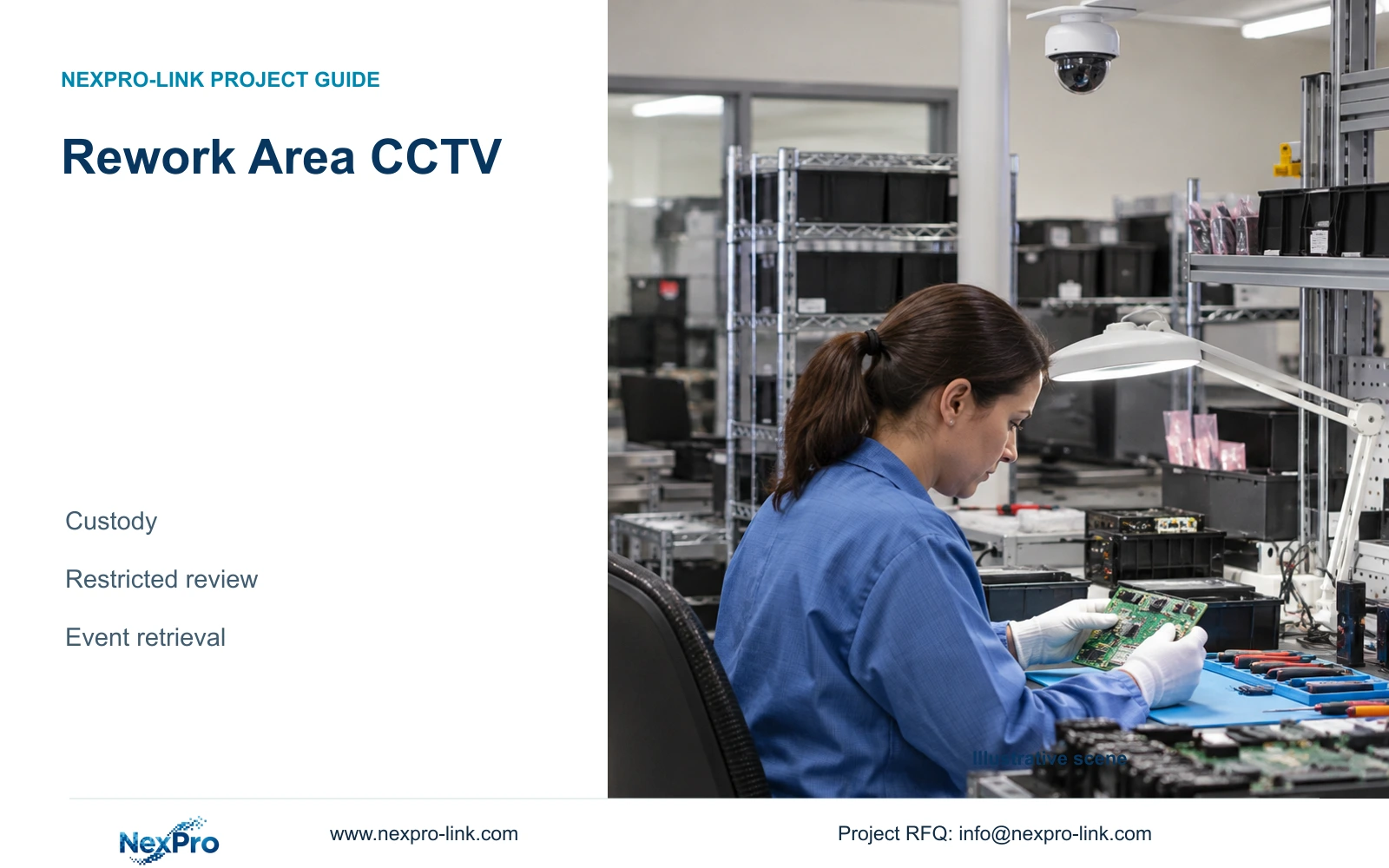
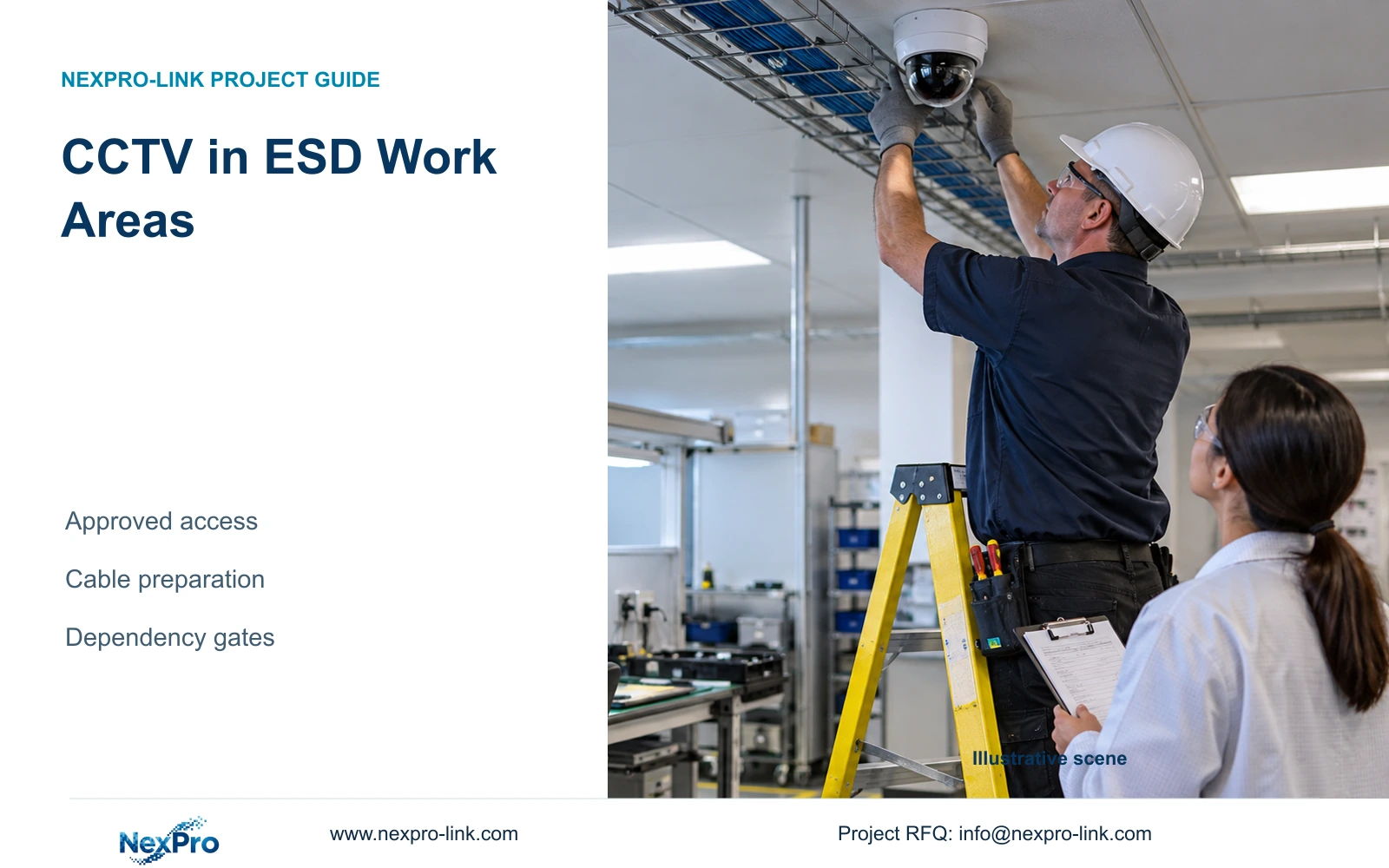
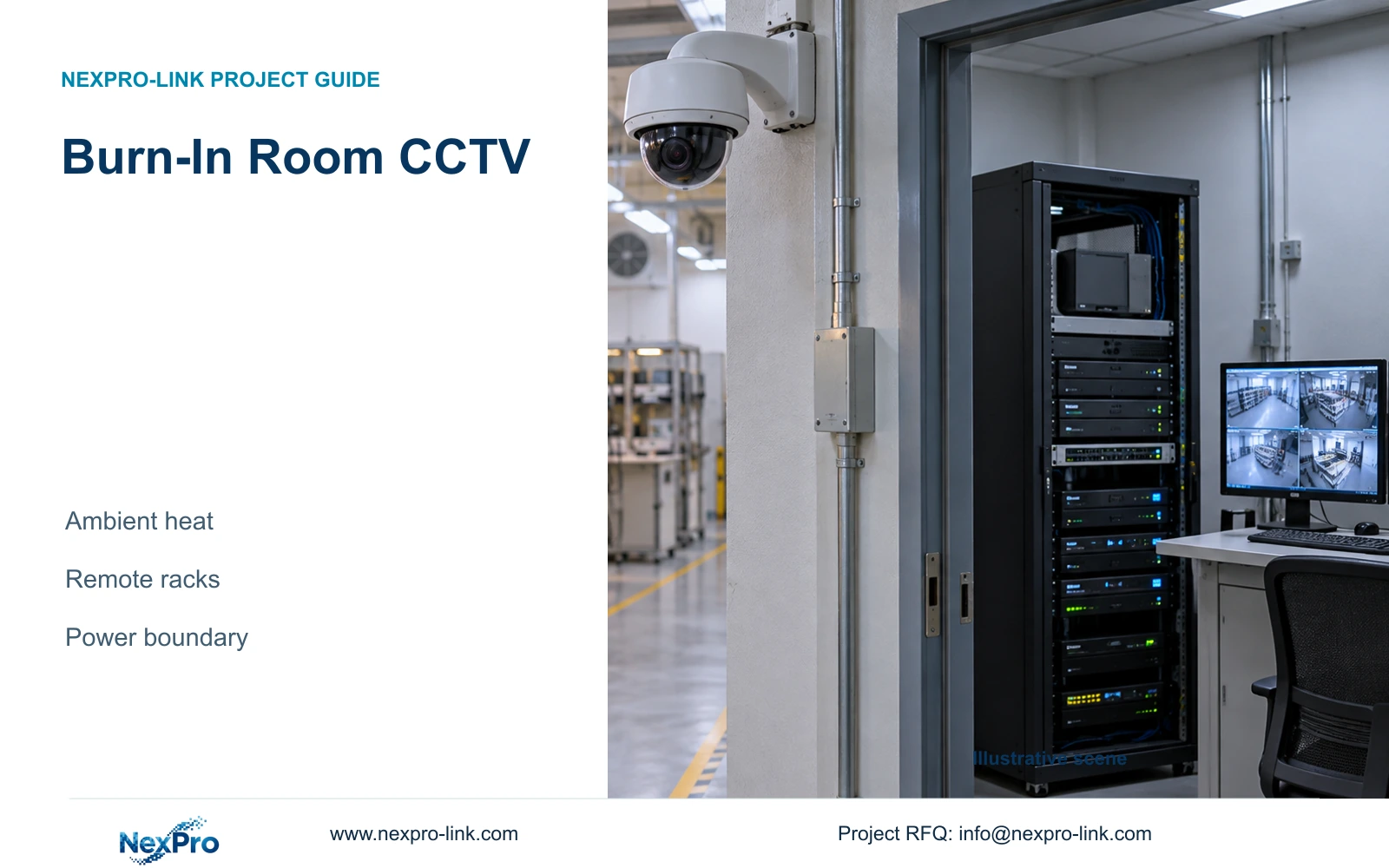
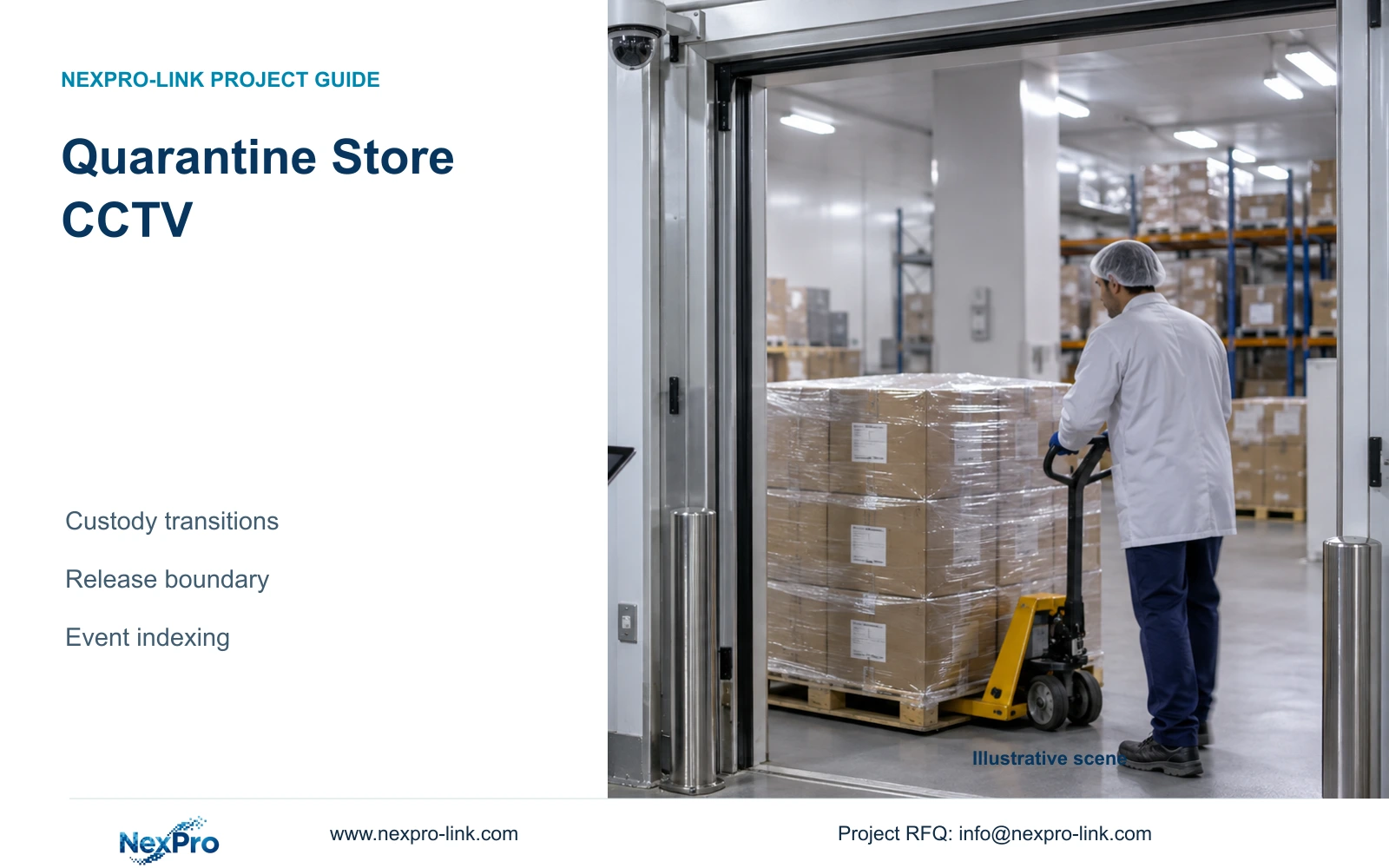
Split an electronics CCTV release into ordinary receiving/store work and SMT-boundary work that needs facility permission. Track mounts, penetrations and maintenance access separately.

10 guides

Decision area 05

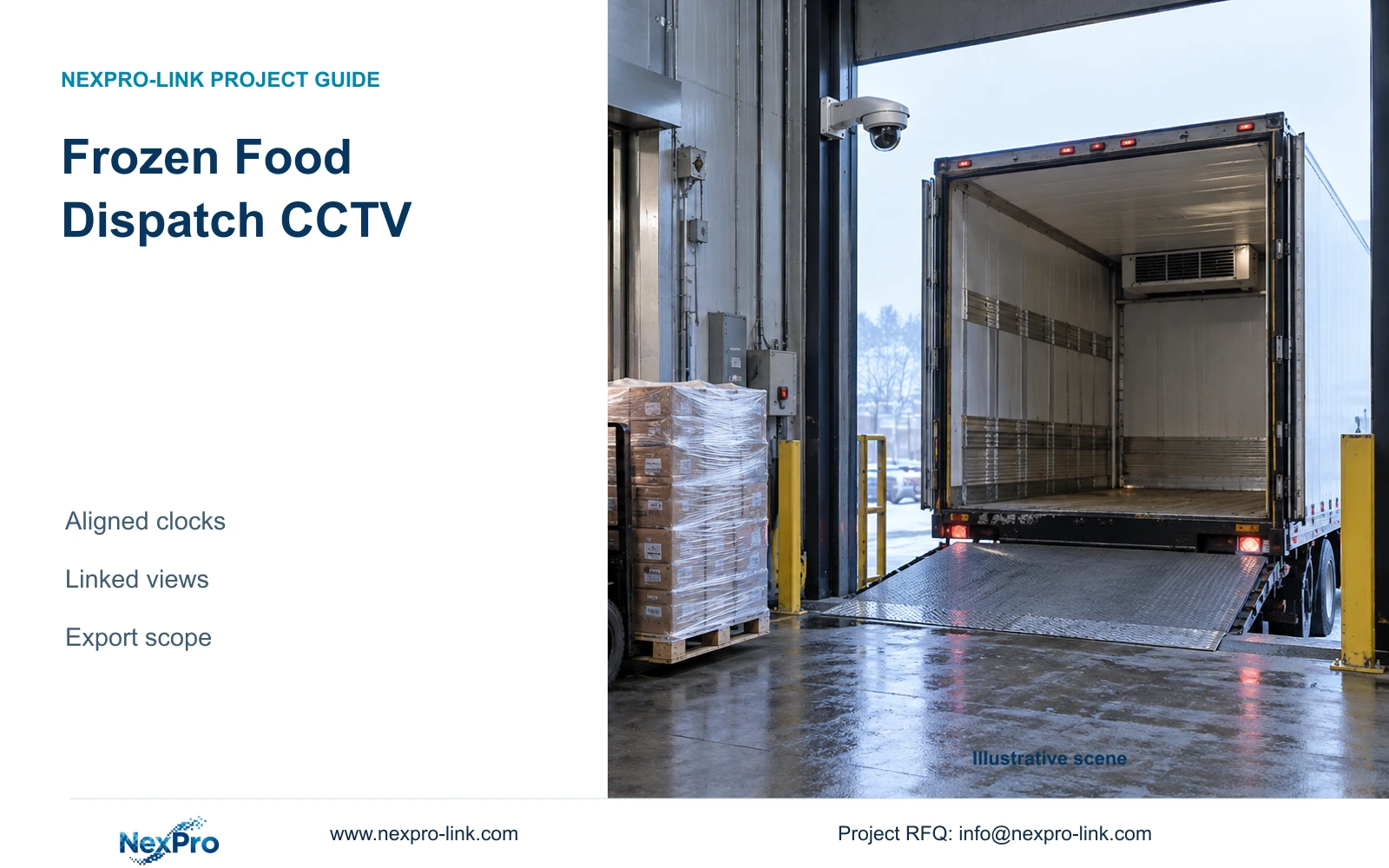
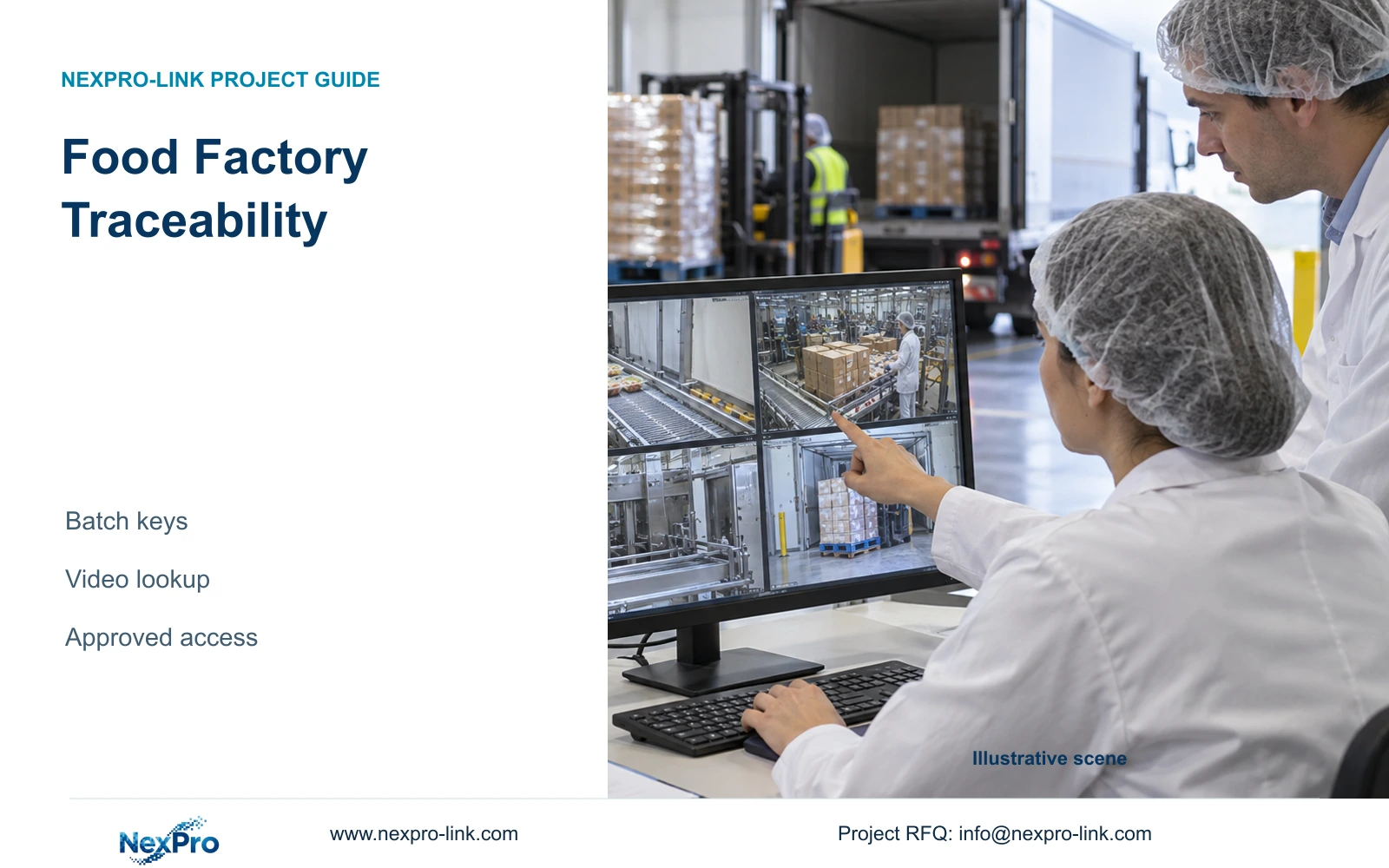
Food Beverage

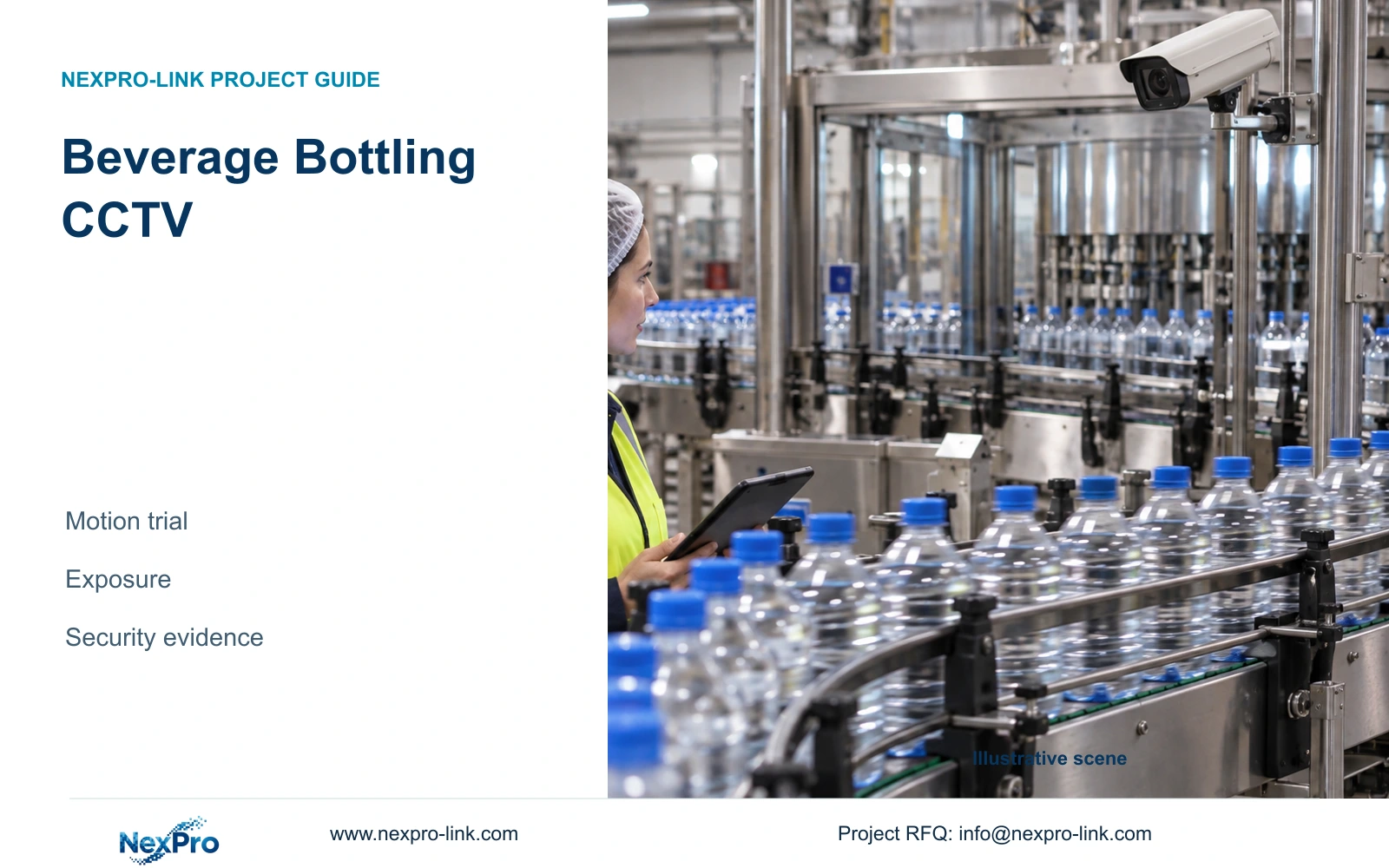
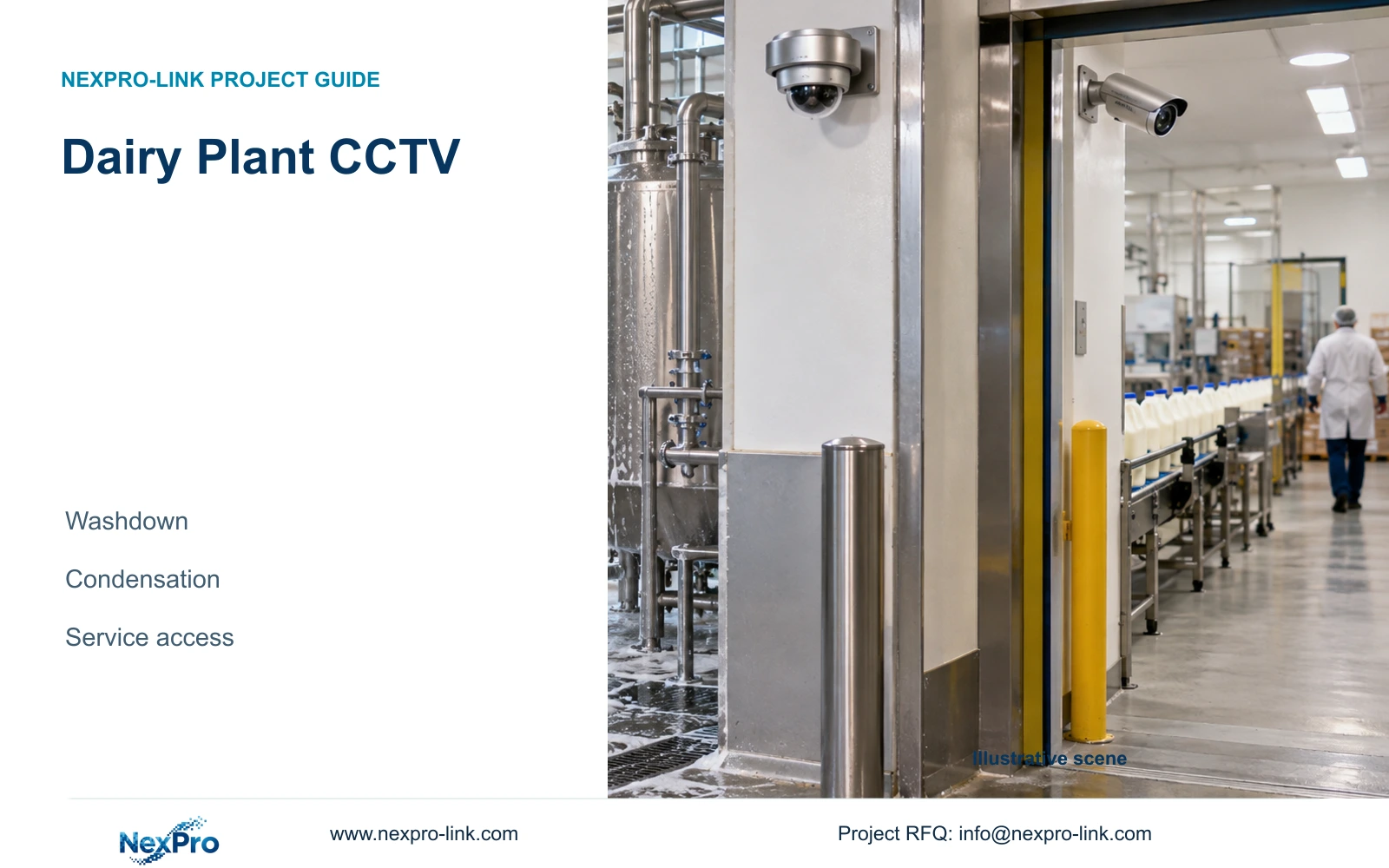
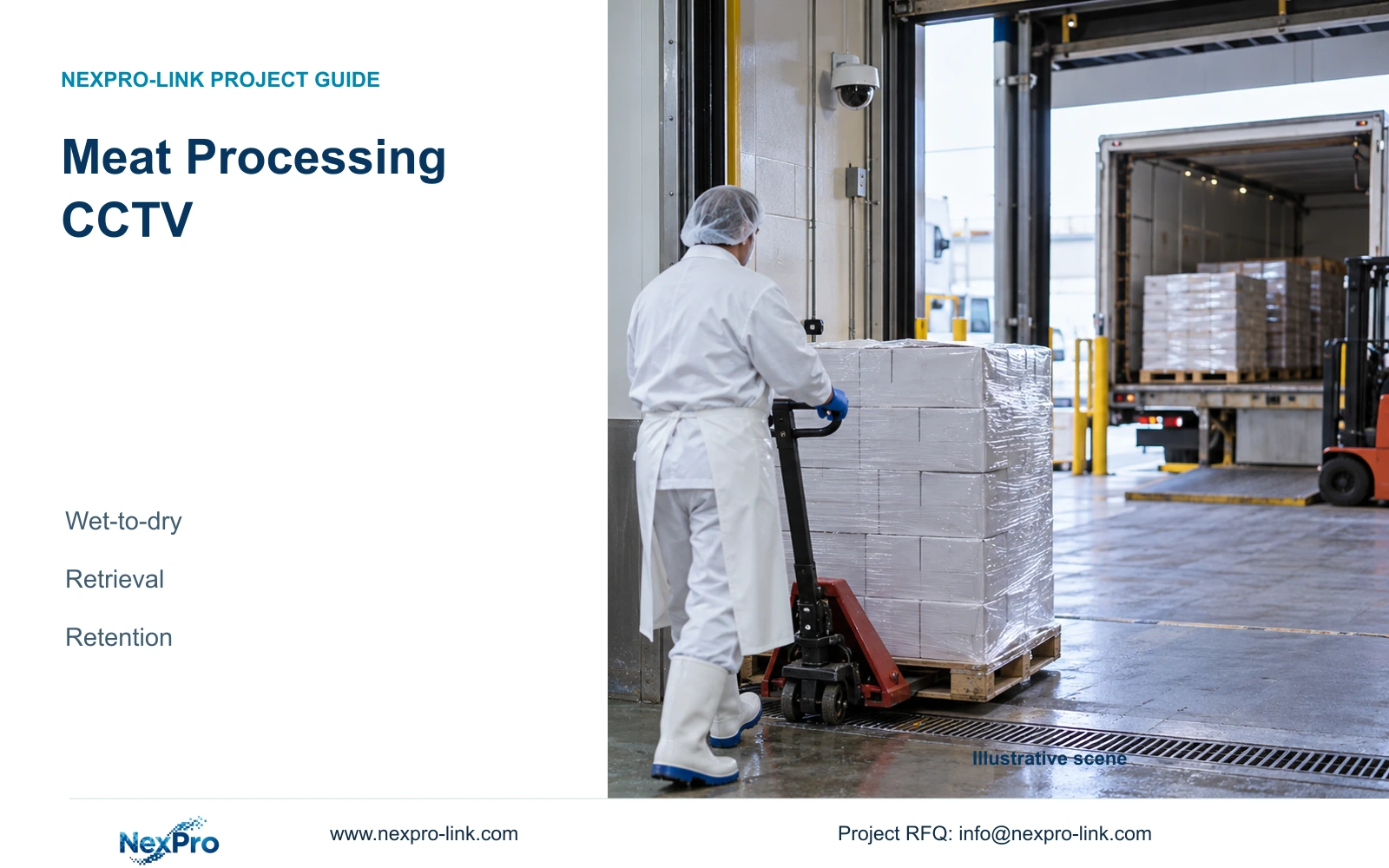
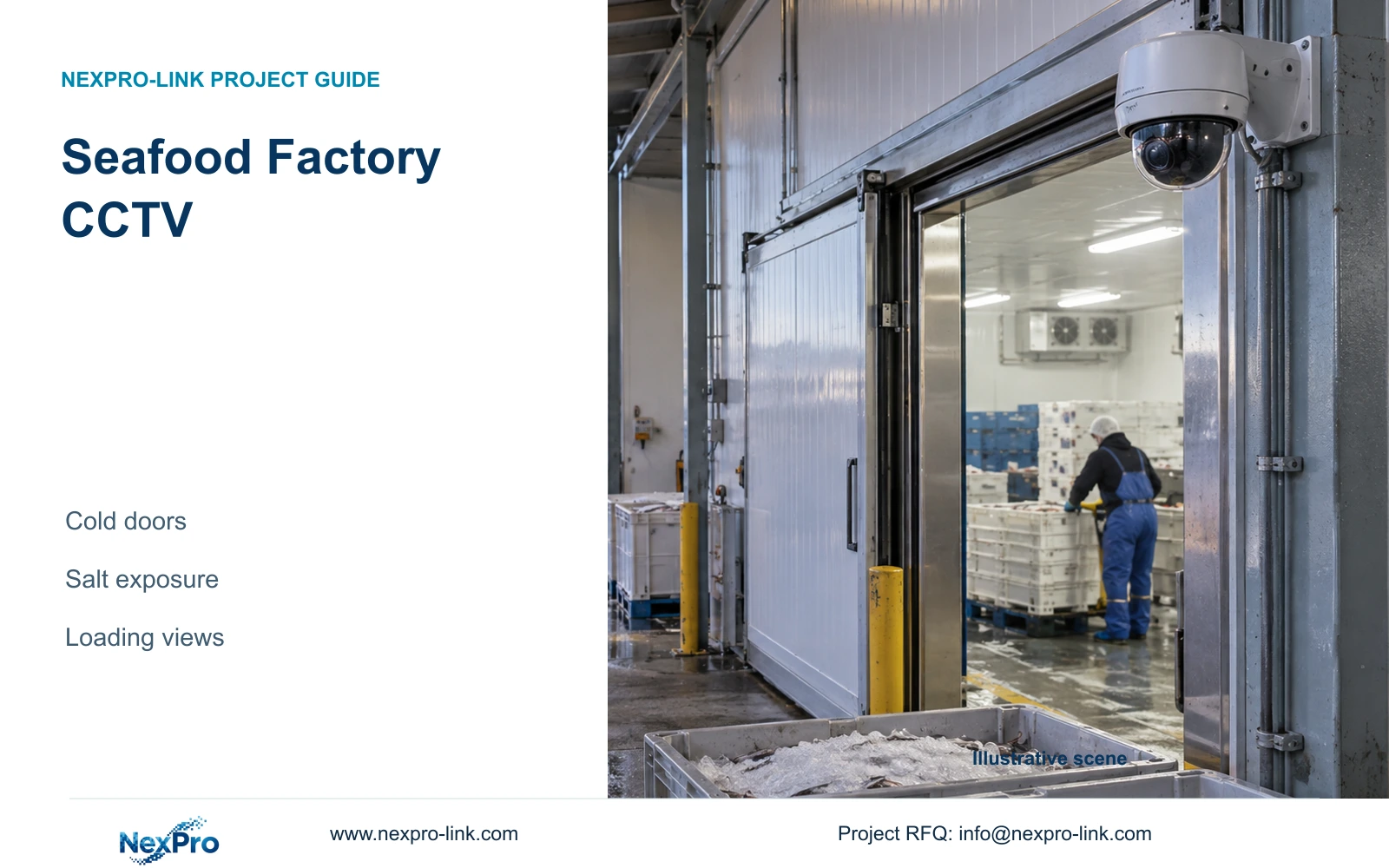
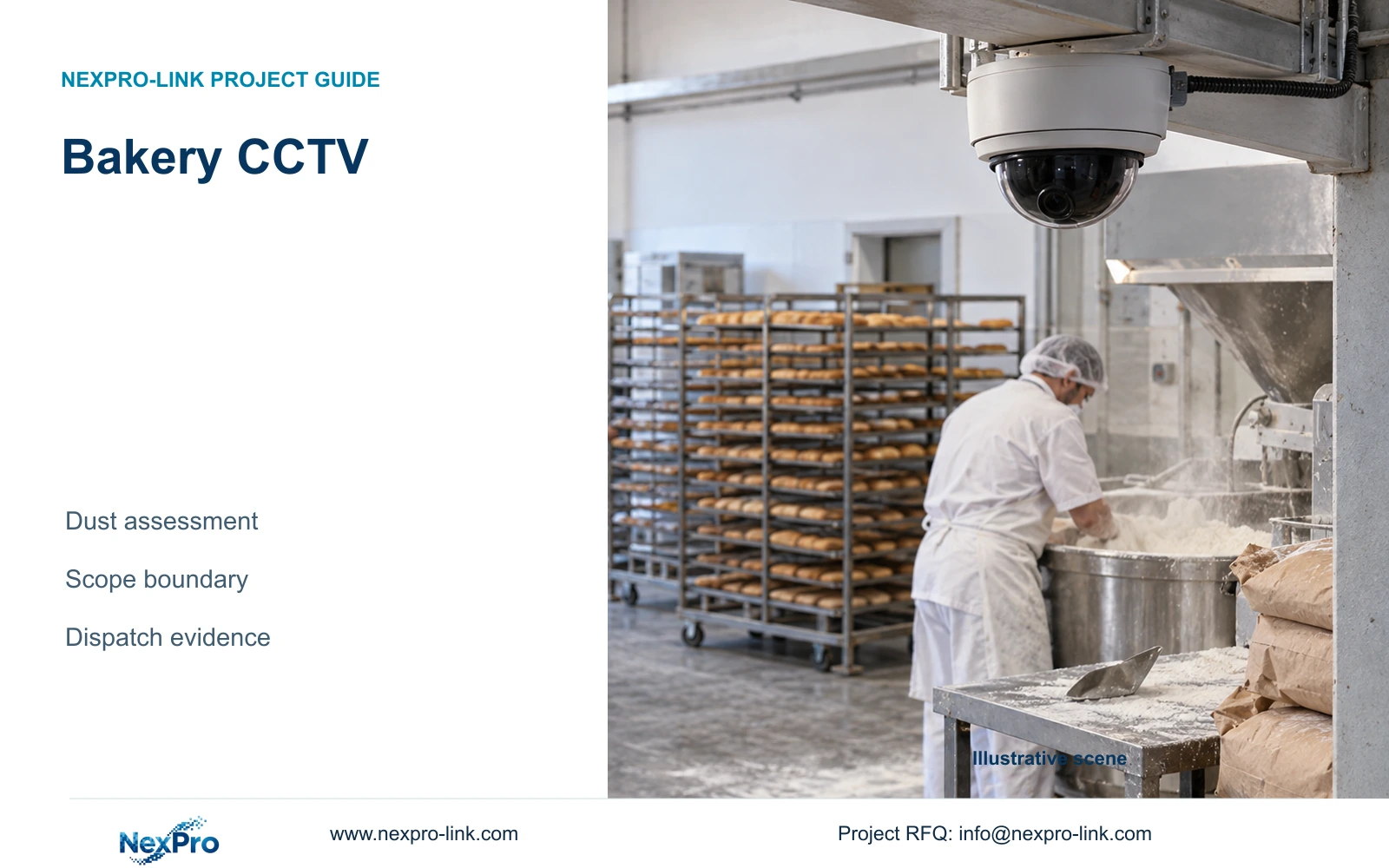
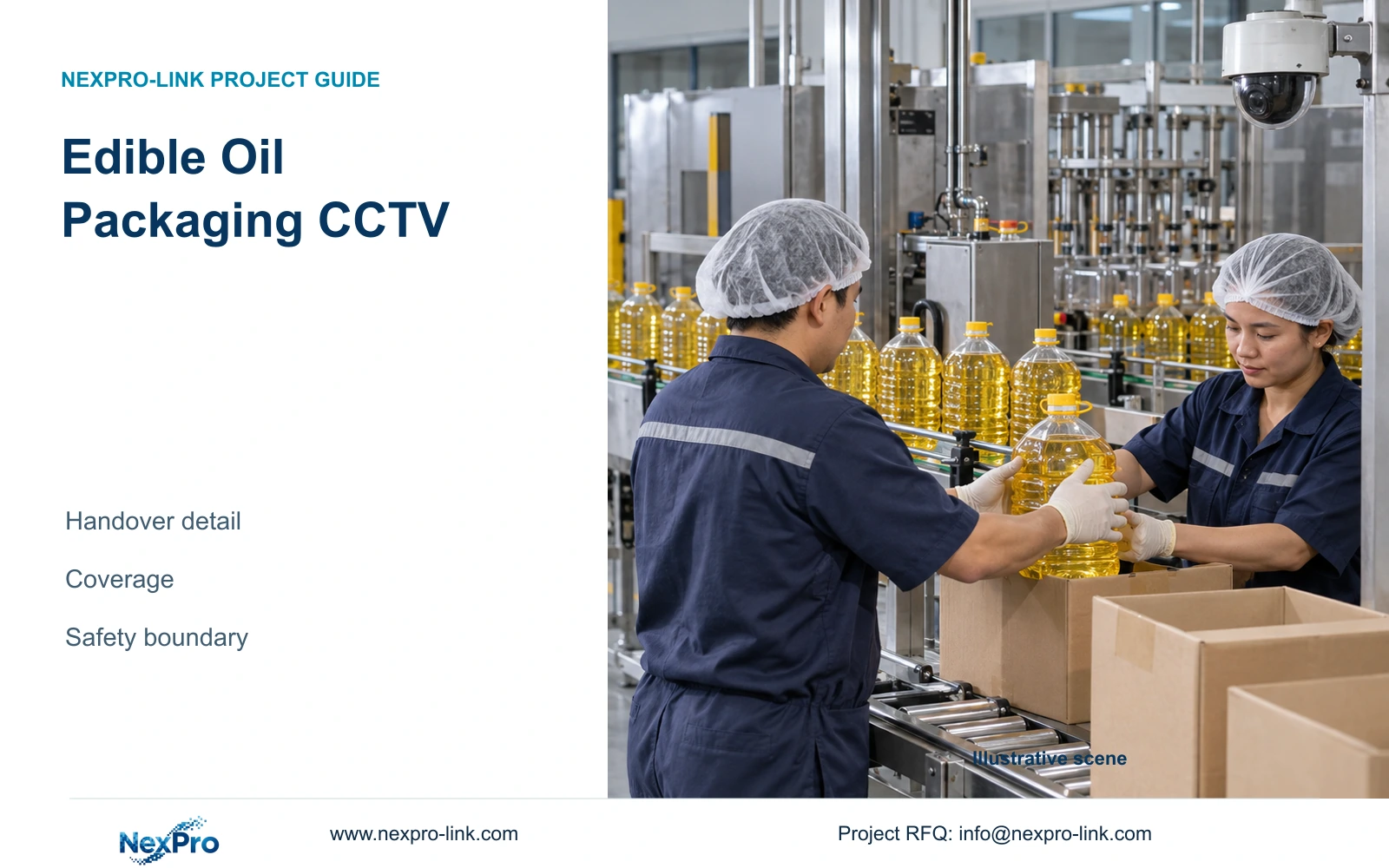
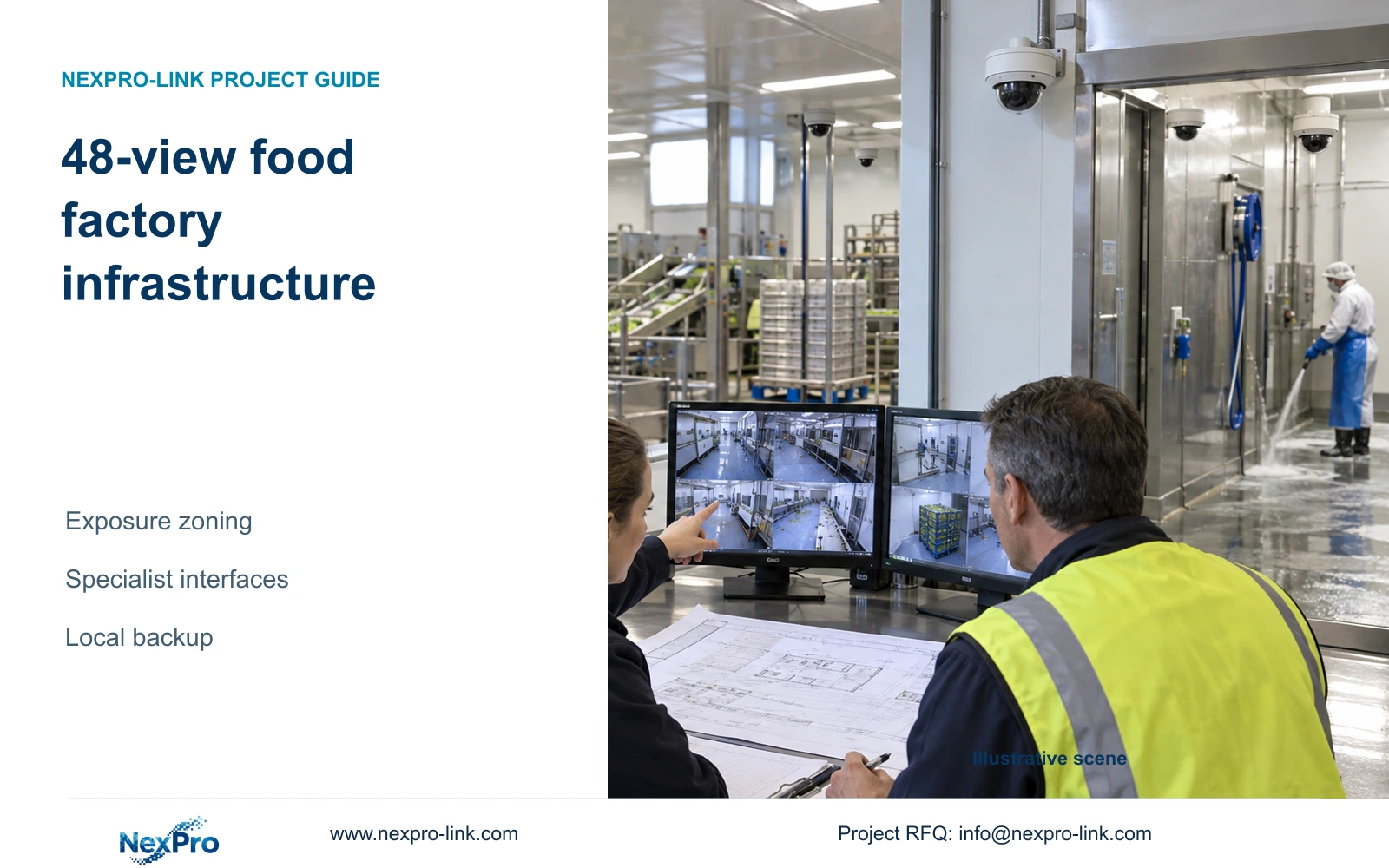
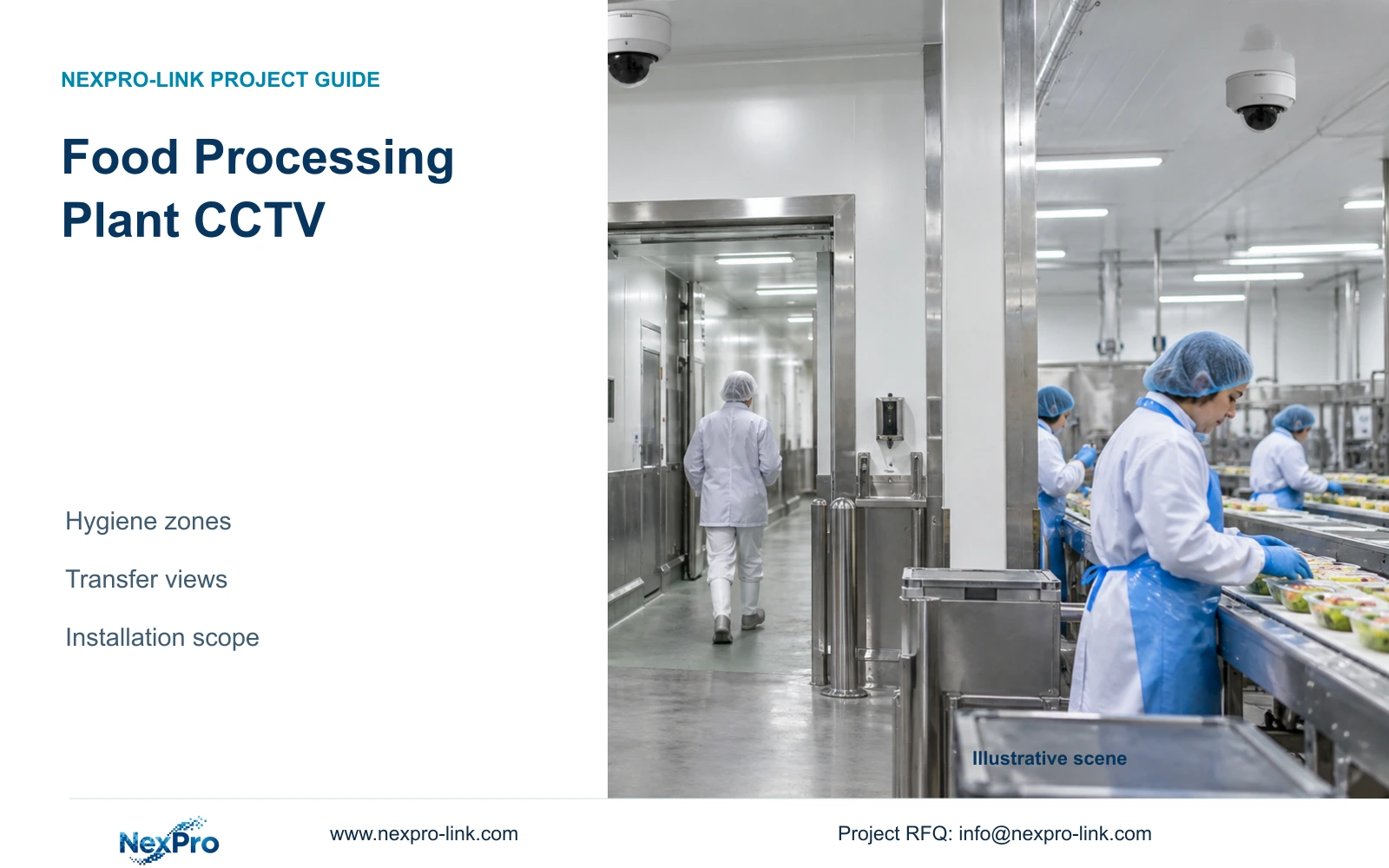
Use the hygiene drawing and cleaning schedule to control CCTV release. Reopen only affected mounts, connections and views when sanitation conditions change; do not treat IP66 as cleaning approval.

10 guides

Decision area 06

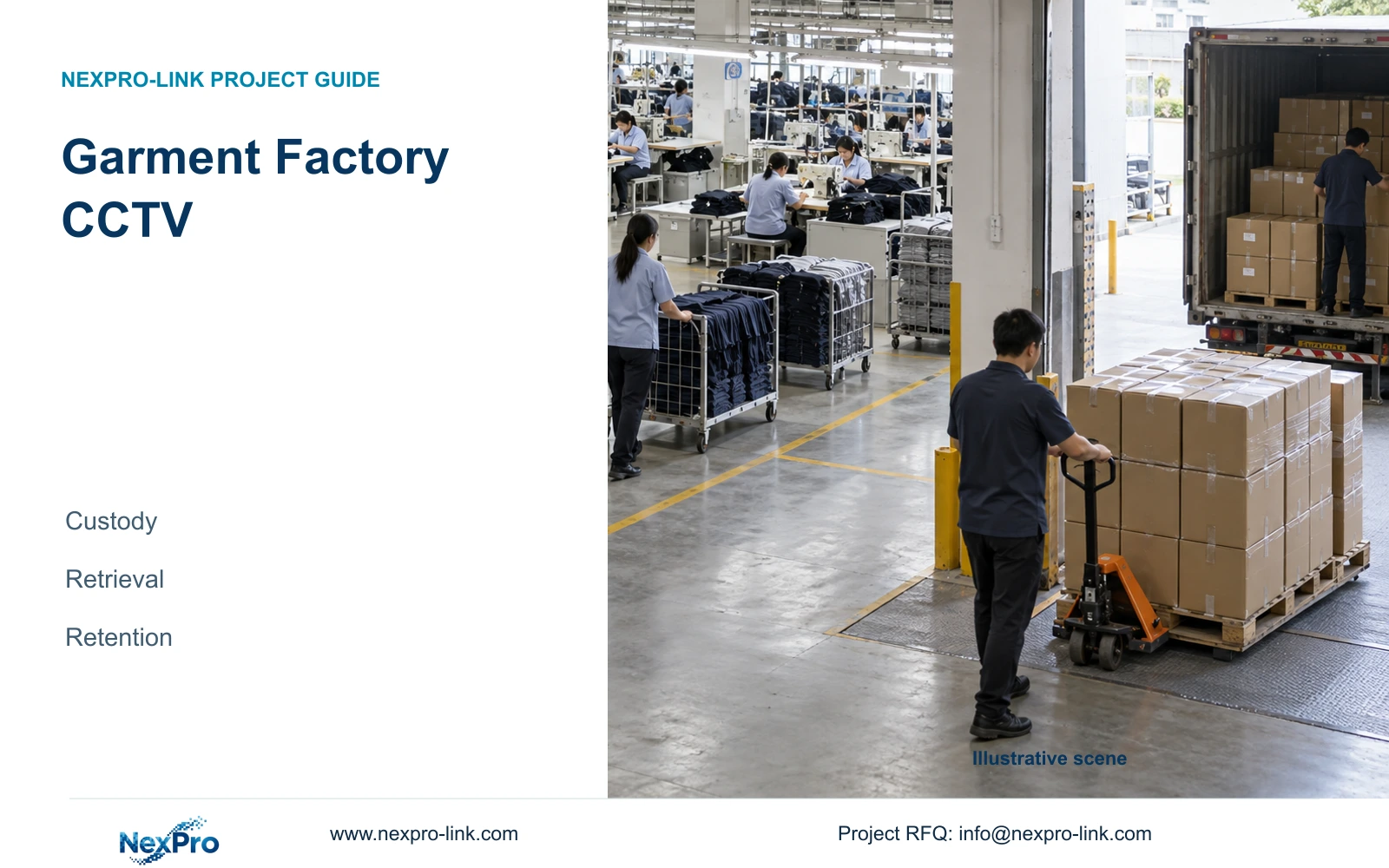
Textile Garment Leather

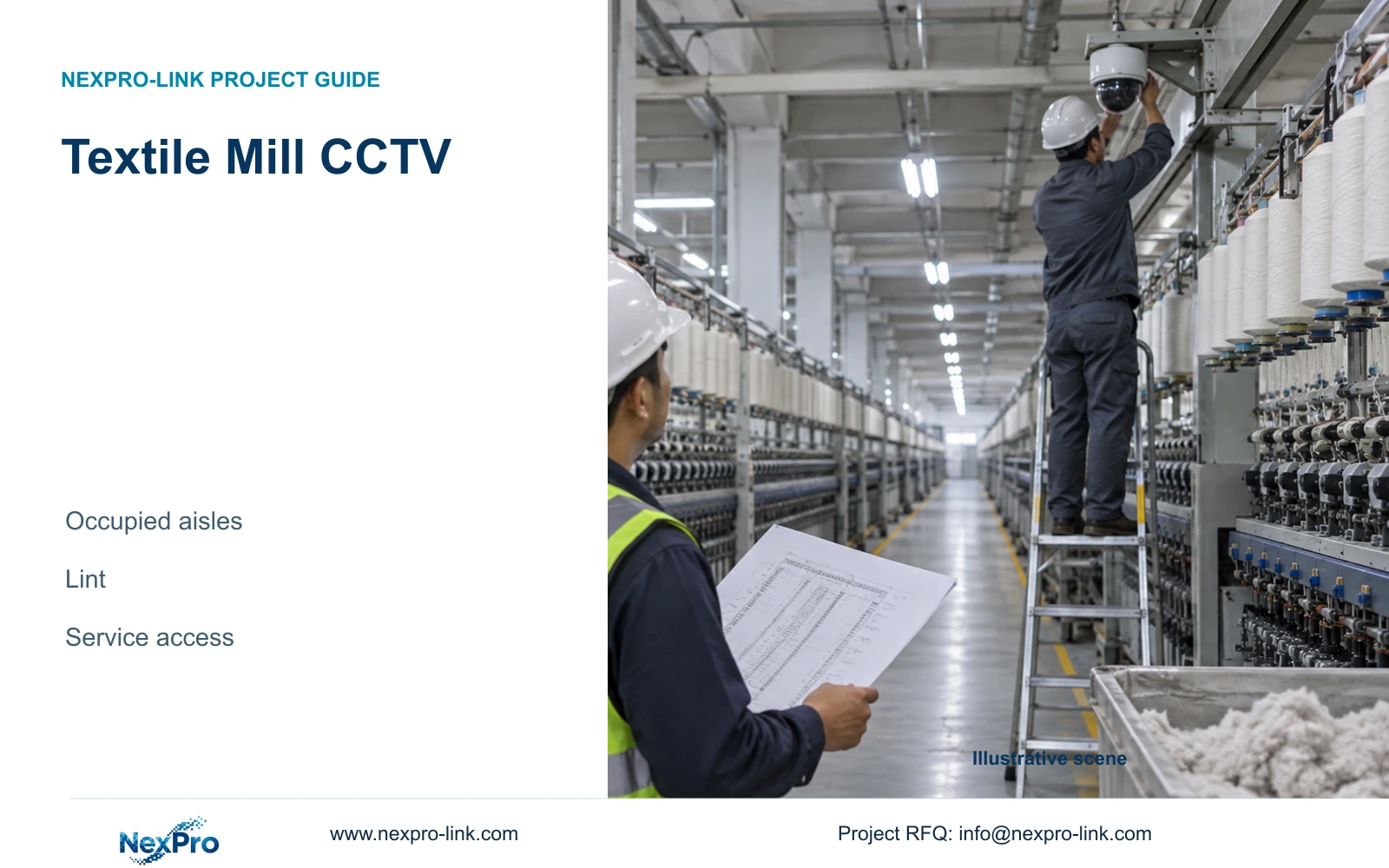
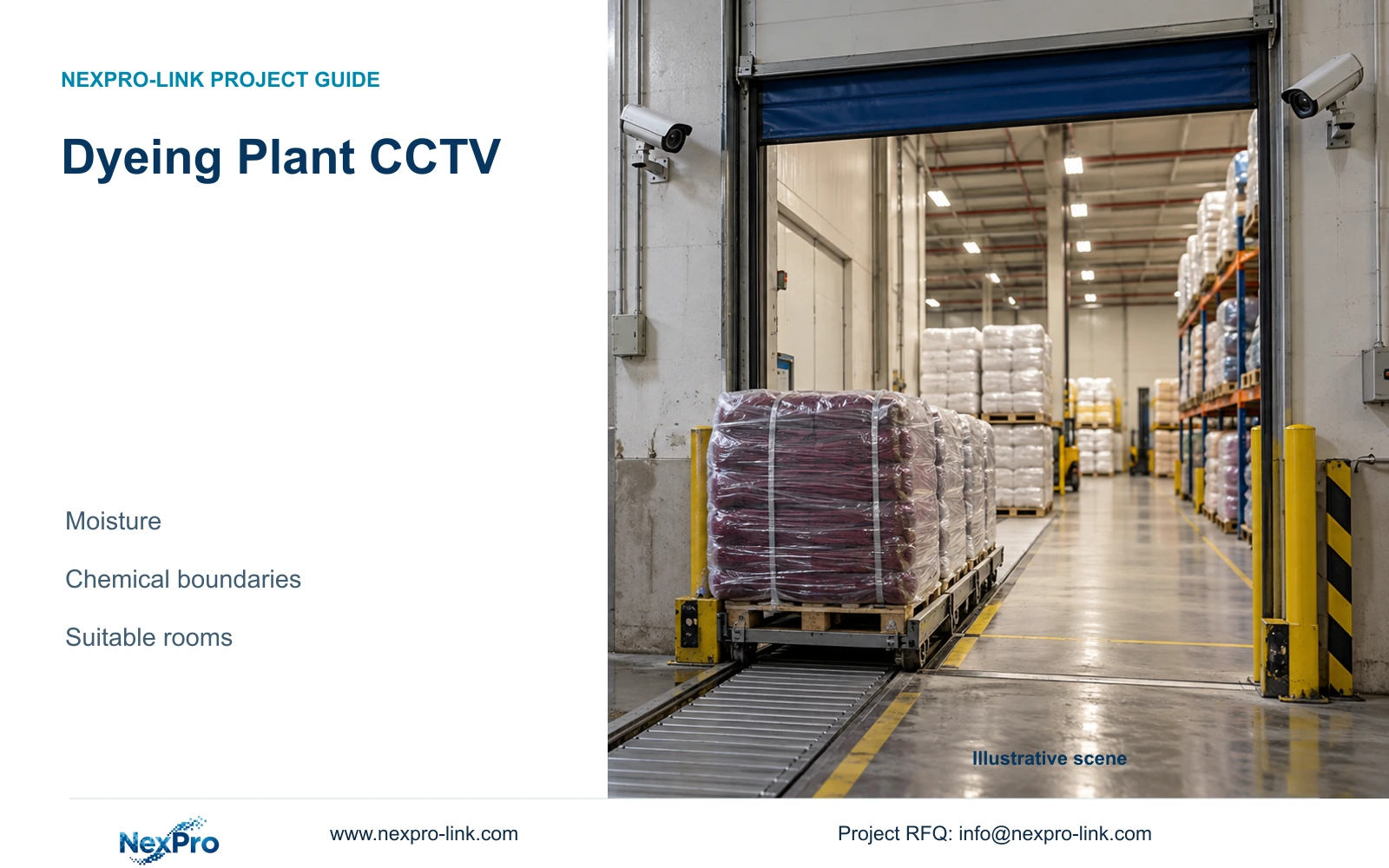
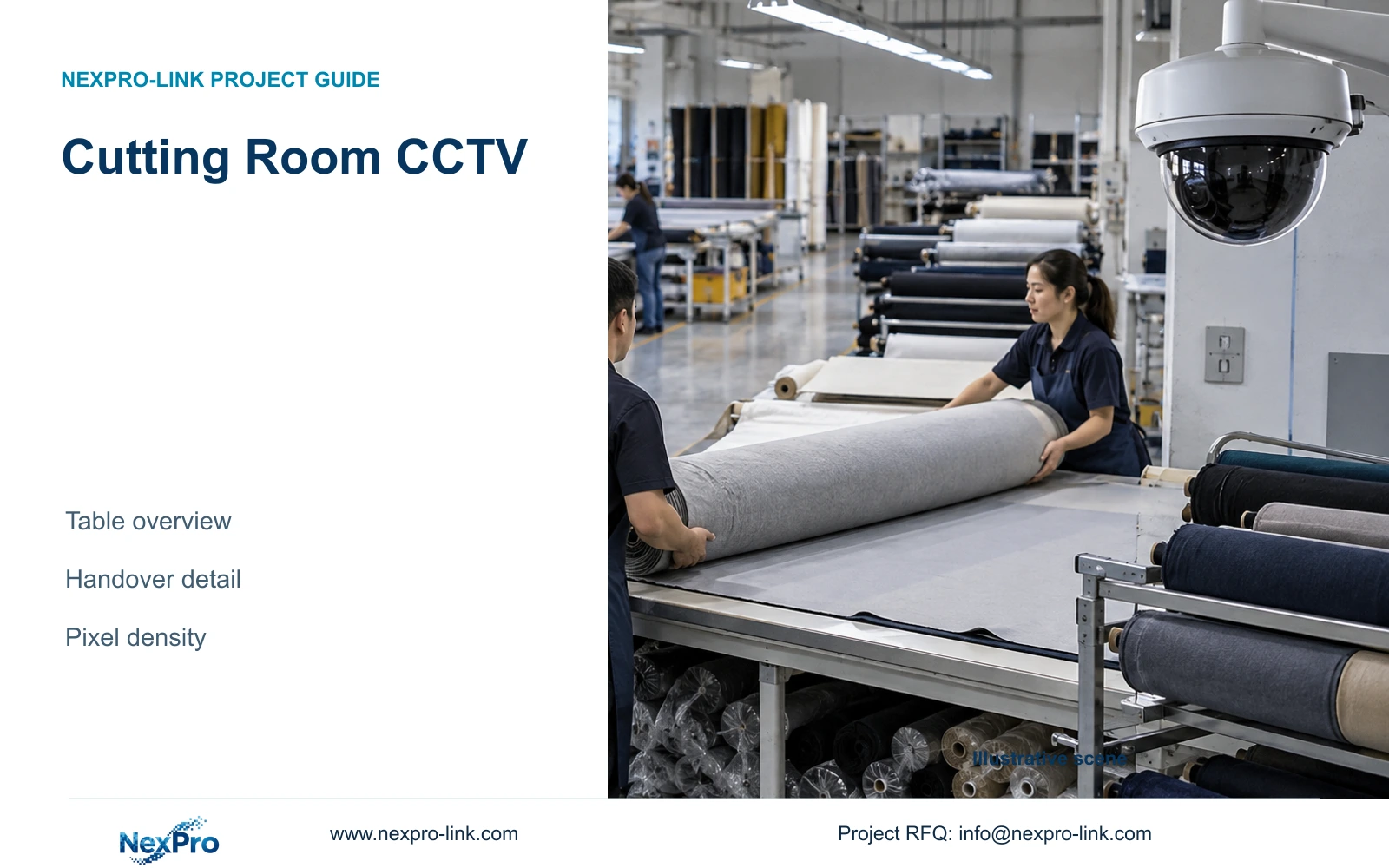
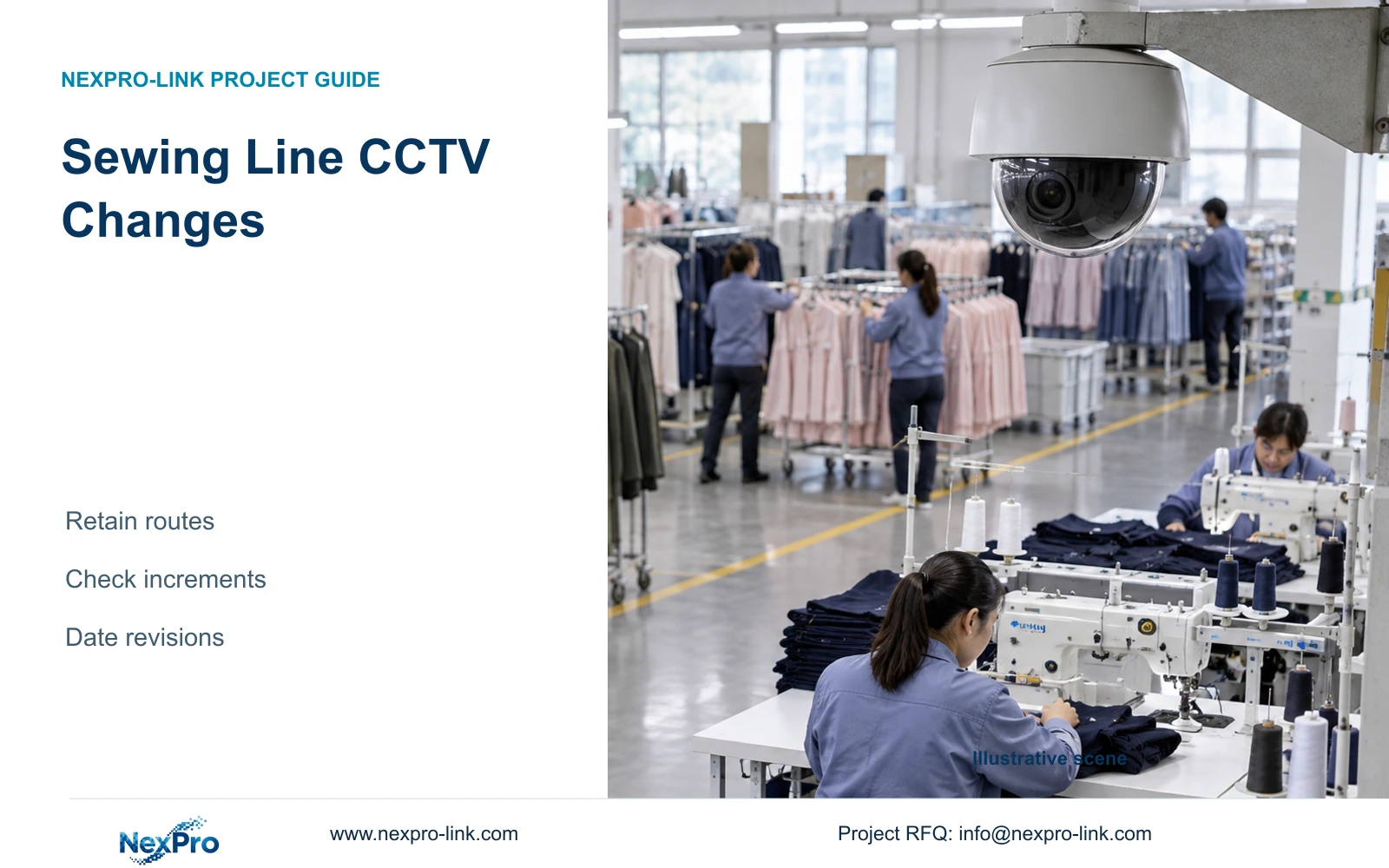
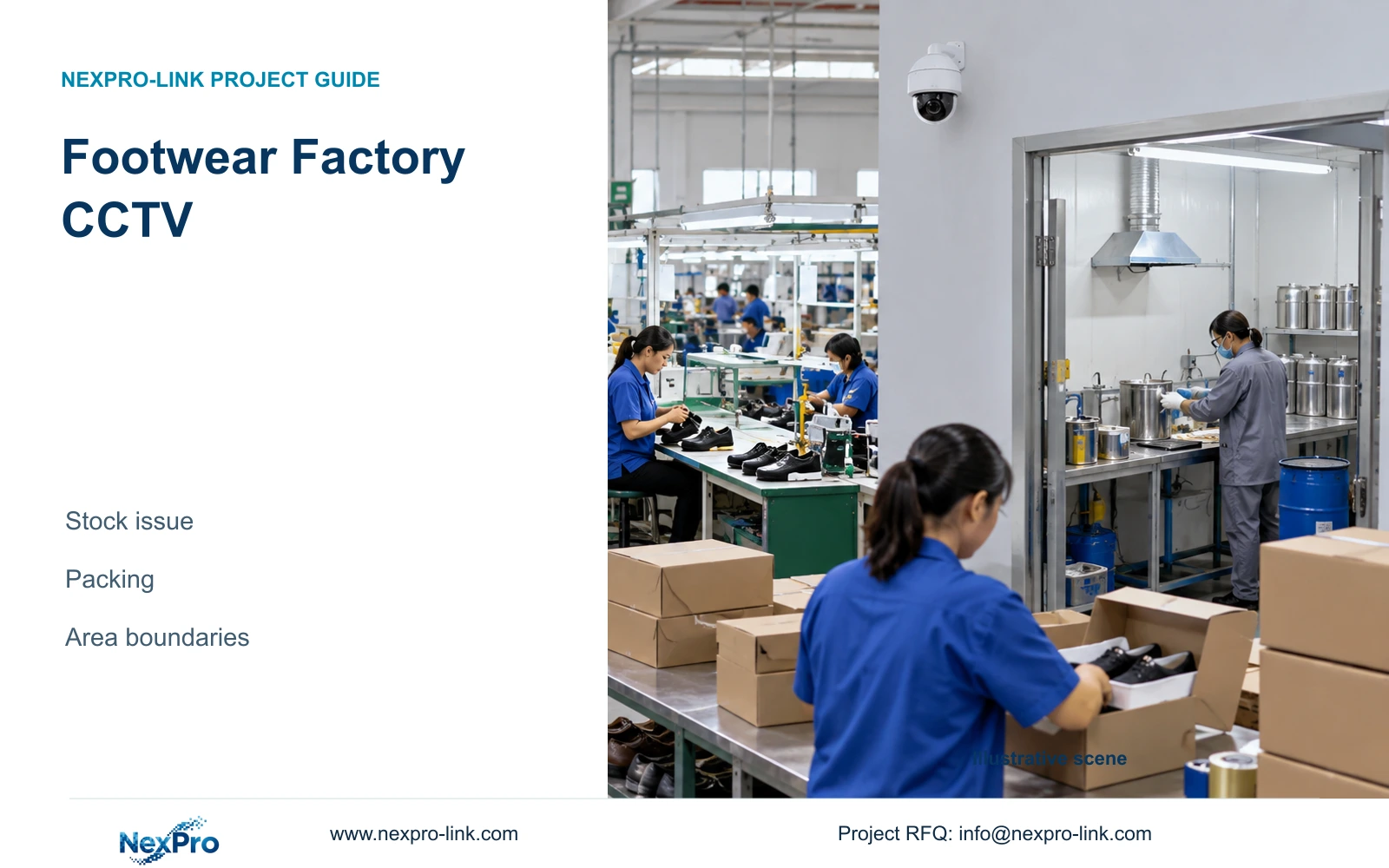
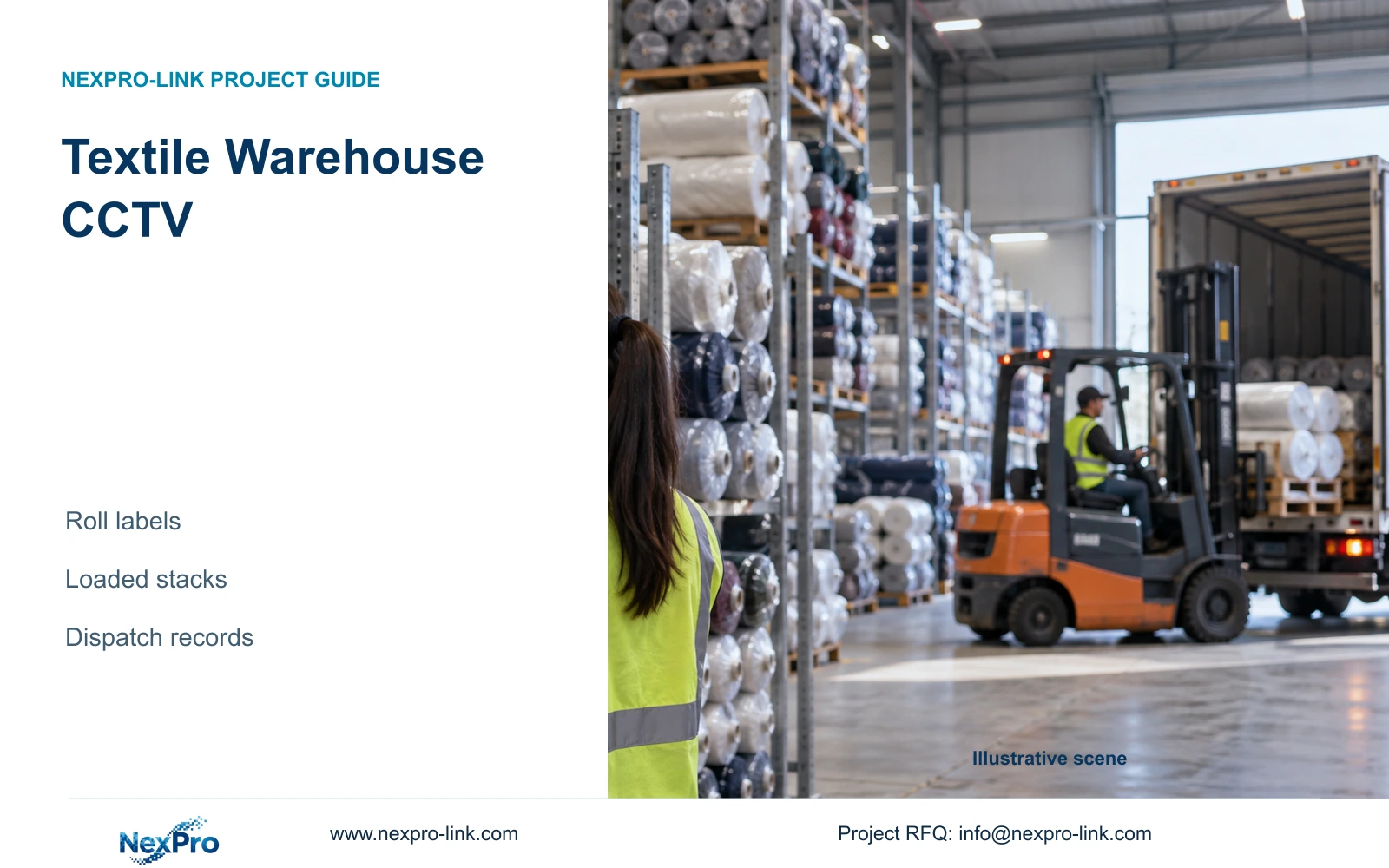
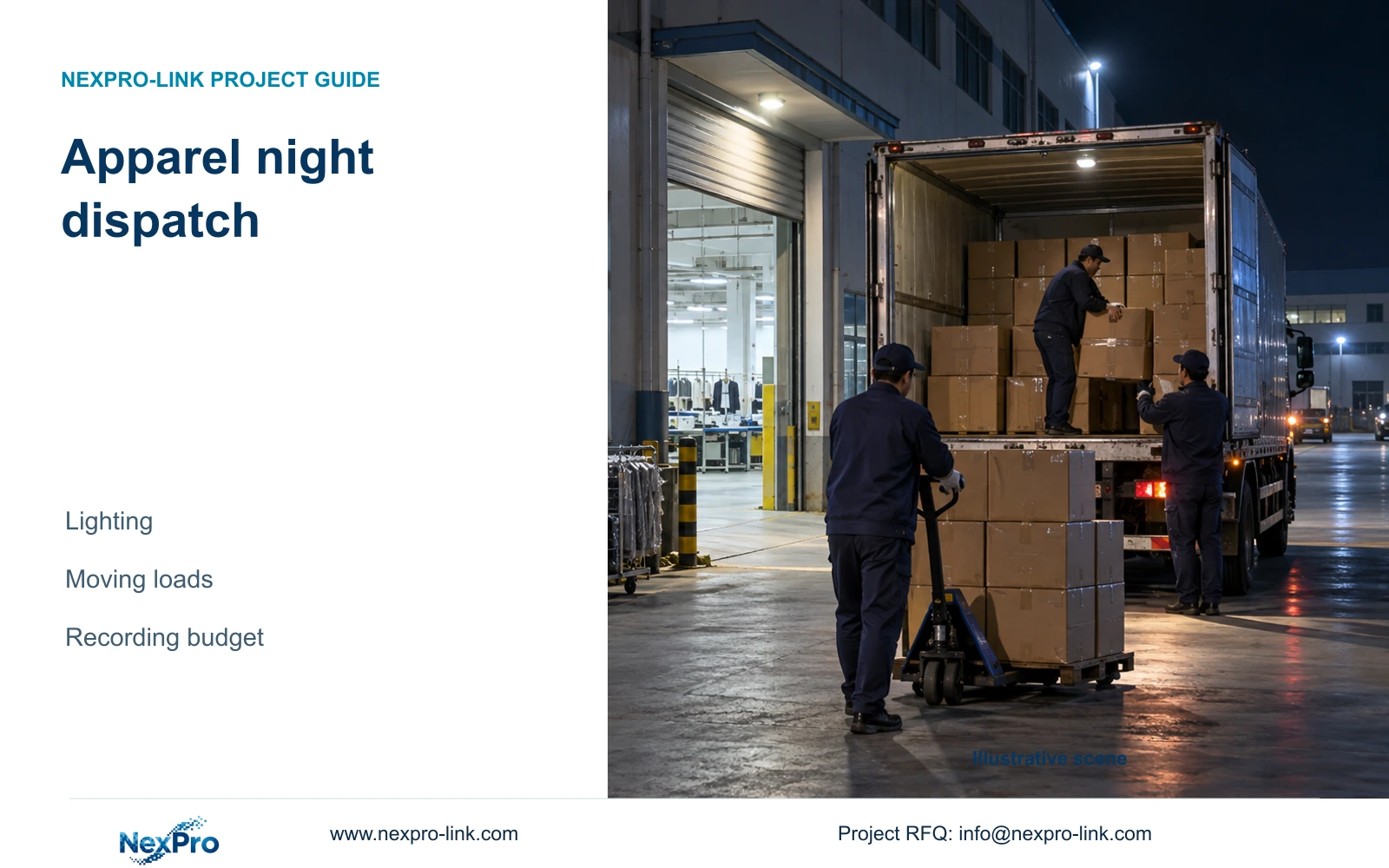
Reconstruct a garment material route from separate receiving, bundle-transfer and dispatch references. Record gaps between those business records instead of expecting CCTV to identify stock automatically.

10 guides

Decision area 07

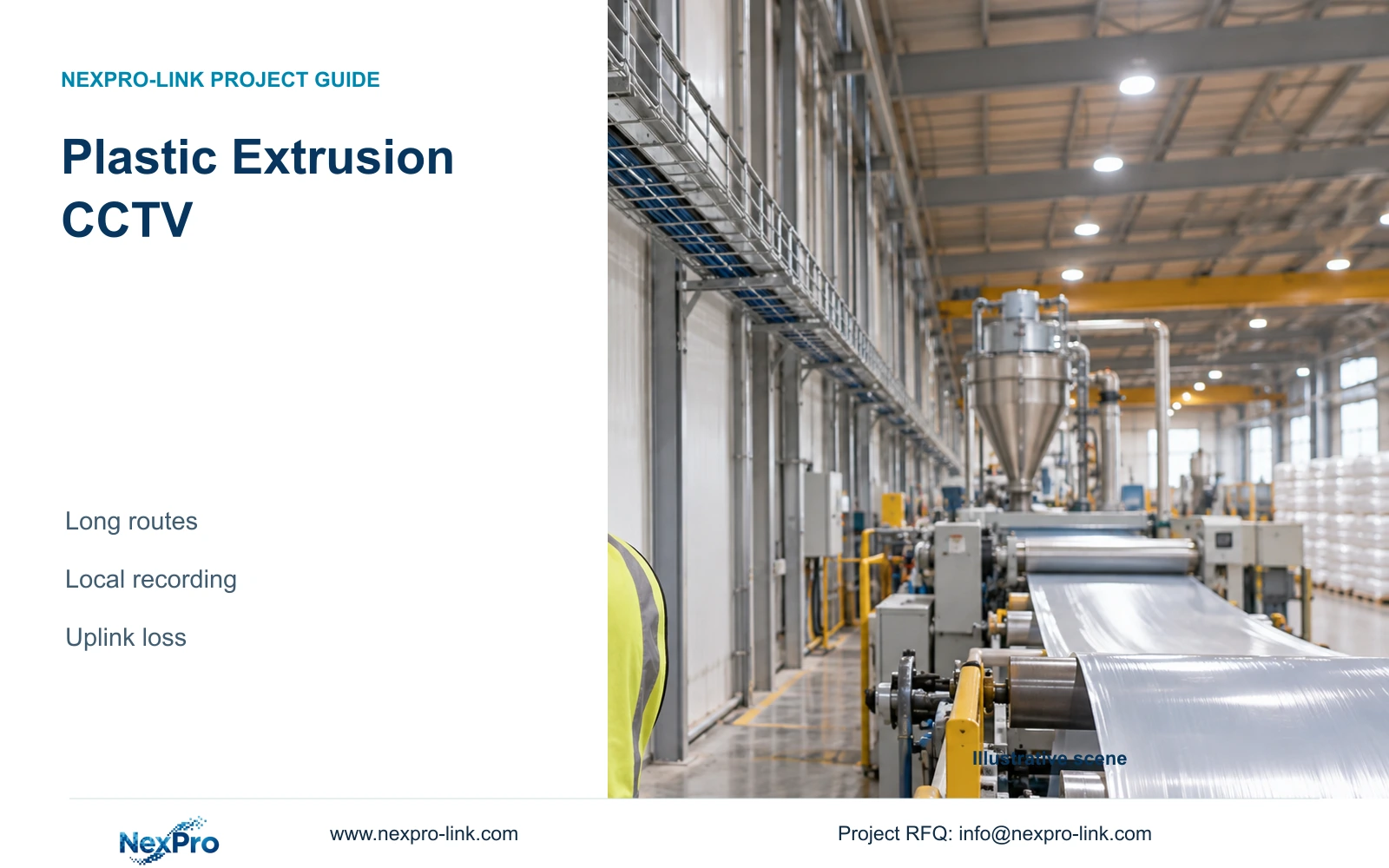
Plastics Packaging Print

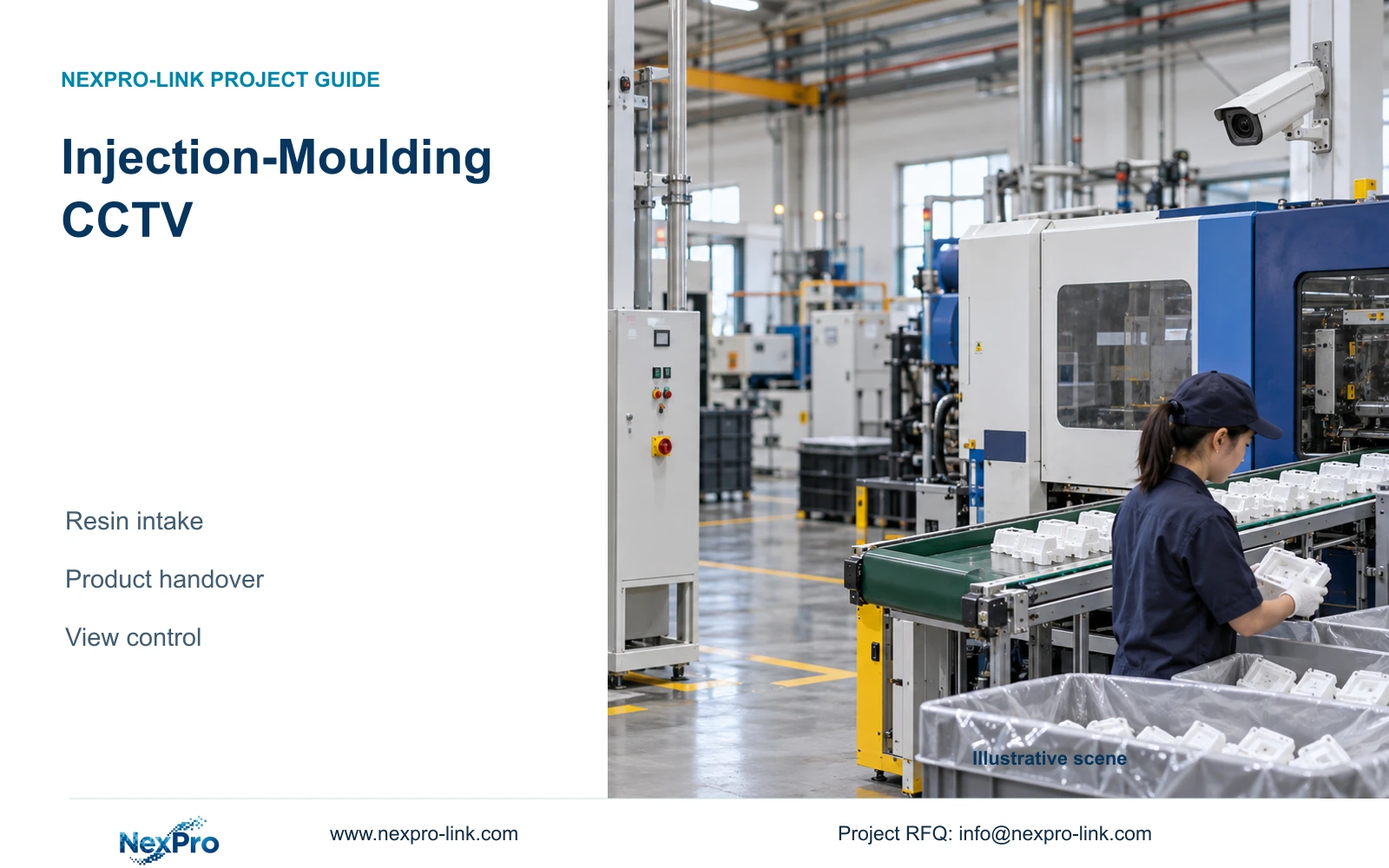
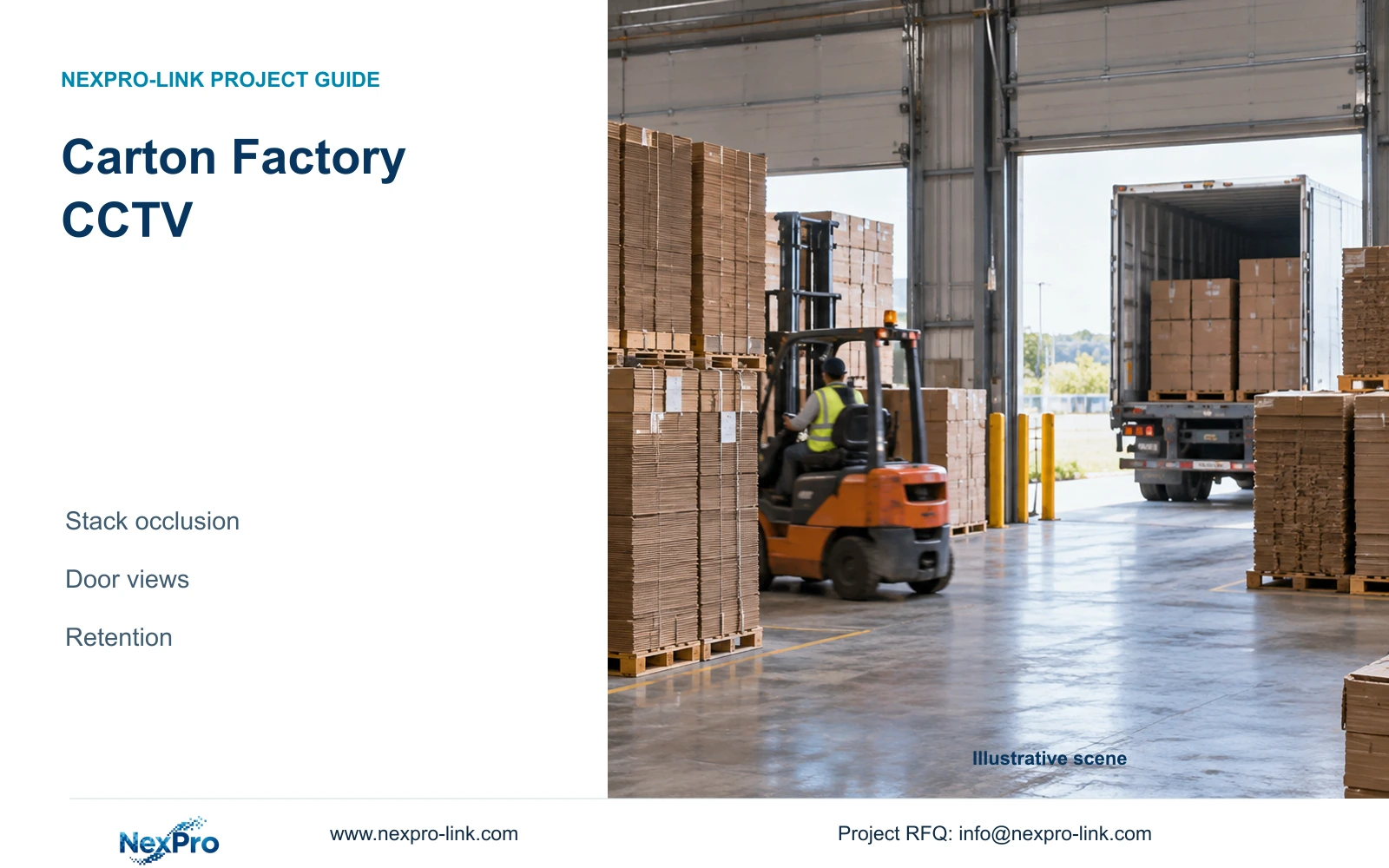
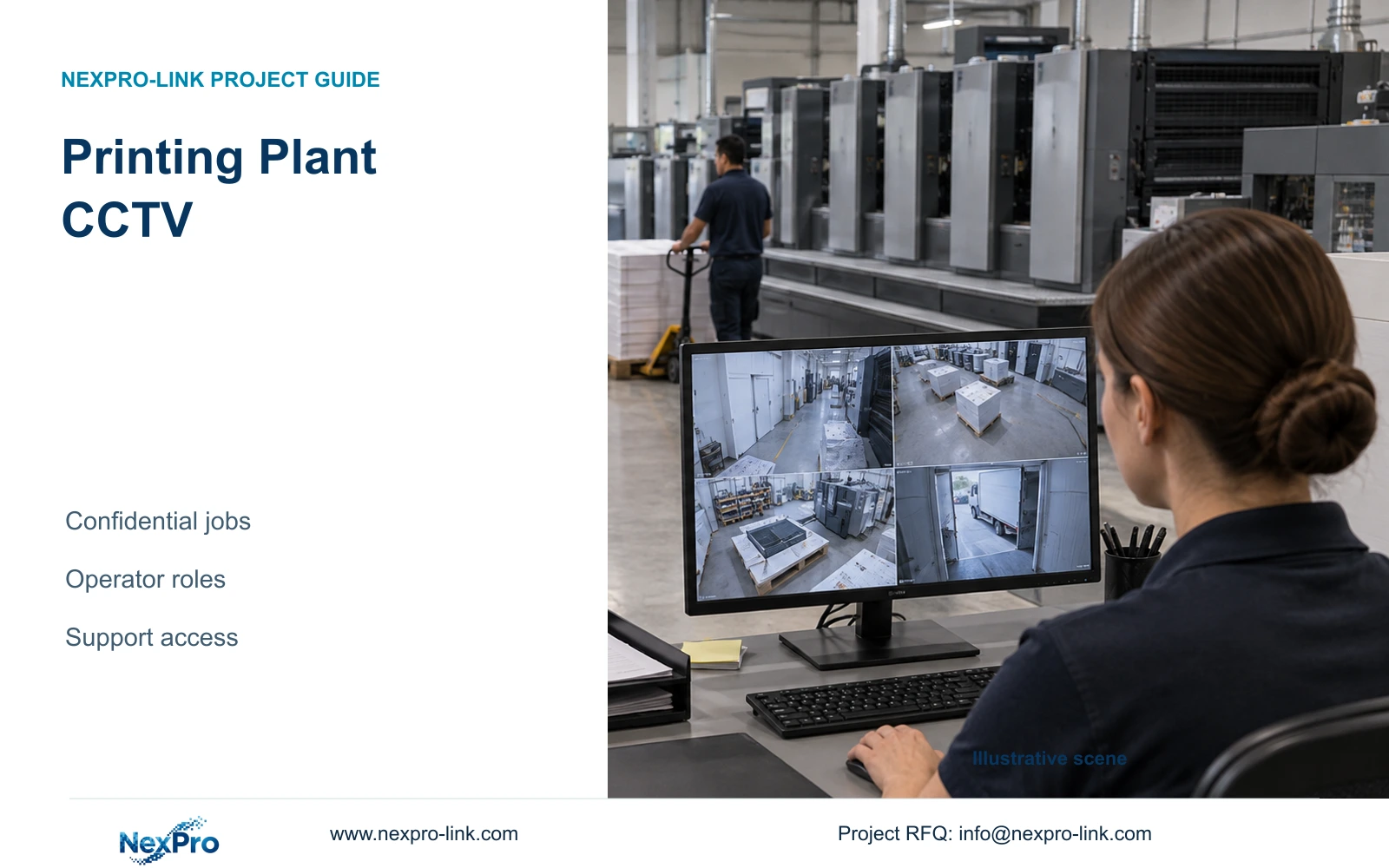
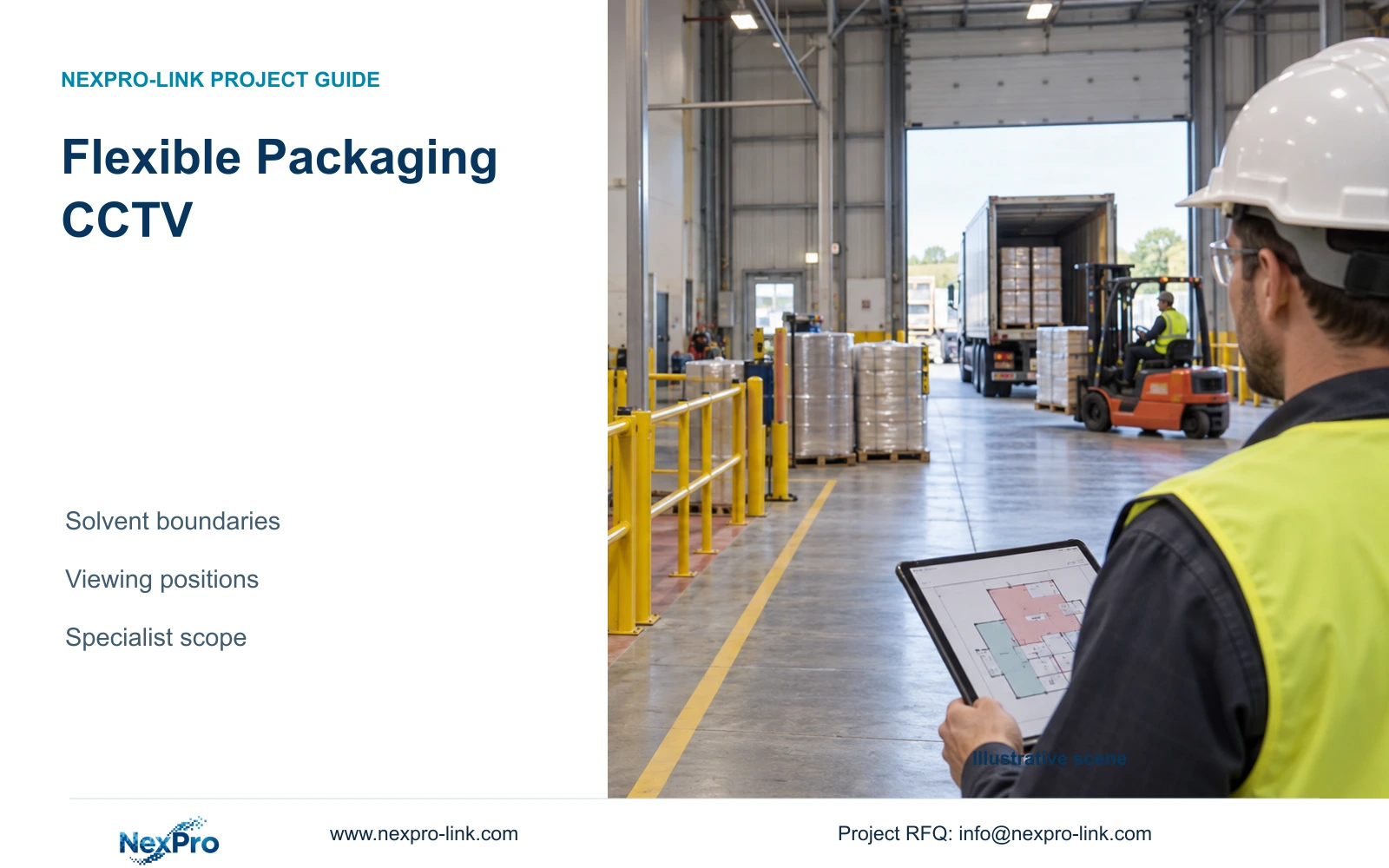
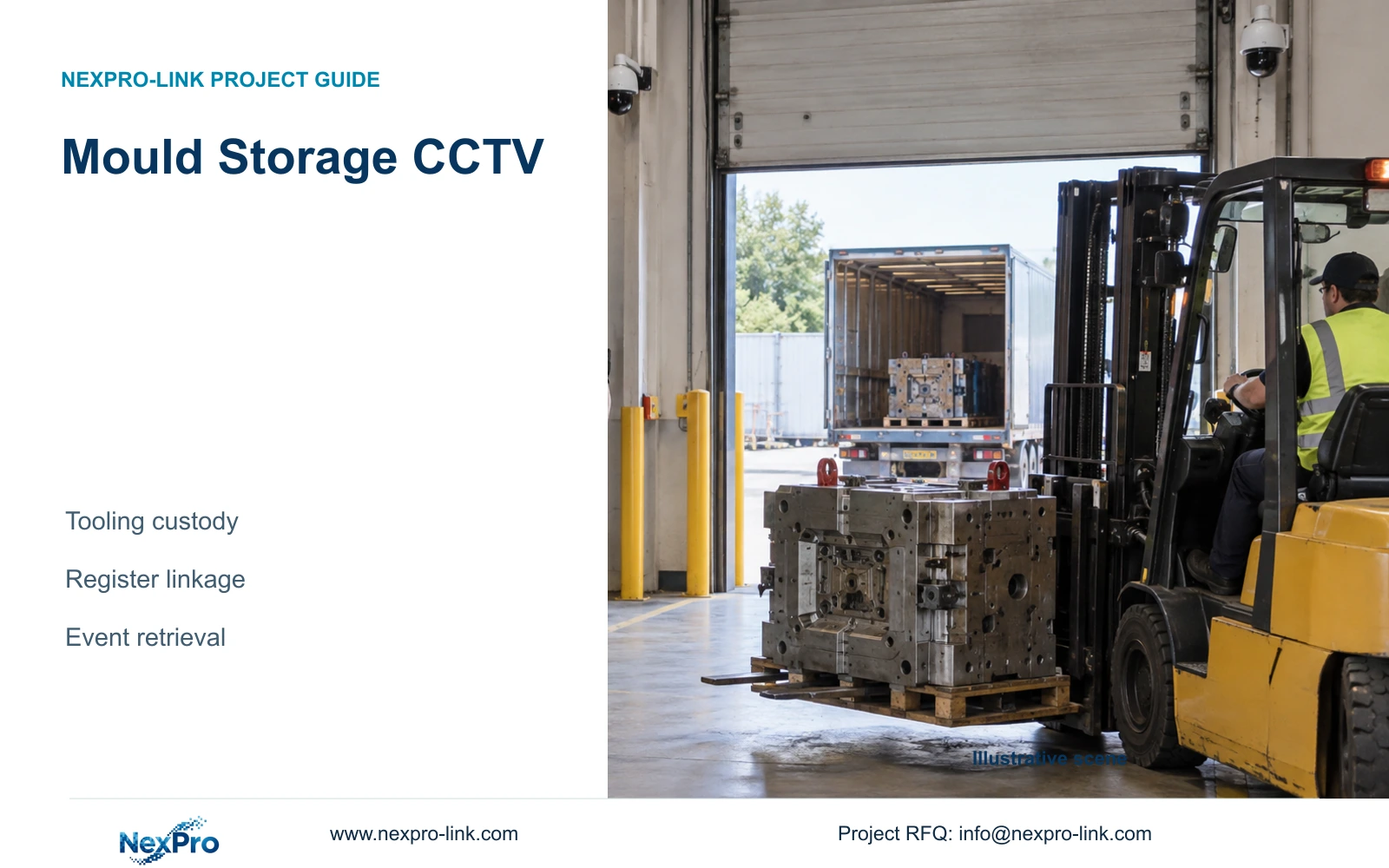
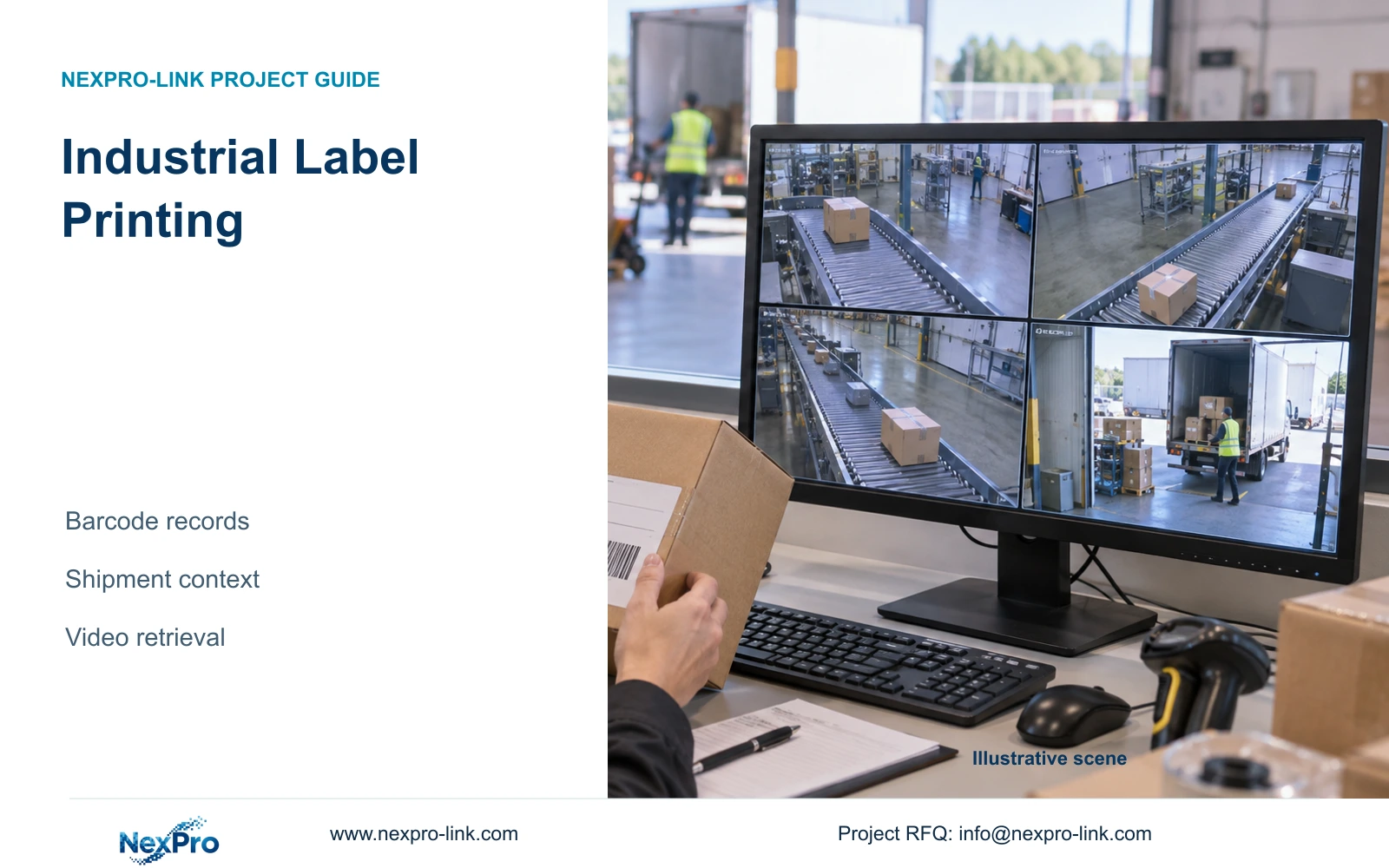
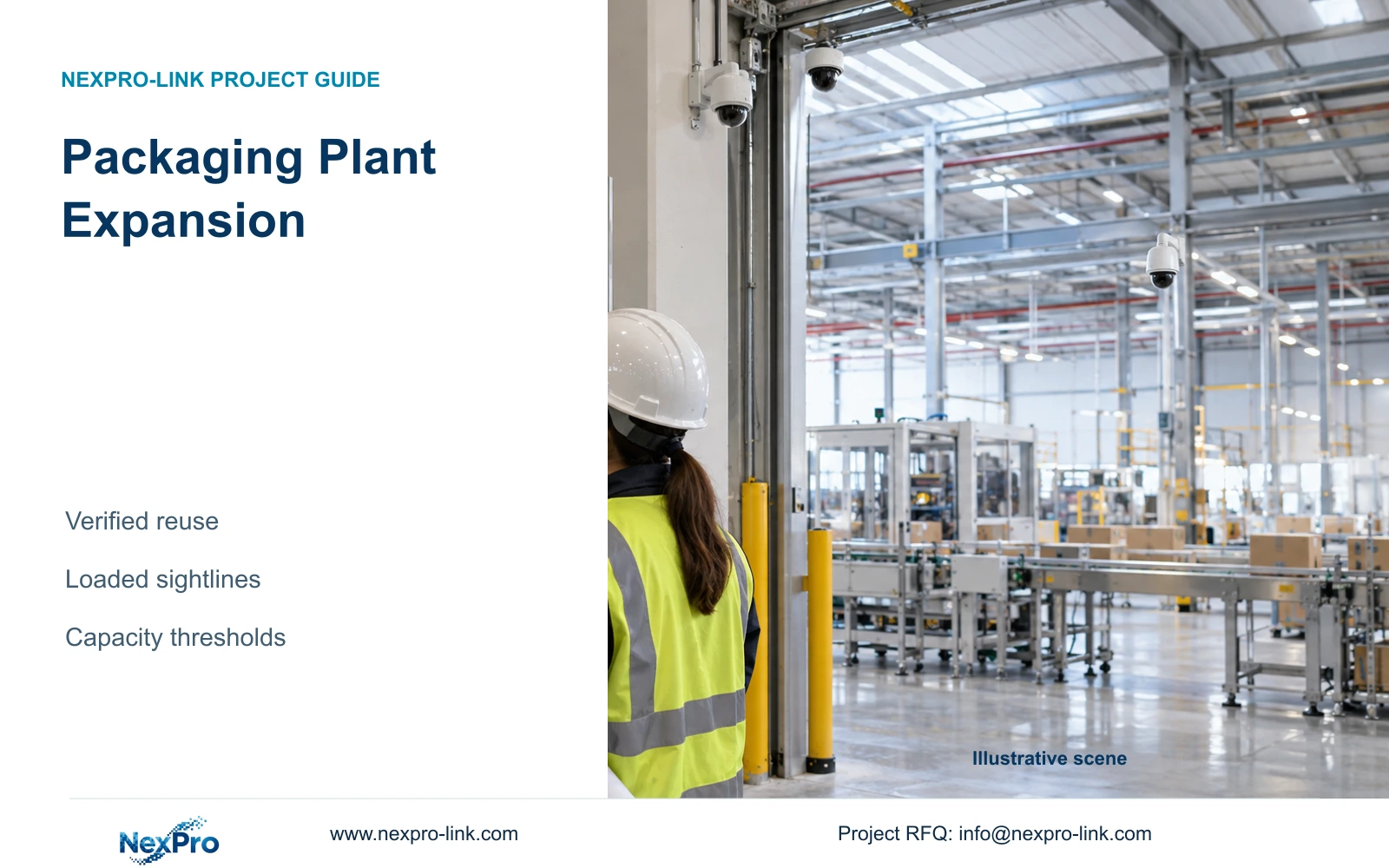
Define injection-moulding CCTV around resin intake, authorised machine access and product collection, with separate decisions for detail, process boundaries and changing layouts.

10 guides

Decision area 08

Wood Paper Furniture

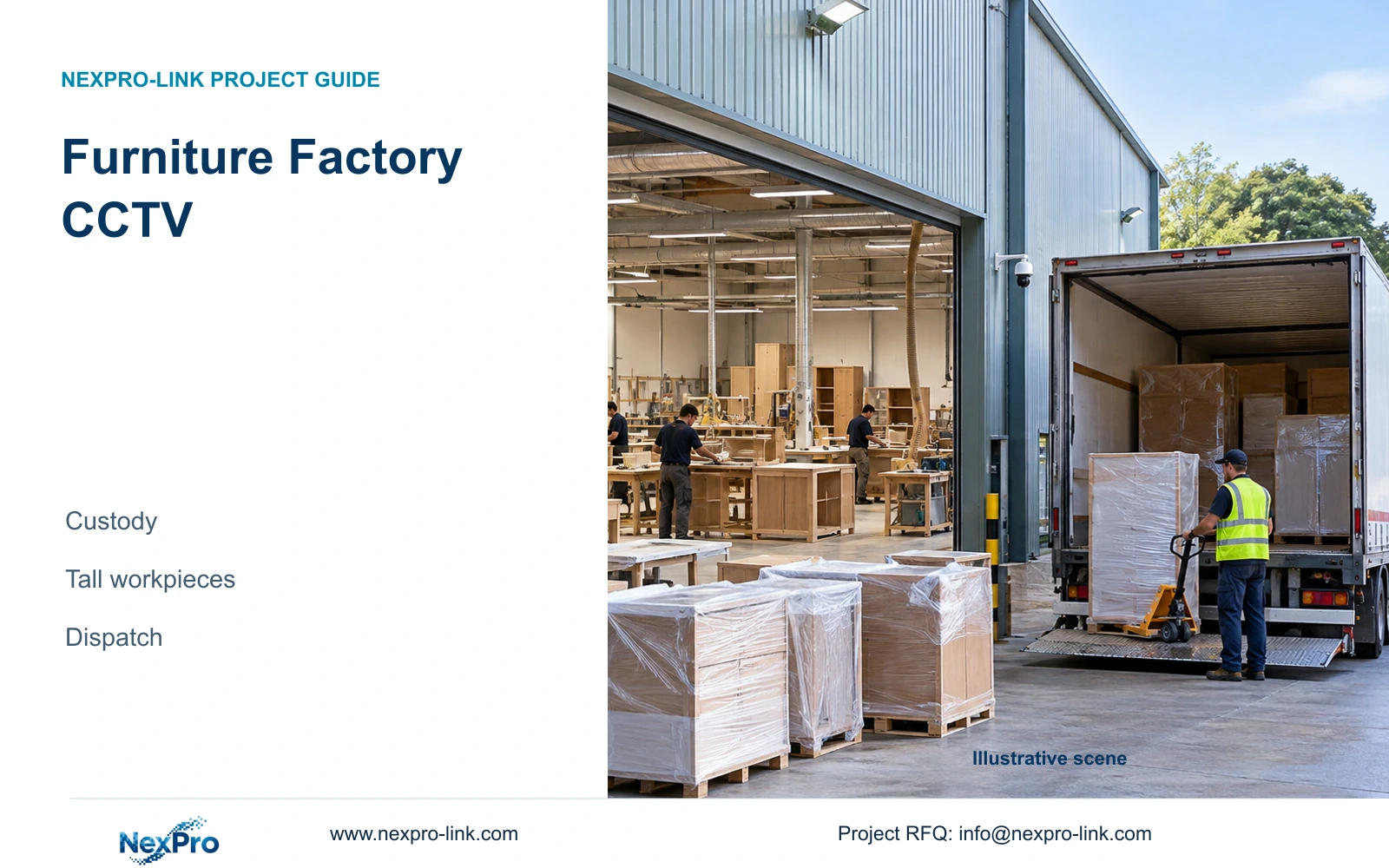
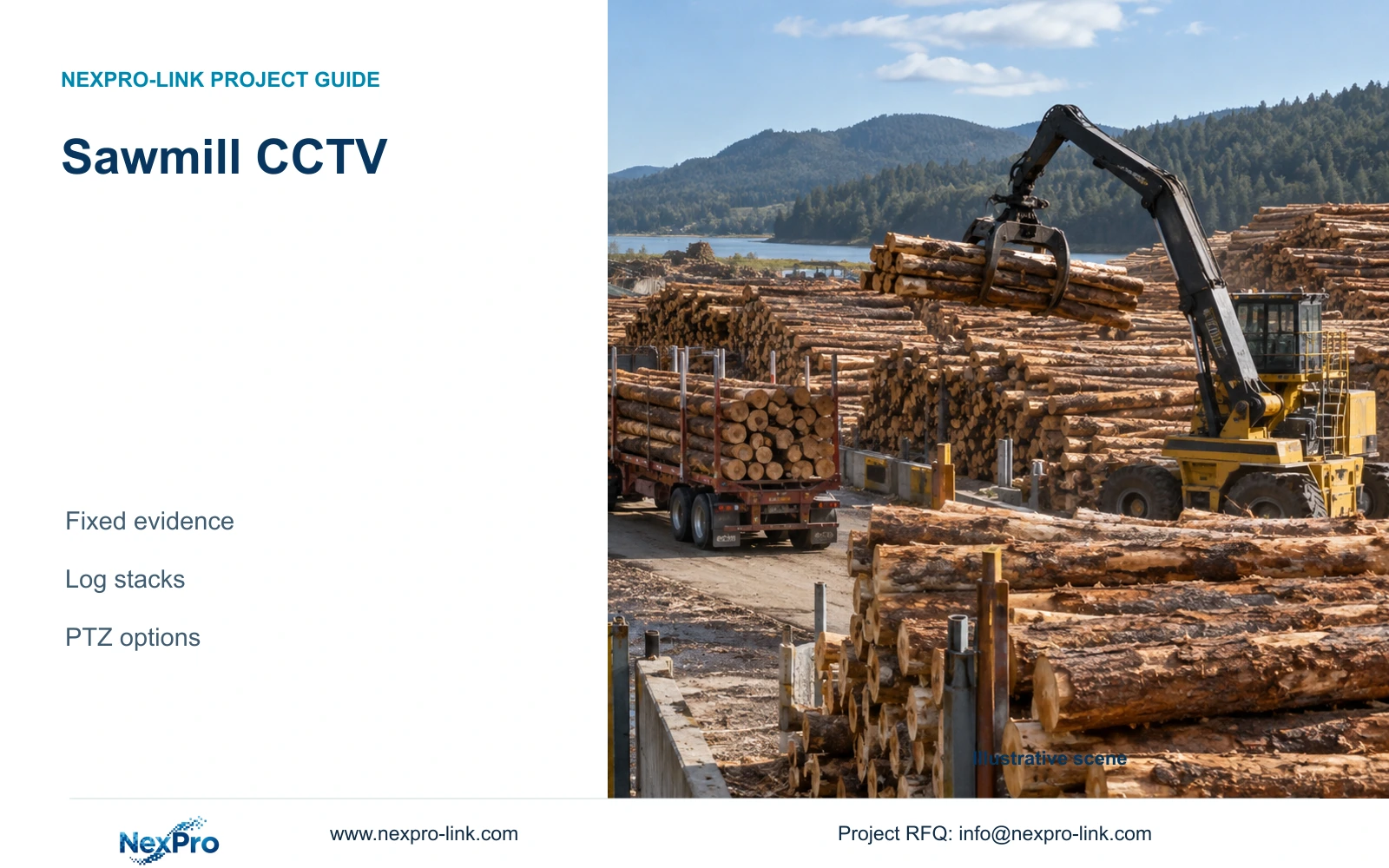
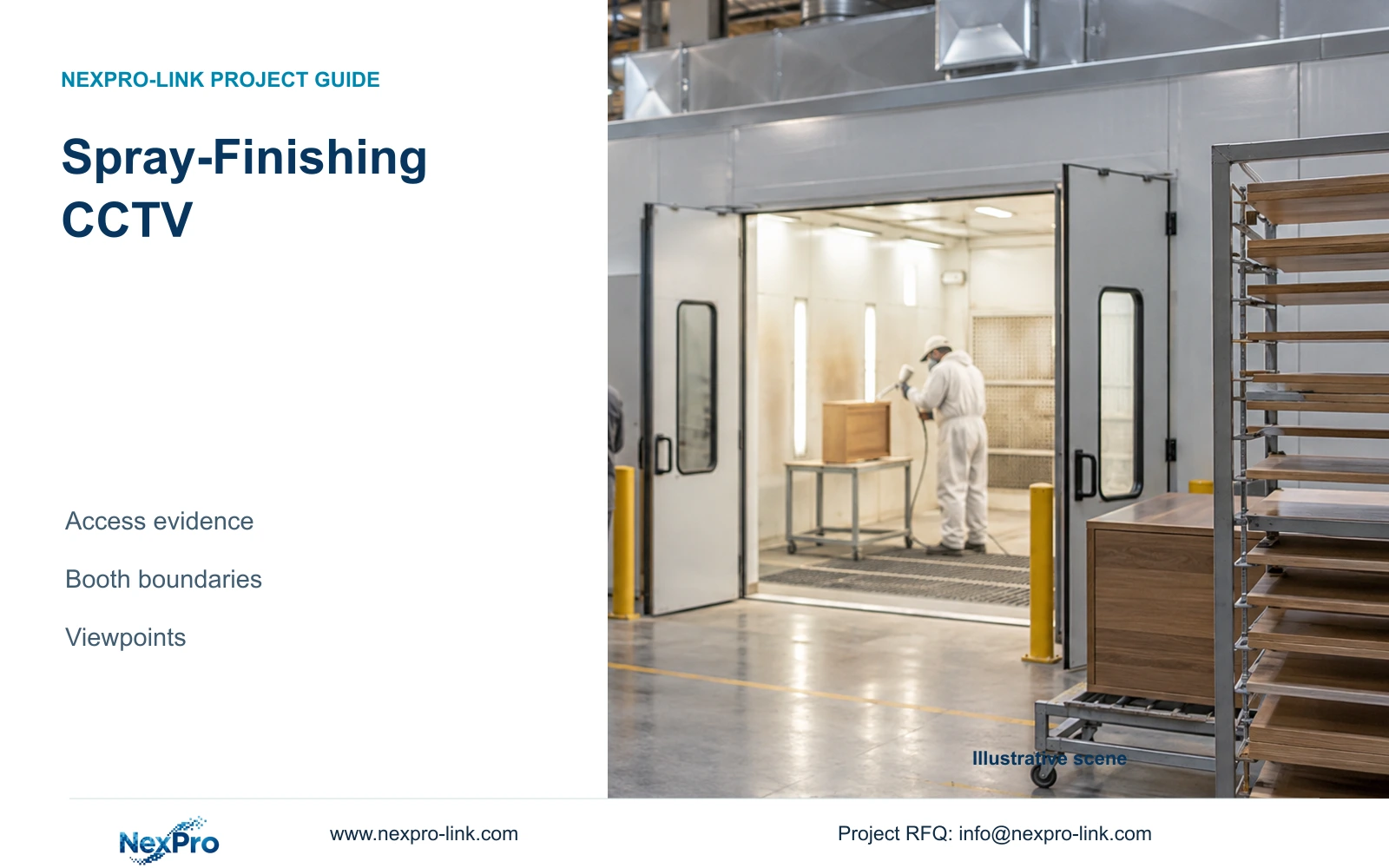
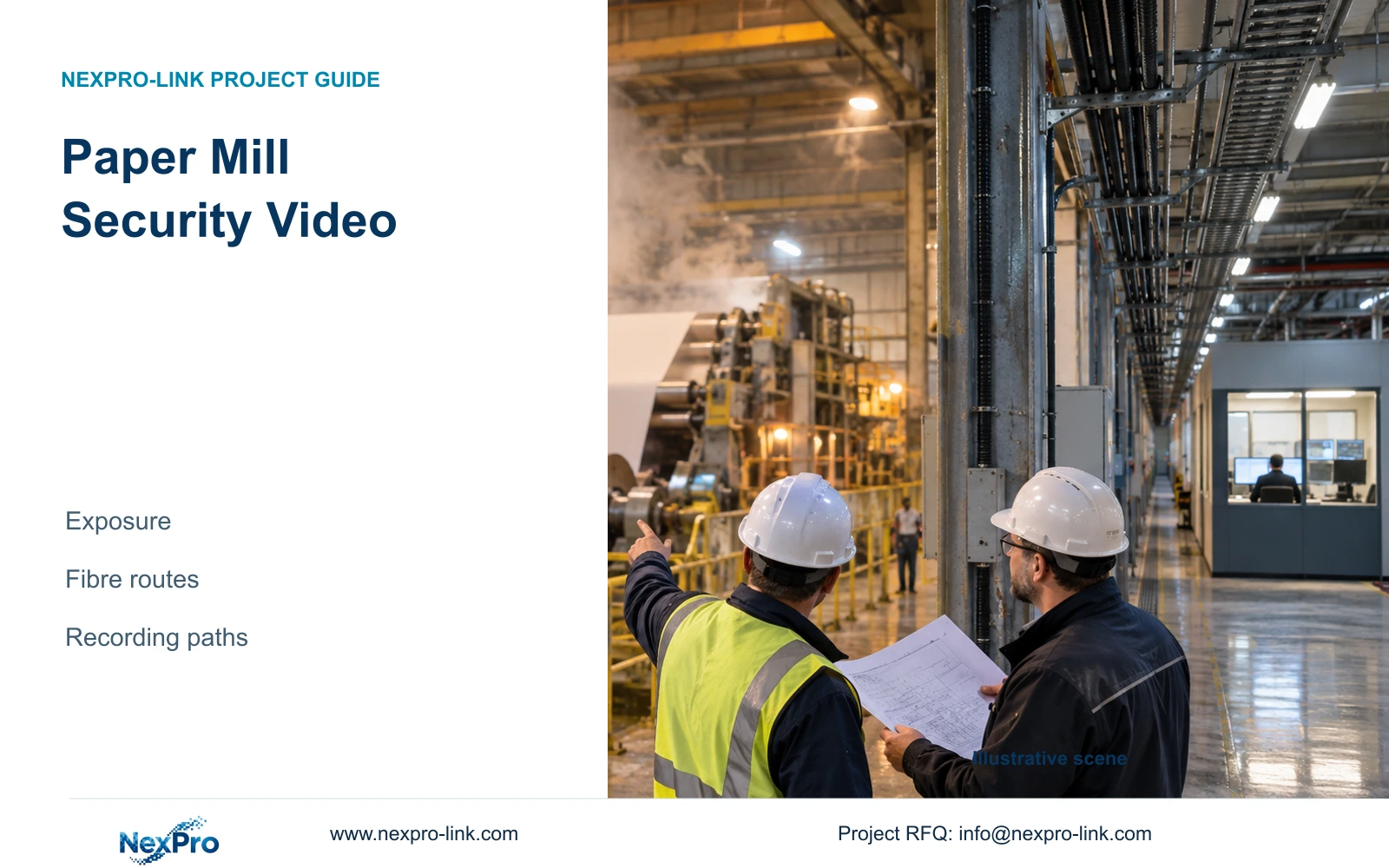
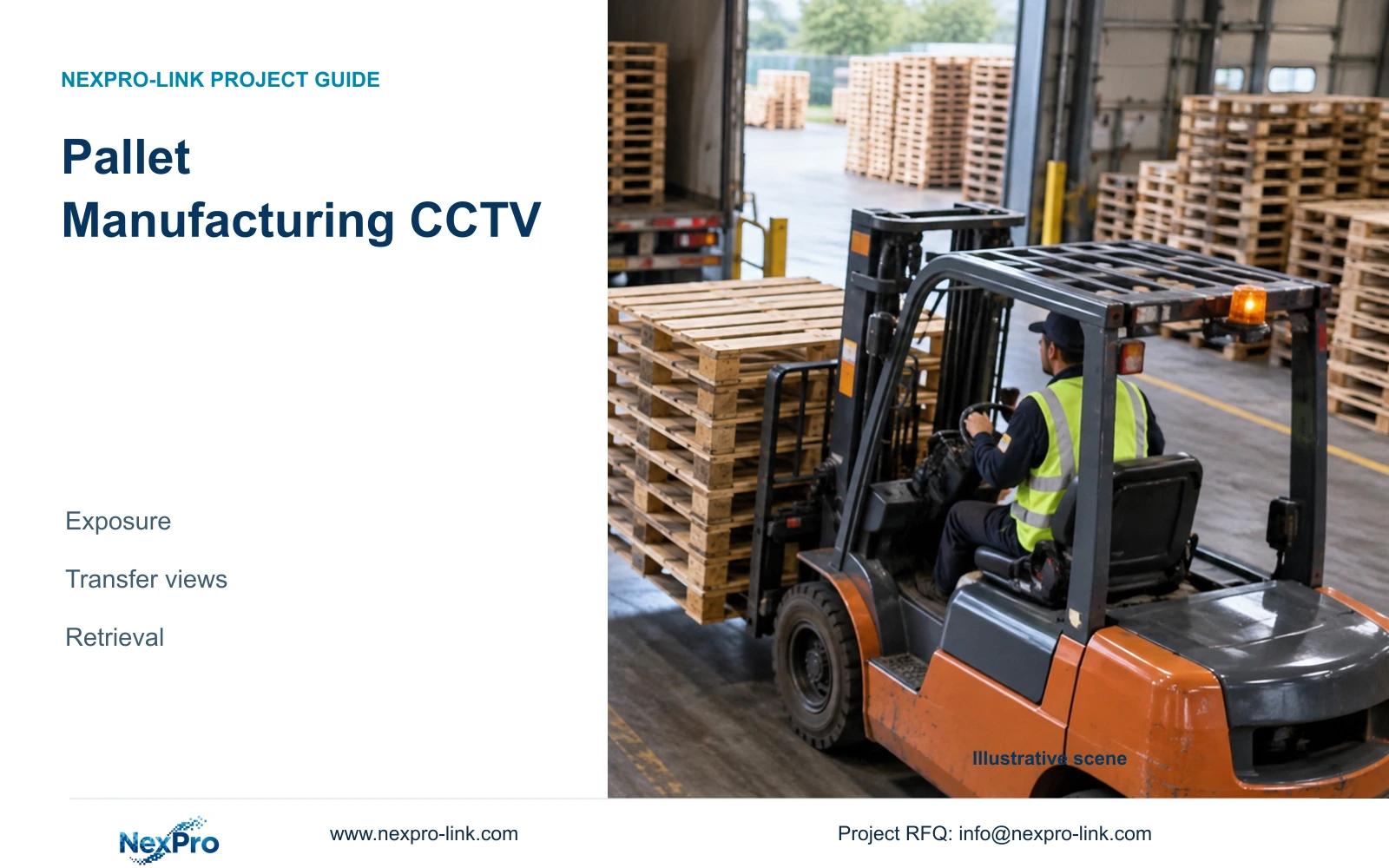
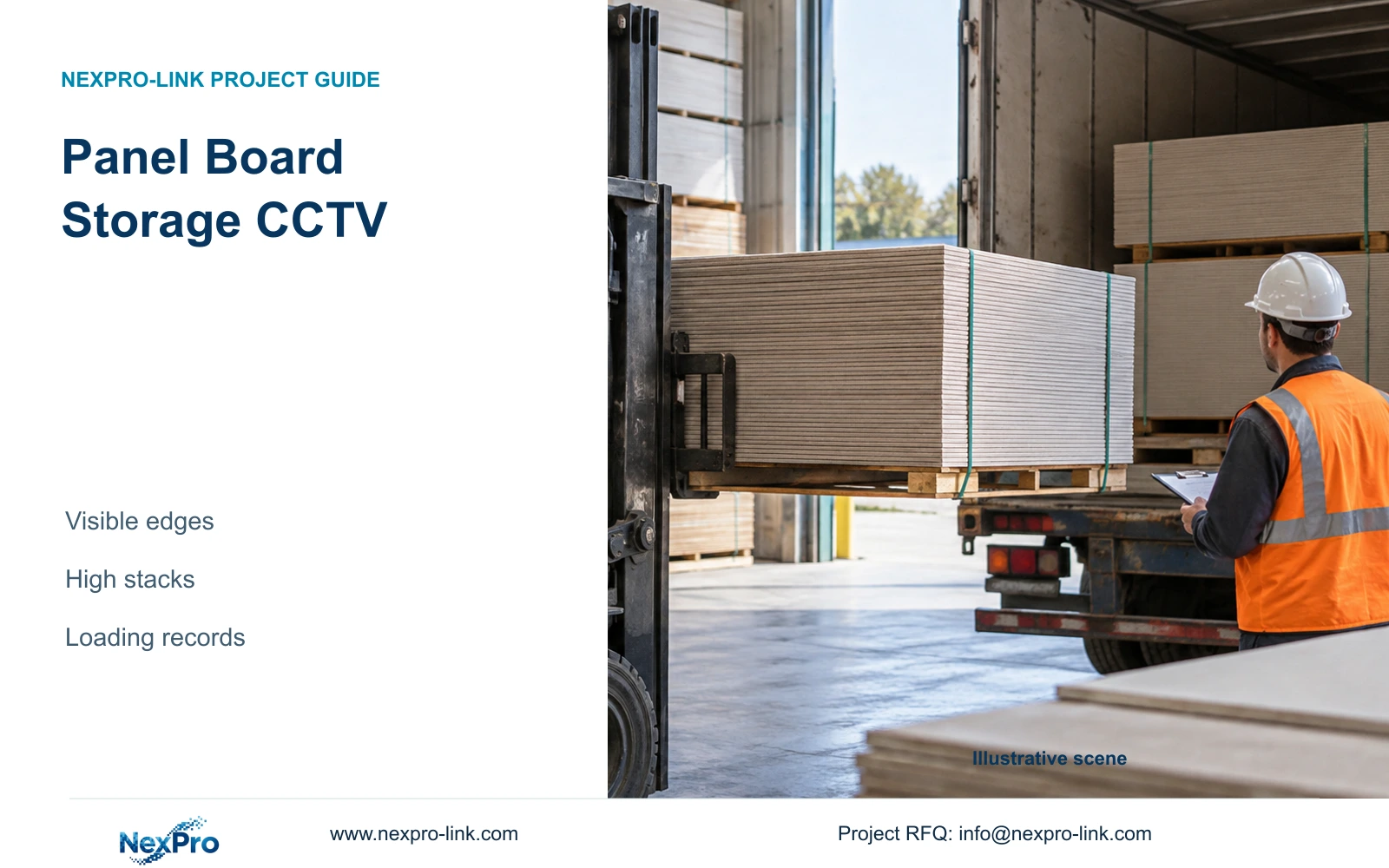
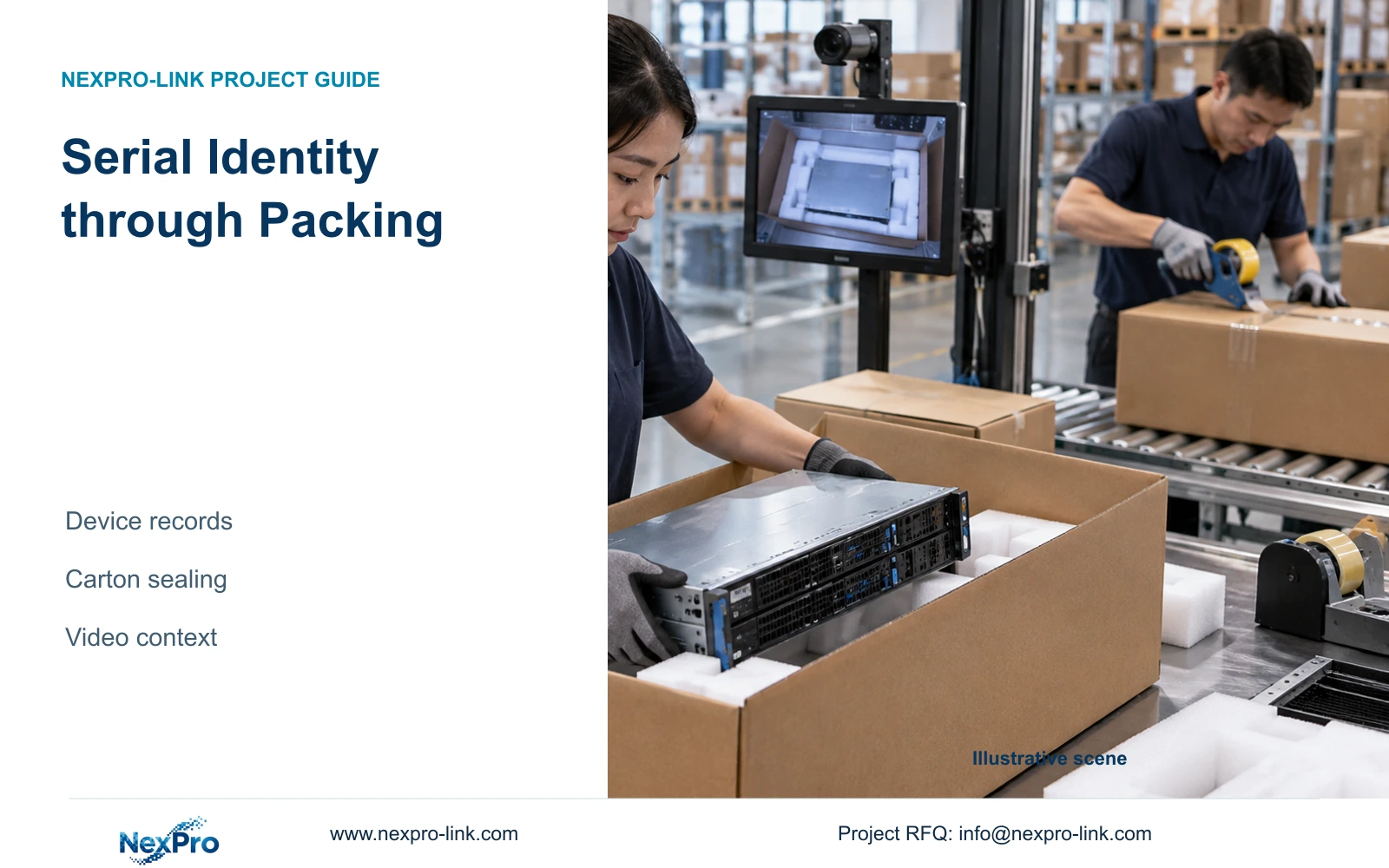
Furniture factory CCTV works best when each view follows a material handover. This guide connects stack geometry, environmental boundaries and recording scope to an RFQ-ready placement plan.
10 guides

Decision area 09

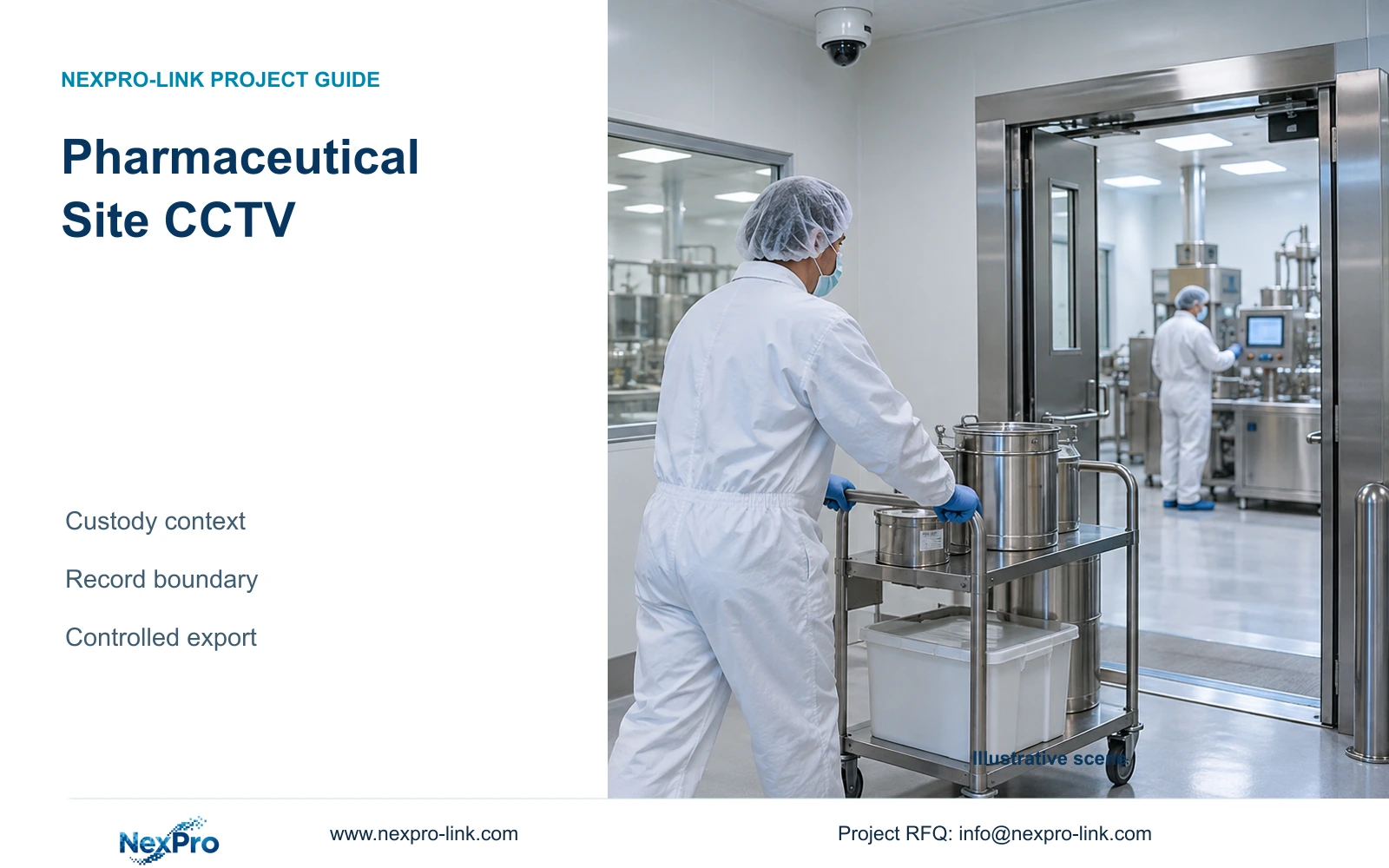
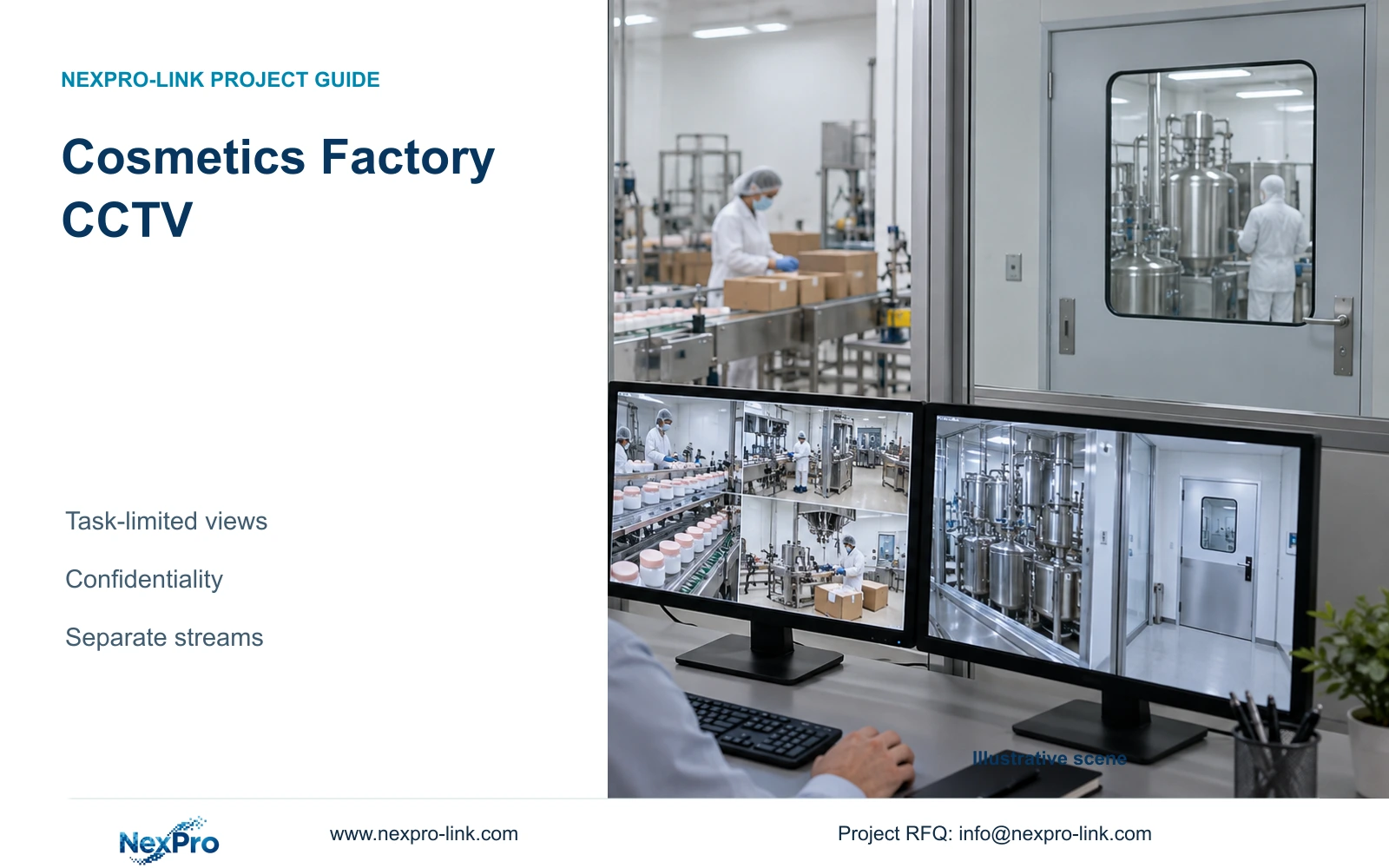
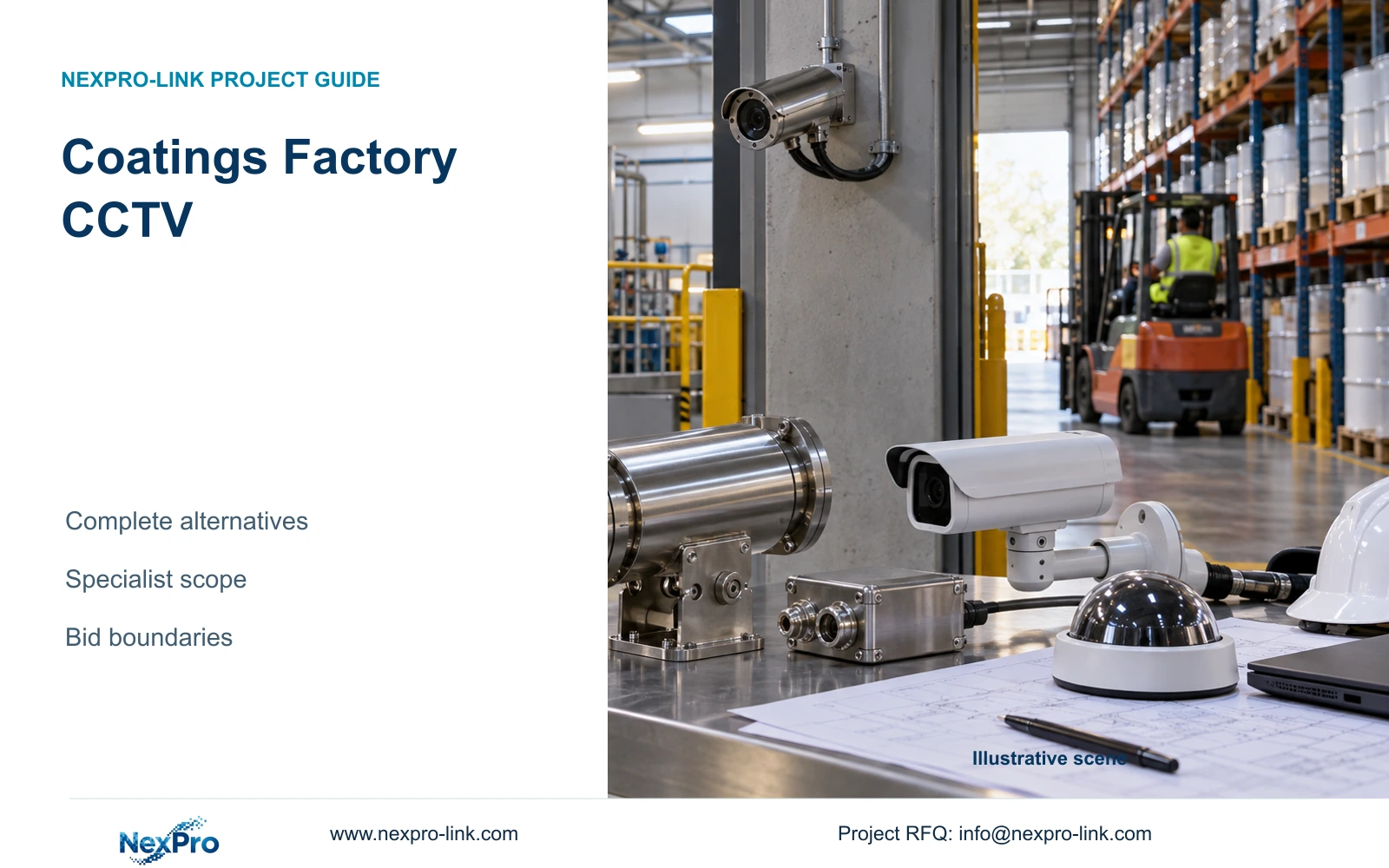
Chemical Pharma Cosmetics

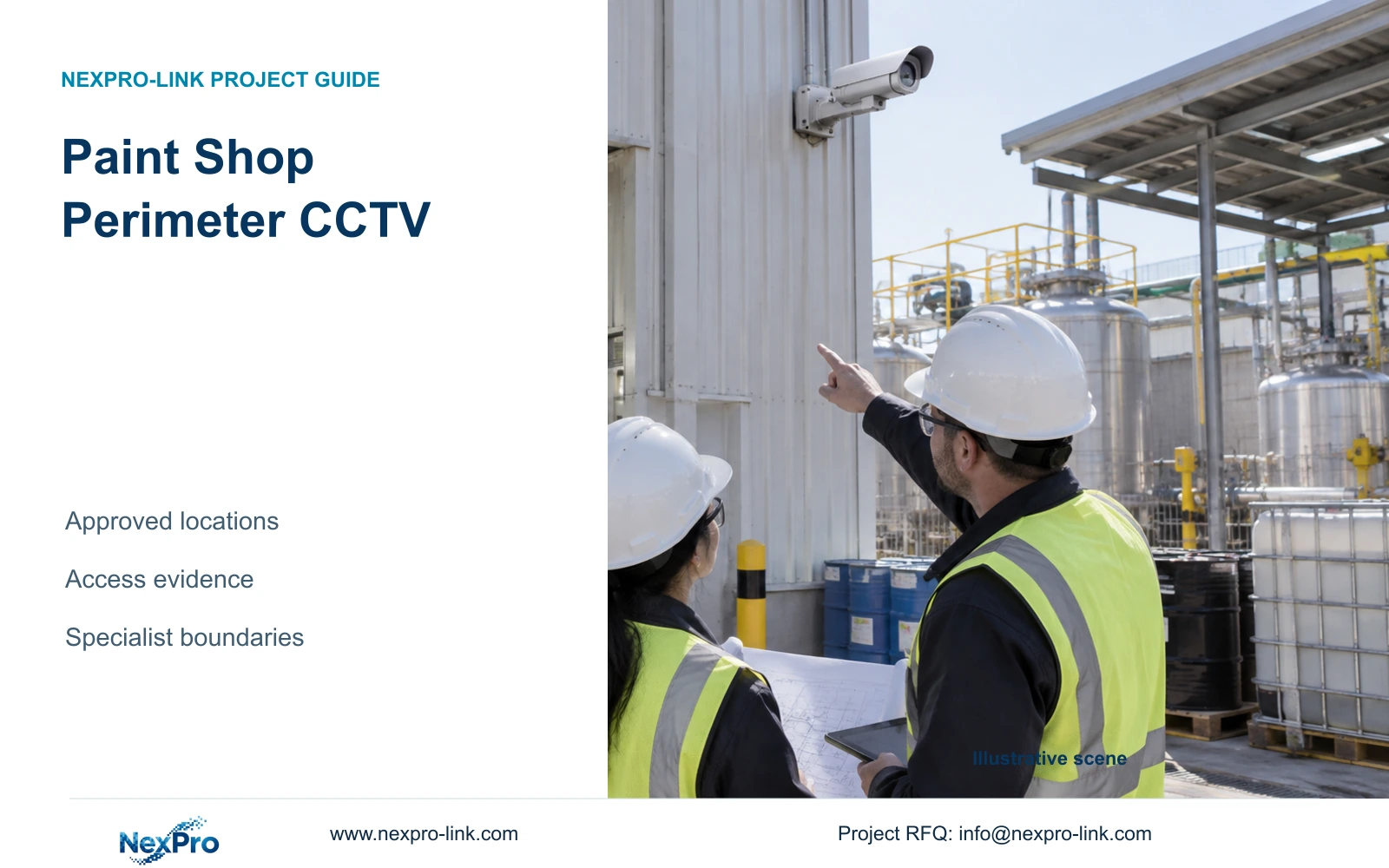
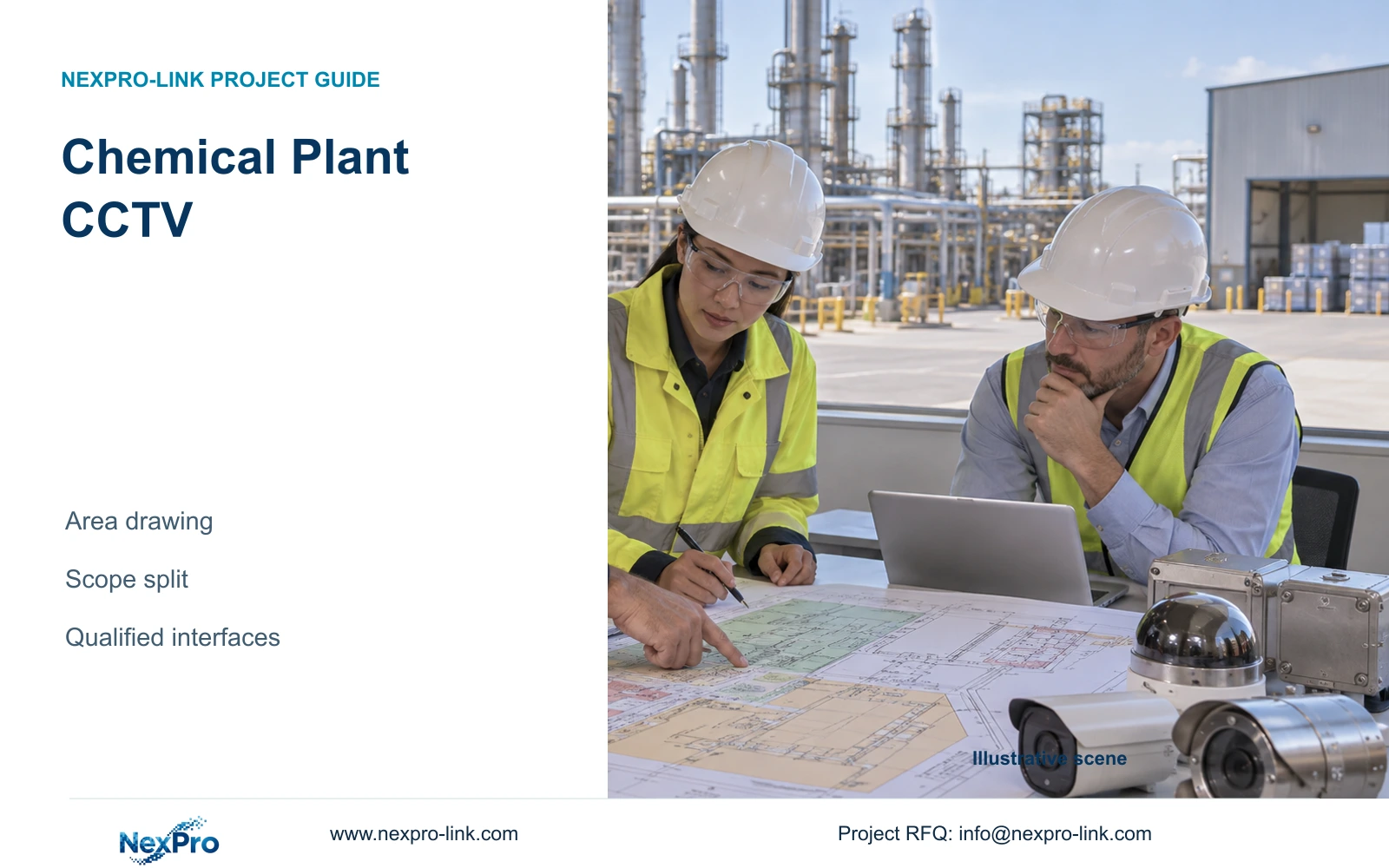
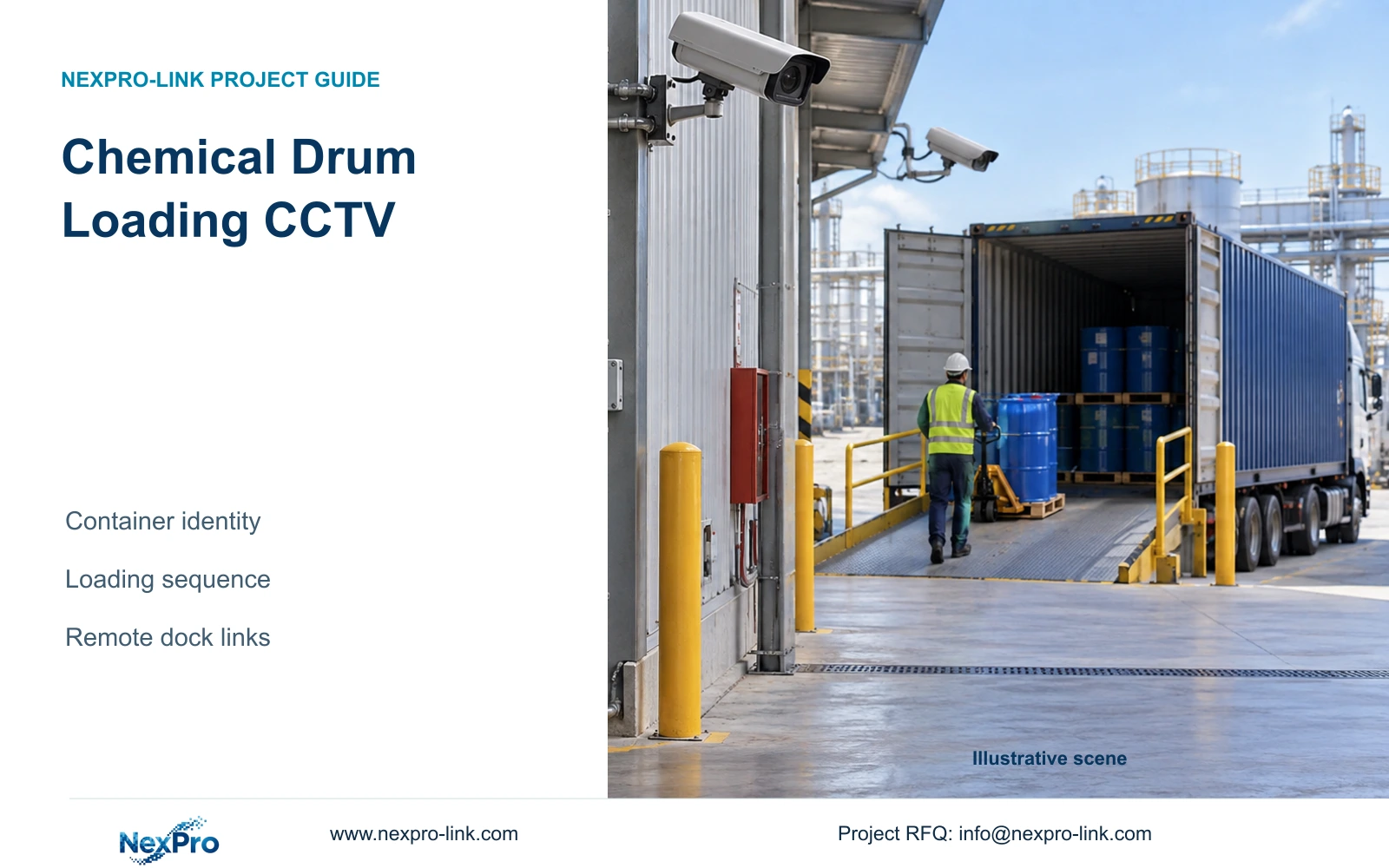
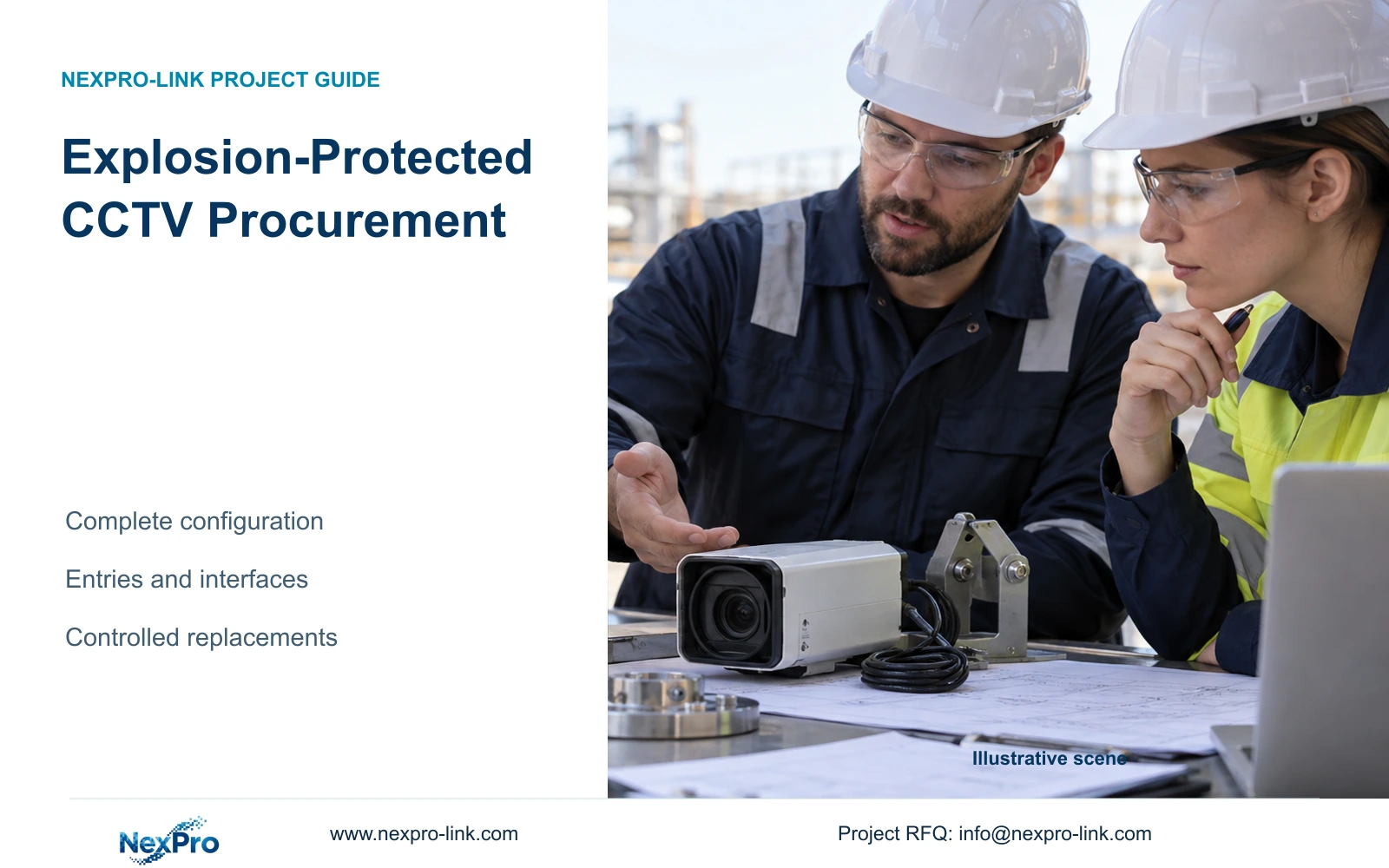
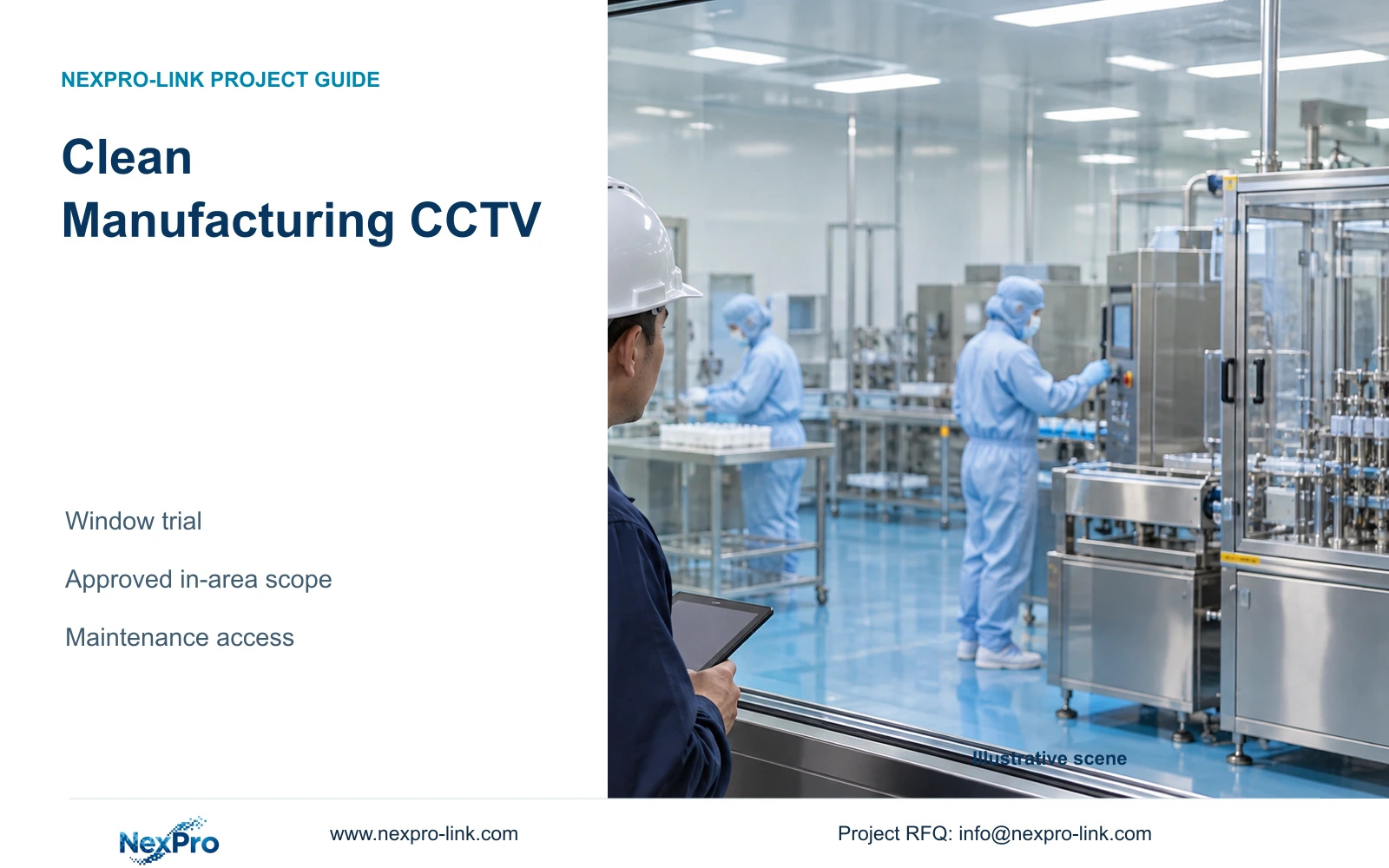
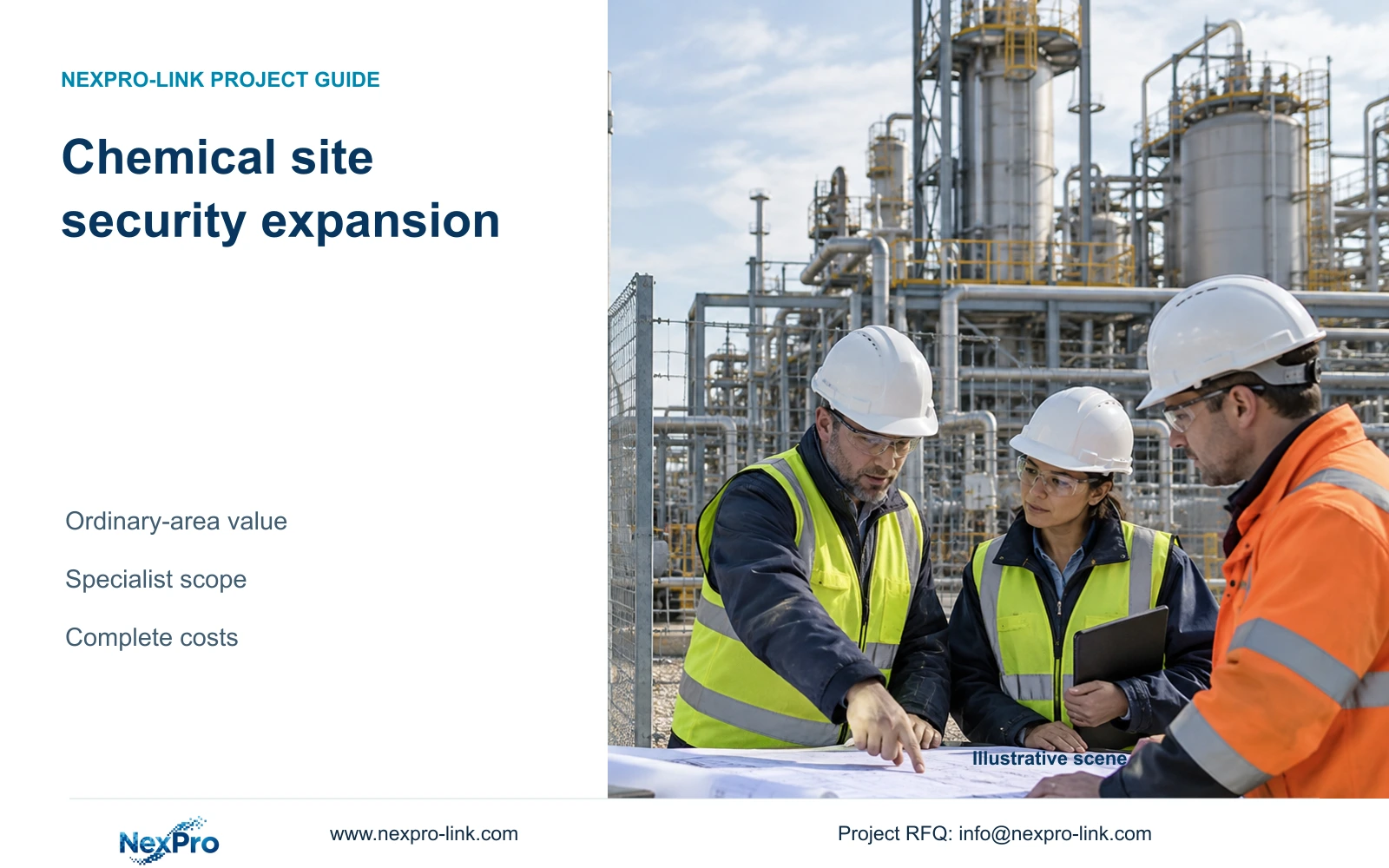
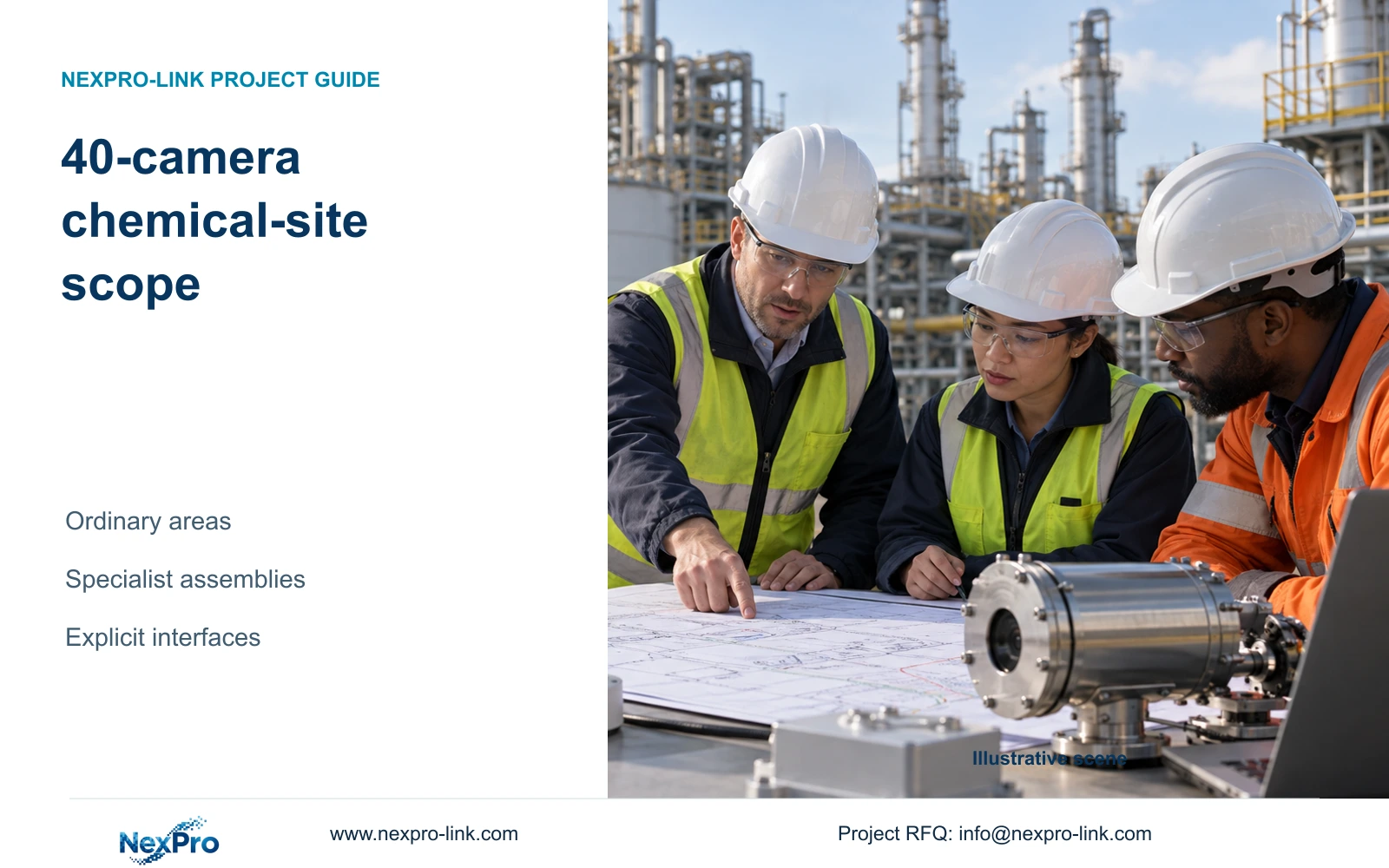
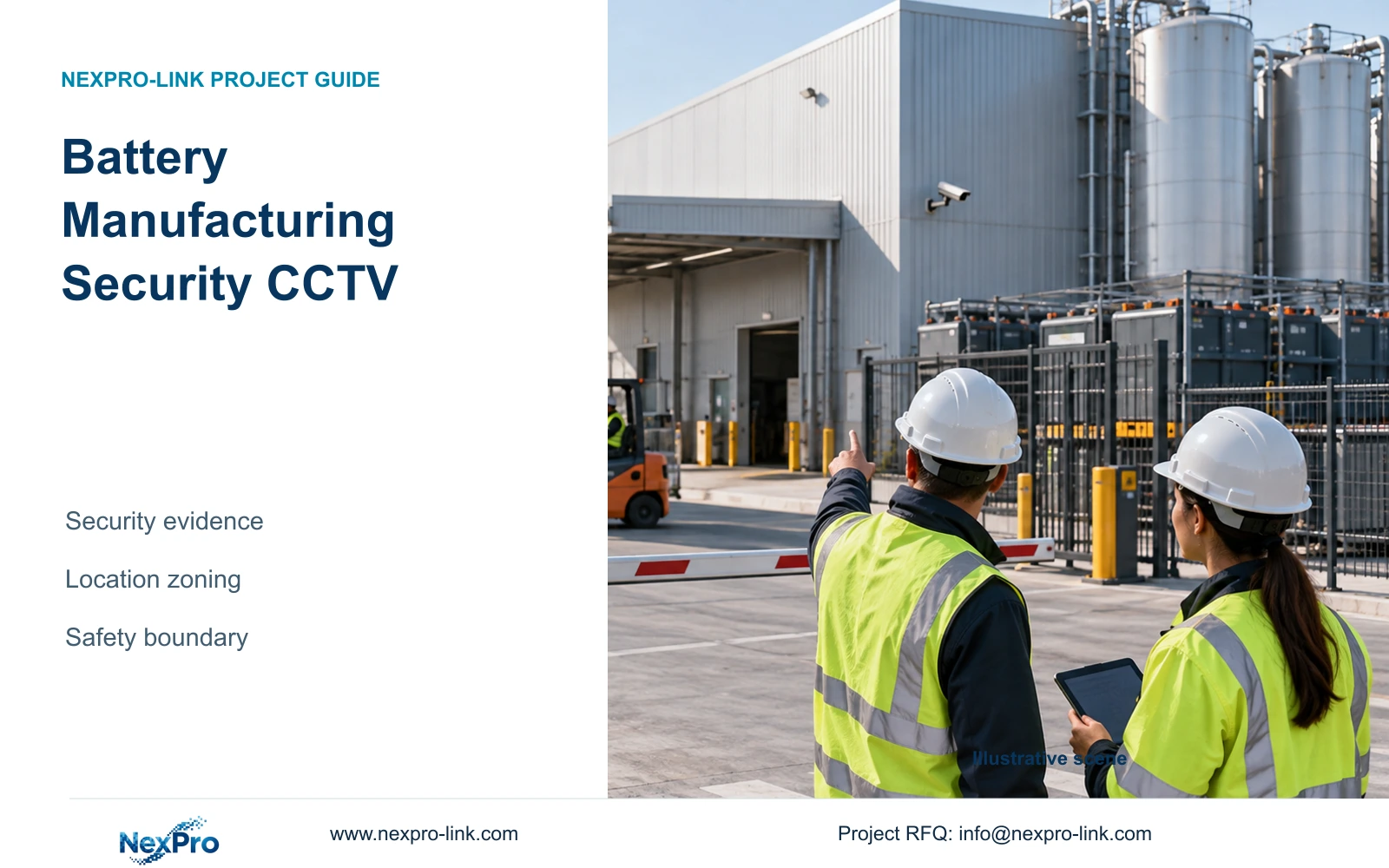
A chemical plant camera schedule needs a location decision before a model decision. Use the classification drawing to separate ordinary security equipment from specialist positions and their installation requirements.
10 guides

Decision area 10

Construction Materials

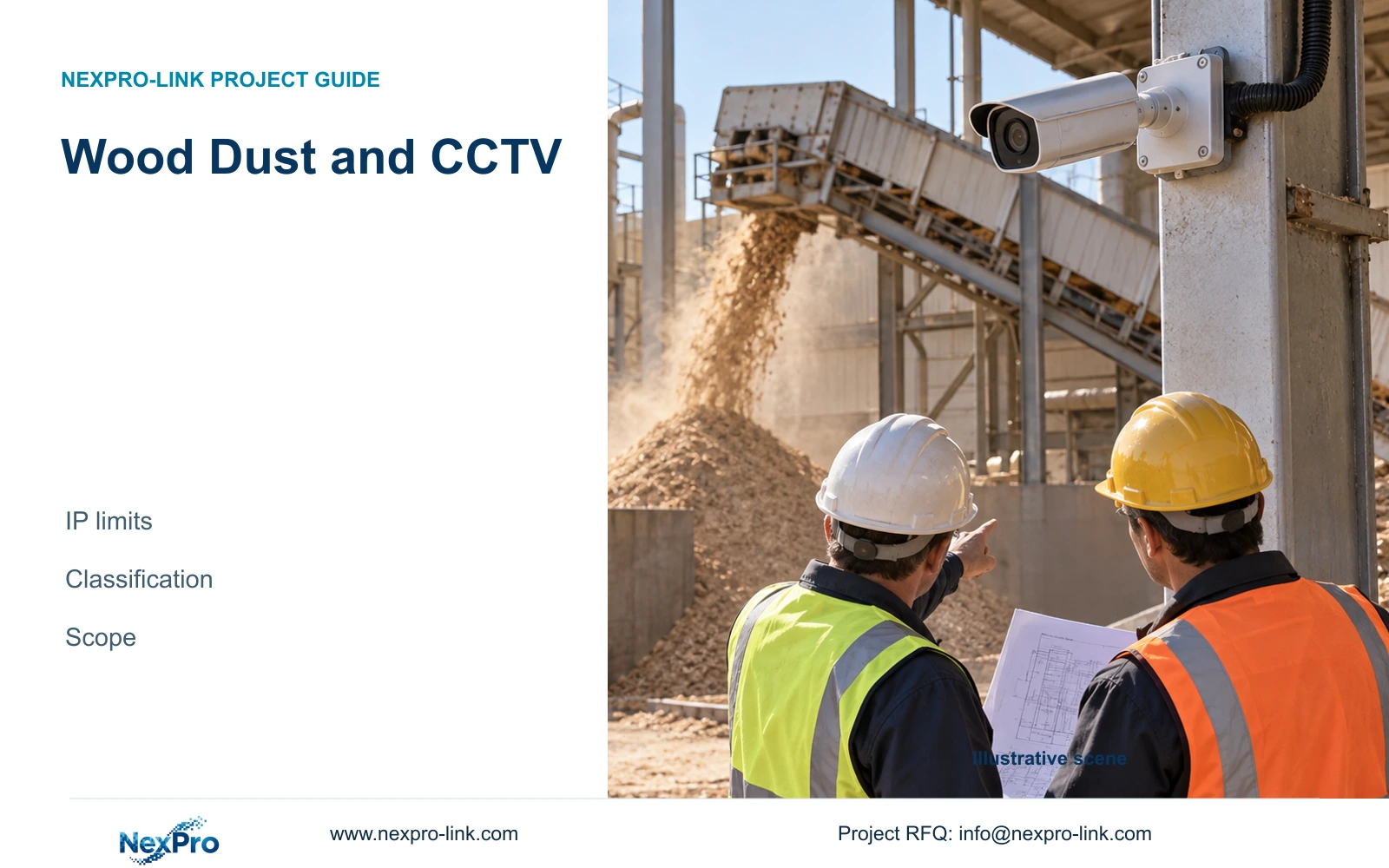
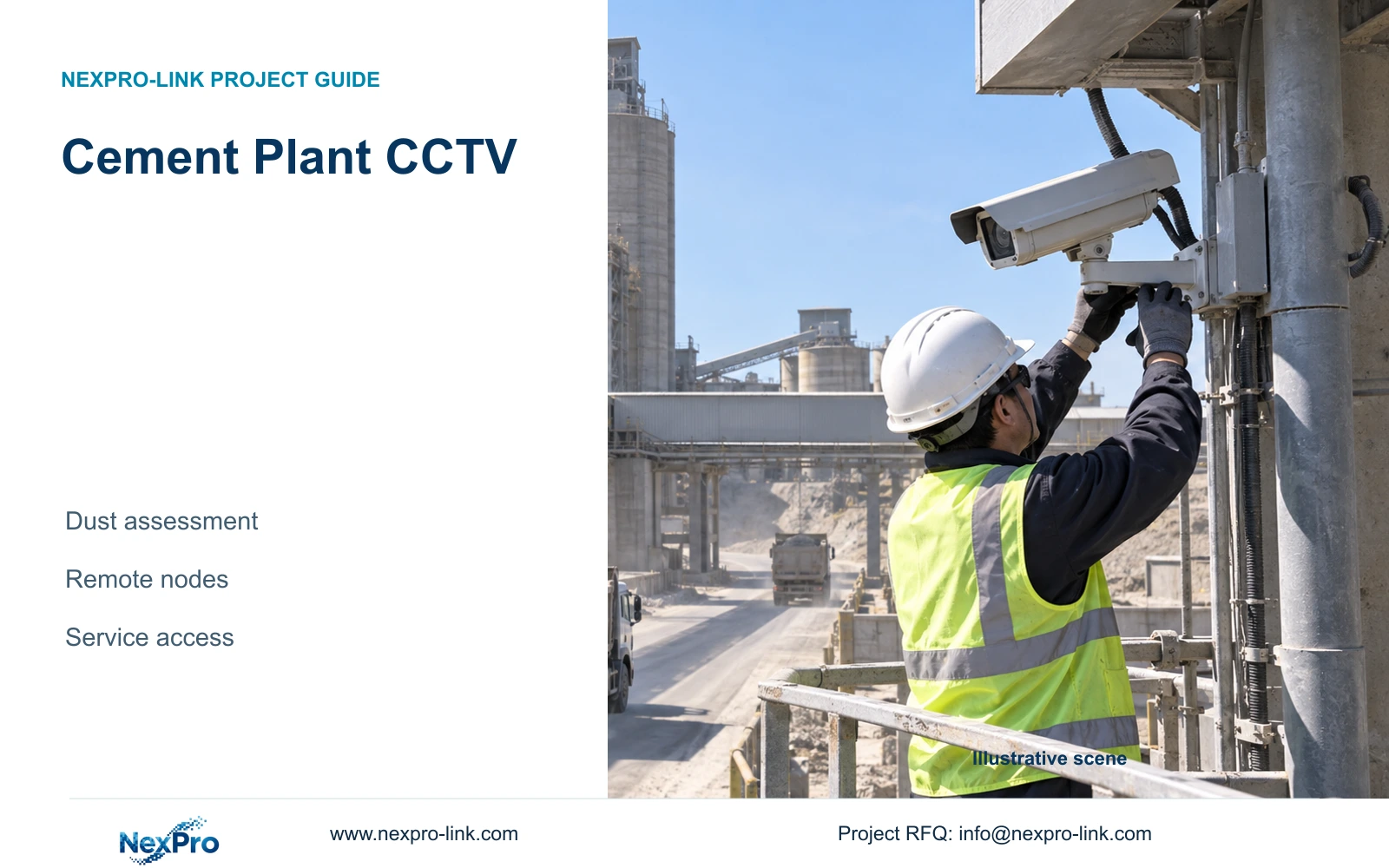
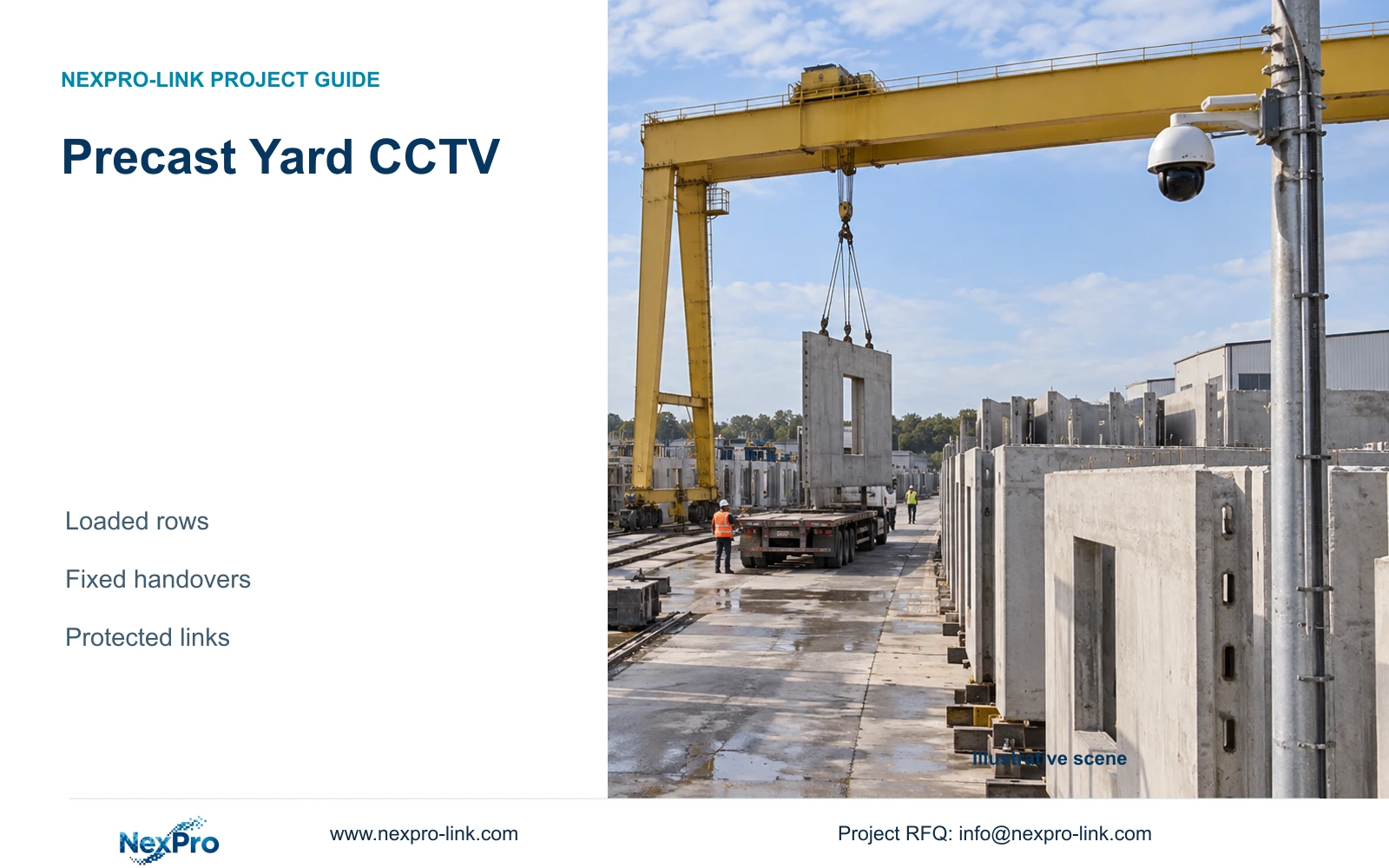
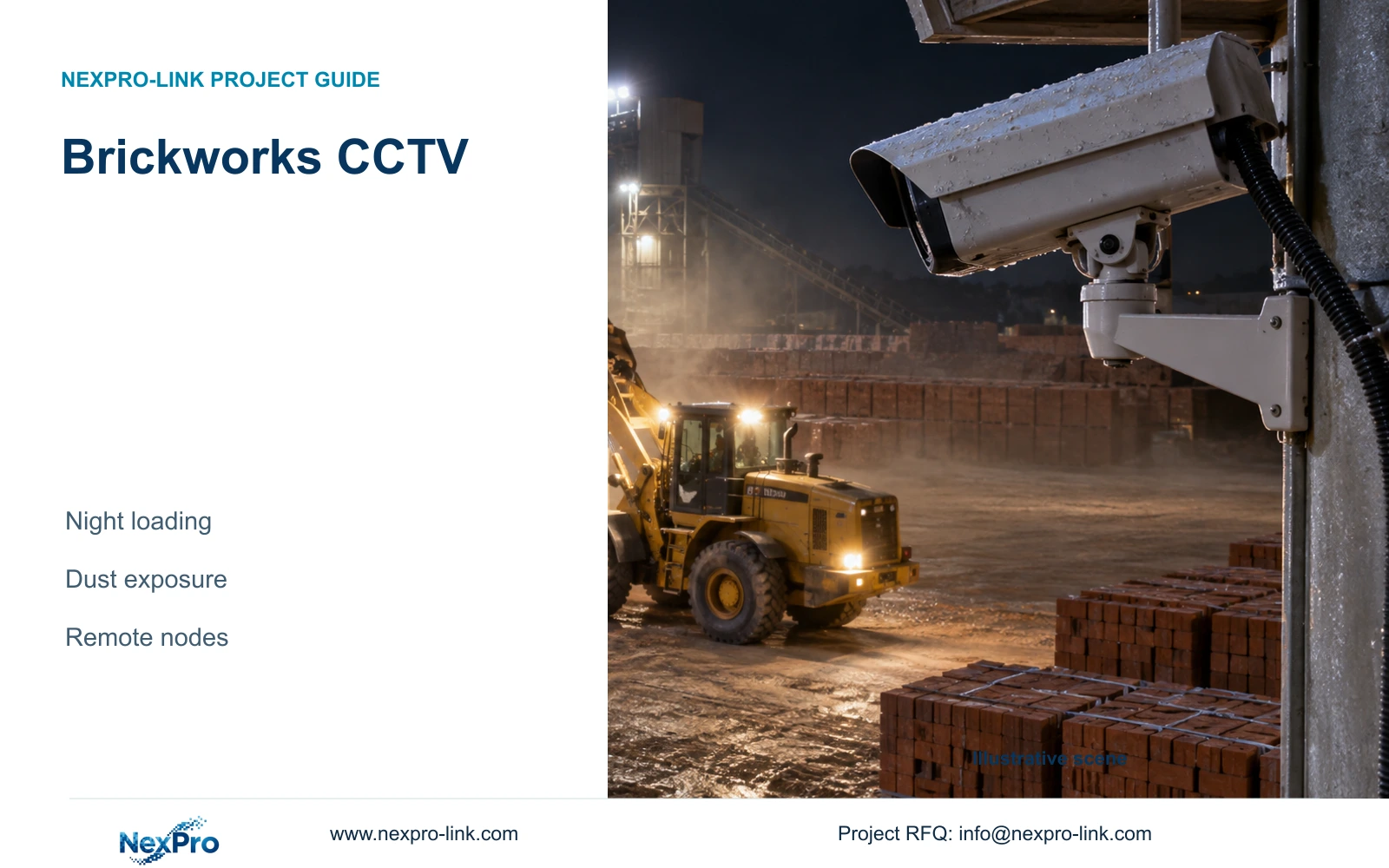
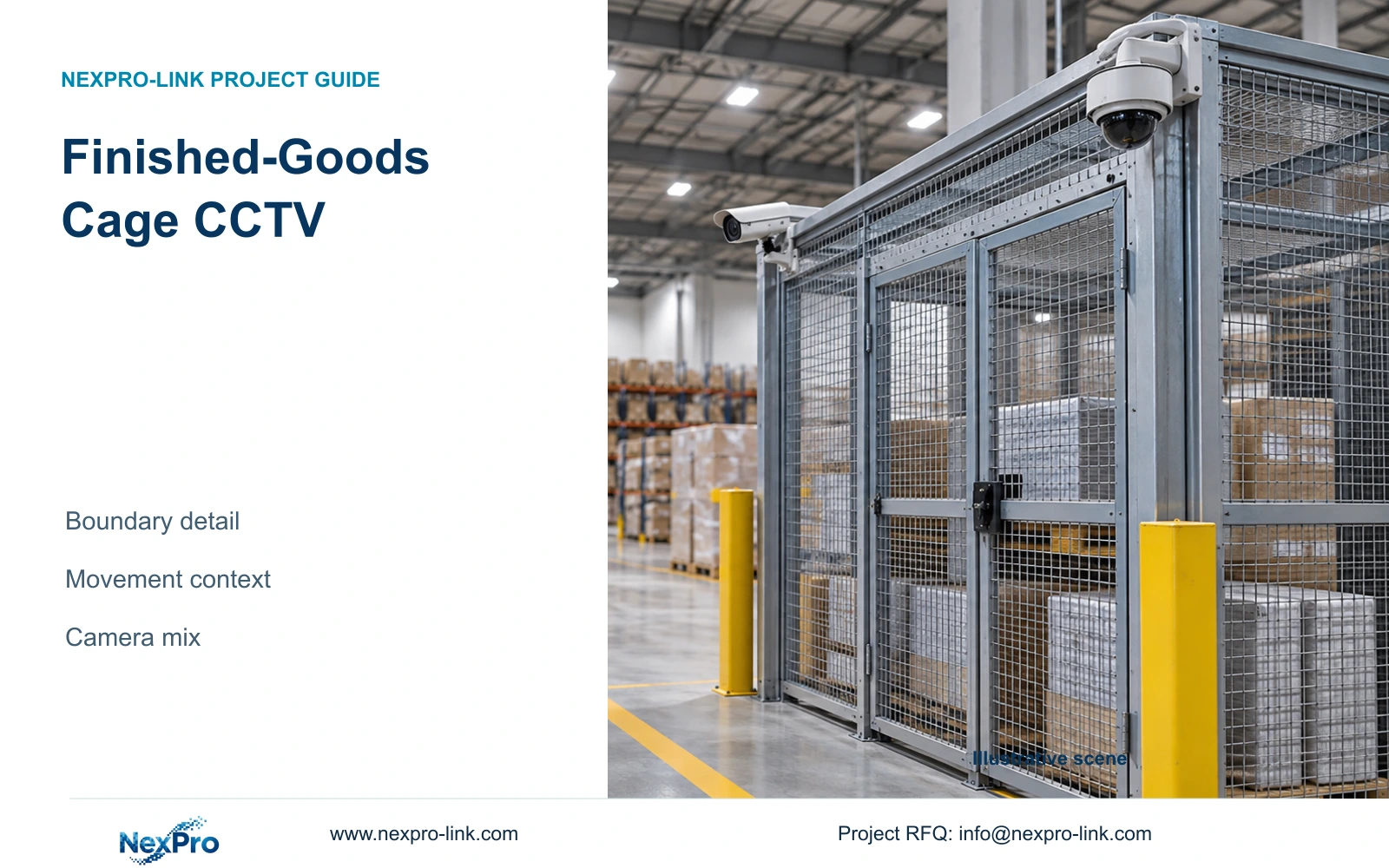
Cement plant CCTV needs usable transfer views despite dust, changing stockpiles and remote gates. Separate environmental qualification from recording, links and maintenance access.

10 guides

Decision area 11

Energy Battery Recycling

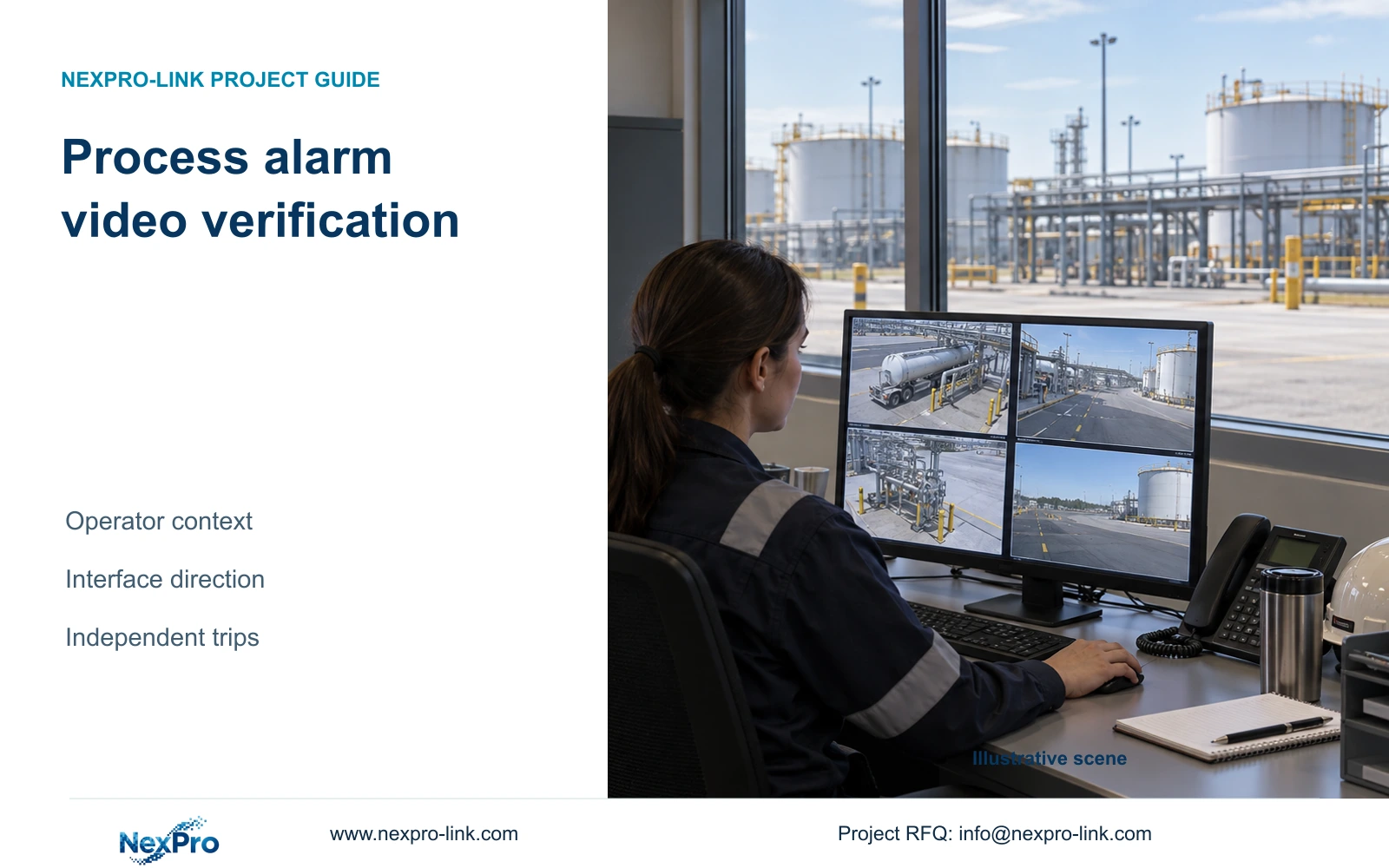
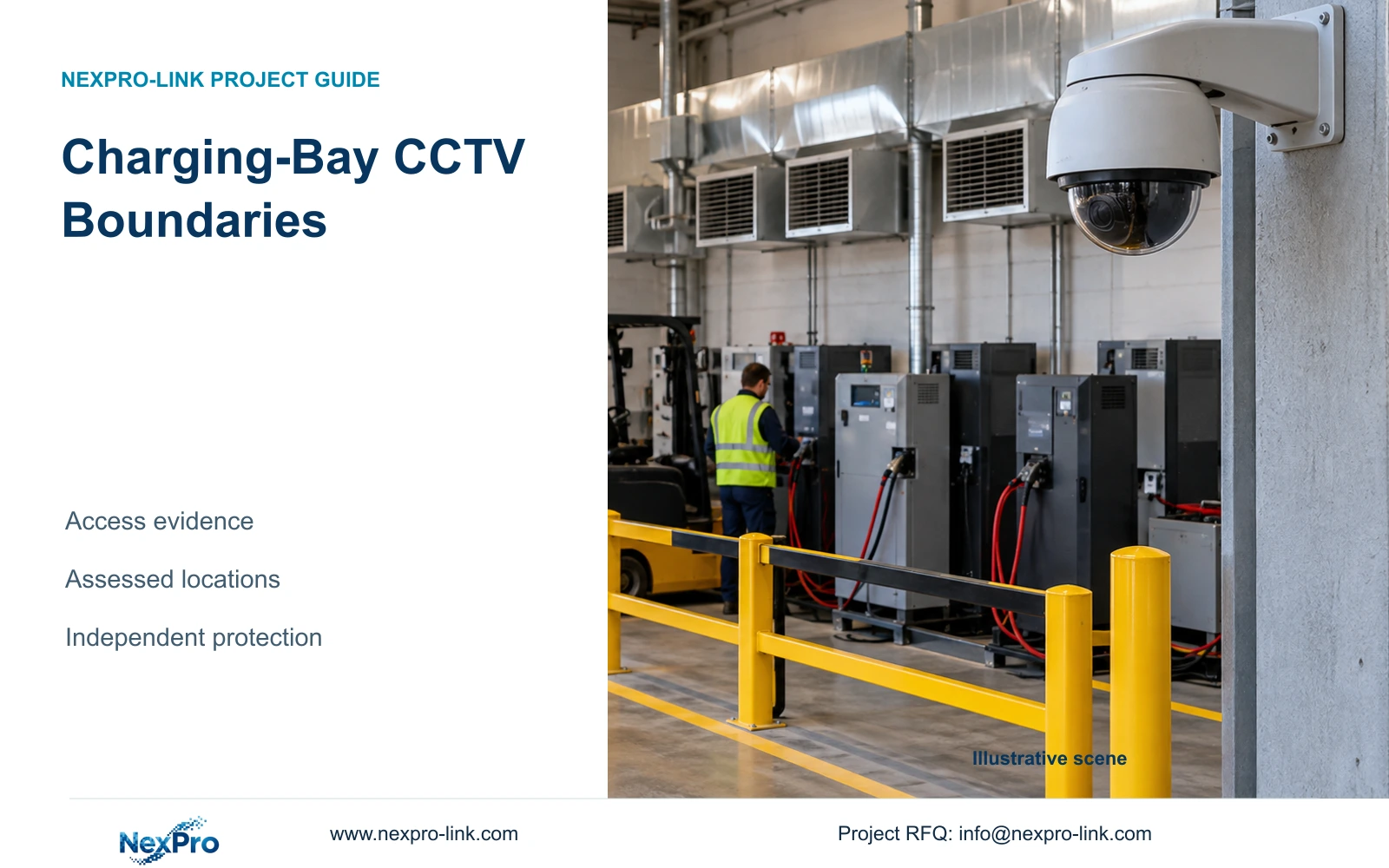
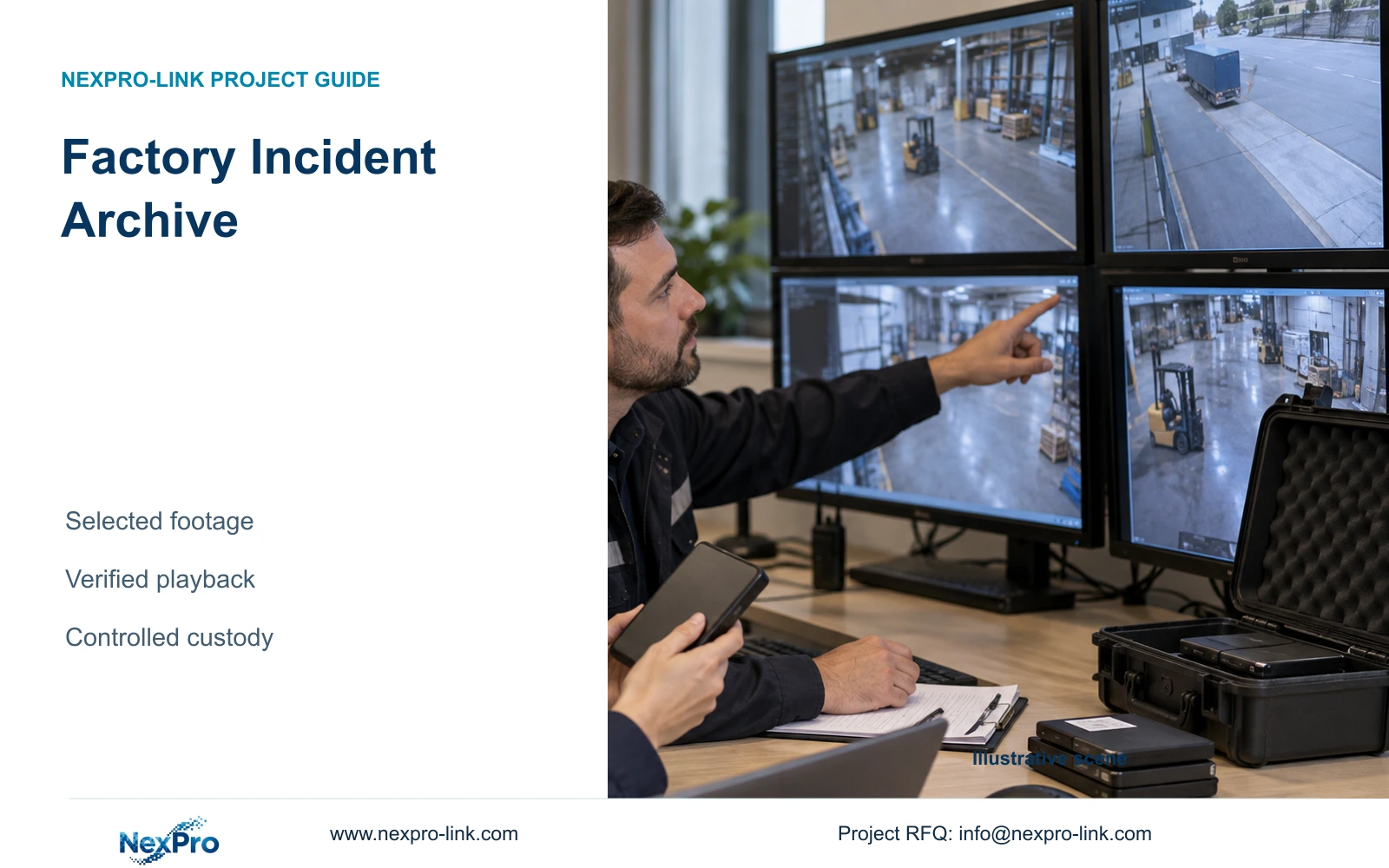
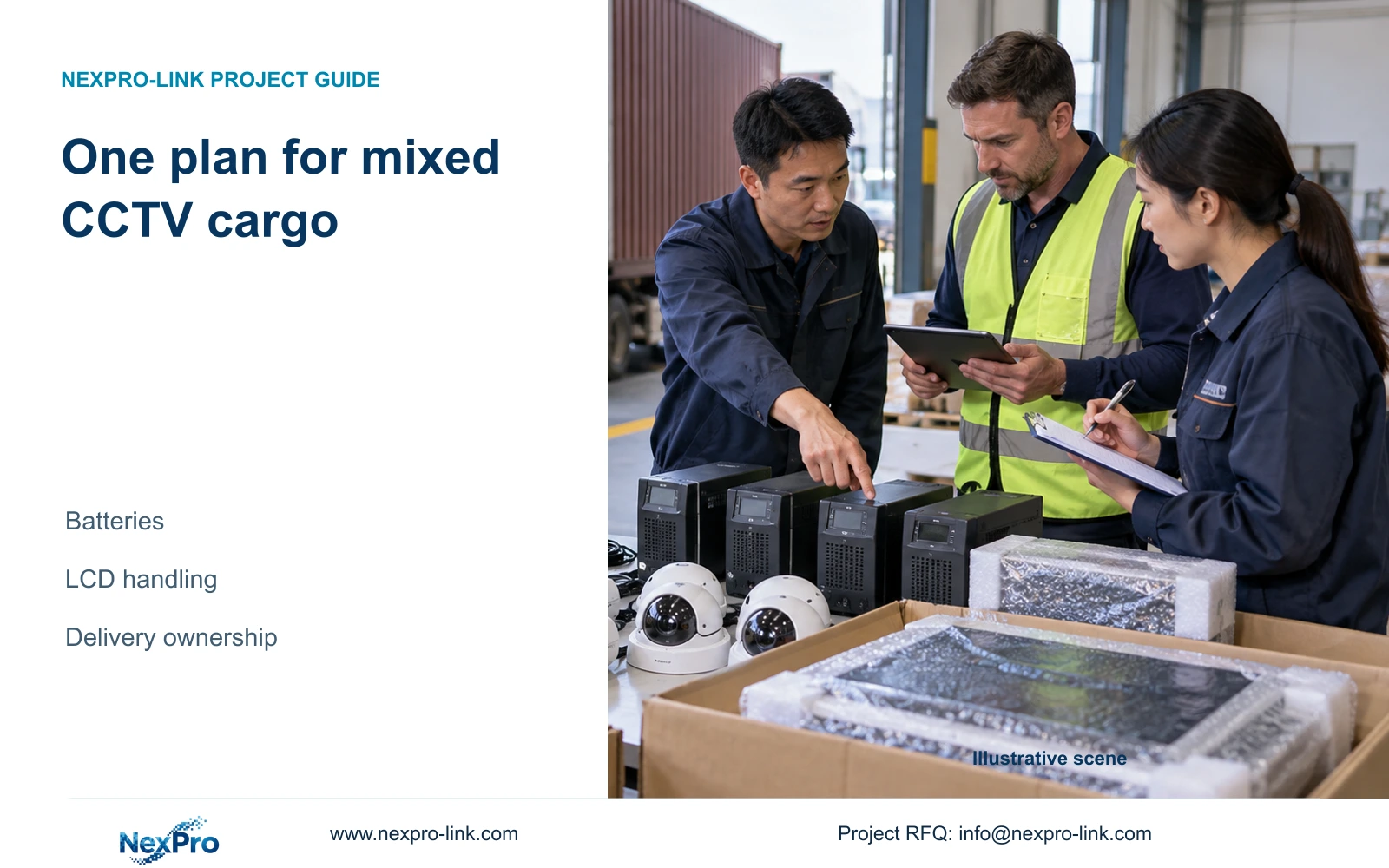
Define post-alarm video review without requiring personnel to approach an uncleared battery area. Use authorized remote retrieval where the installed system supports it; preserve the relevant interval and note unavailable channels.

10 guides

Decision area 12

Warehouse Cold Logistics

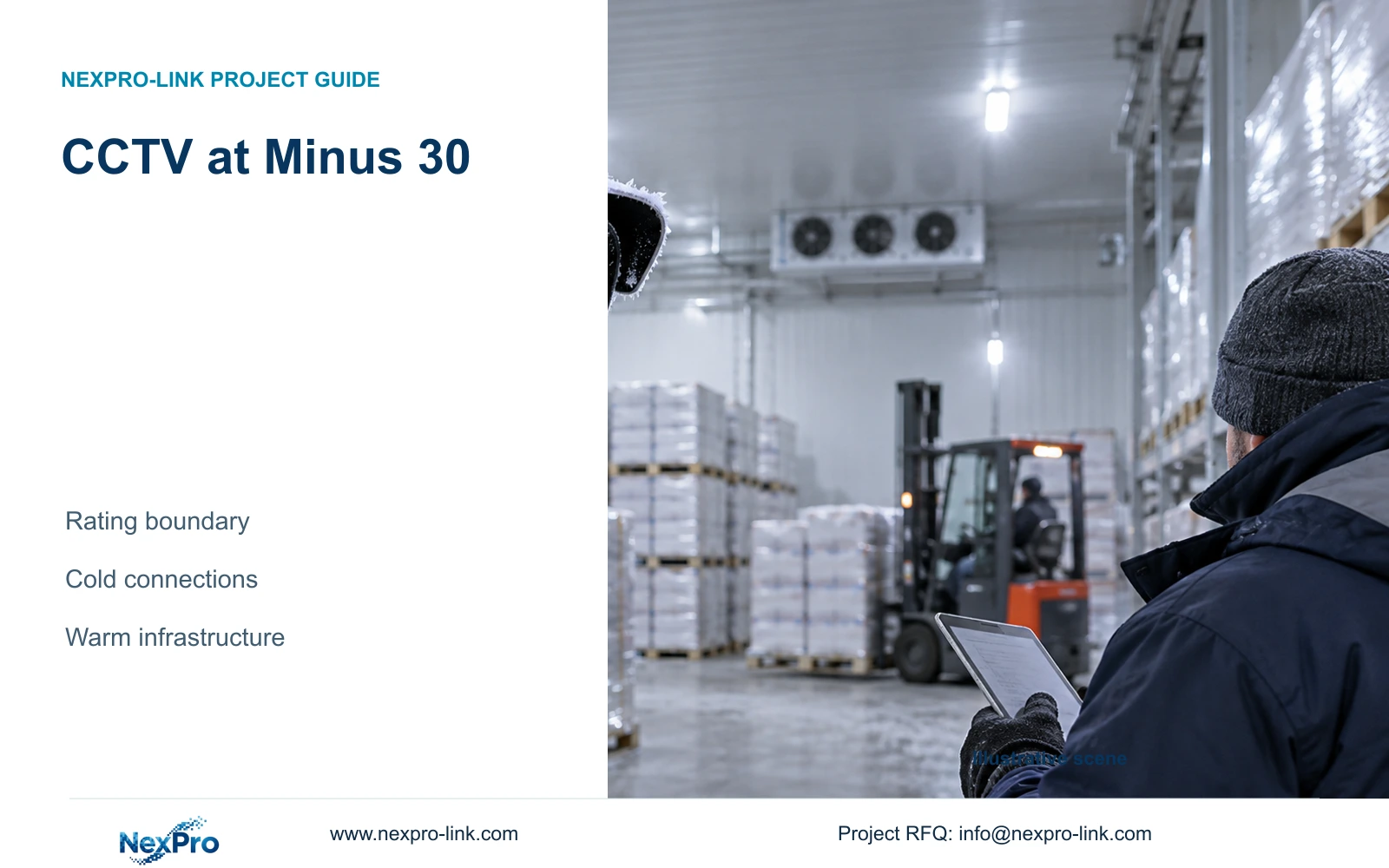
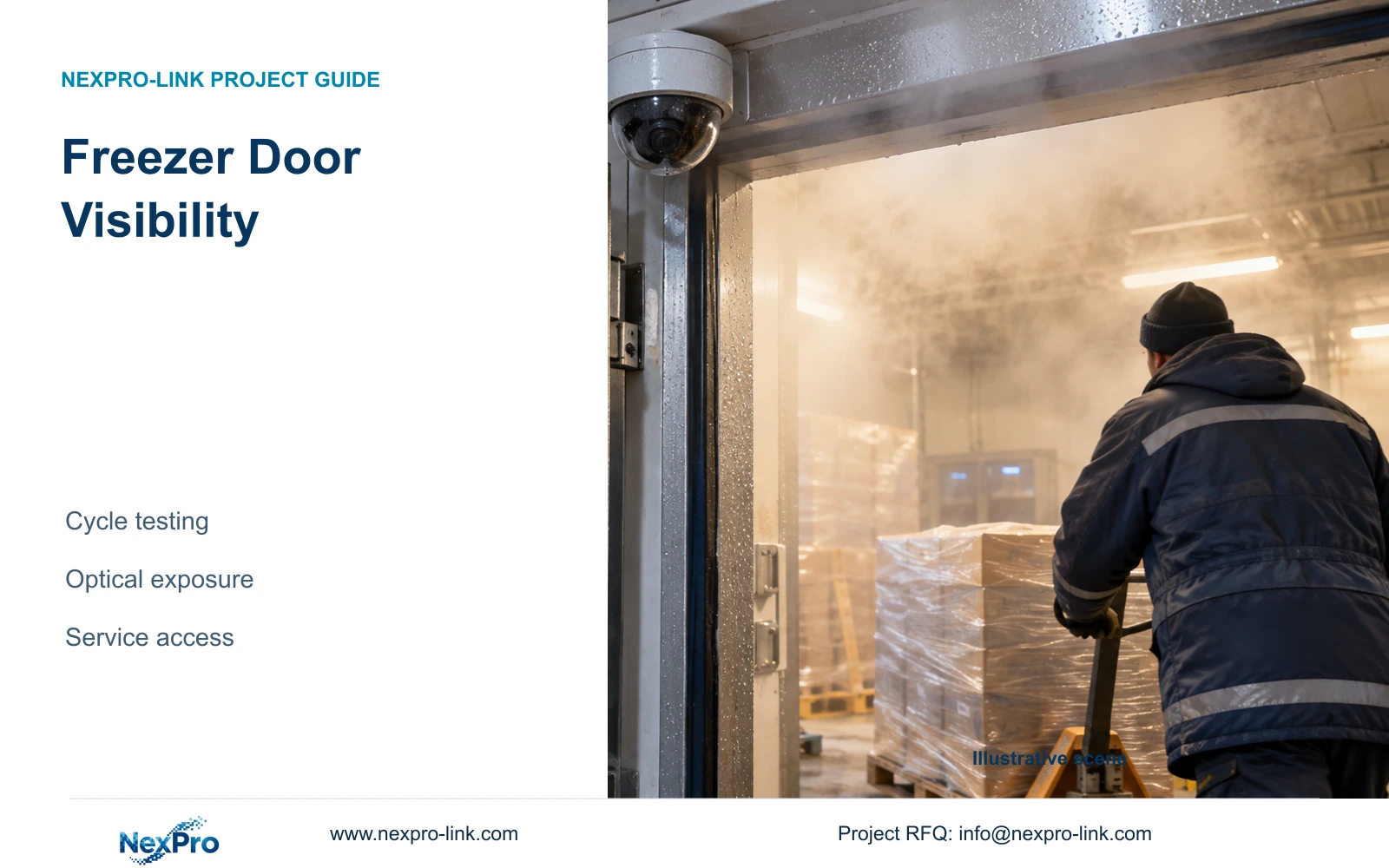
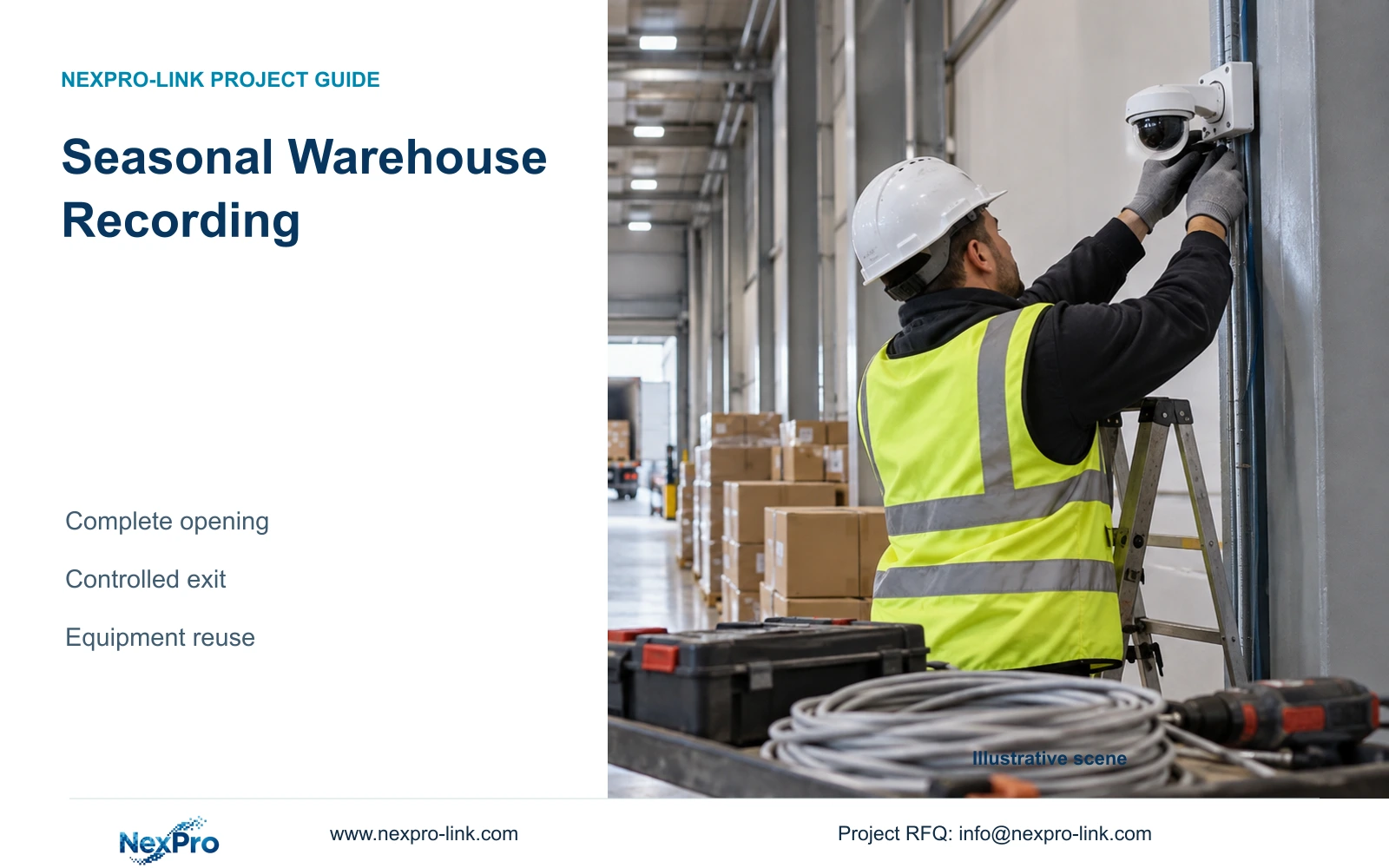
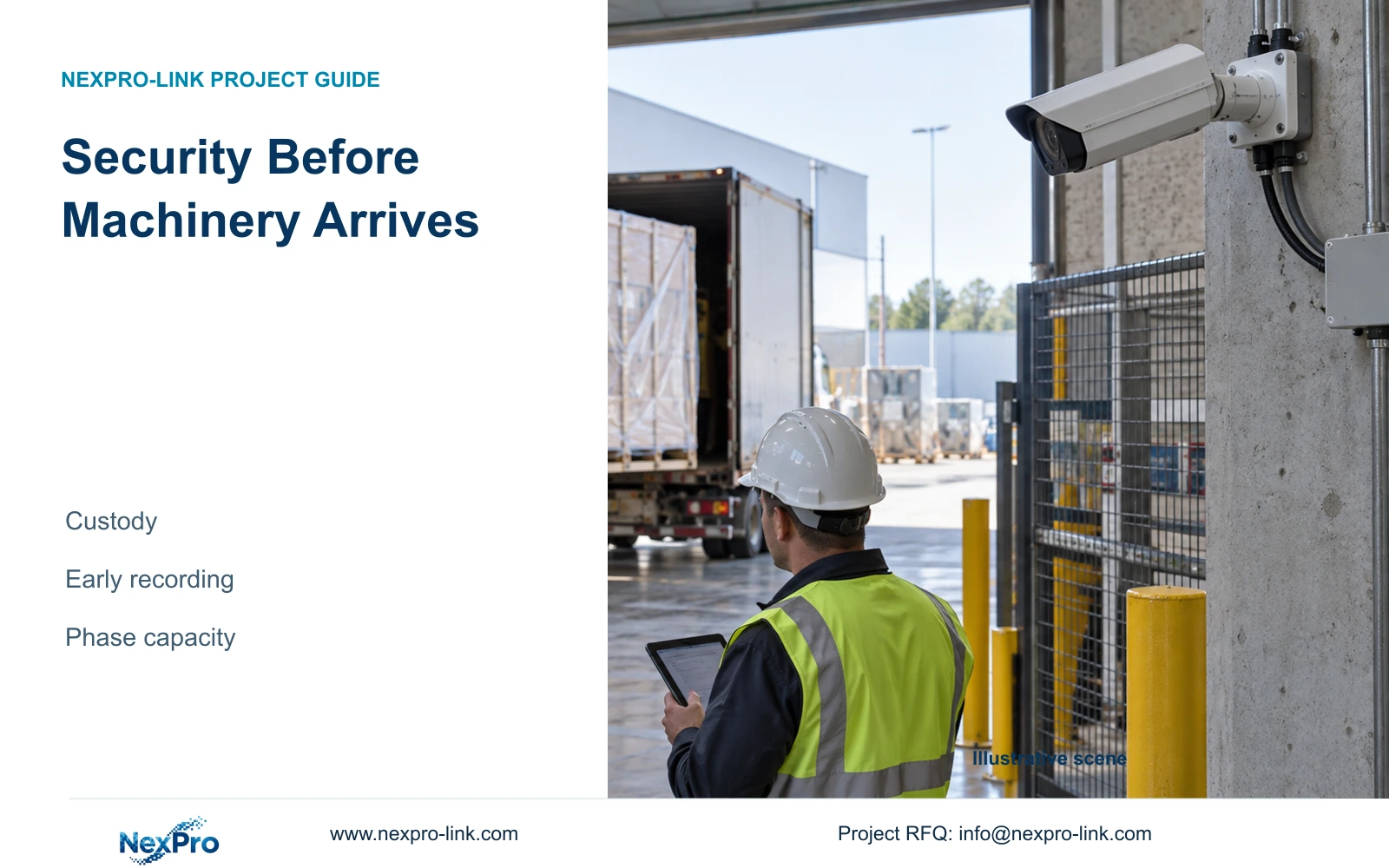
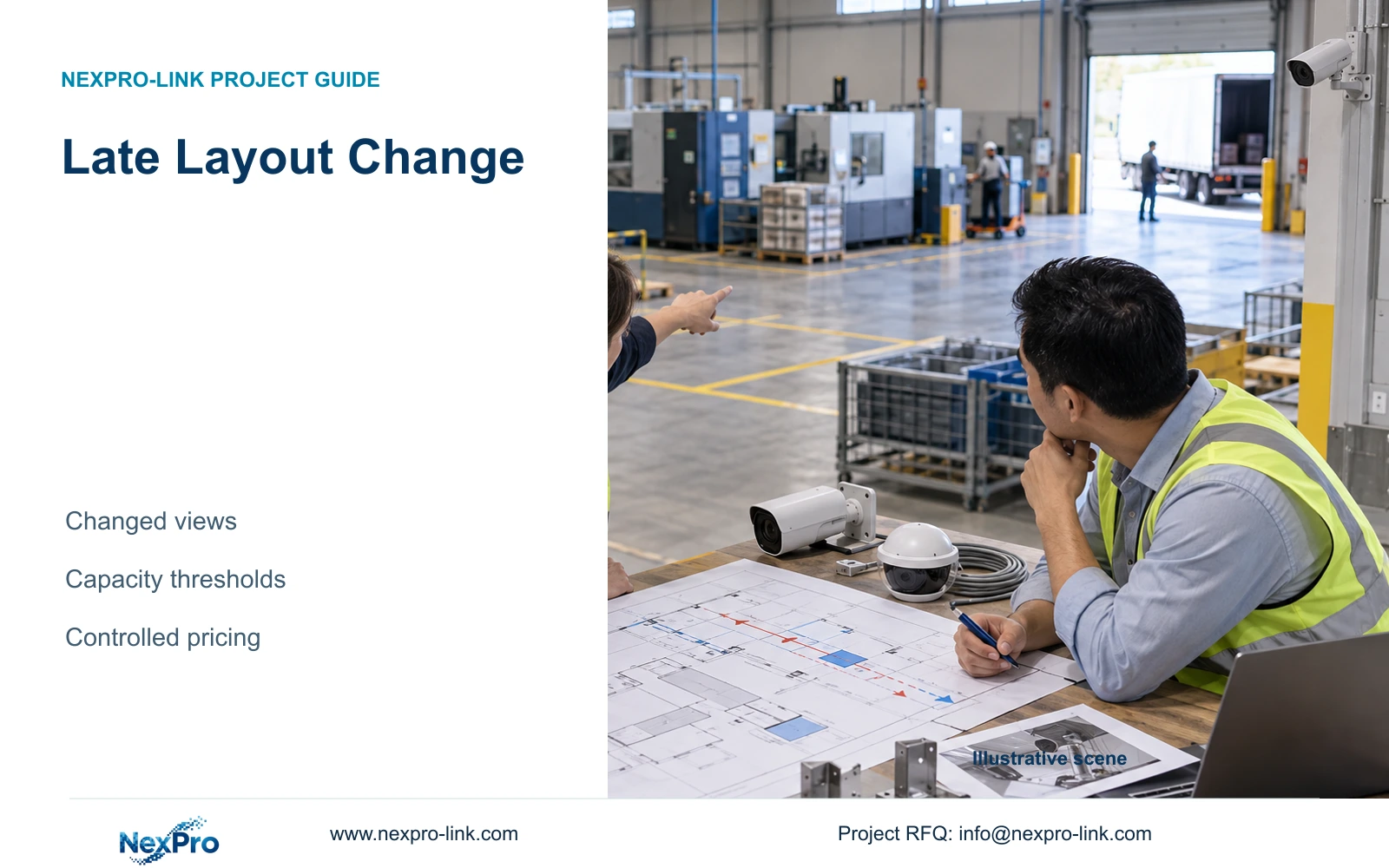
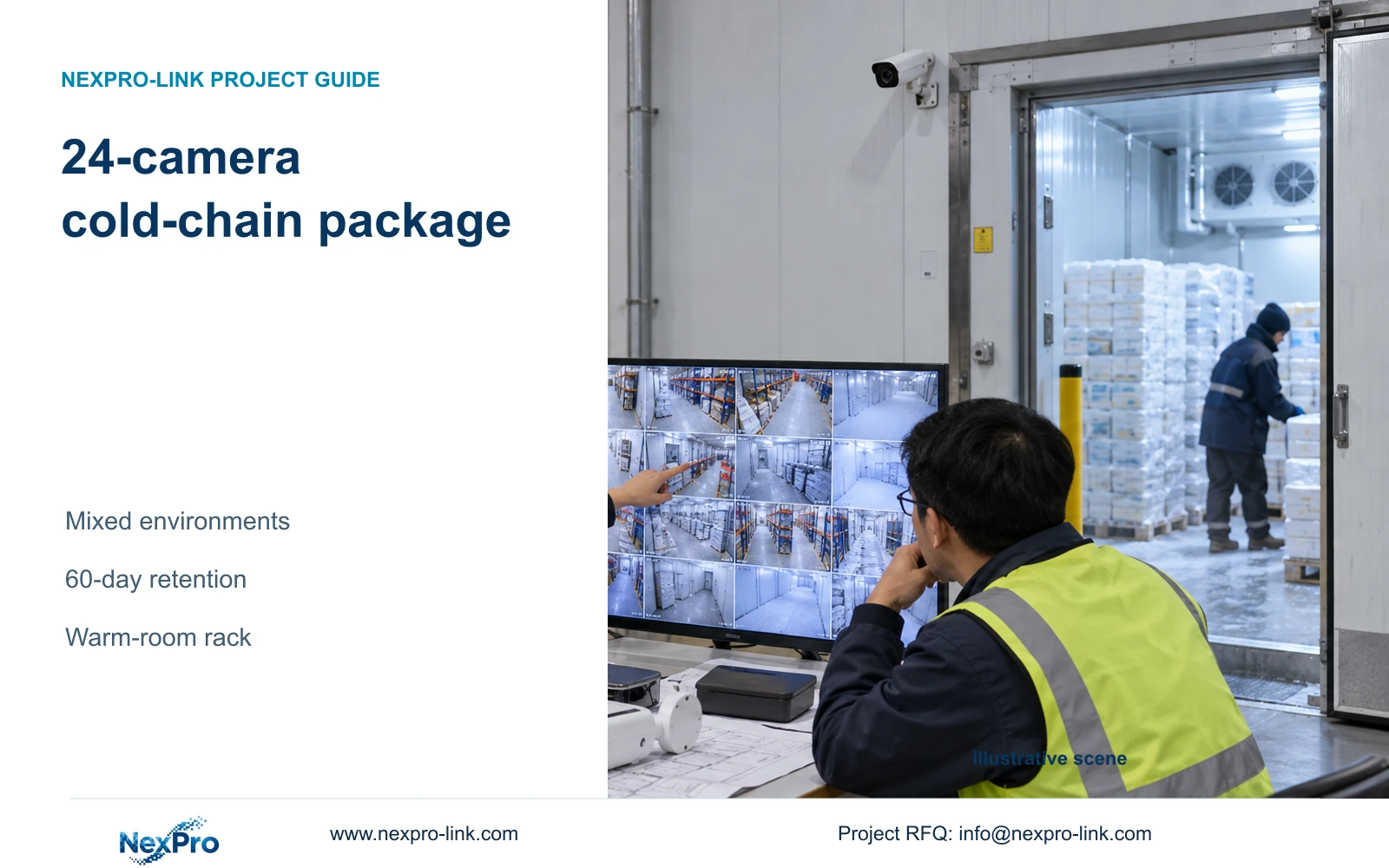
Order stable warehouse CCTV infrastructure early while keeping rack-dependent views adjustable. Compare opening and final recording capacity before freezing the BOQ.

10 guides

Decision area 13

Perimeter Gates Yards

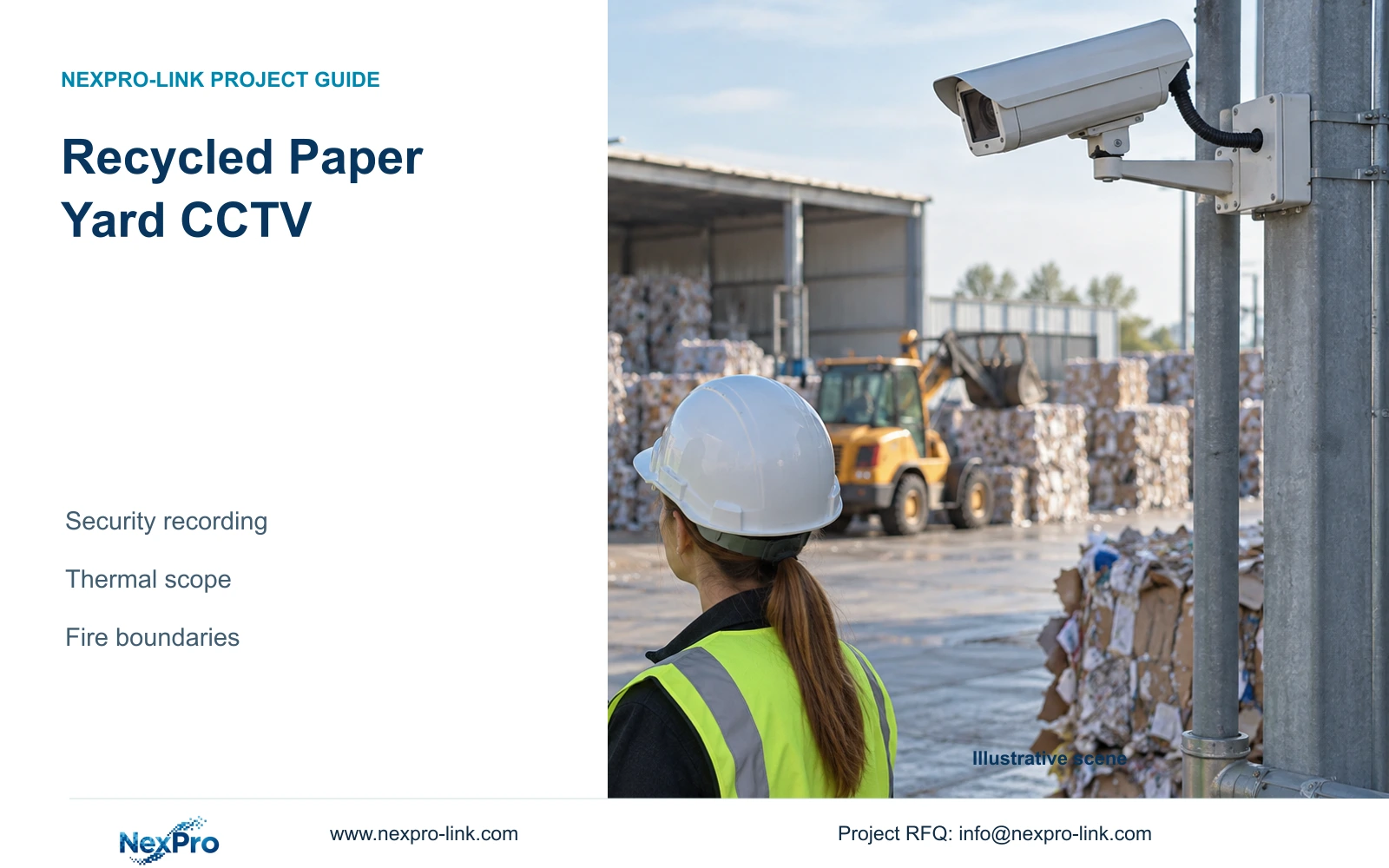
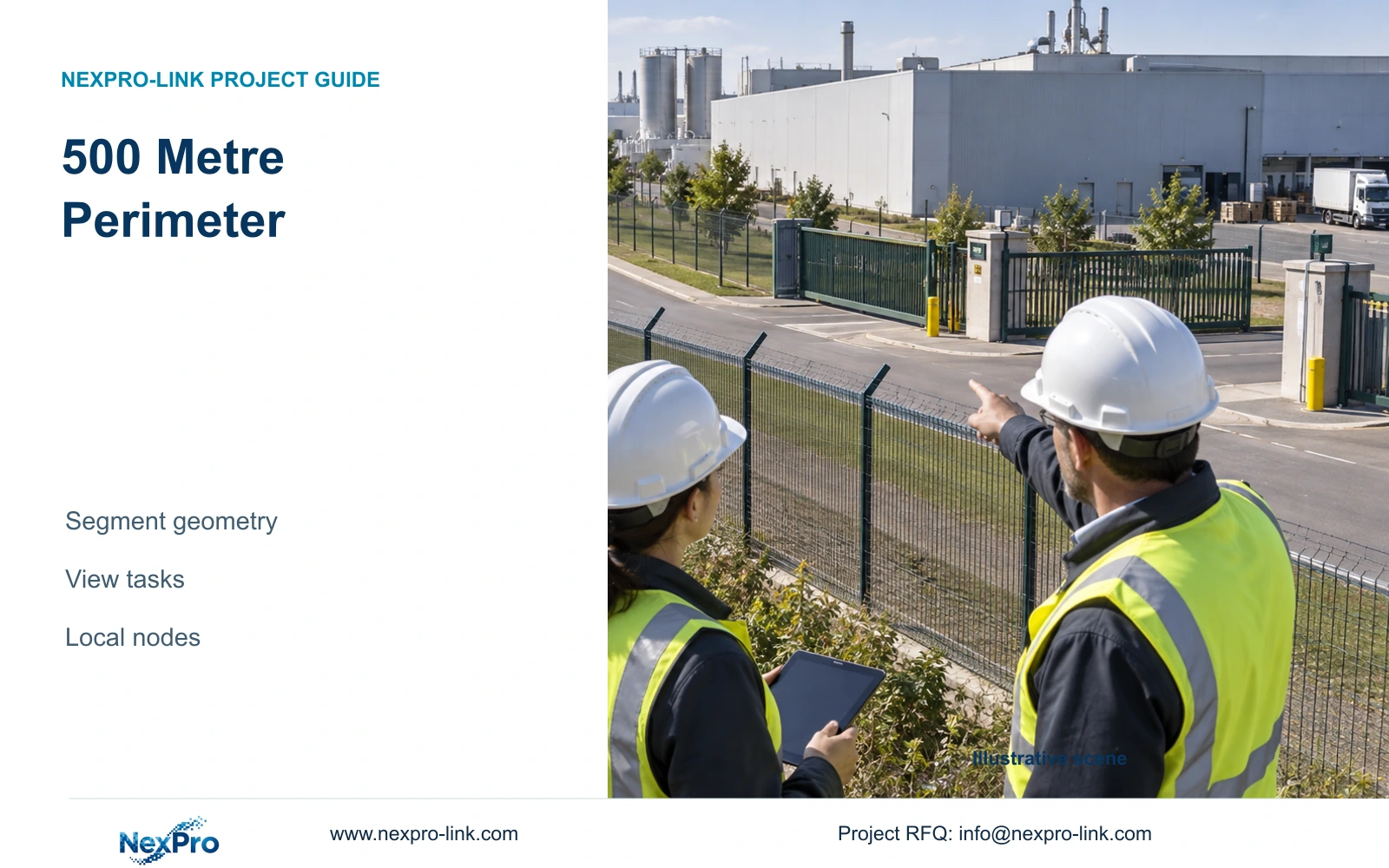
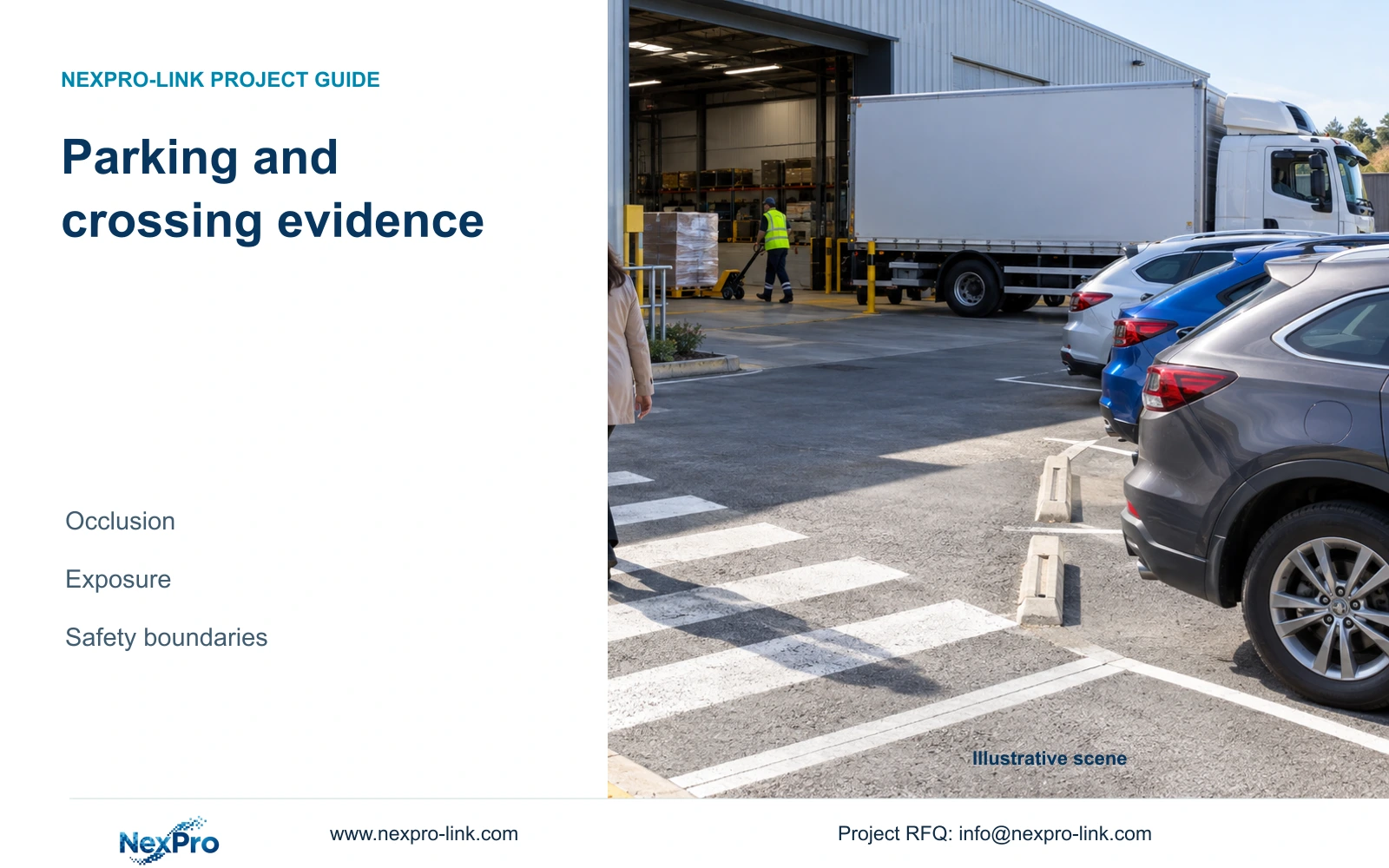
A 500 metre perimeter does not determine camera quantity. Use fence geometry, intrusion verification tasks and target-plane widths to develop a defensible camera schedule.

10 guides

Decision area 14

Internal Zones Interfaces

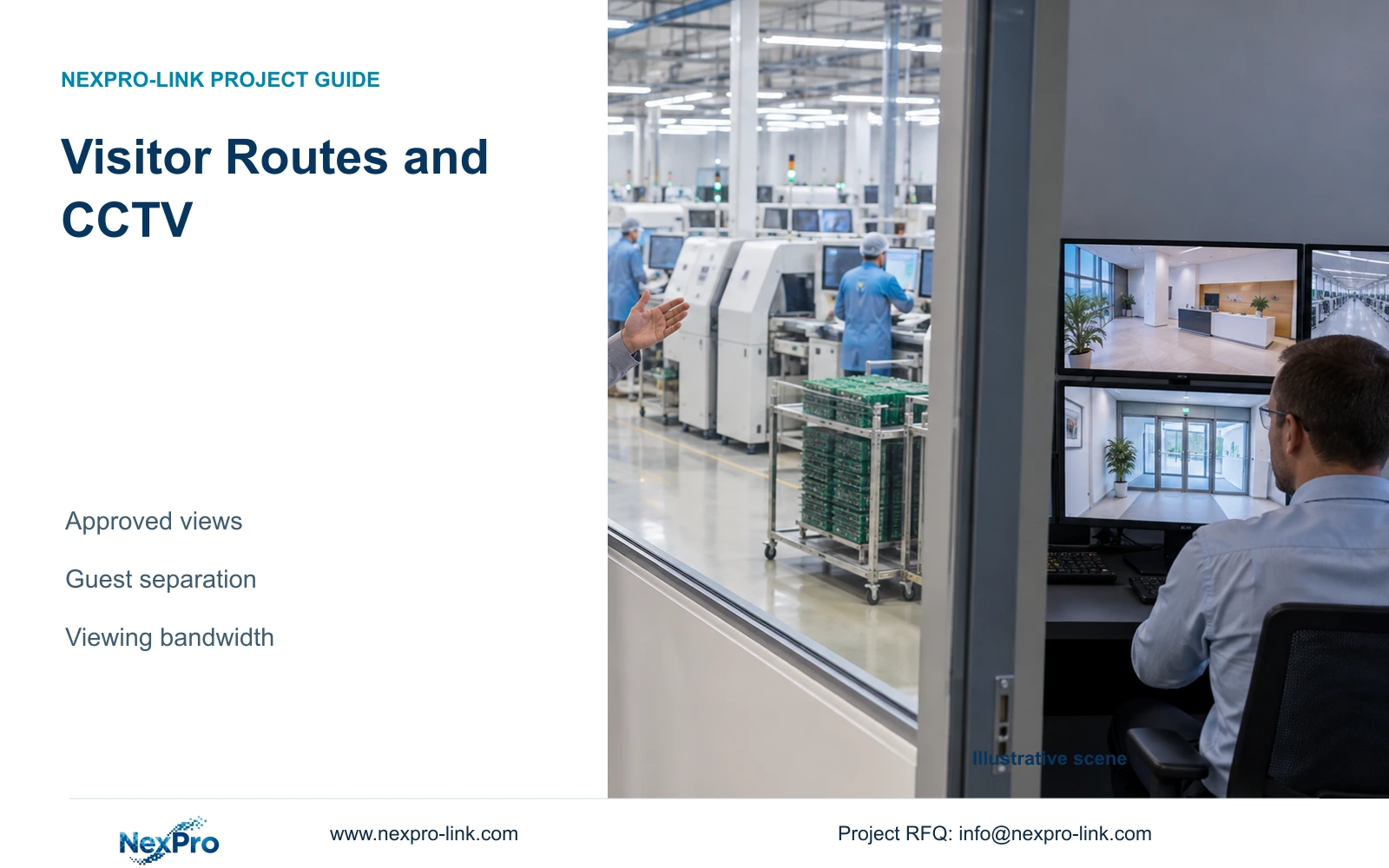
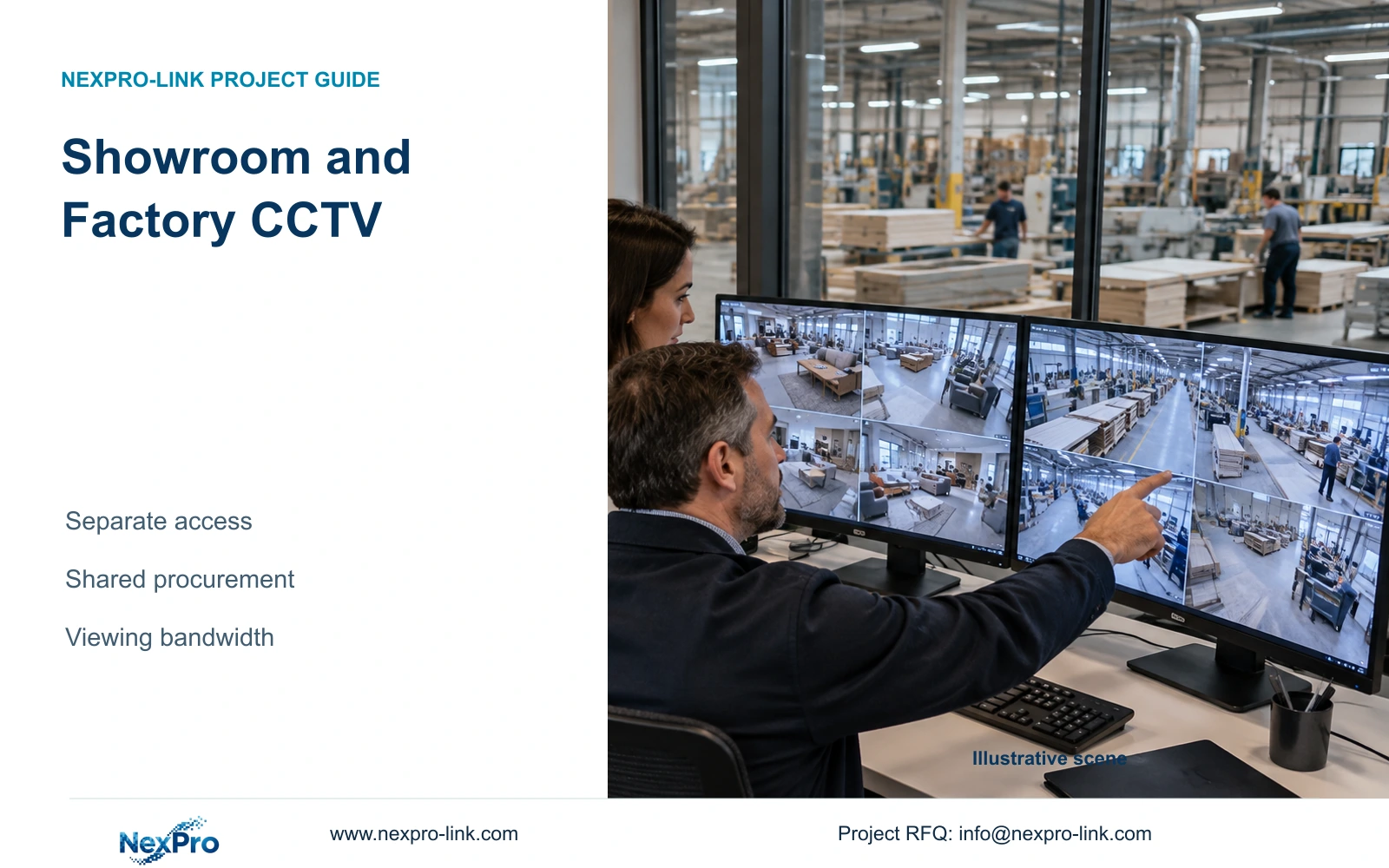
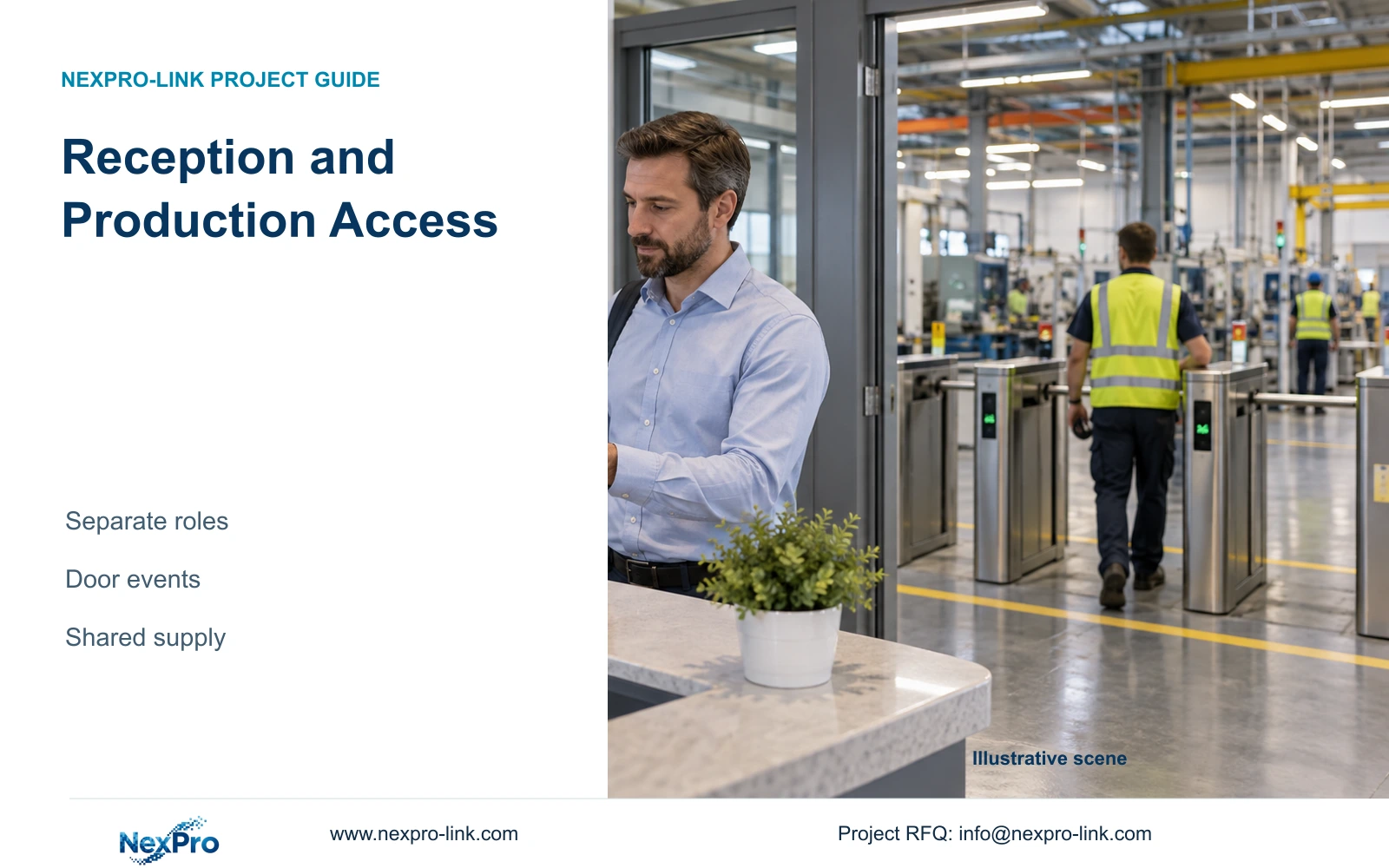
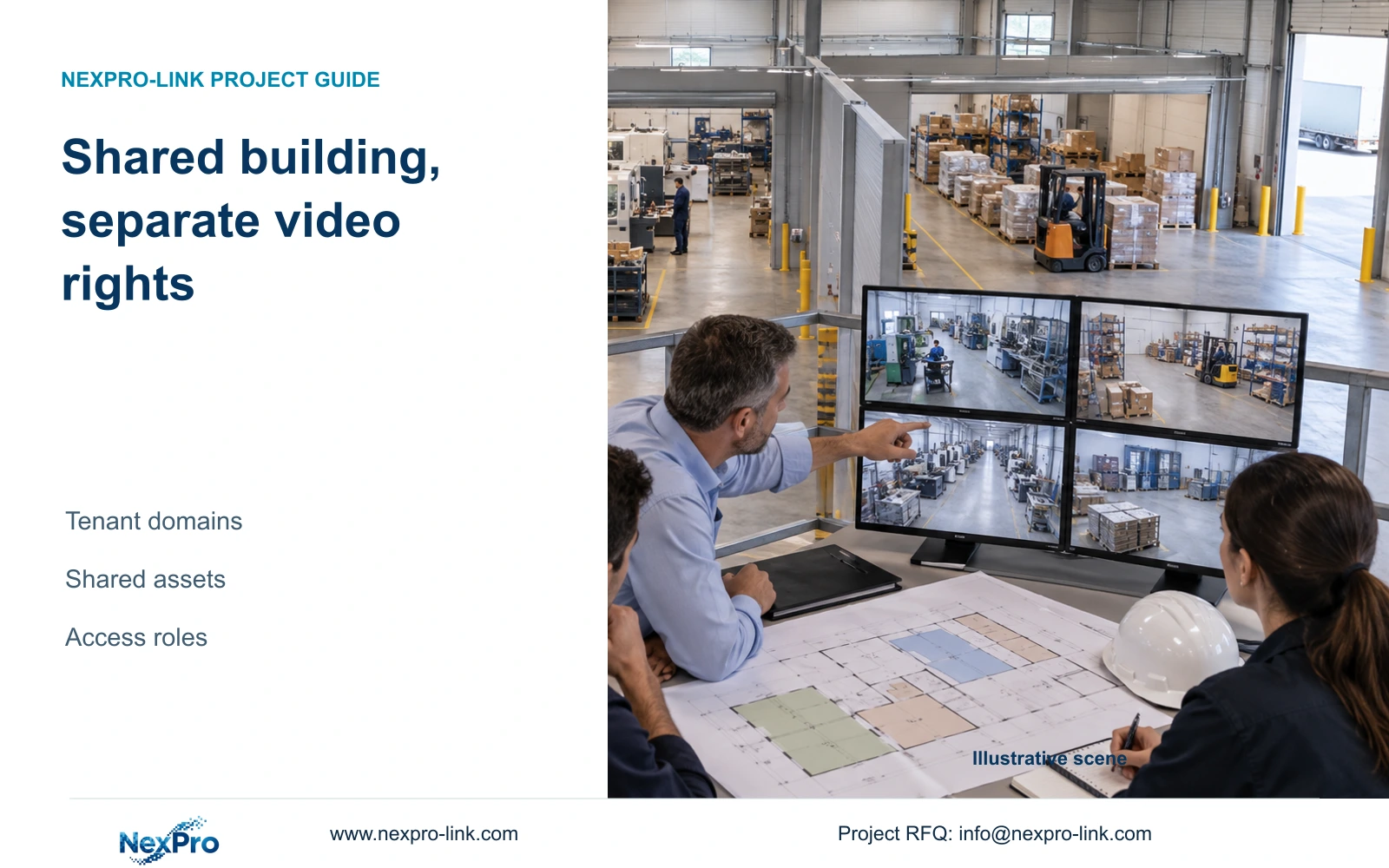
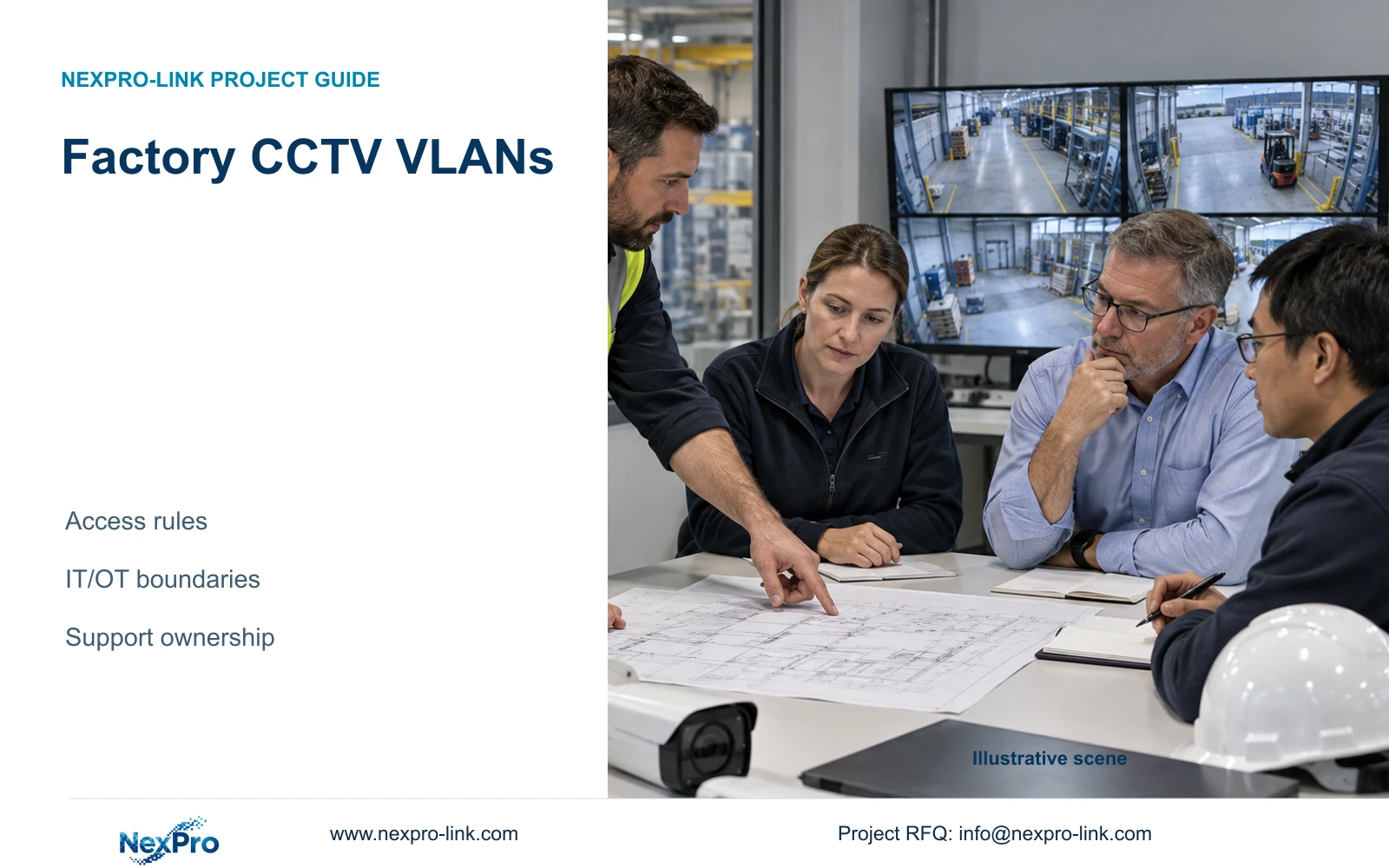
Reception CCTV and production access control can share a procurement schedule while keeping visitor permissions, employee credentials and system responsibilities separate.

10 guides

Decision area 15

Construction Retrofit Phases

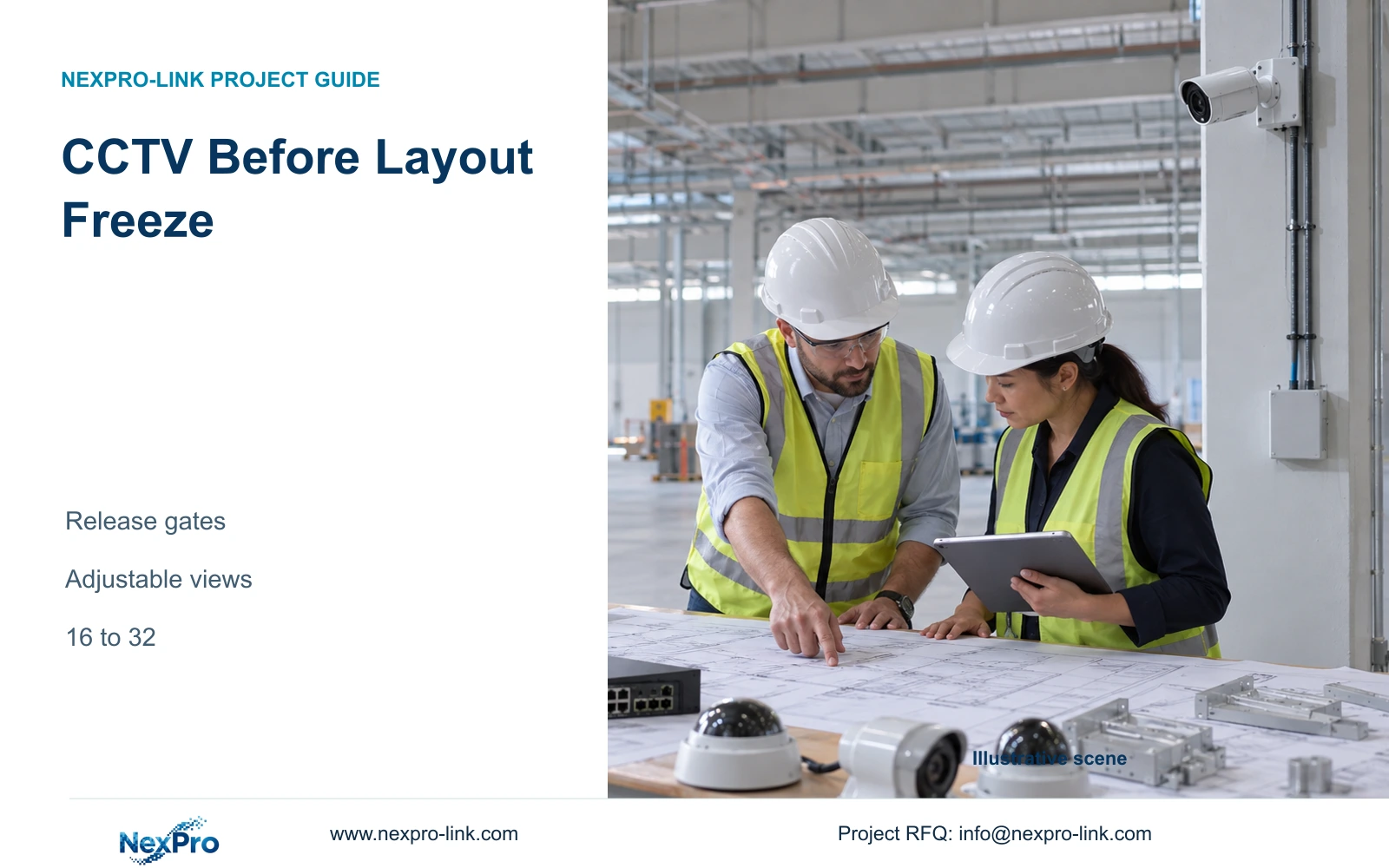
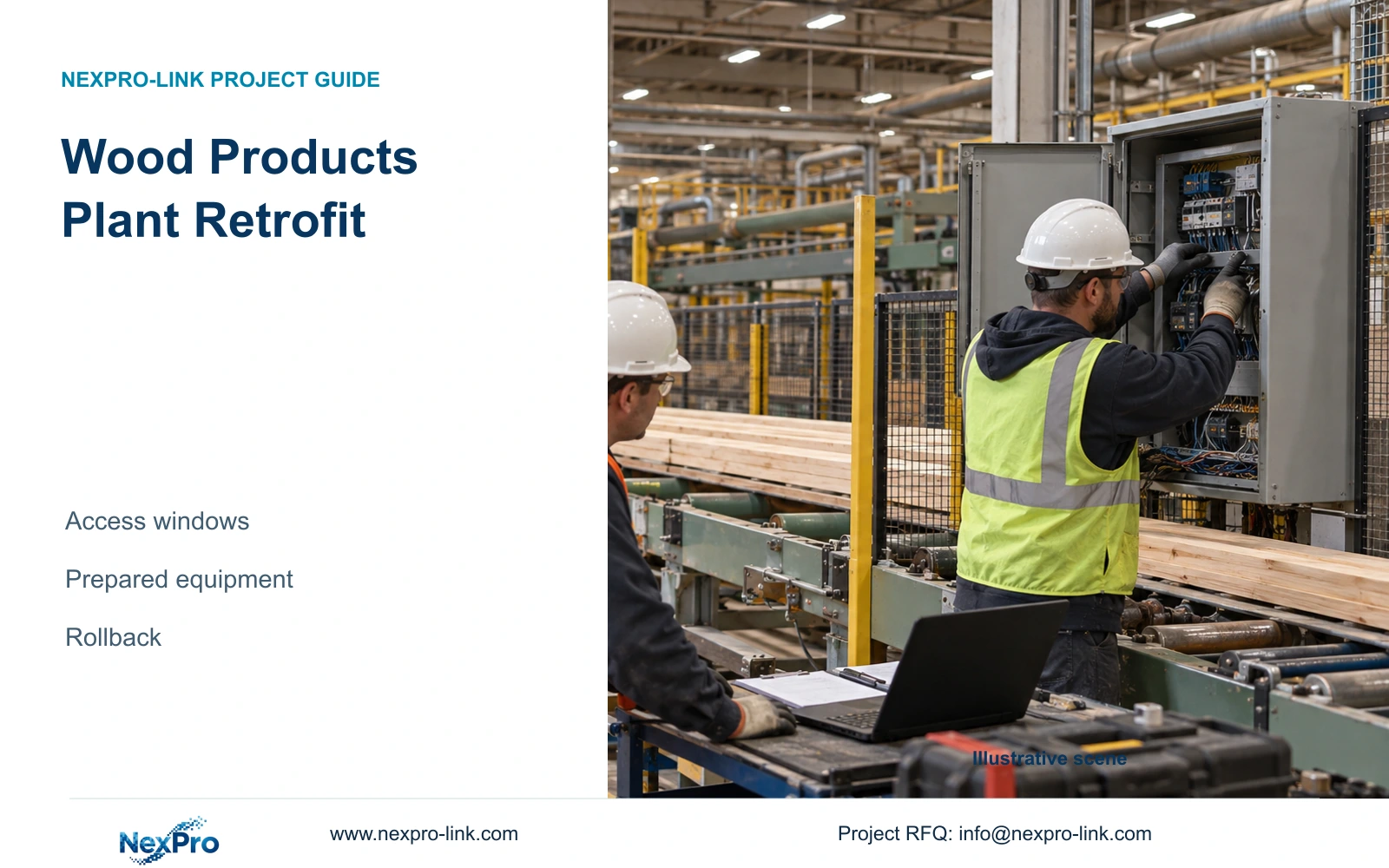
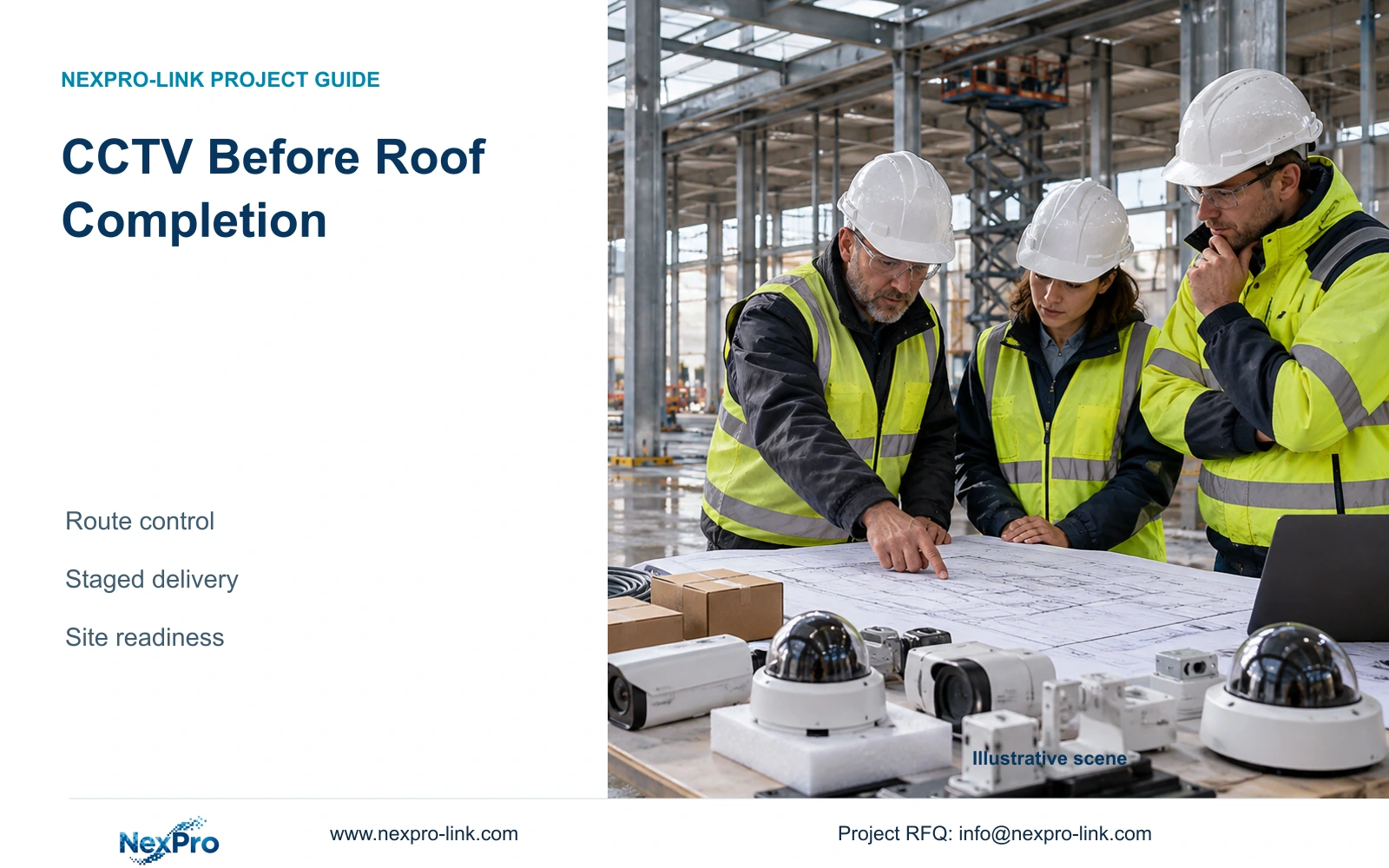
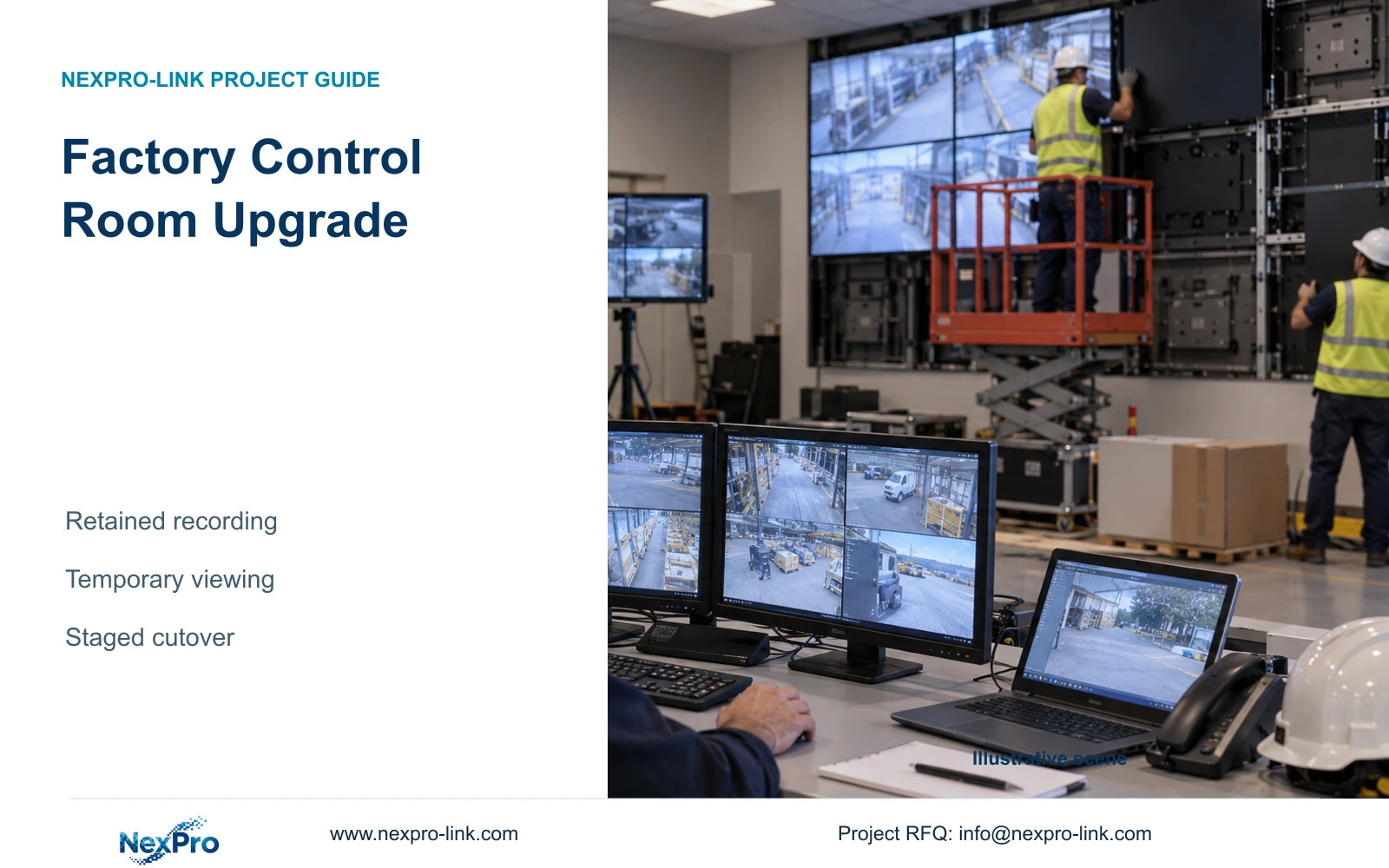
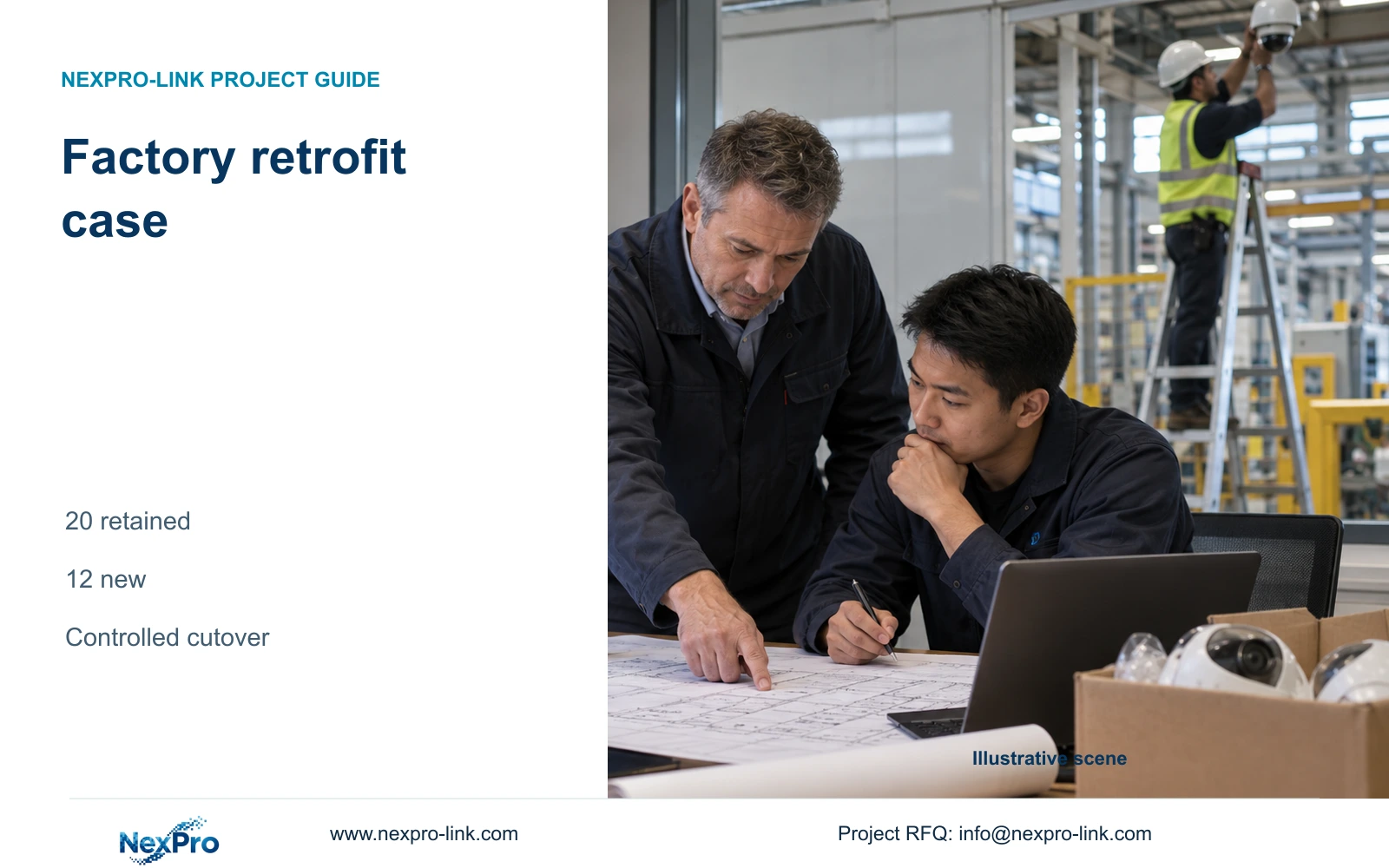
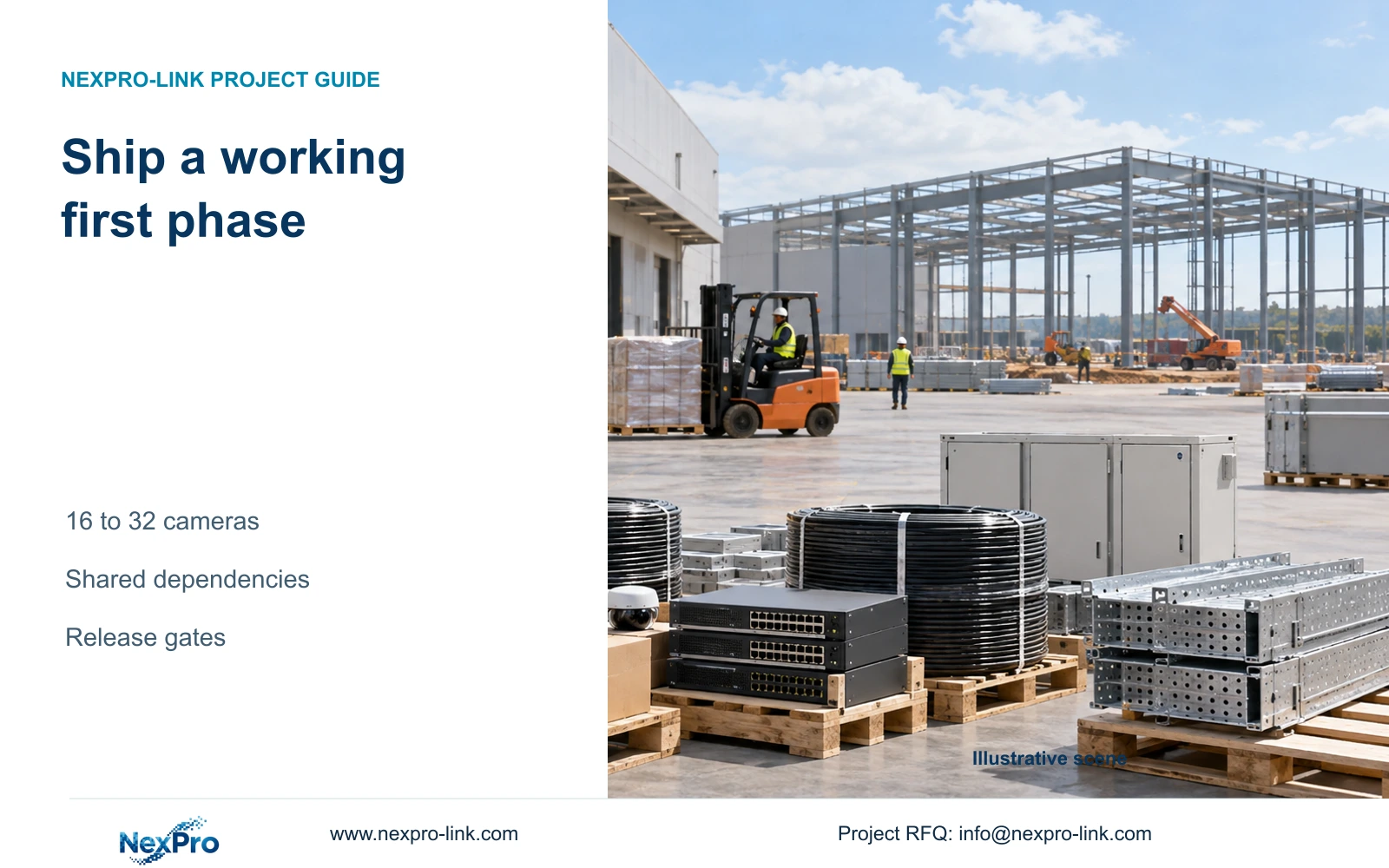
Unfinished roofs and cable trays need not stop every CCTV purchasing decision. Release stable equipment against documented dependencies while holding route-sensitive quantities and installation dates.

10 guides

Decision area 16

Imaging Lens Analytics

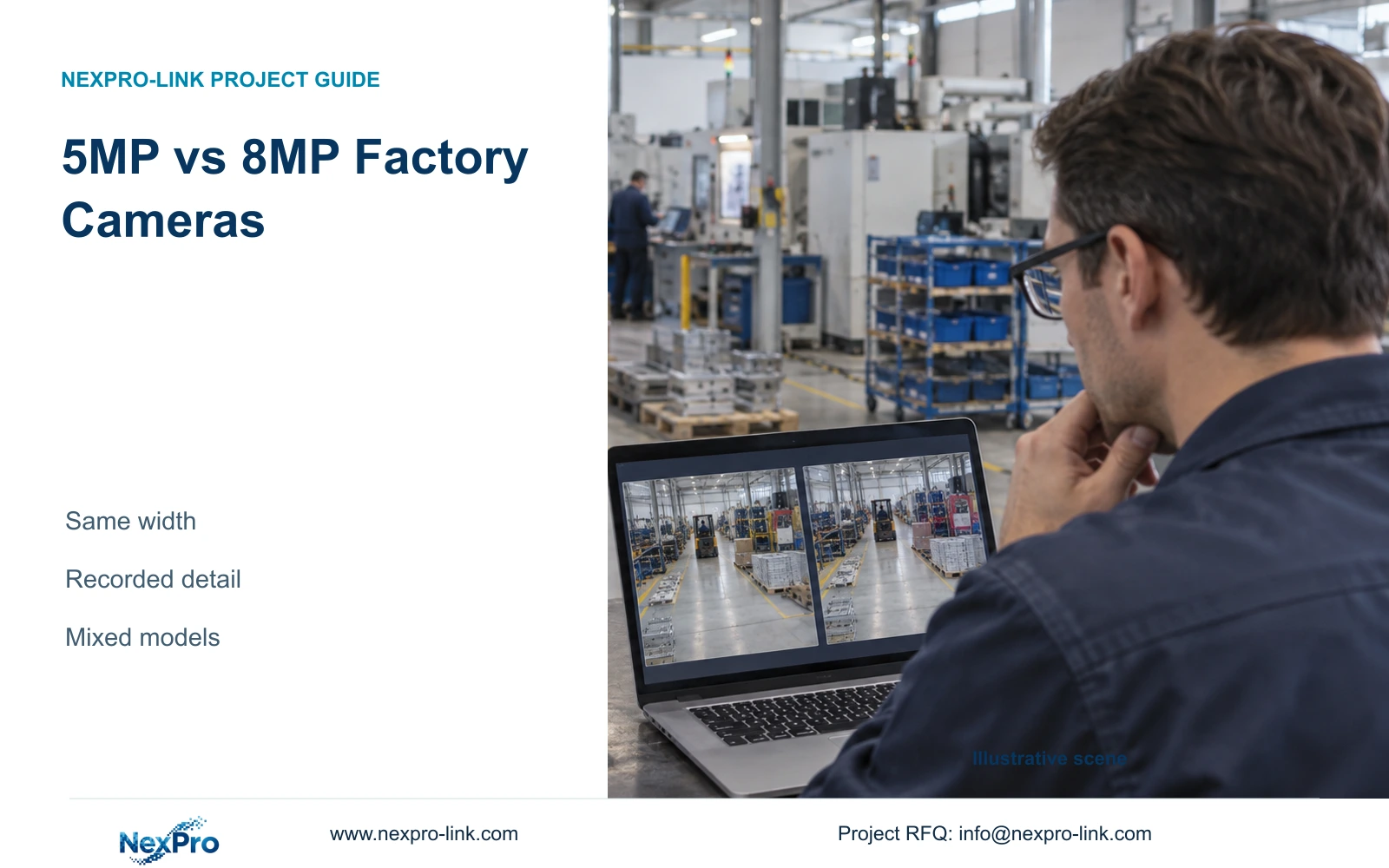
A fair factory camera comparison holds the target width constant, uses the listed output dimensions and checks recorded moving detail before approving an upgrade.

10 guides

Decision area 17

NVR VMS Interfaces

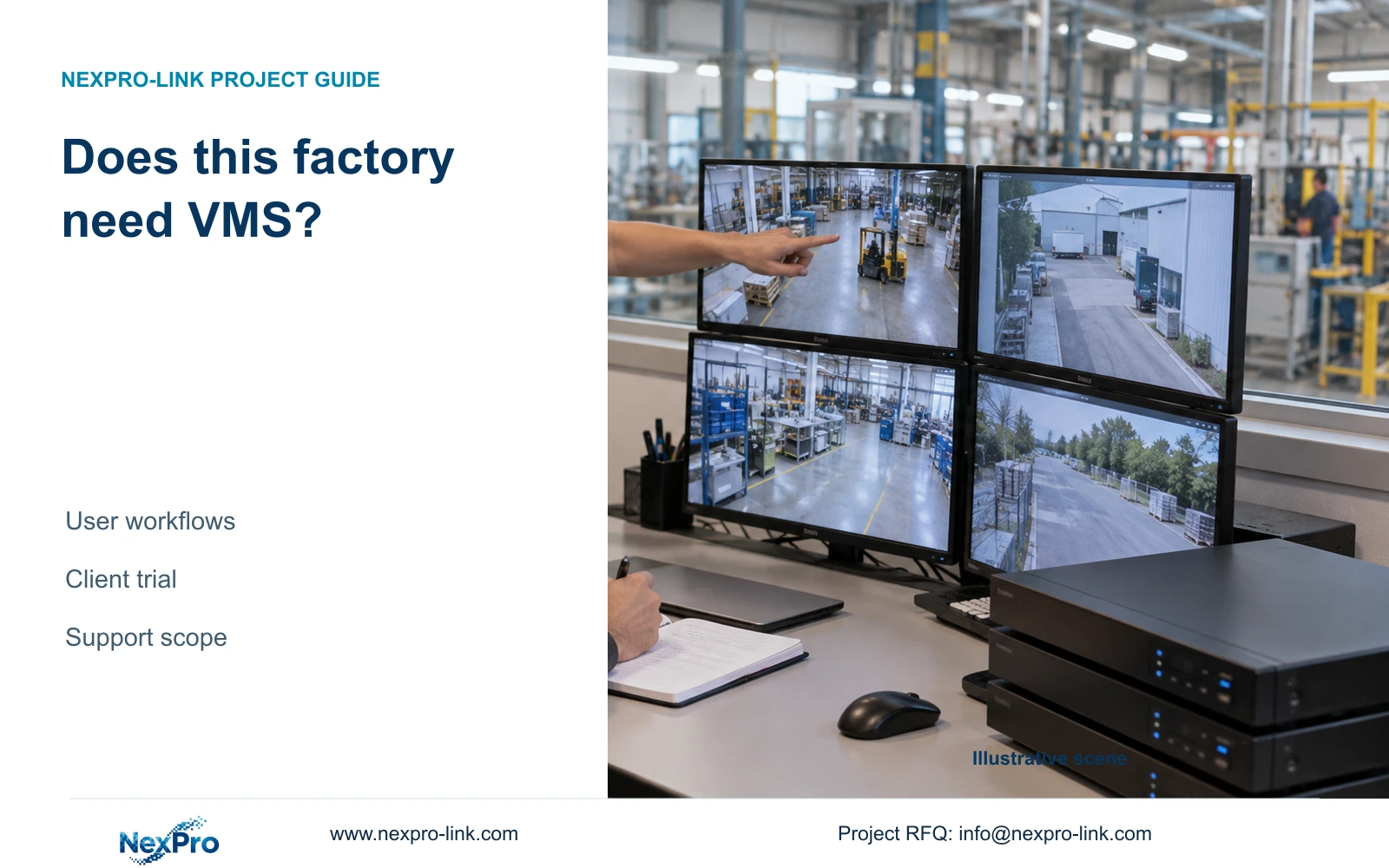
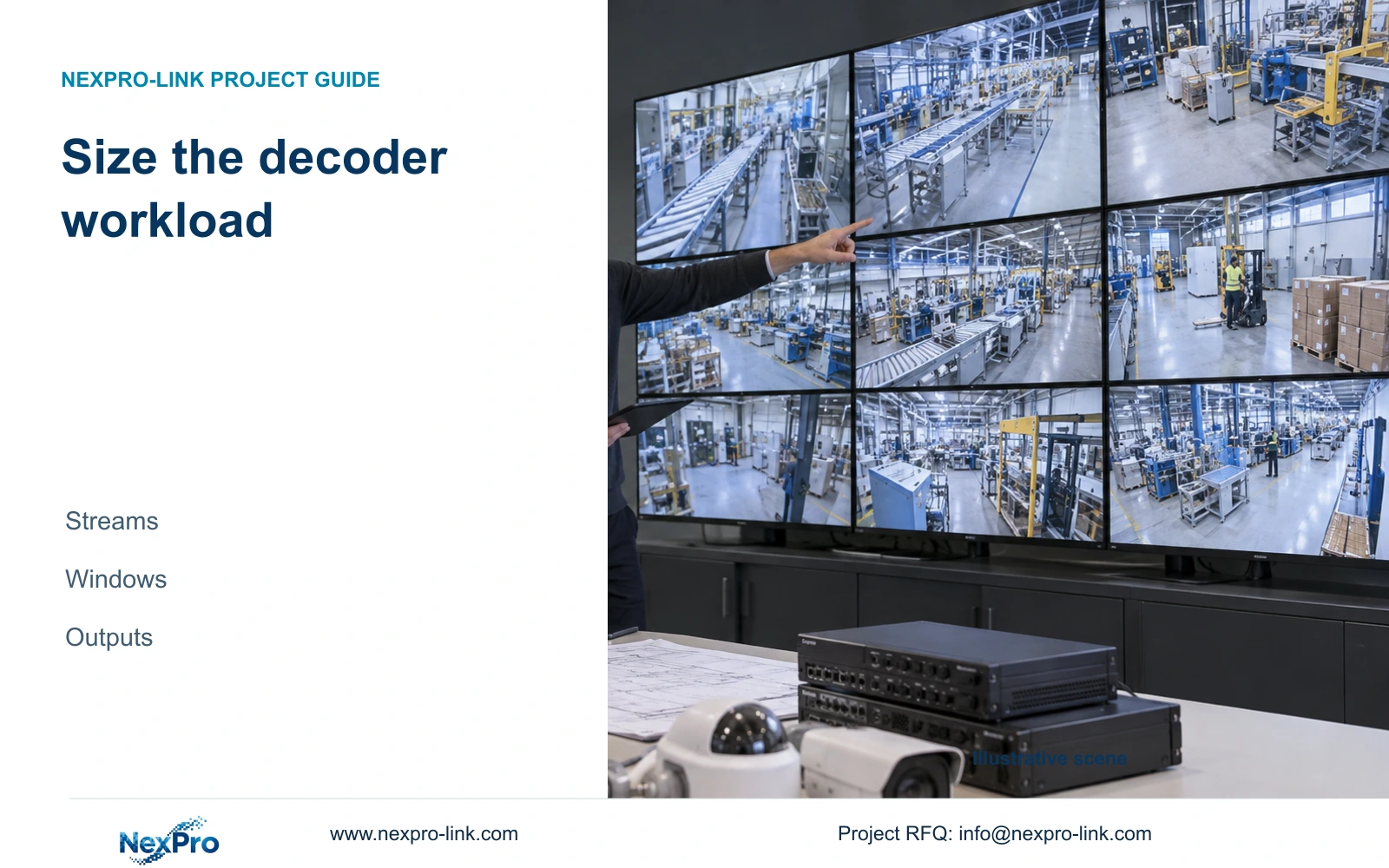
Specify a concurrent incident exercise: normal recording continues while authorized operators replay and export the required channels. Record model, firmware, stream mix and client workload.

10 guides

Decision area 18

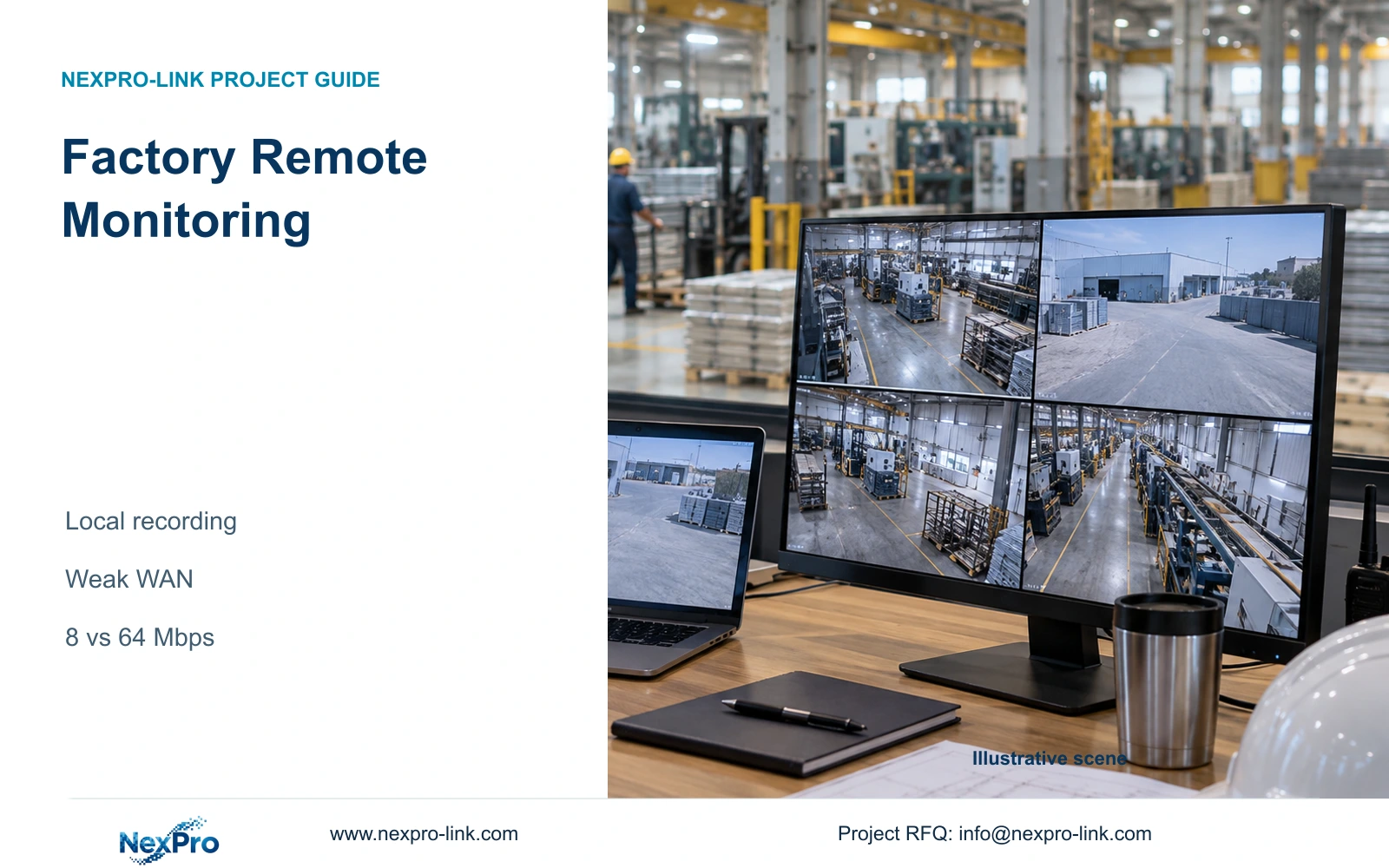
Storage Retention

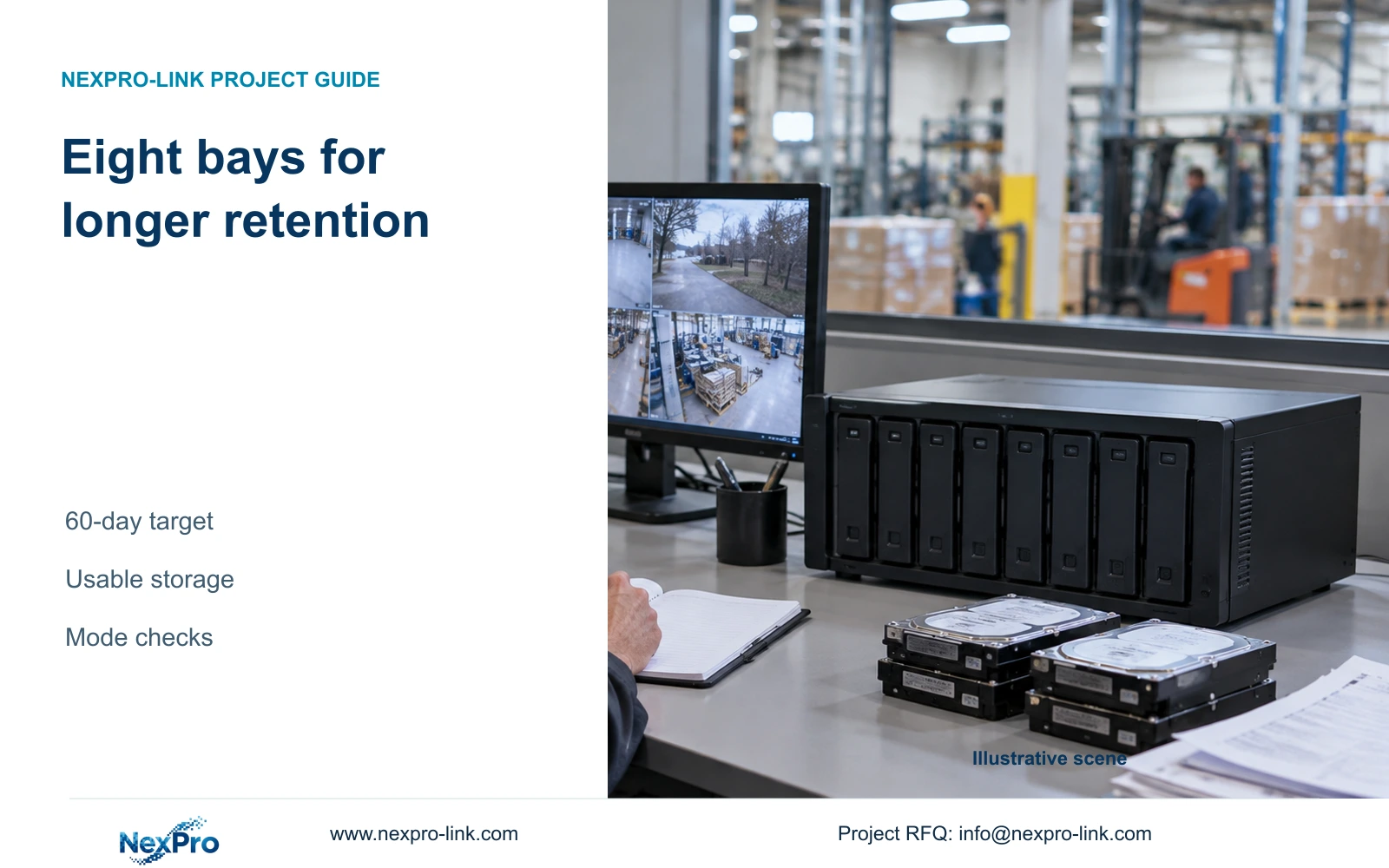
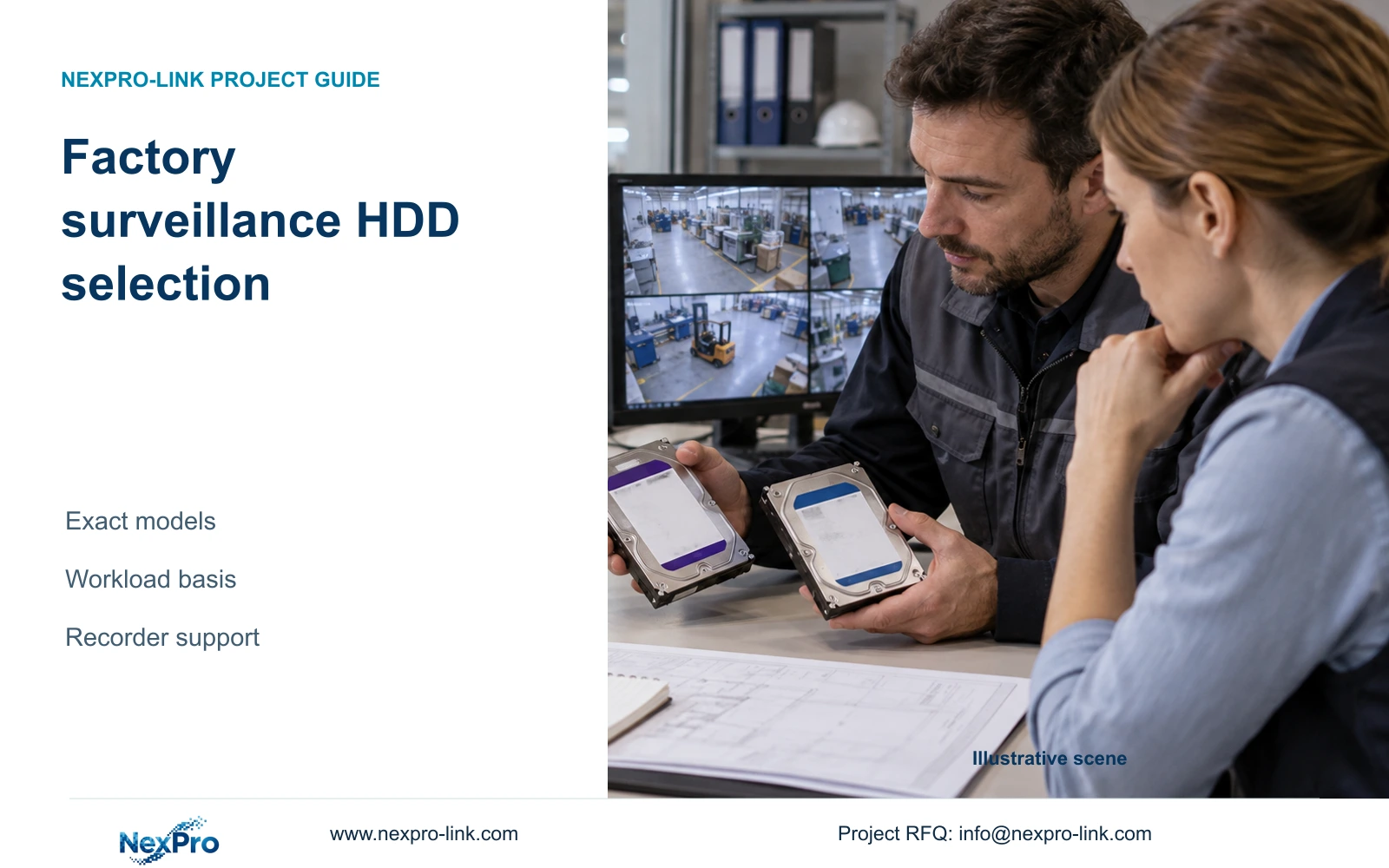
Commission the estimate by recording the actual measurement interval, stream groups and usable disk reading. Compare observed data growth with the declared calculation without treating a quiet interval as a peak guarantee.

10 guides

Decision area 19

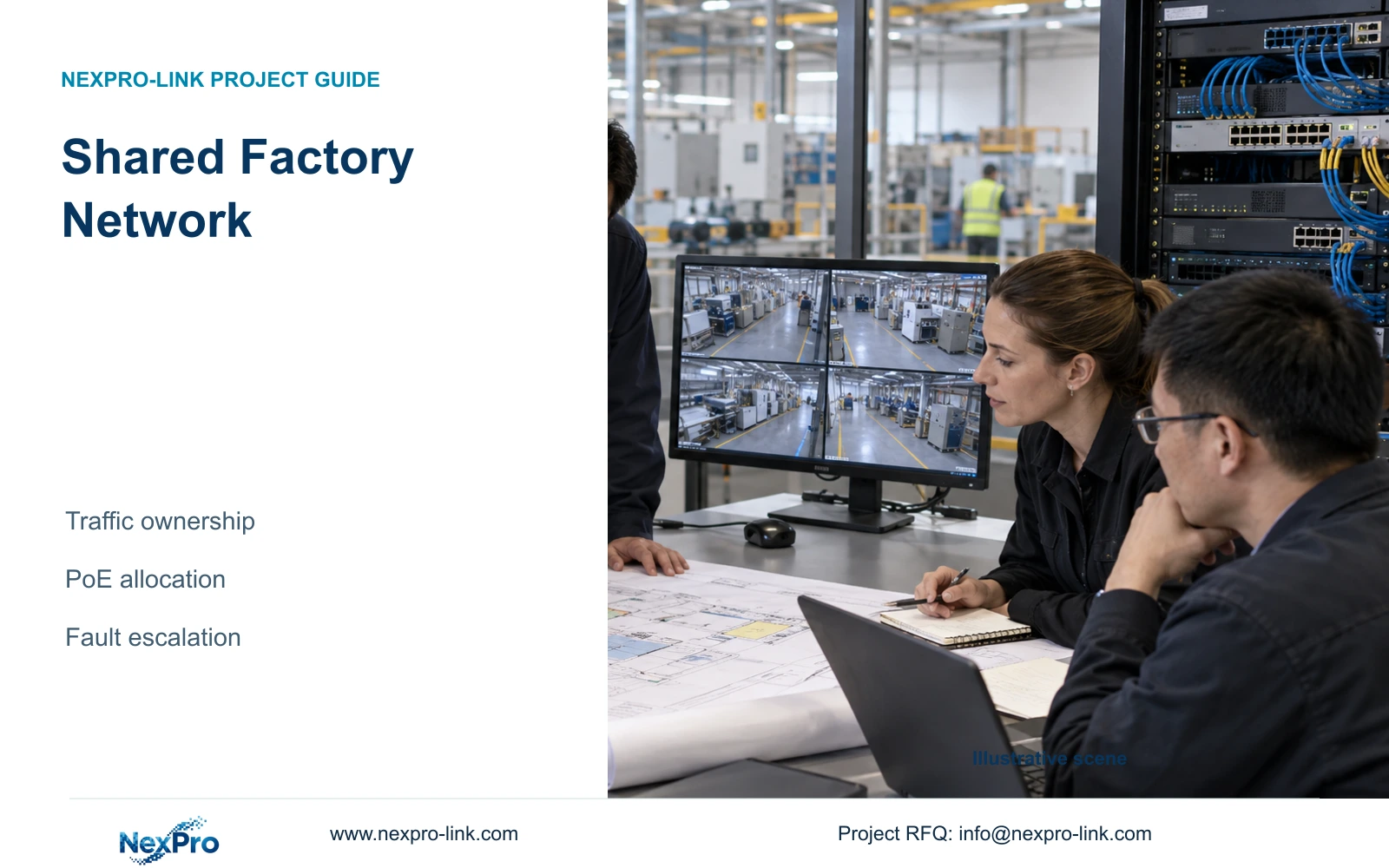
PoE Network OT

When cameras move between cabinets, transfer their actual peak-demand lines in the power schedule before ordering switches. Recheck the receiving port and chassis budget, then revise the affected protected AC load.

10 guides

Decision area 20

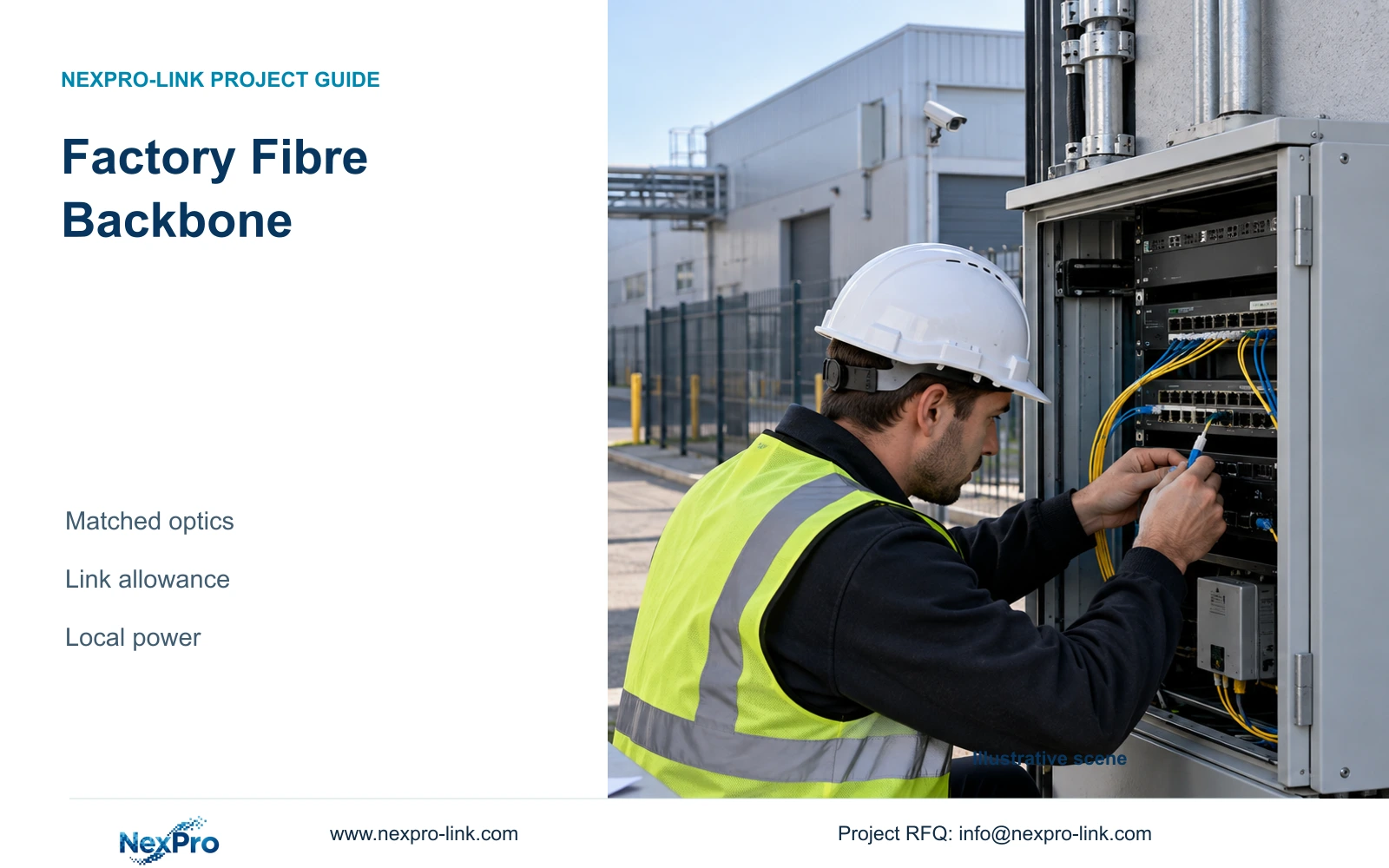
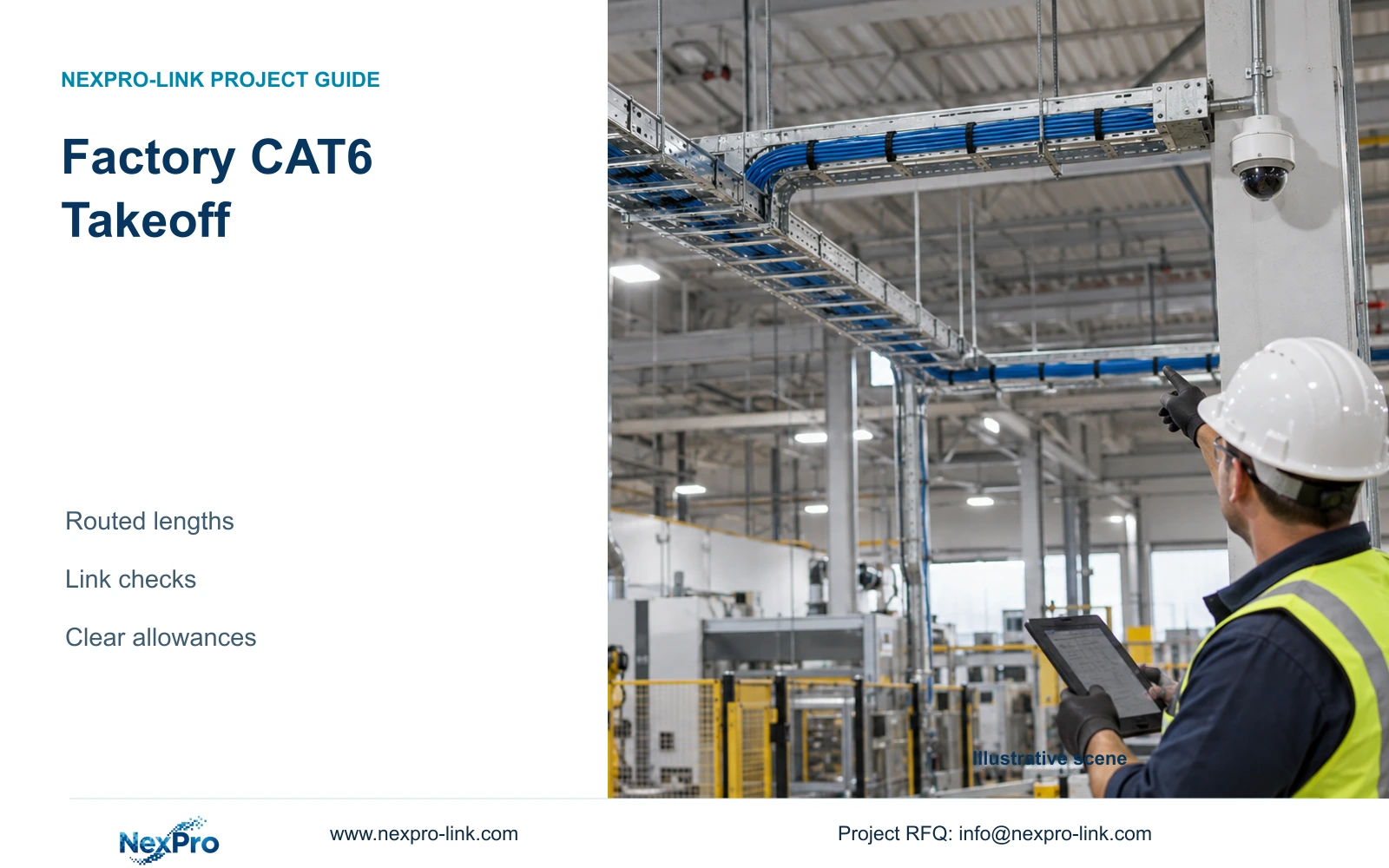
CAT6 Fibre Infrastructure

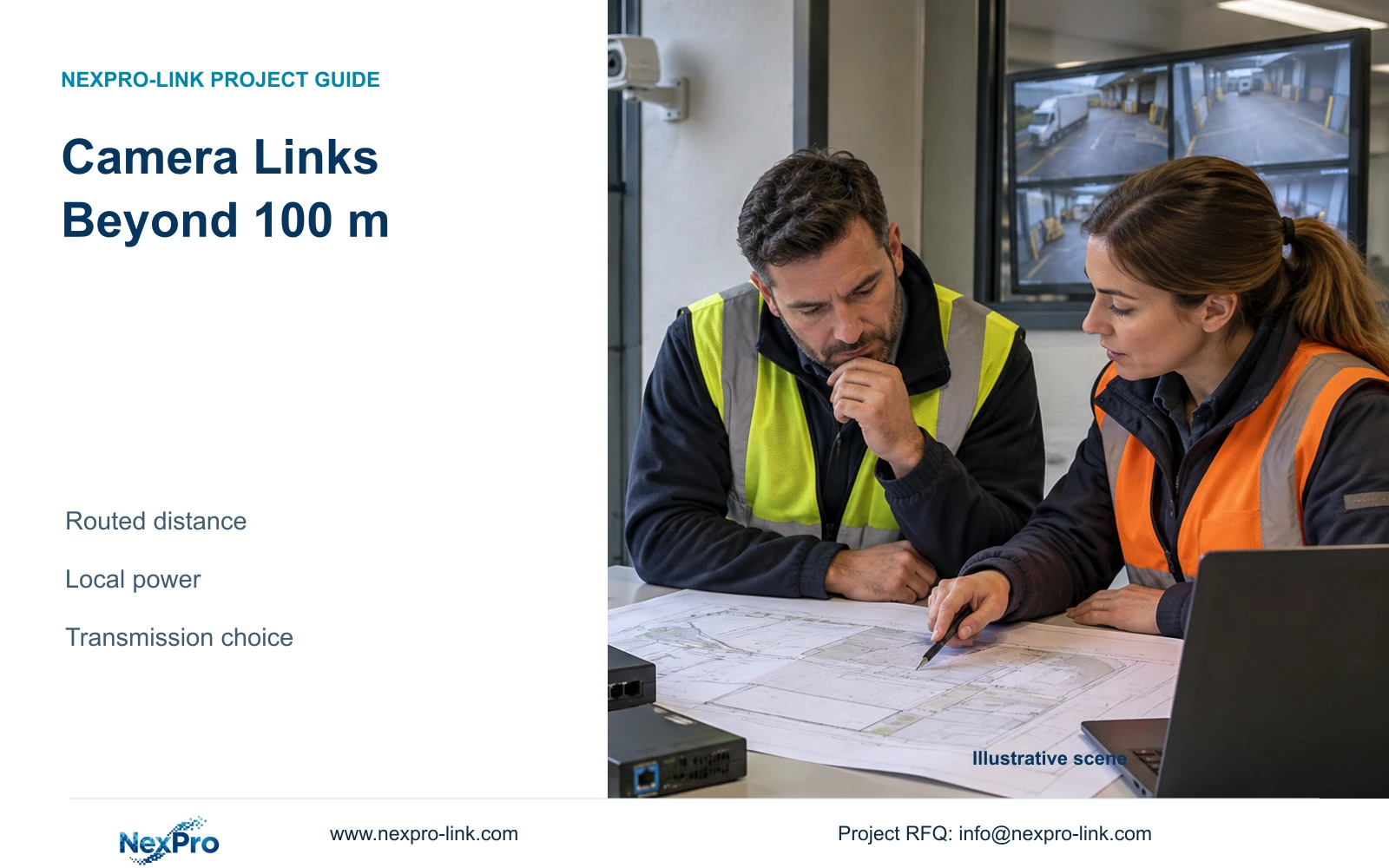
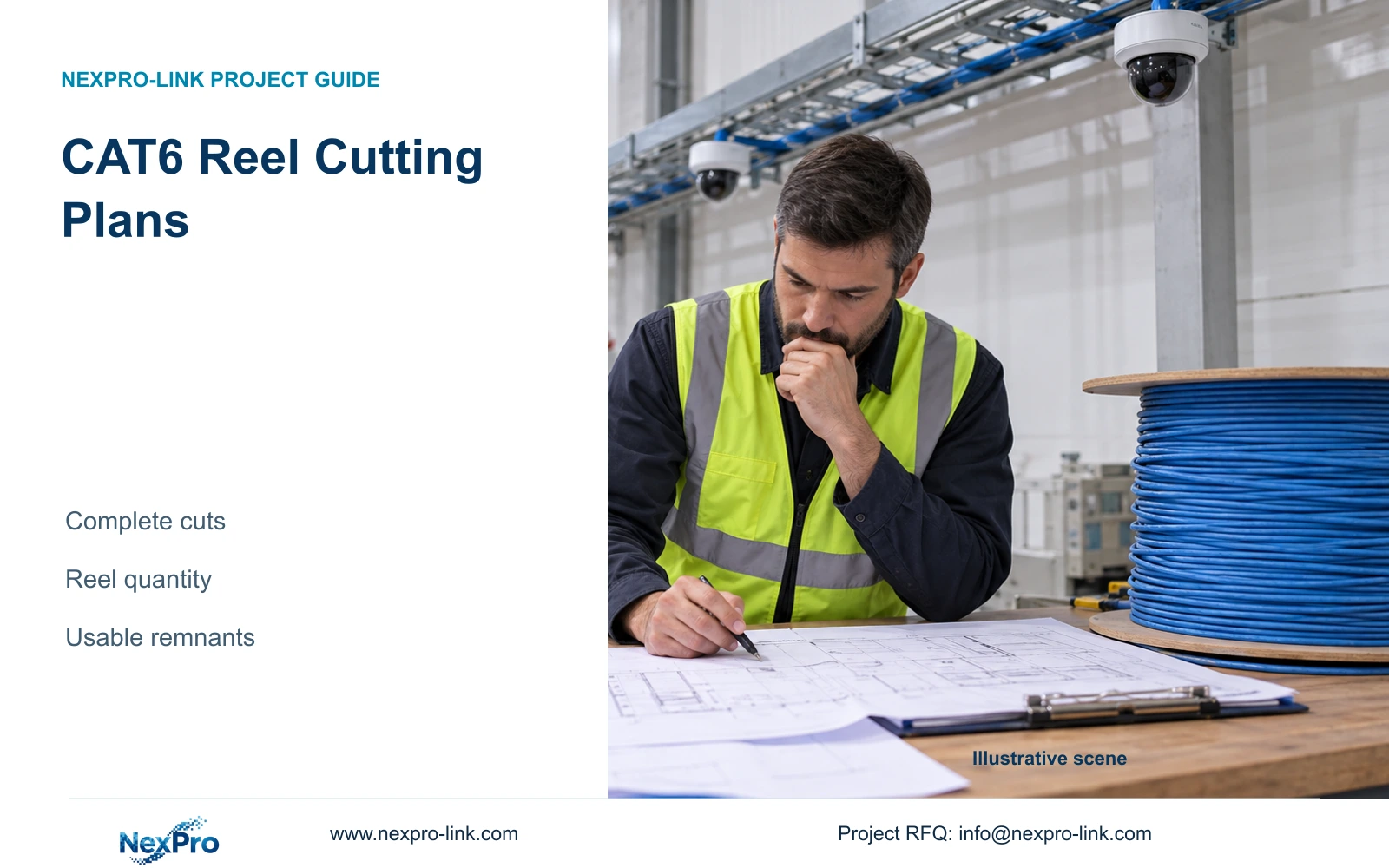
After installation, compare each accepted as-built route with its priced continuous cut. Separate additional installed length, returned uncut stock and unusable remnants.

10 guides

Decision area 21

UPS Load Runtime

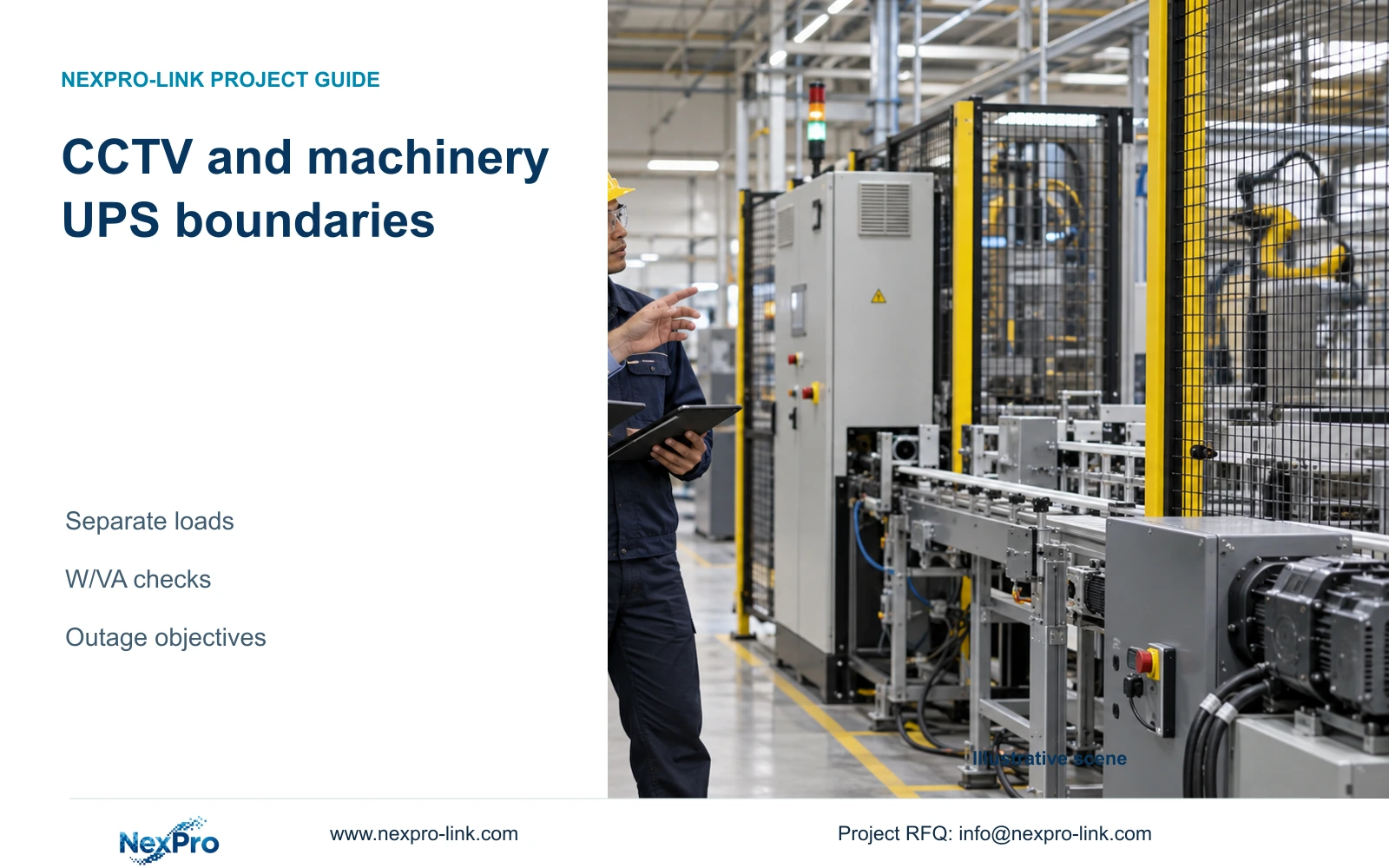
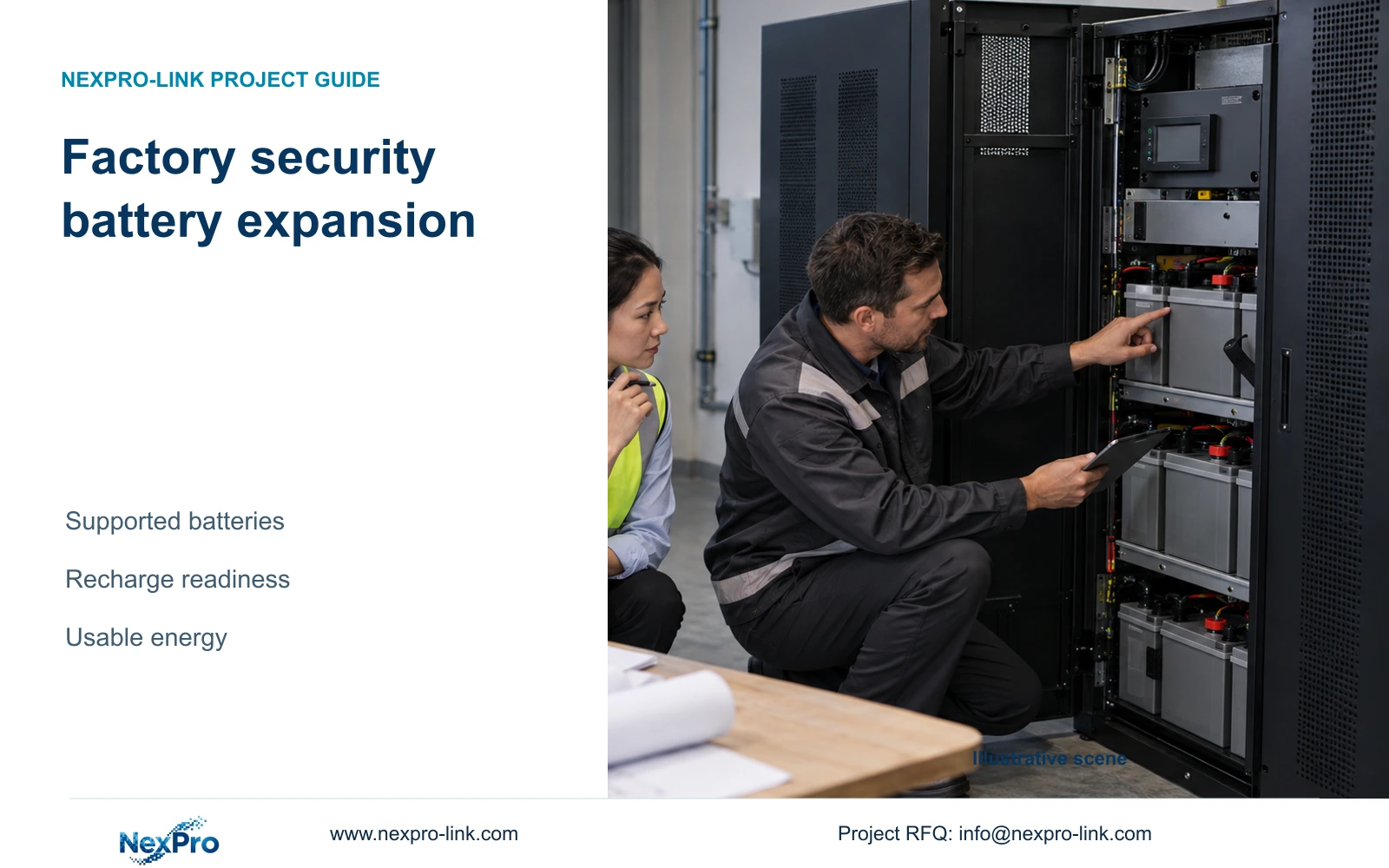
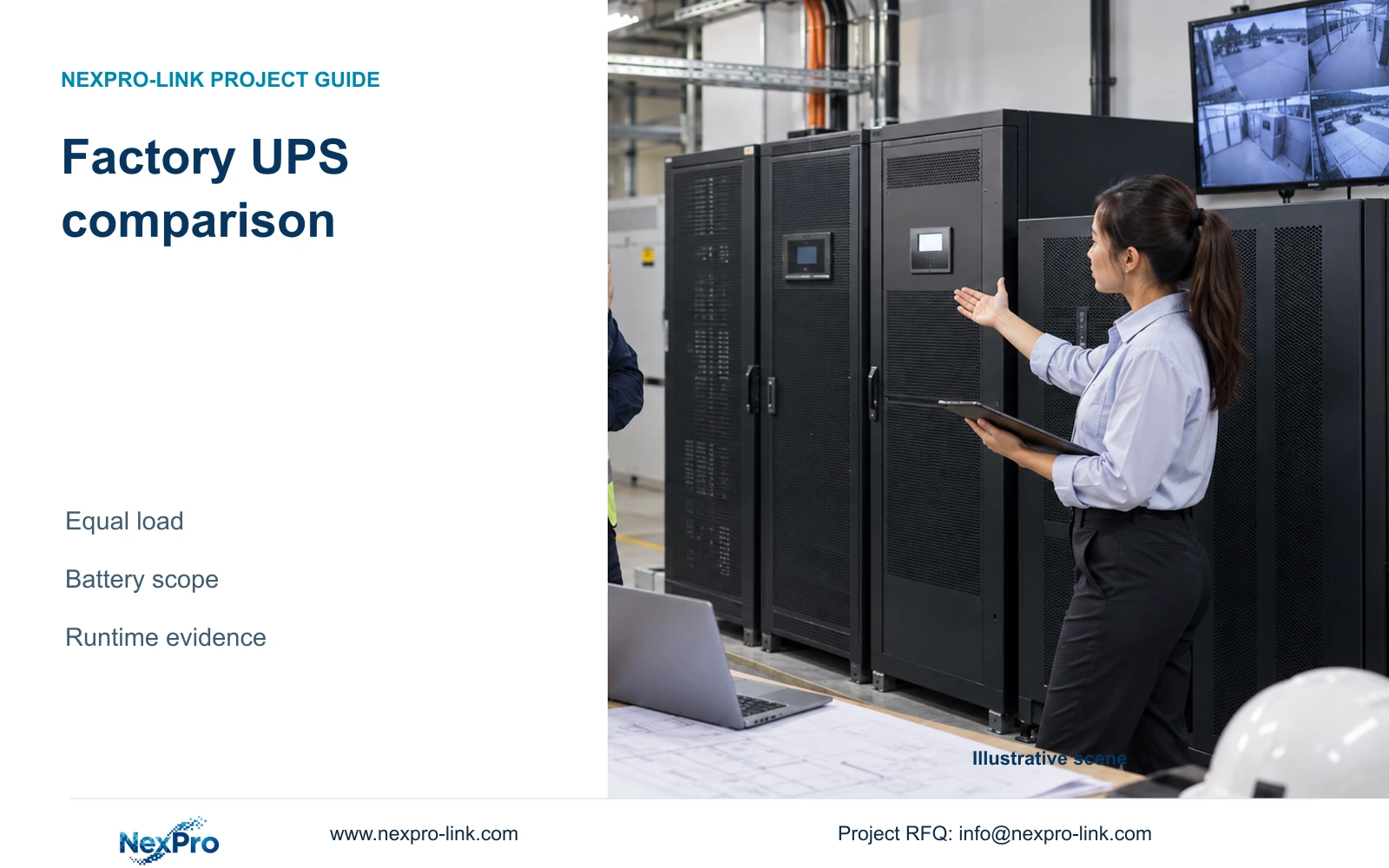
Assign each proposed addition to an existing protected circuit and identify whether its demand is already included in a loaded-switch figure. Revise W, VA and battery-request inputs together, preserving the original calculation.

10 guides

Decision area 22

Resilience Recovery

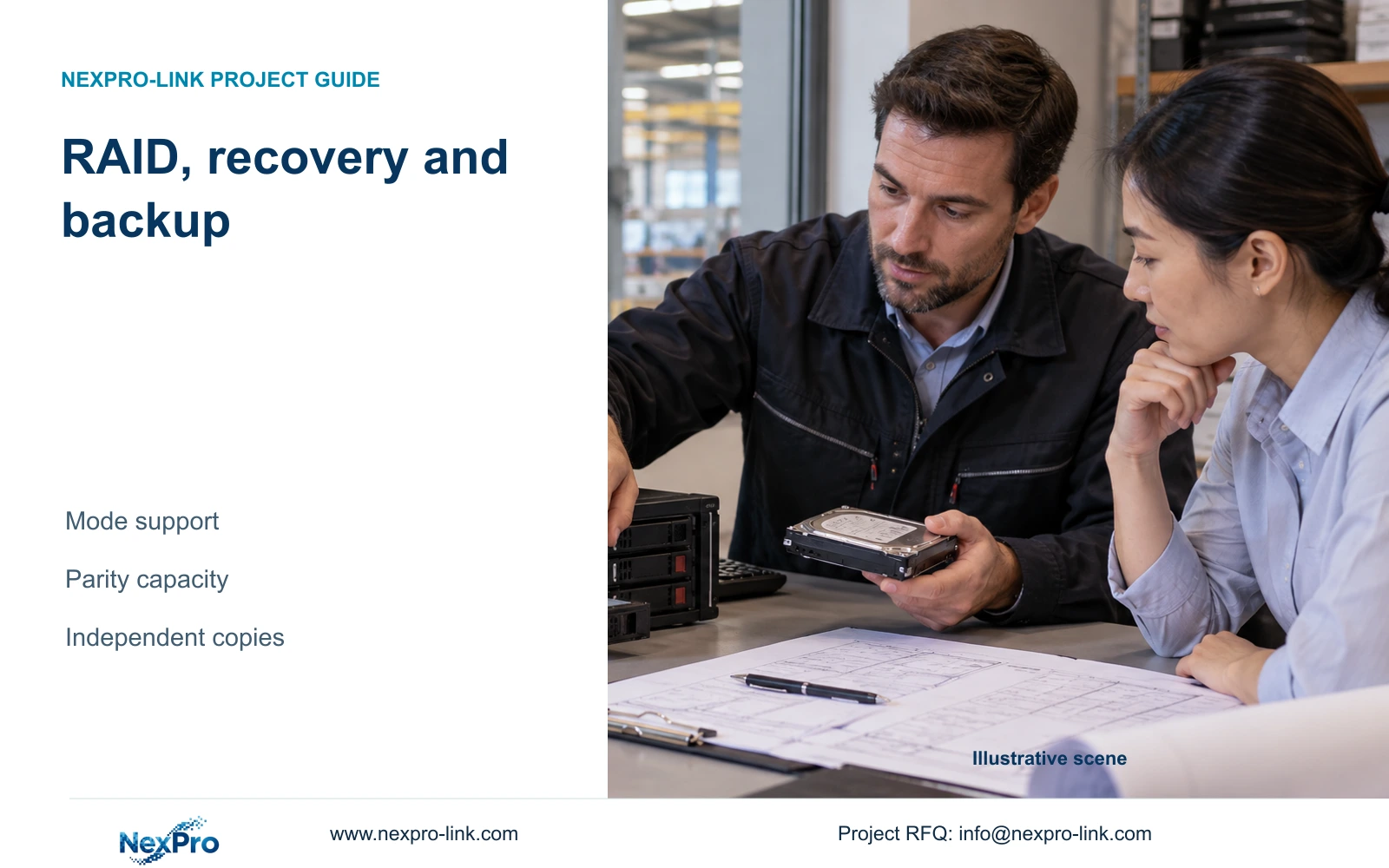
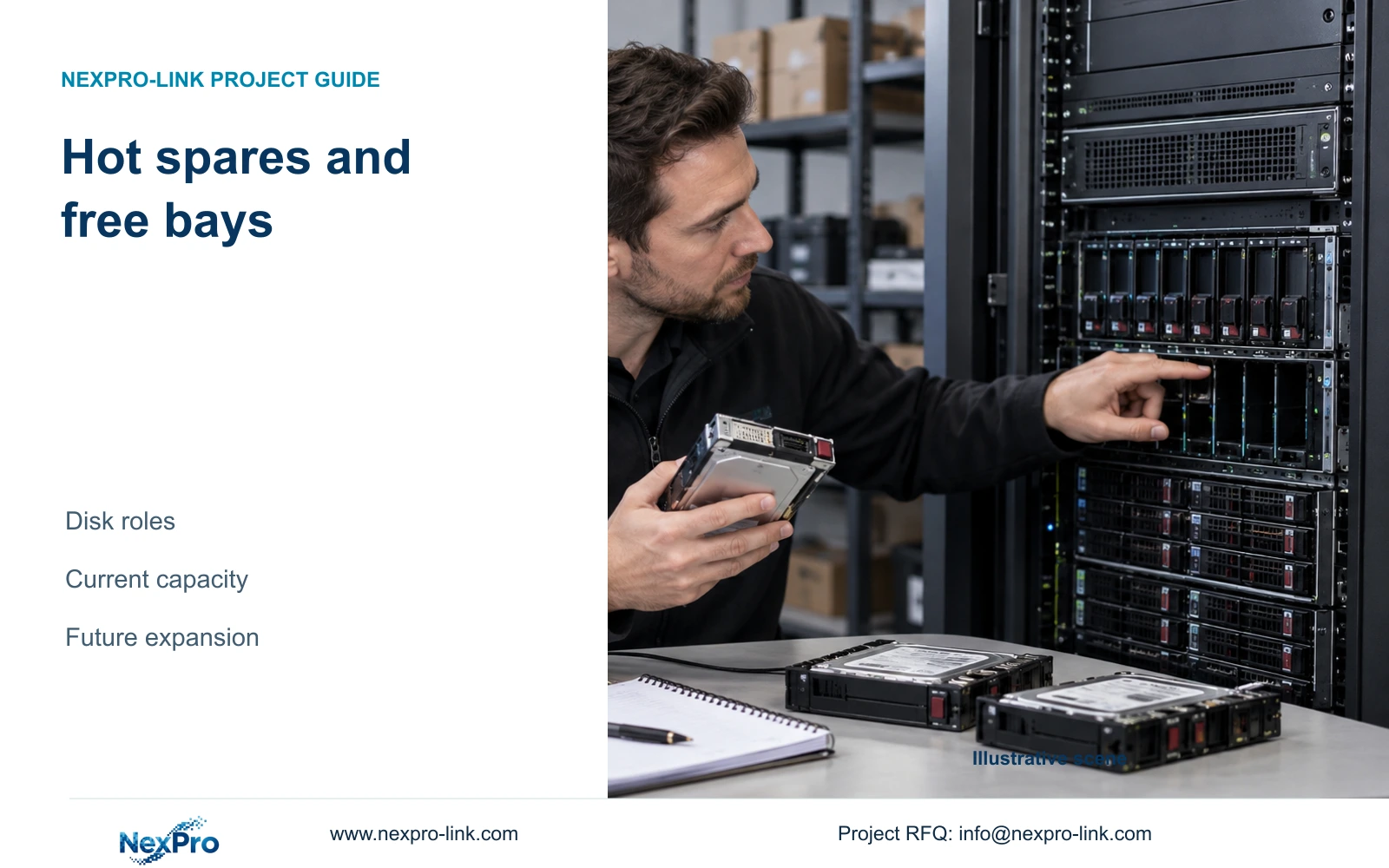
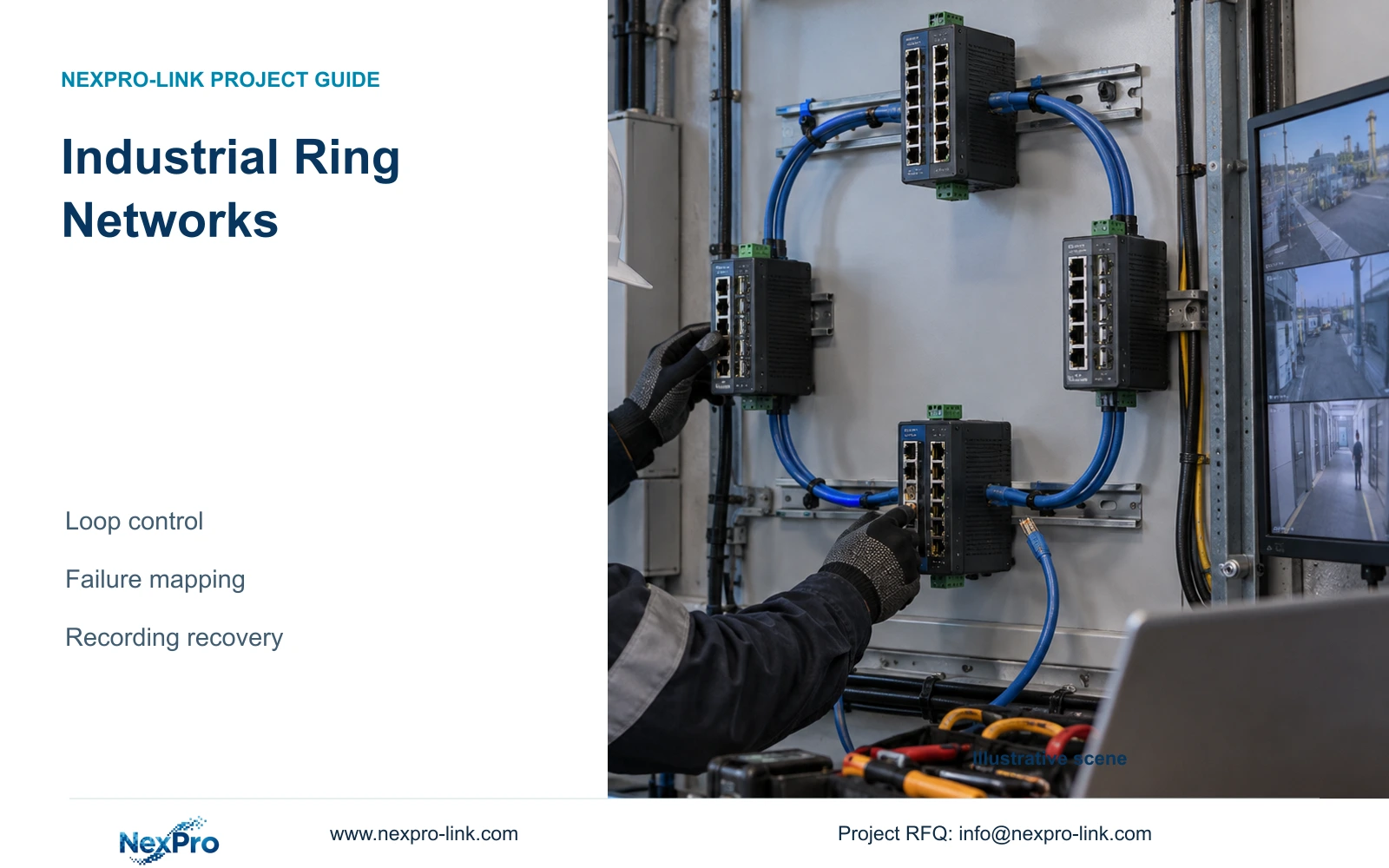
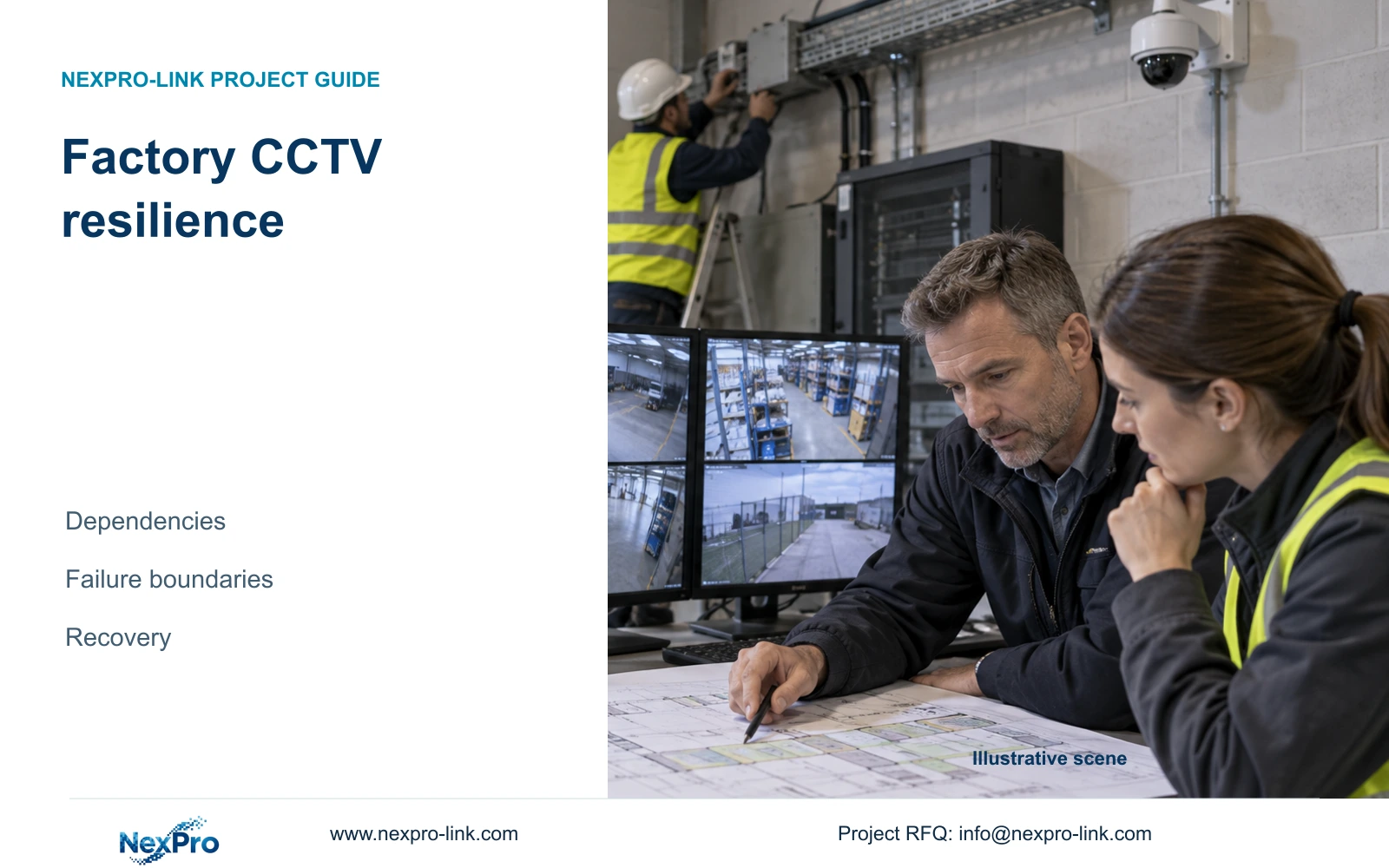
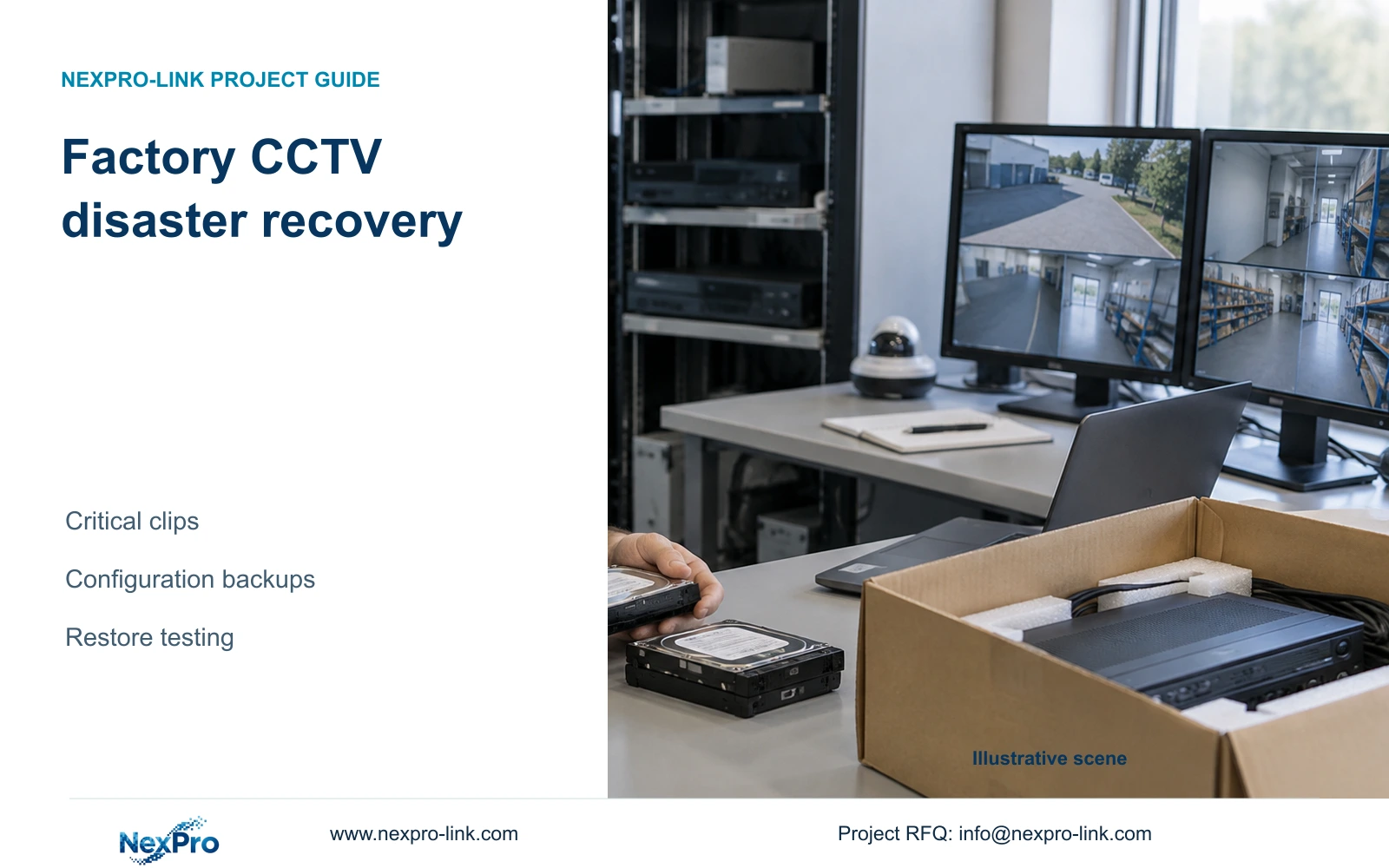
Rank a failure by the important evidence tasks lost, not just endpoint count. Mark a small group containing the sole dispatch handover separately from a larger group of supplementary overviews.

10 guides

Decision area 23

Video Wall Control Room

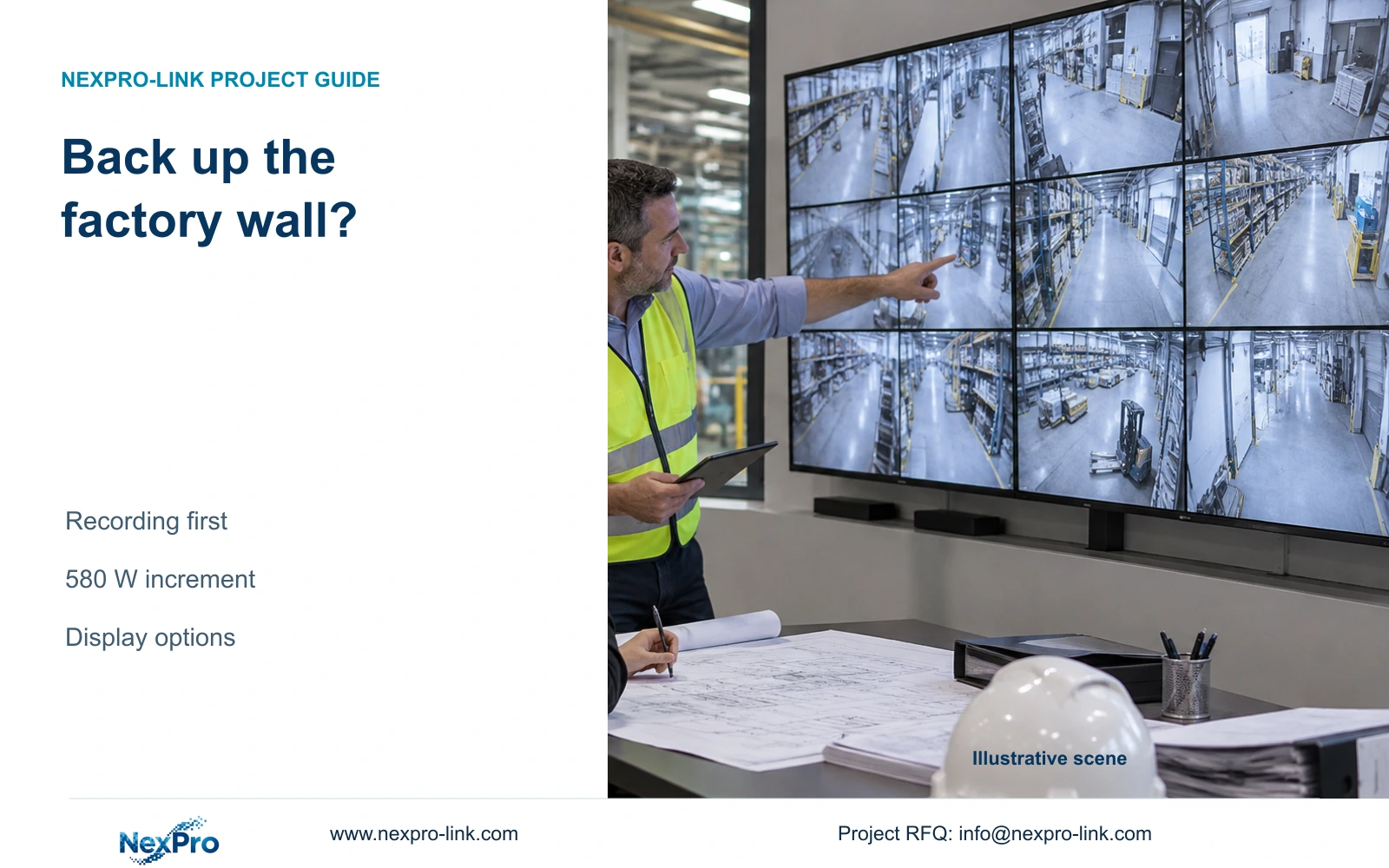
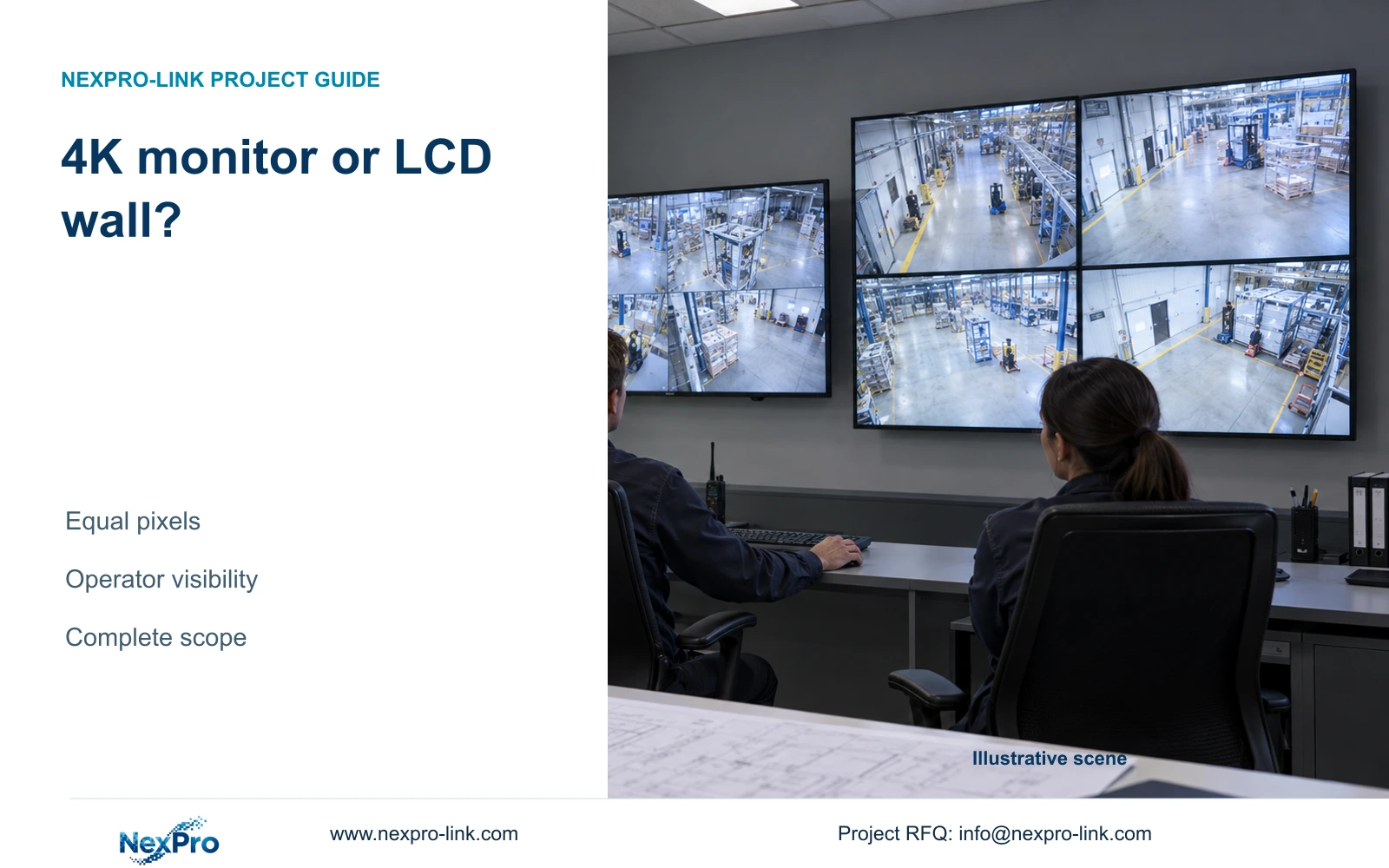
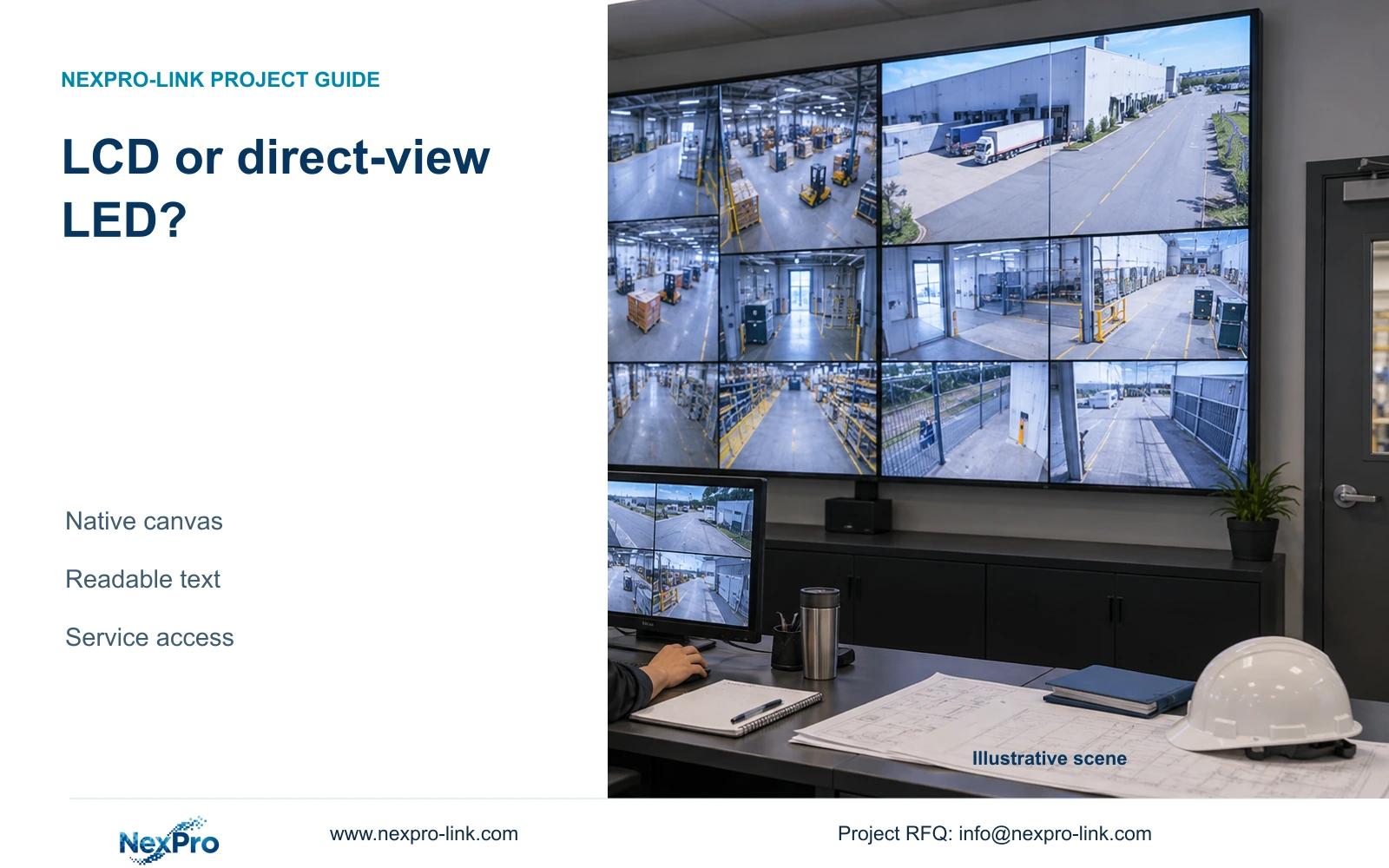
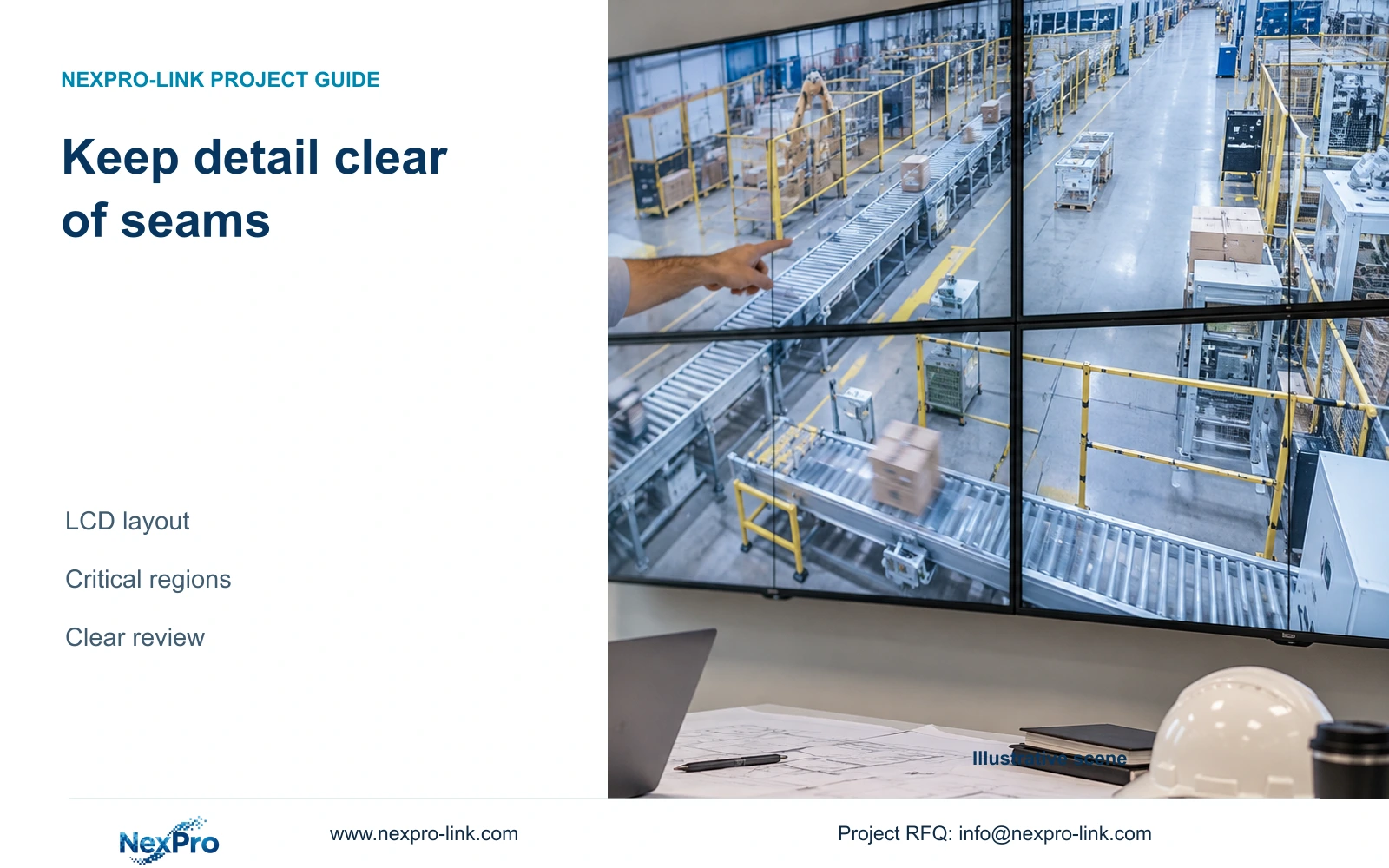
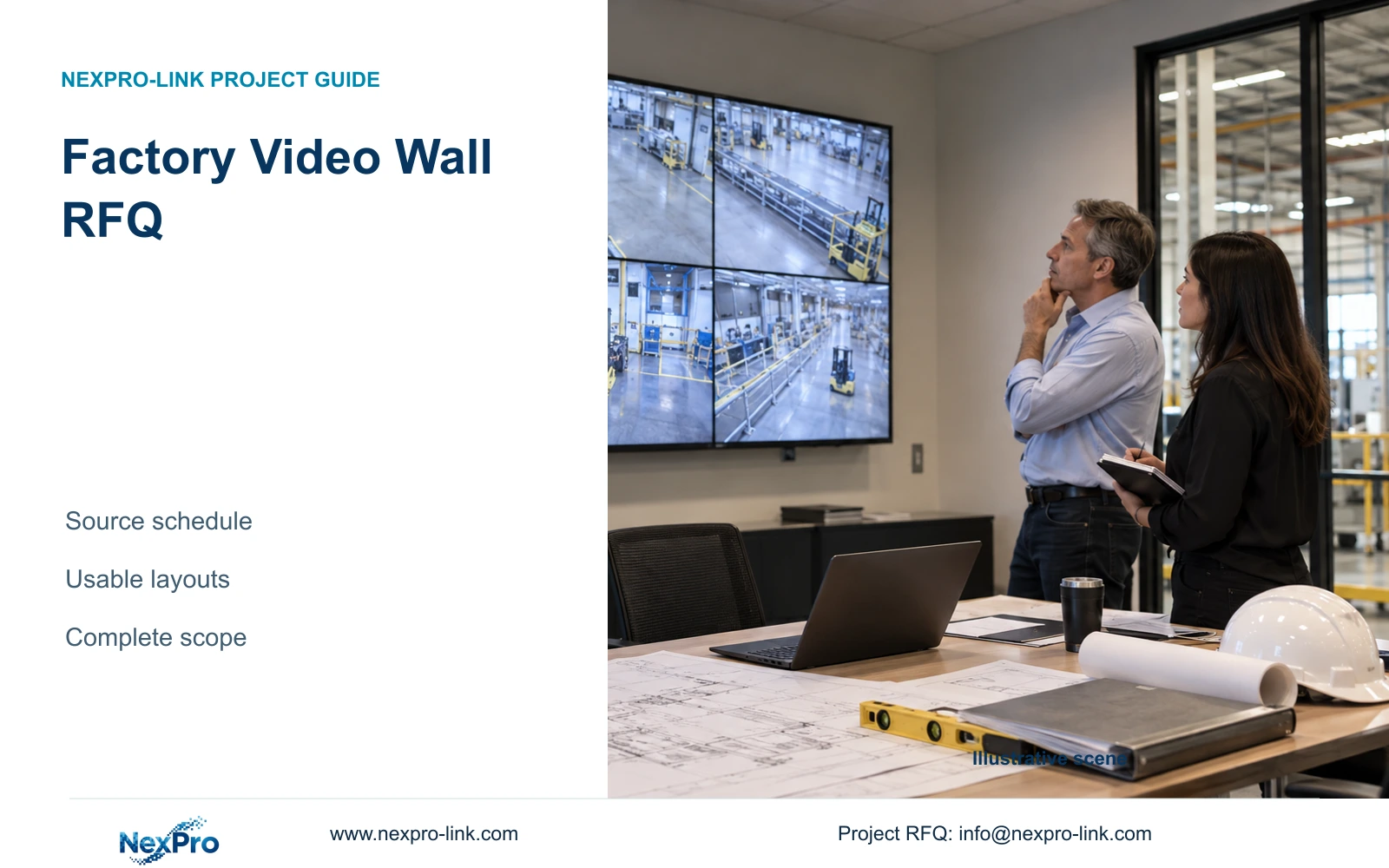
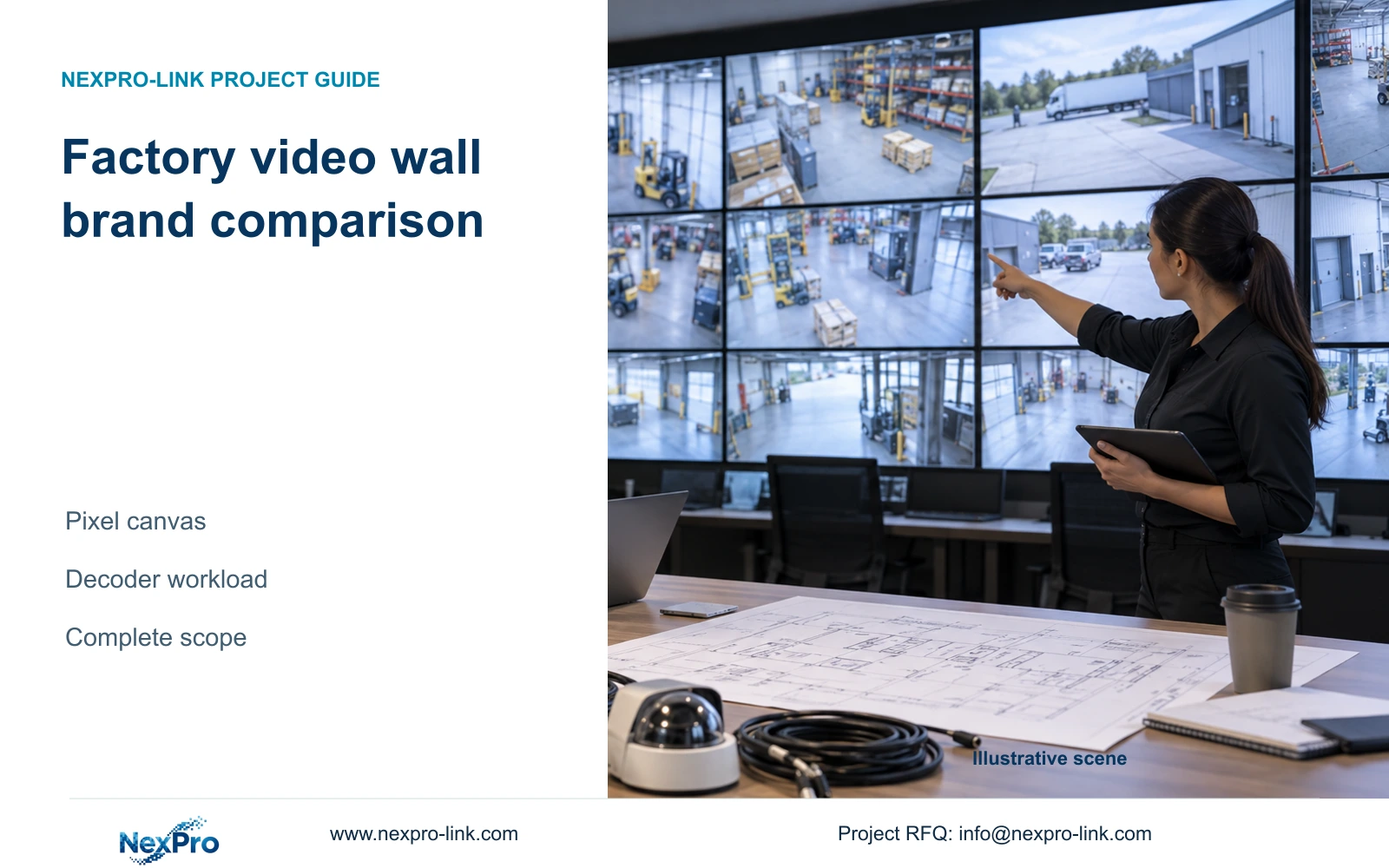
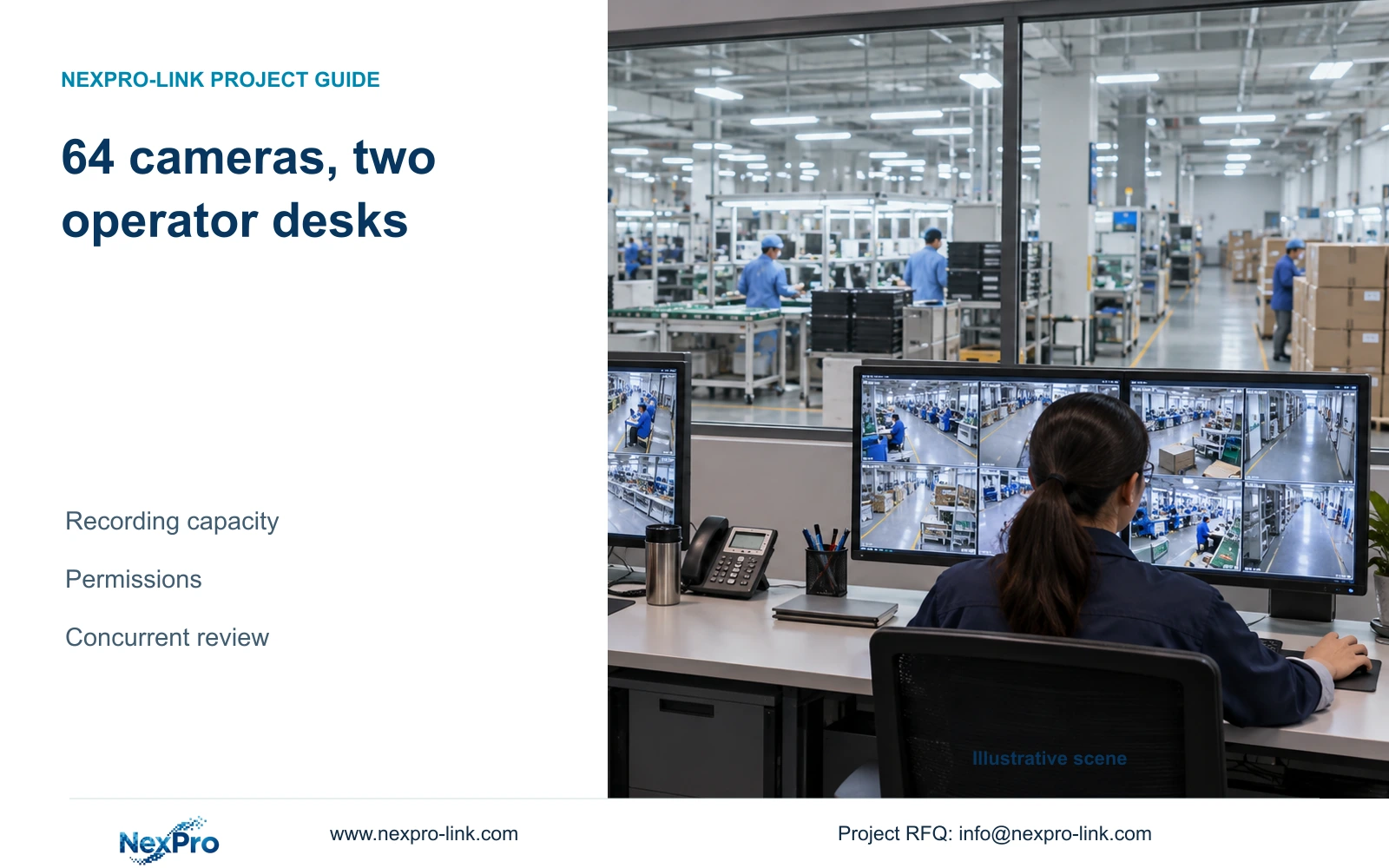
Rehearse the same incident at the desk and proposed shared-viewing positions, using actual labels and task-relevant detail. Record who needs to read what without taking over another operator's review.

10 guides

Decision area 24

Cost Value Engineering

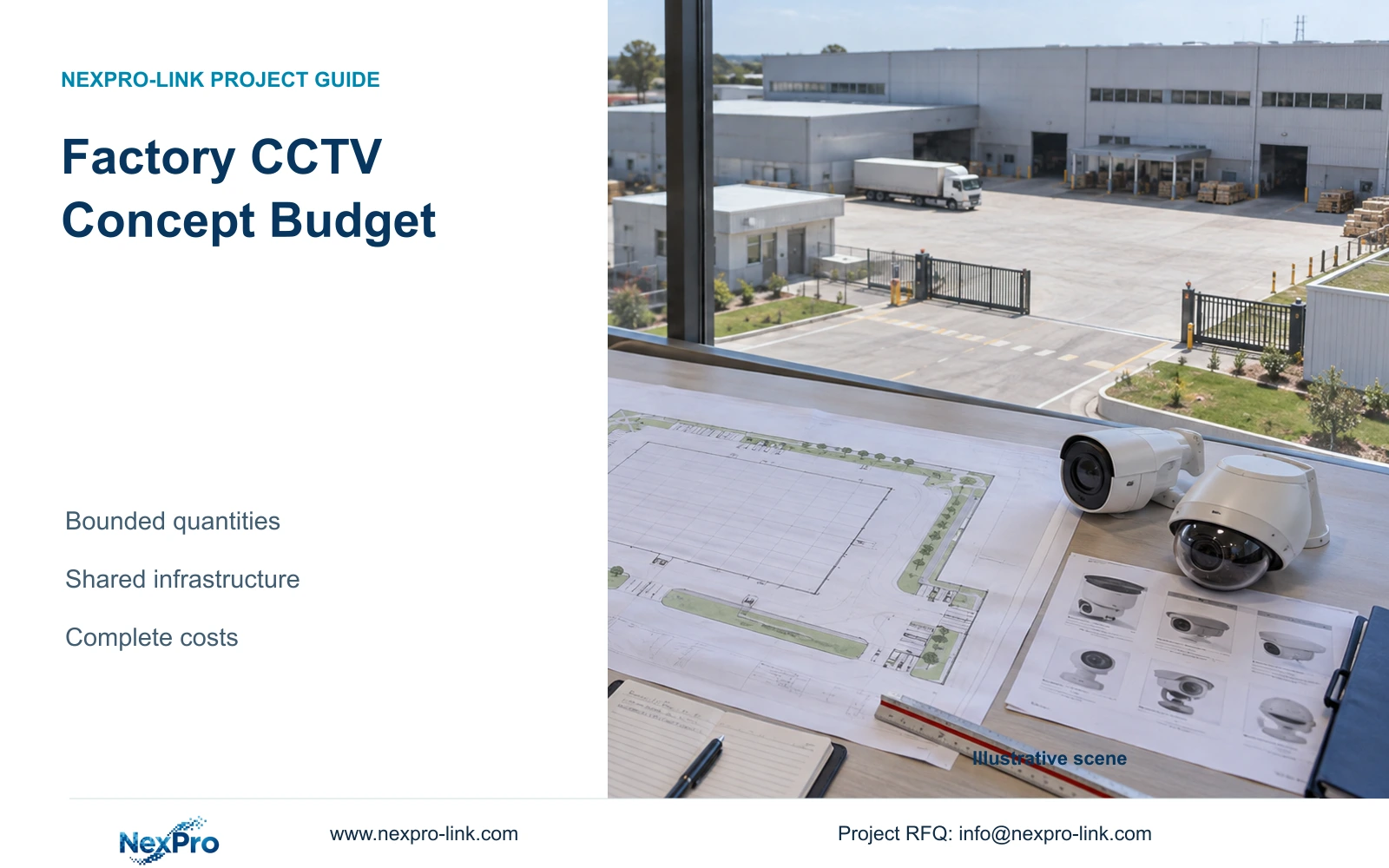
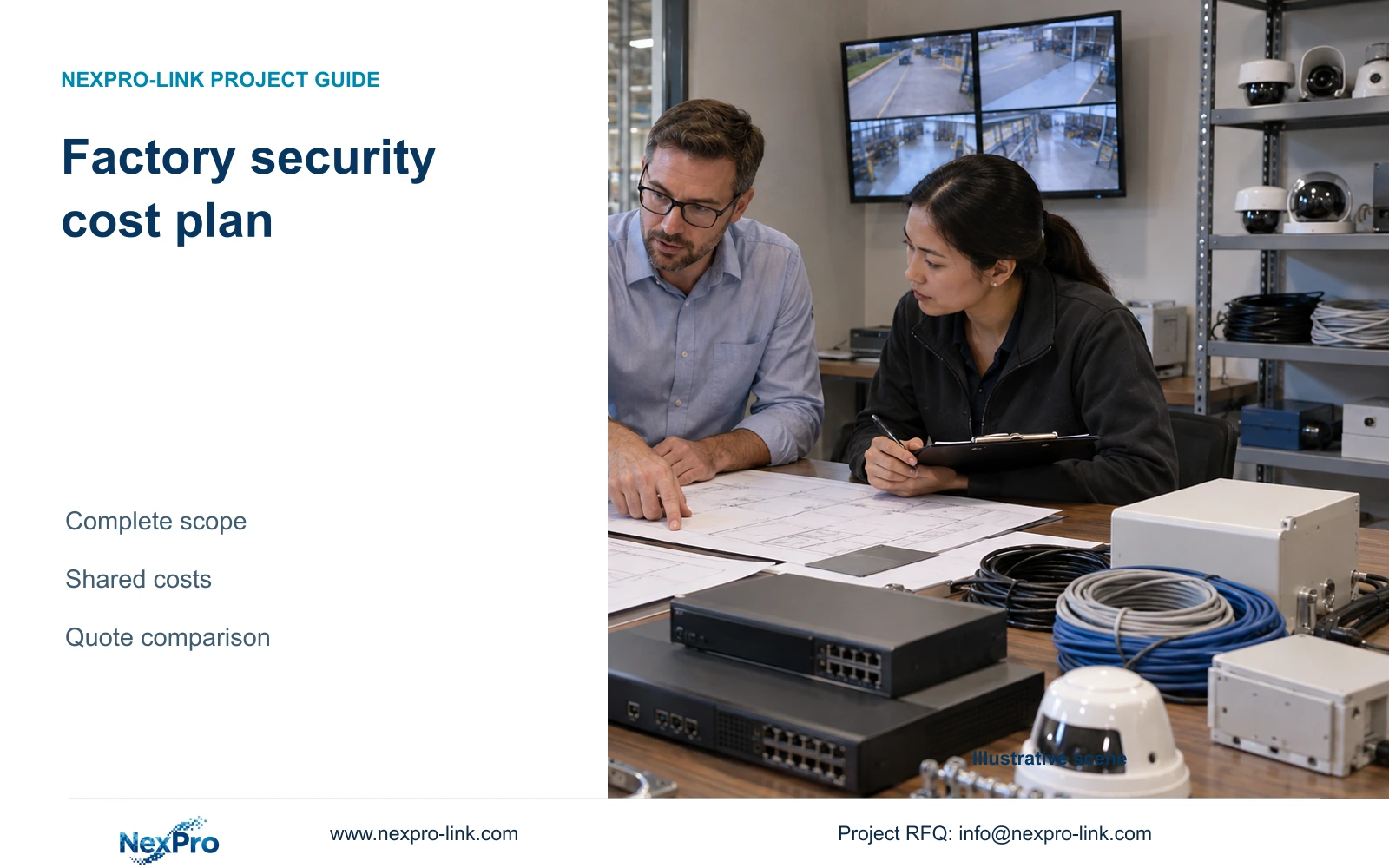
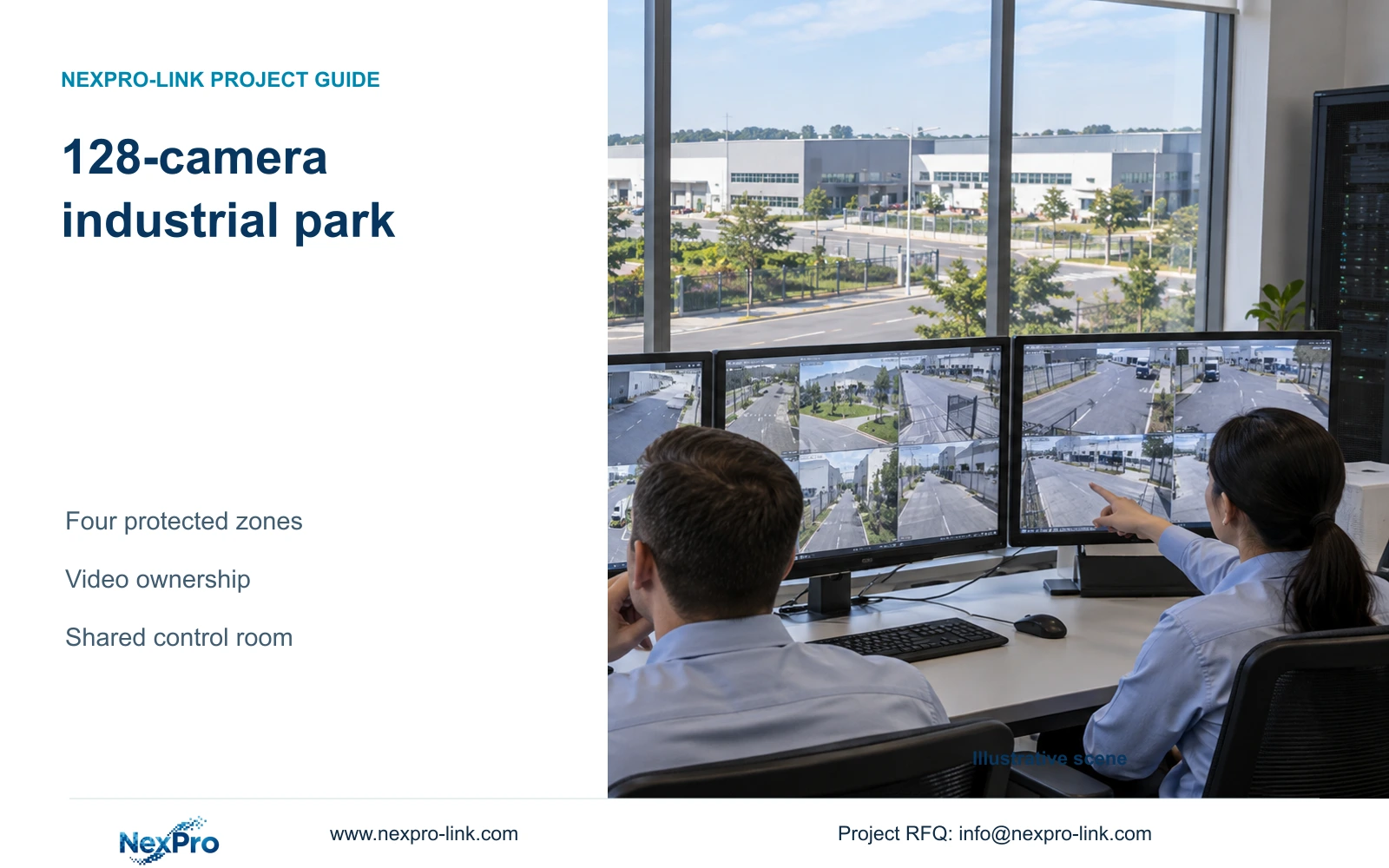
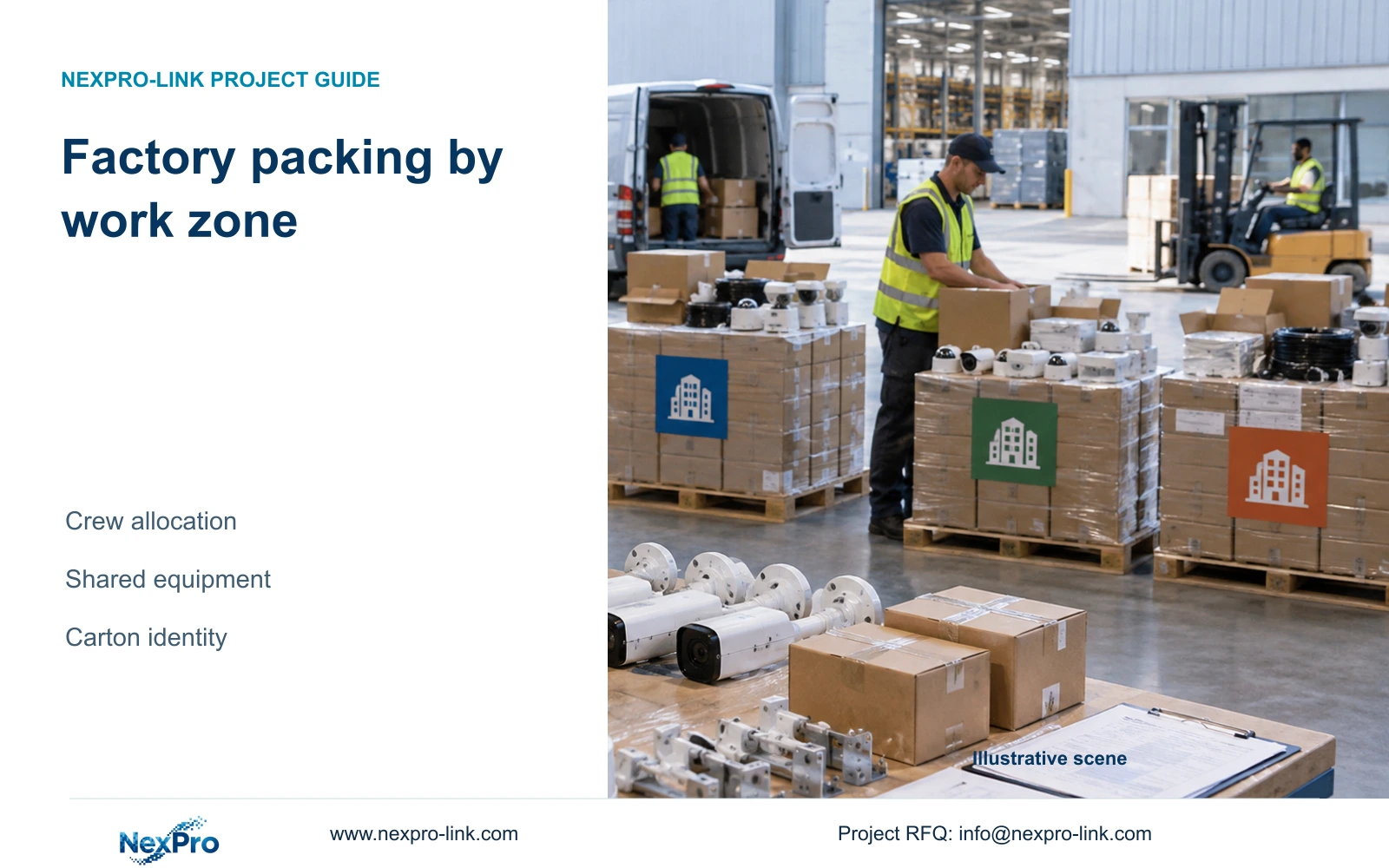
Give each shared physical asset one quantity and procurement owner, then allocate its cost without duplicating the equipment. Preserve any later tenant or phase allocation in a separate commercial column.

10 guides

Decision area 25

Brand Comparison

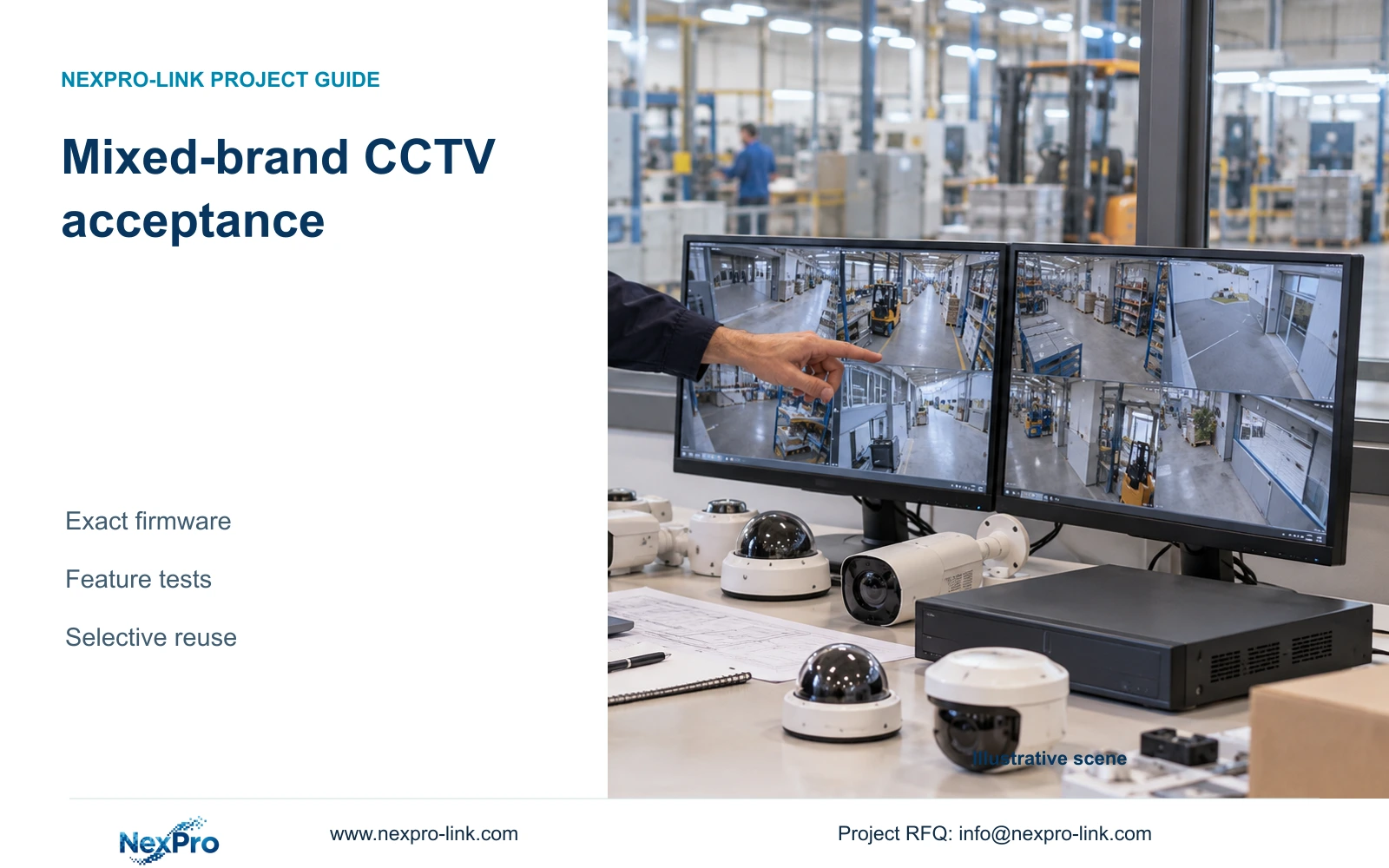
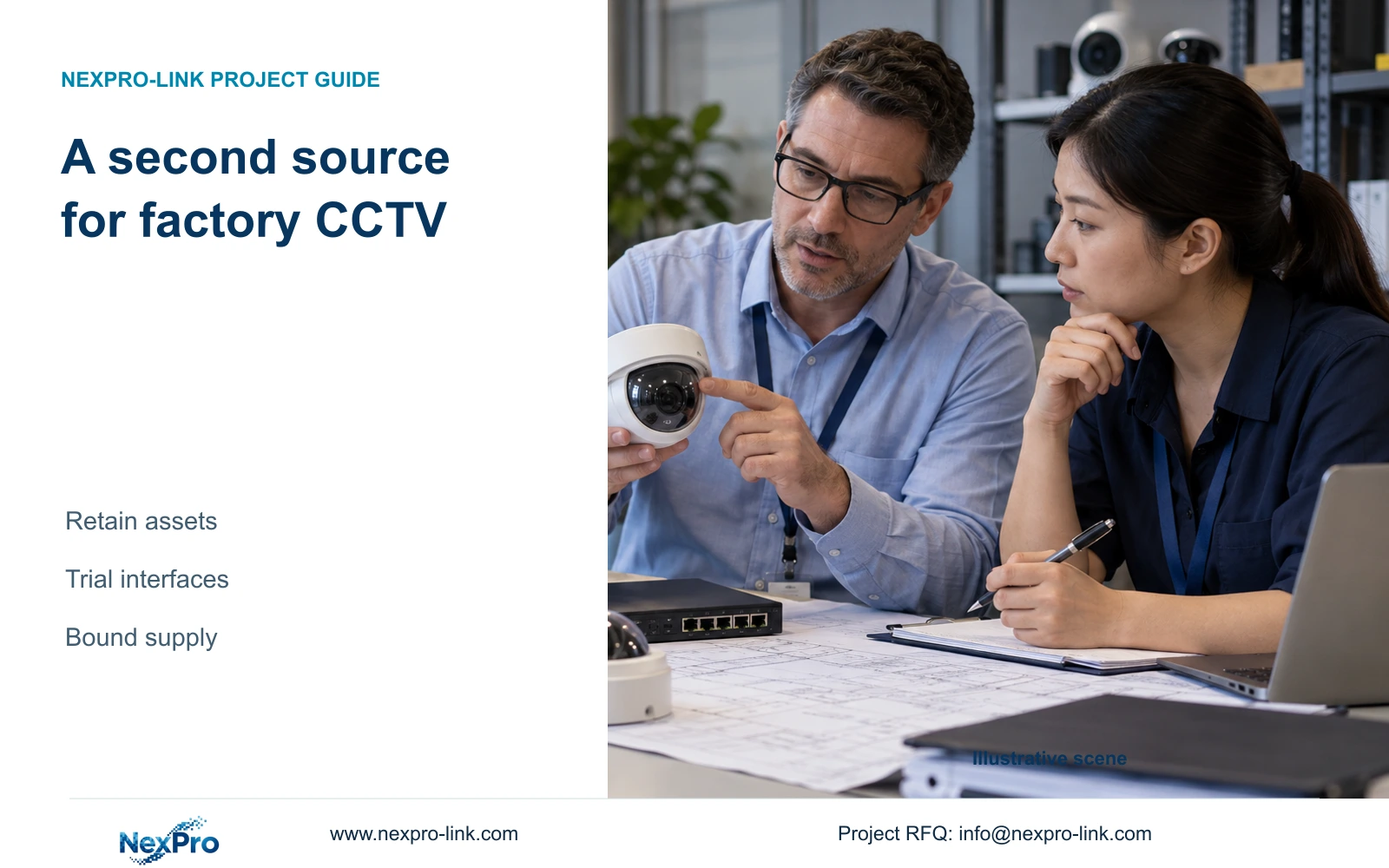
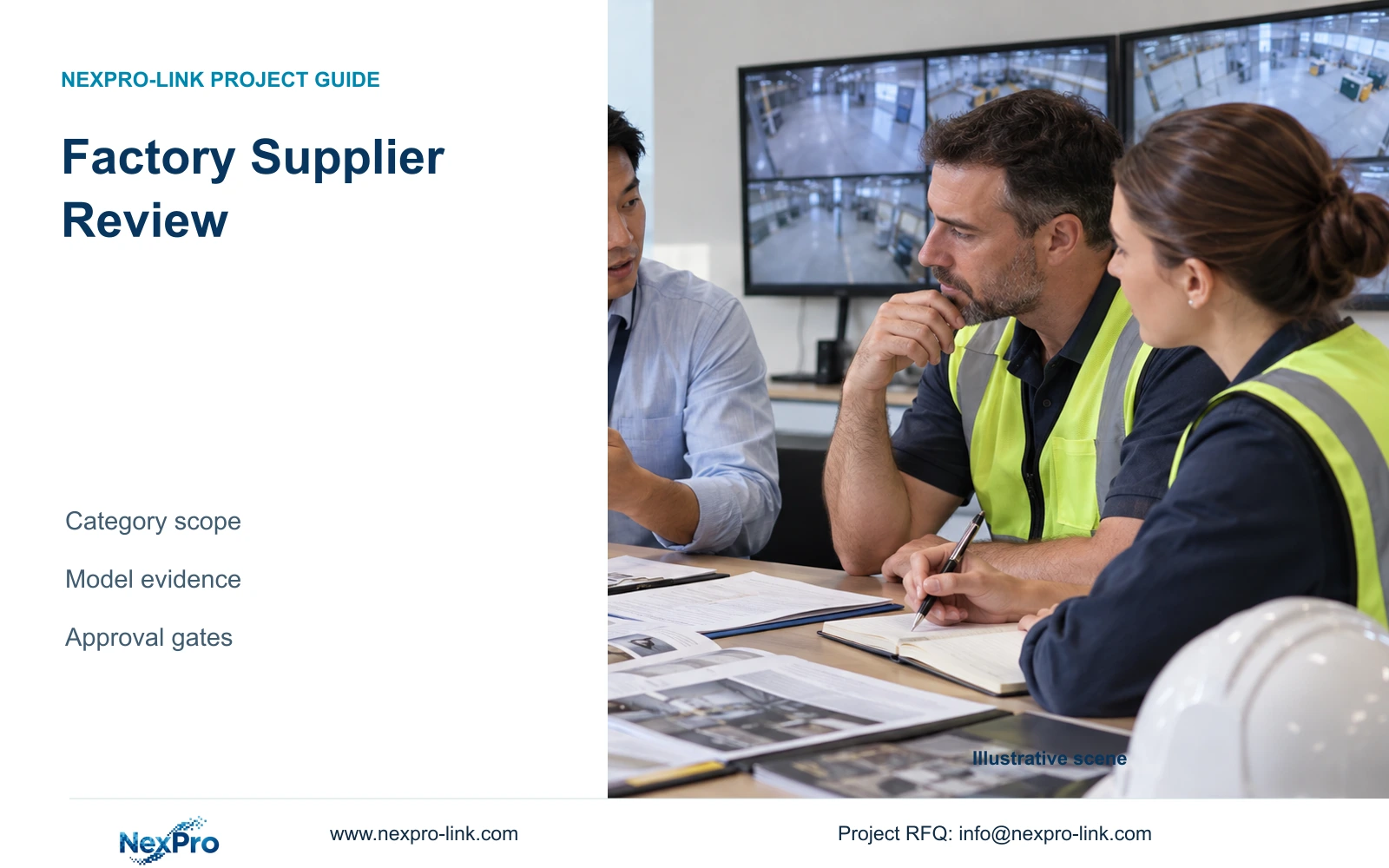
Keep the specified Hikvision offer and proposed alternative in separate approval columns. For each deviation, record the retained task, evidence and decision owner before converting it to an order line.

10 guides

Decision area 26

Complete Factory Cases

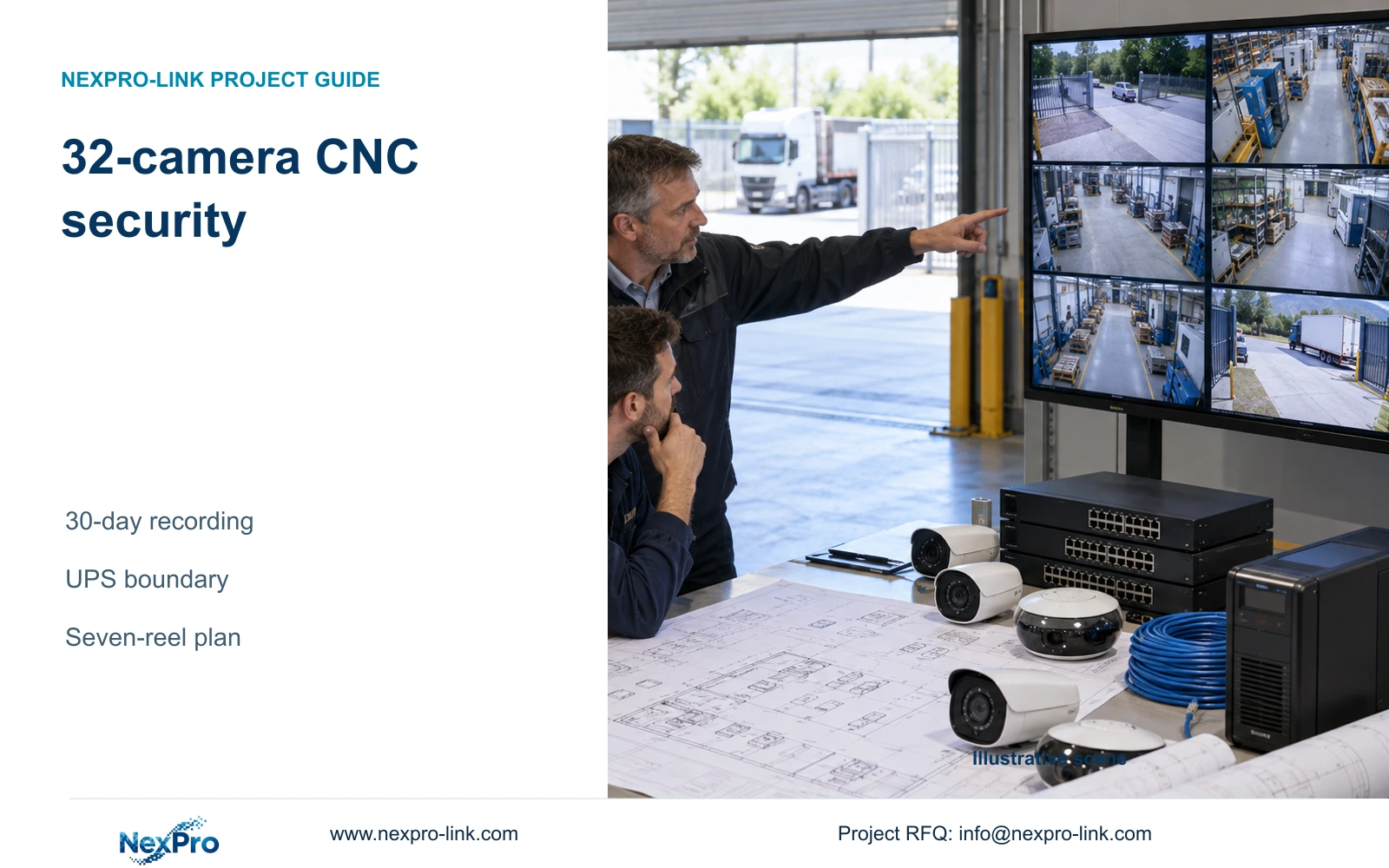
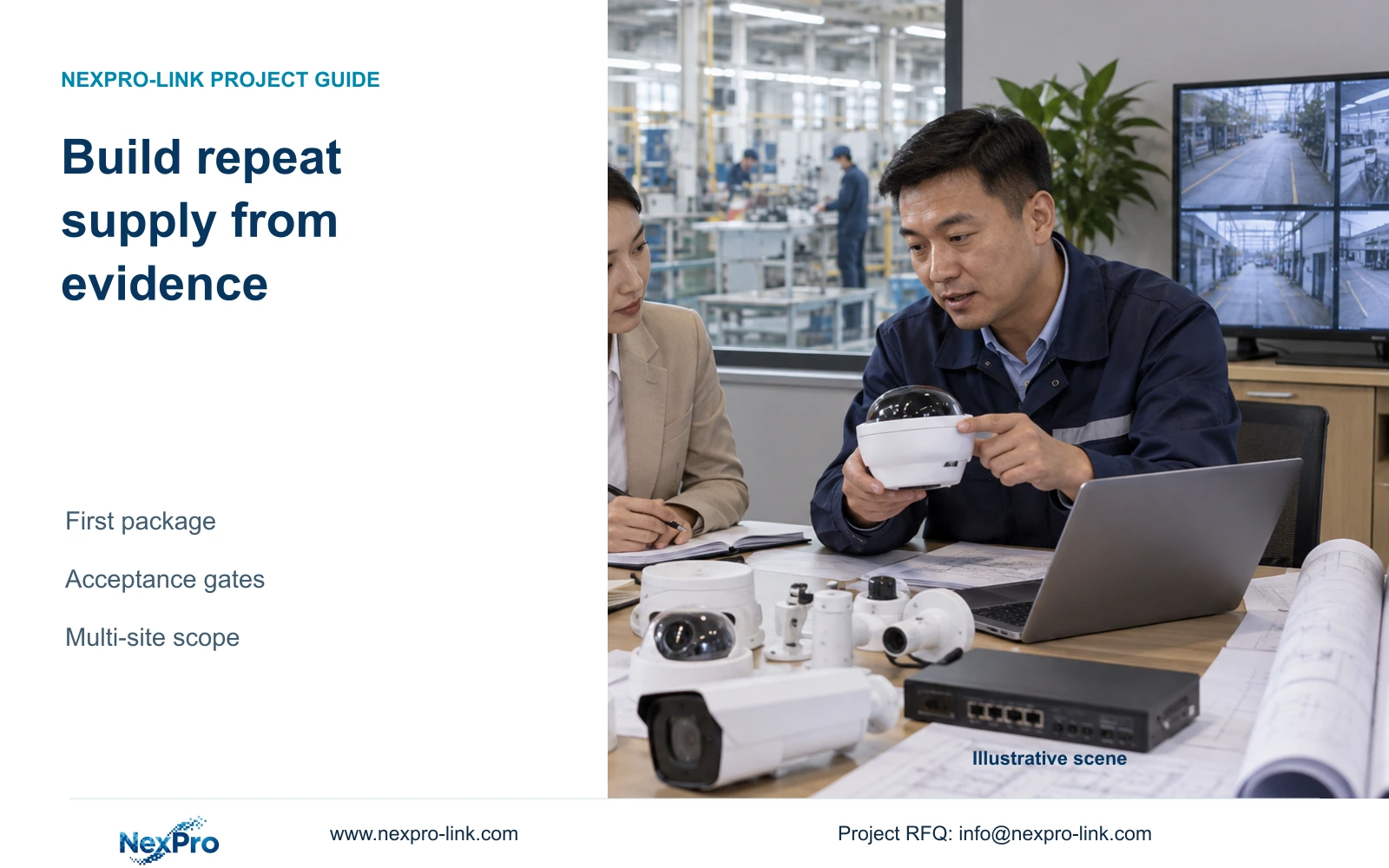
A coordinated 32-camera CNC factory package starts with approved security tasks. This worked reference connects recording, storage, PoE, backup power and continuous cable runs without making a video wall mandatory.

10 guides

Decision area 27

BOQ Tender Vendor

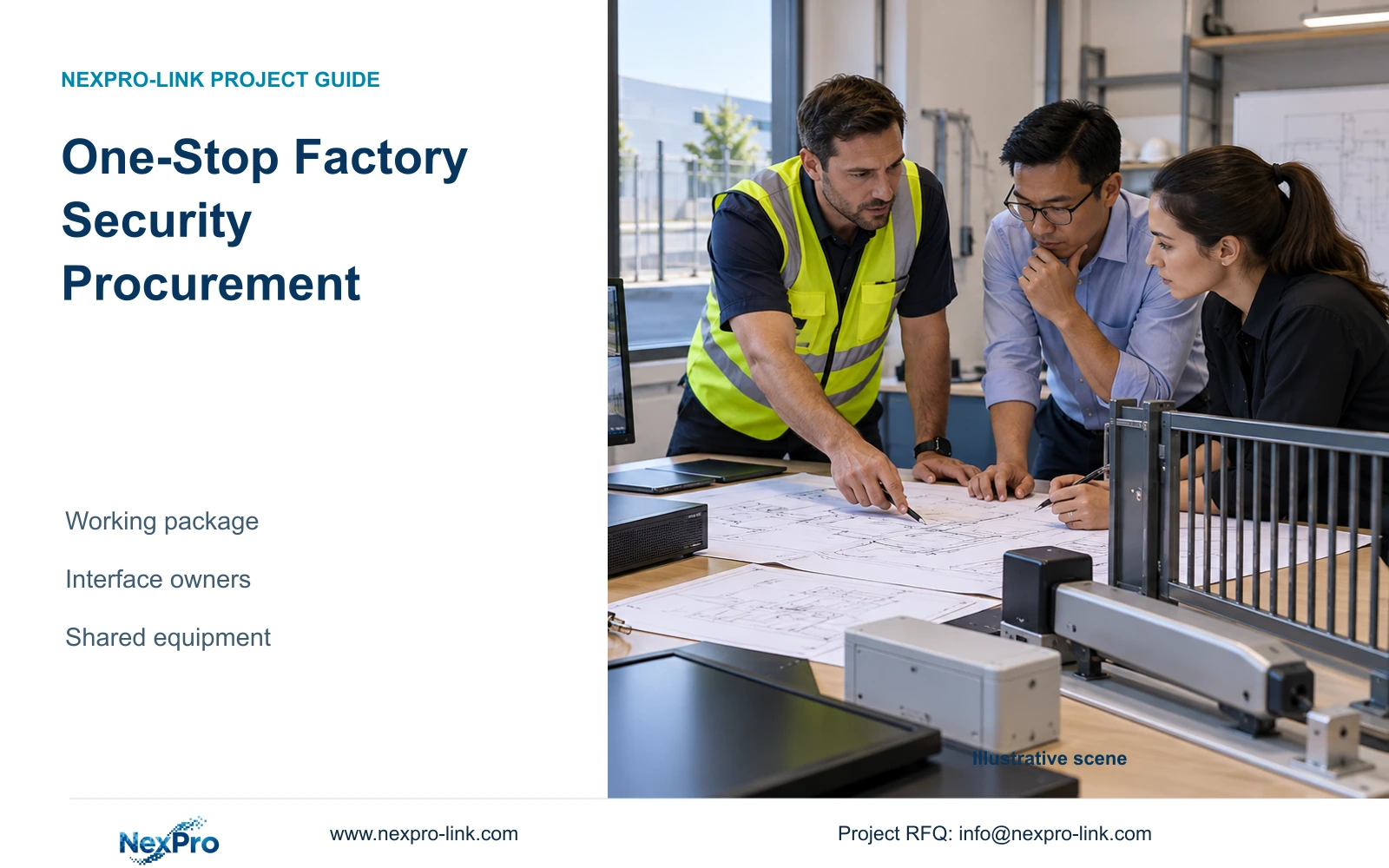
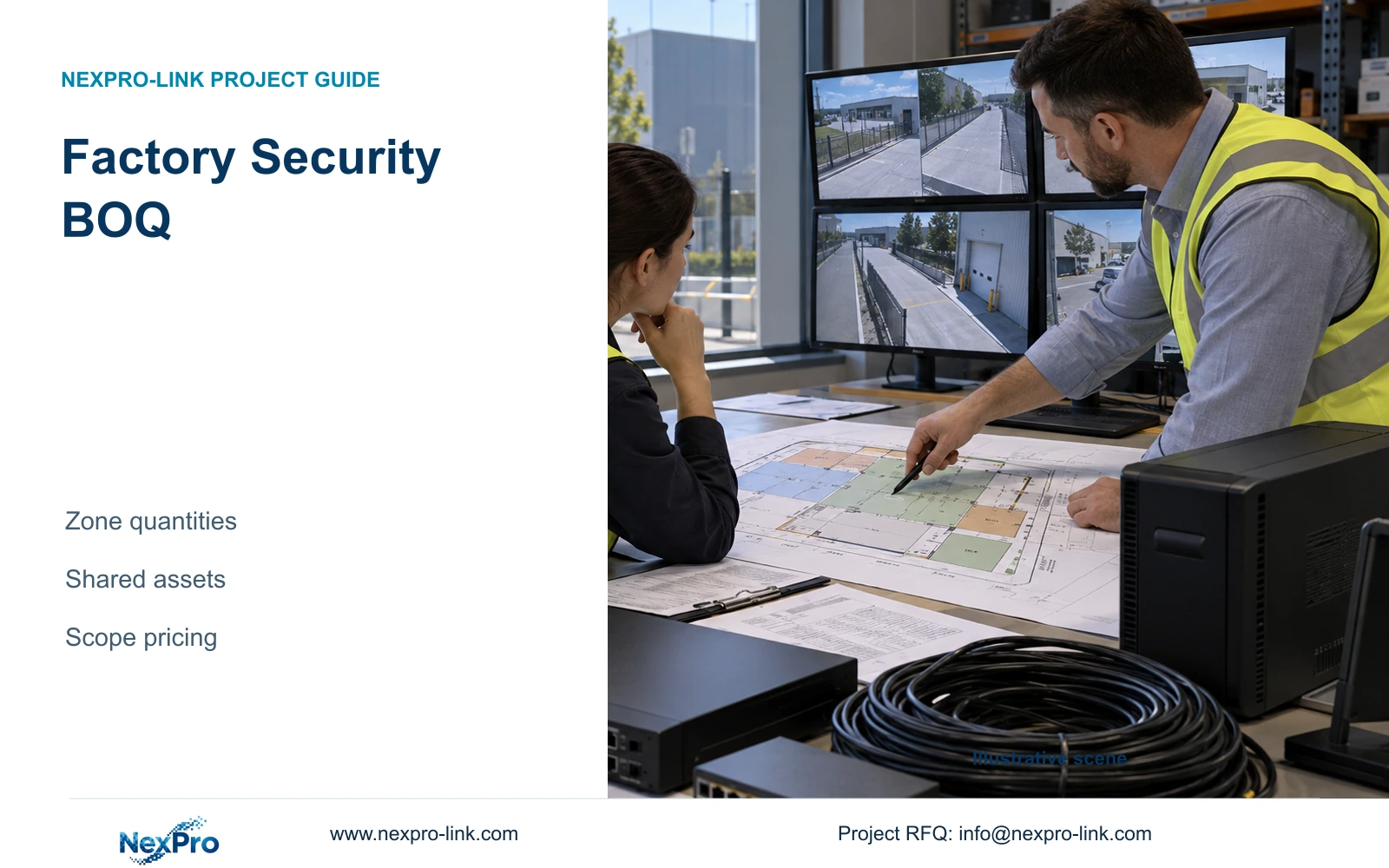
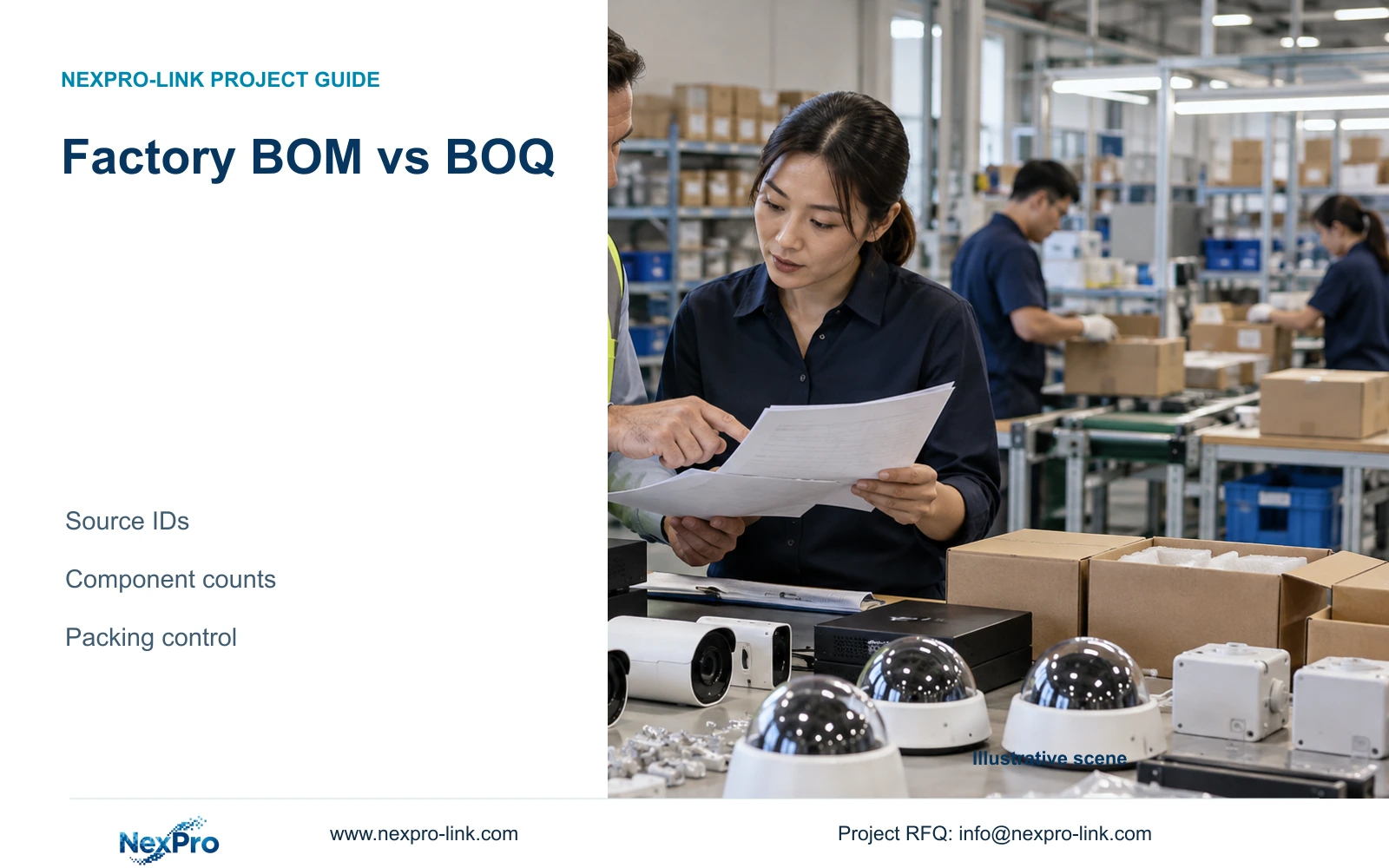
A useful factory security BOQ connects each observation task to measurable equipment and work, while keeping shared recording, power and optional integration visible.

10 guides

Decision area 28

Quality Commissioning

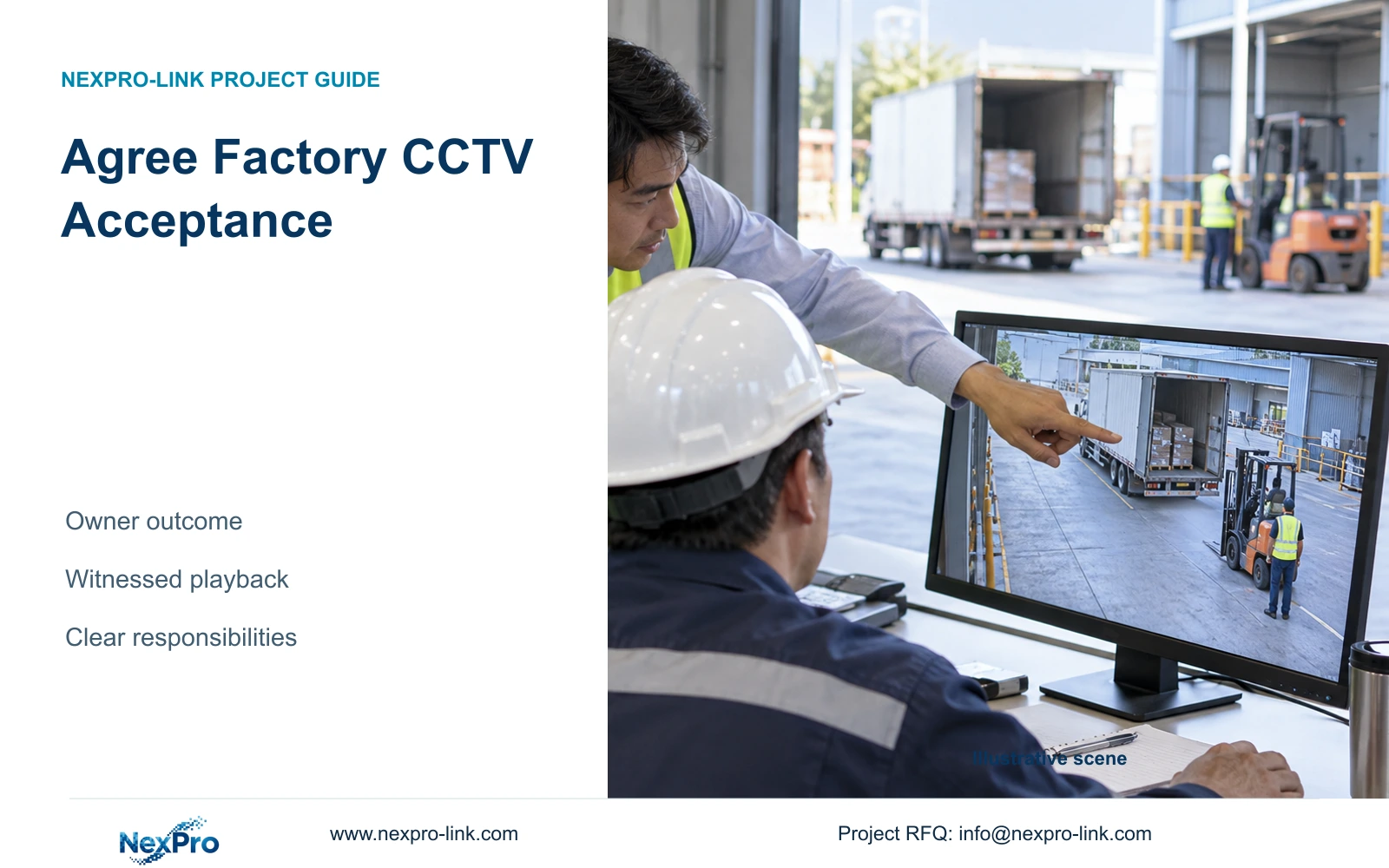
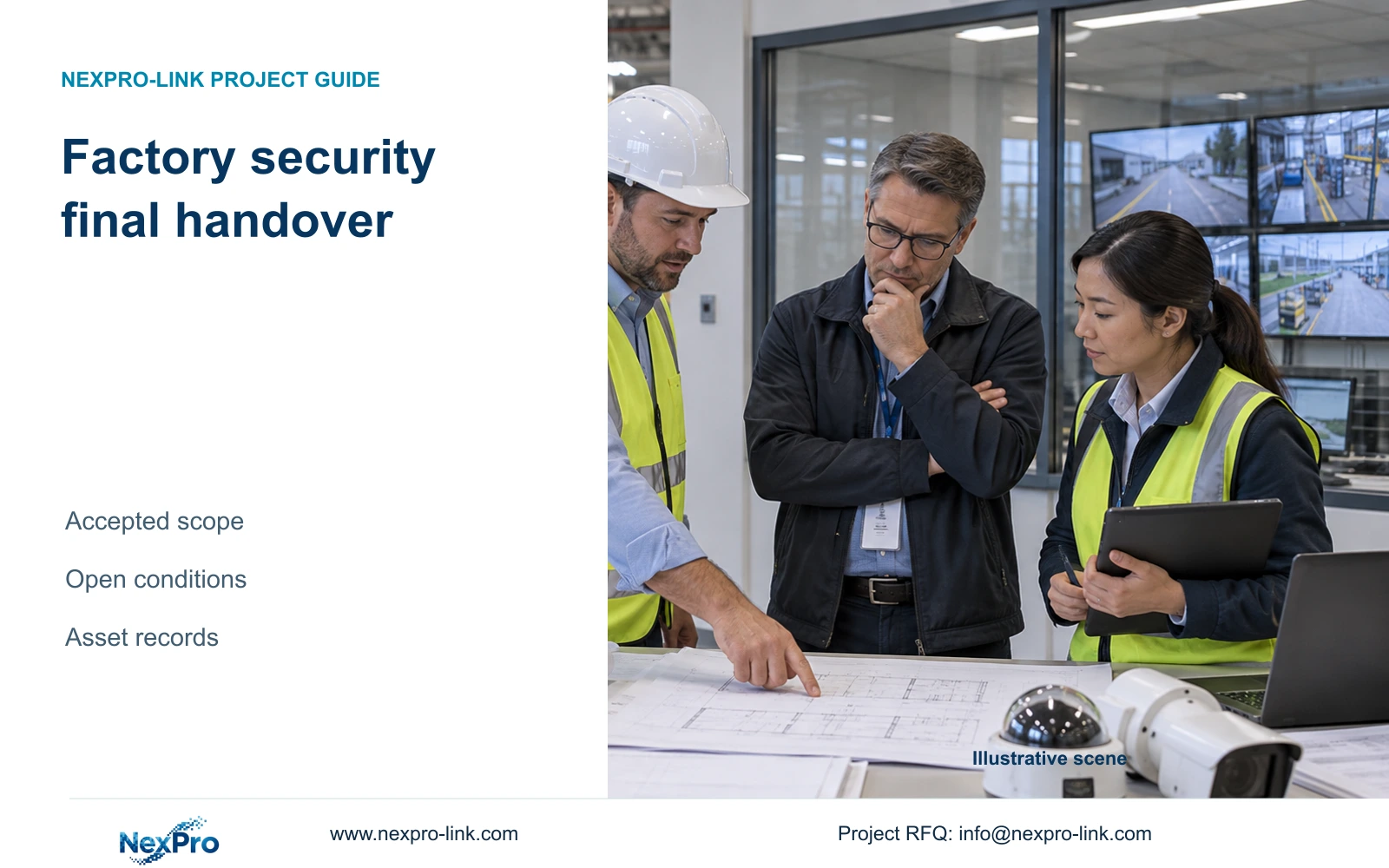
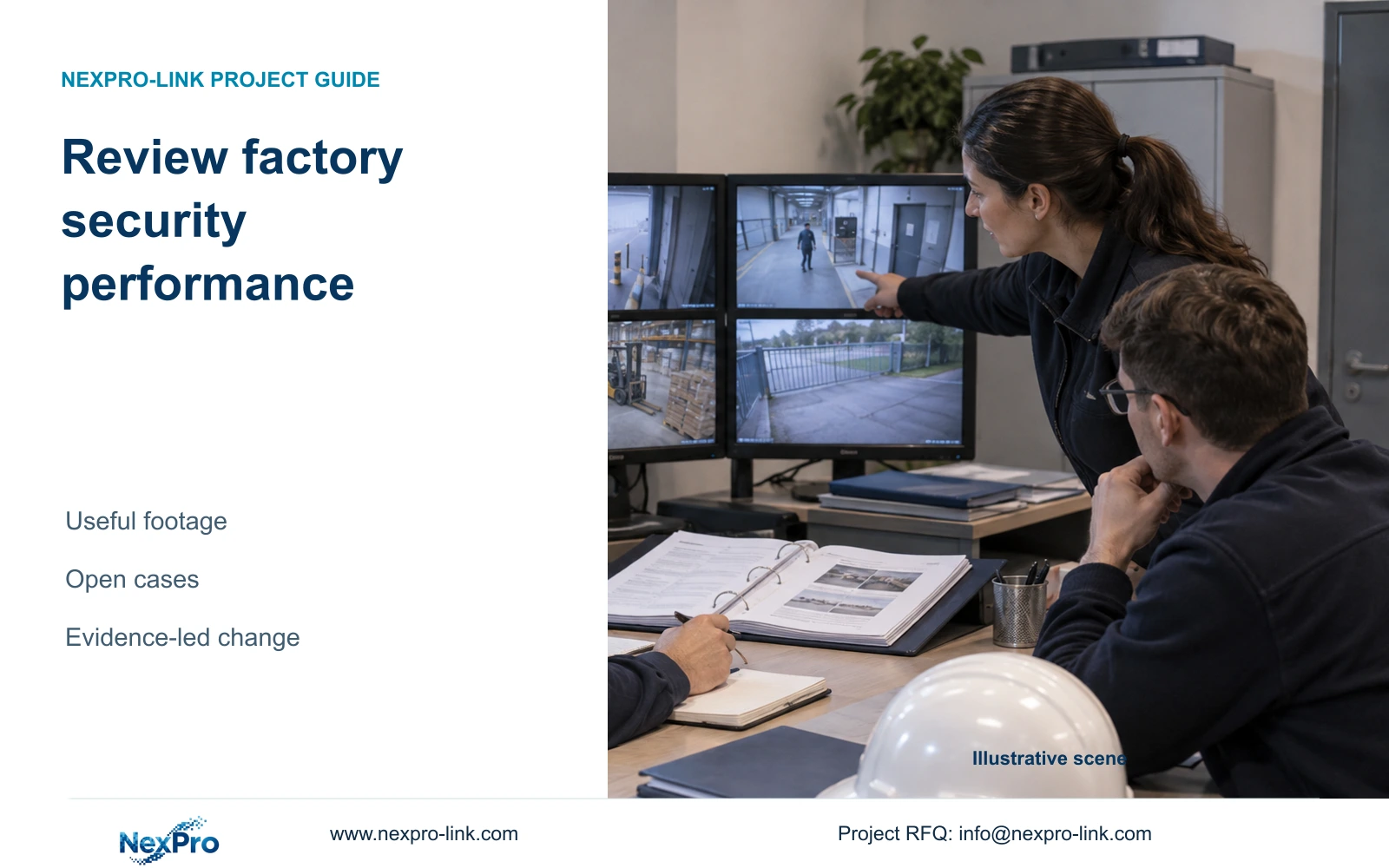
Factory preparation can confirm specified equipment functions, while industrial site acceptance must establish useful recorded views and working dependencies.

10 guides

Decision area 29

OEM Export Delivery

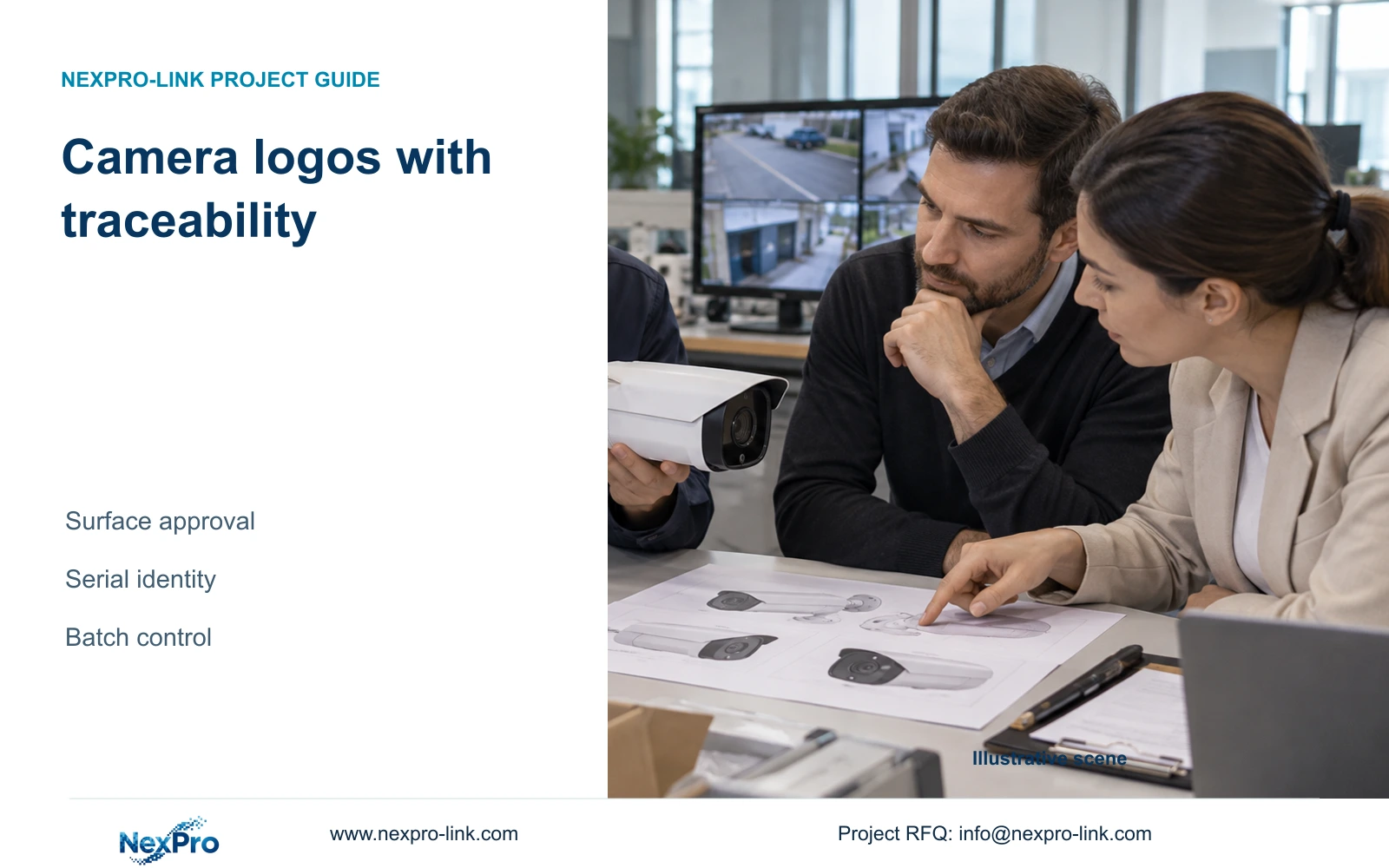
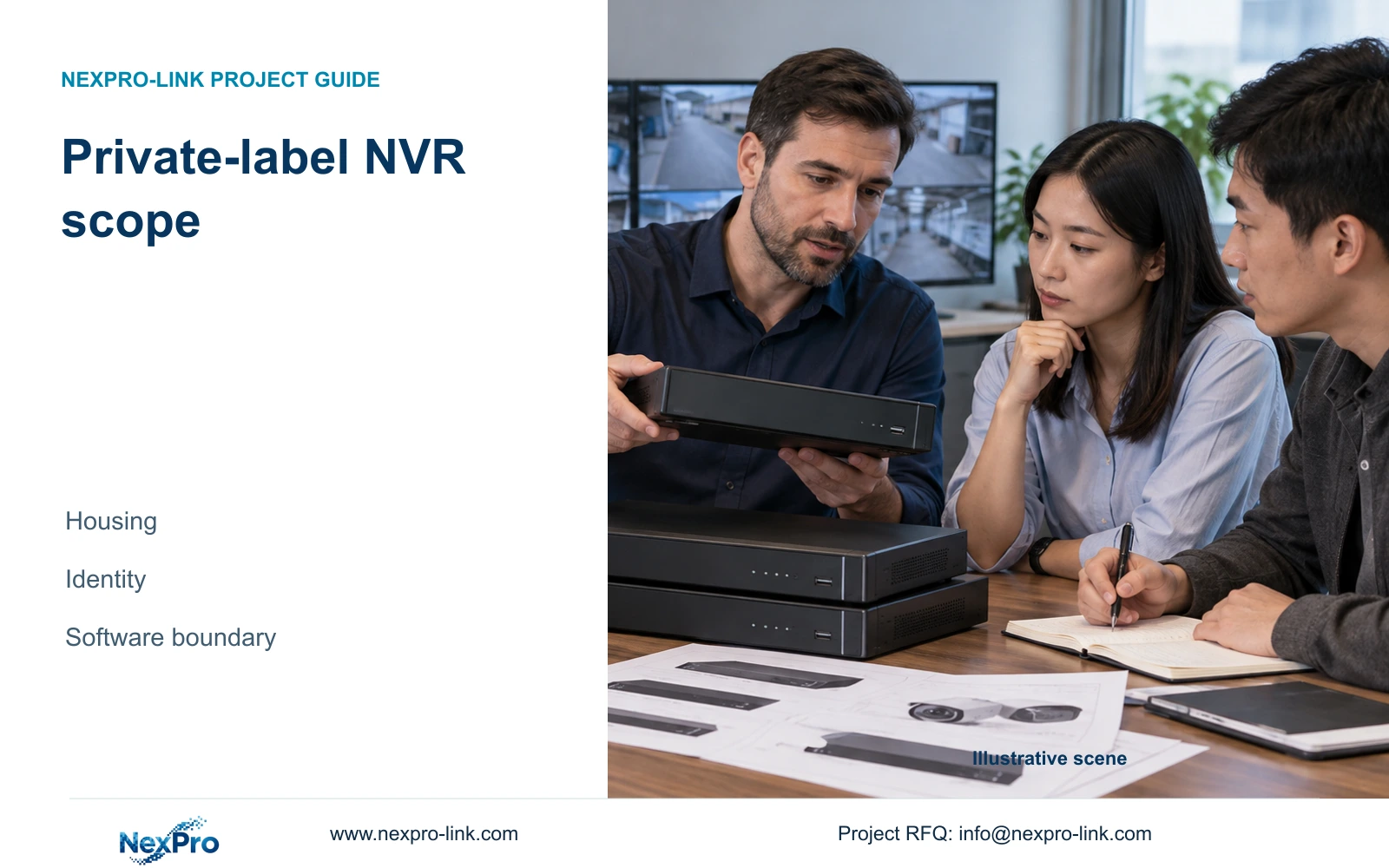
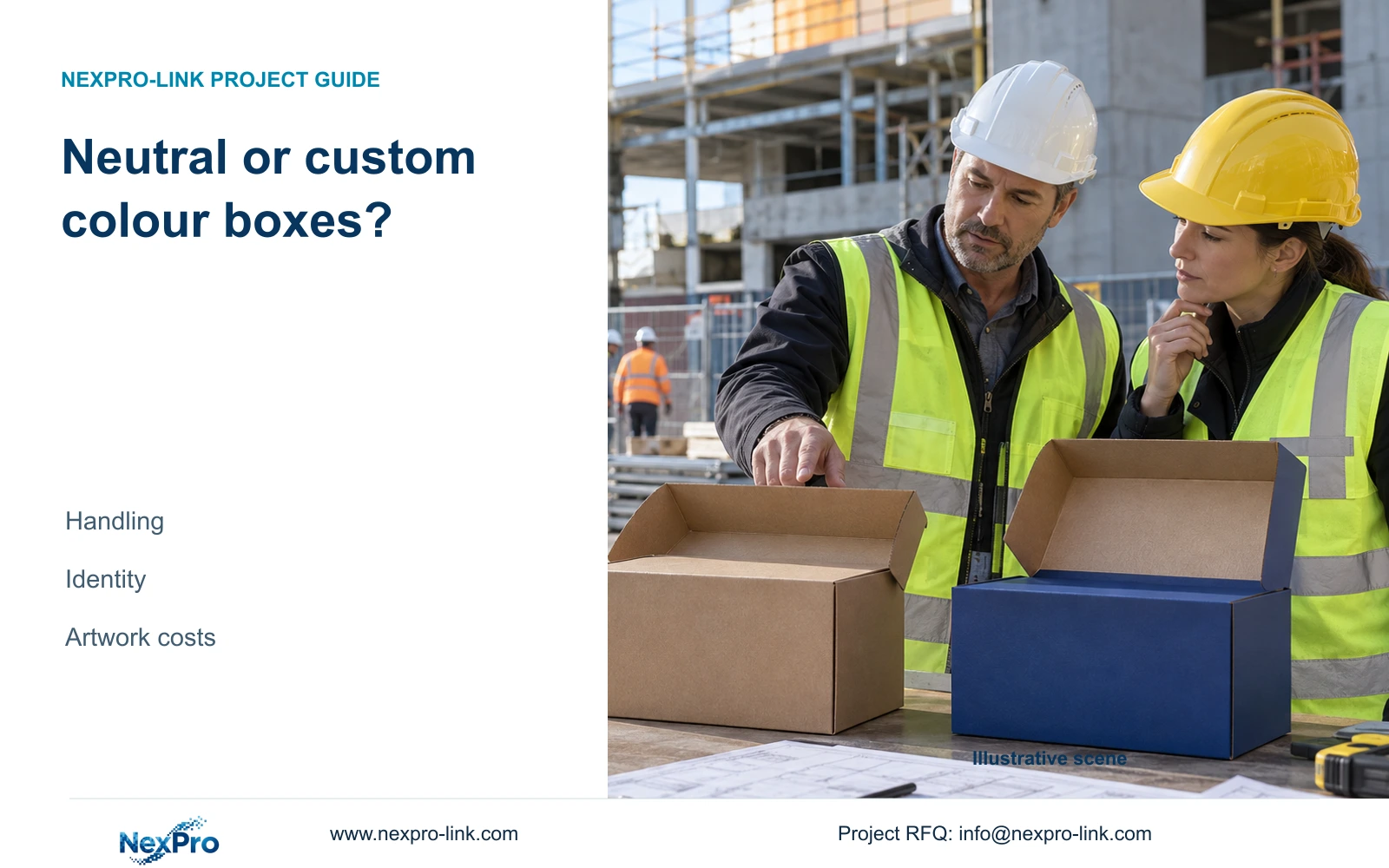
For a later replacement camera, compare the approved artwork with the successor's actual usable marking area and identity-label locations. Obtain a new model-specific sample when those change.

10 guides

Decision area 30

Warranty Lifecycle Partnership

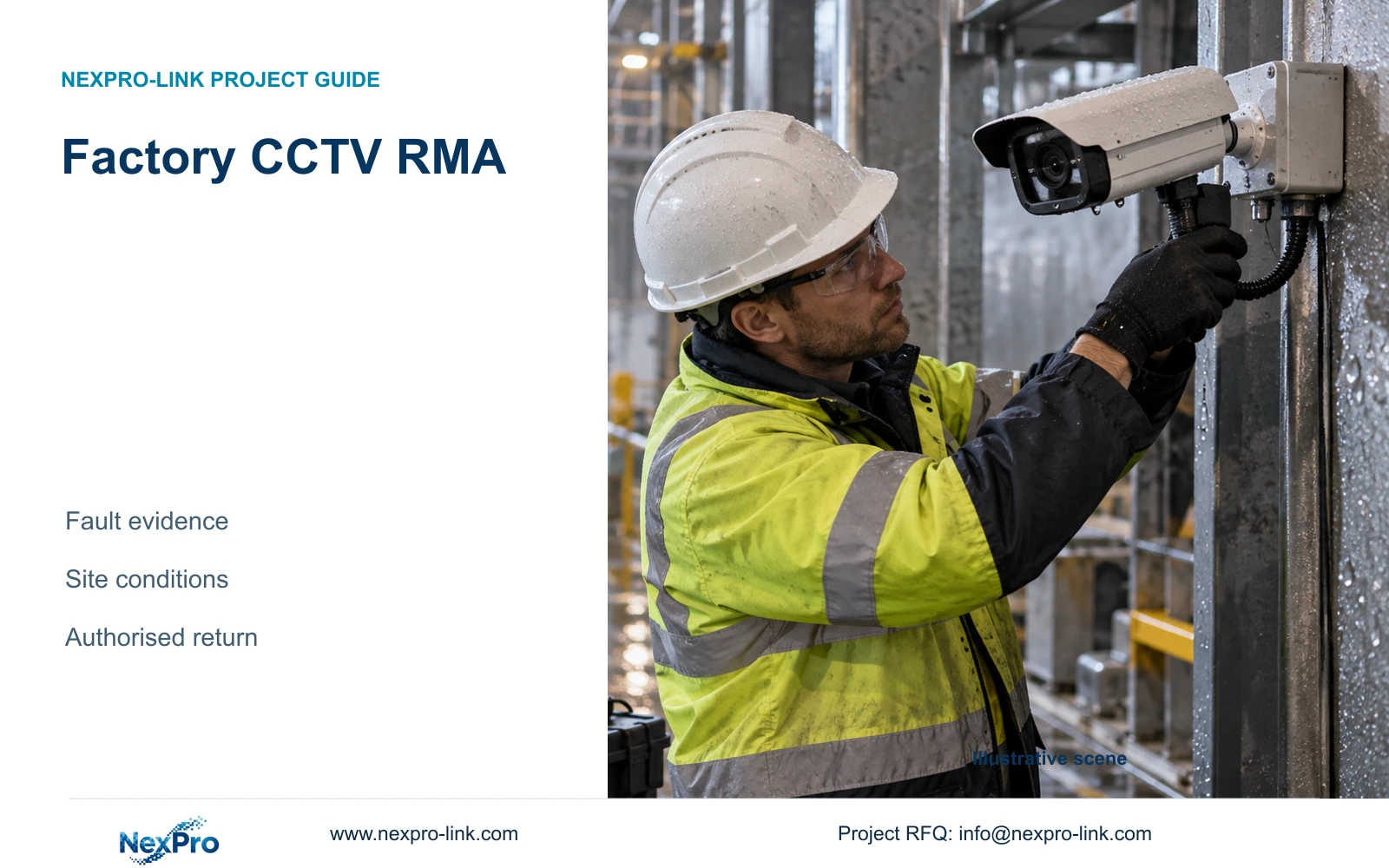
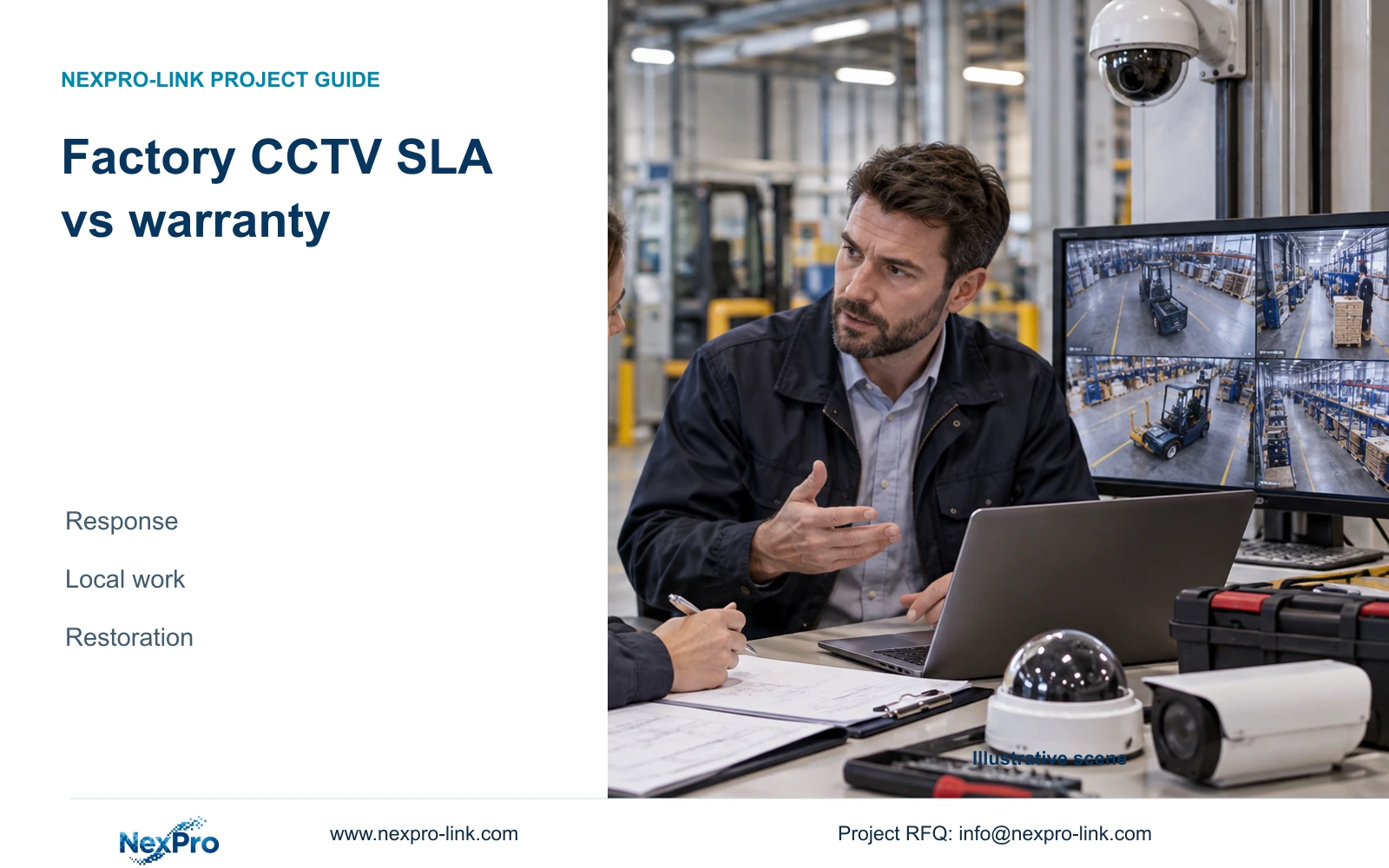
For one failed-device example, assign authorization, removal, replacement supply, freight and reinstallation to their actual contractual owners. Mark unknown charges as clarification items, not zero.

10 guides

Prepare a useful RFQ

Send the inputs that change the equipment decision

A model list is more reliable when the supplier receives the same operating, infrastructure and acceptance assumptions used in the design.

Site layout and fixed building features

Zone retrieval tasks and shifts

Recording and outage requirements

Equipment schedule and project phases

Catalog Chat