
01
Parking and security integrators
A lane workflow with matched recognition and barrier equipment.
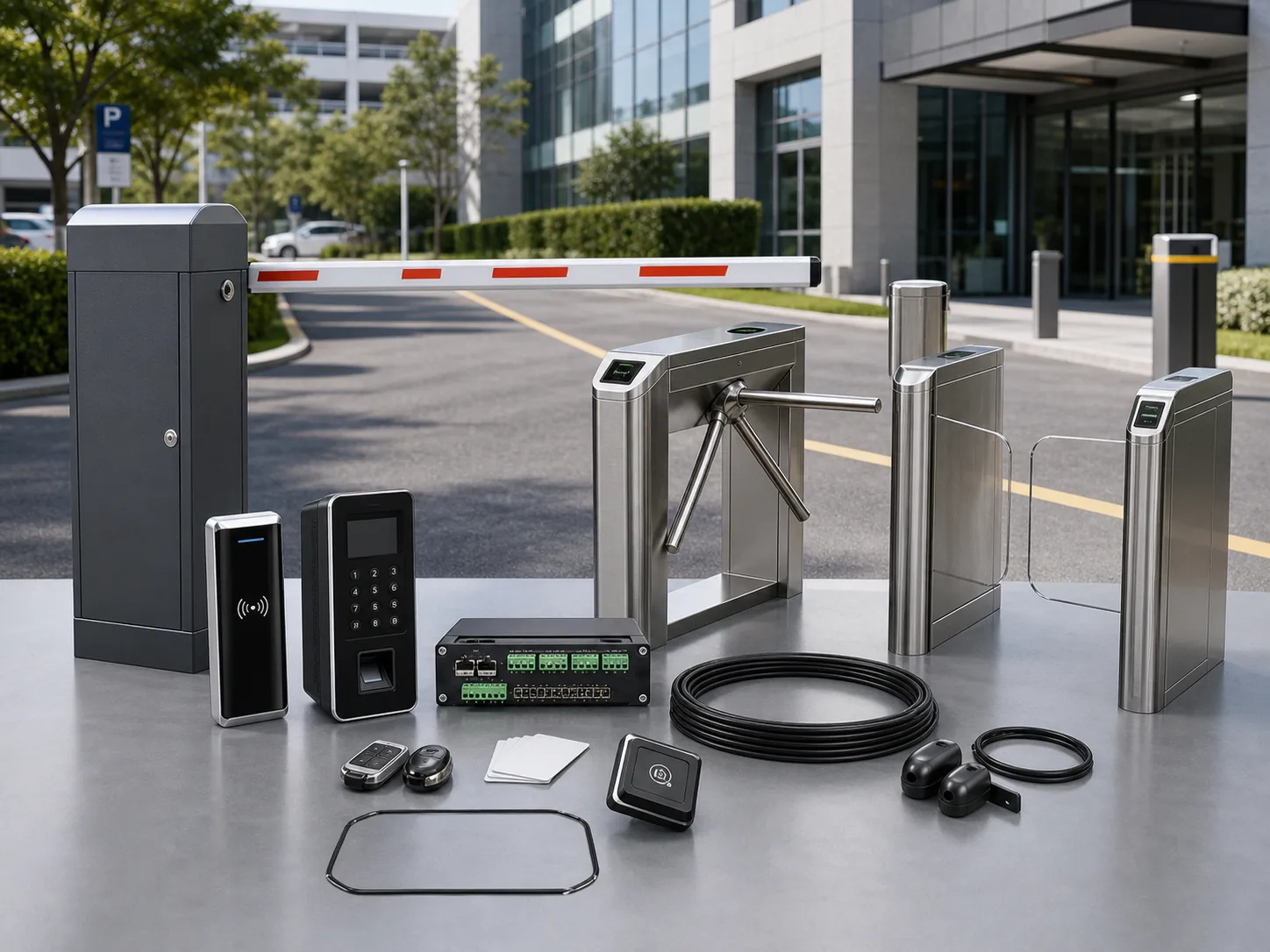
Coordinate vehicle lanes, license-plate recognition, safety detection and pedestrian access from the site workflow through control and actuation.
System definition
Vehicle and pedestrian entrances combine detection, identity or payment decisions, a controller, physical actuation and safety devices. The correct equipment depends on who enters, how authorization is granted and what happens when a credential is rejected.
NexPro-Link maps the equipment package to the lane layout and operating workflow. Civil works, local safety requirements, installation and commissioning remain within the project contractor's scope.

Who this solution is for
For parking integrators, entrance-control contractors, distributors and project teams planning vehicle lanes and pedestrian access for commercial, residential and industrial sites.
01
A lane workflow with matched recognition and barrier equipment.
02
Dimensions, safety inputs and equipment interfaces before civil work.
03
A consolidated vehicle and pedestrian equipment list.
Problems this system solves
These are the decisions a BOQ or source list has to answer before individual products become a coherent system.
Entry, exit, resident, visitor, service and pedestrian paths each need a decision sequence before hardware is selected.
LPR, RFID, remote, payment, QR or face credentials only make sense when tied to the site user and exception workflow.
Loop, photocell or radar safety, foundation, drainage, power, network and lane dimensions determine whether the entrance can operate safely.
System architecture
Follow the operating path from the first project input through control, operation and protected infrastructure.
The lane senses a vehicle or pedestrian approaching the controlled point.
The system reads the approved credential or transaction input.
The controller applies the configured access and exception workflow.
The barrier, gate, bollard or pedestrian lane opens under controlled conditions.
Safety detection and backup power support safe closure and recovery.
Functional modules
Each module has a distinct job and a defined set of inputs. The final quotation keeps those roles visible.
Barrier or gate equipment matched to clear width, arm length and traffic frequency.
LPR, RFID, remote or payment functions mapped to the approved access workflow.
Pedestrian gates and bollards coordinated with adjacent vehicle lanes.
Detection, protected power and site inputs required for stable operation.
Visual project reference
These references help separate vehicle-lane hardware, pedestrian flow equipment and the supplier preparation scope.
 Application reference
Showroom reference for reviewing barrier, terminal and lane-device placement before an exact project layout is approved.
View details Product reference
Physical gate forms provide a reference for lane width, reader position and finish discussions.
View details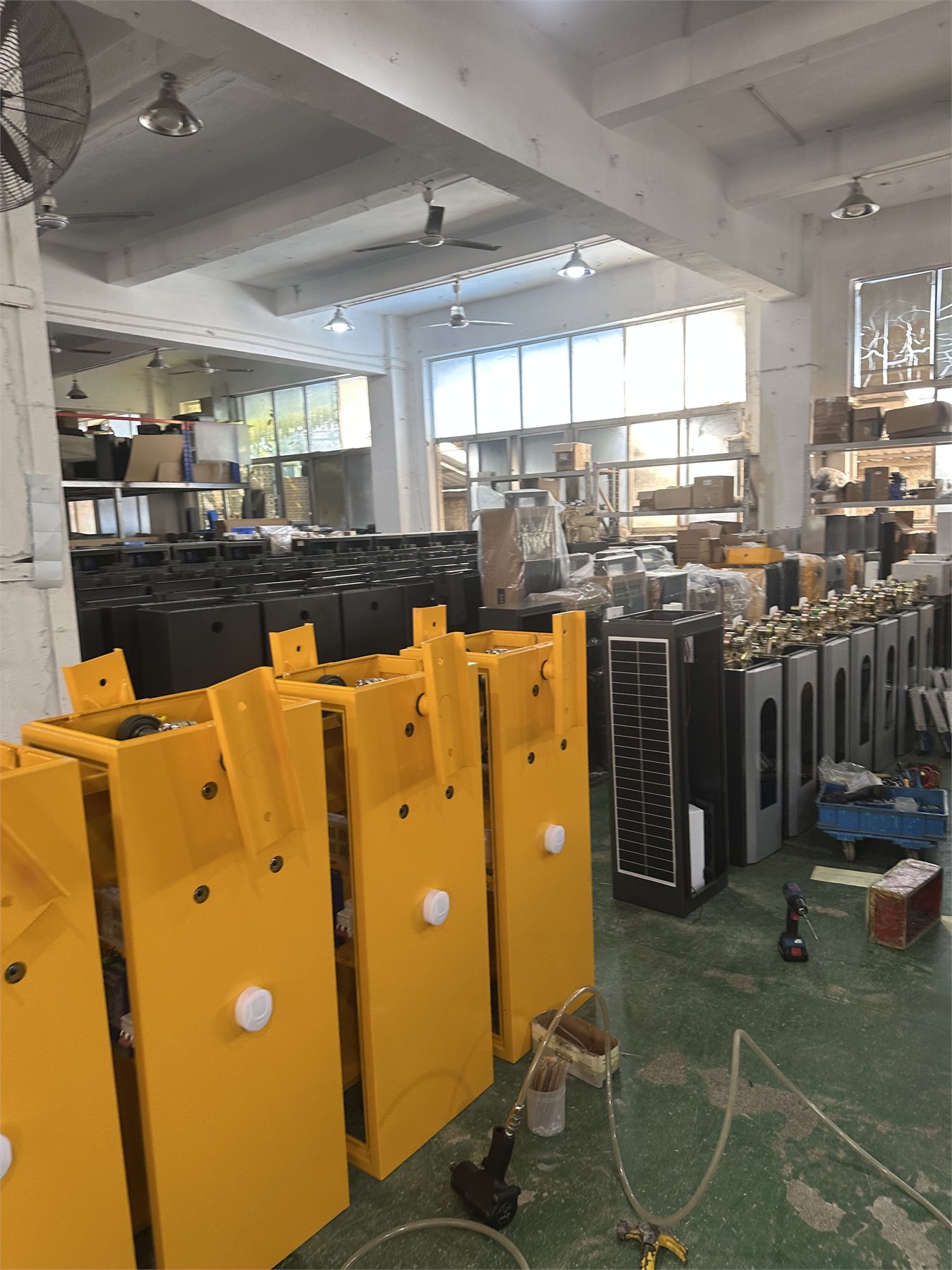 Source facility
Source-facility view of barrier preparation; project quantities and inspection evidence remain order-specific.
View detailsApplication scenes are visual references. Final models, quantities and interfaces follow the approved project information.
Product database source
These are selected current products from the NexPro-Link product database. They illustrate system roles; the final model mix follows the approved project inputs and compatibility review.

NX-BG-036
A current intelligent barrier-gate reference for controlled vehicle lanes after arm, speed and site requirements are confirmed.

NX-LP-010
A current license-plate-recognition system component for entry or exit workflows that require plate-based decisions.

NX-PA-016
A current pedestrian-access reference for controlled staff, visitor or resident lanes alongside the vehicle system.

NX-RB-007
A current rising-bollard reference for restricted vehicle approaches where foundation and safety requirements are fully planned.
Product category mapping
These category links provide the full product and specification context. The solution page stays focused on how the equipment works together.
Engineering and selection inputs
A useful review separates buyer inputs from compatibility checks so open assumptions are visible before quotation.
Starting configurations
These are scope frameworks, not fixed kits. Quantities and models remain subject to the project drawing, BOQ and compatibility review.
CONFIG 01
A guarded factory, residential or service entrance with one-direction flow.
Confirm before quotation: Confirm clear width, arm length, traffic frequency, foundation and control method.
CONFIG 02
Commercial or residential parking with separate entry and exit lanes.
Confirm before quotation: Confirm recognition region, resident and visitor workflow, payment boundary and exception handling.
CONFIG 03
Factories, campuses or compounds with adjacent vehicle and staff access.
Confirm before quotation: Confirm separated paths, peak flow, accessibility, safety and third-party access-platform interfaces.
Technical submittal
Document availability and revision are confirmed against the models included in the final quotation. The download center provides general selection forms and project checklists.
Open the technical download centerOEM / ODM scope
Selected entrance-control equipment can be reviewed for project finish, labeling, controller options and packing.
Final civil design, safety validation, local compliance and on-site commissioning are not inferred from the product quotation and must be approved locally.
Review OEM and ODM supportRelated project applications
Industry pages keep the Project Supply intent separate while showing how this system is quoted in a real application.
Related technical guides
FAQ
Answers reflect NexPro-Link's equipment-supply and compatibility-review role; project-specific values remain subject to the final BOQ and approved models.
Send the lane plan, clear width, arm length, vehicle or pedestrian type, traffic frequency, recognition workflow, safety devices, power, network, drainage and foundation conditions.
Yes. The review can combine barriers, LPR, credential devices, pedestrian gates, bollards, safety accessories and protected power in one equipment schedule.
Choose by user type, clear width, required security level, opening frequency, available space, foundation, safety and access workflow. Mixed entrances often use several device types.
No. NexPro-Link coordinates equipment supply. Foundations, drainage, cabling, local safety approvals, installation and commissioning remain with the local project team.
BOQ / RFQ review
Share the BOQ, BOM, drawing or equipment schedule. NexPro-Link will review system roles, current models, compatibility assumptions and the coordinated supply scope.