Customer project decision center

Hotel CCTV and ELV Project Decision Guides

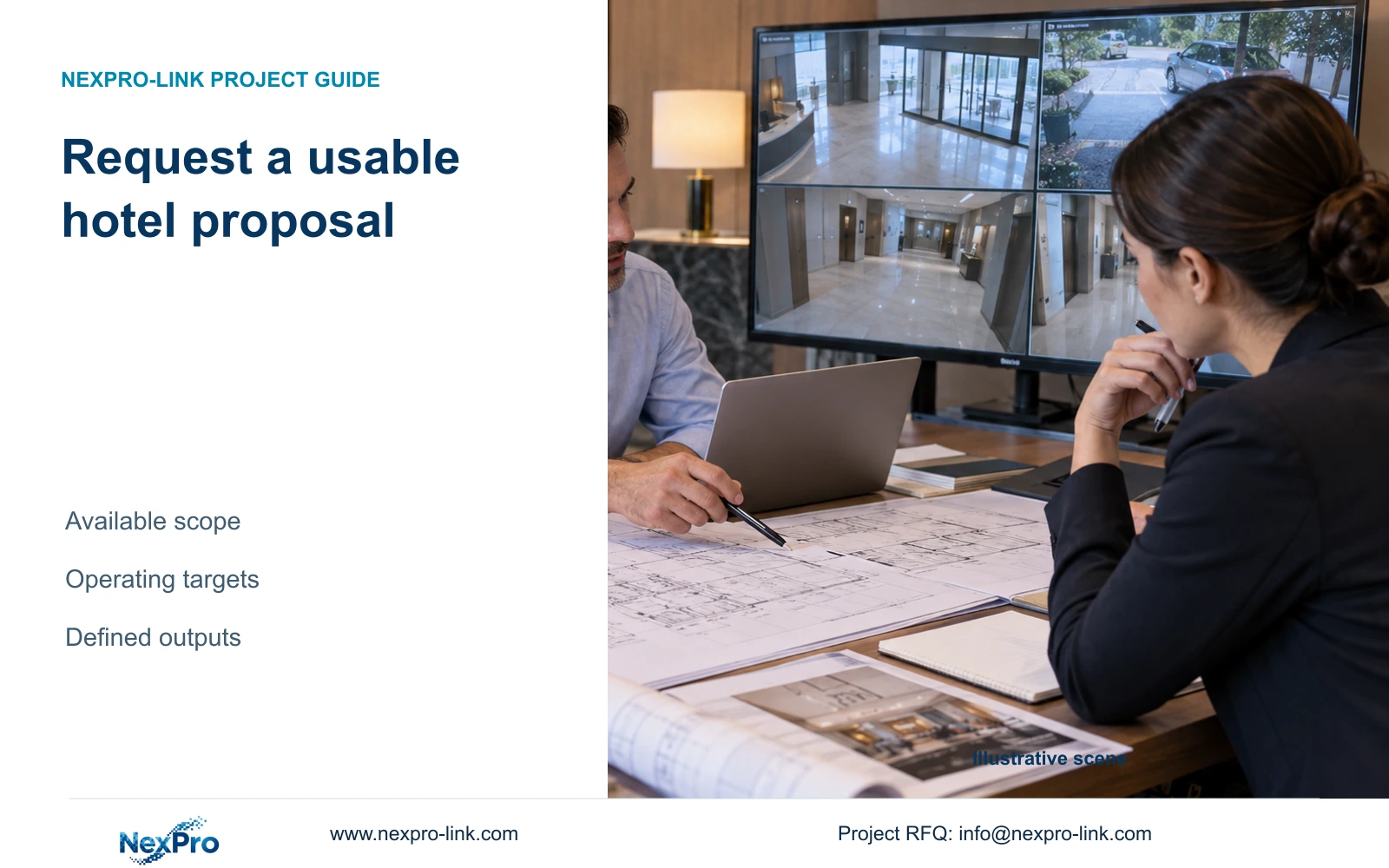
Translate hotel public-area operations into a coordinated camera, recording and infrastructure brief. These guides help owners and engineers compare complete scope, manage renovation interfaces and prepare a useful quotation request.

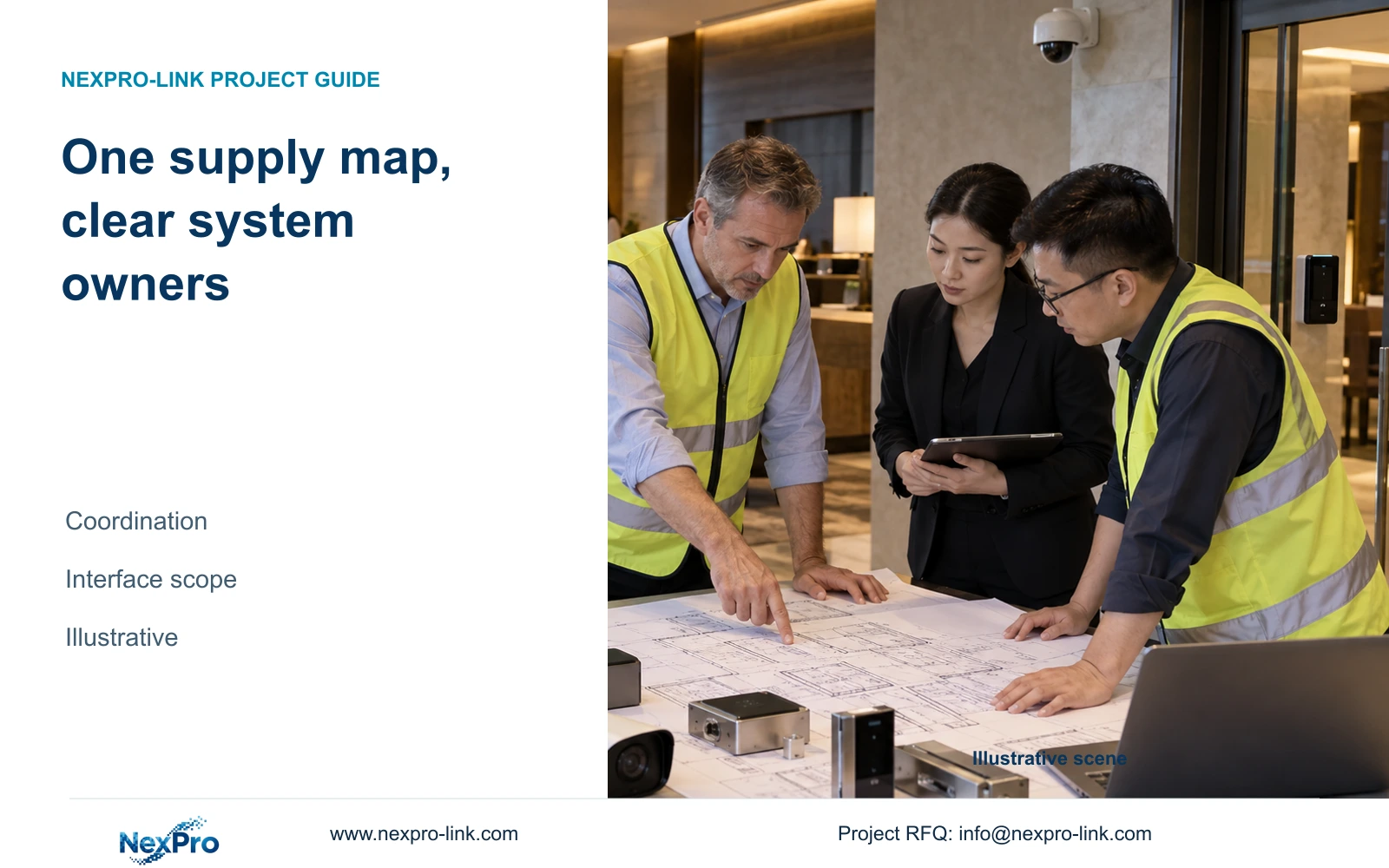
For project owners, design engineers, contractors and quantity surveyors preparing a brief, comparing proposals or organising handover.

Answer first

The planning rule that connects this library

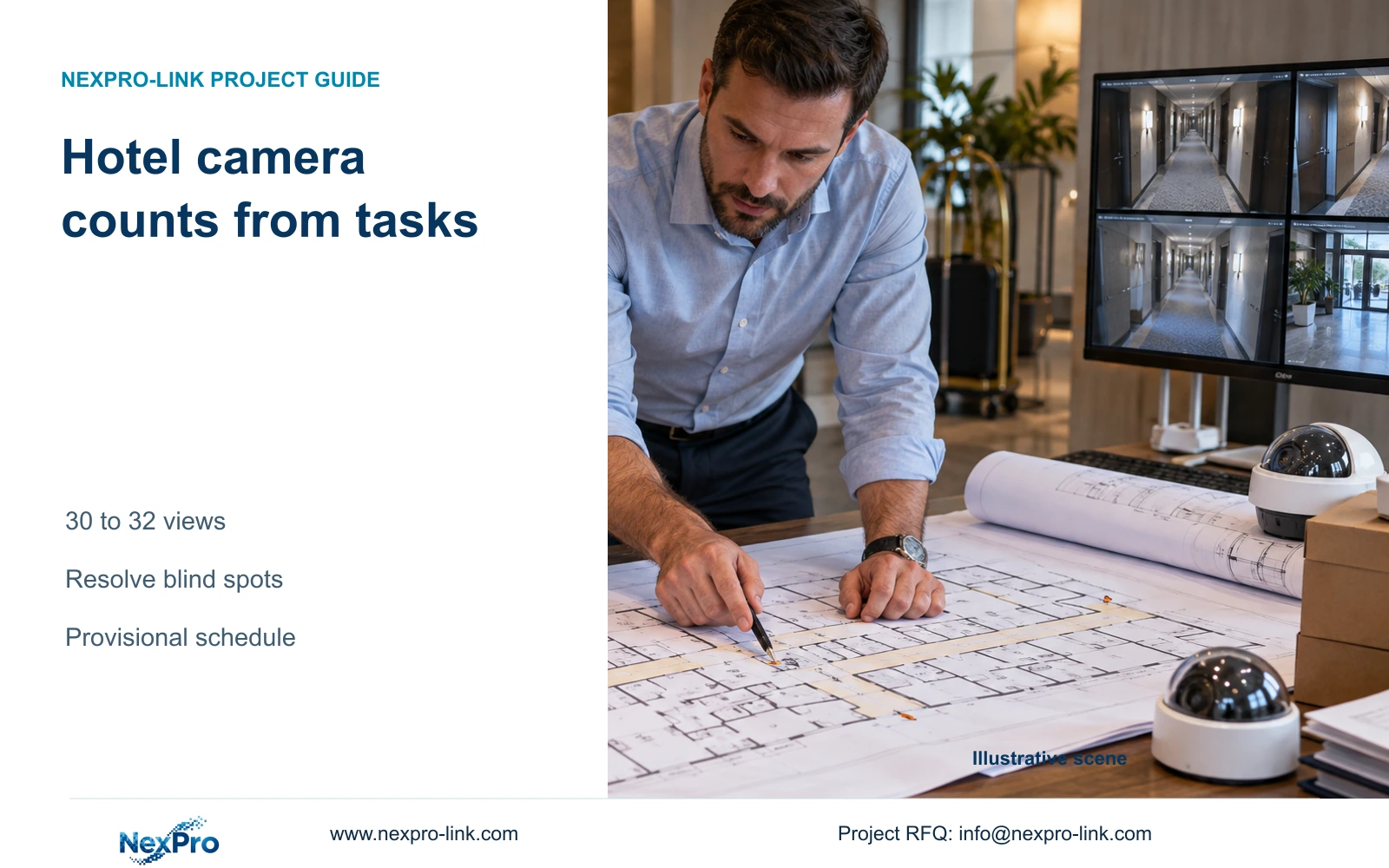
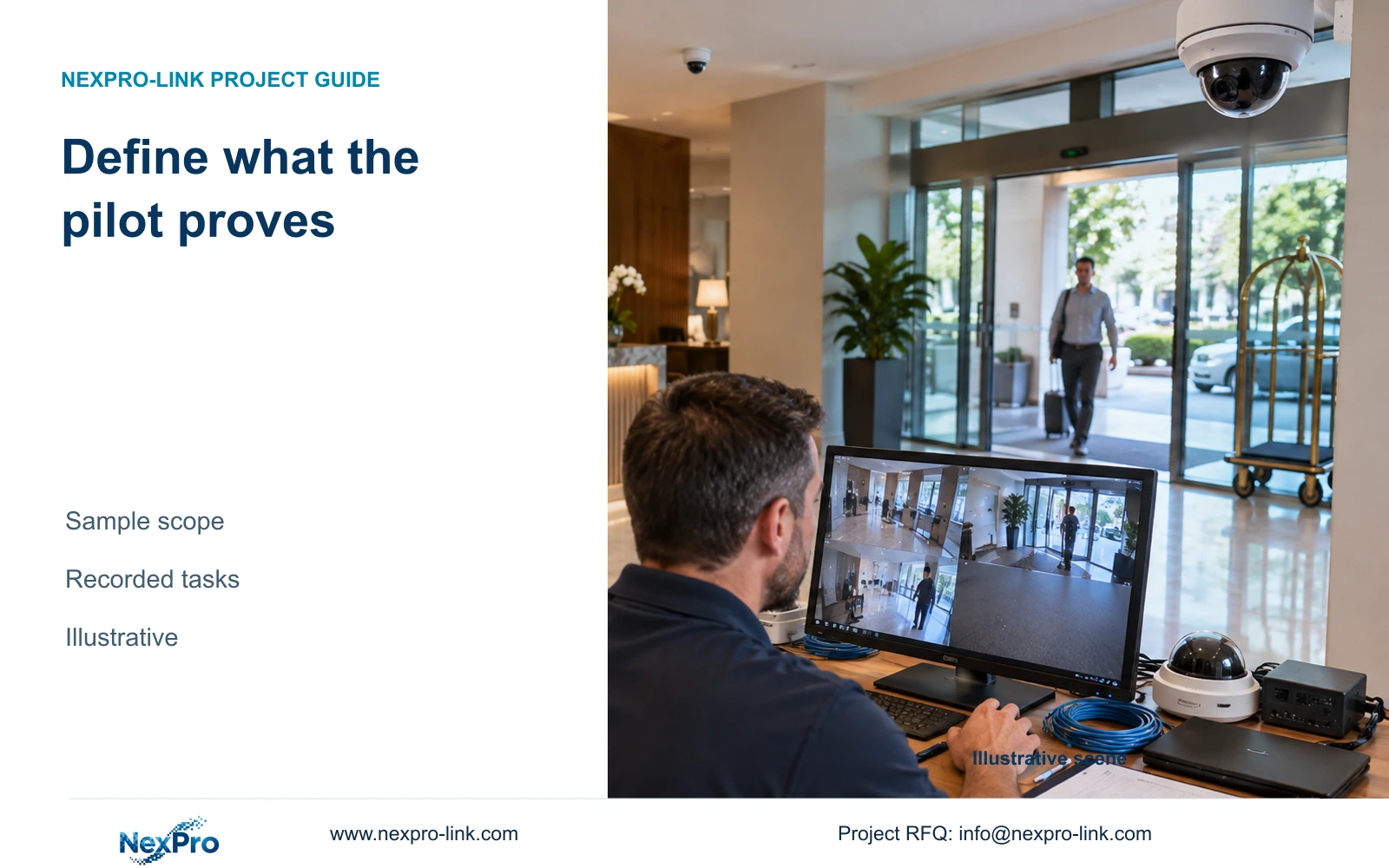
Define public-zone monitoring and retrieval tasks before counting cameras. Keep guest privacy, recording capacity, network responsibility and the first operating phase visible in every proposal.

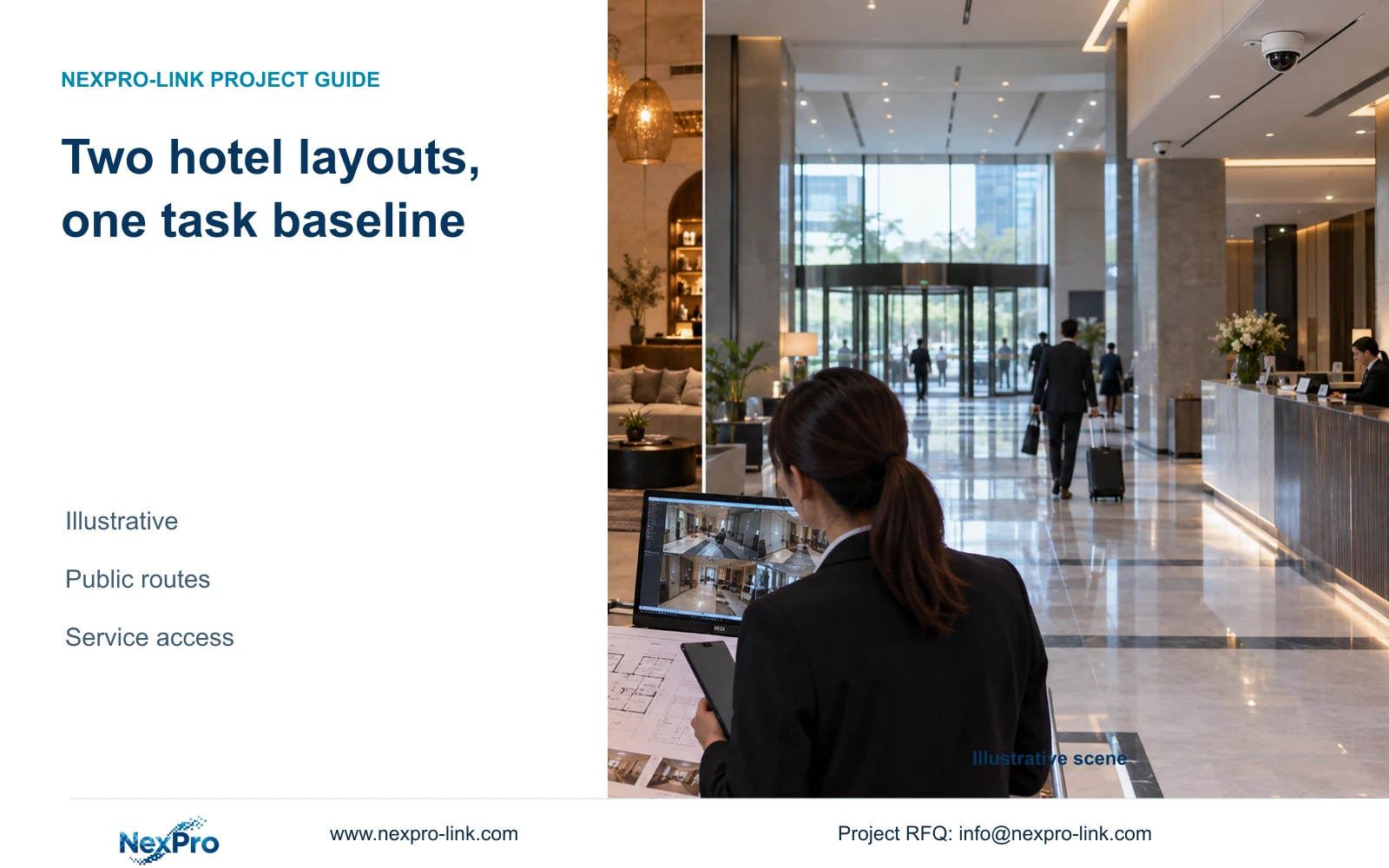
Define public-area views without extending surveillance into private spaces.

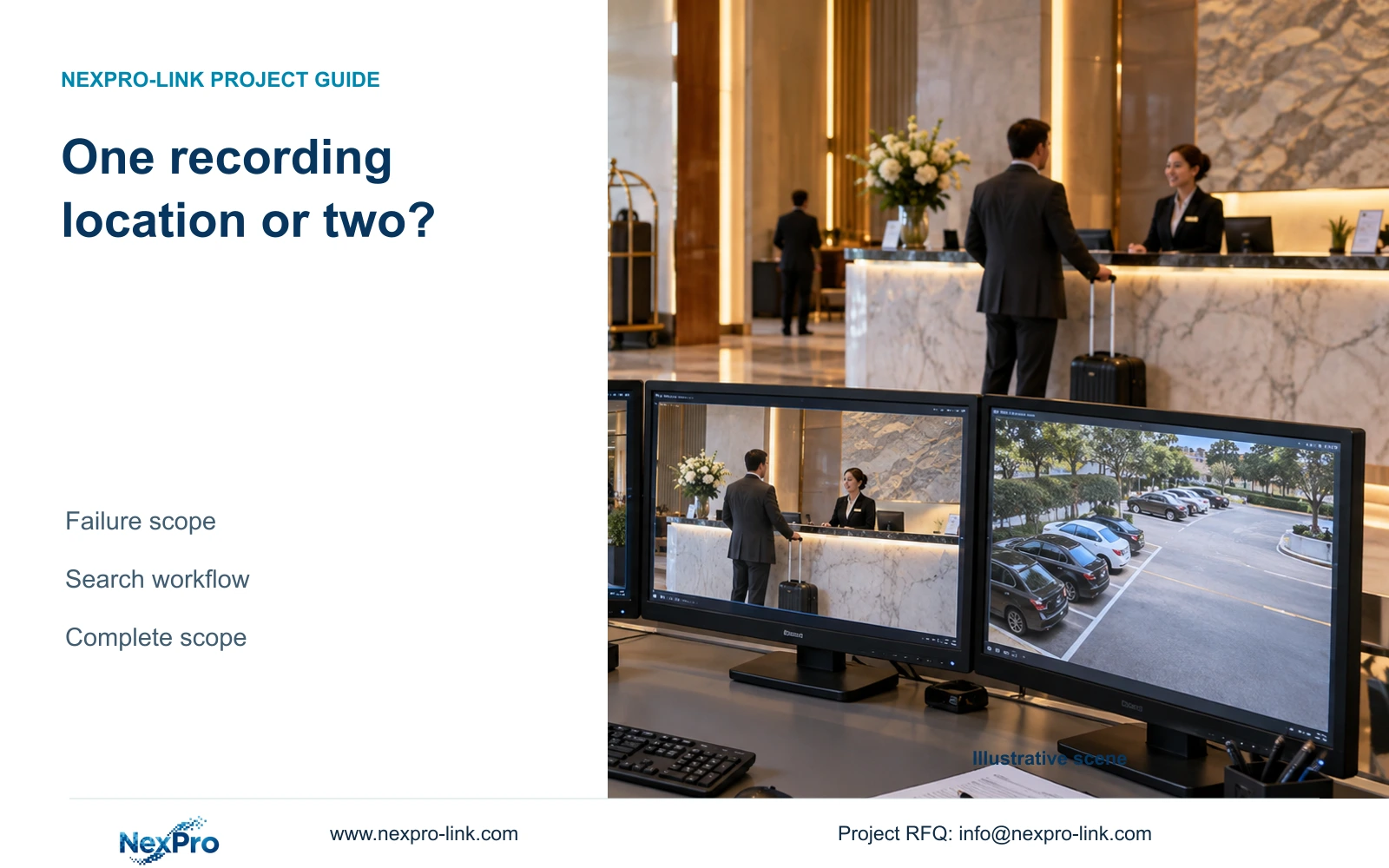
Compare complete recording and infrastructure scope.

Agree phased acceptance before the hotel opens.

Decision area 01

Brief and Owner Decisions

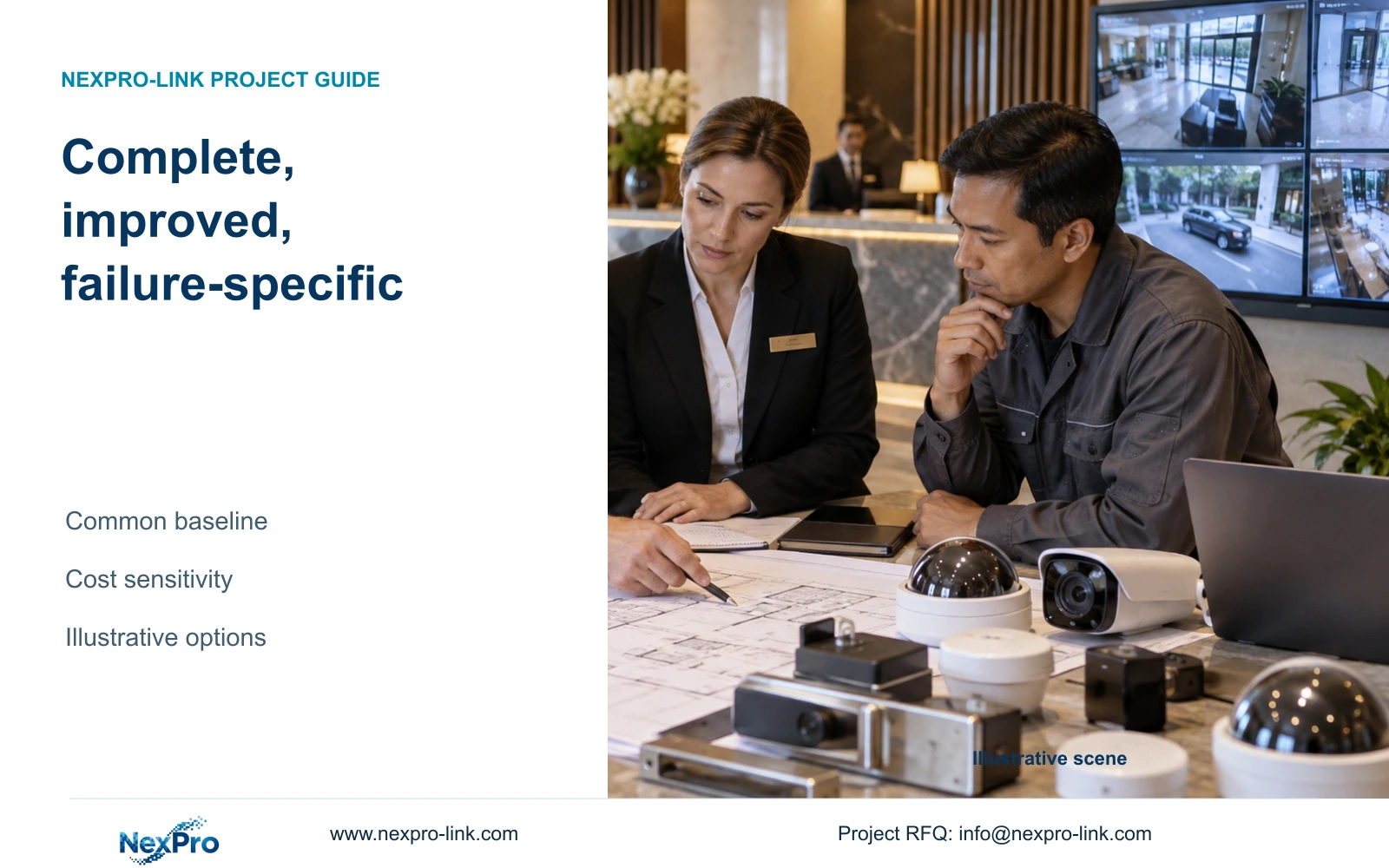
Freeze the required public-area tasks before selecting equipment. Compare packages against the same recording, retrieval and protected-power boundary, with optional displays priced separately.

10 guides

Decision area 02

Coverage and Lens Decisions

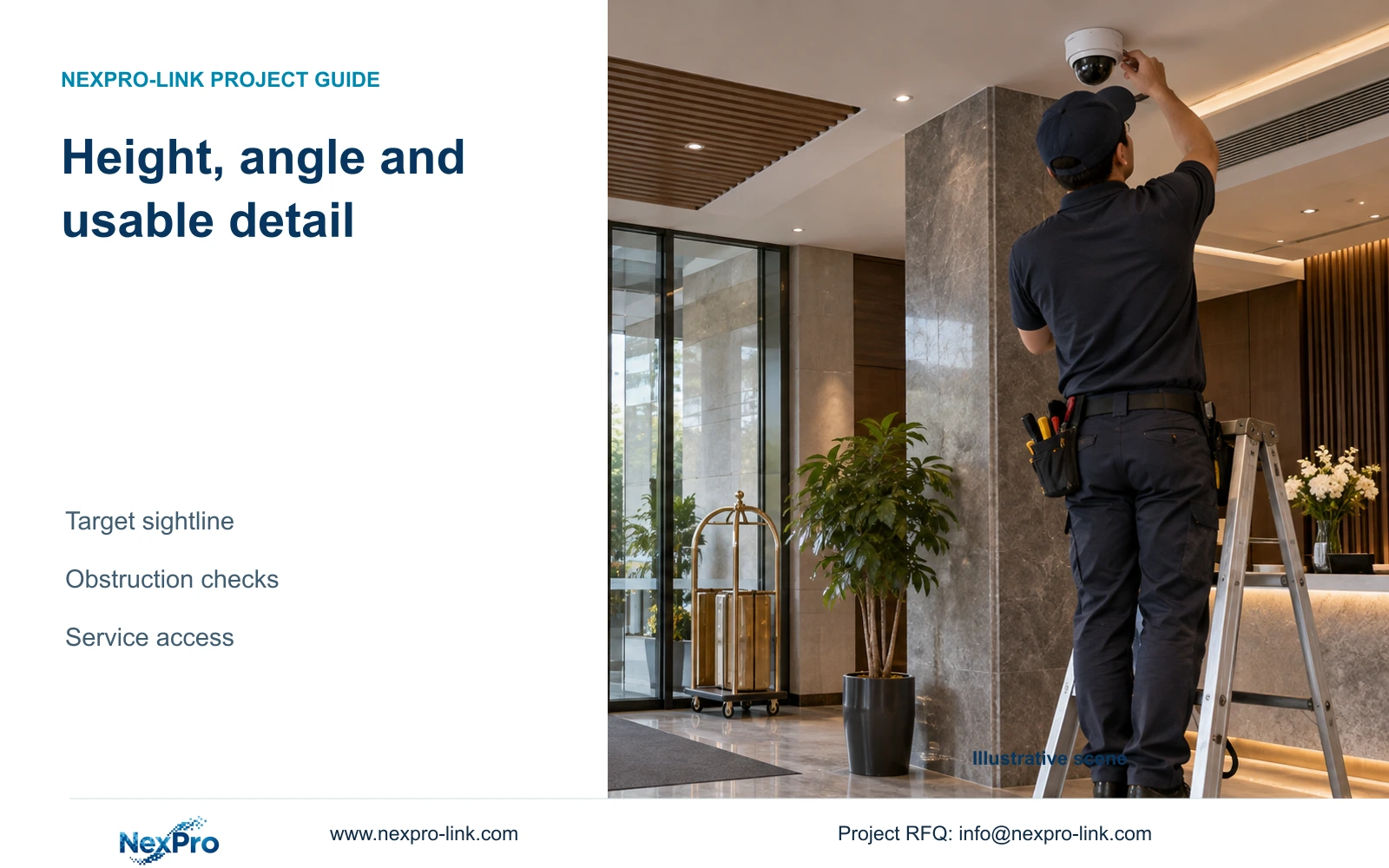
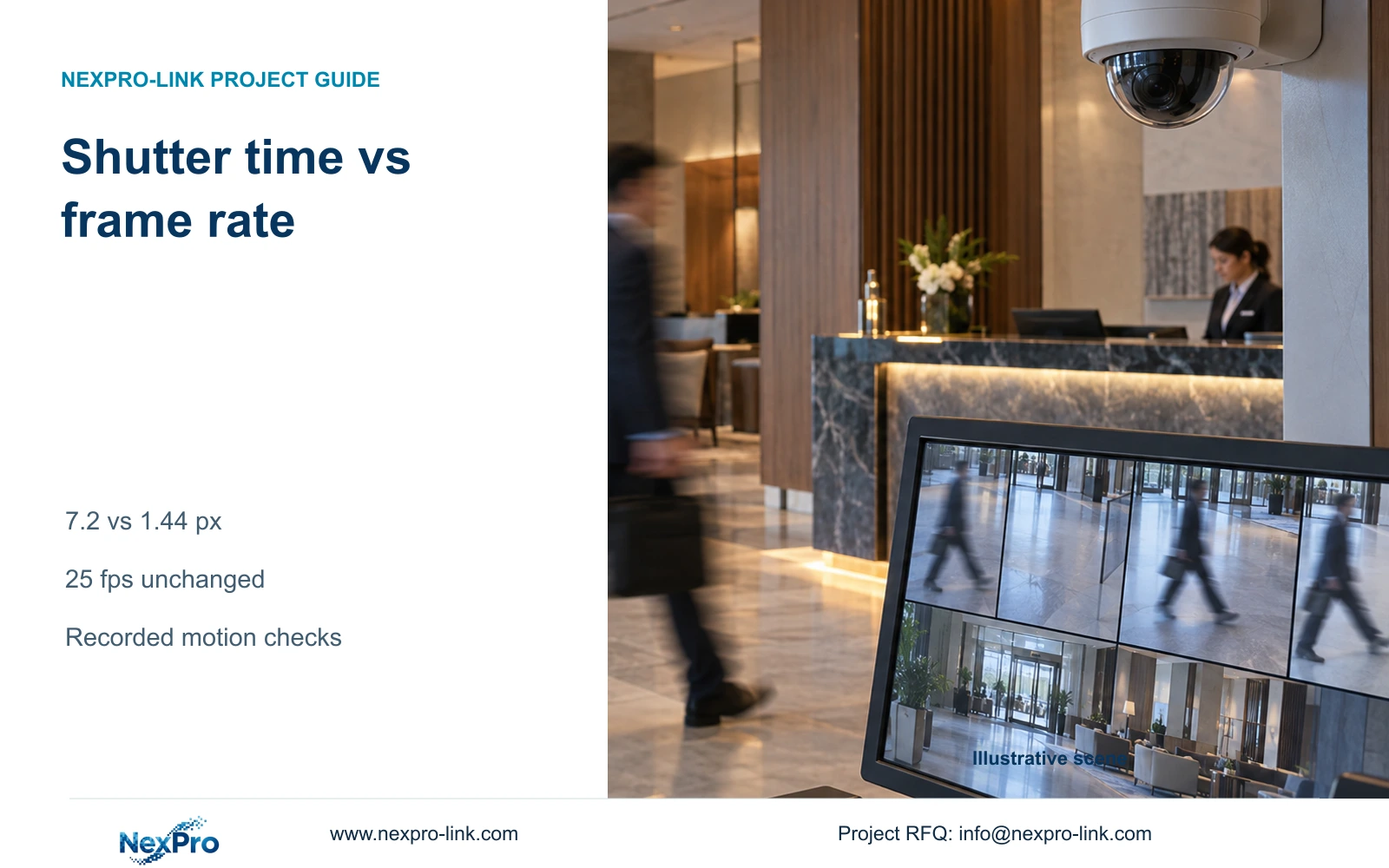
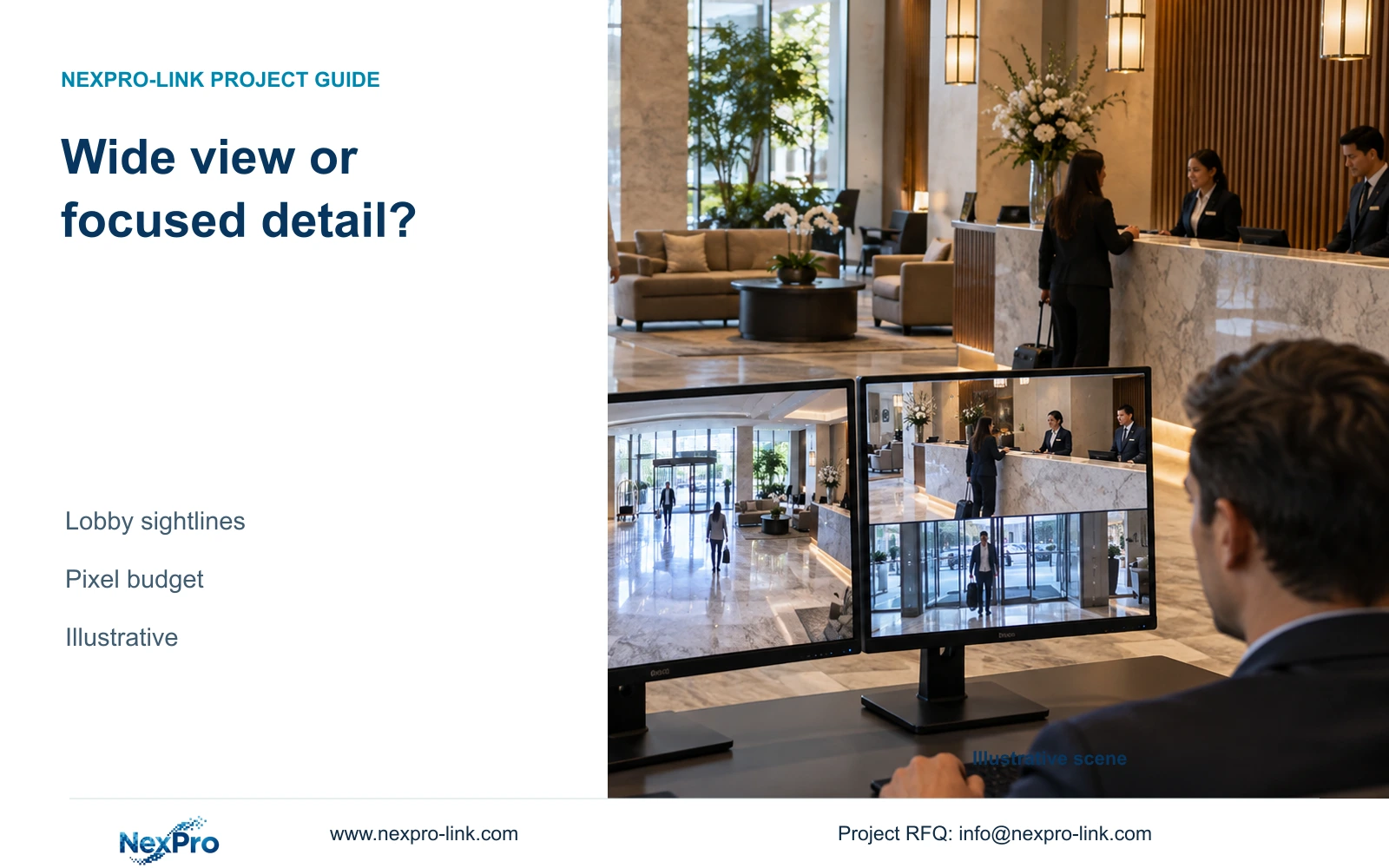
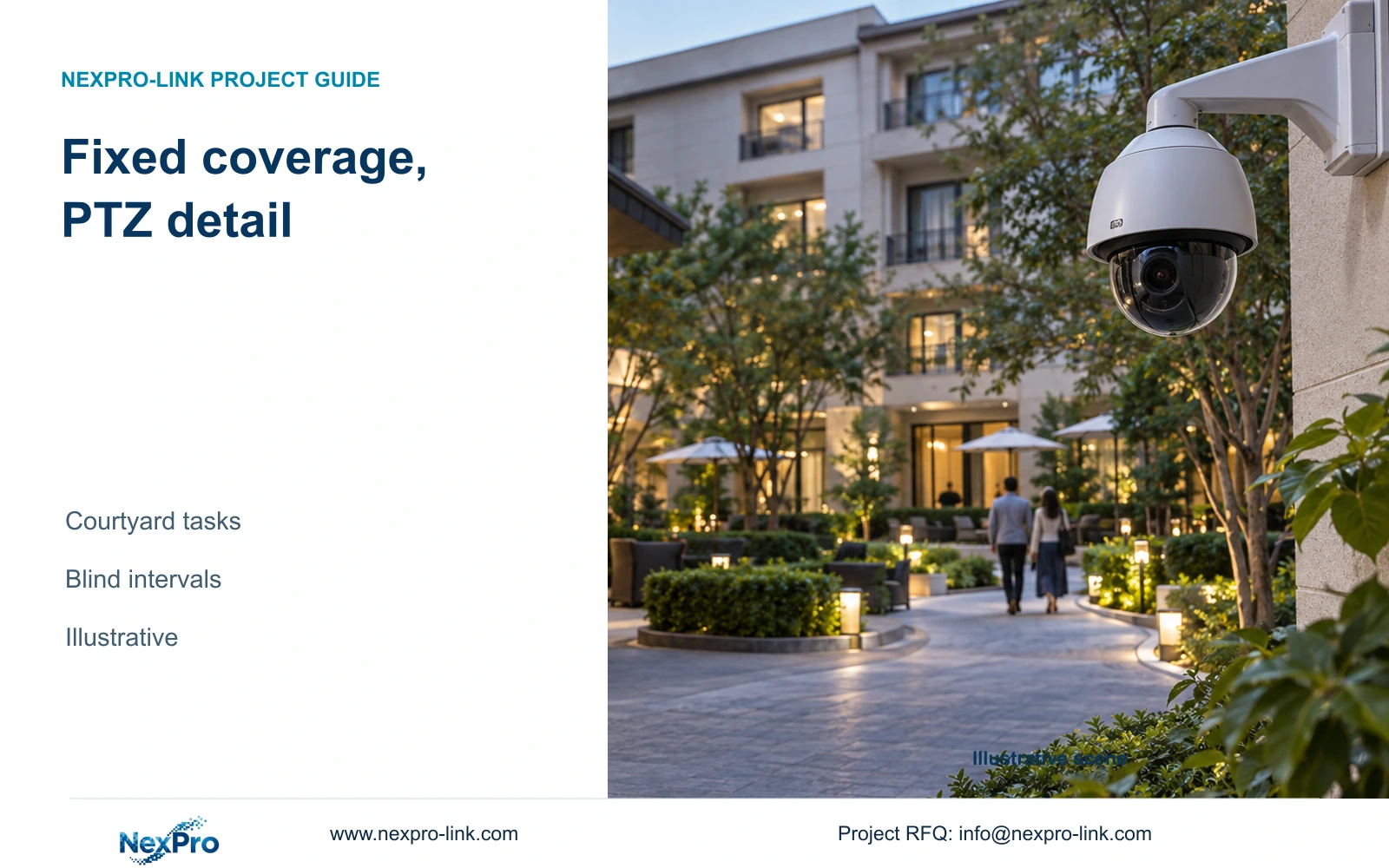
Choose hotel camera positions and lenses from the width of the required target view. A higher pixel count helps only when the geometry and recorded image support the observation task.

10 guides

Decision area 03

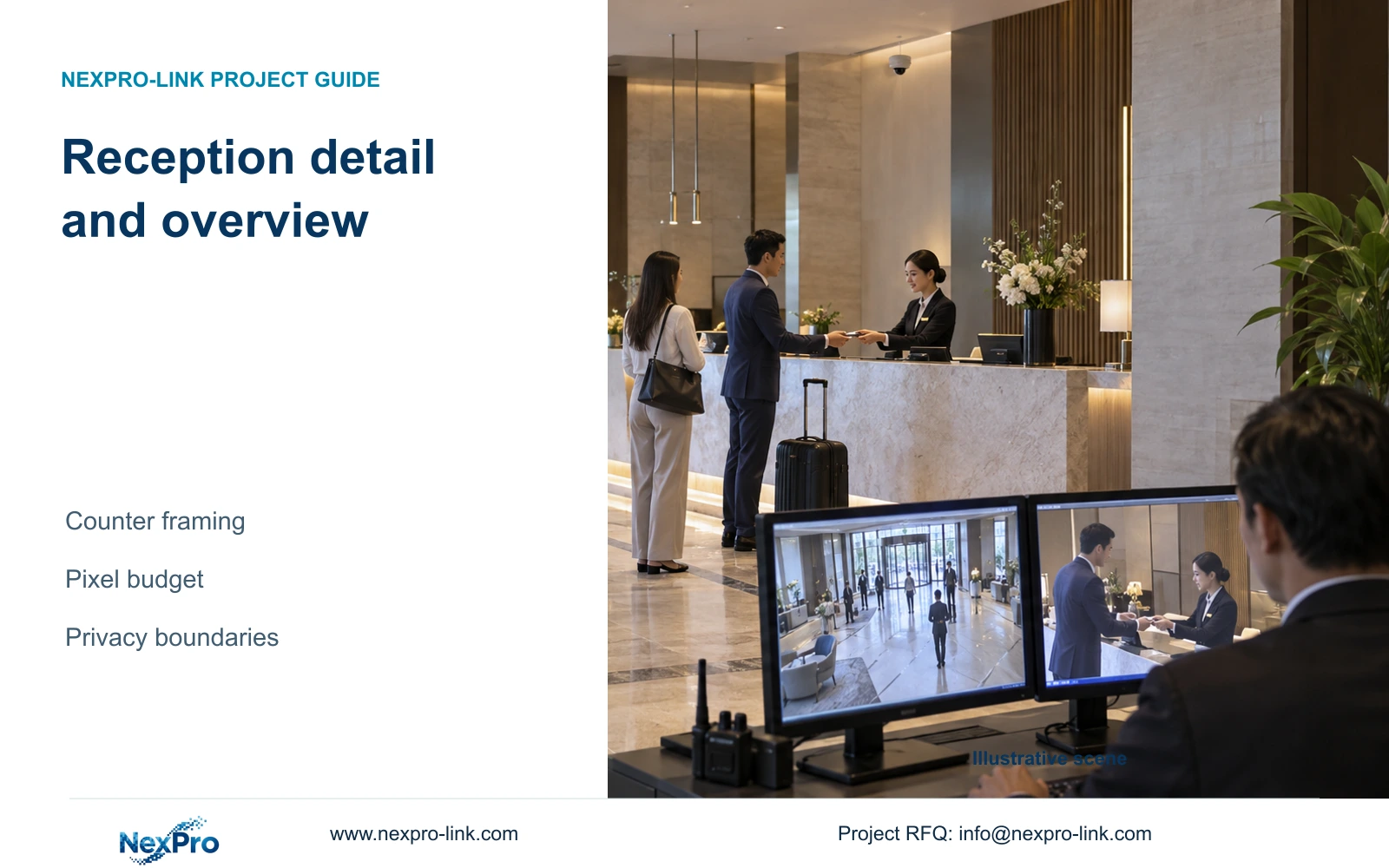
Lobby and Reception

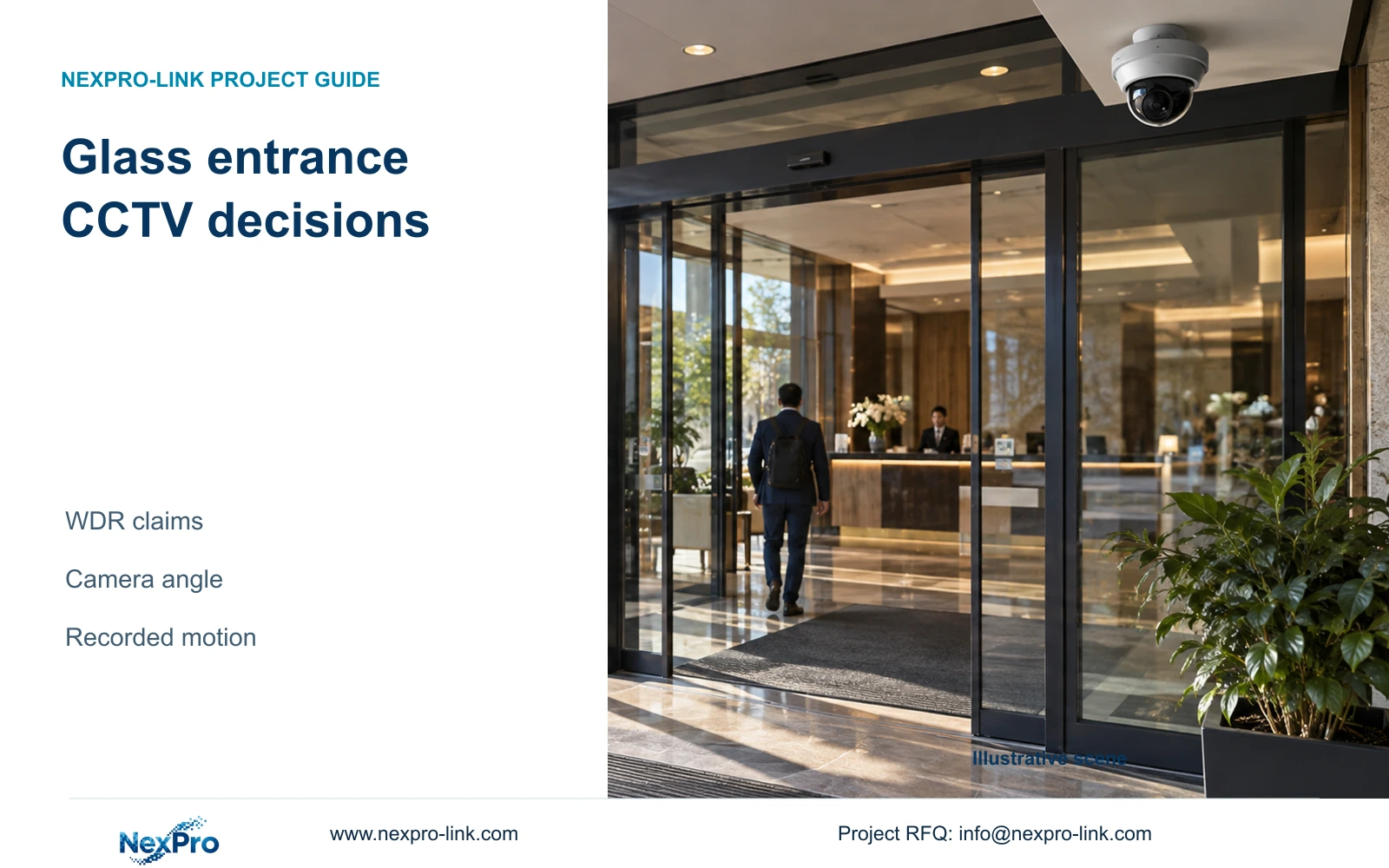
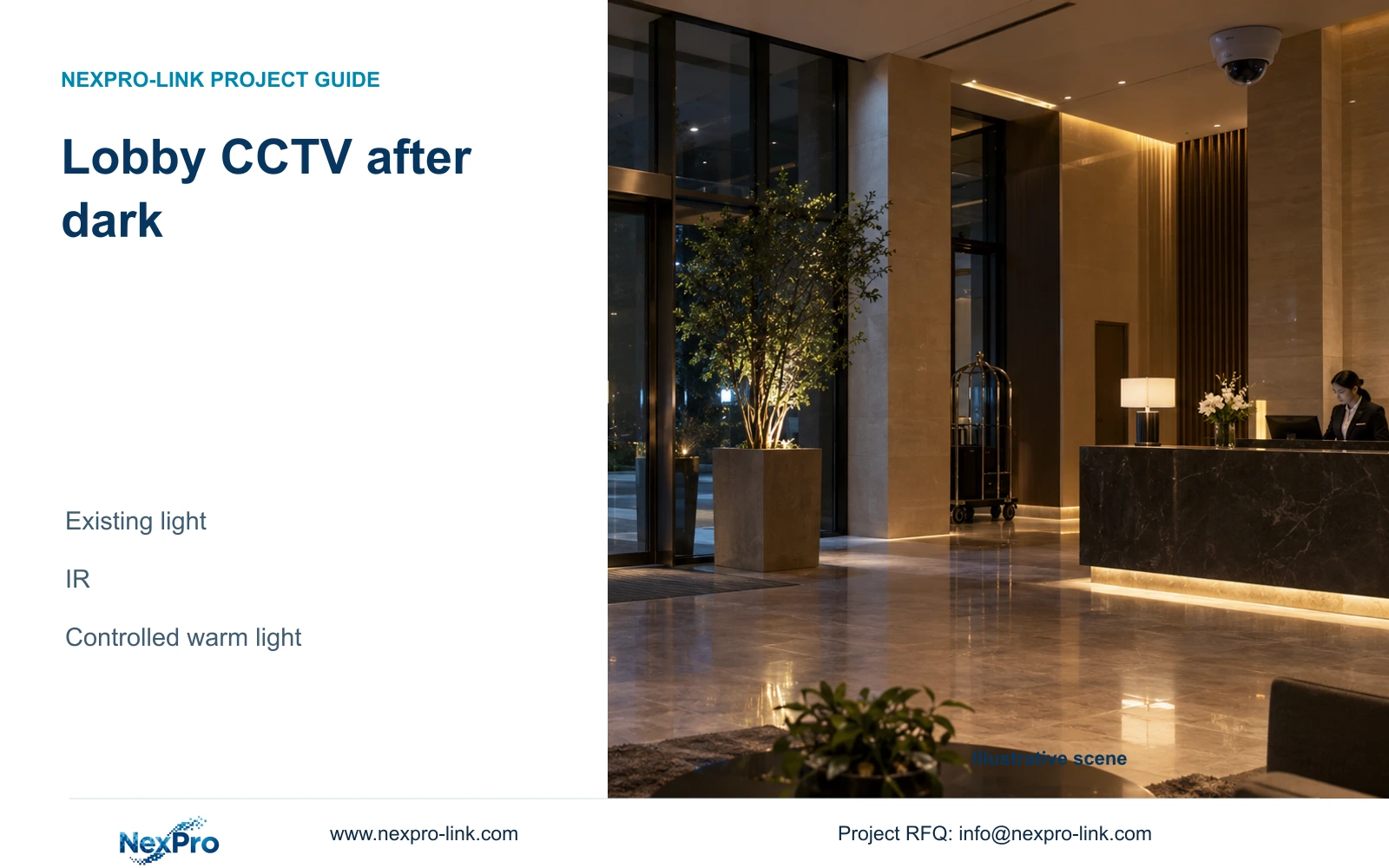
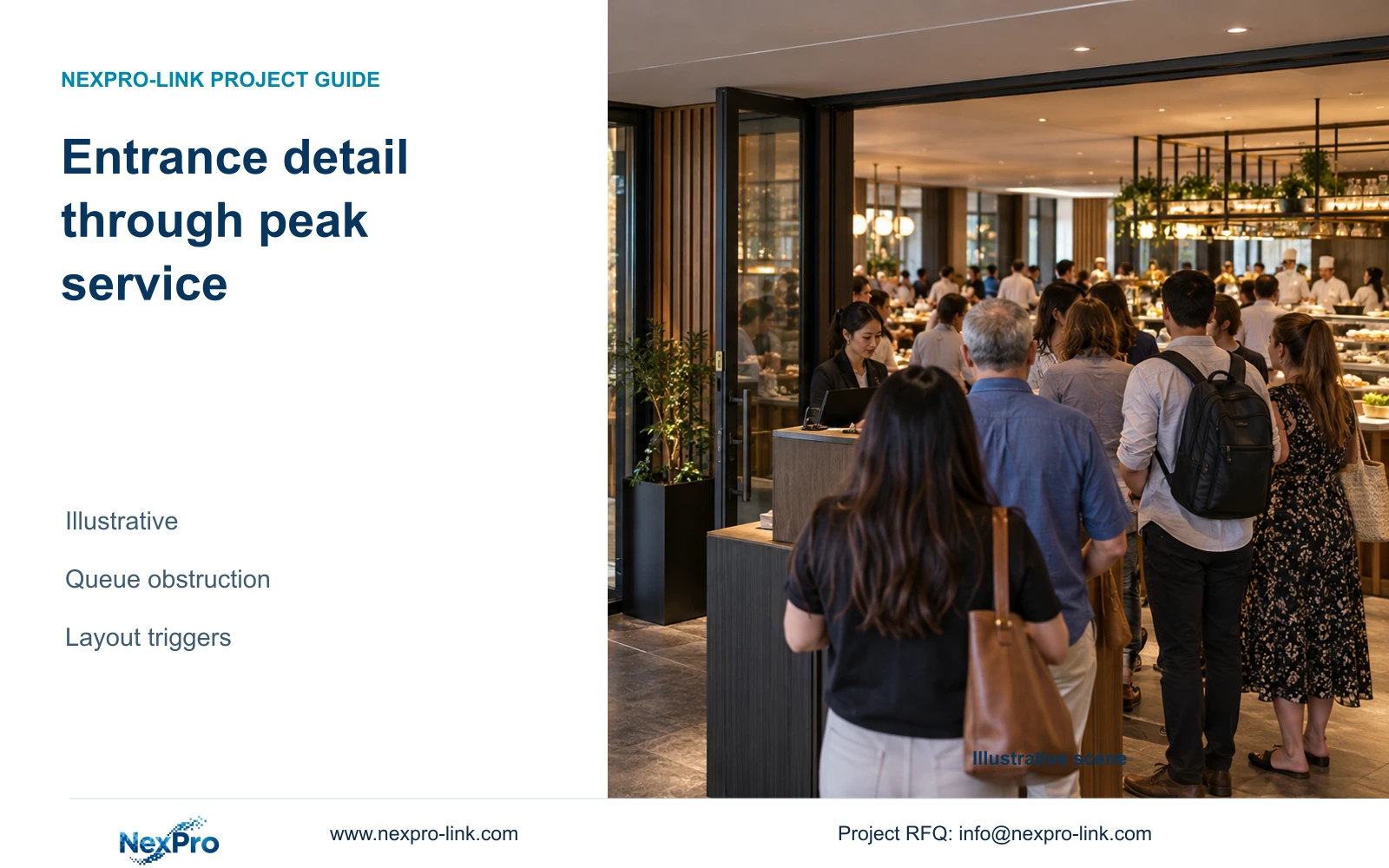
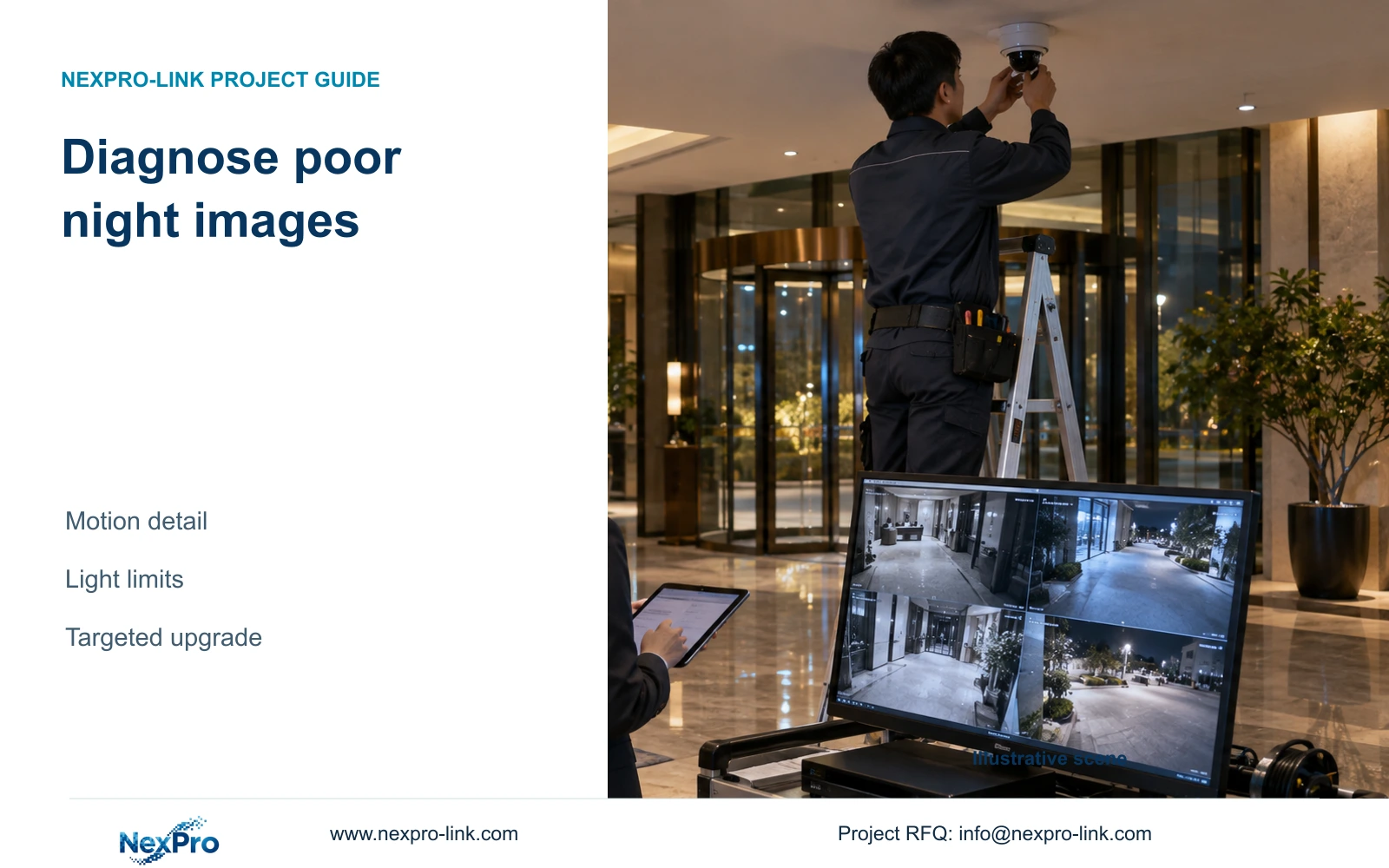
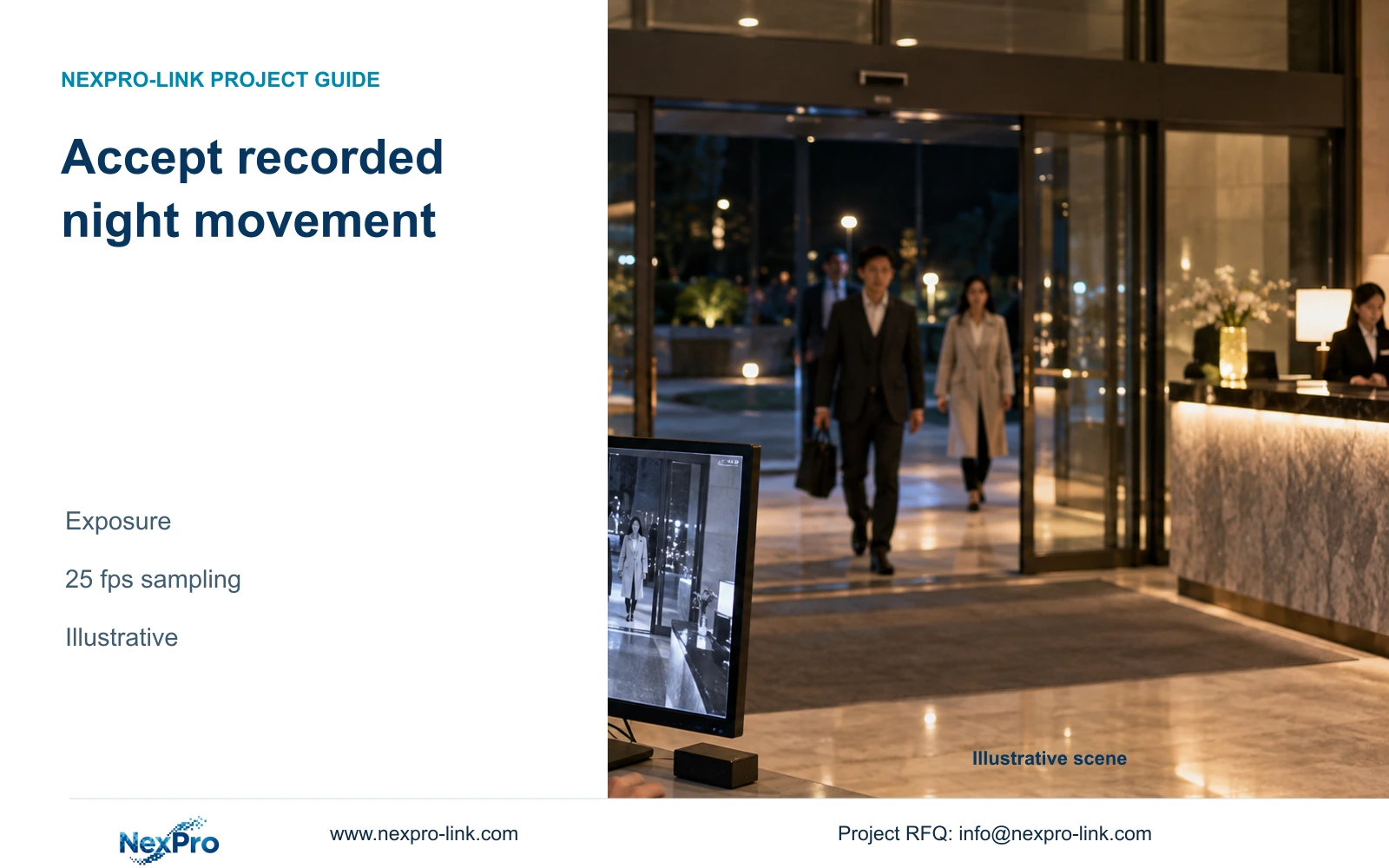
For a glazed hotel entrance, check the required target, camera angle and recorded exposure before replacing equipment. Reserve higher dynamic-range requirements for positions that need them.

10 guides

Decision area 04

Guest Floors and Corridors

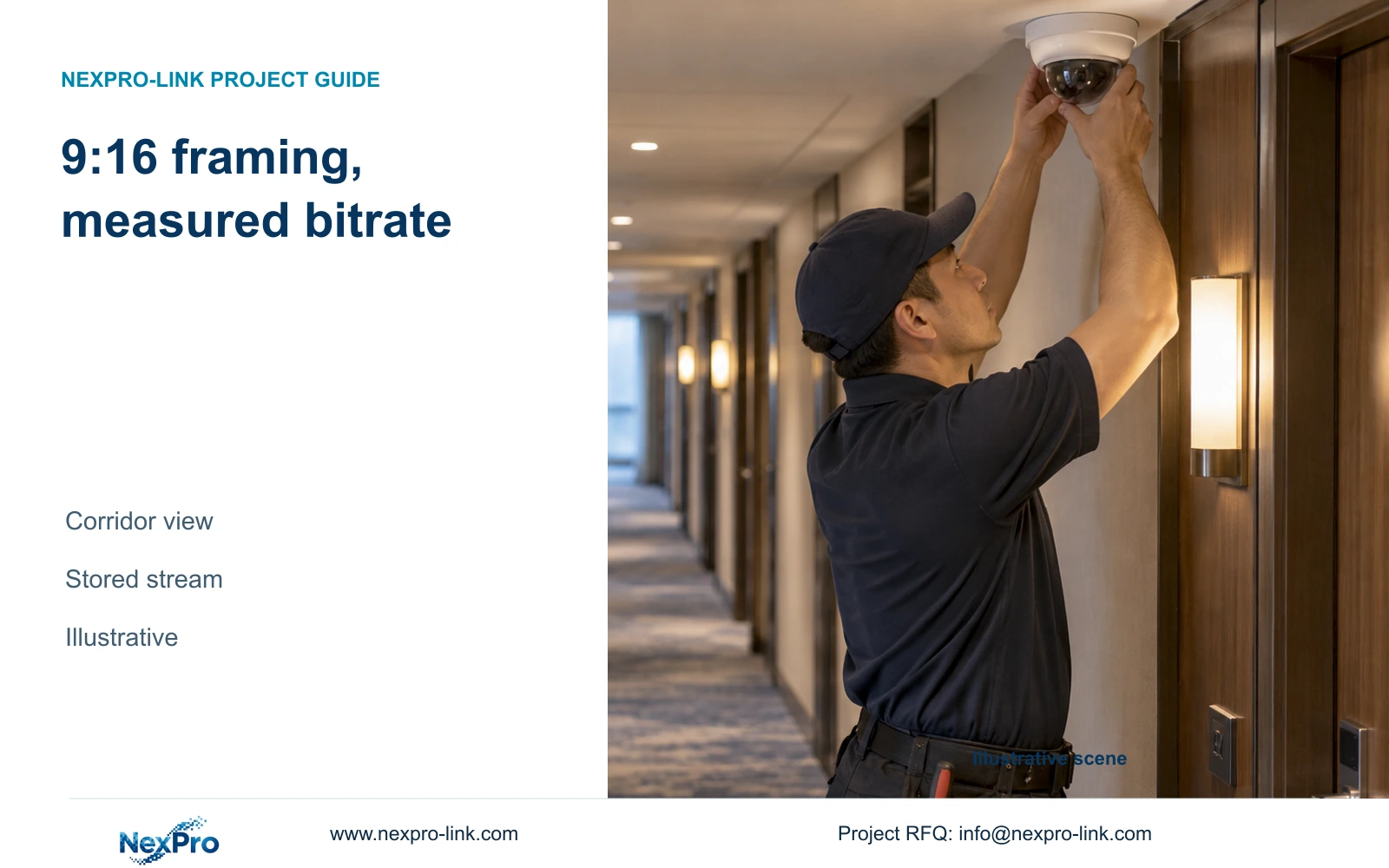
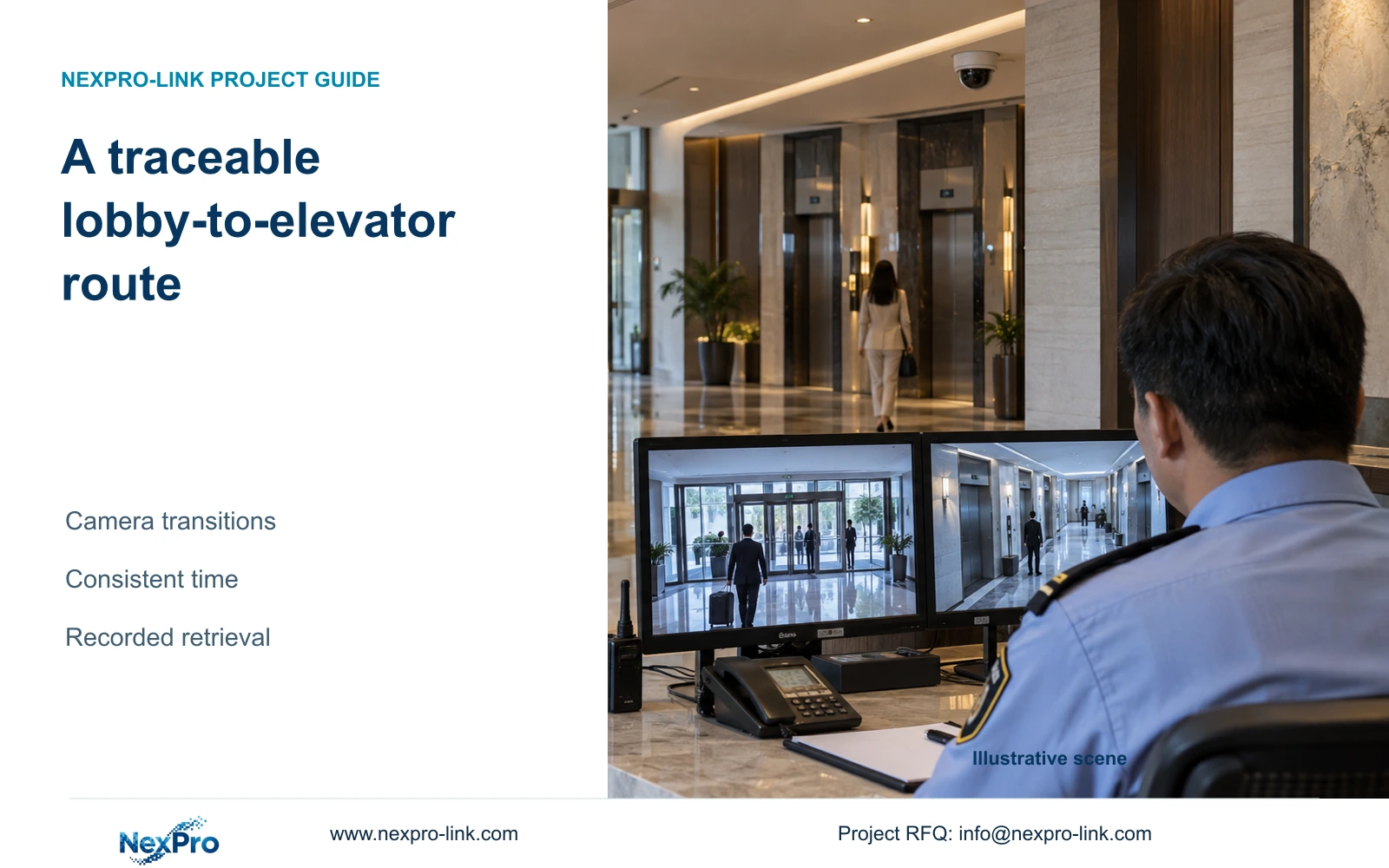
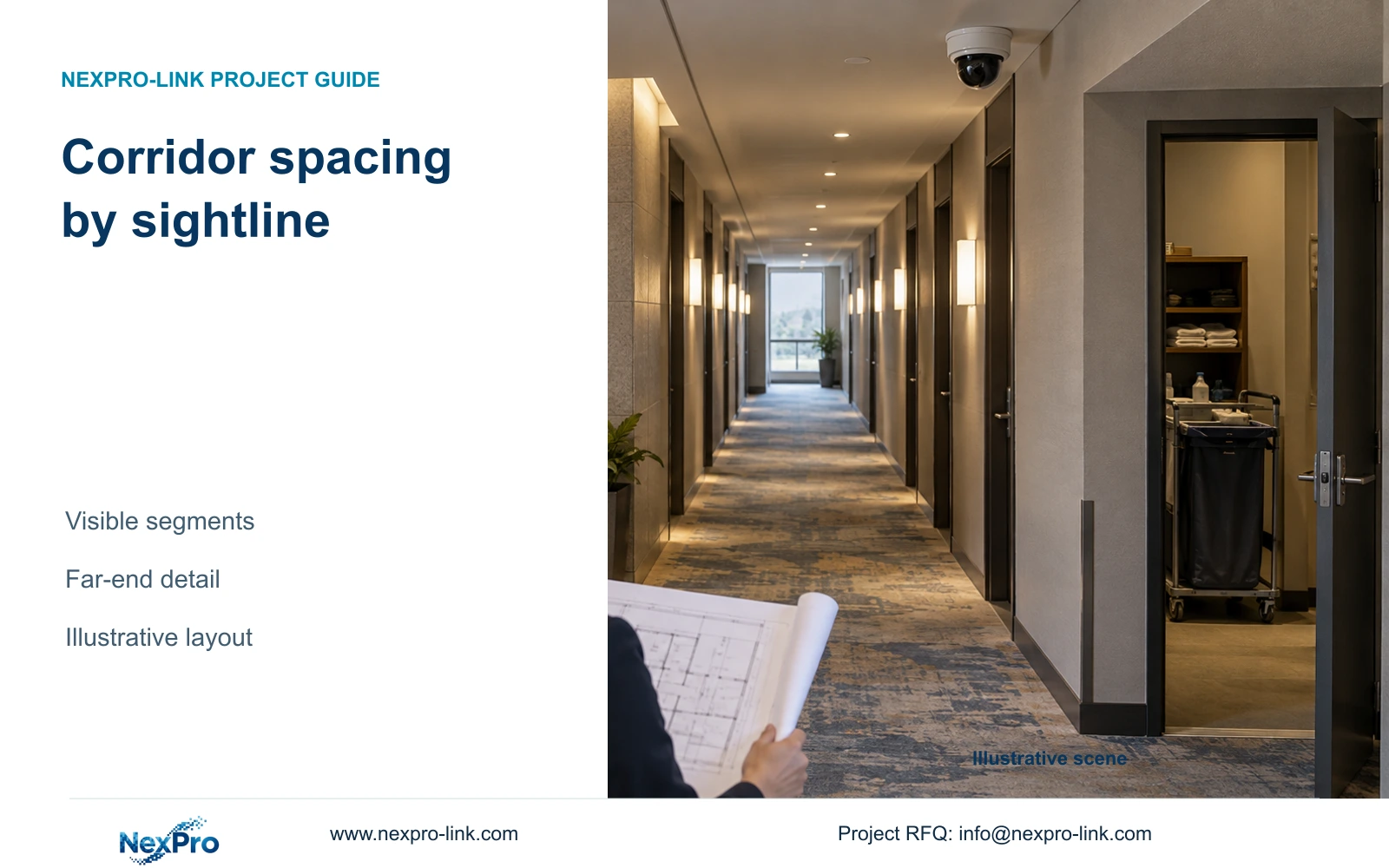
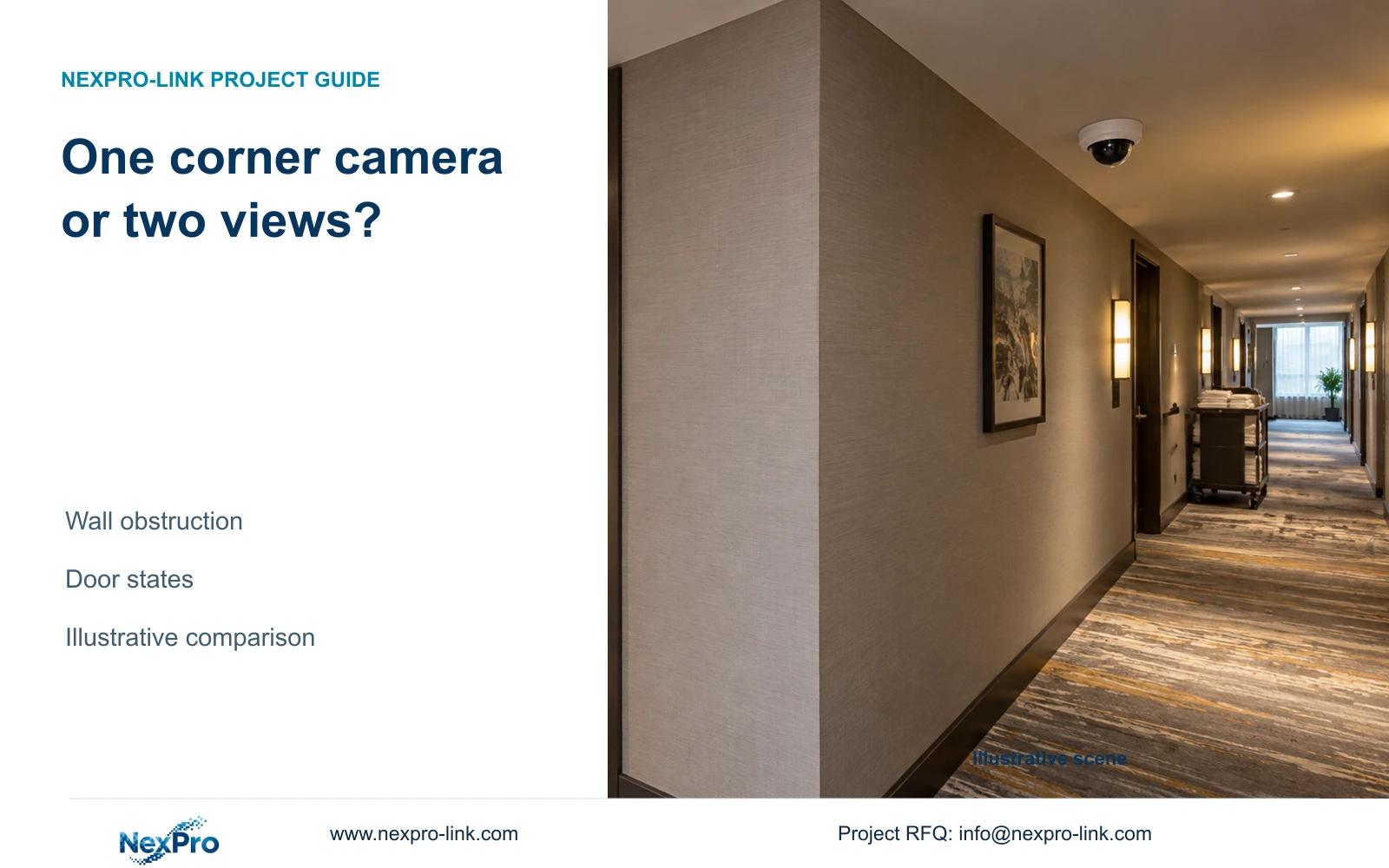
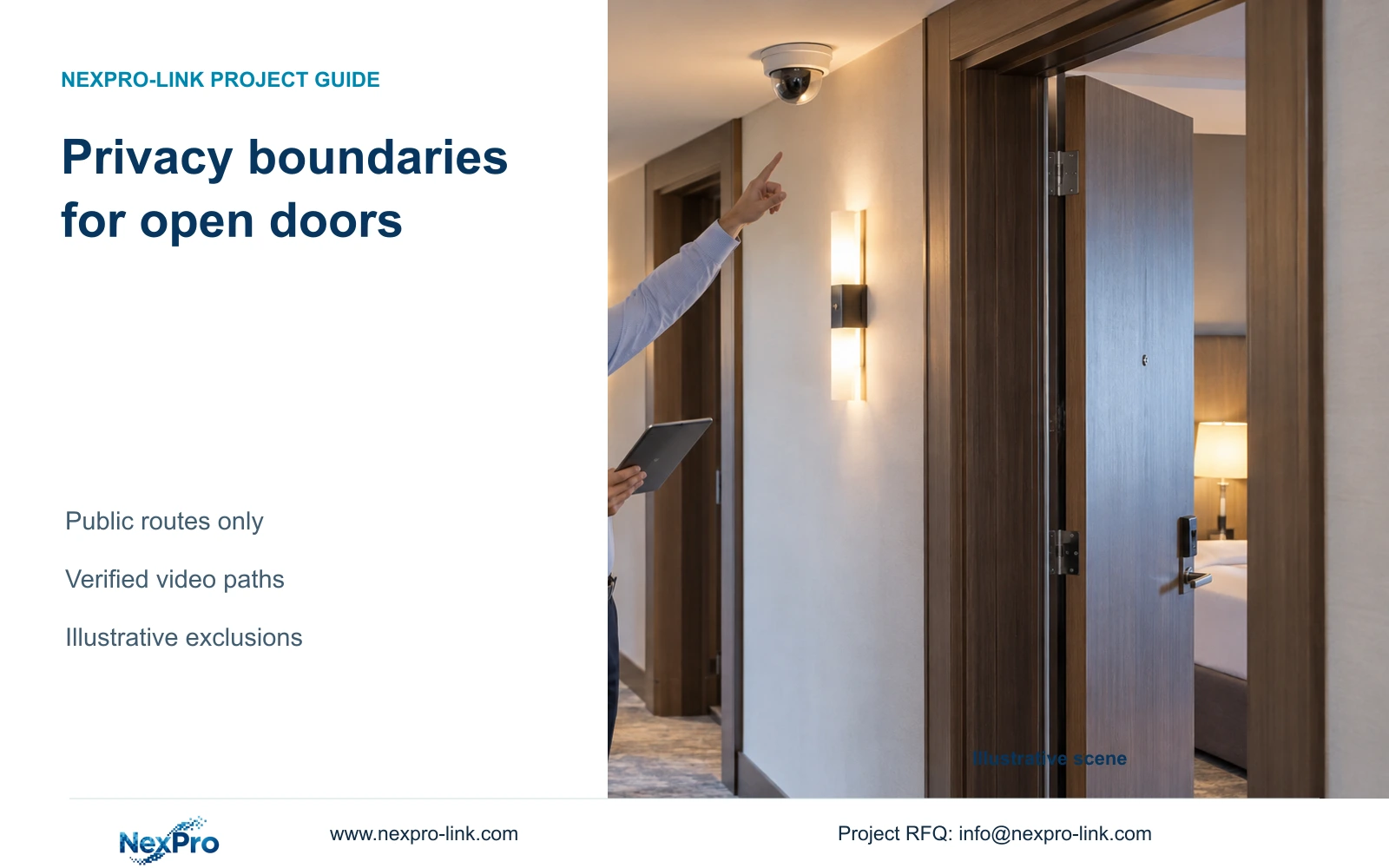
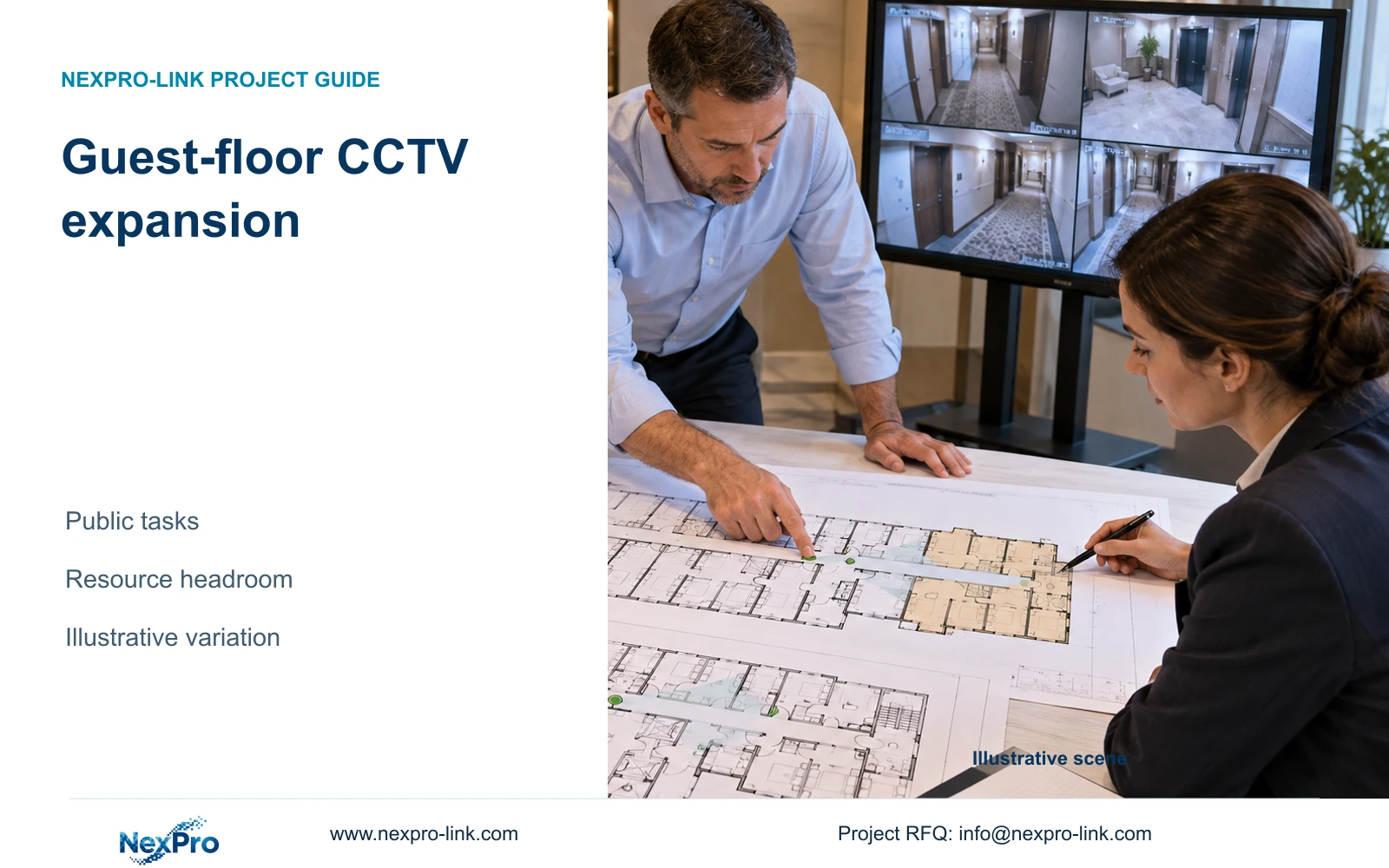
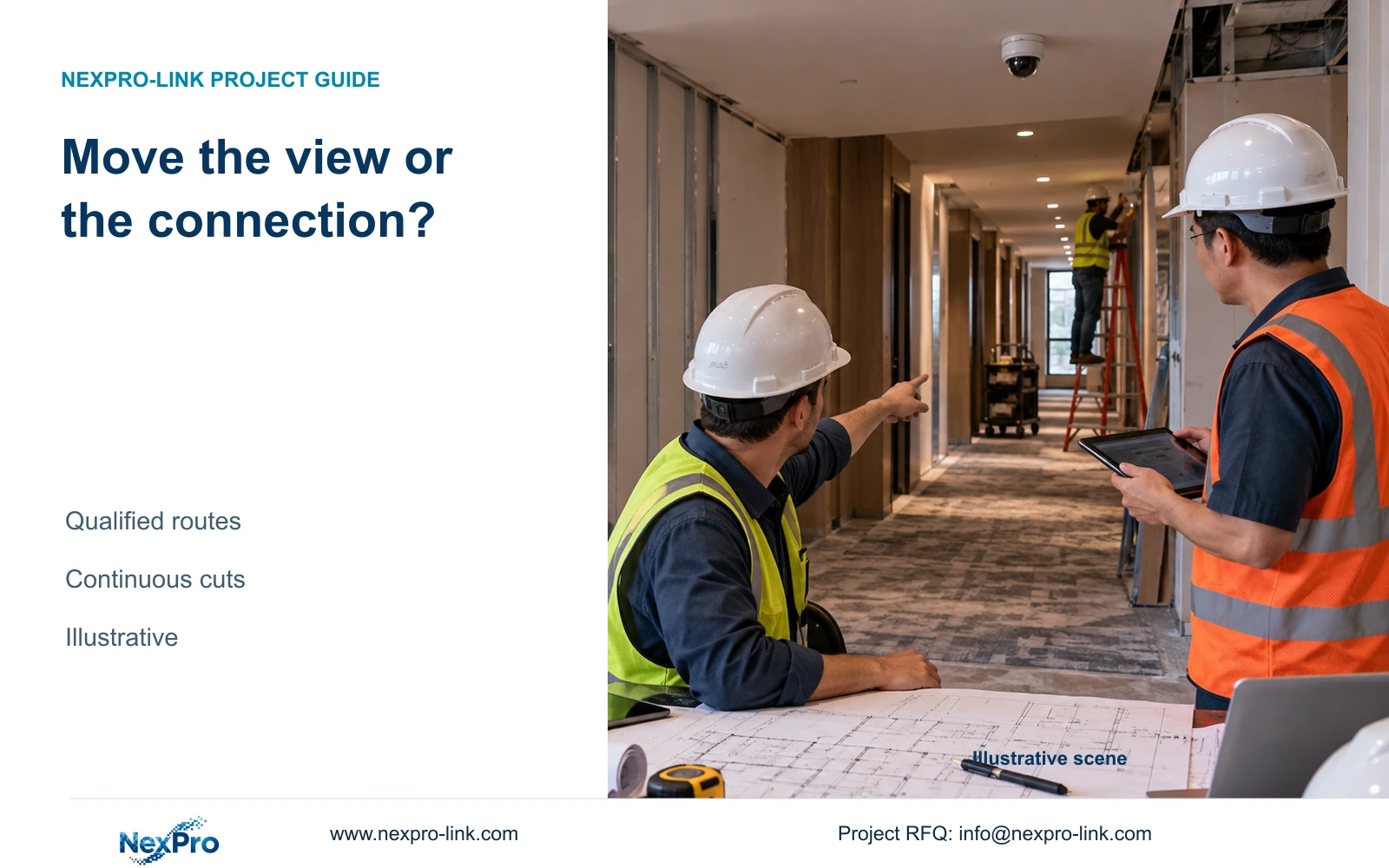
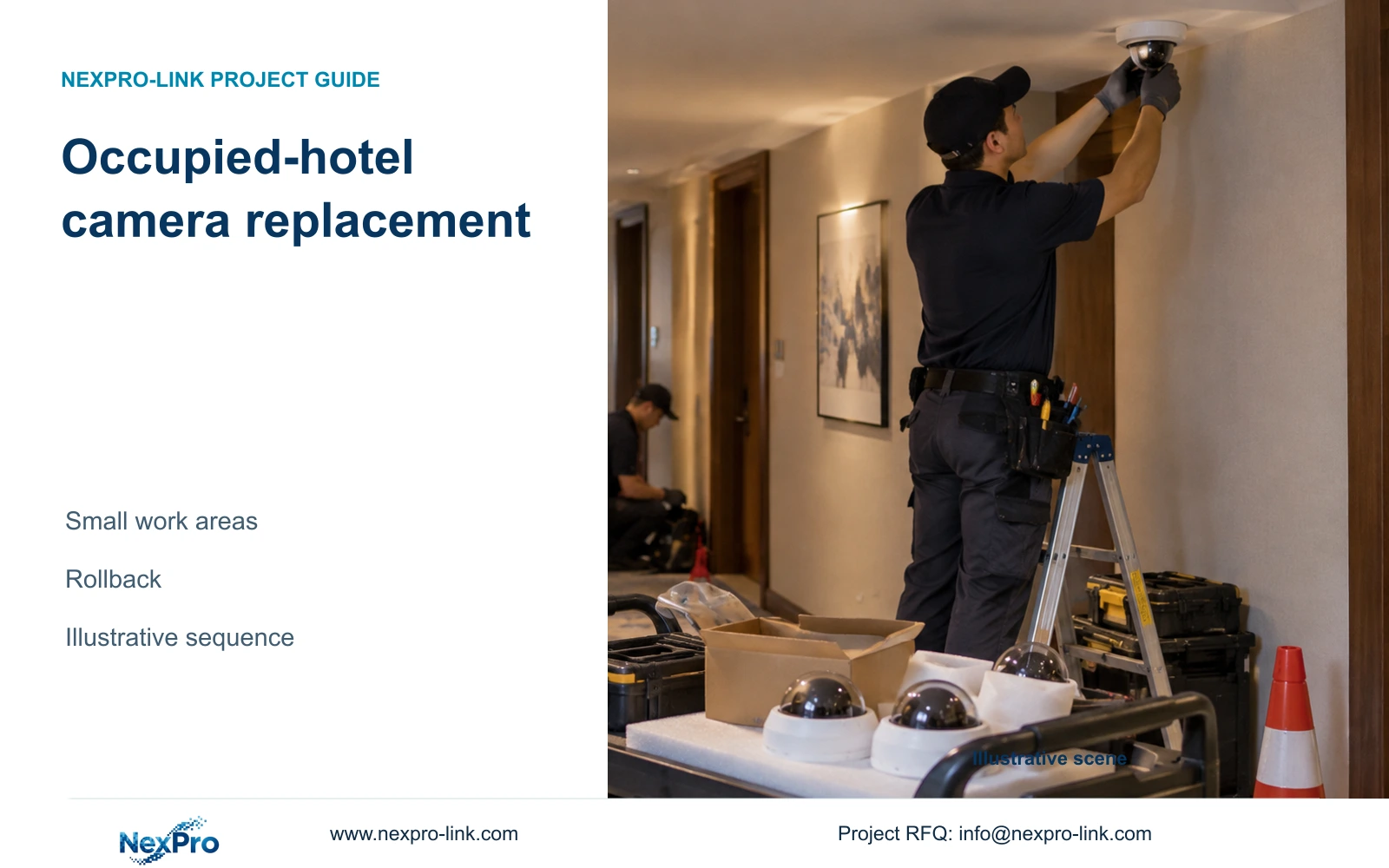
Divide a long hotel corridor into visible task segments before setting camera spacing. Door recesses, far-end detail and open-door privacy can change the layout.
10 guides

Decision area 05

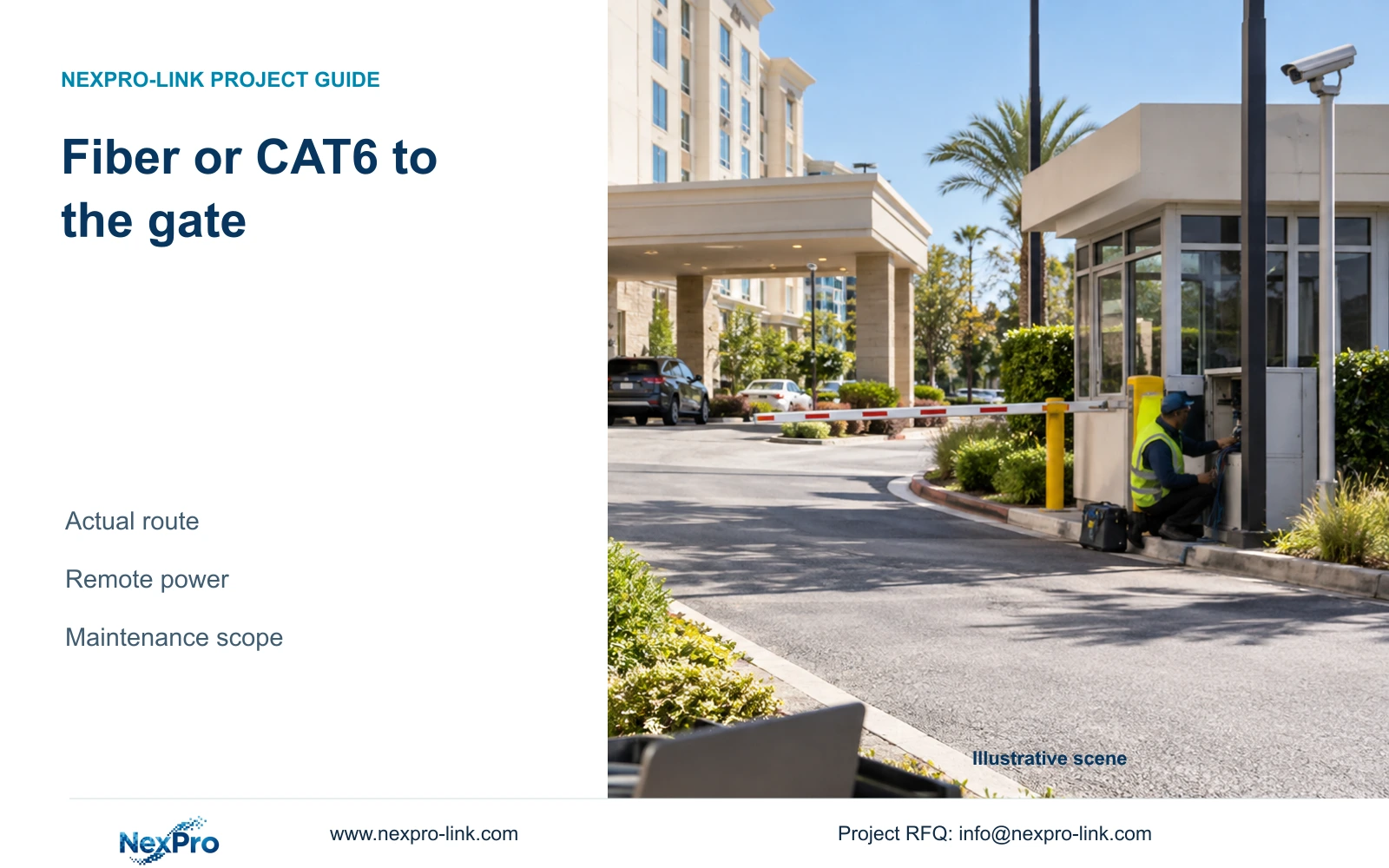
Parking and Gatehouse

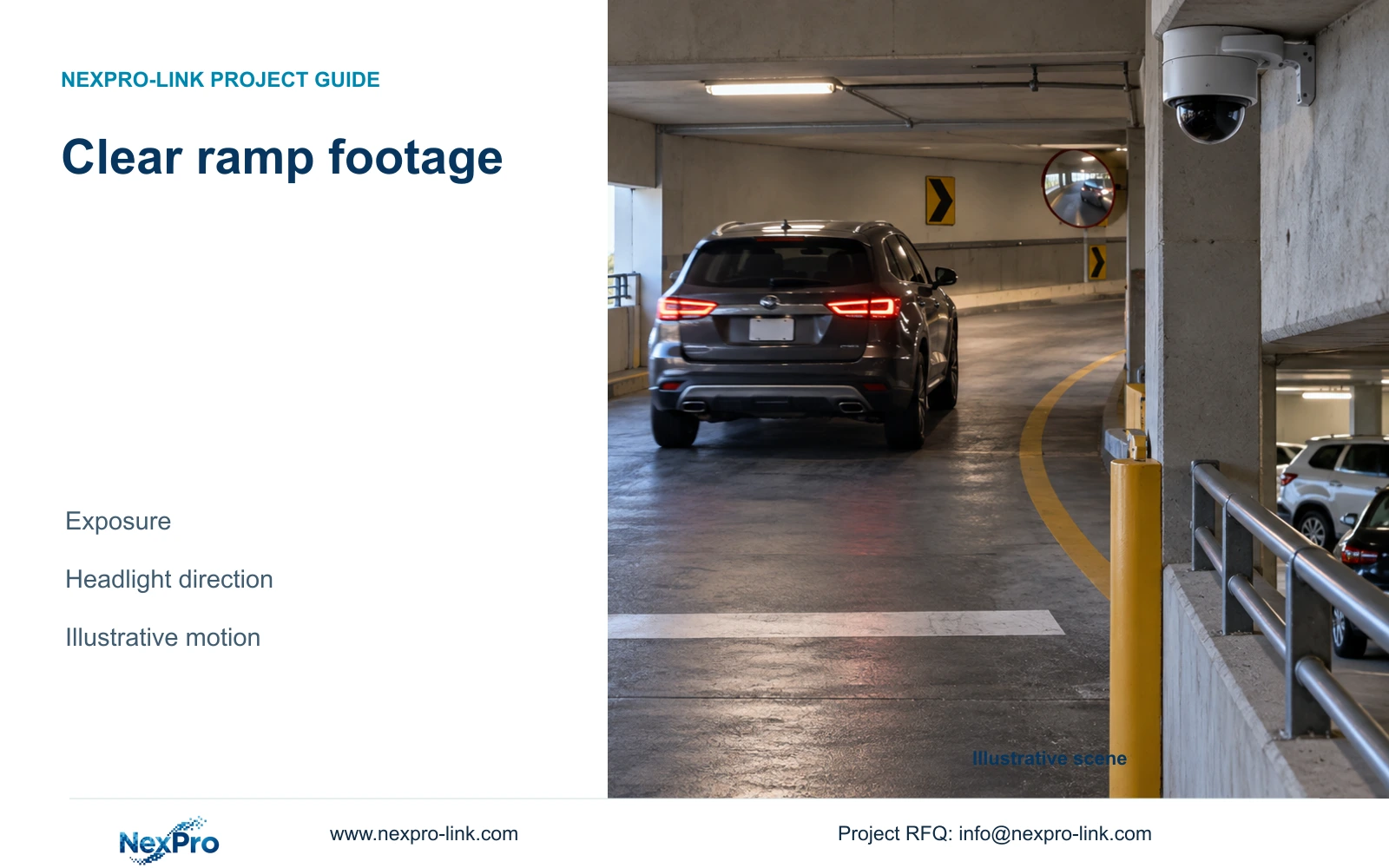
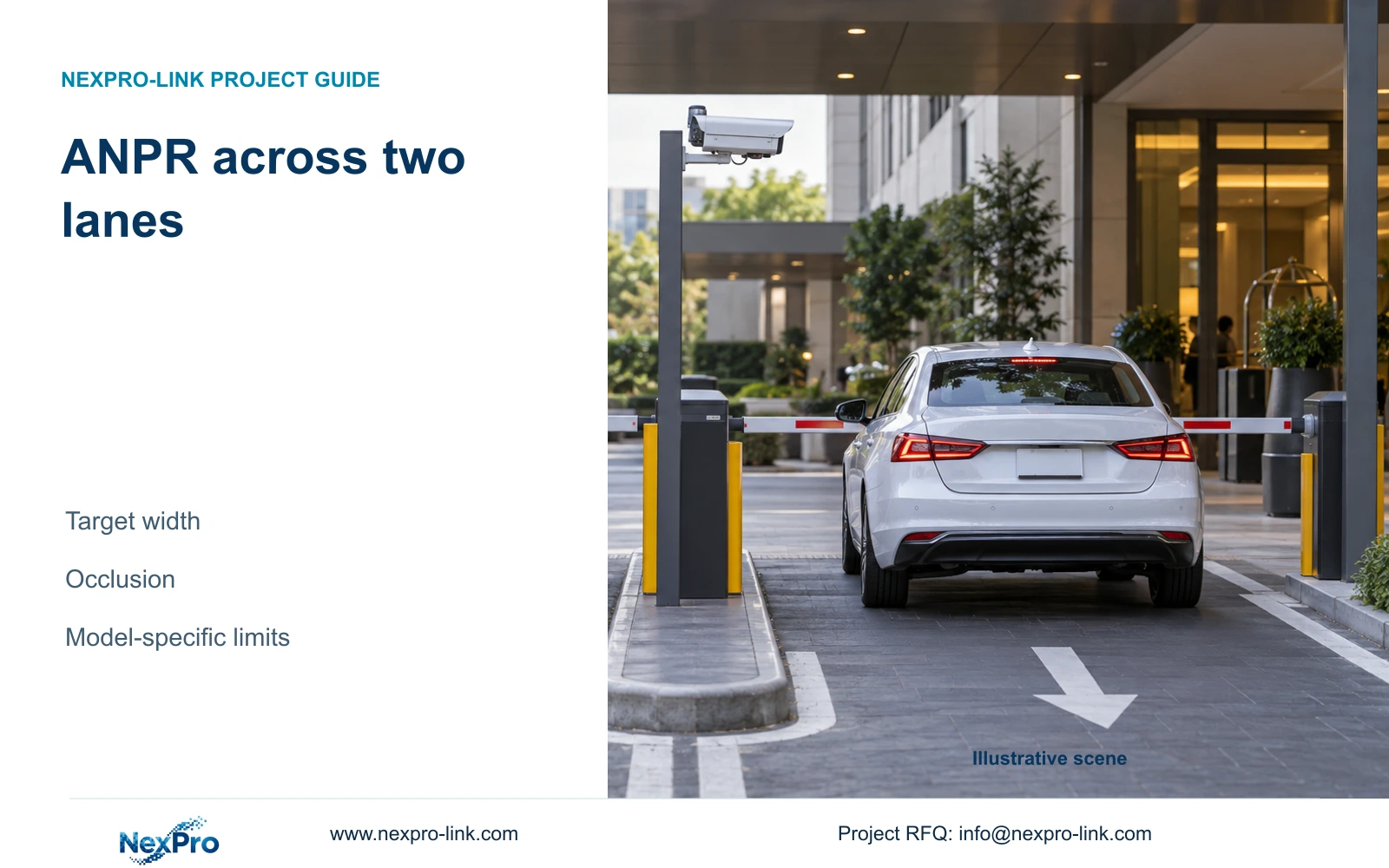
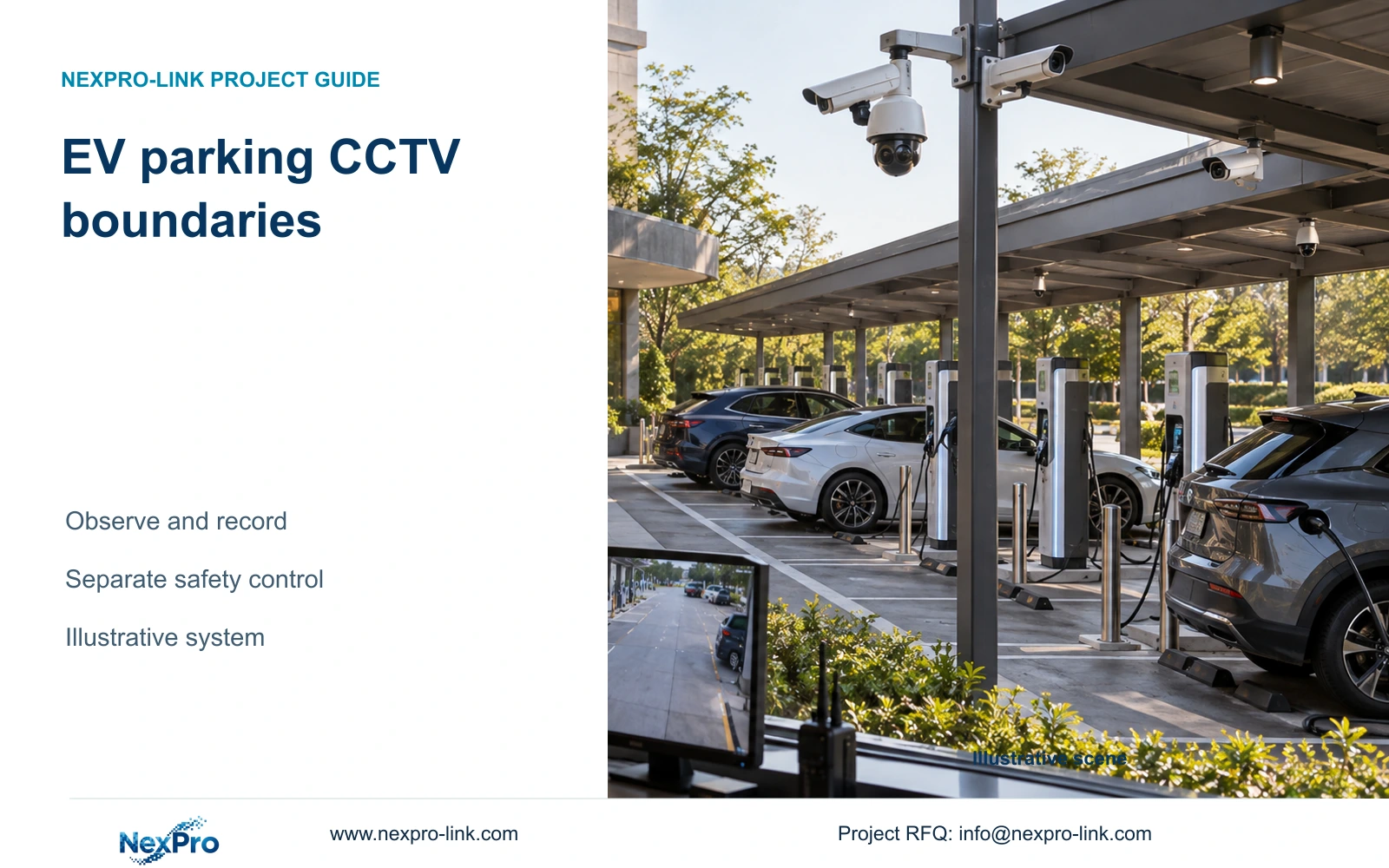
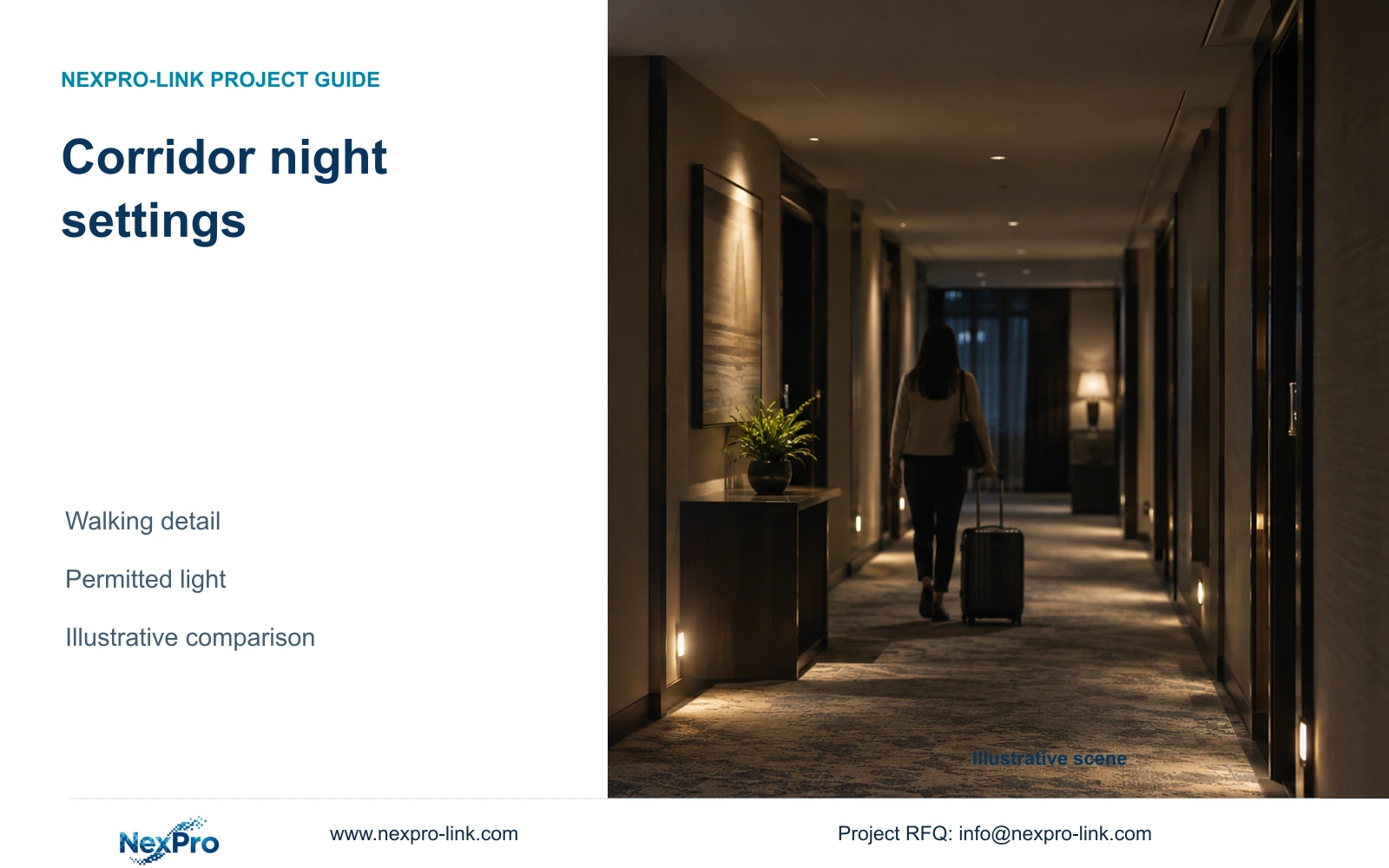
Use CCTV for parking overview and recorded context, dedicated ANPR for authorized plate recognition, and a separately defined controller for barrier operation.

10 guides

Decision area 06

Back-of-House Security

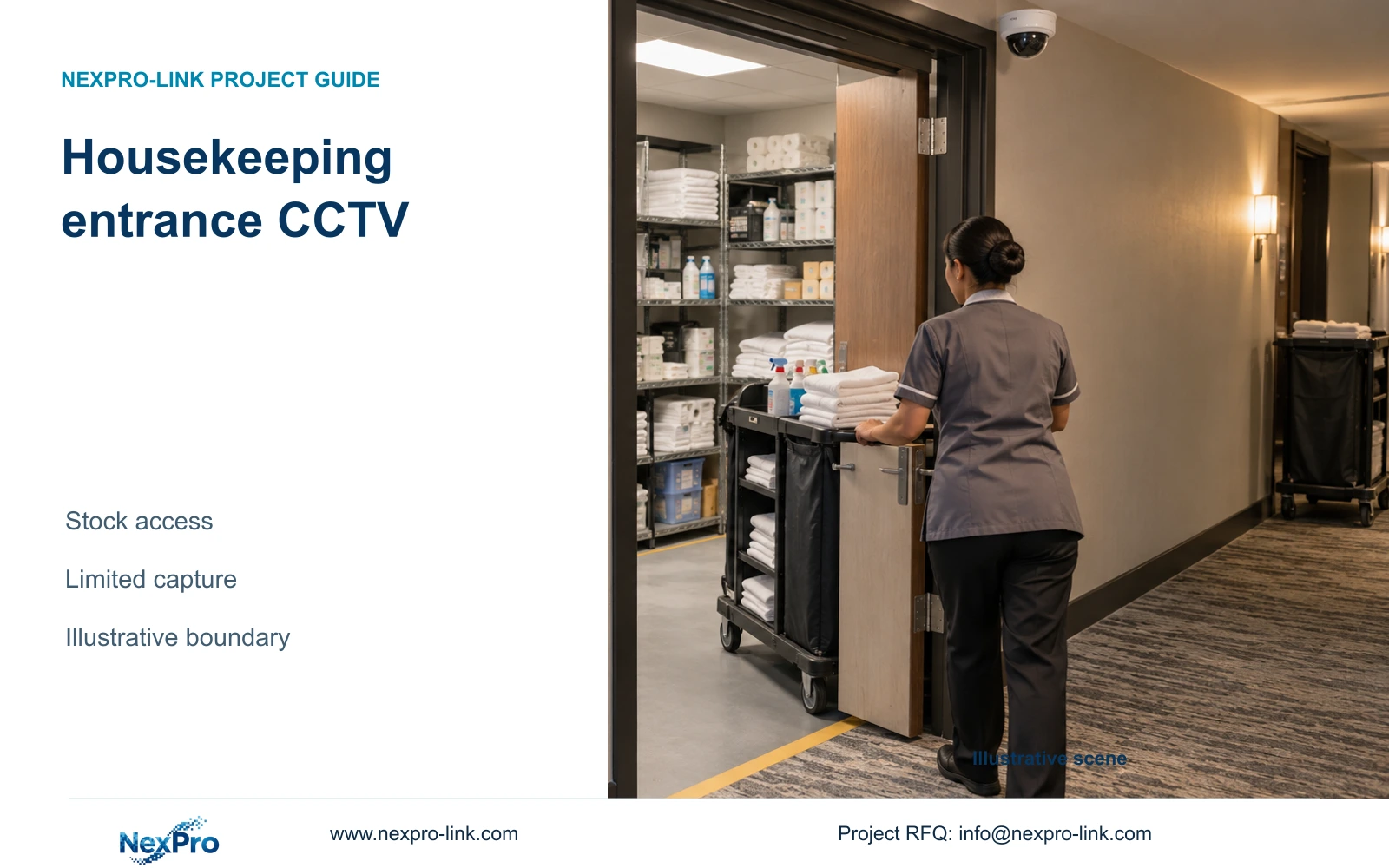
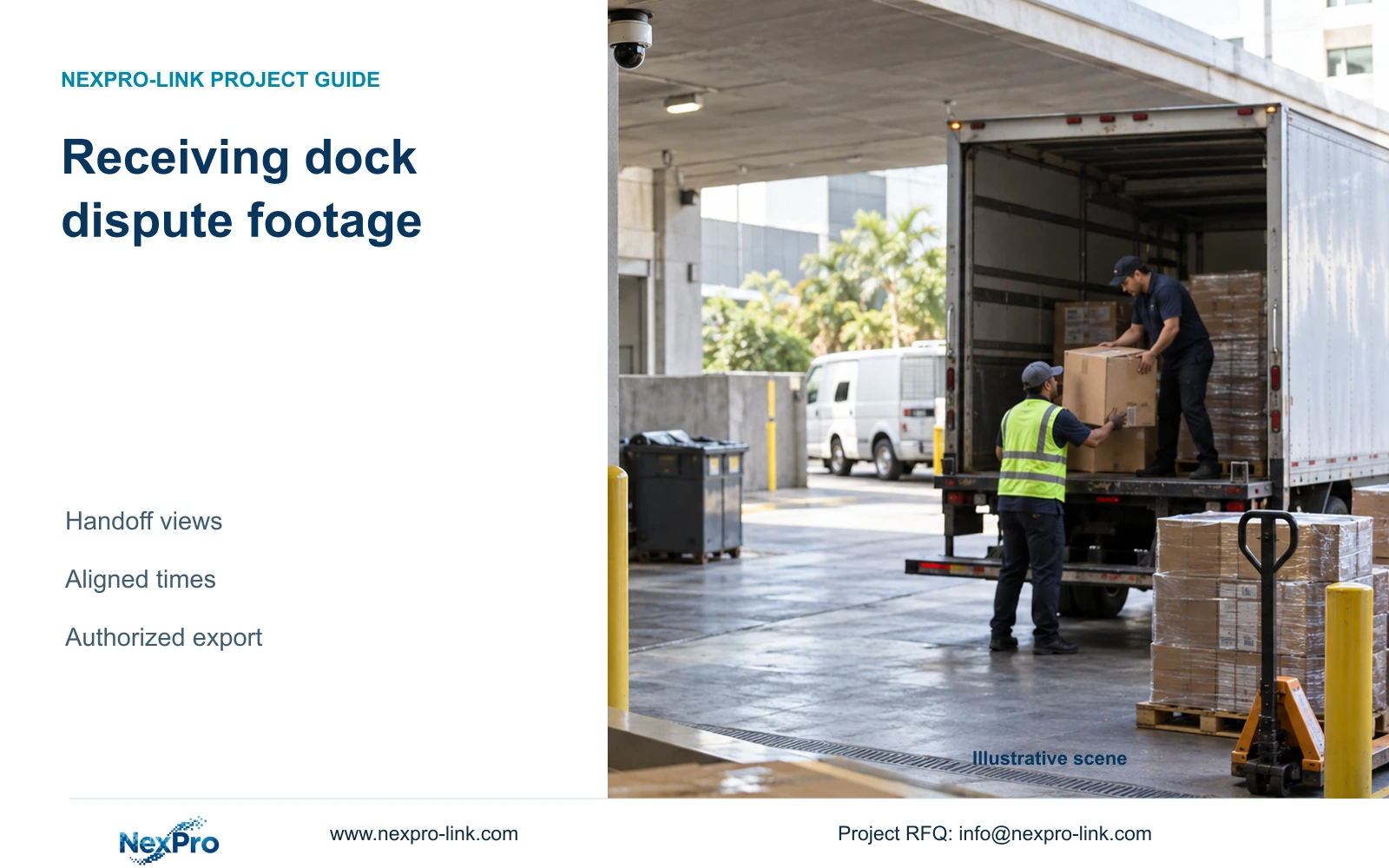
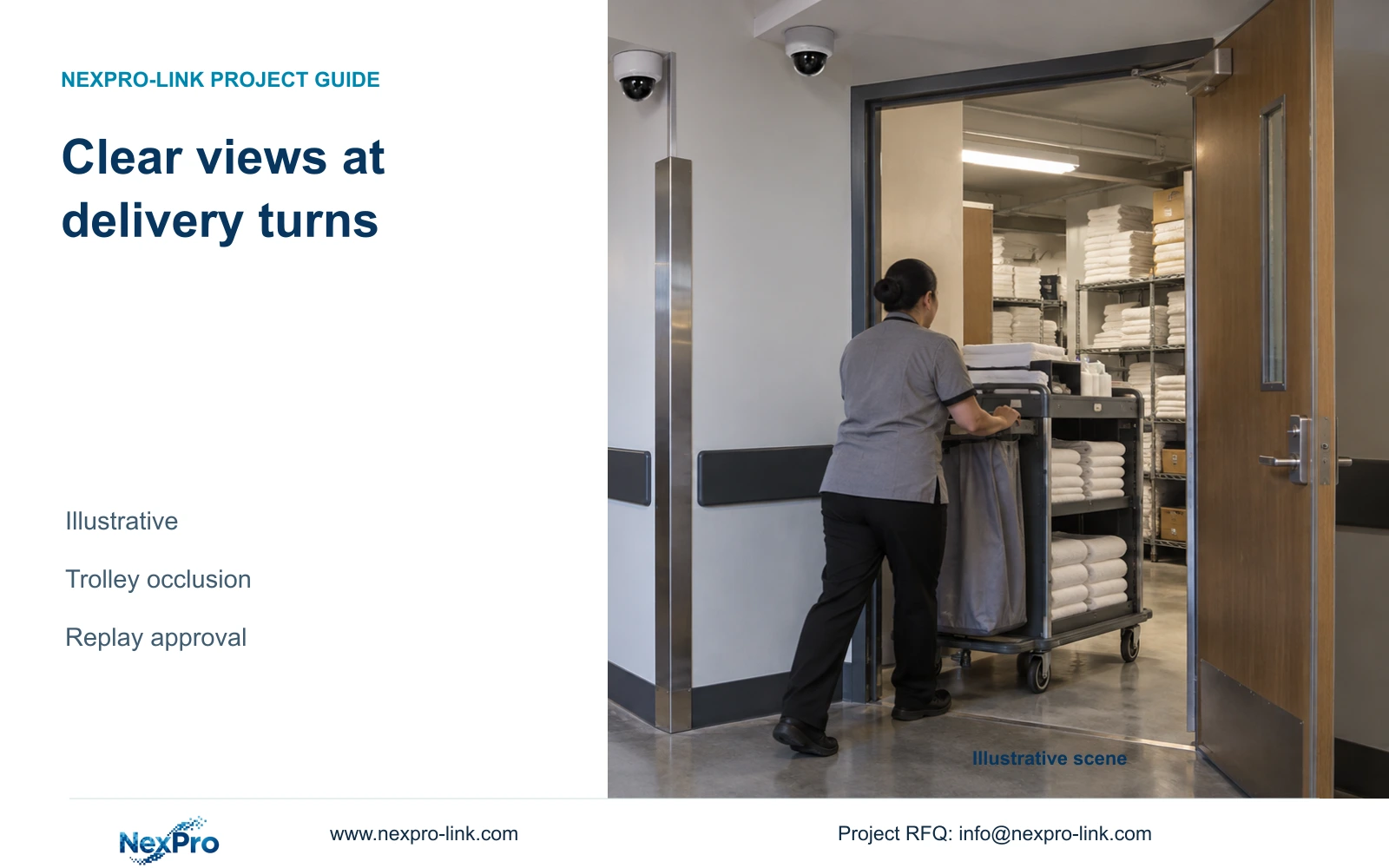
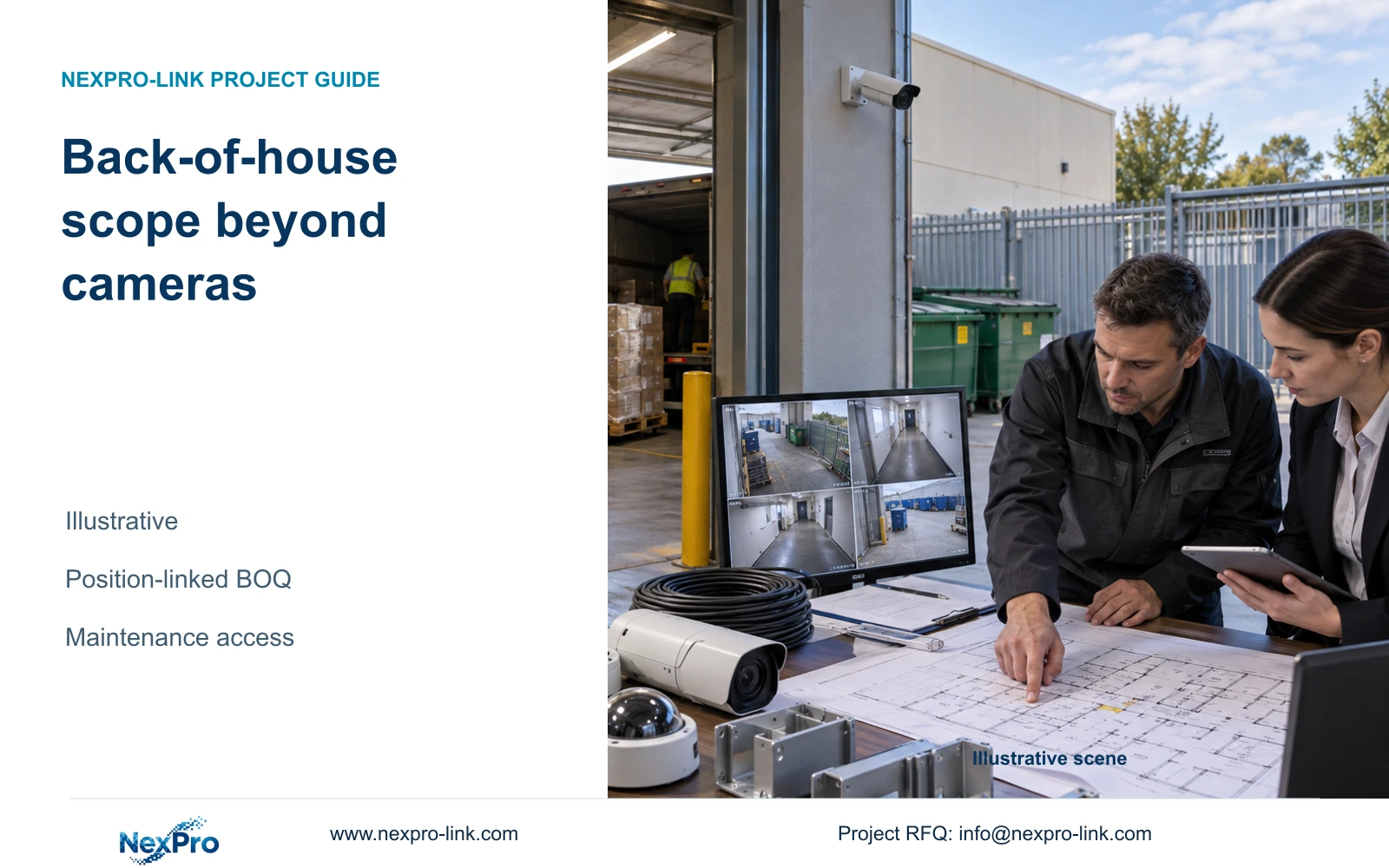
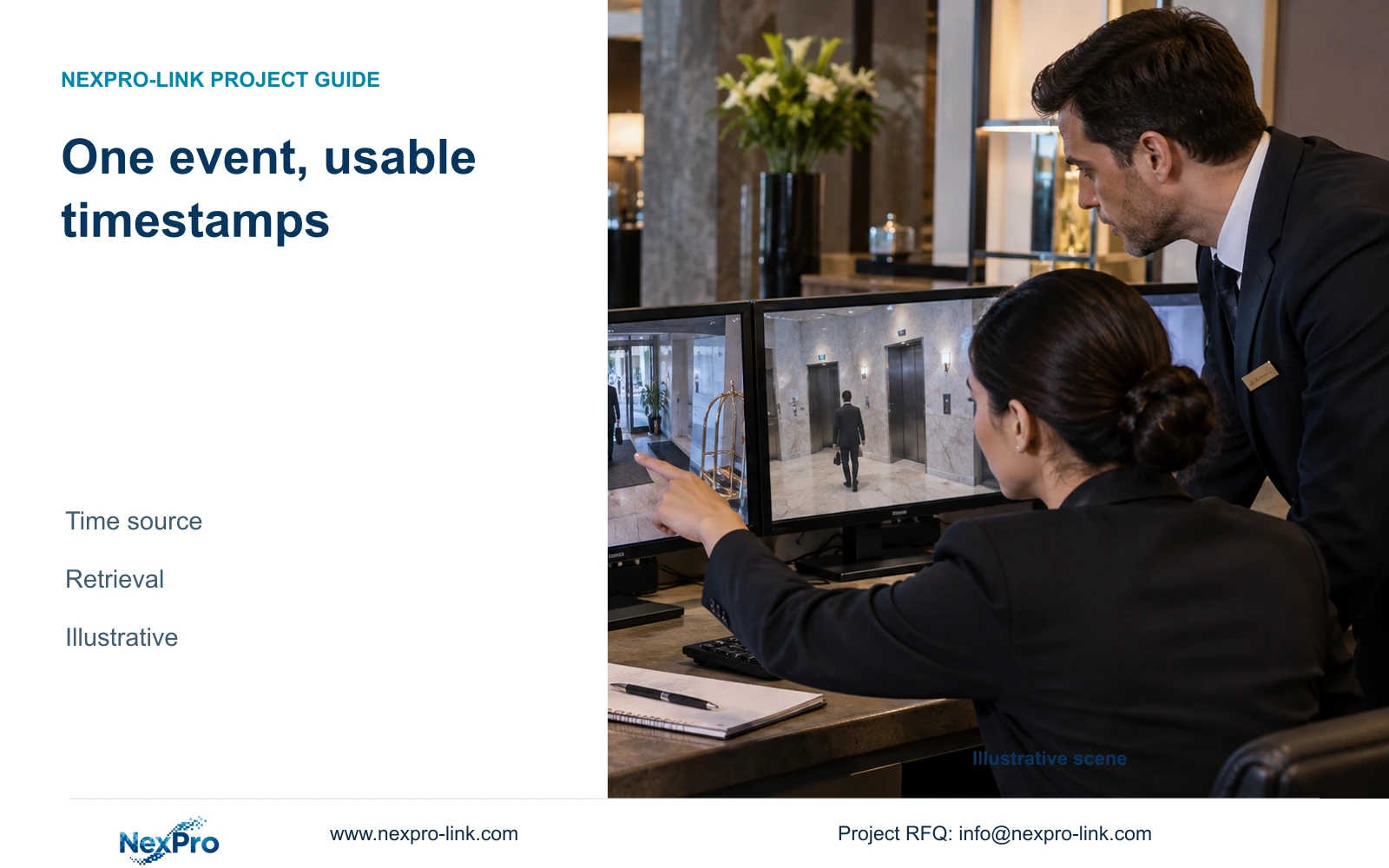
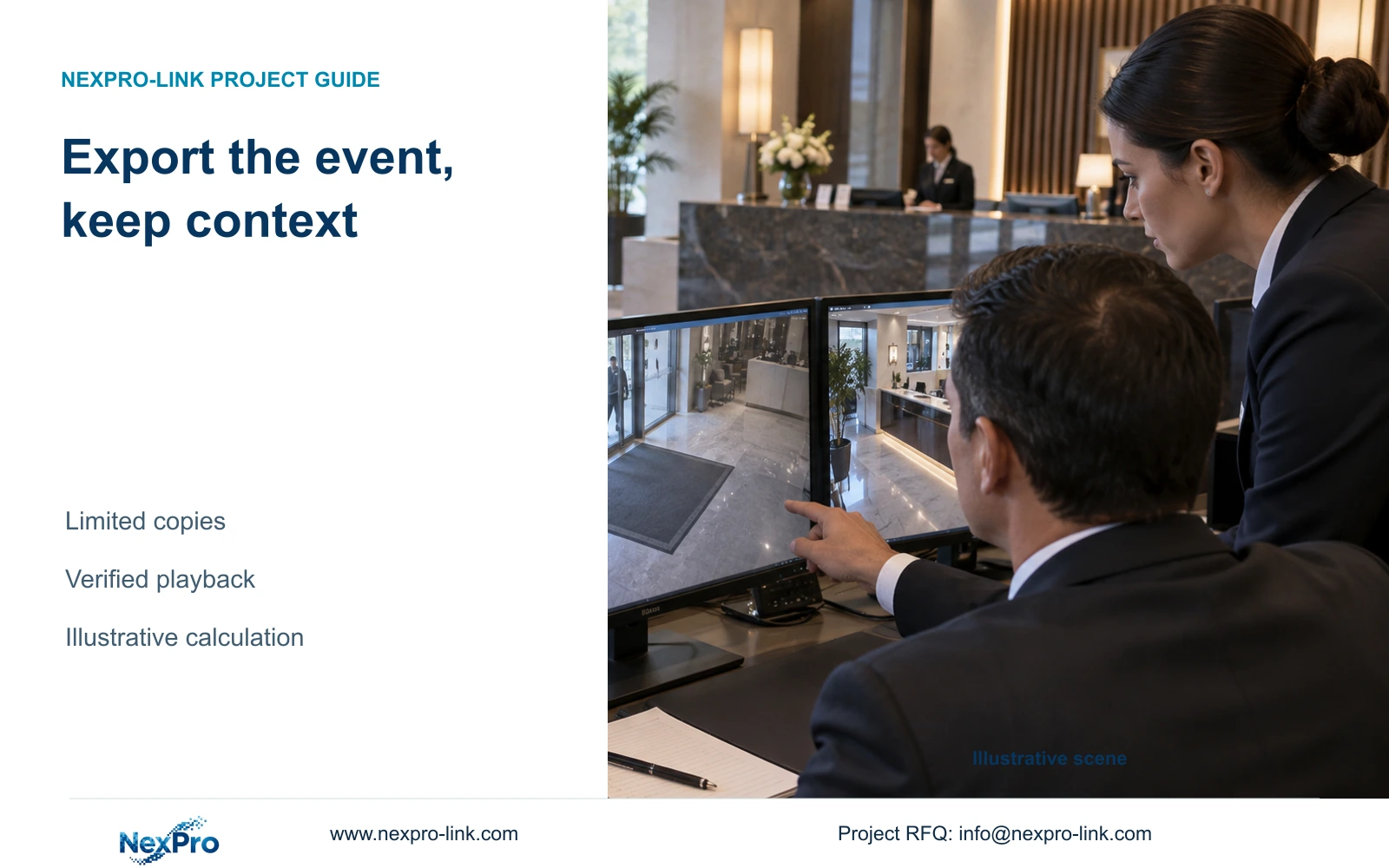
Design receiving dock footage around the unloading sequence and the actual handoff. Useful dispute records need clear views, aligned times and a workable export process.

10 guides

Decision area 07

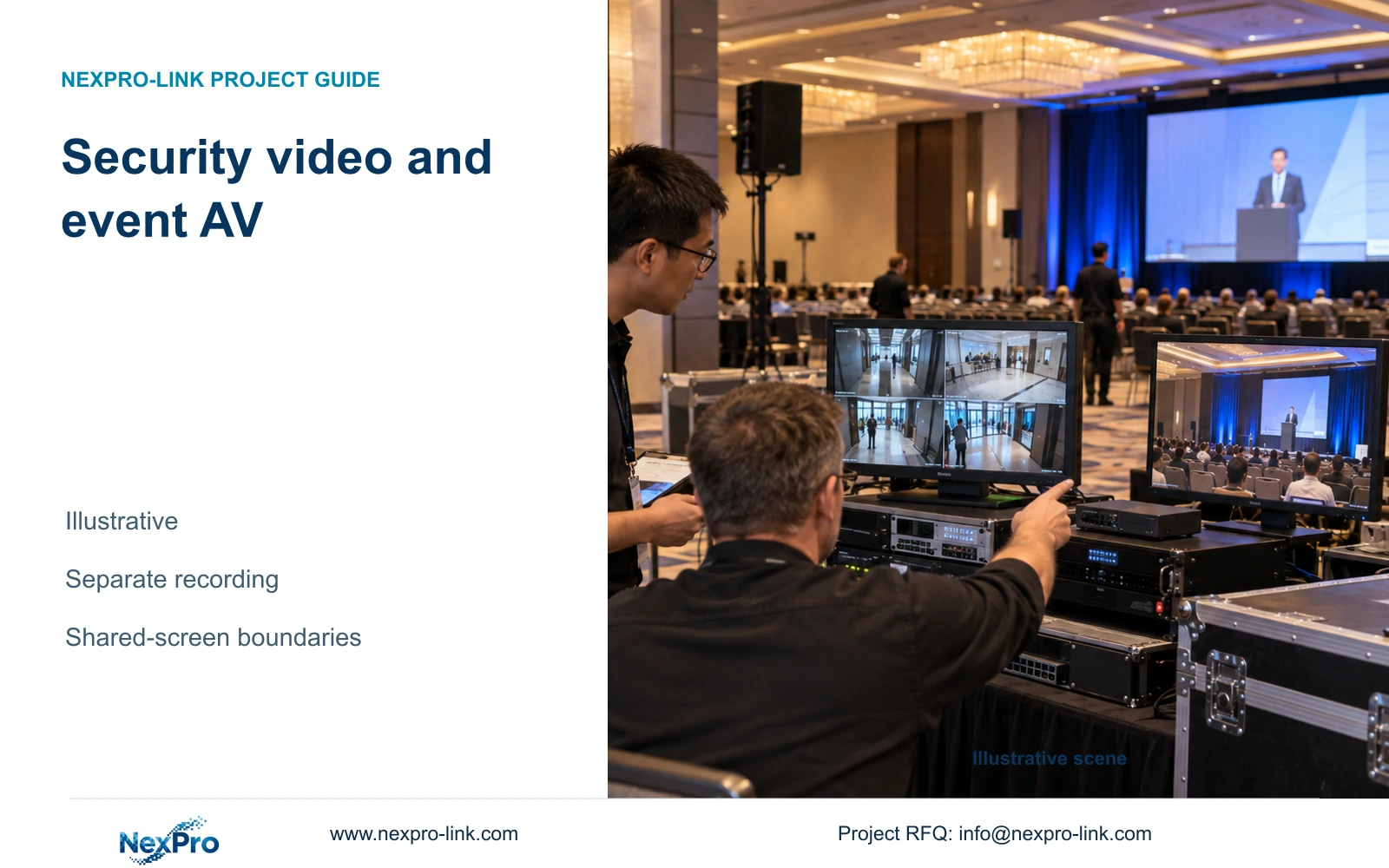
Events and Public Amenities

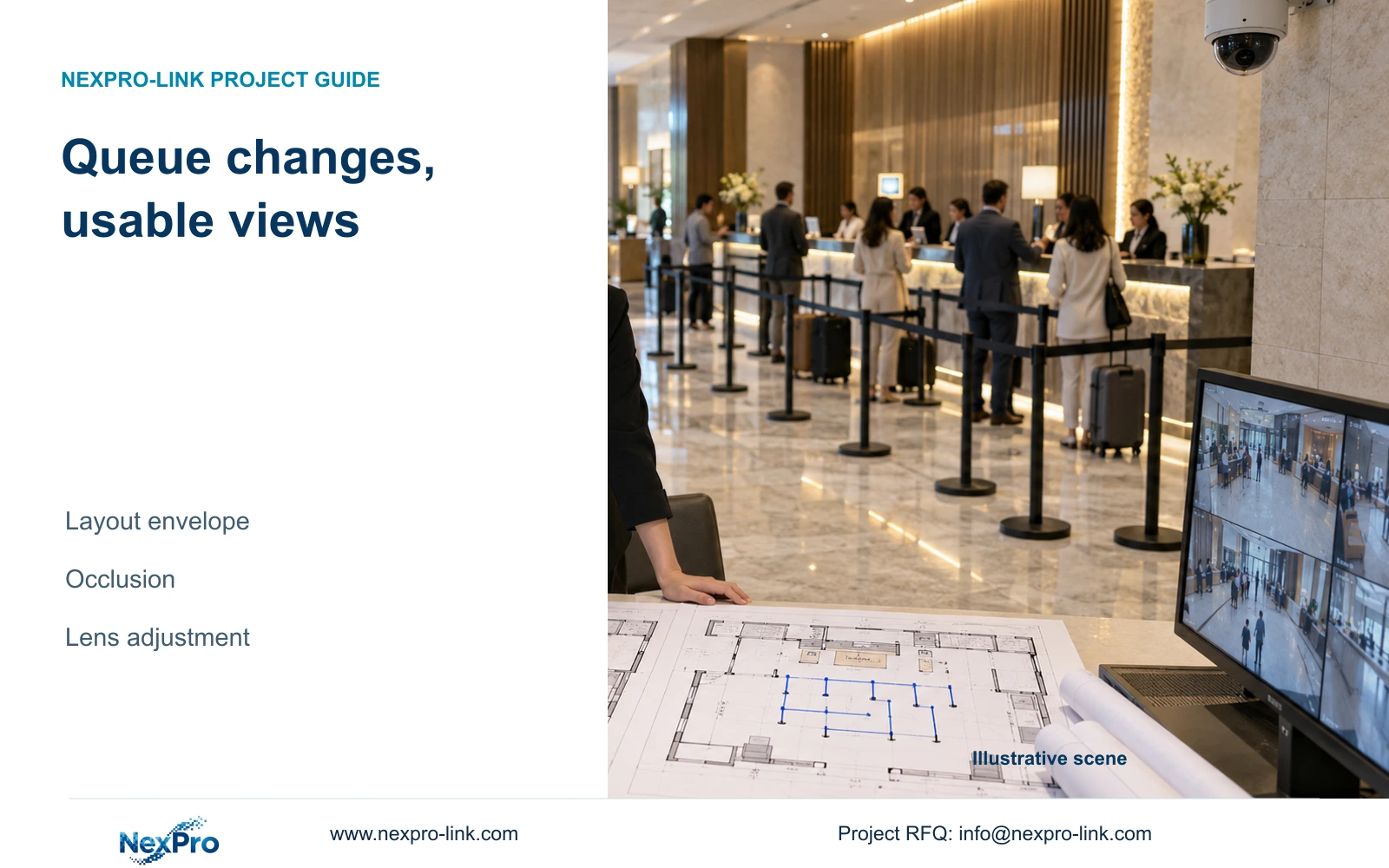
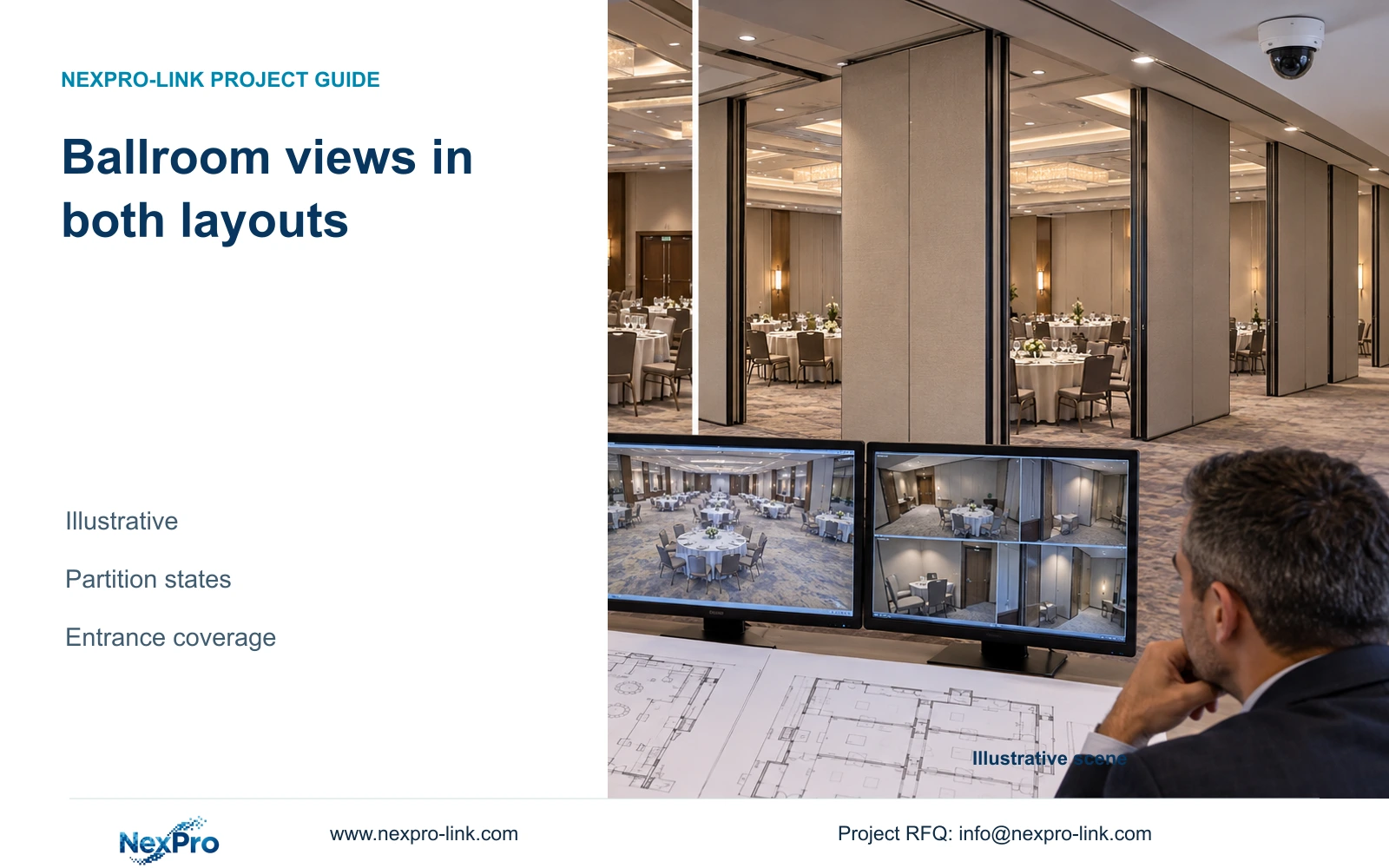
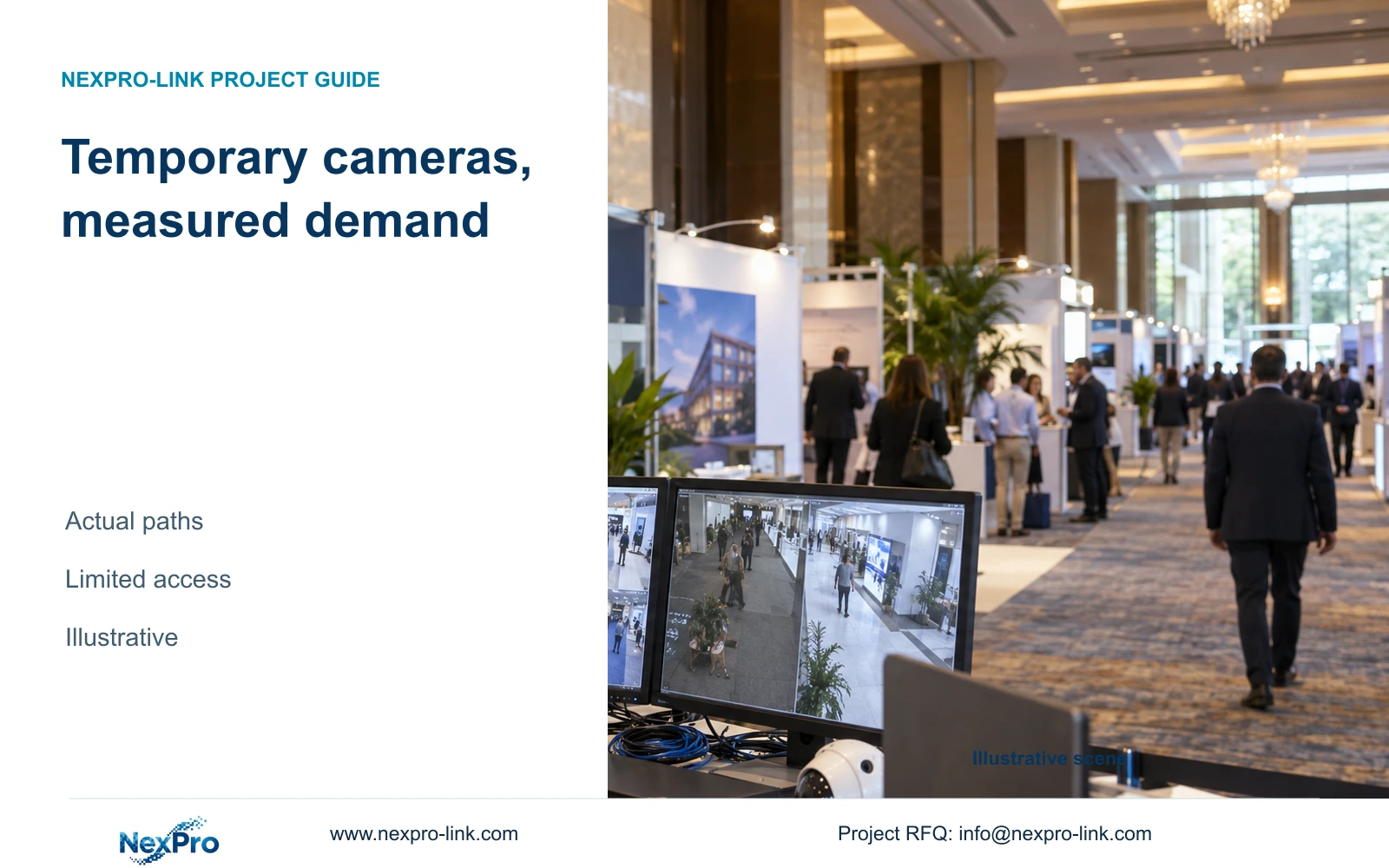
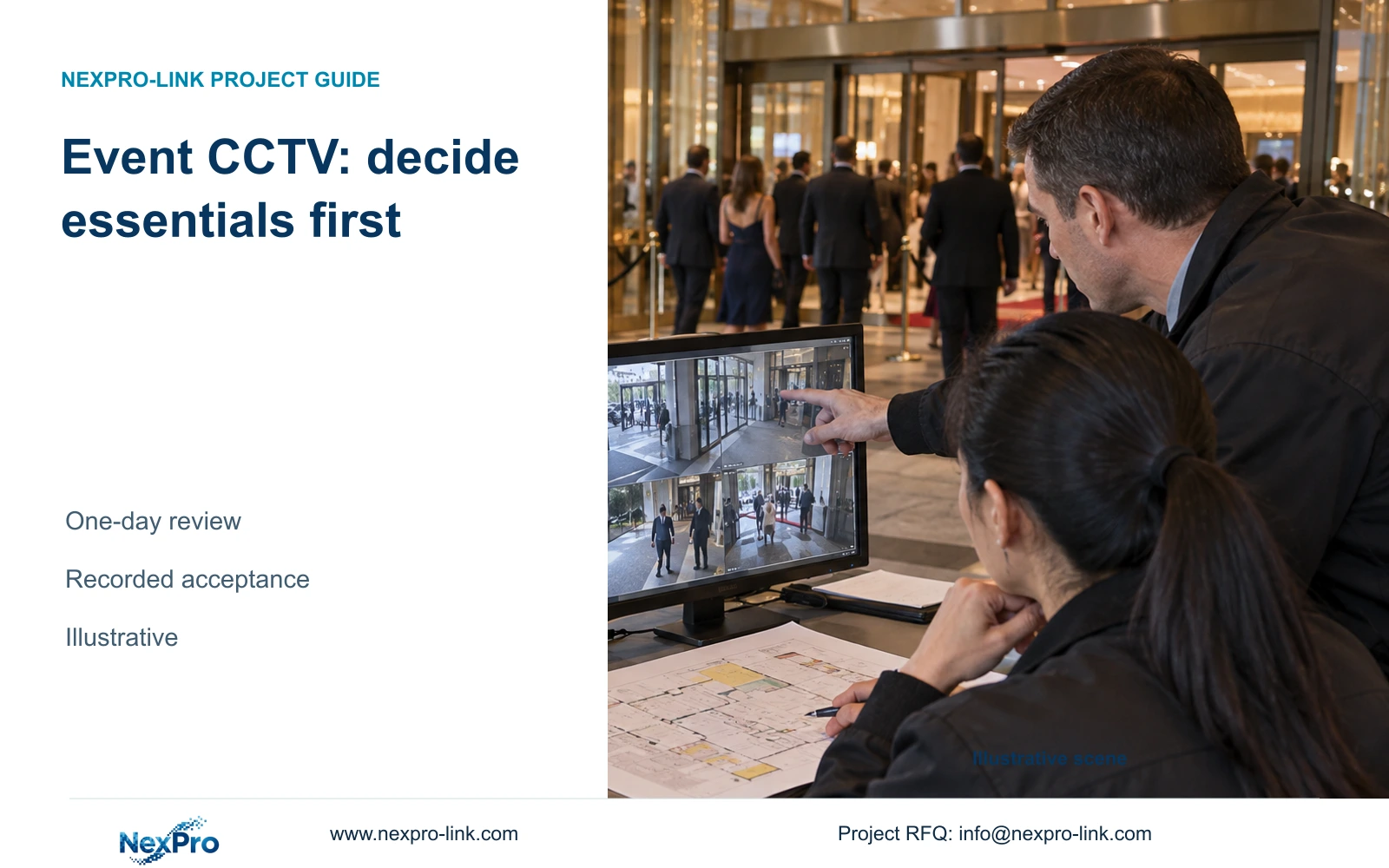
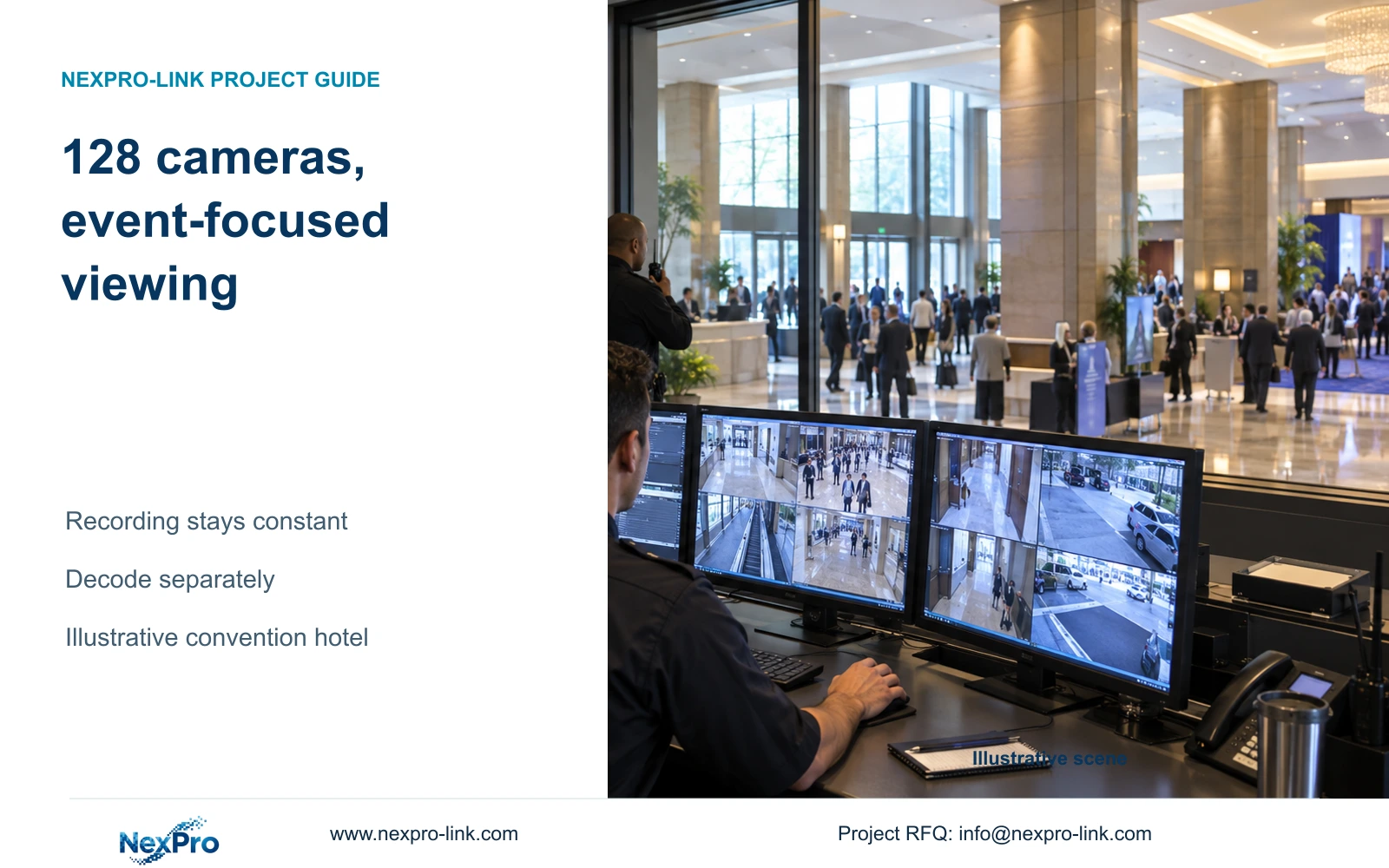
Movable partitions can remove a useful camera view even when image resolution stays unchanged. Design ballroom coverage around approved layouts and fixed access tasks.

10 guides

Decision area 08

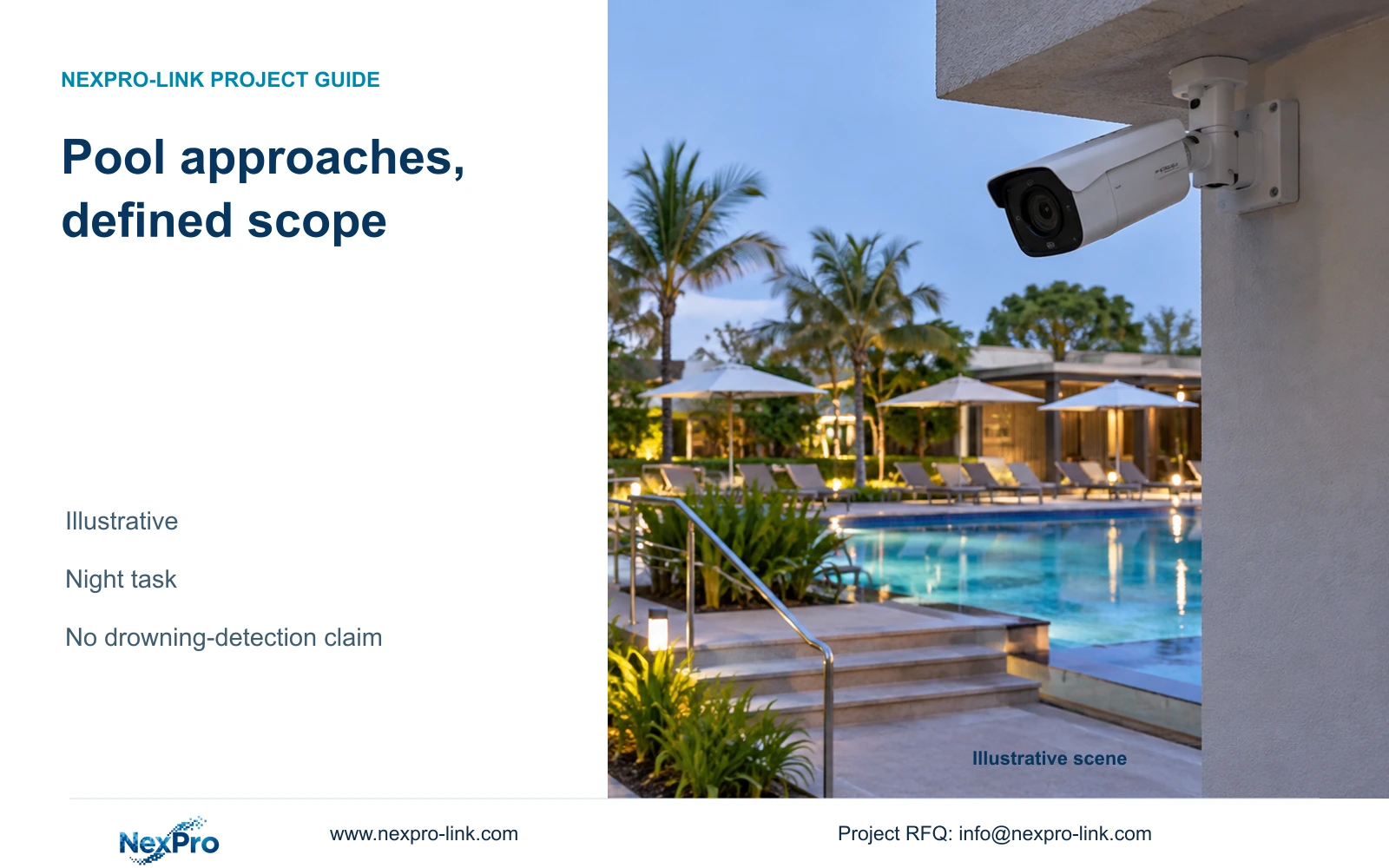
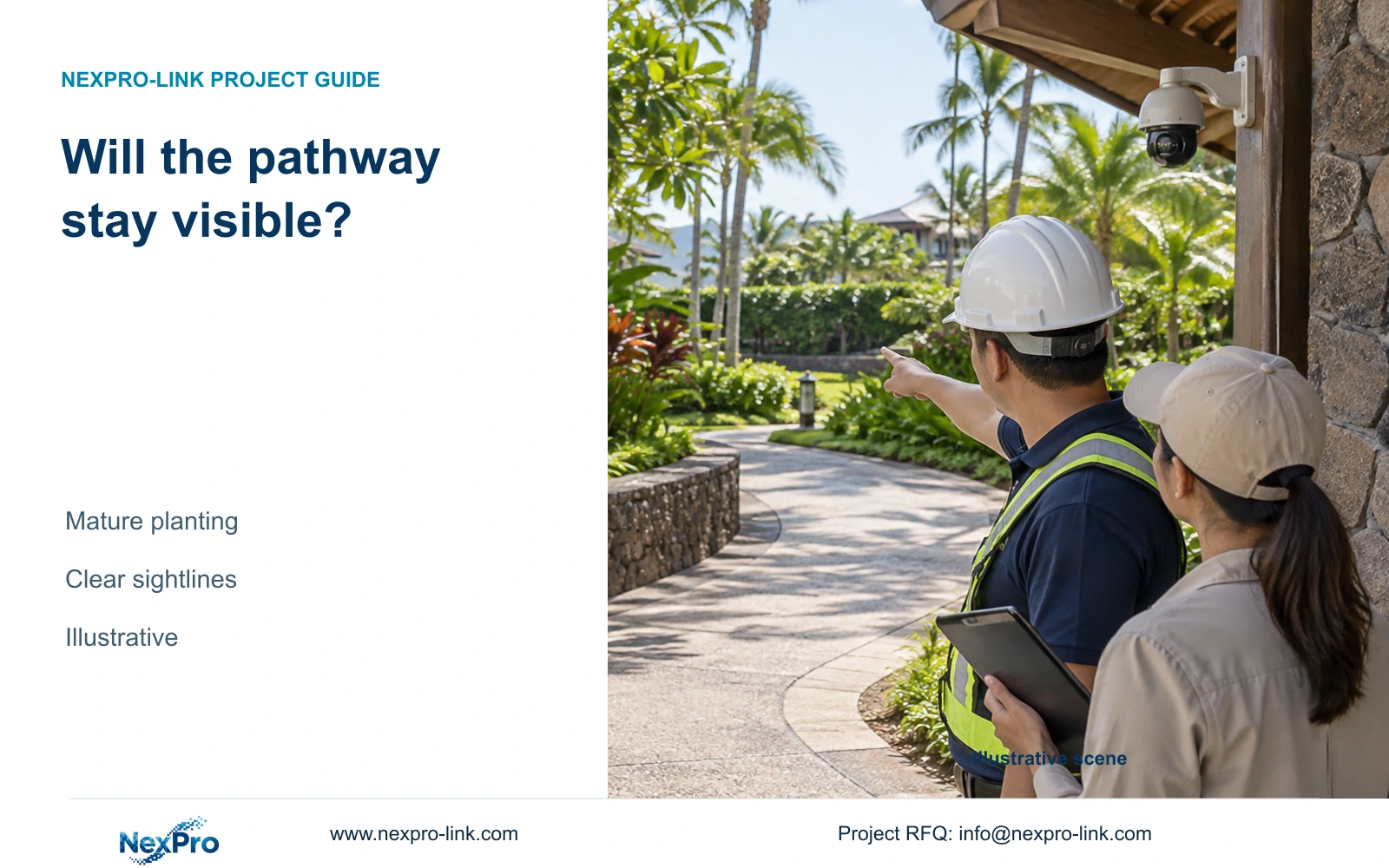
Resorts and Outdoor Sites

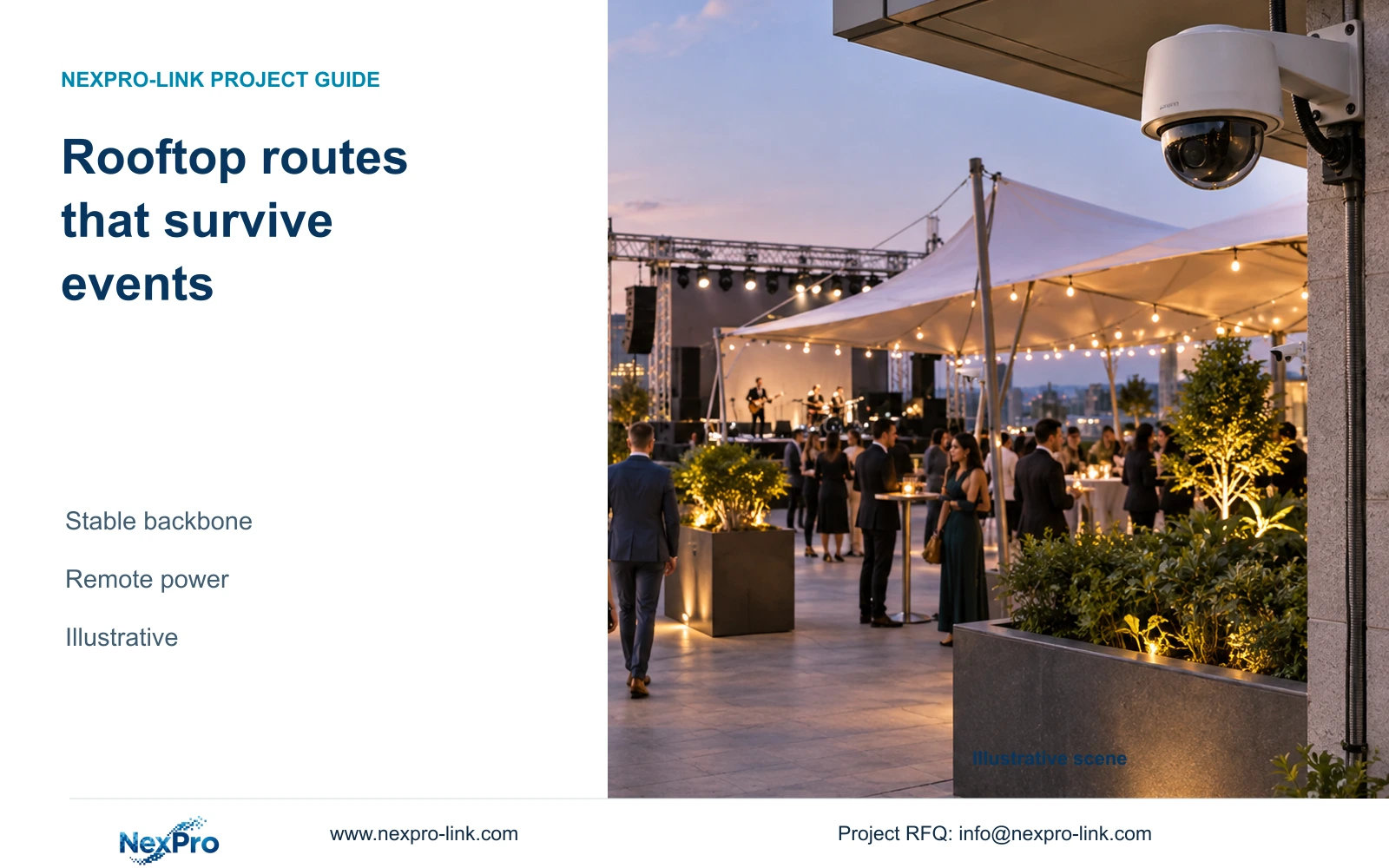
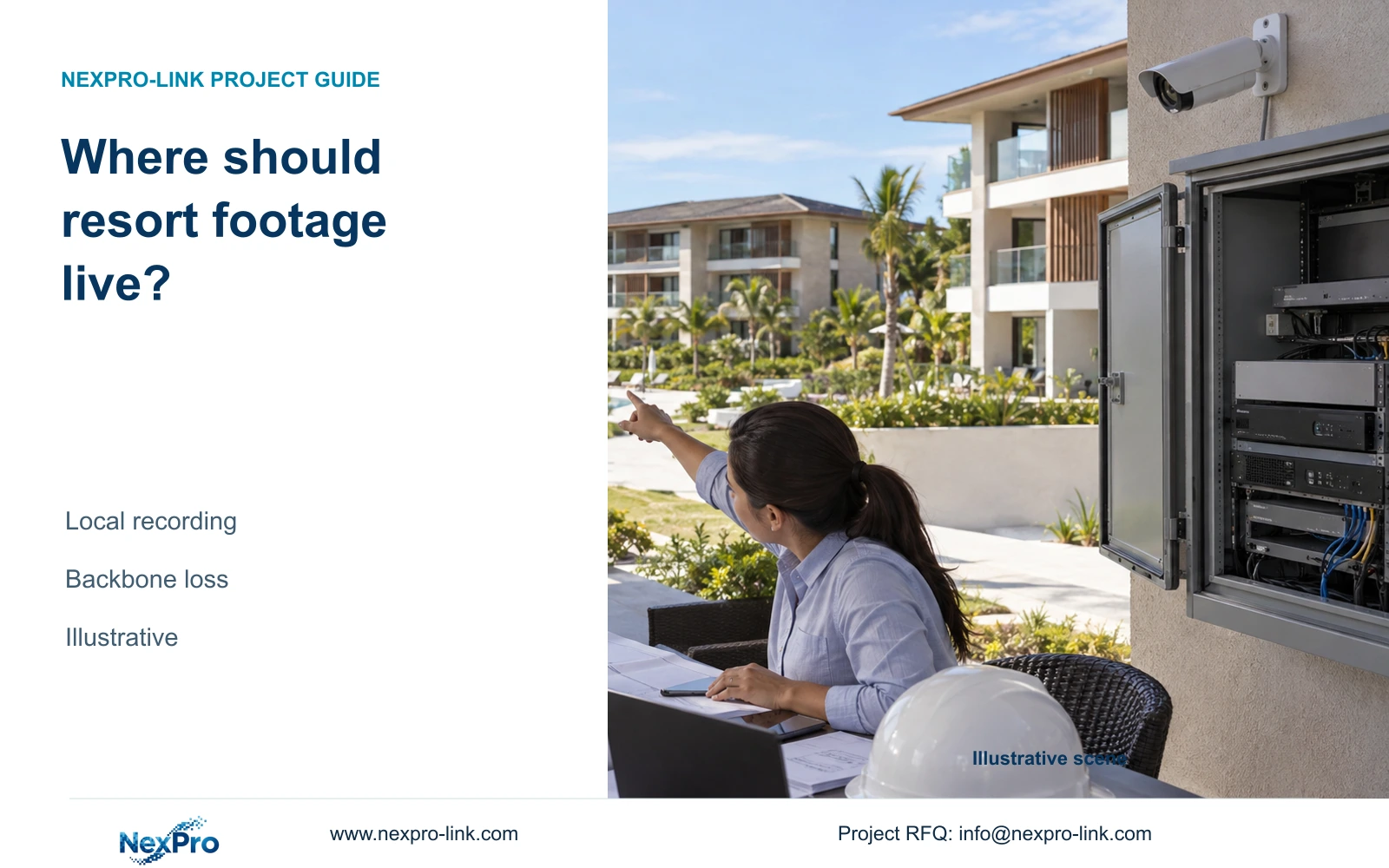
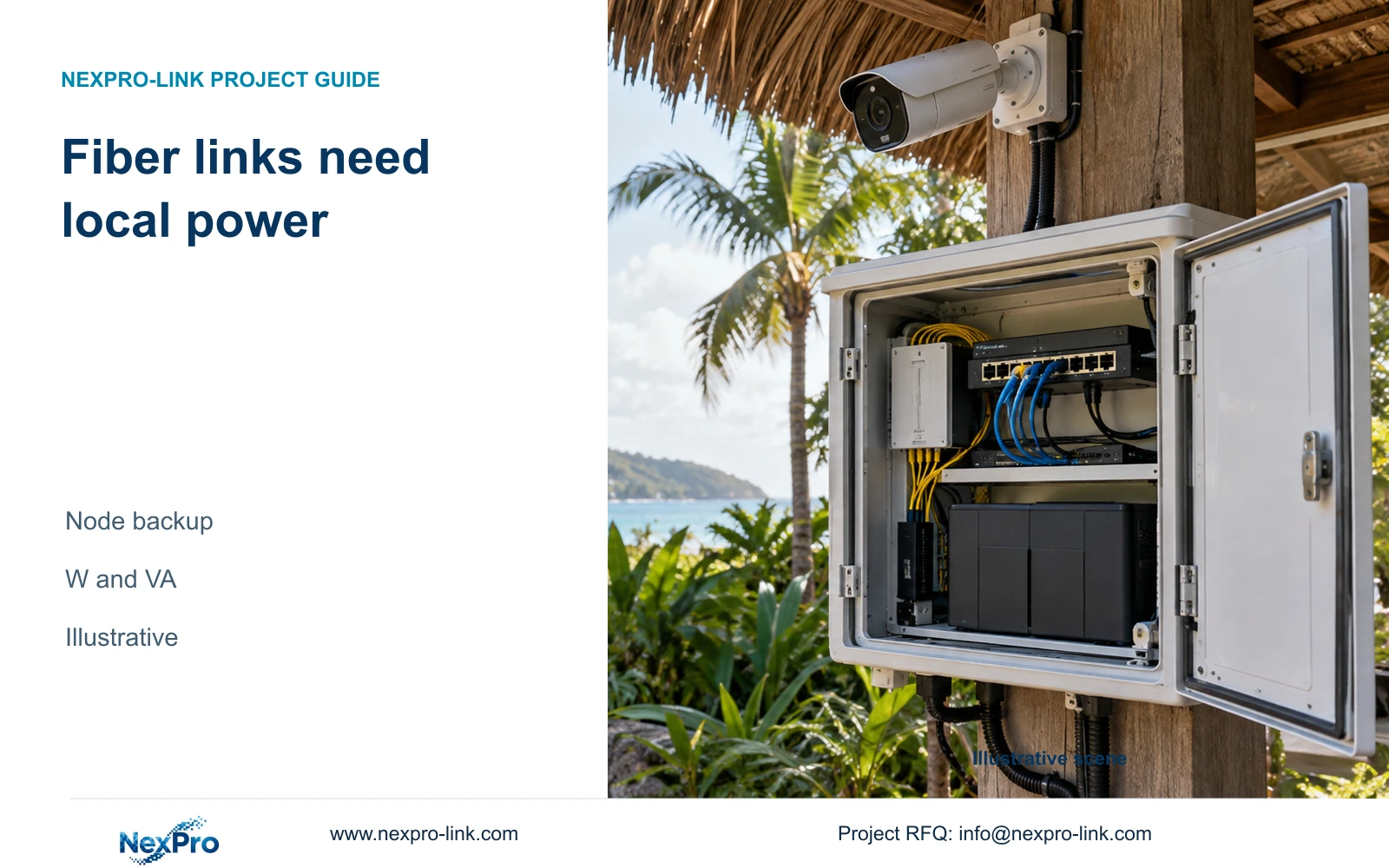
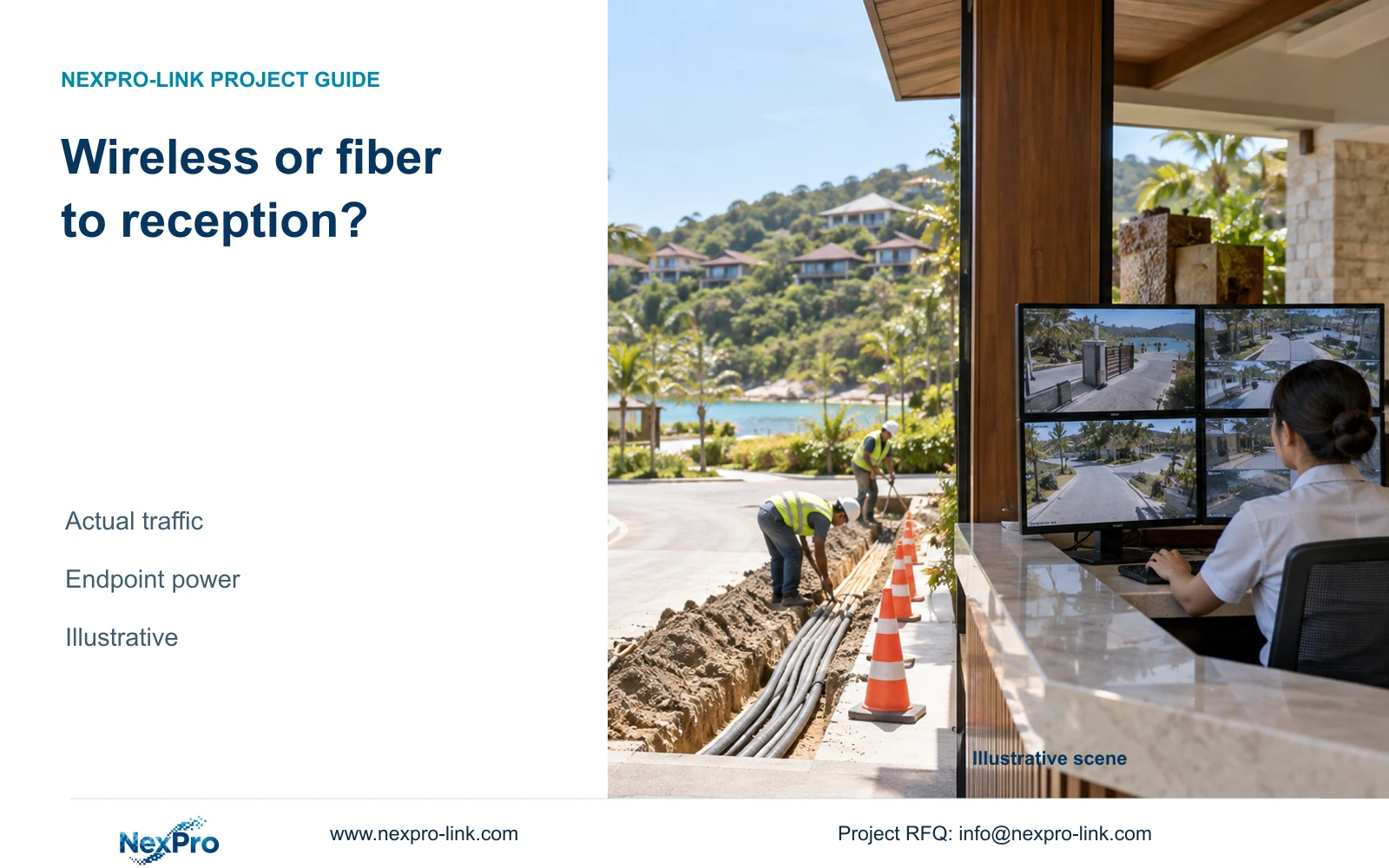
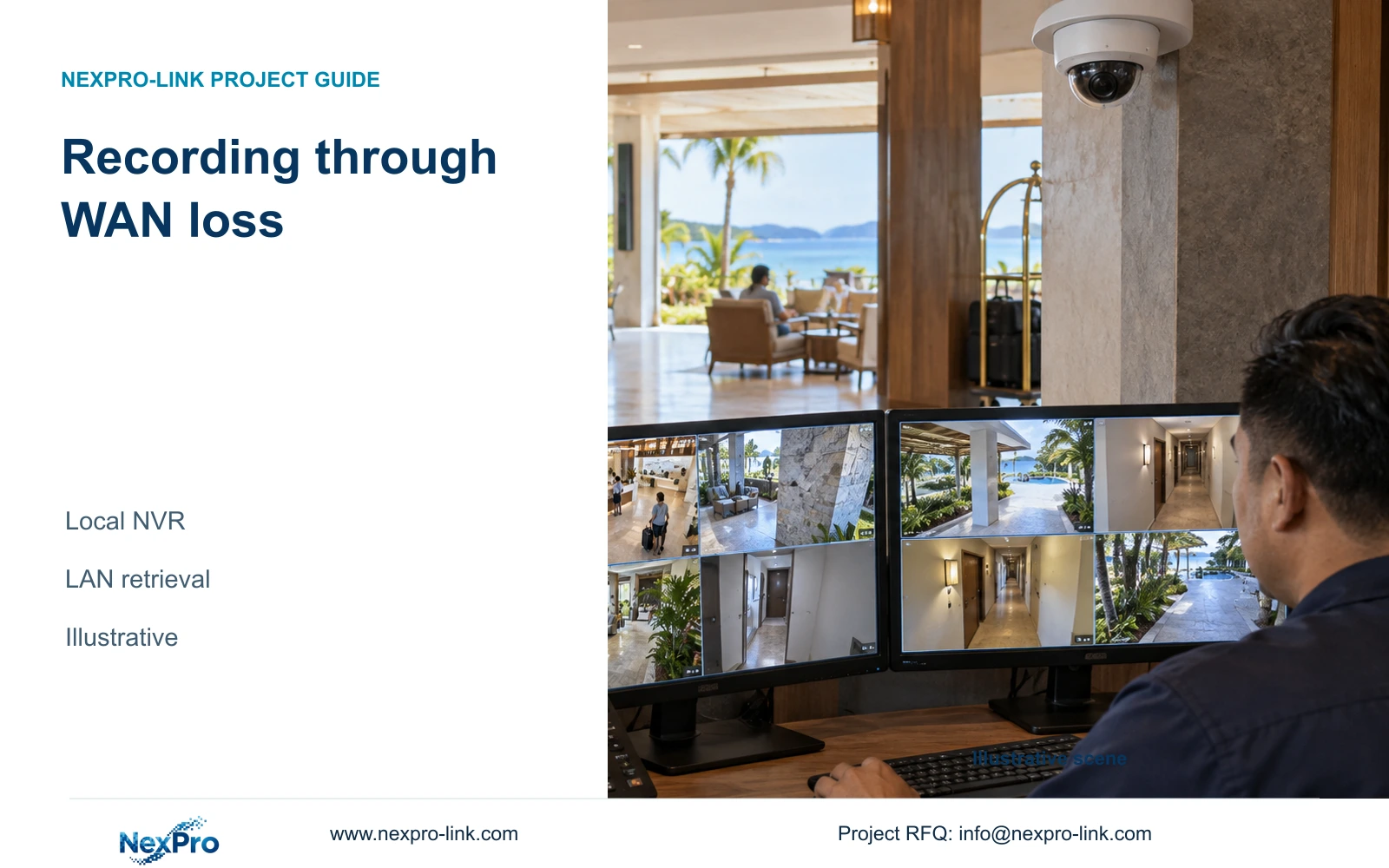
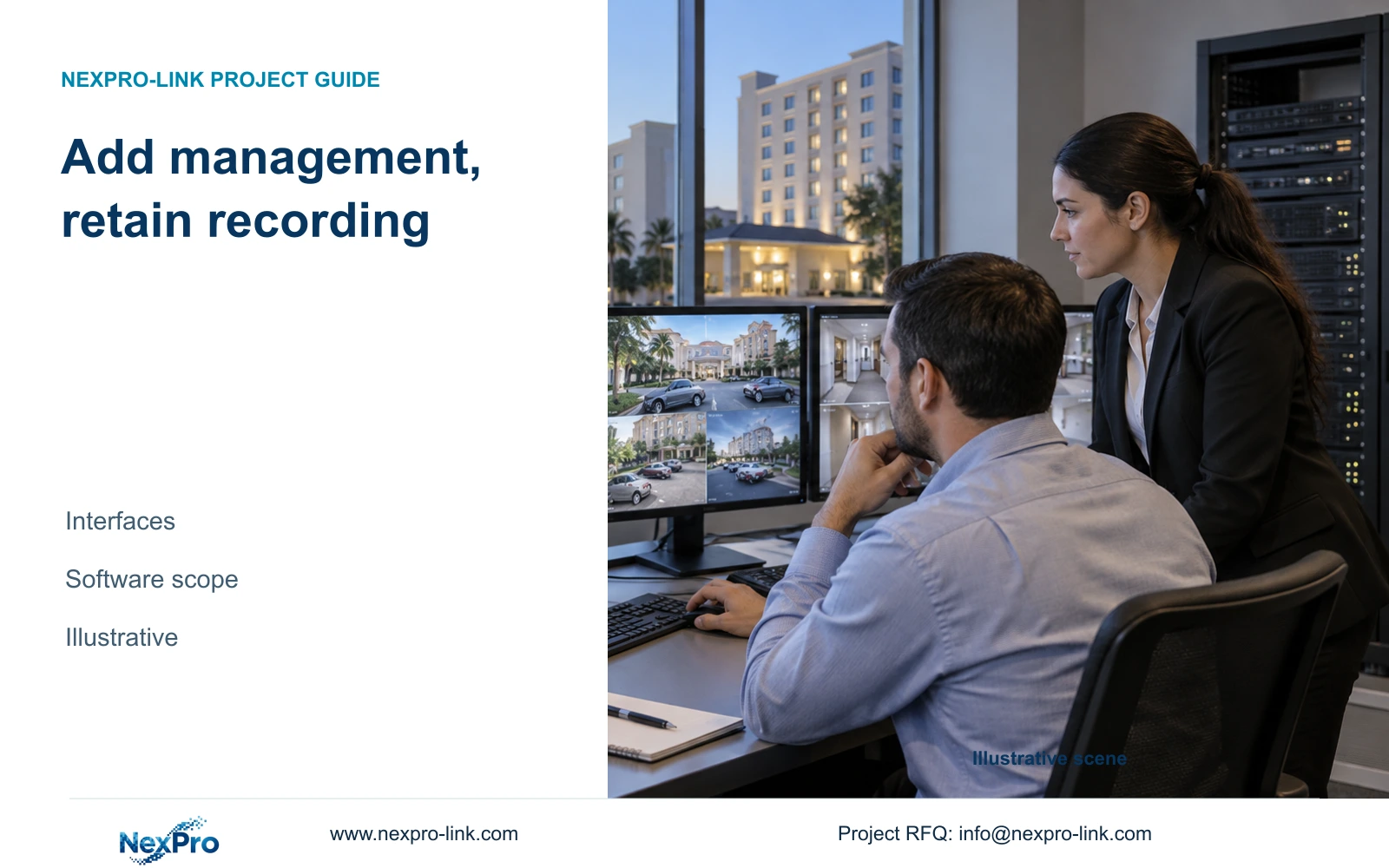
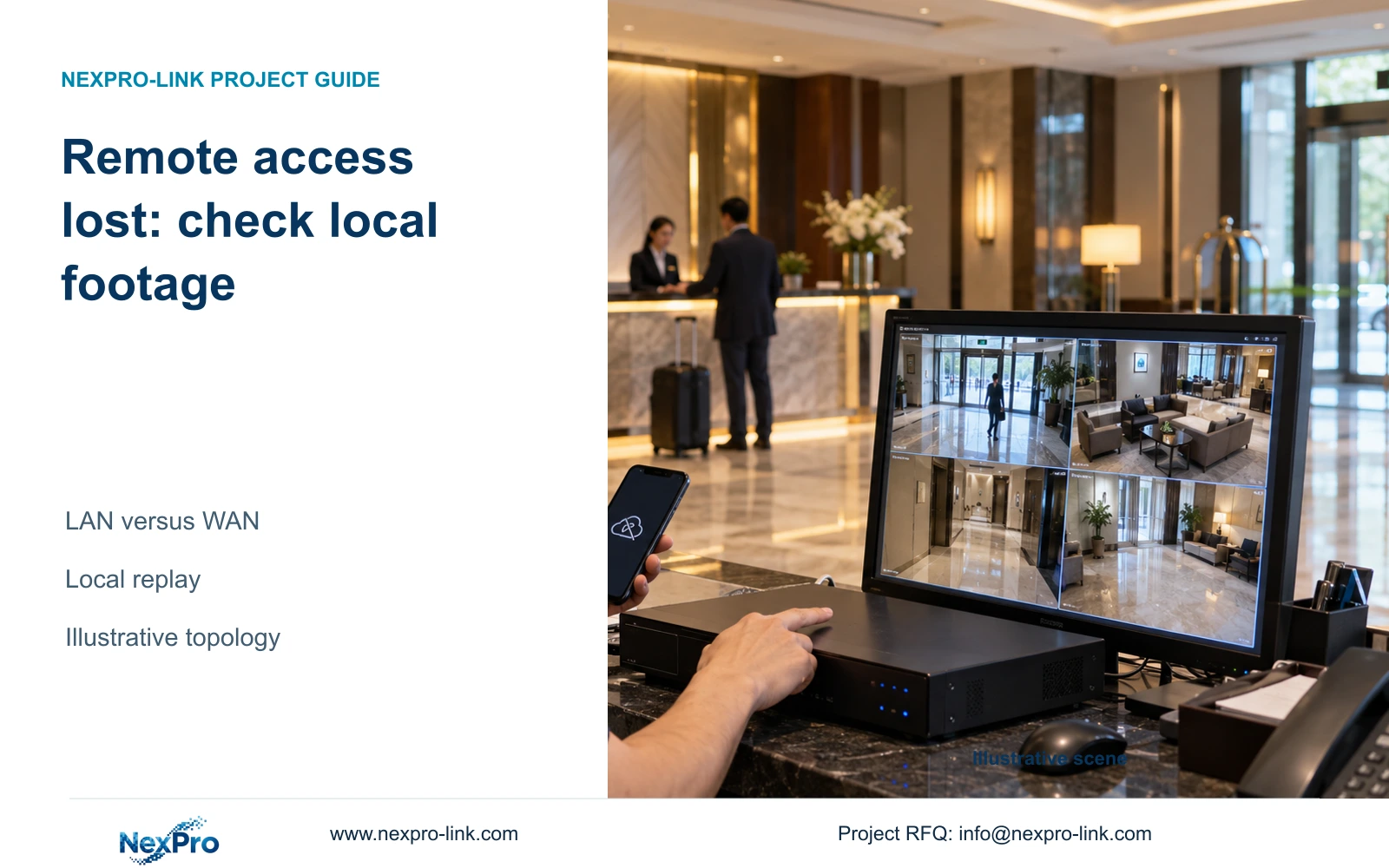
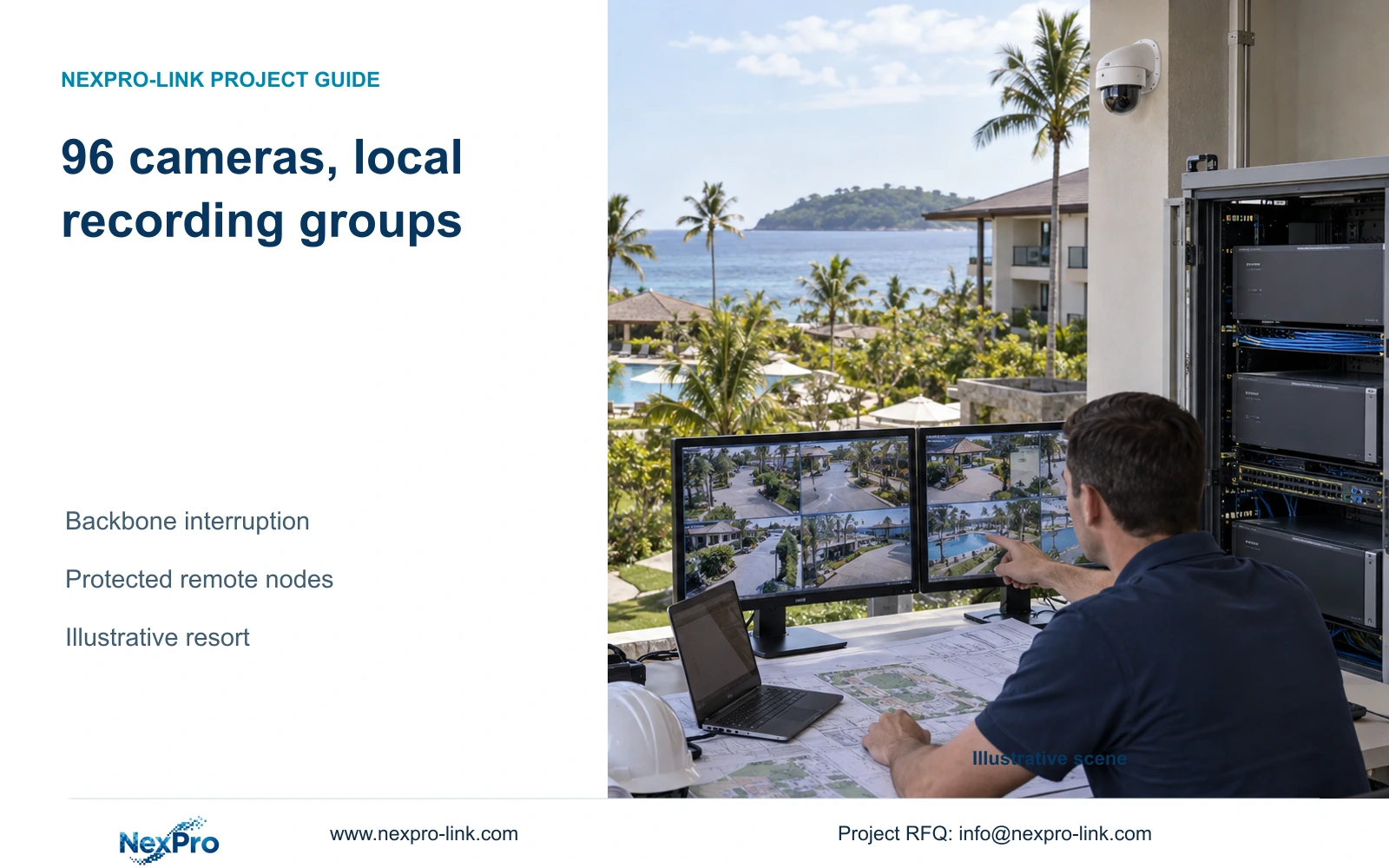
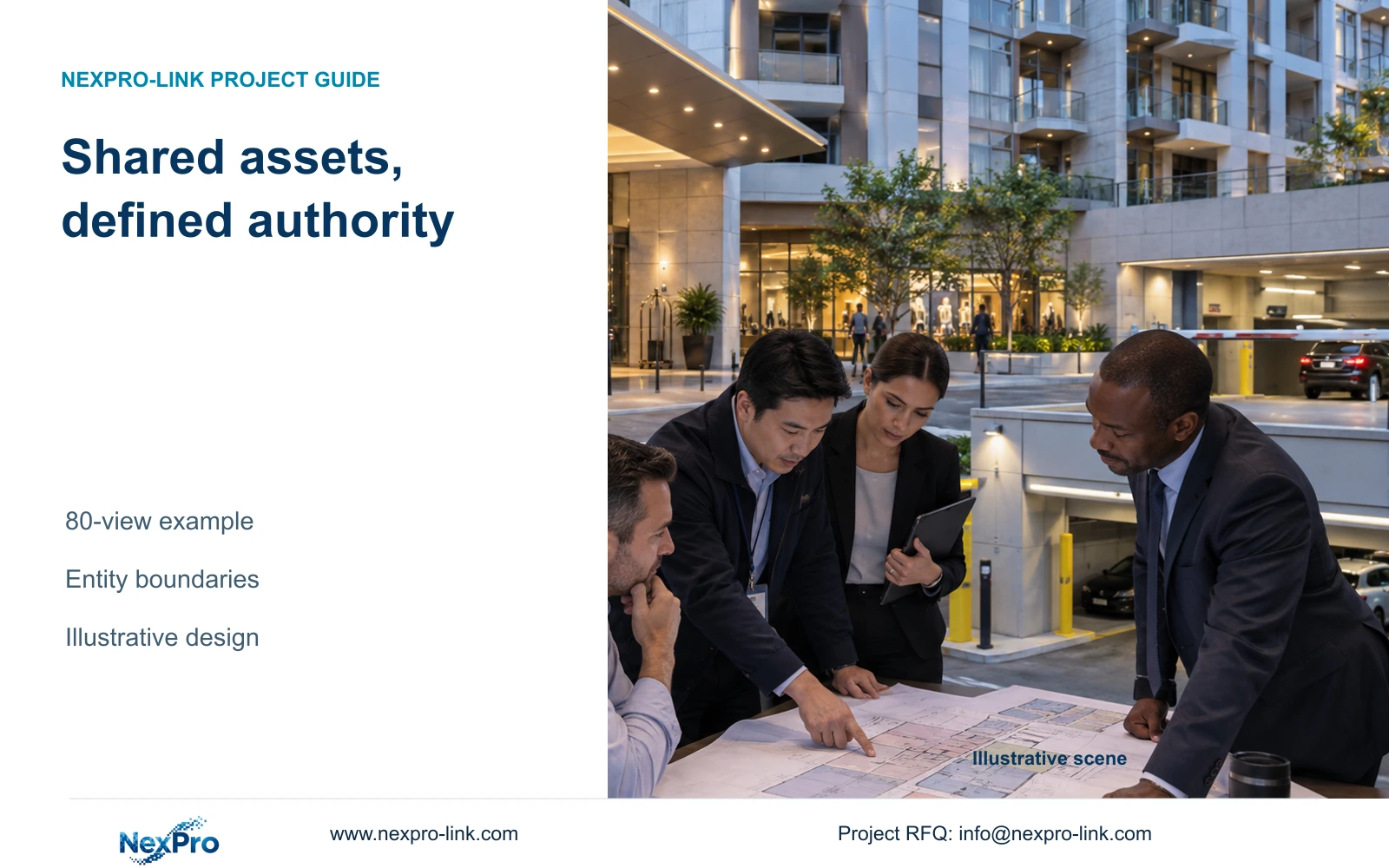
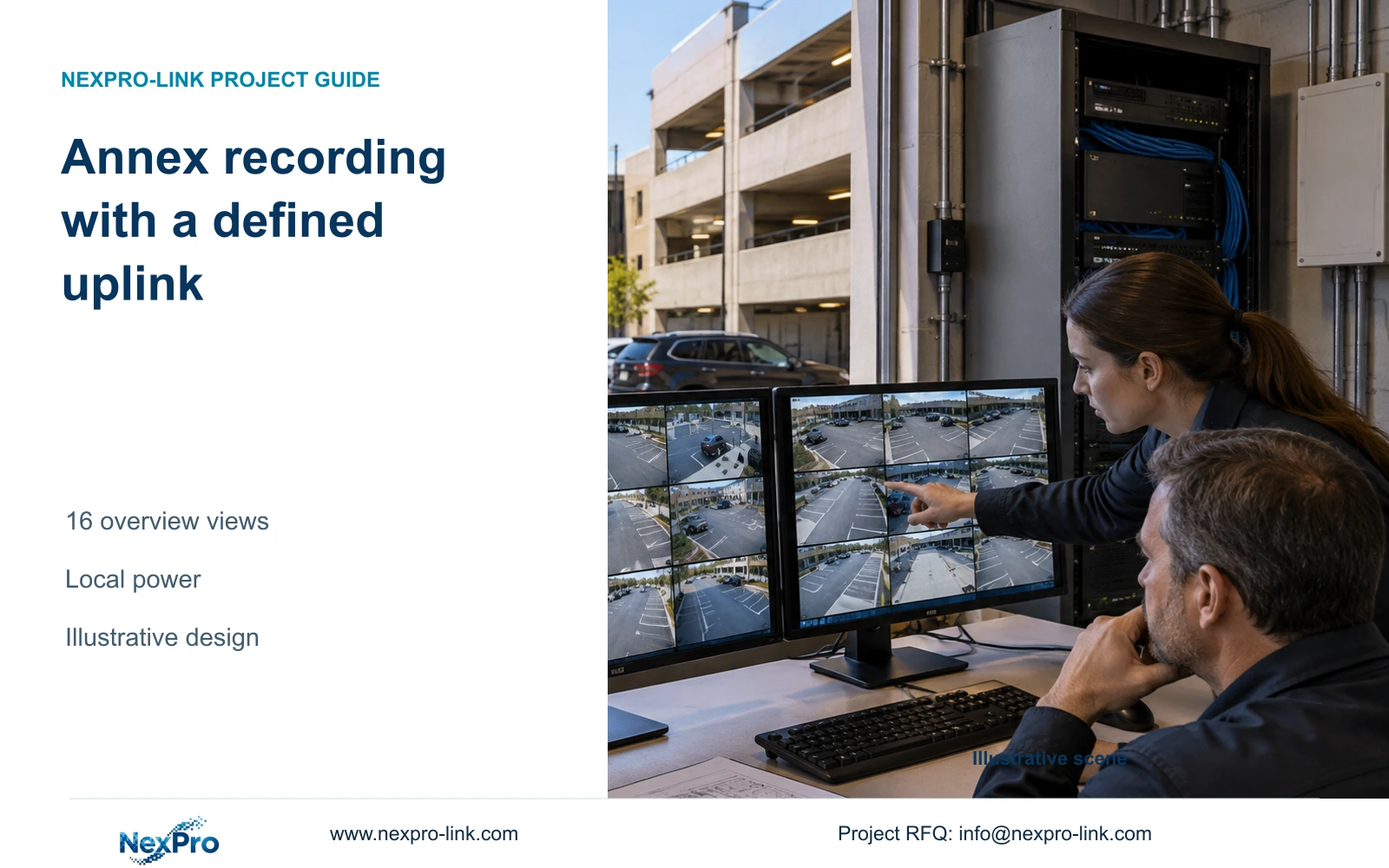
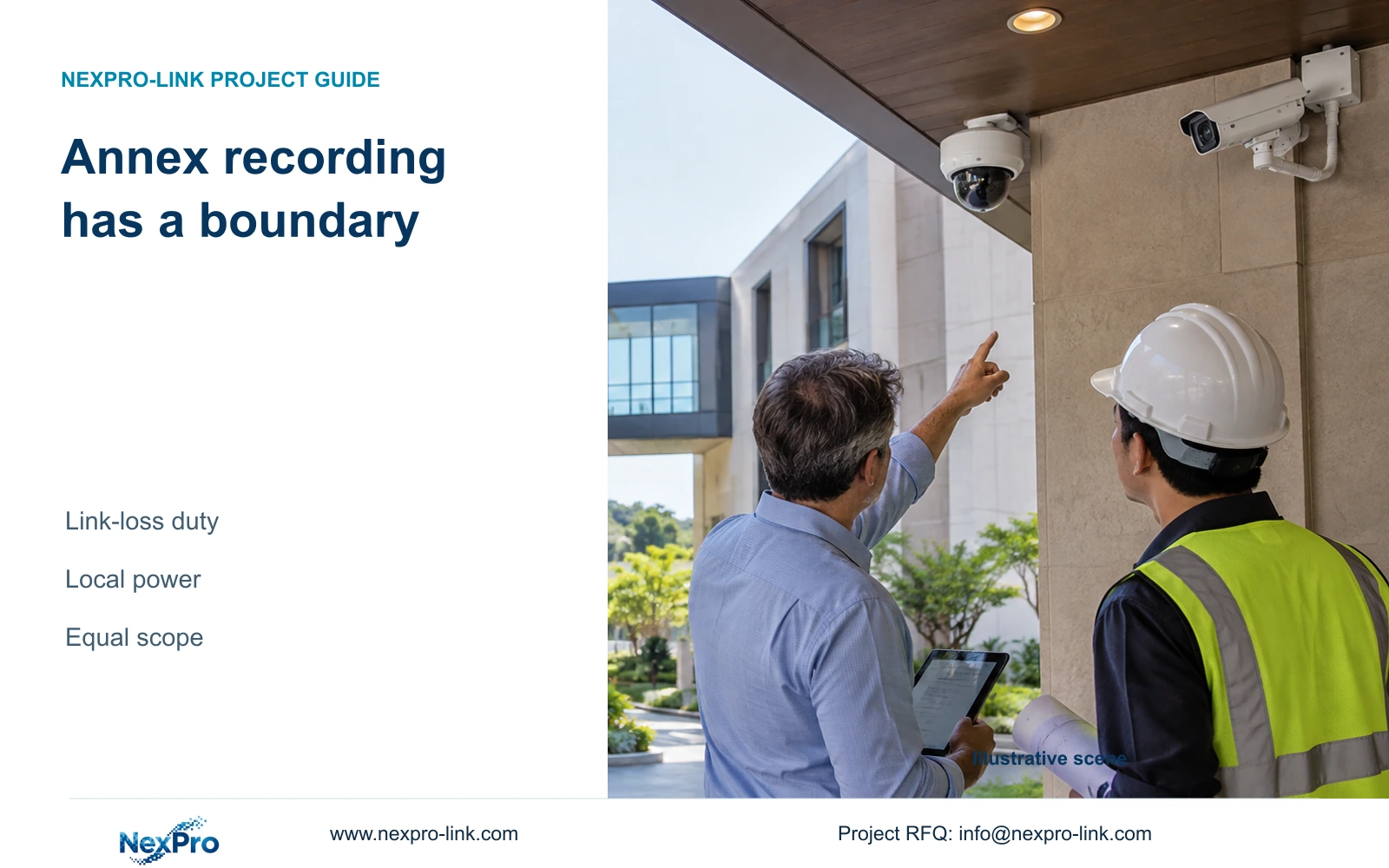
Building-level recording is appropriate when footage must survive an interbuilding link outage. Compare that requirement with cabinet access, storage allocation and protected power before selecting the architecture.

10 guides

Decision area 09

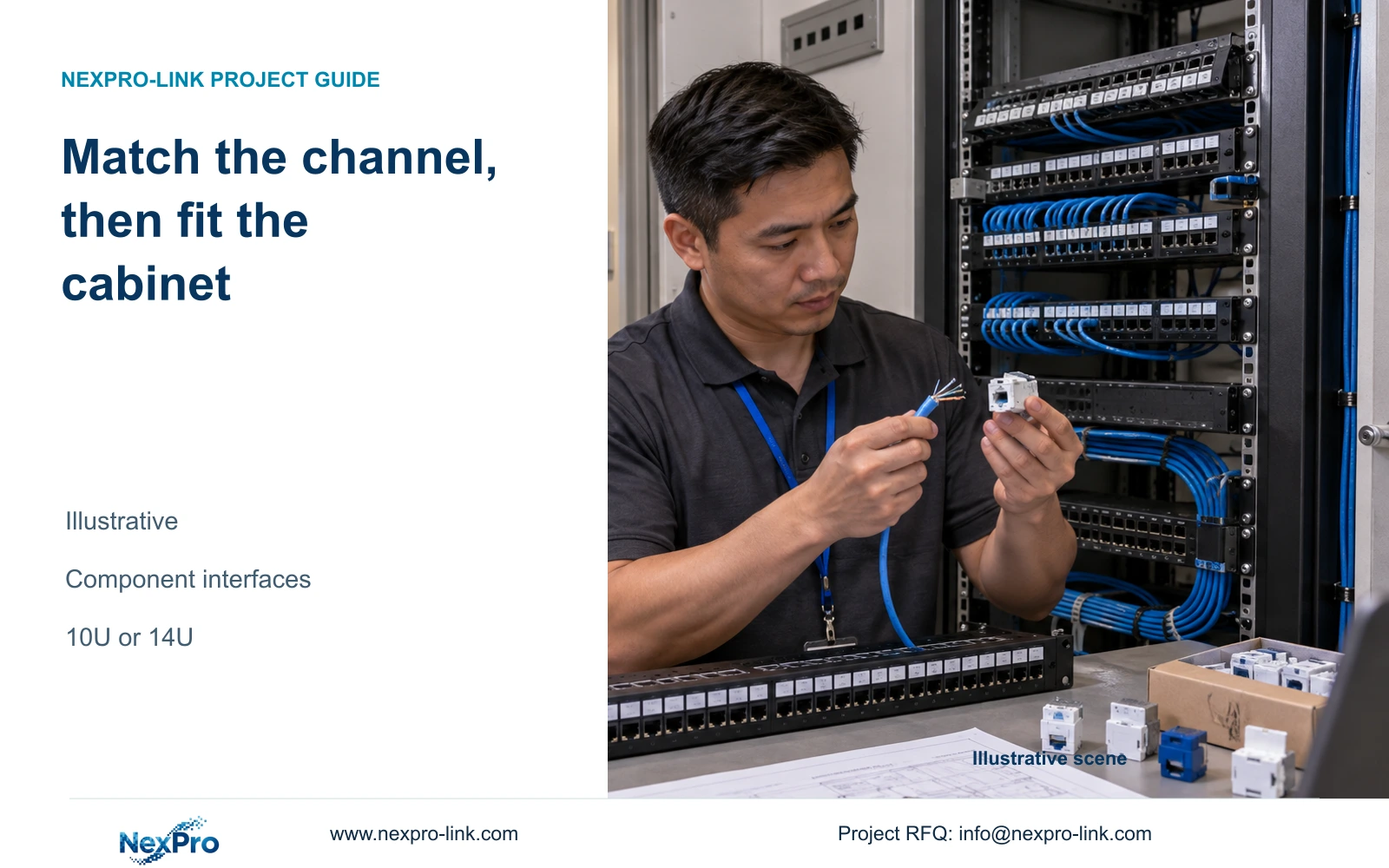
Recorder Engineering

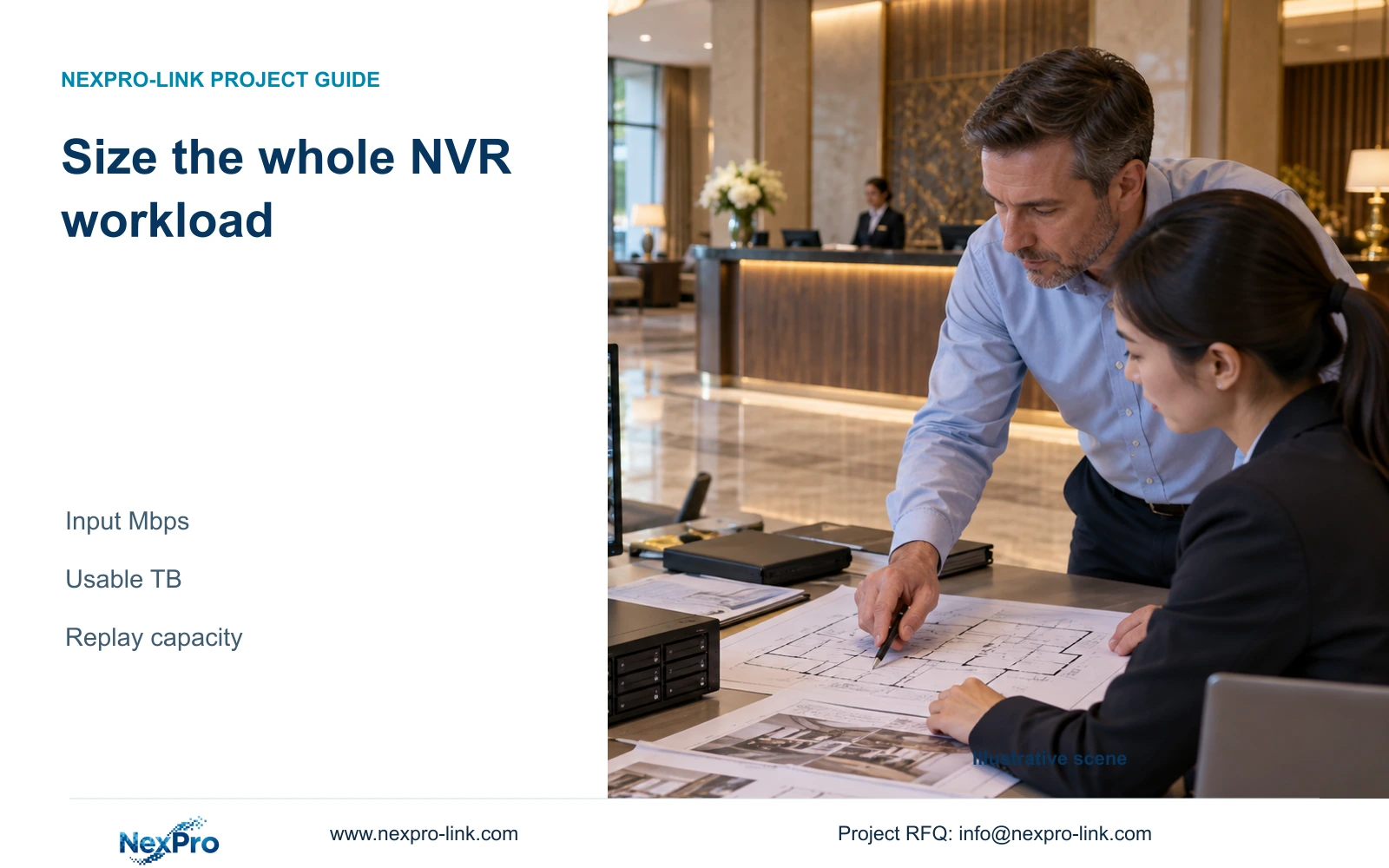
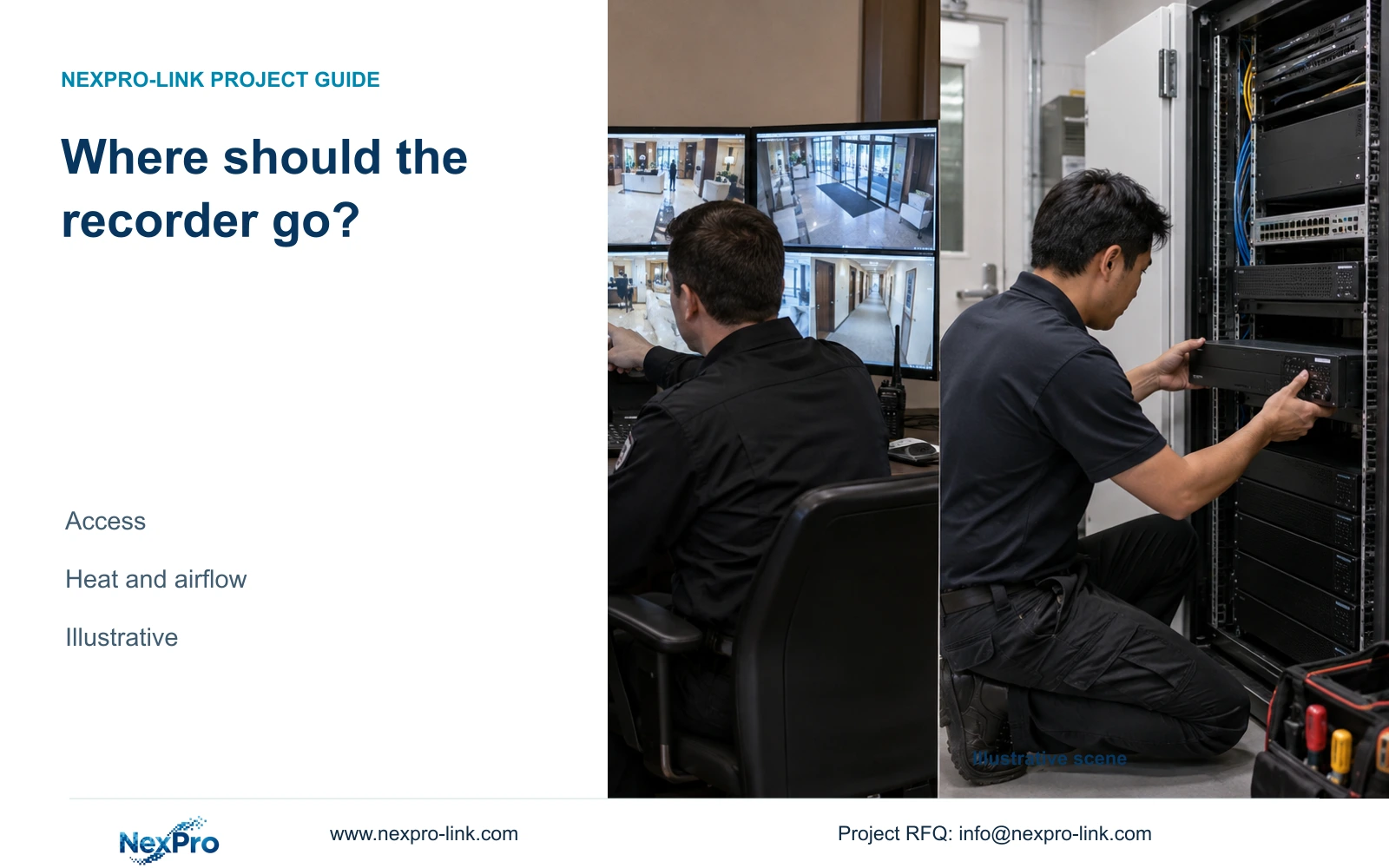
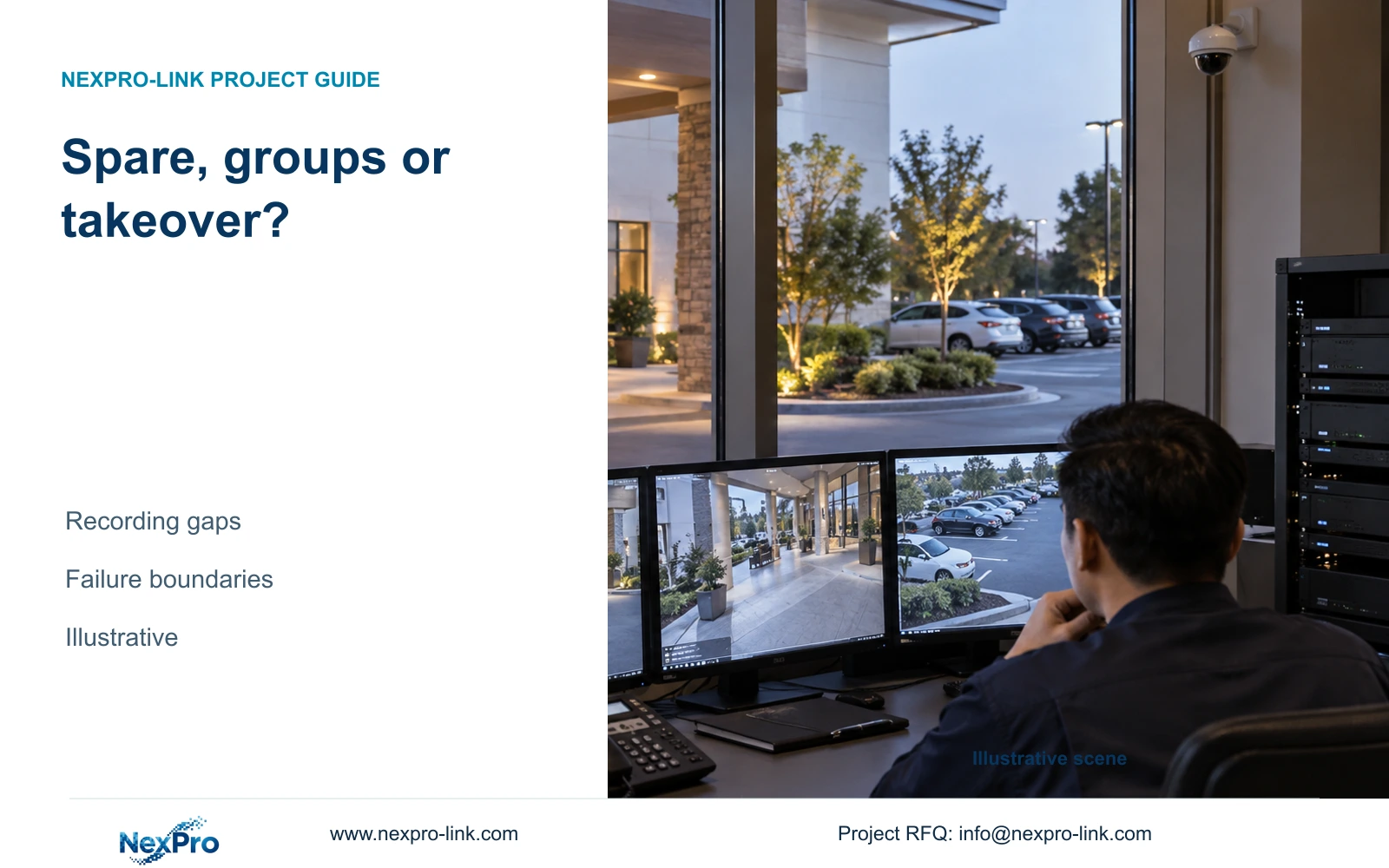
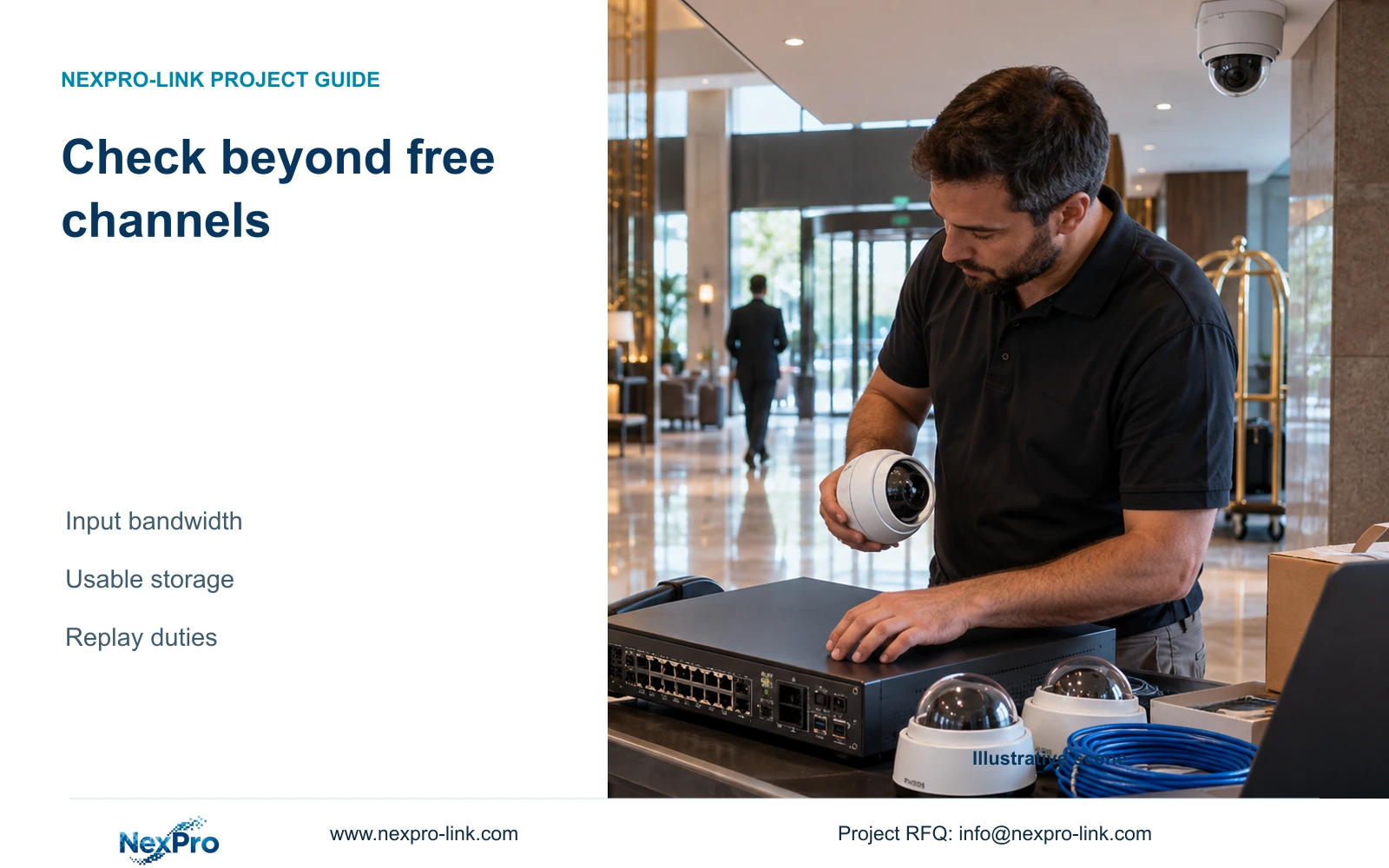
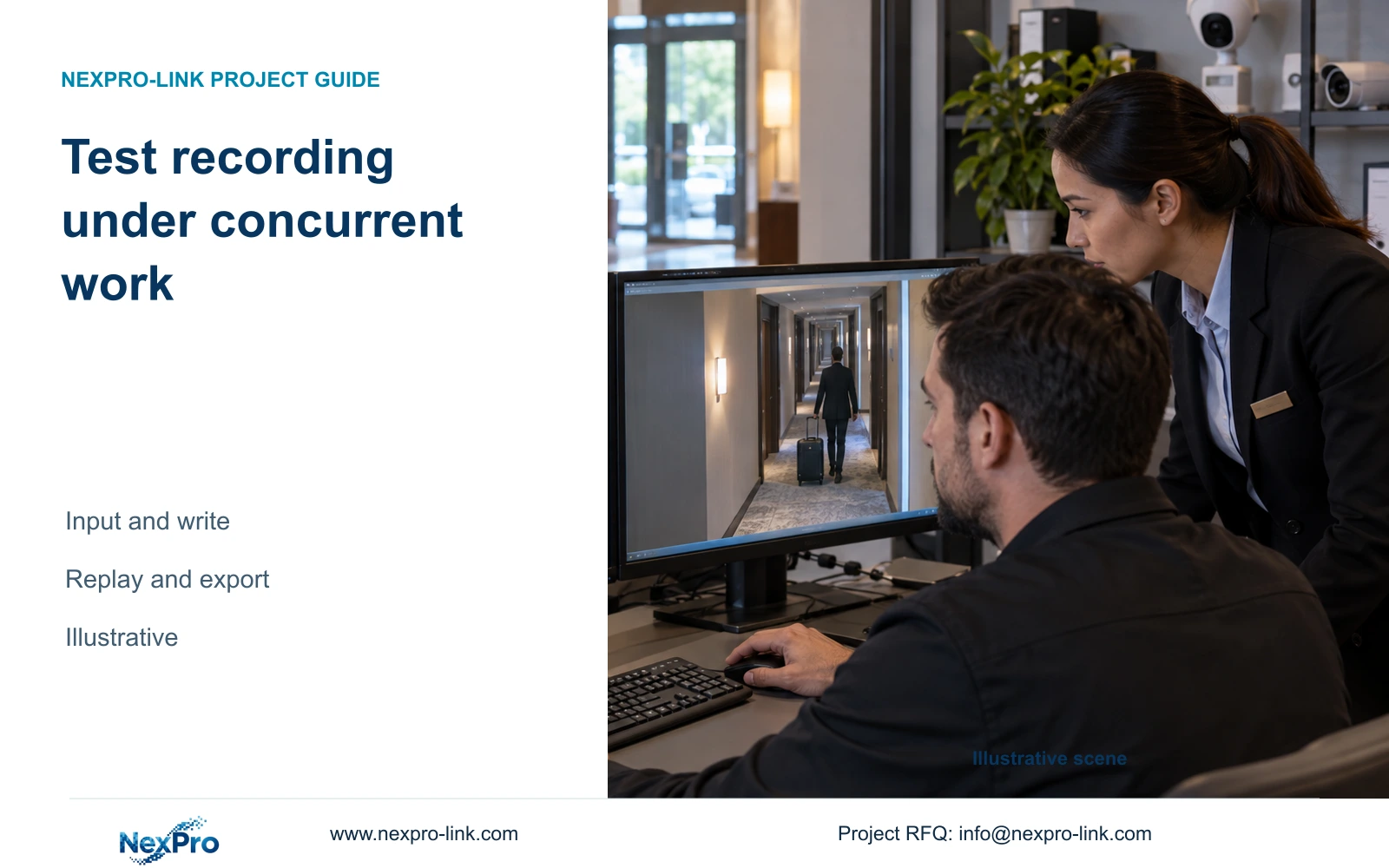
A 32-channel label does not establish support for 32 arbitrary 8MP cameras. Choose the recorder against the exact stream modes, storage layout and simultaneous investigation workload.

10 guides

Decision area 10

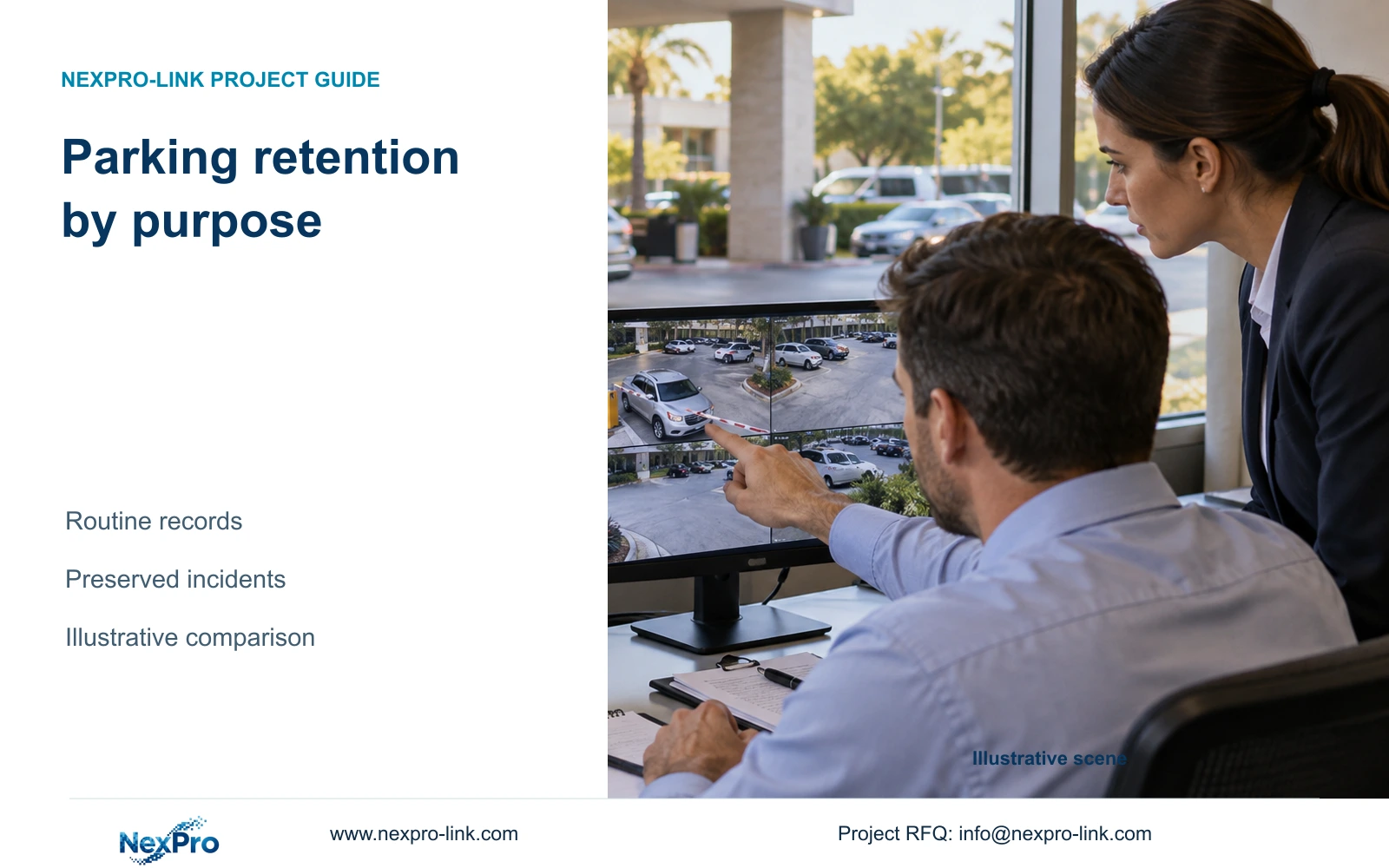
Recording Storage

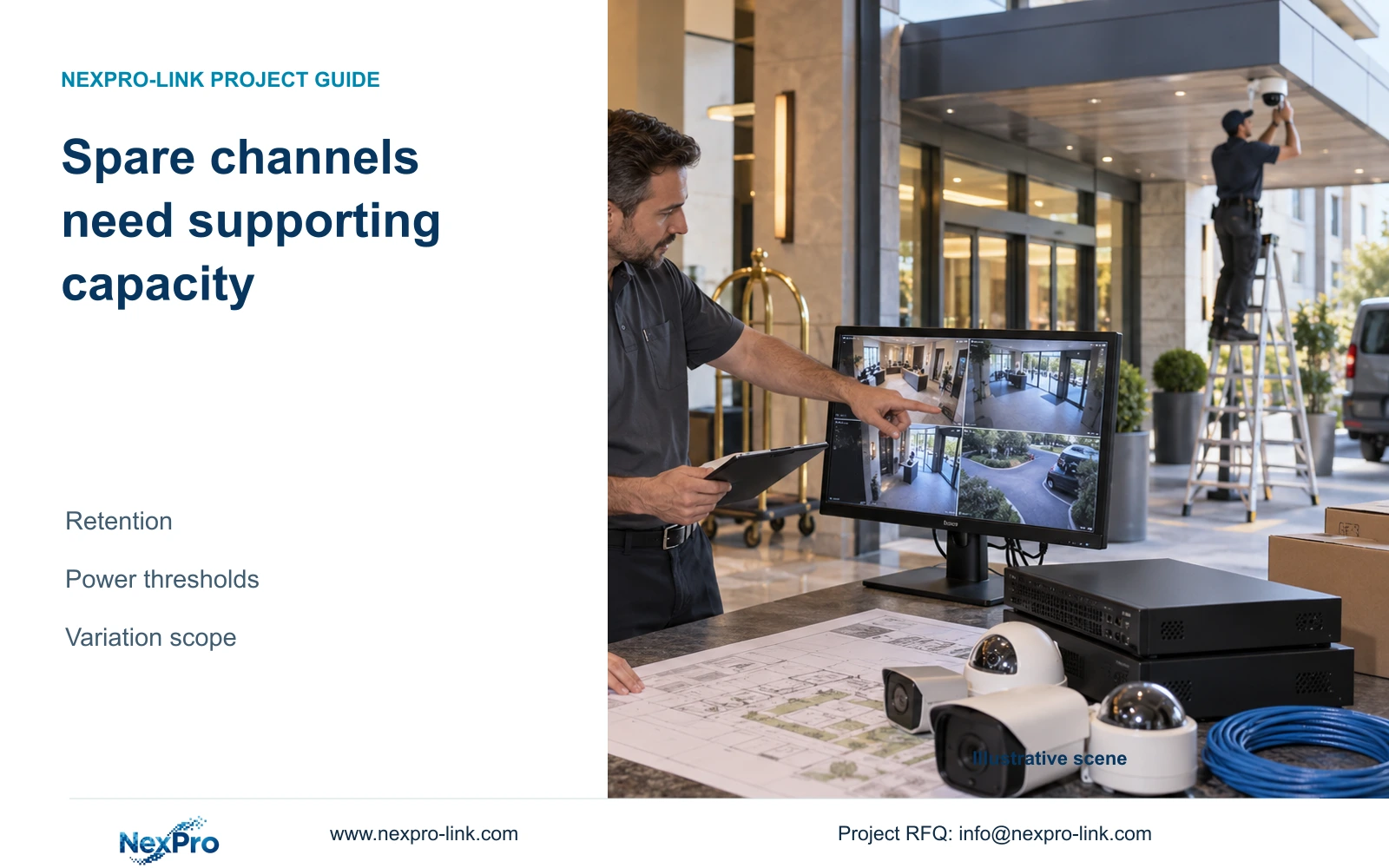
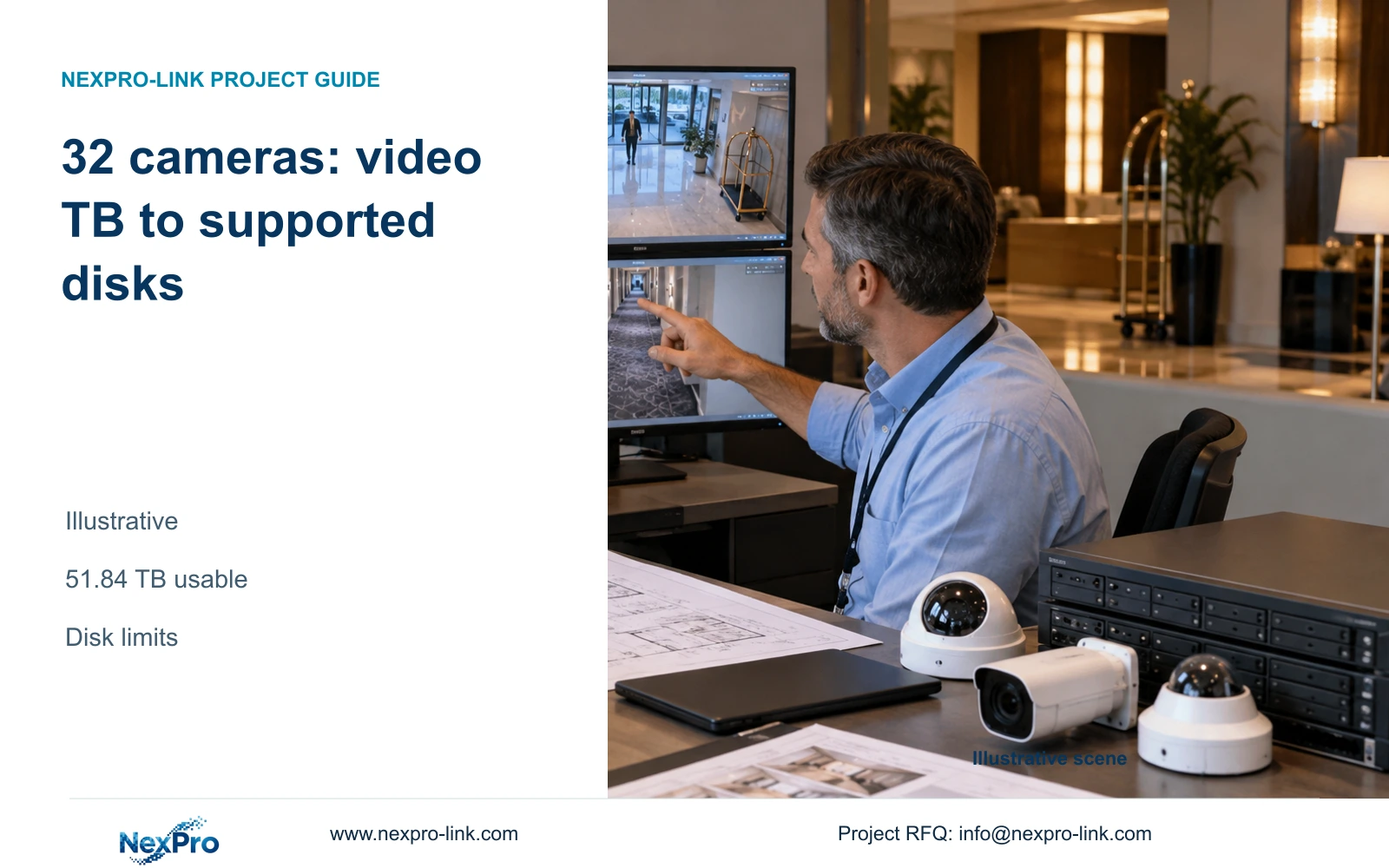
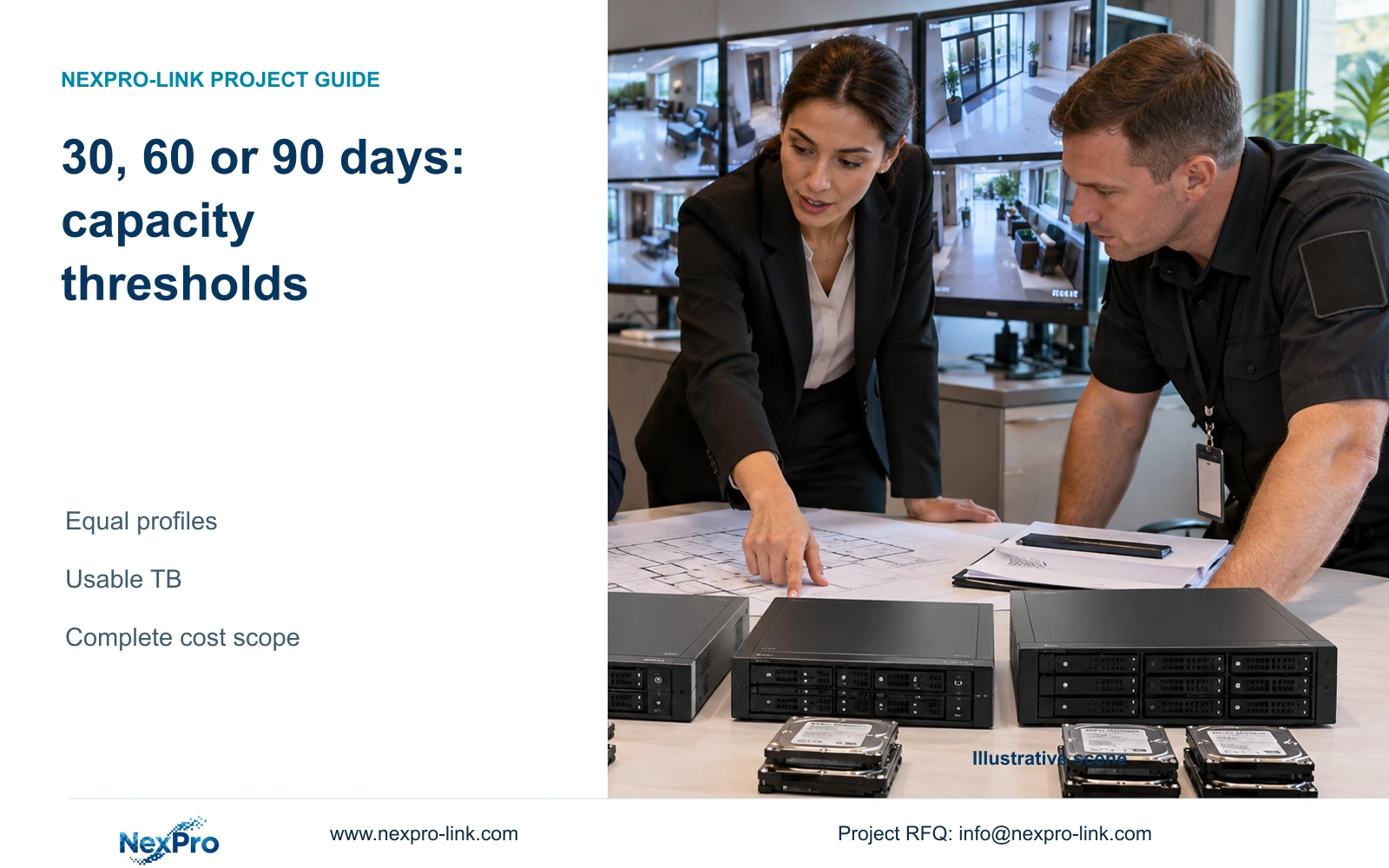
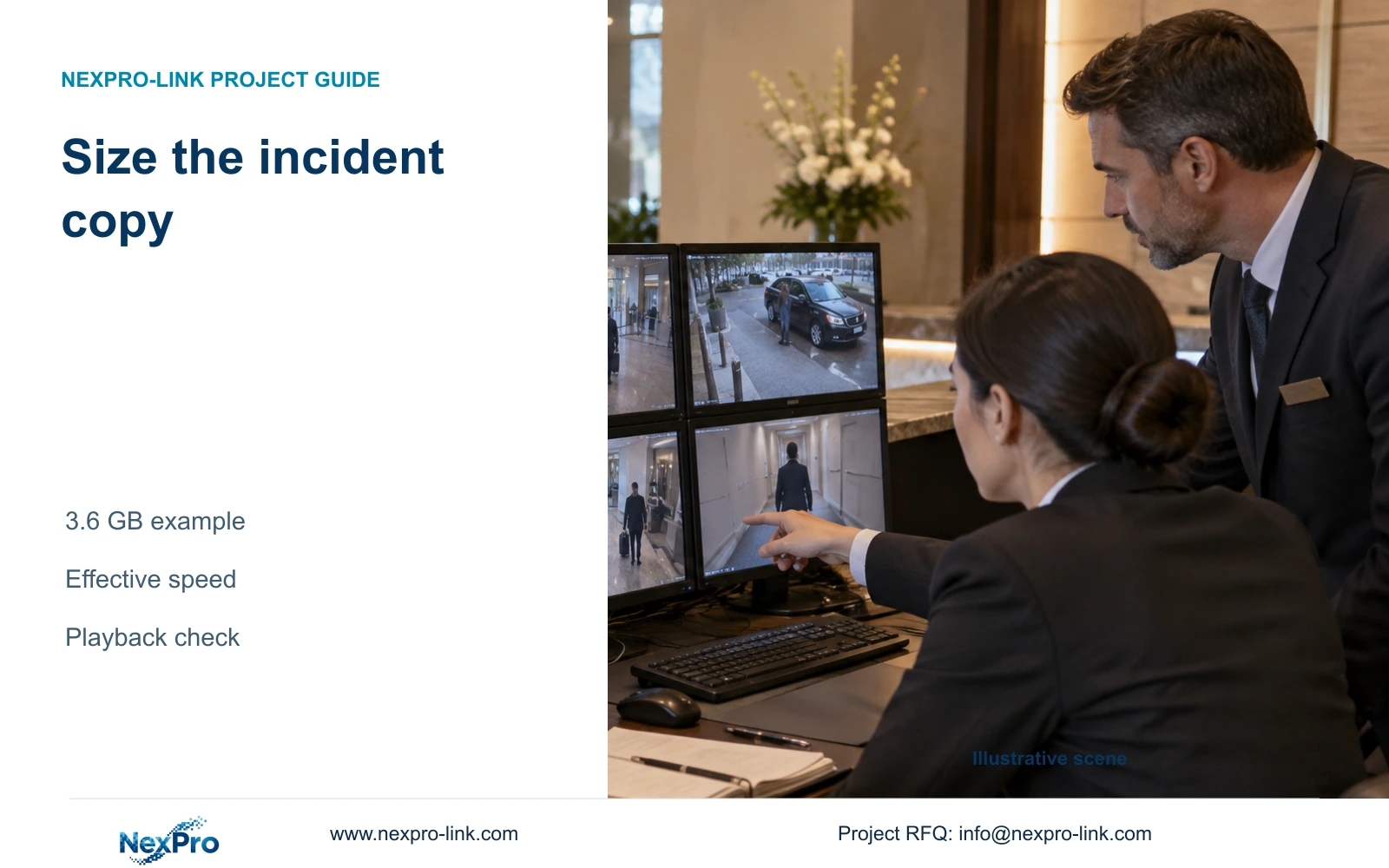
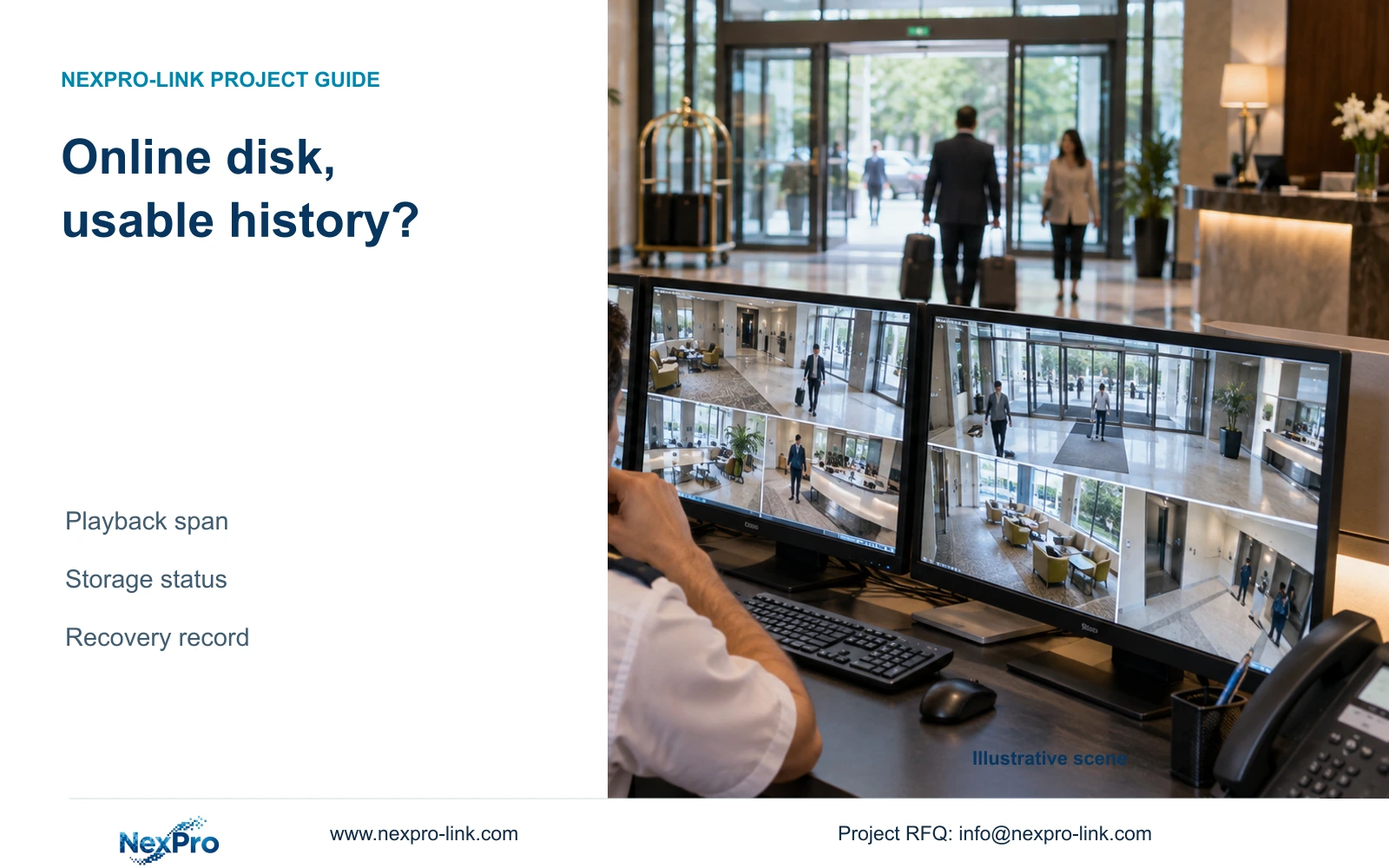
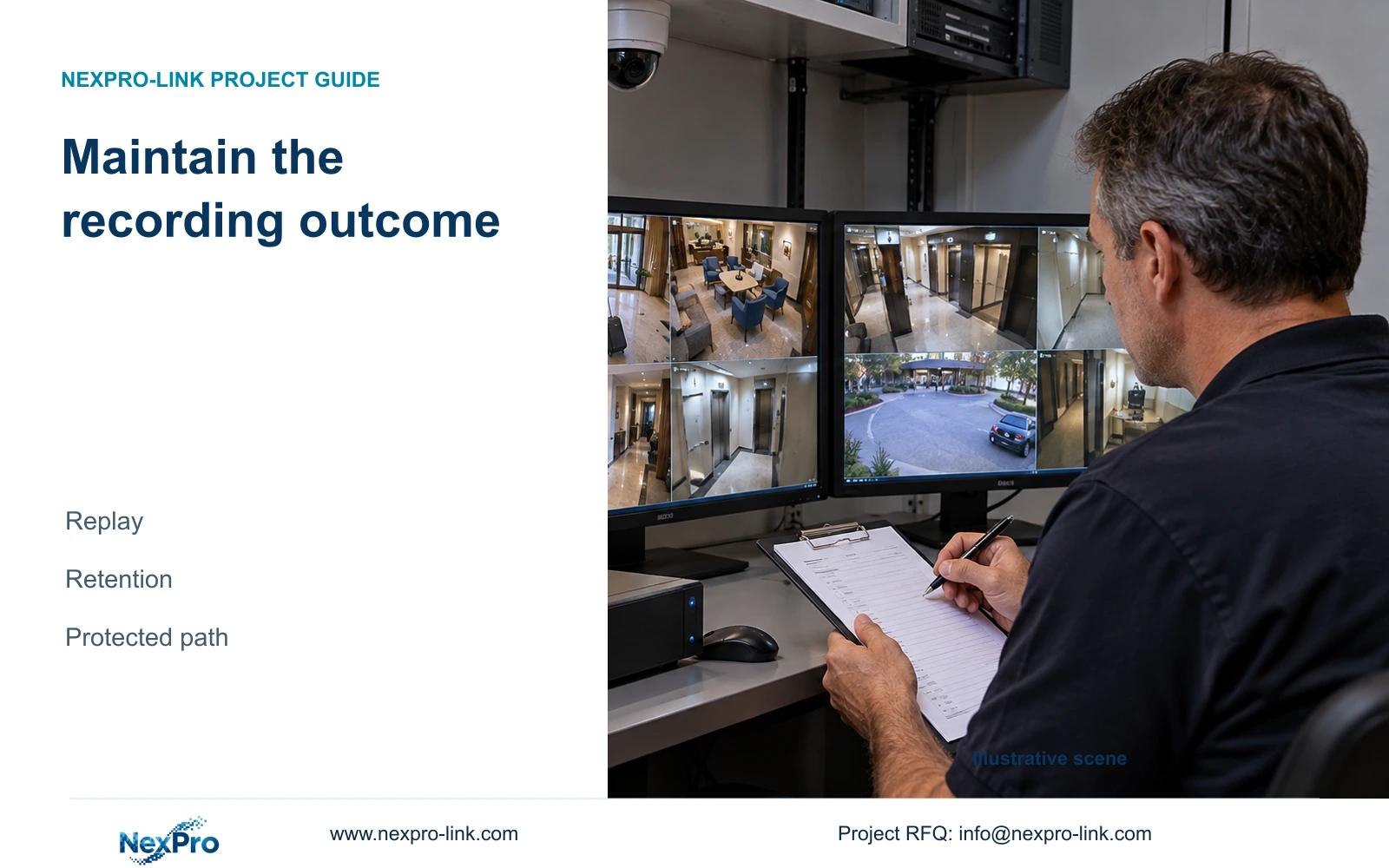
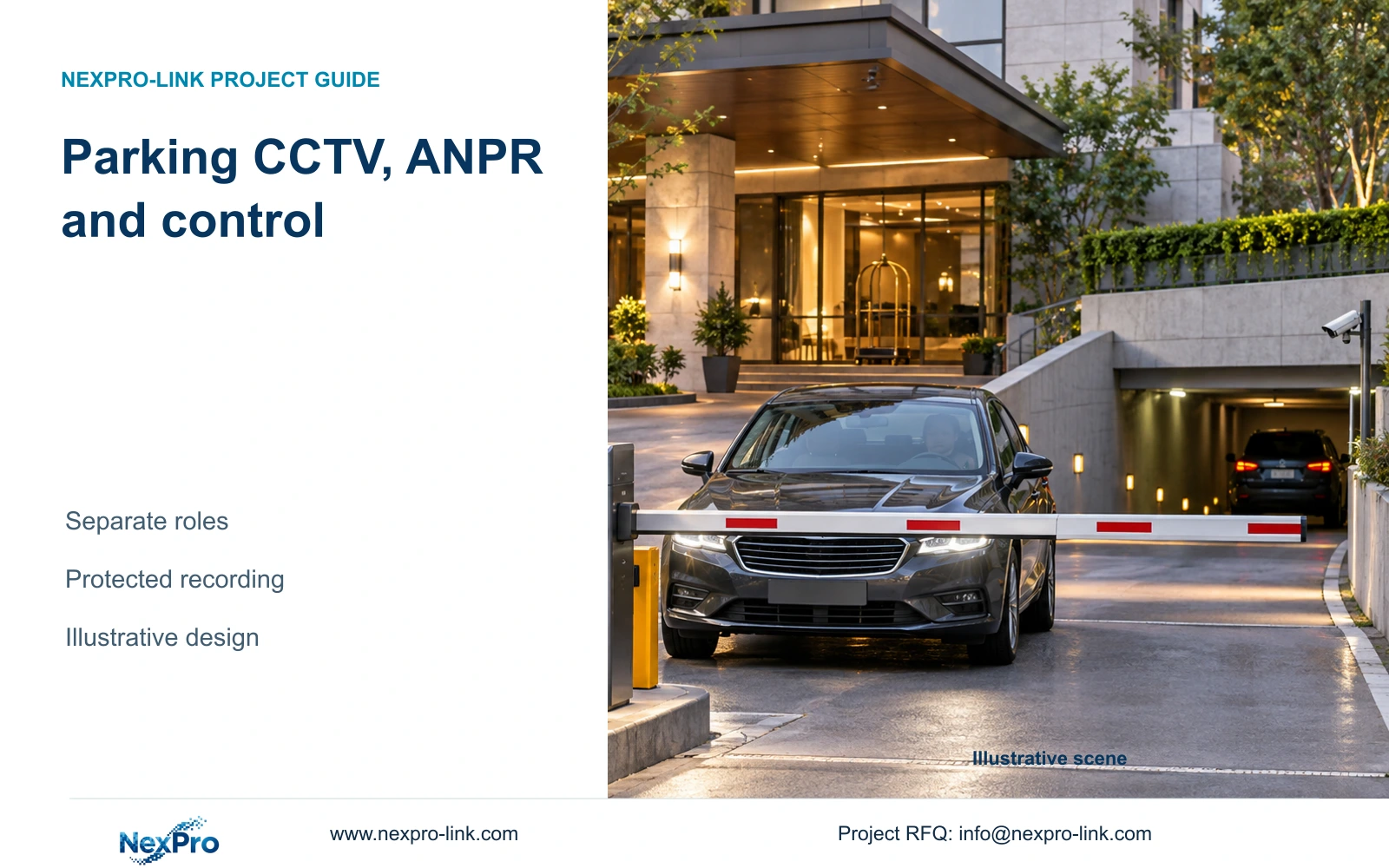
At an assumed 4 Mbps per camera, 32 hotel cameras need 41.472 TB of video space for 30 days. The disk selection must also account for reserve, formatting and recorder support.

10 guides

Decision area 11

PoE and Hotel Networks

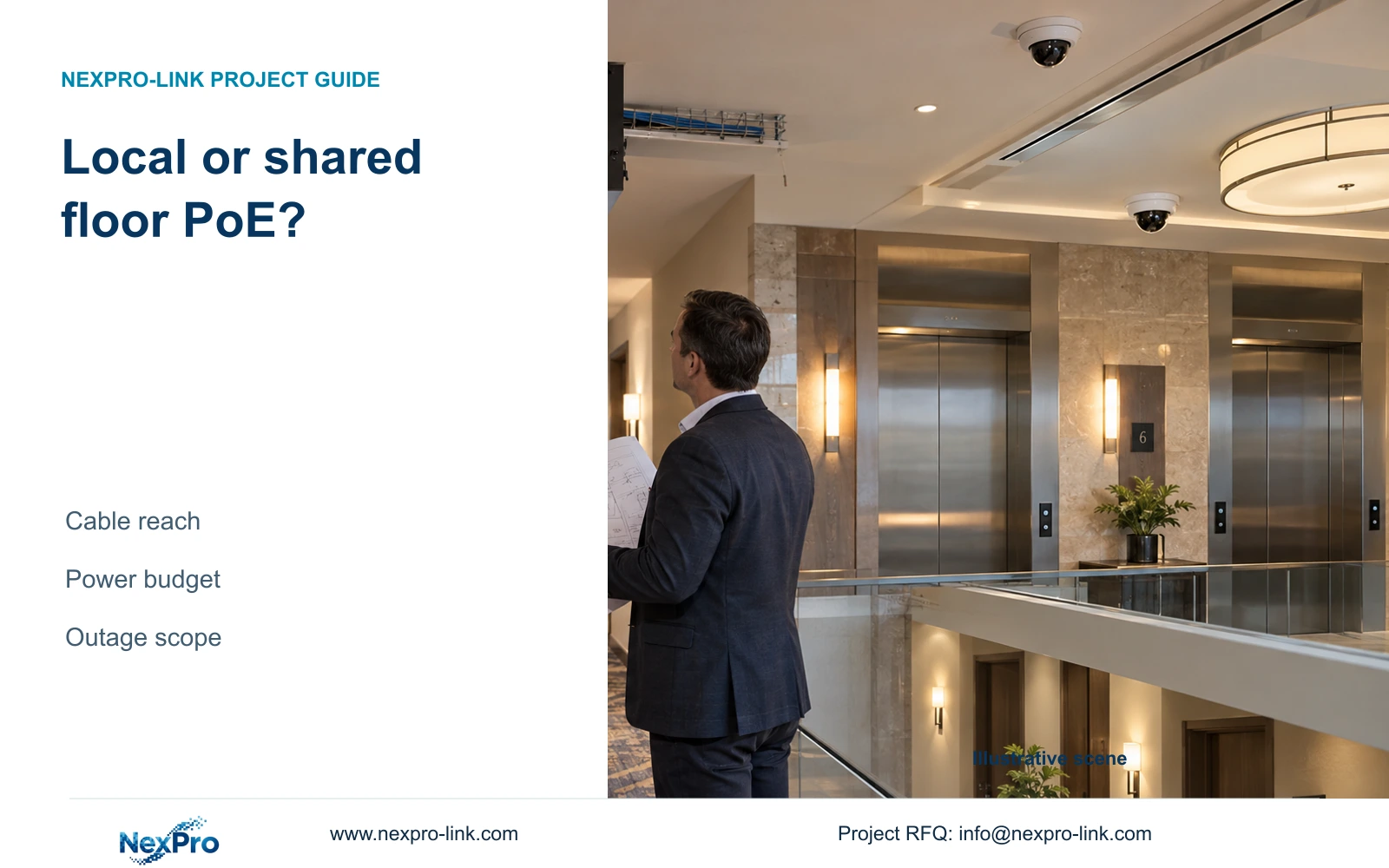
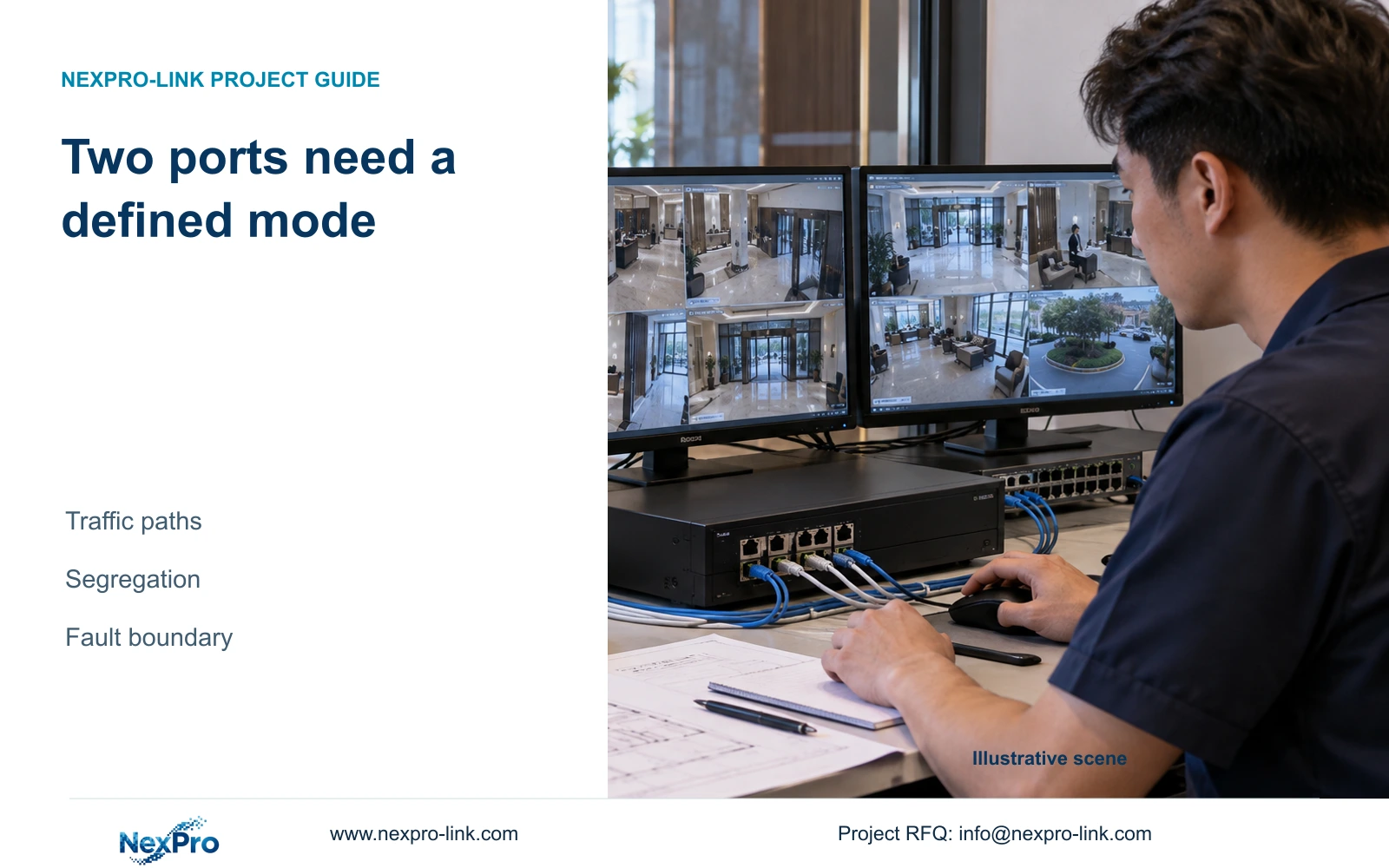
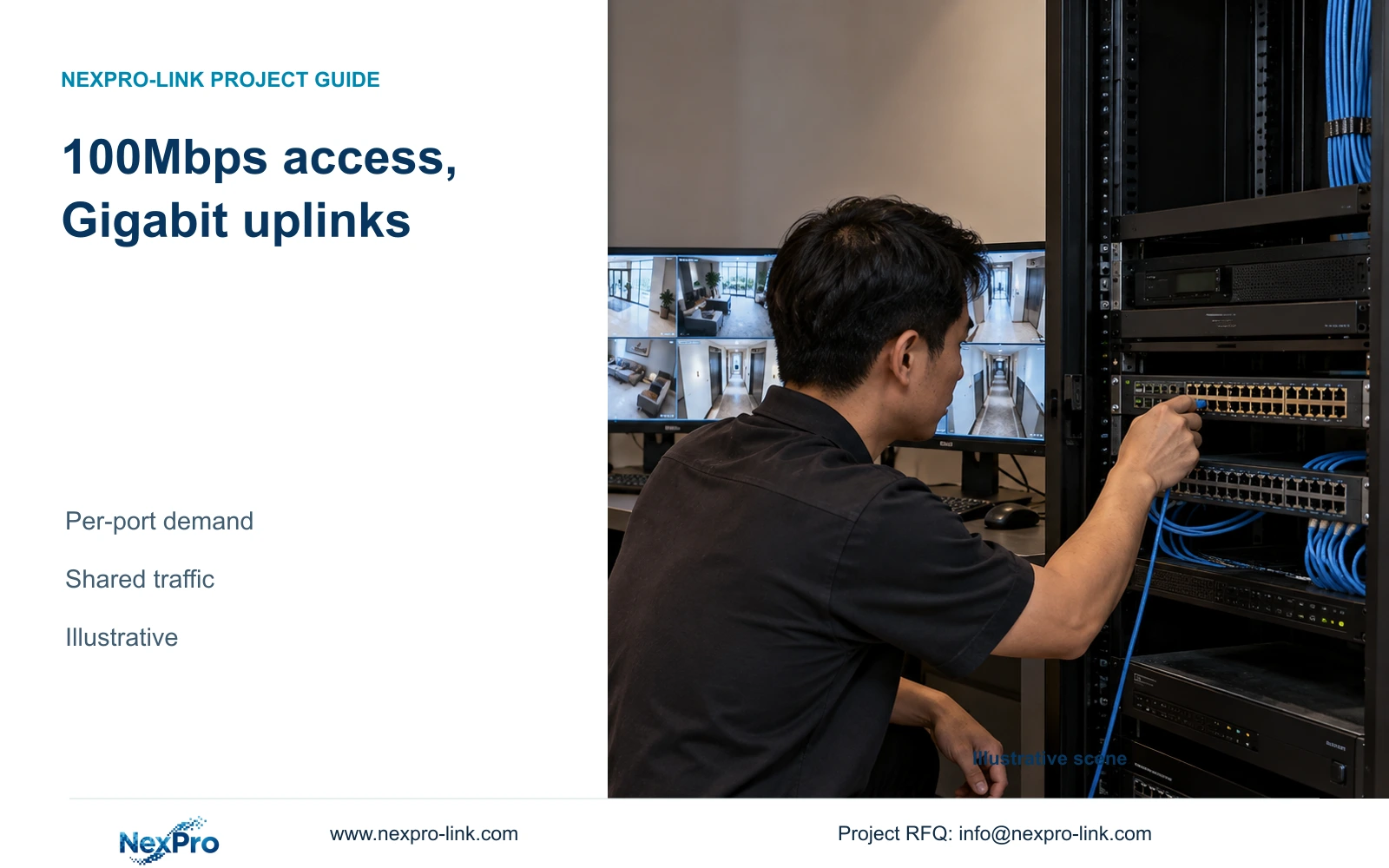
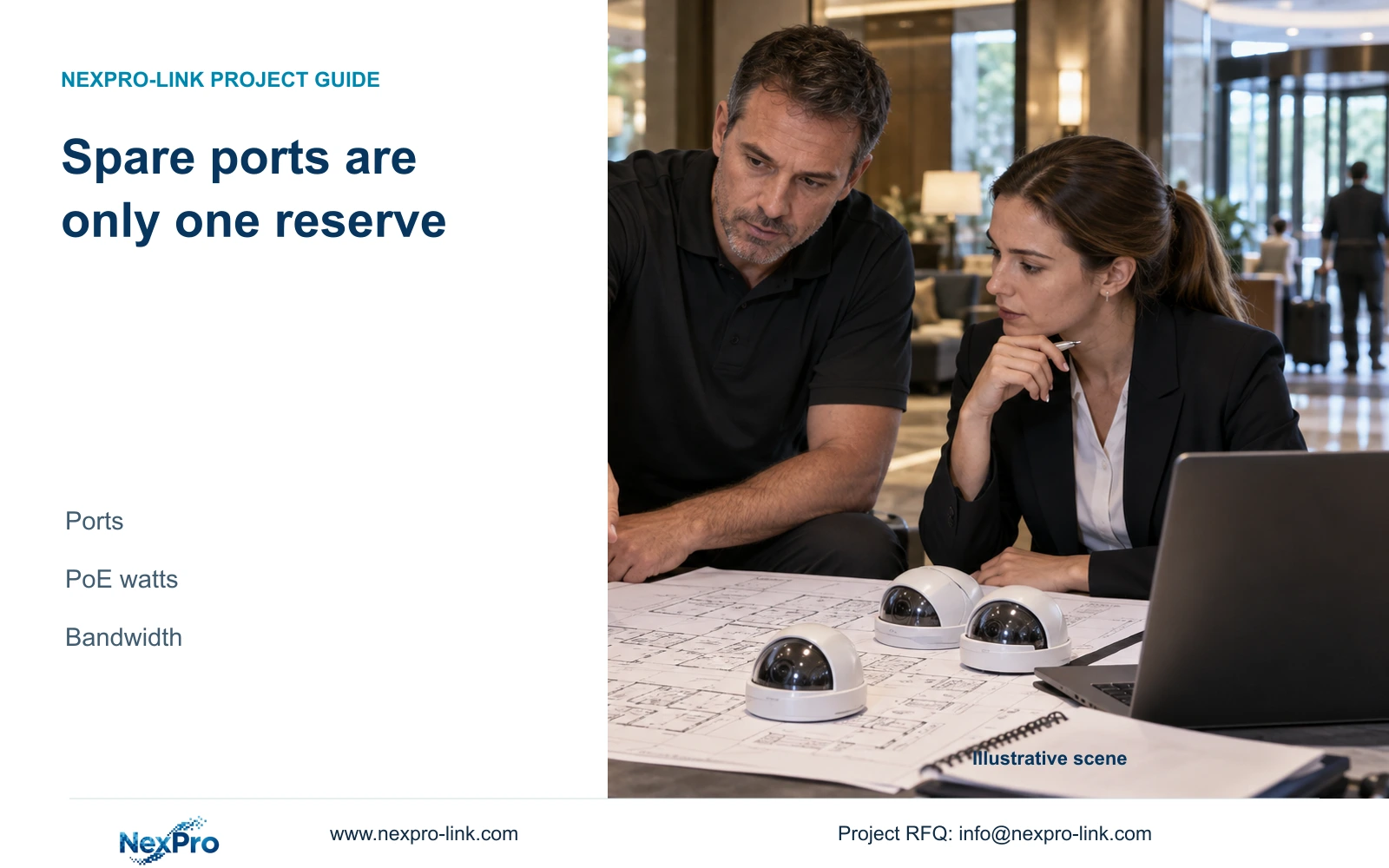
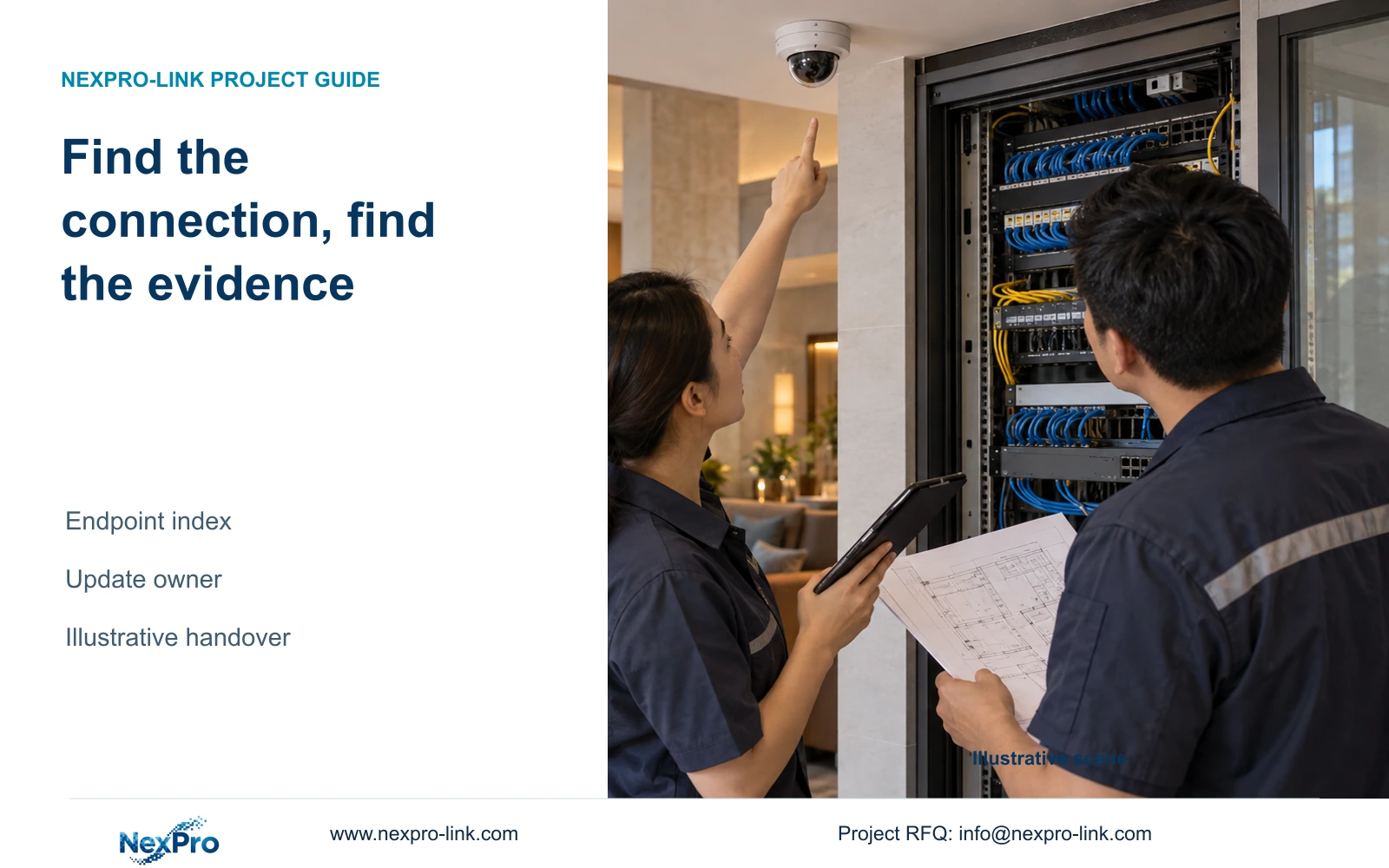
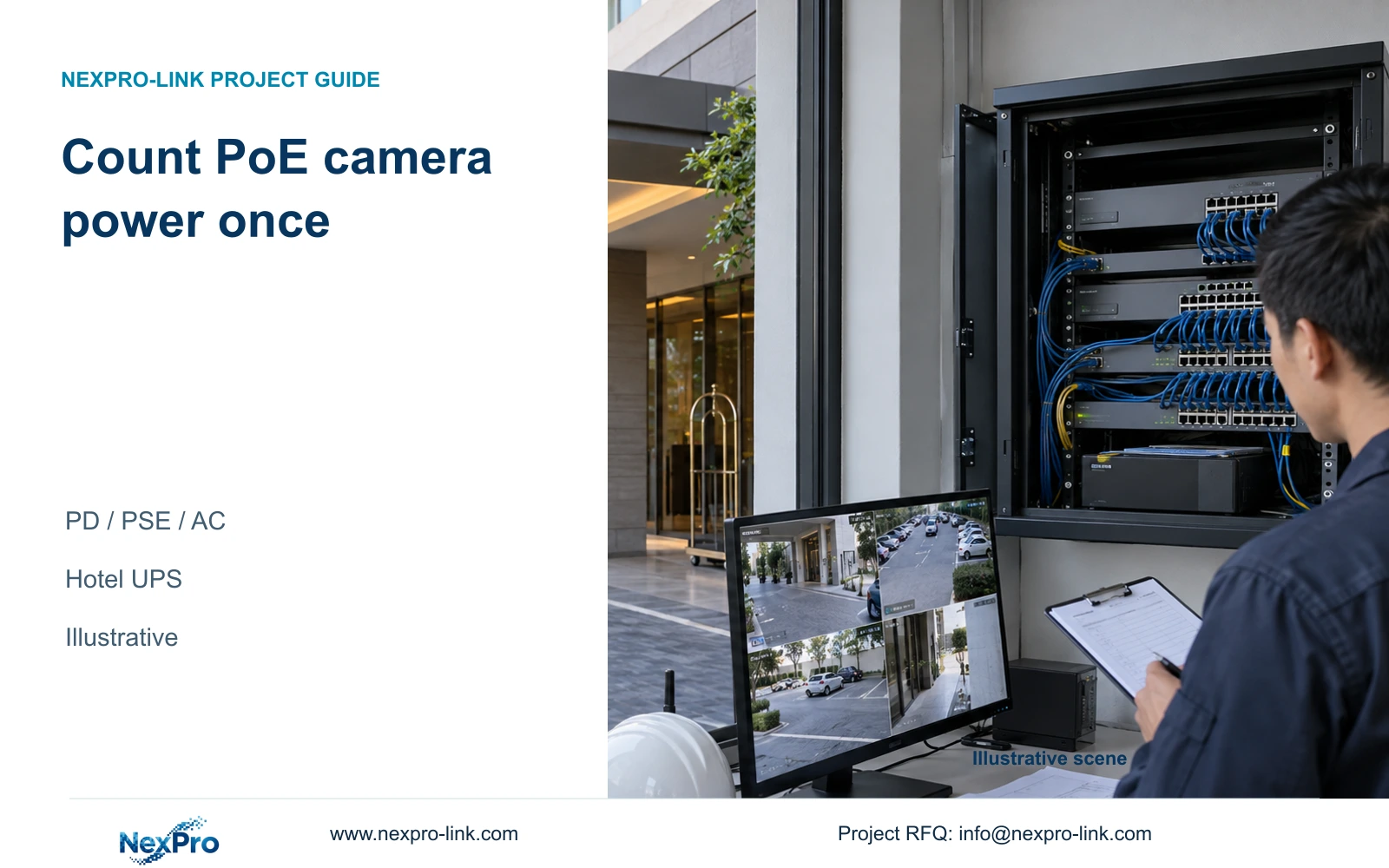
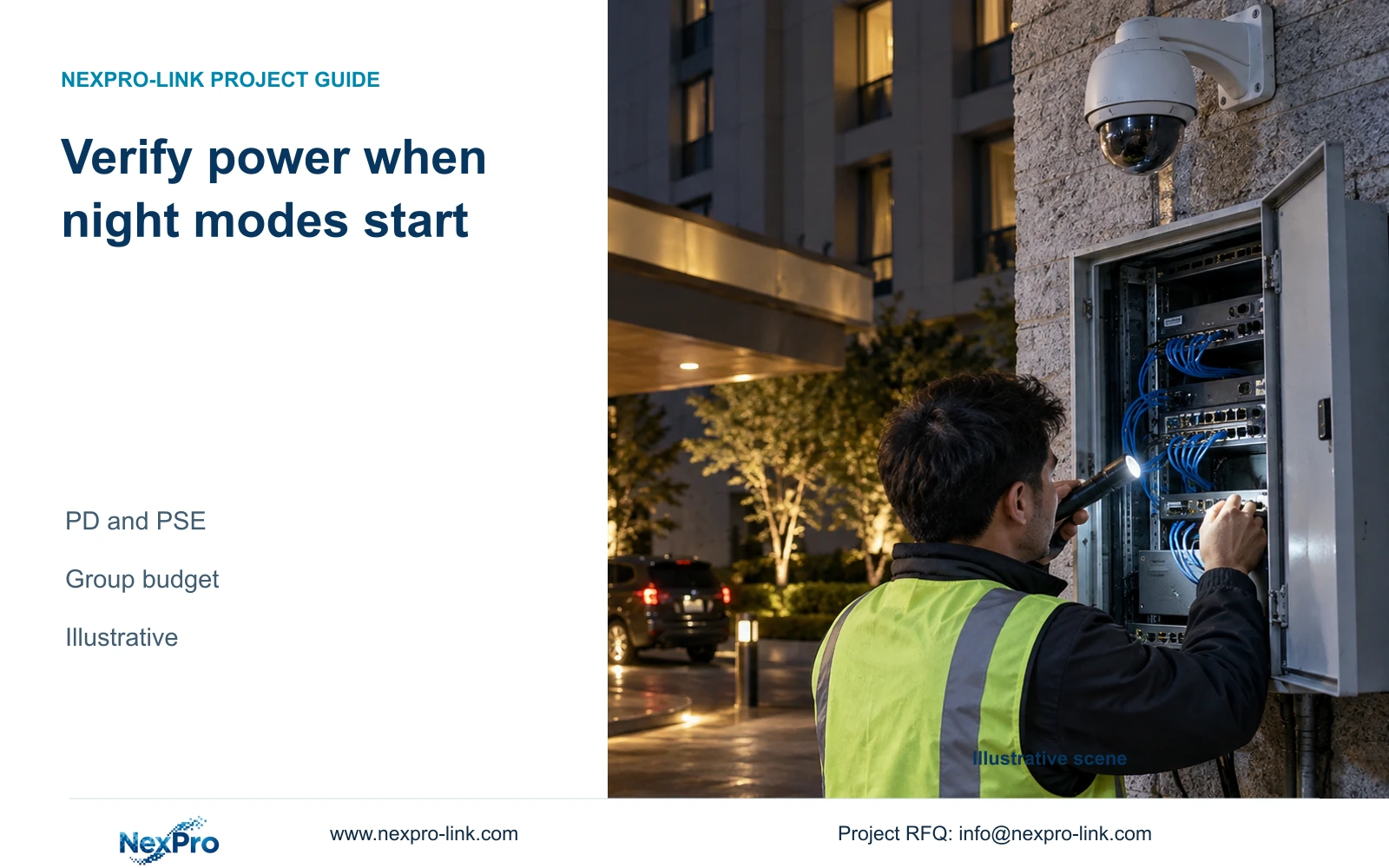
Require the bidder to return assigned endpoints, documented peak demand, supported port interfaces and usable chassis allocation for each cabinet. Separate unconfirmed watts from verified model data.

10 guides

Decision area 12

CAT6 Route Engineering

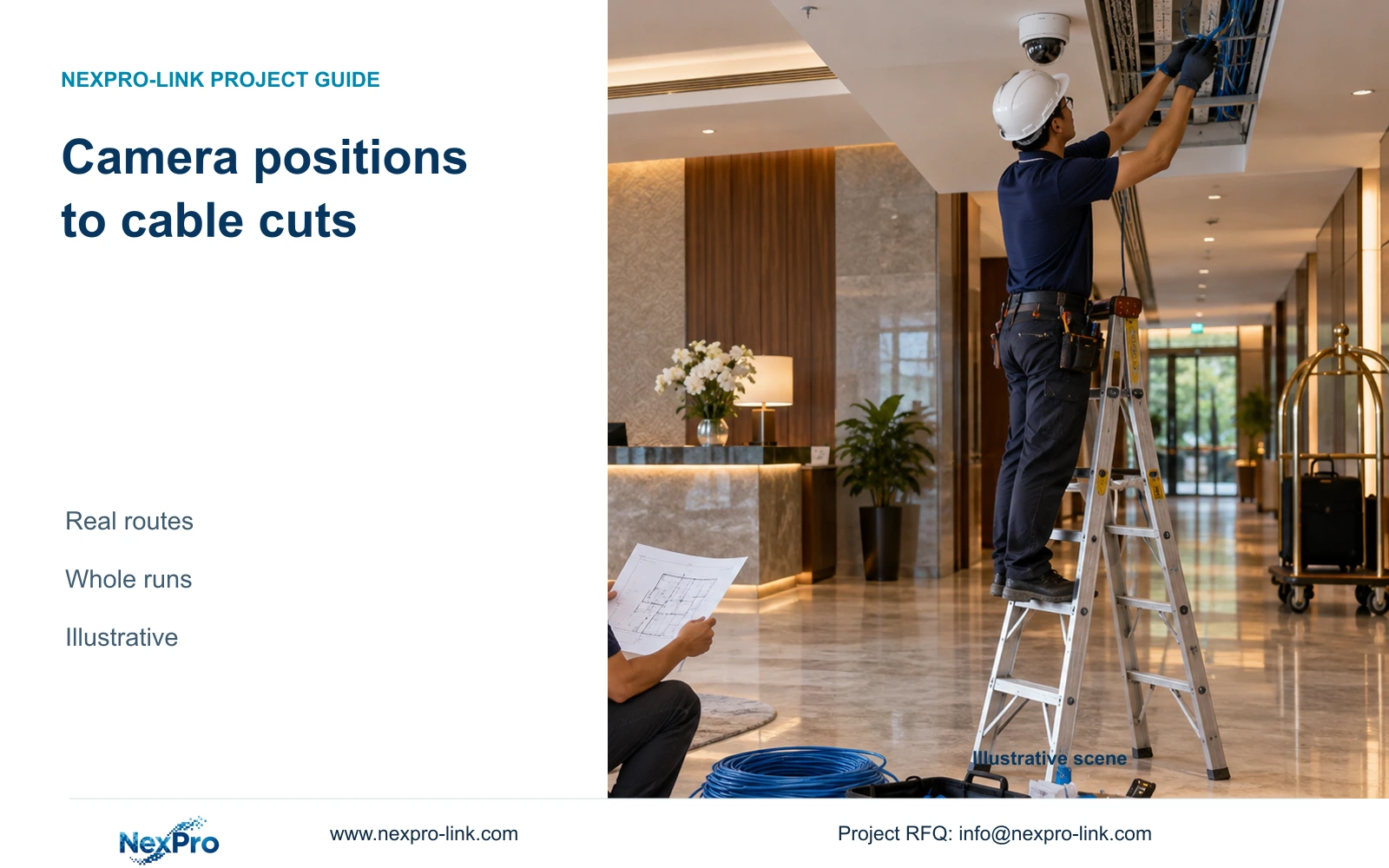
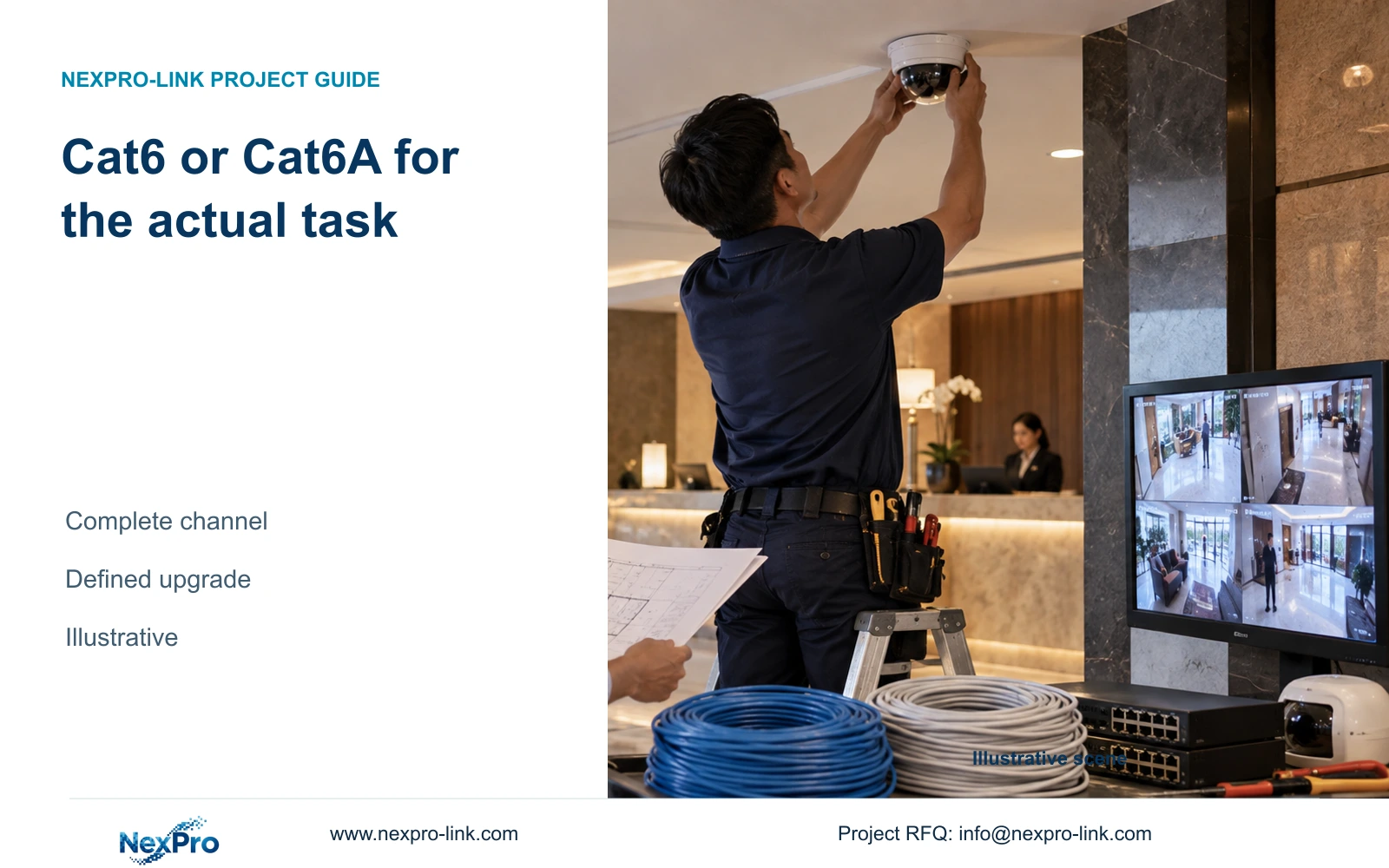
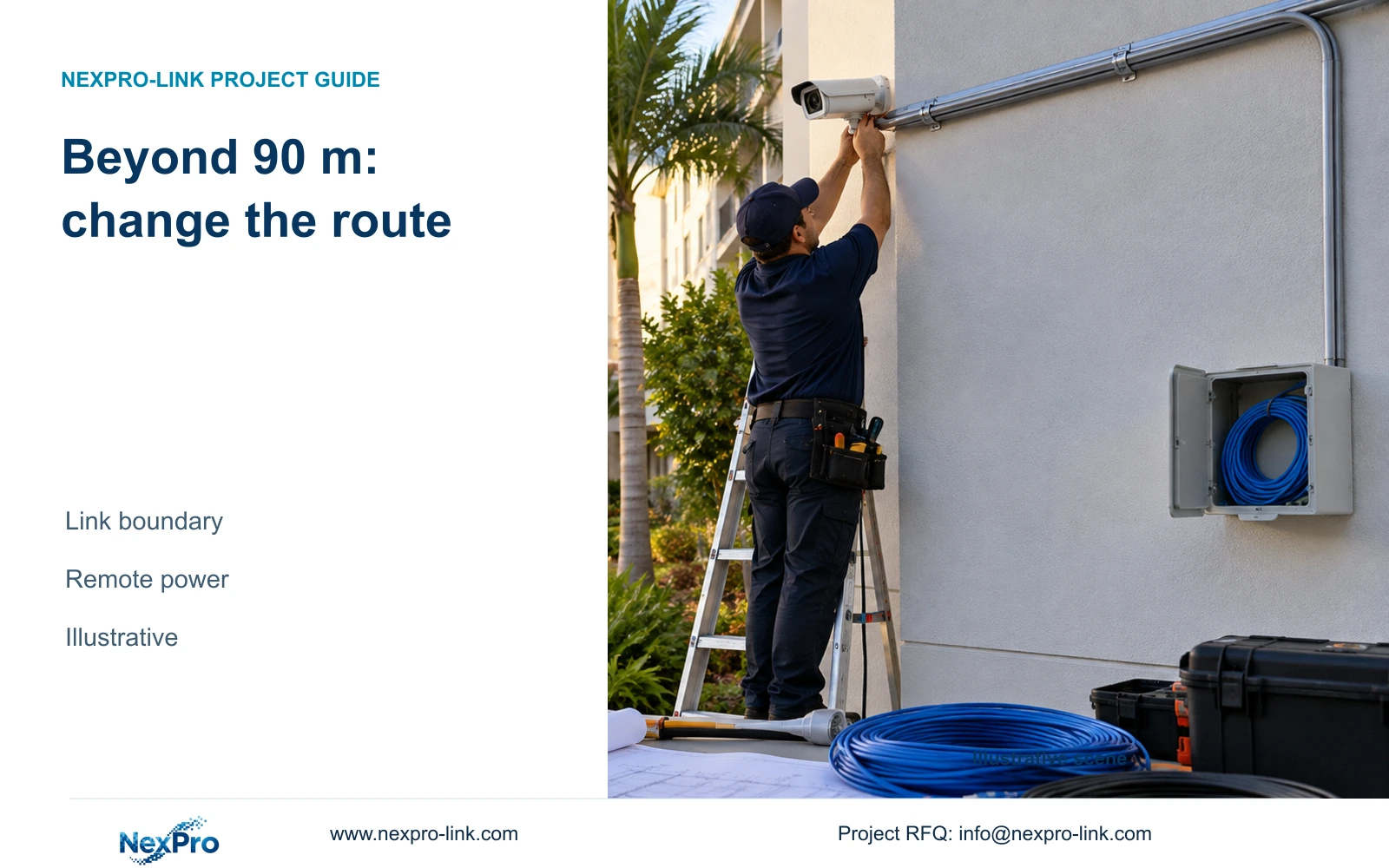
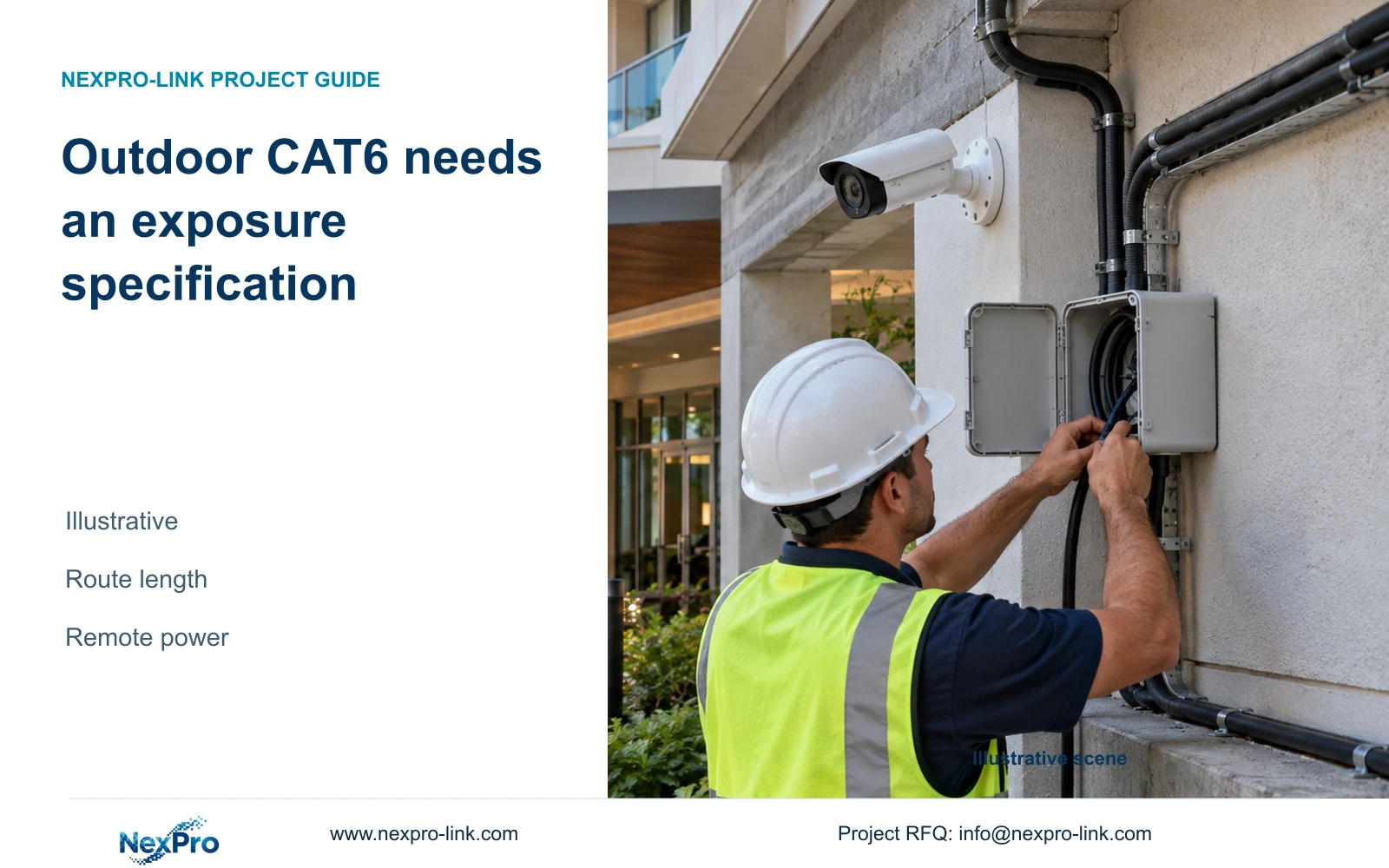
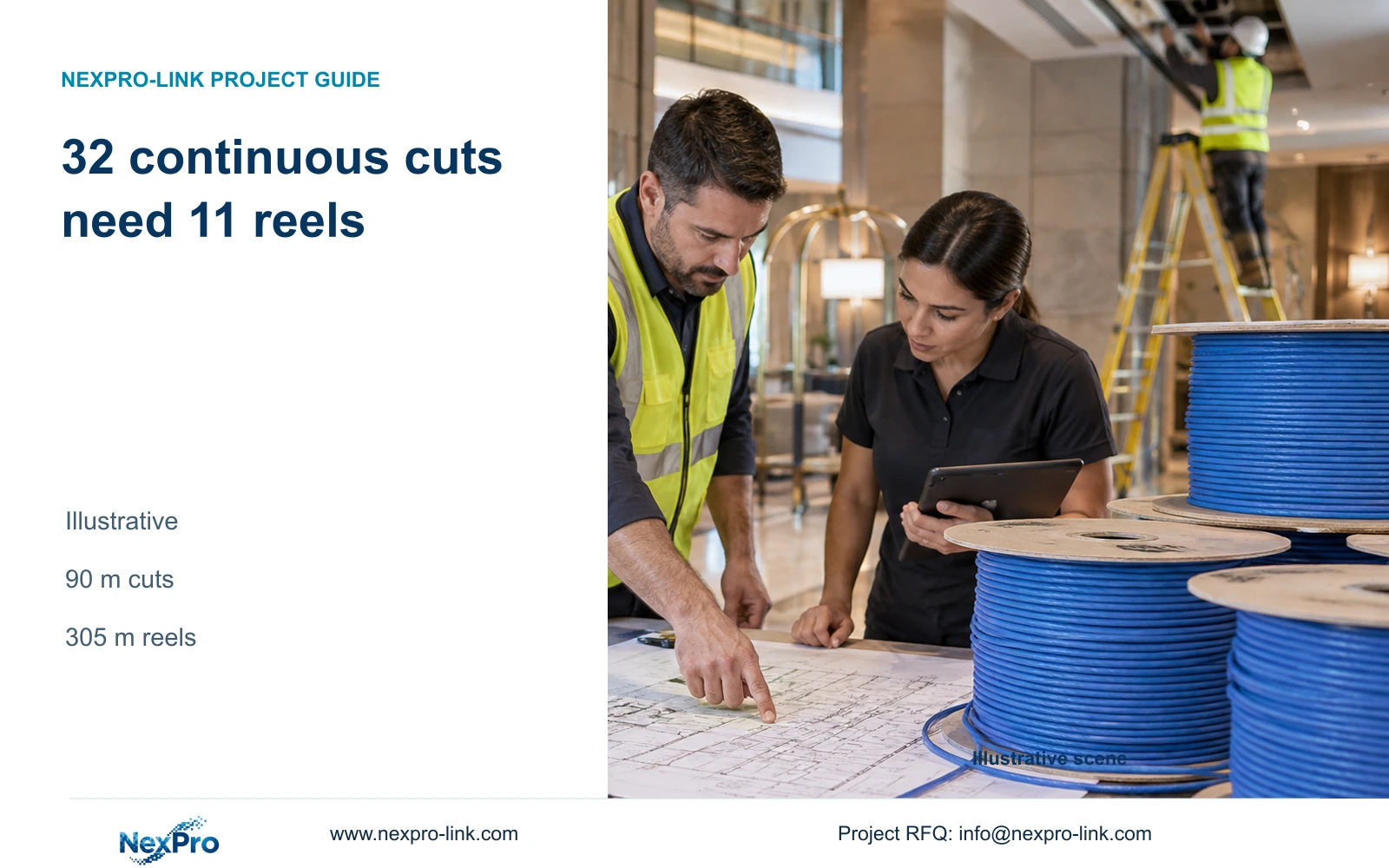
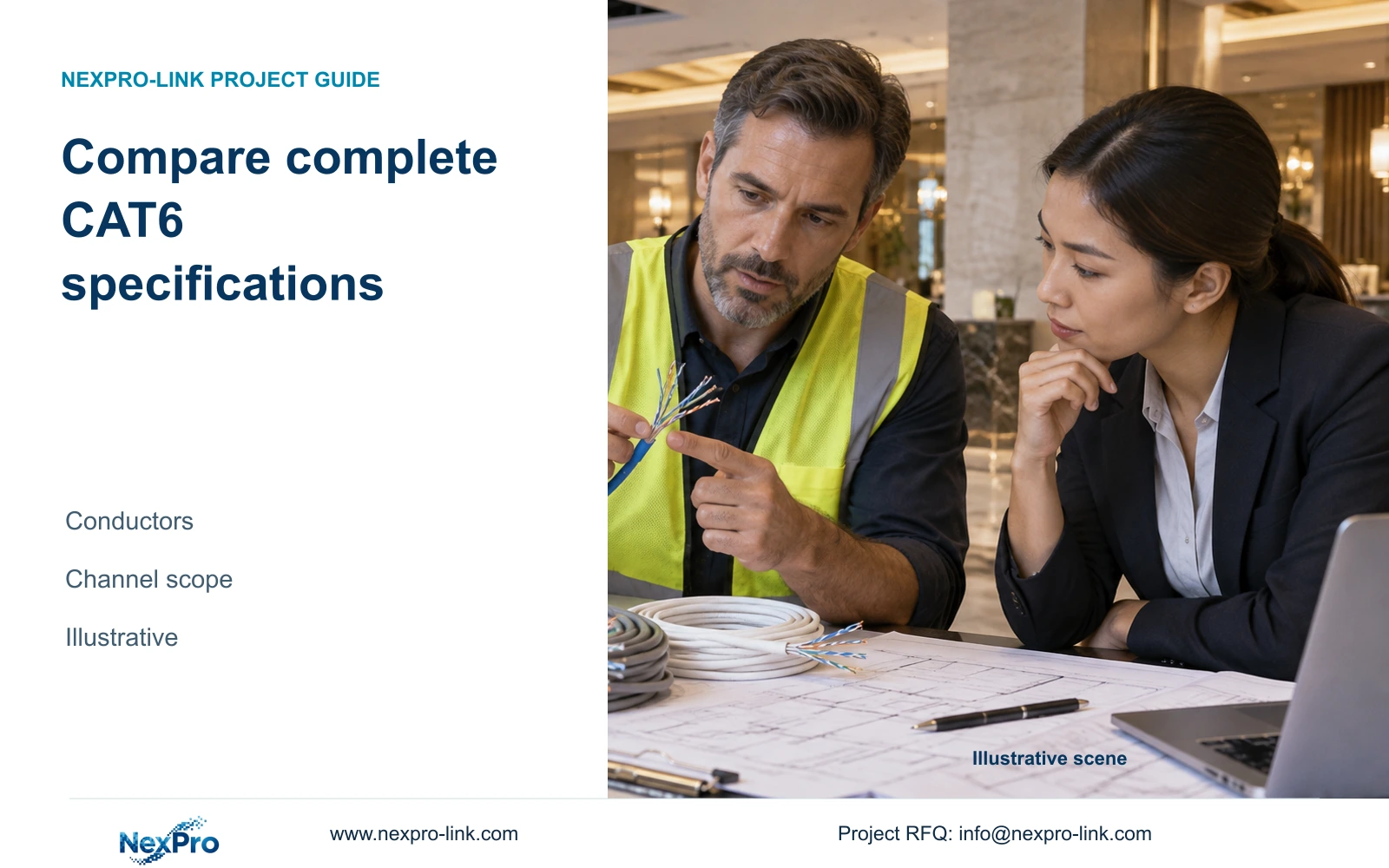
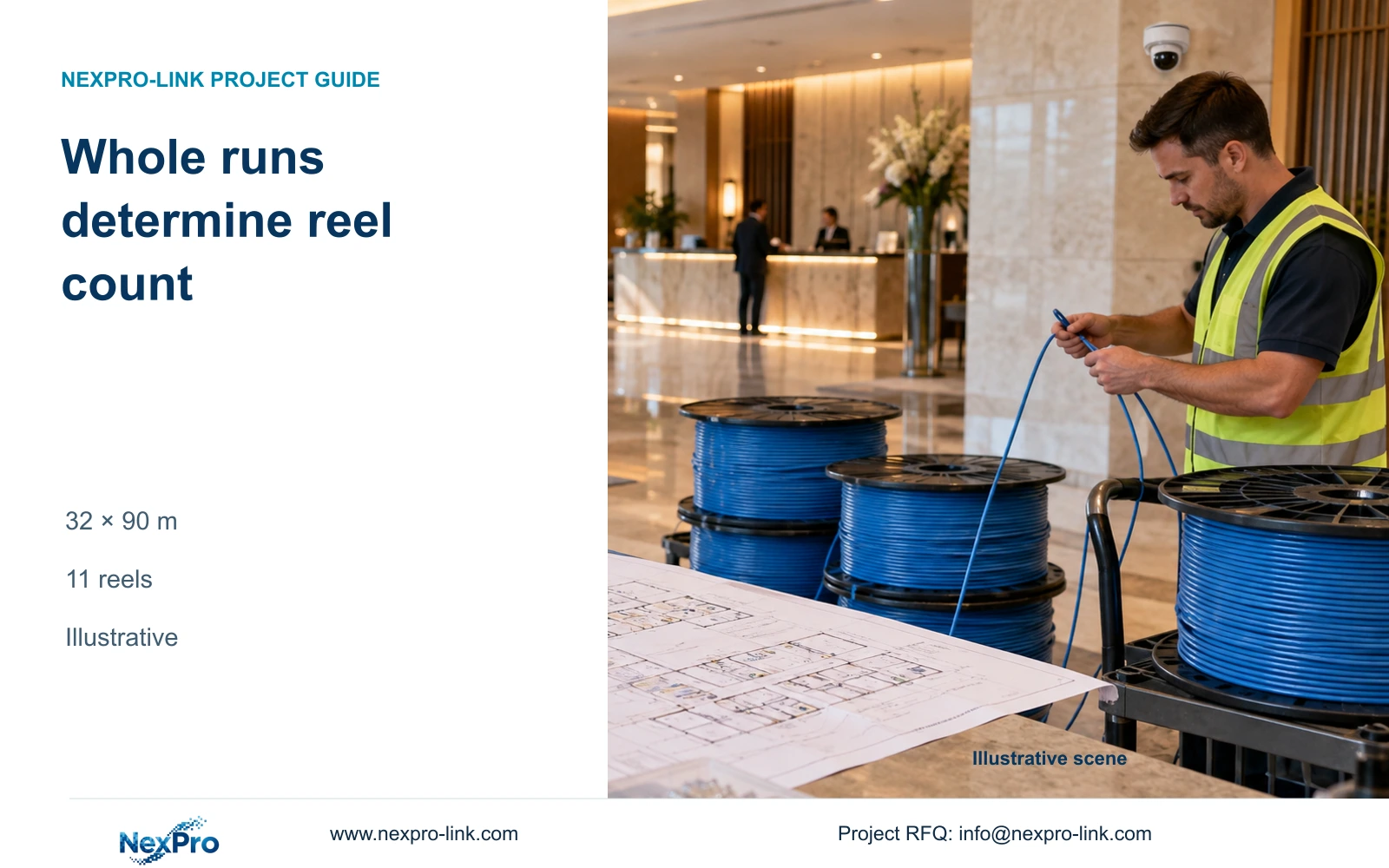
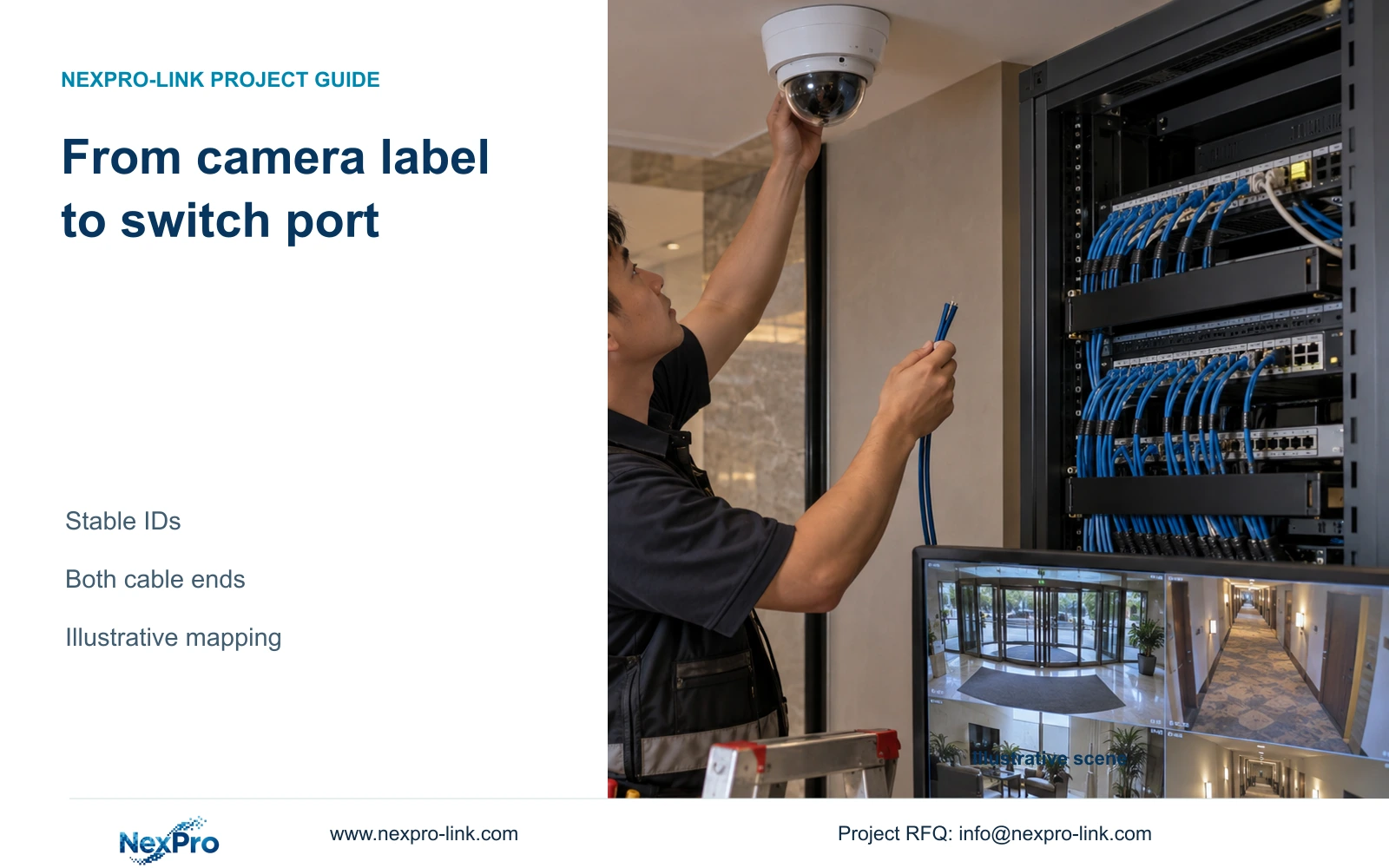
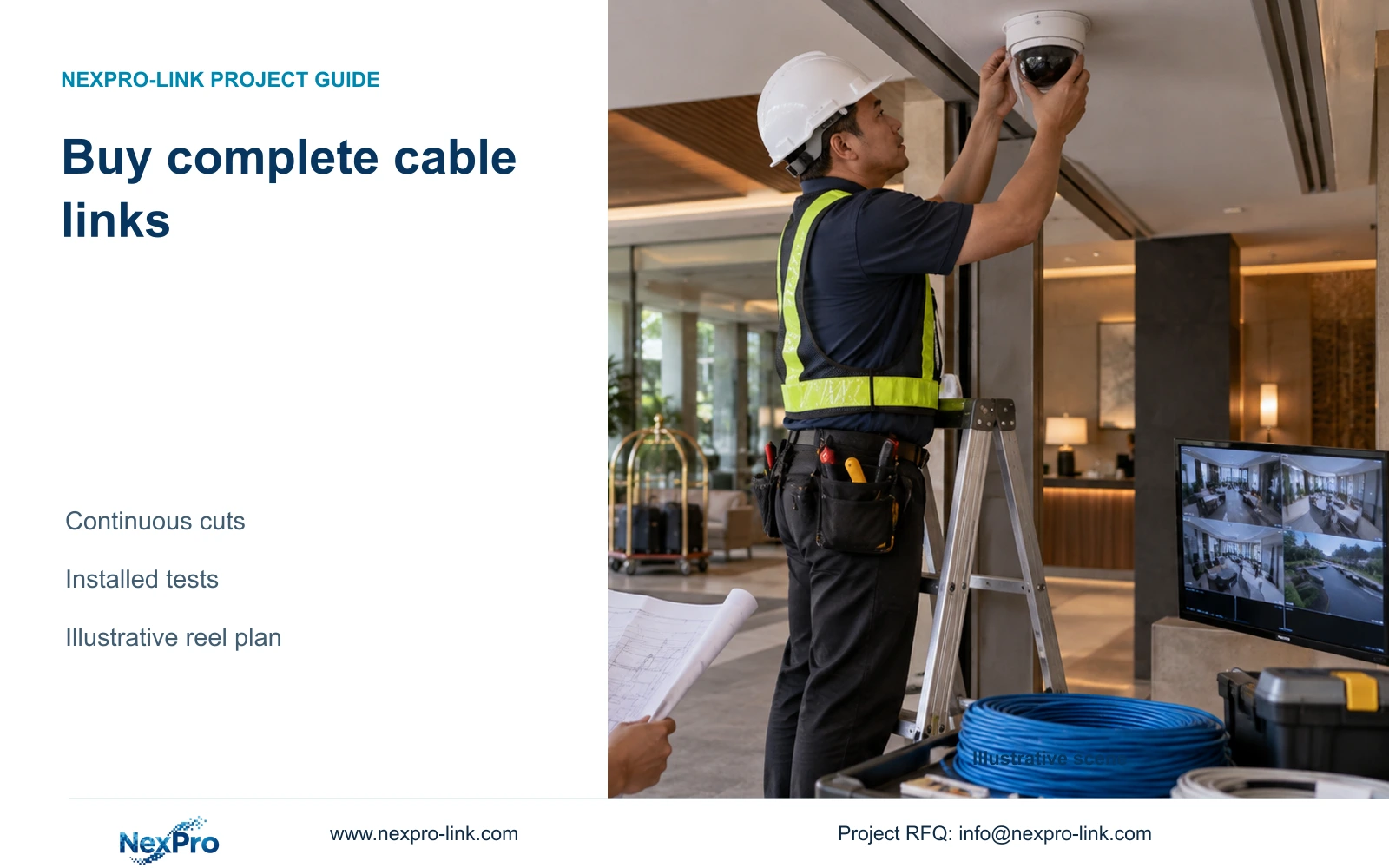
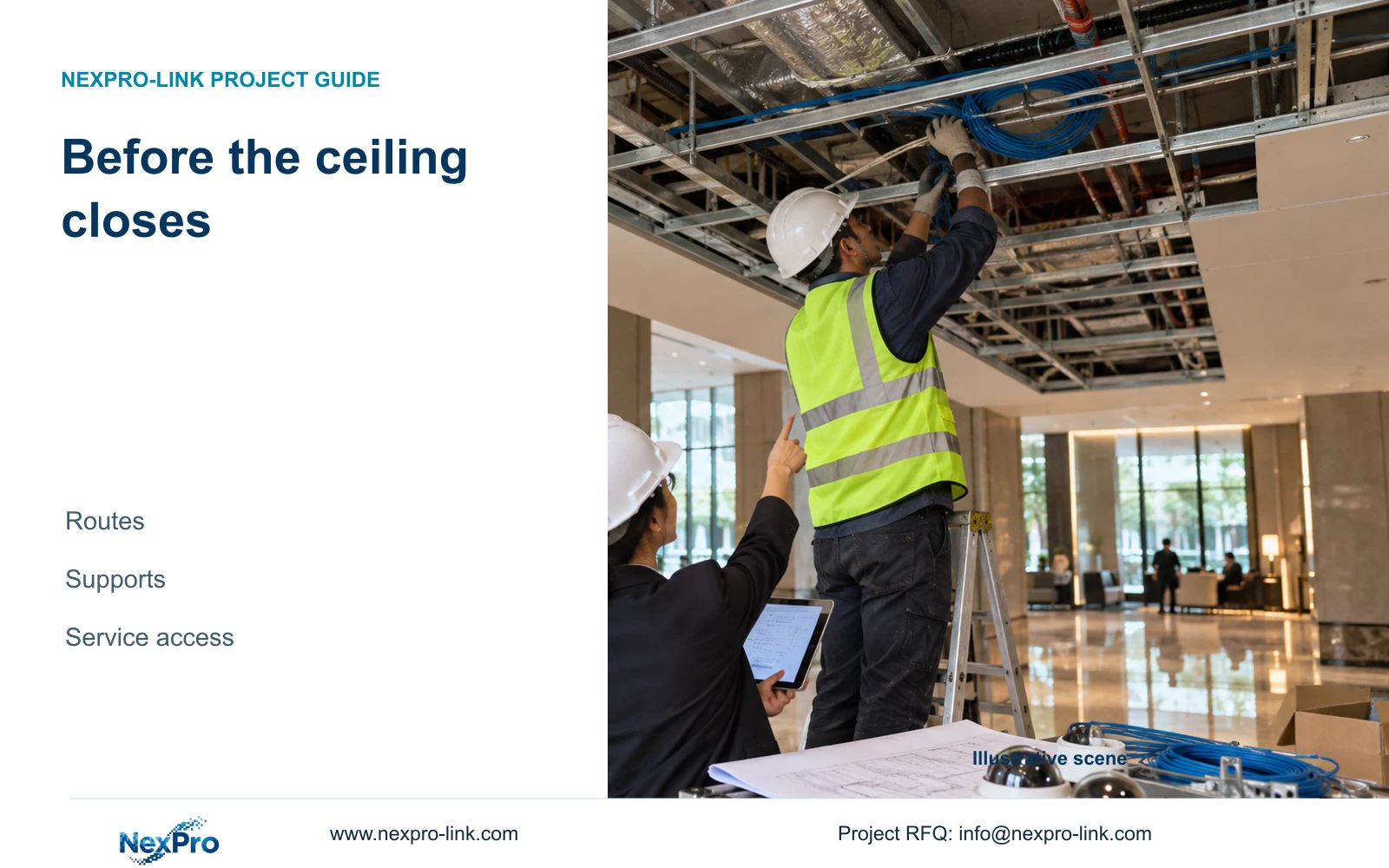
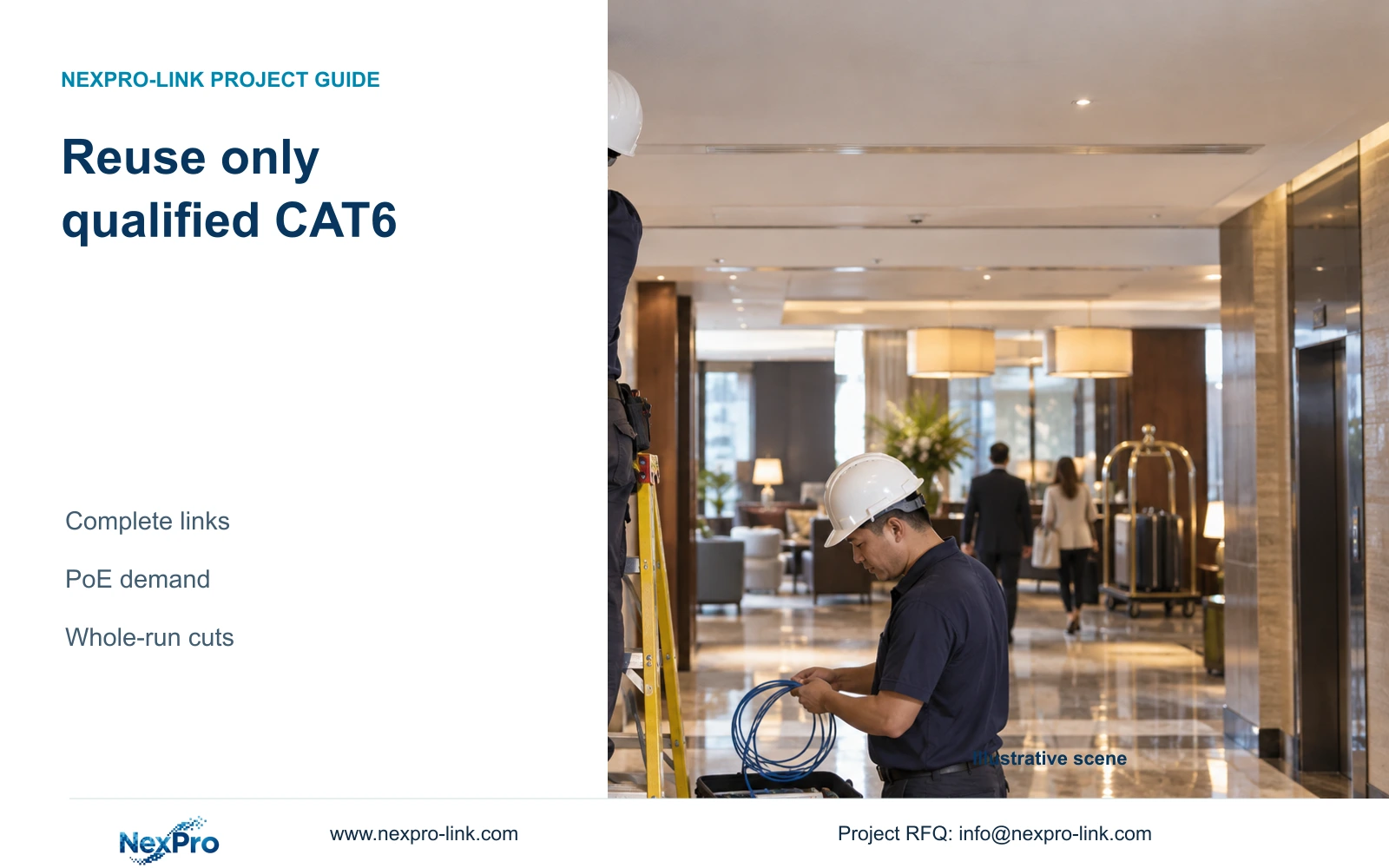
Hotel camera positions become a reliable cable order only after actual pathways, vertical sections and termination allowances are measured and assigned to continuous reel cuts.

10 guides

Decision area 13

Cabling Cost and Handover

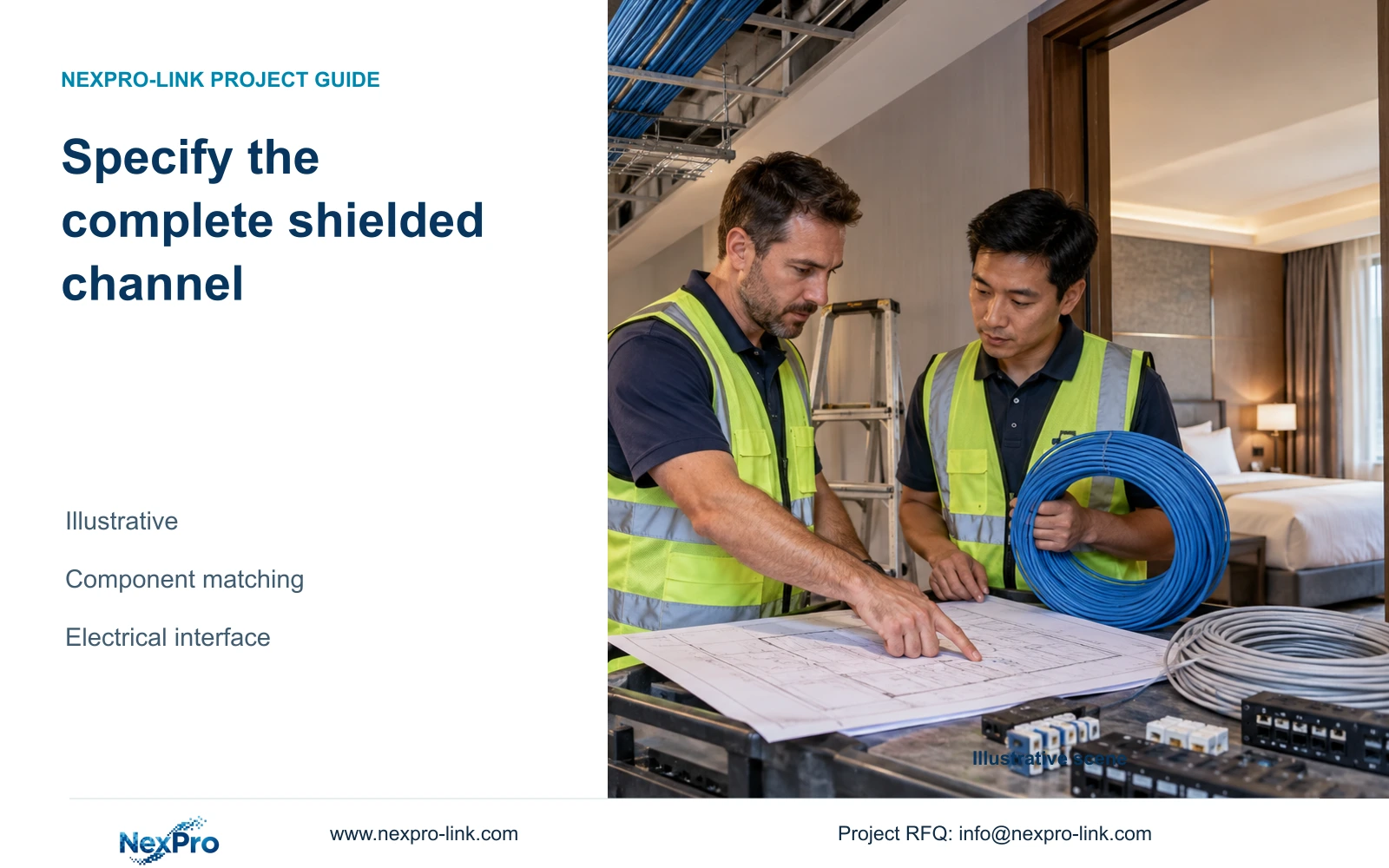
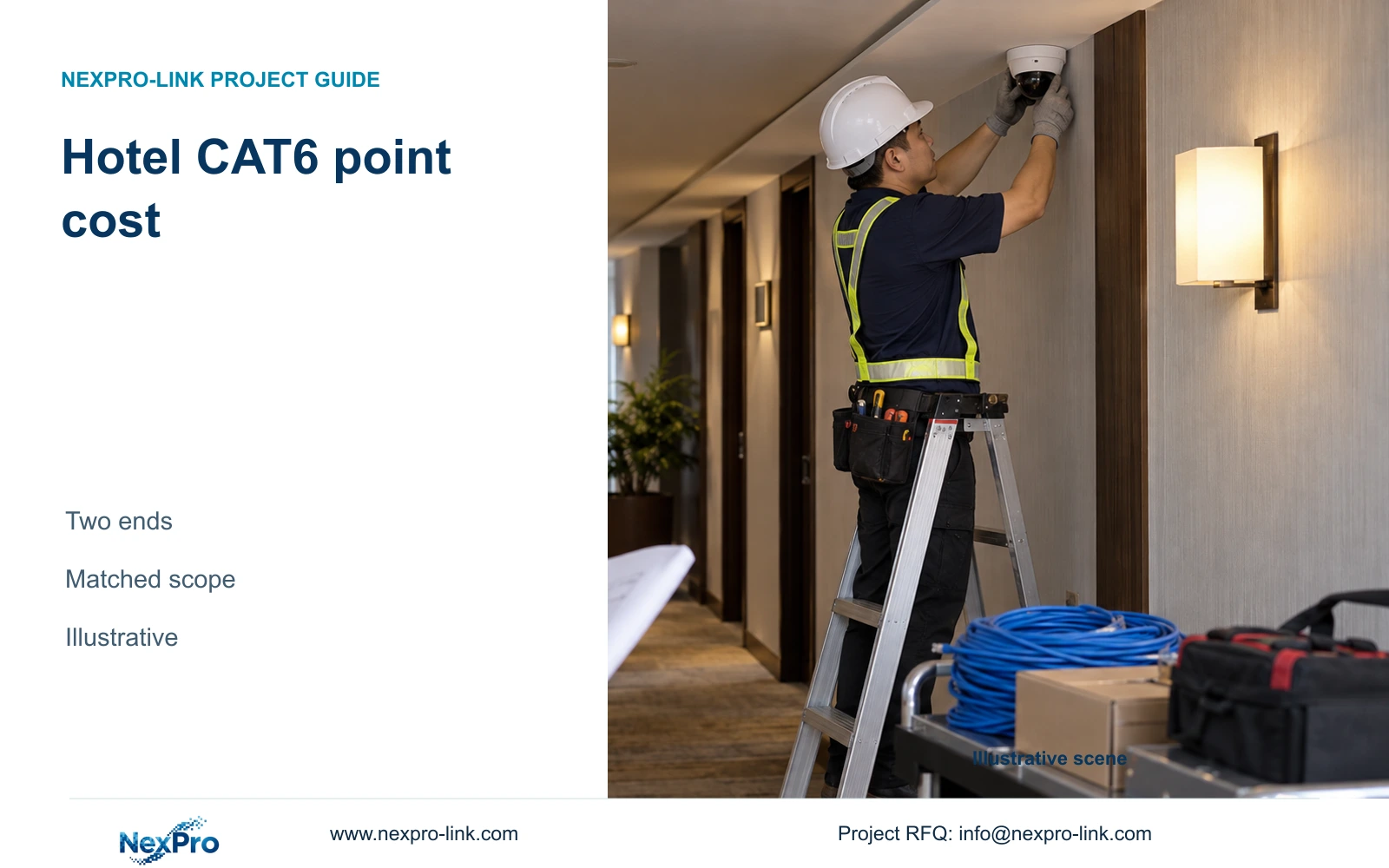
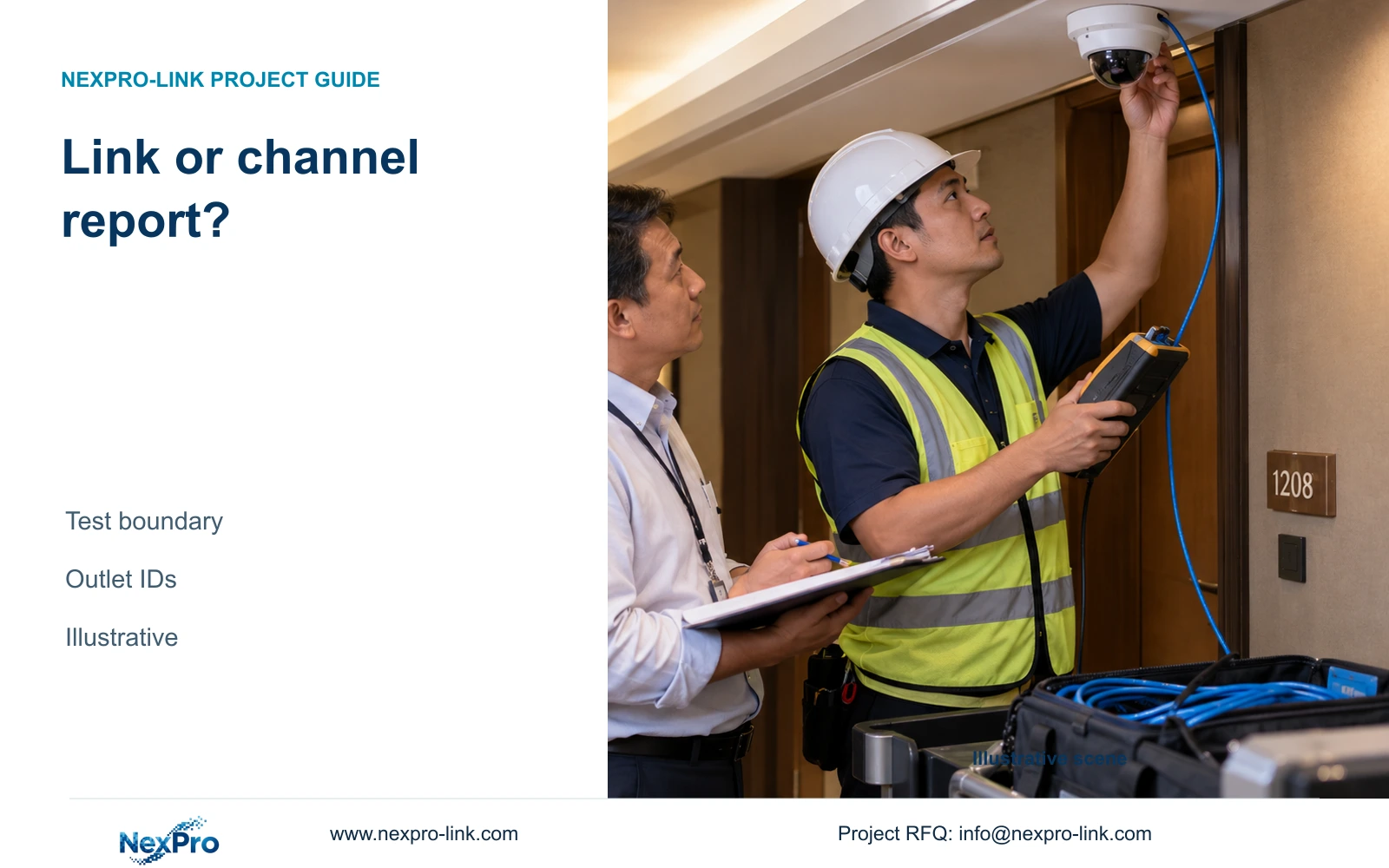
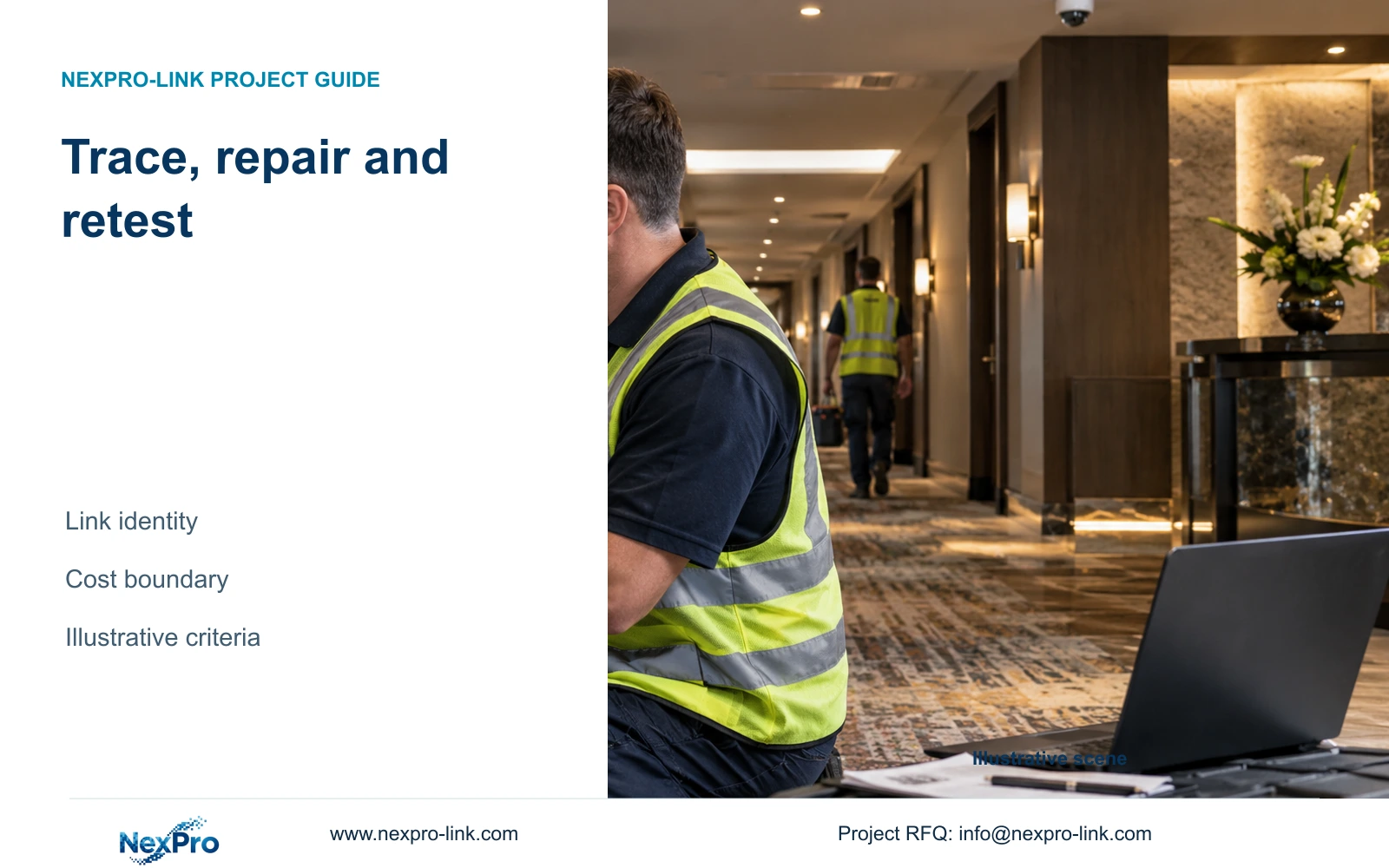
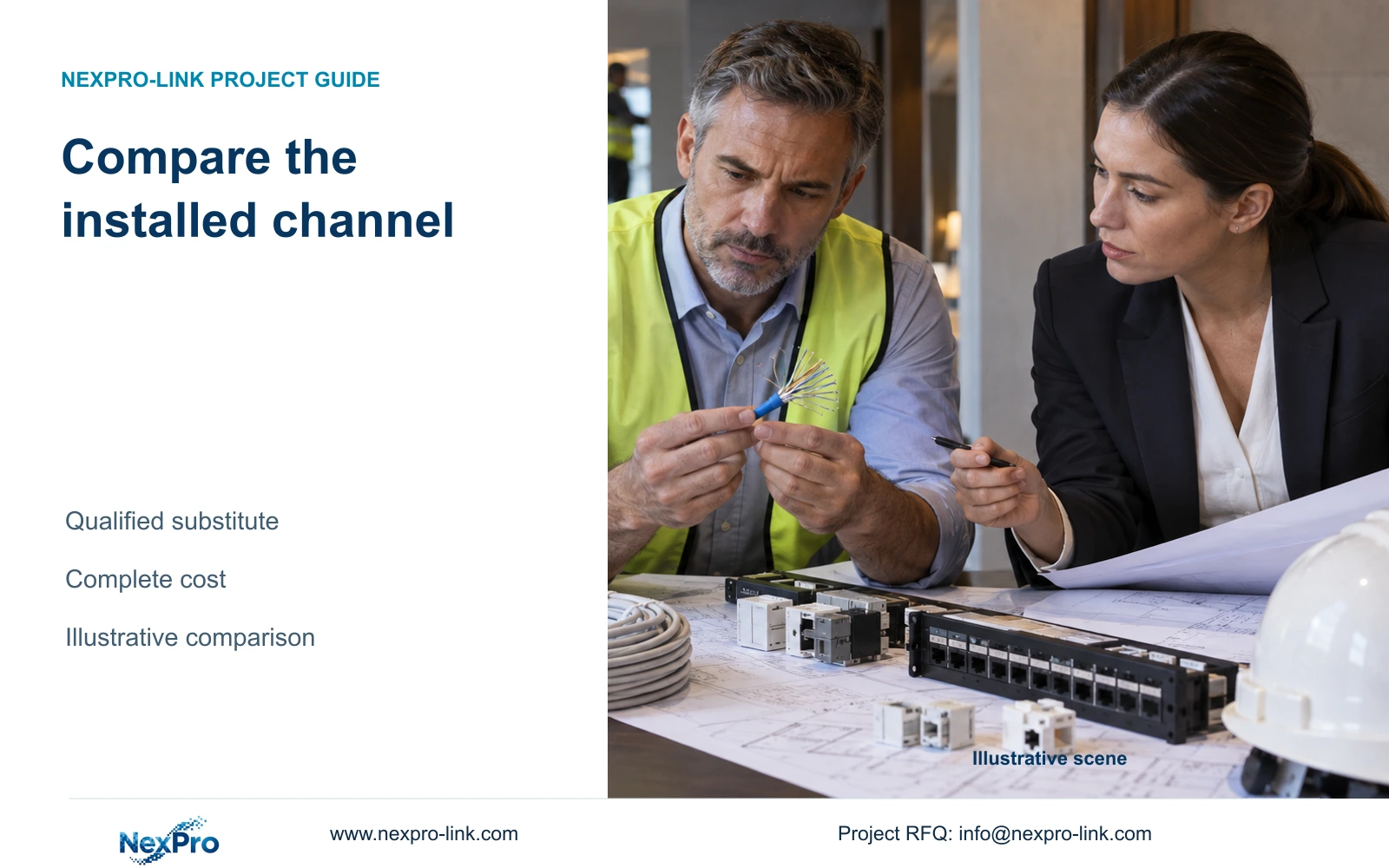
A low CAT6 point rate may exclude work that another bidder includes. Define the completed link and normalize route lengths before choosing the economical offer.
10 guides

Decision area 14

UPS Load and Capacity

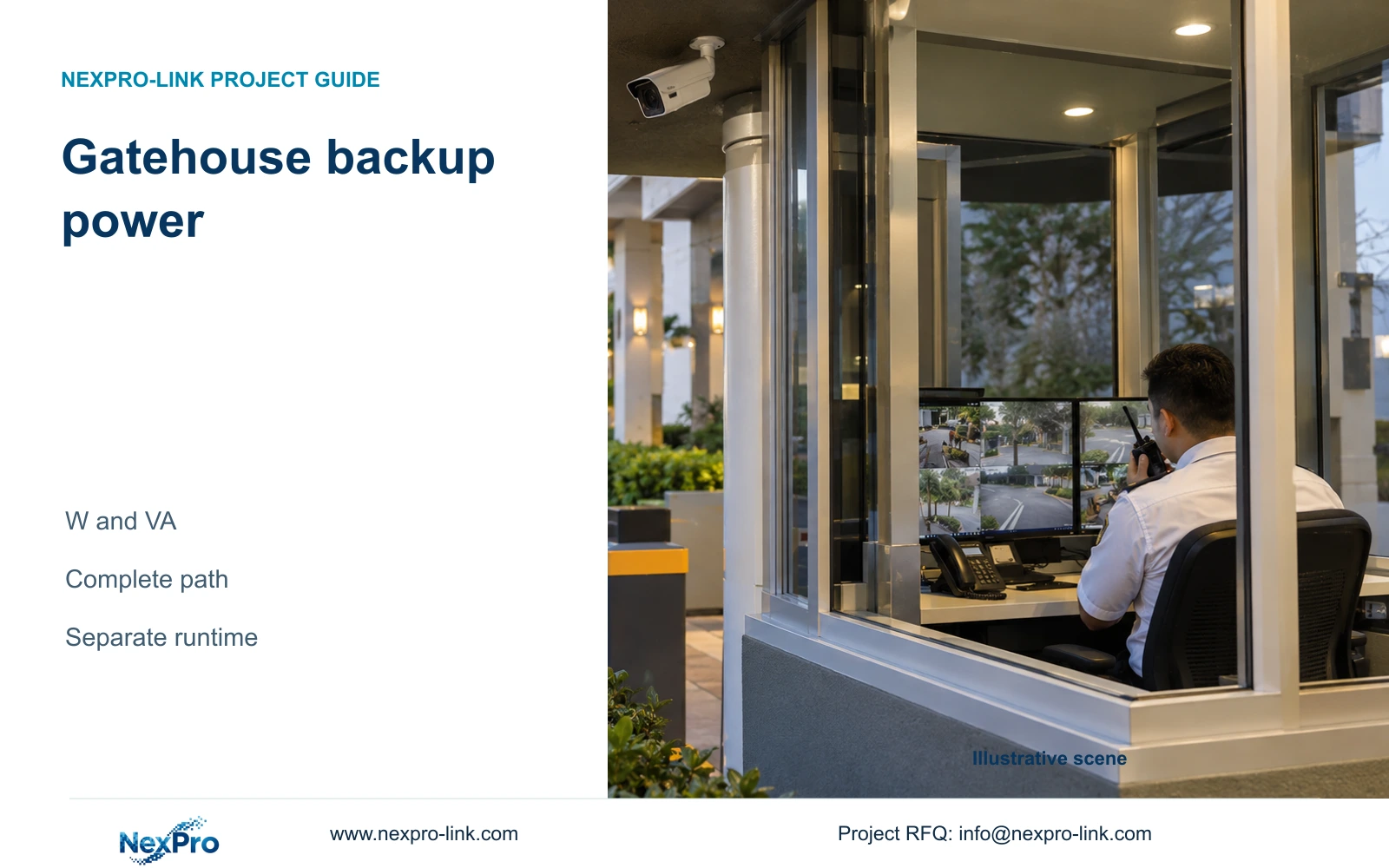
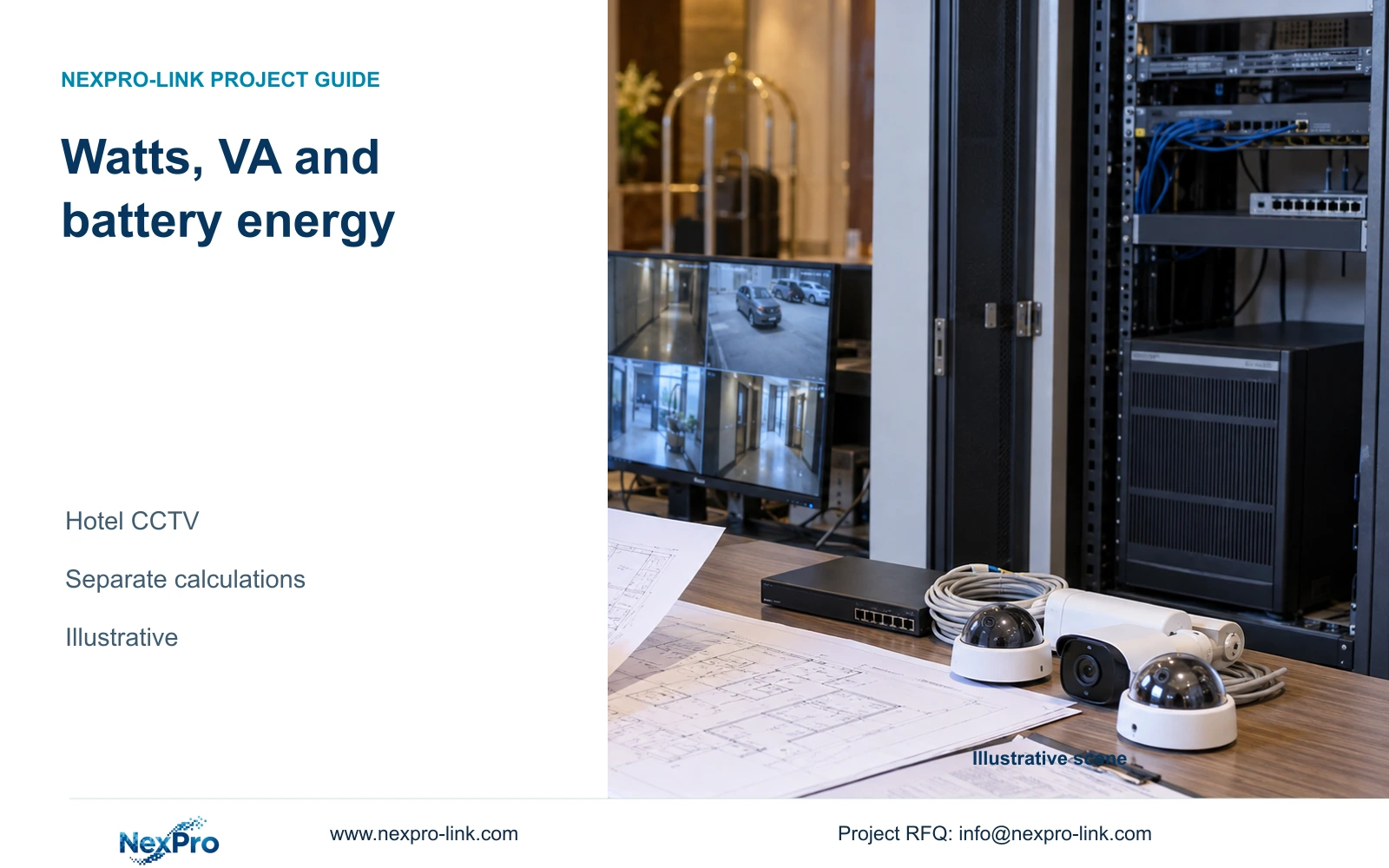
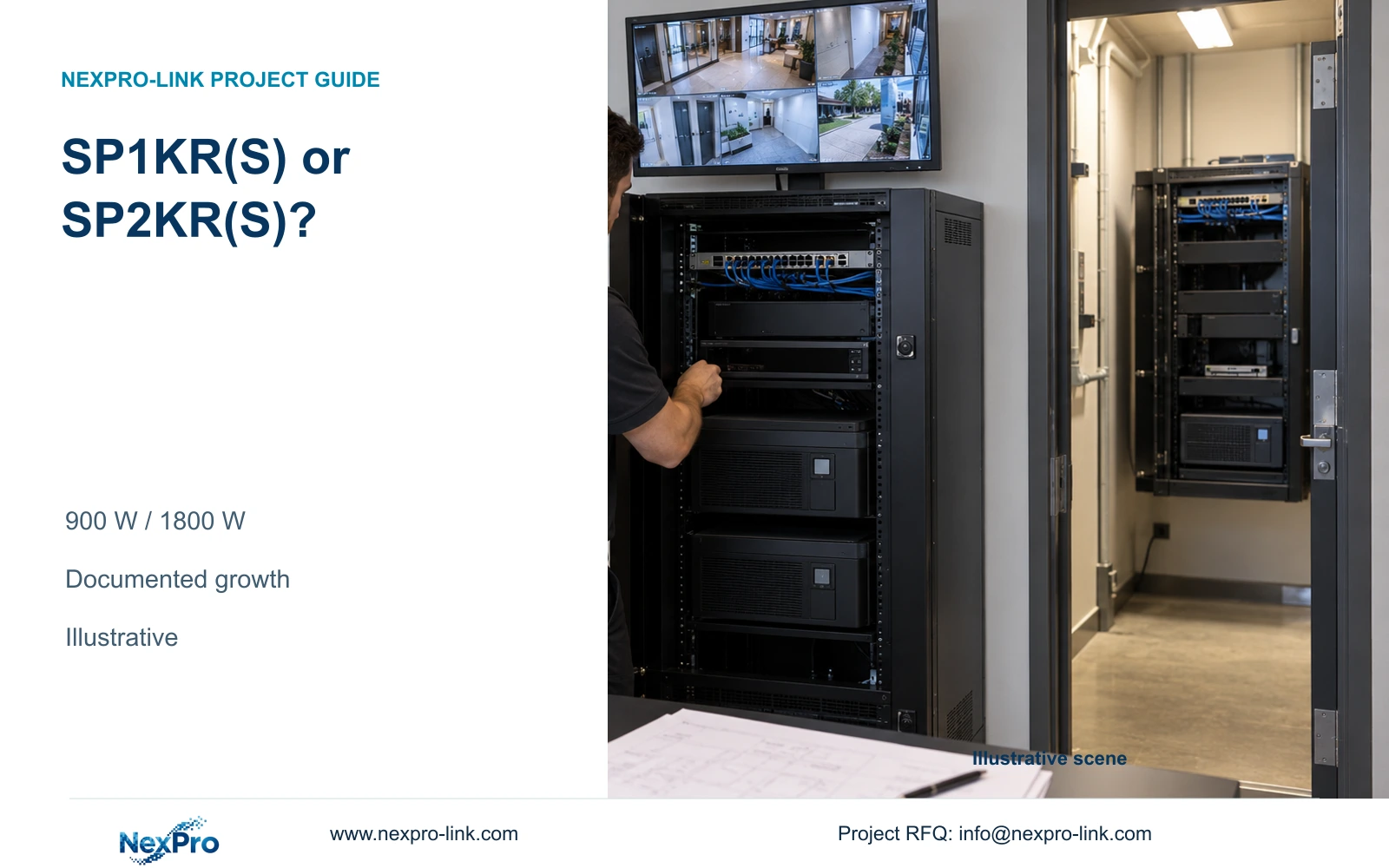
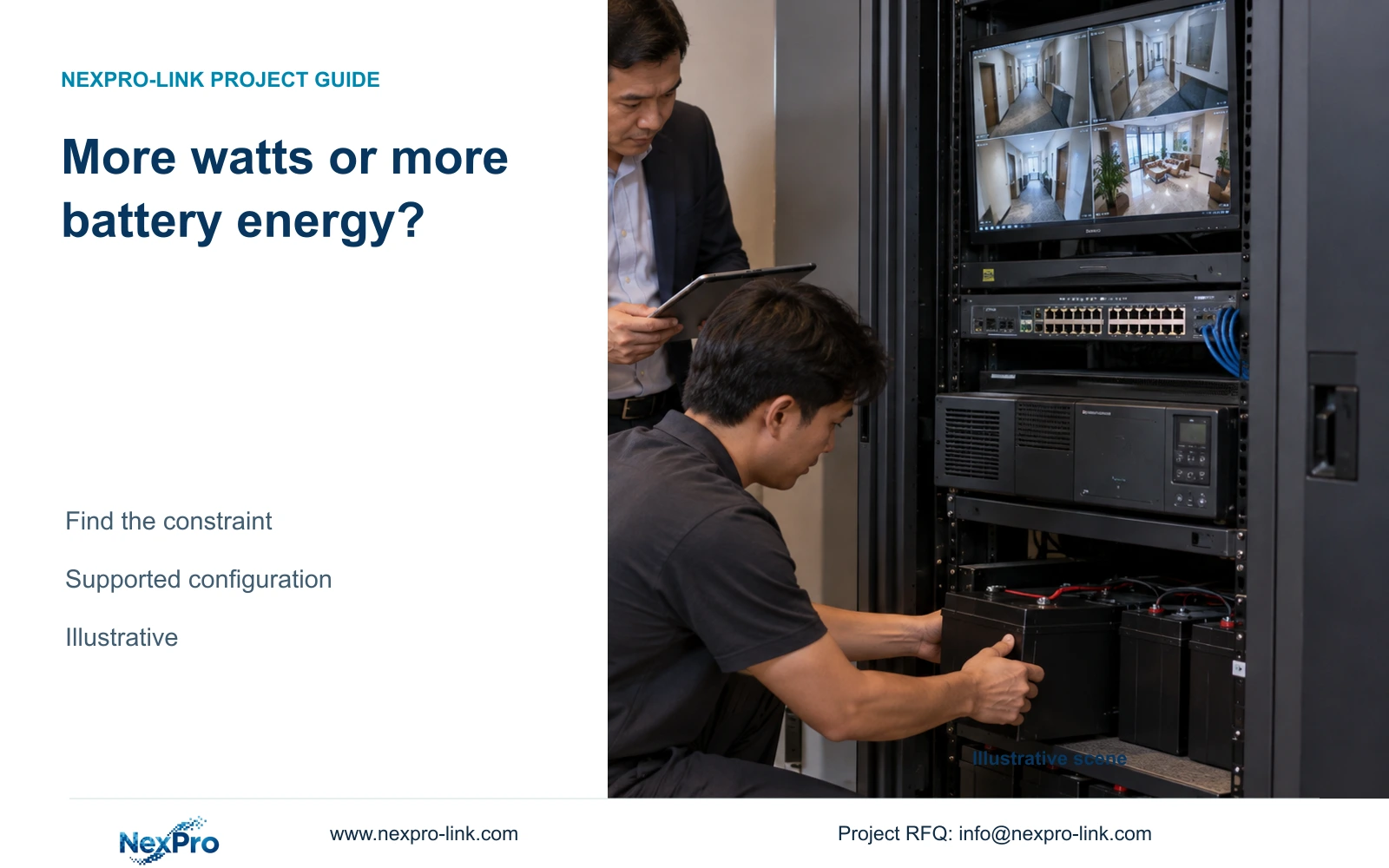
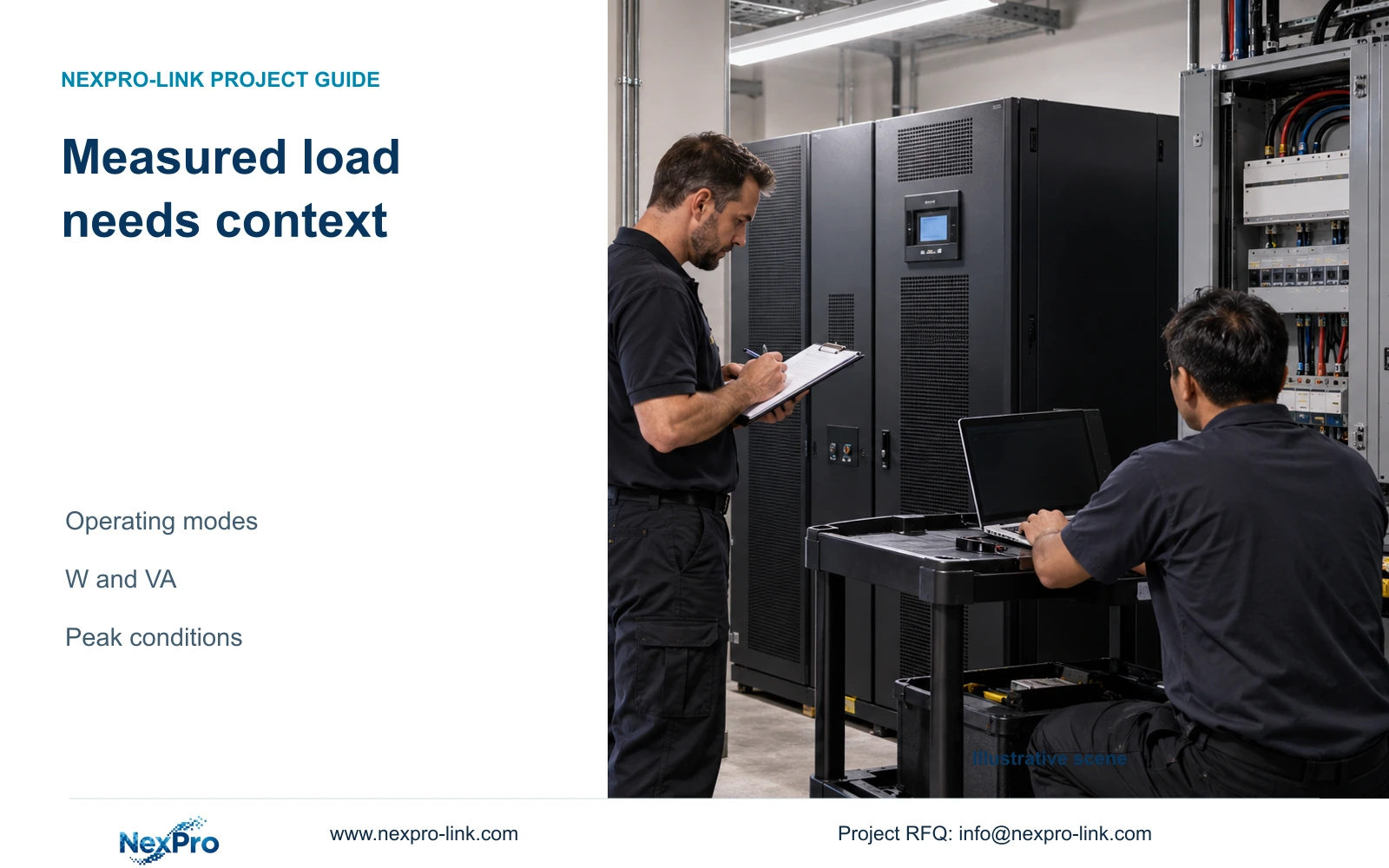
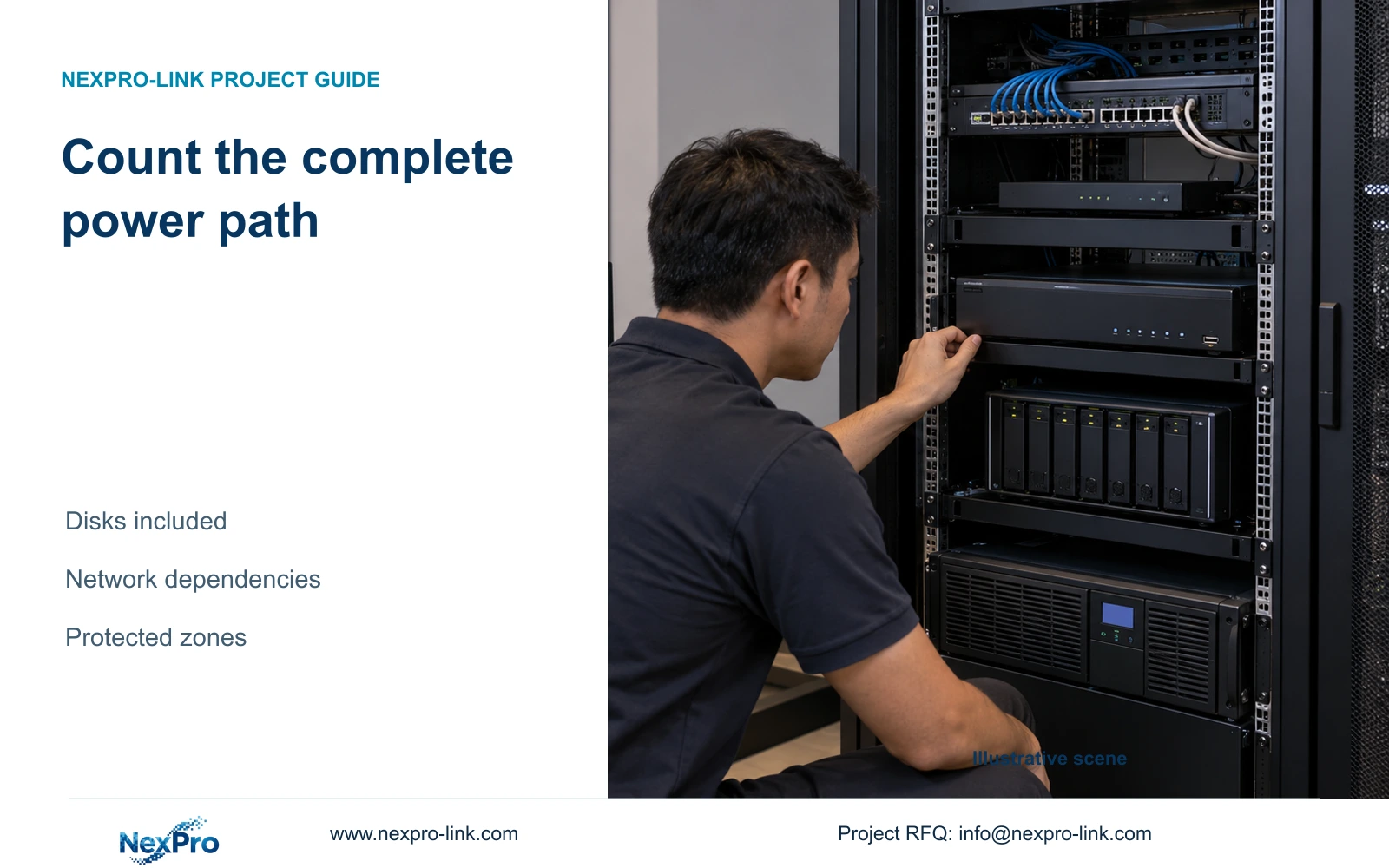
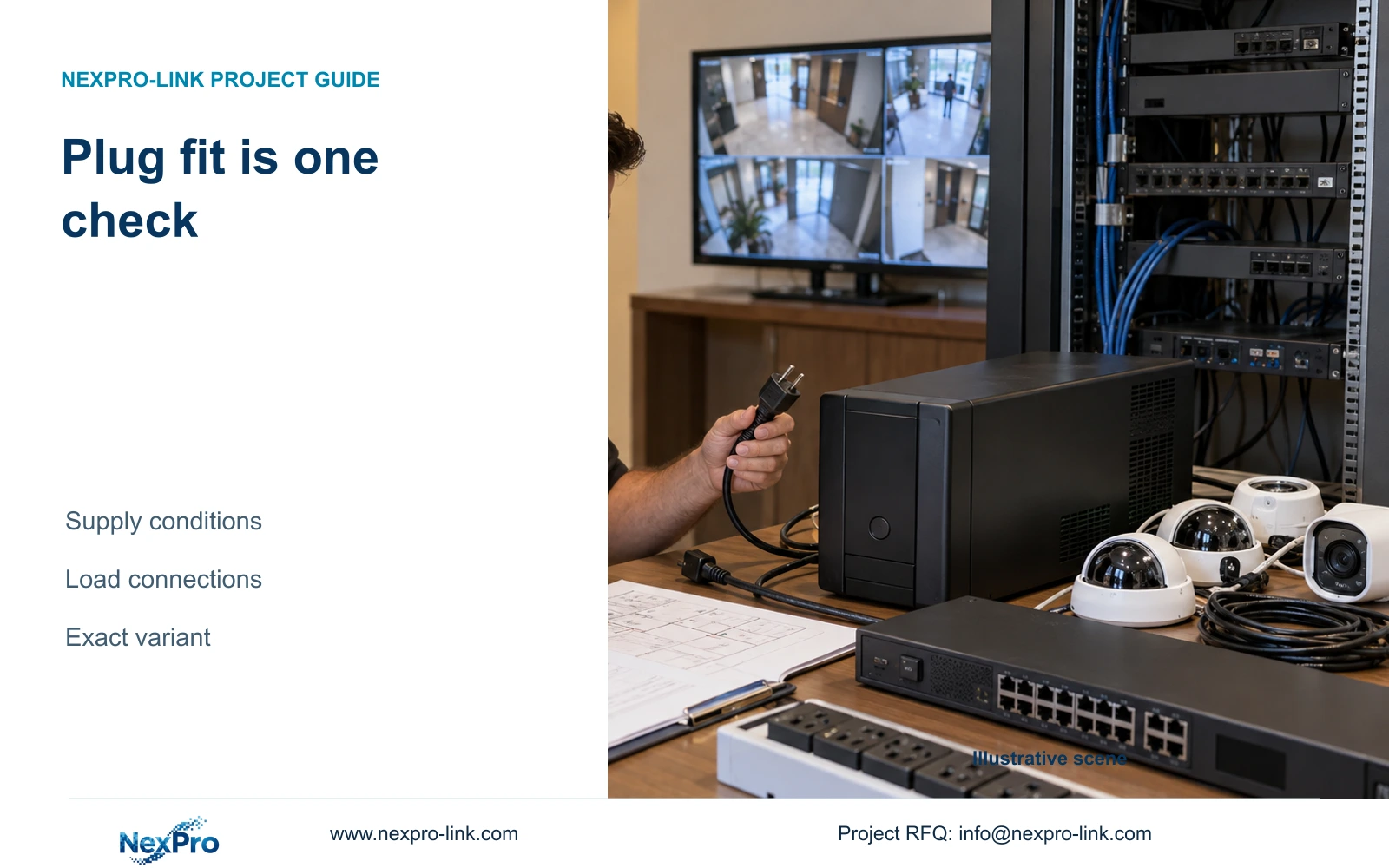
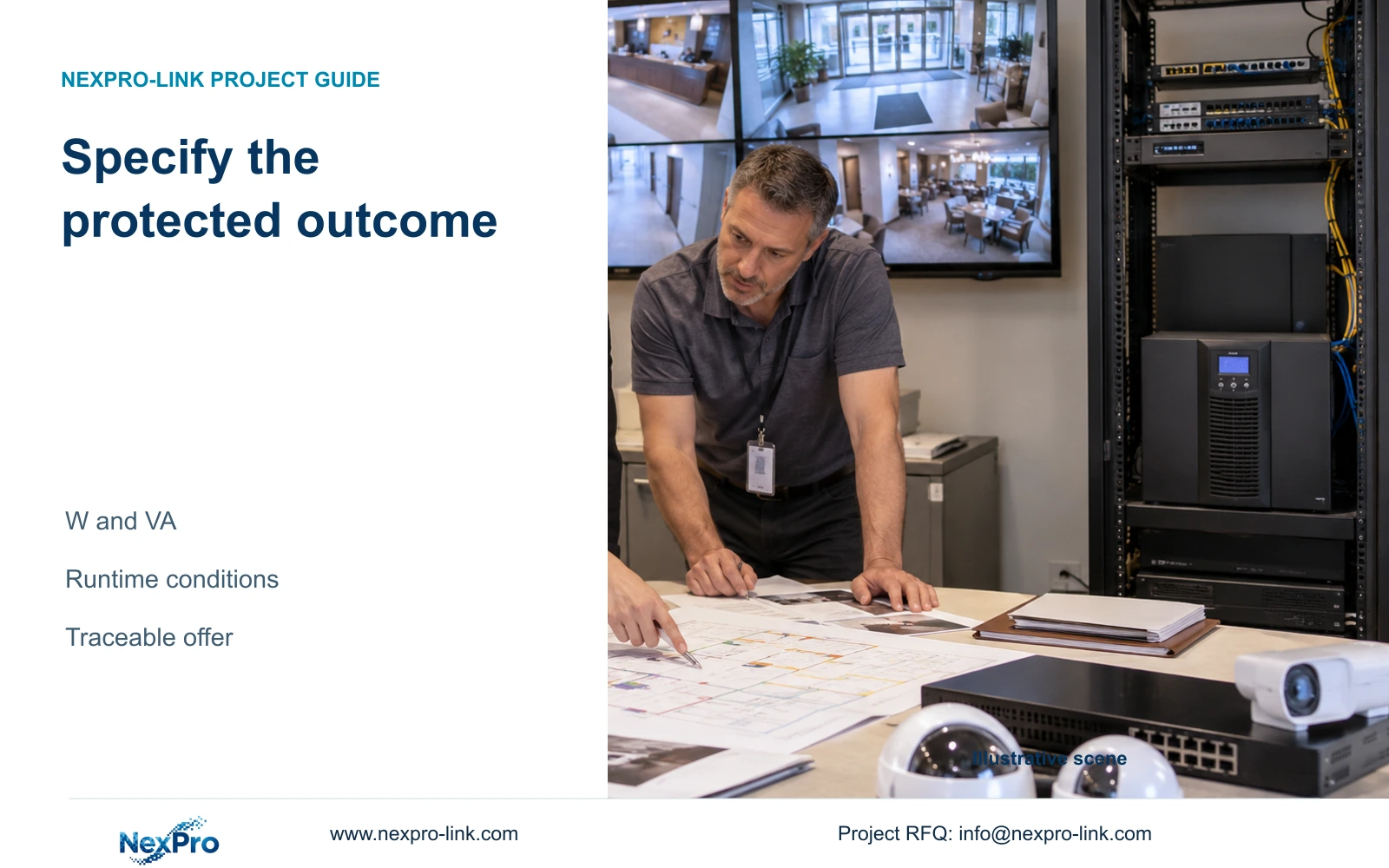
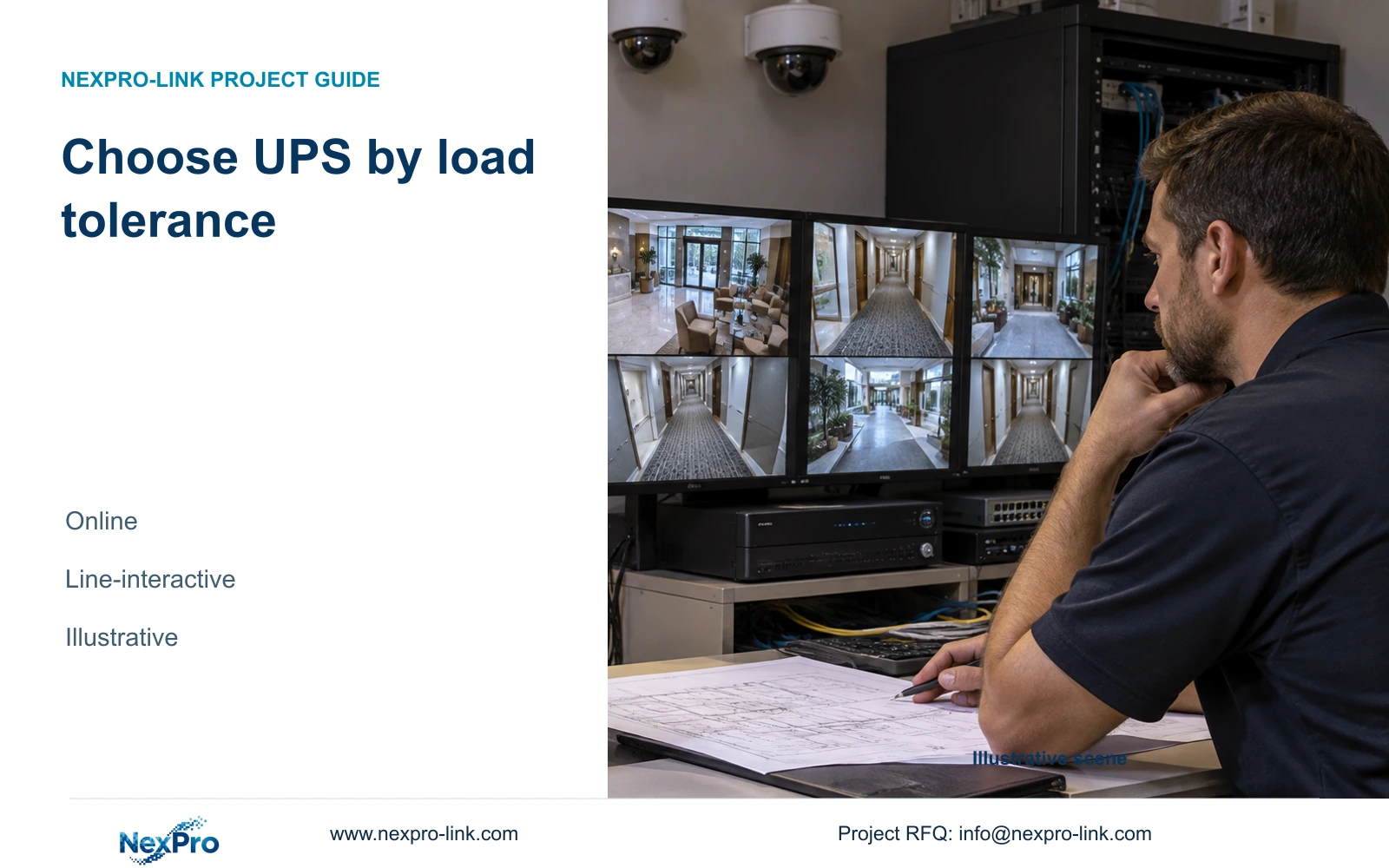
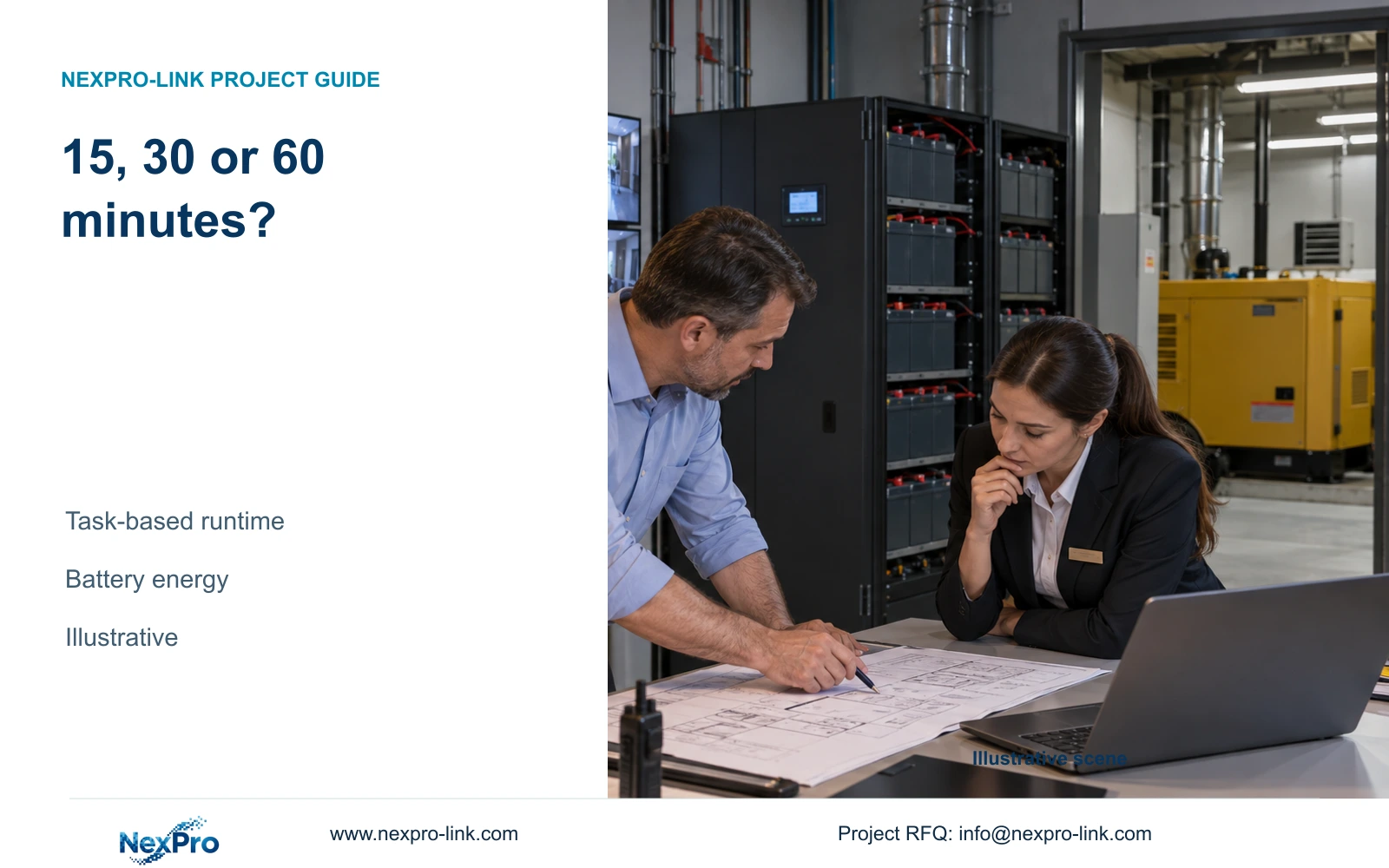
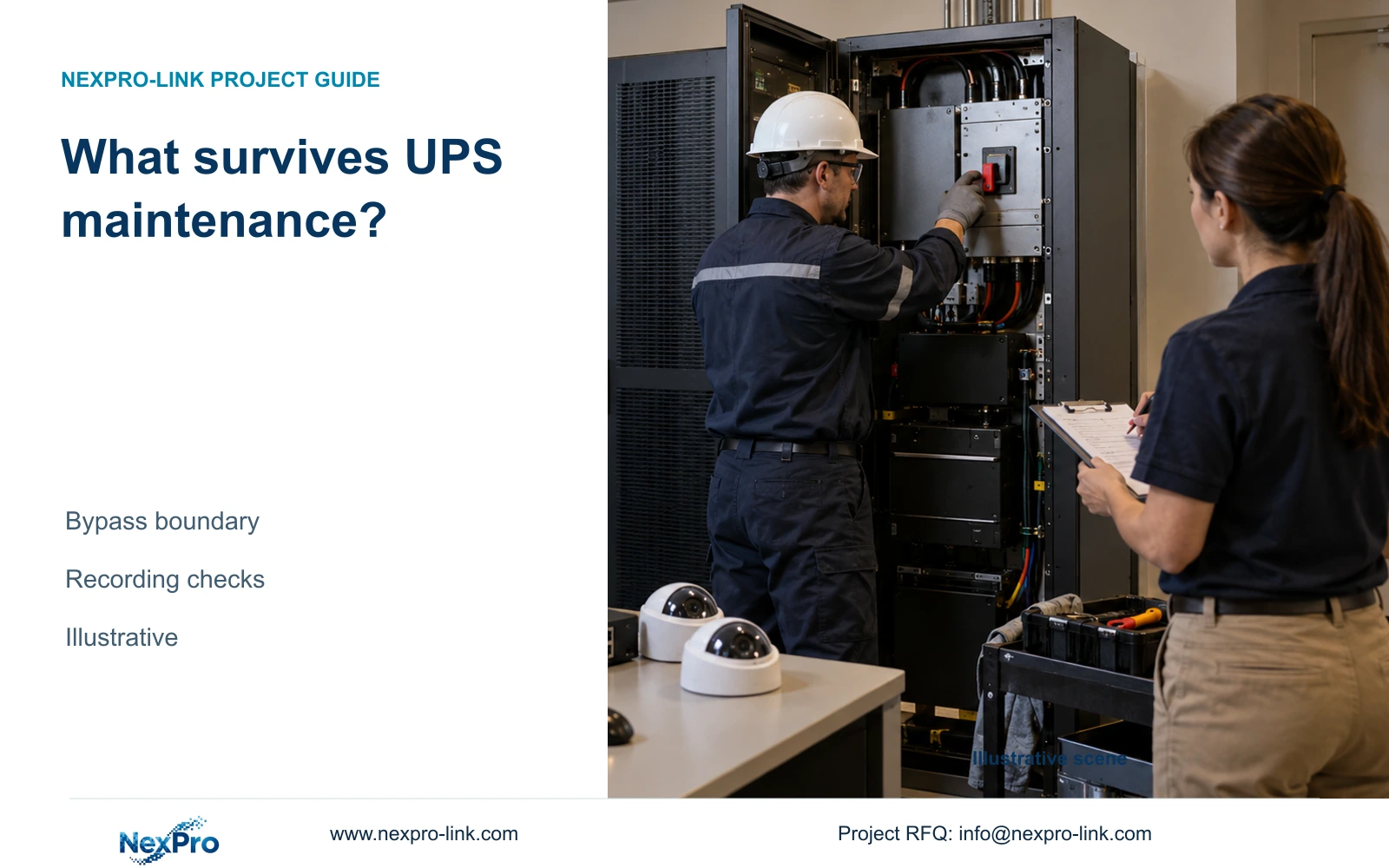
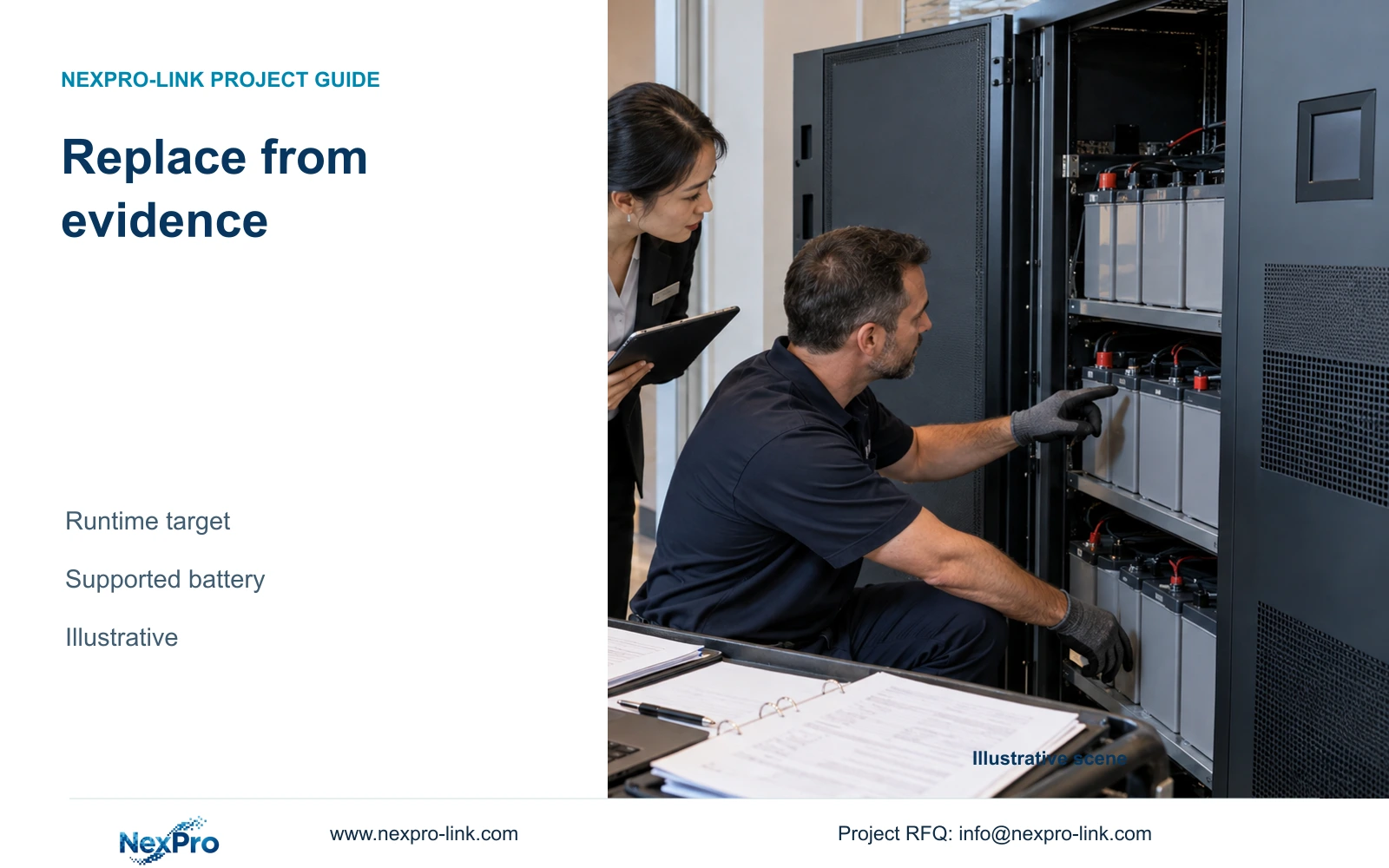
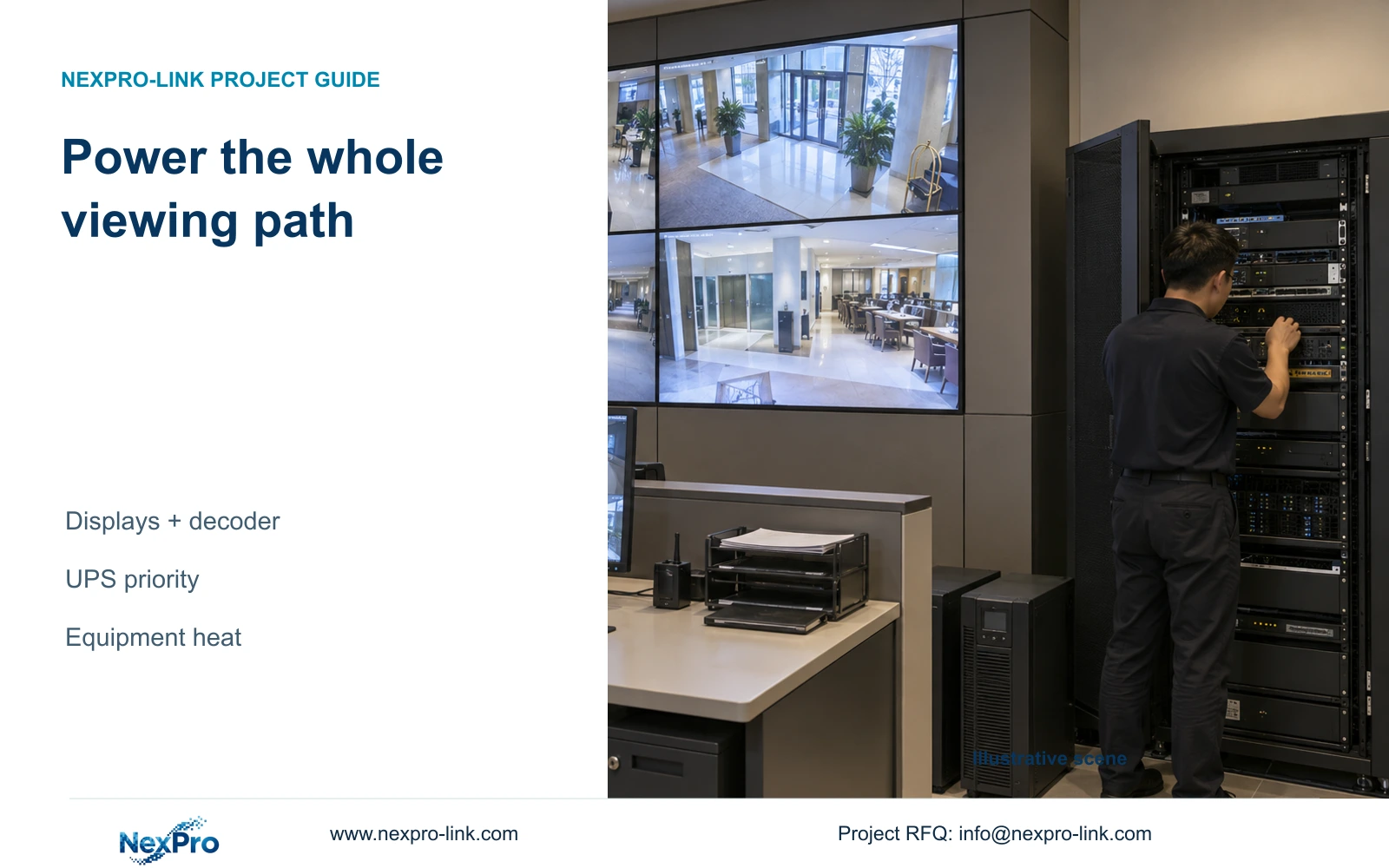
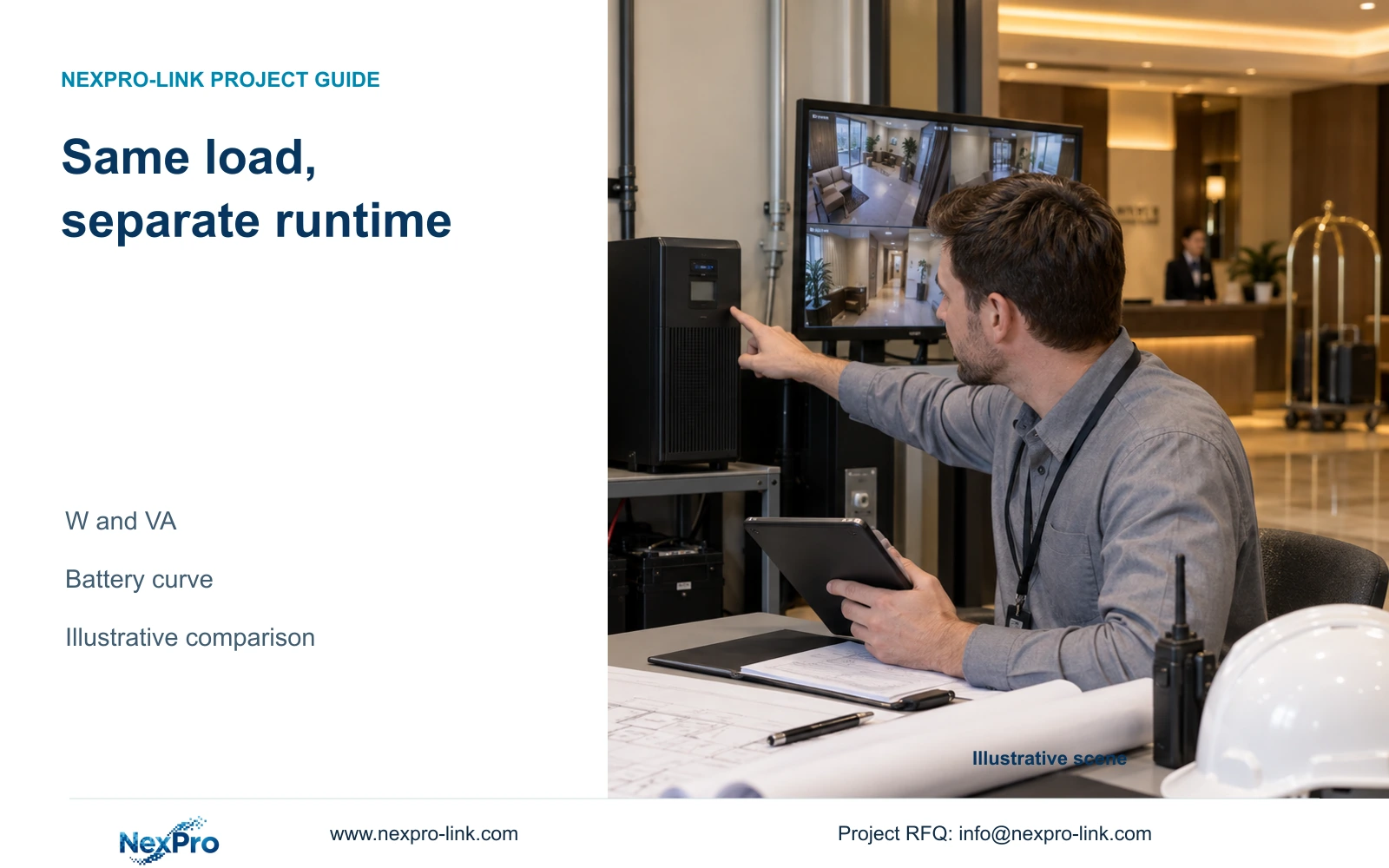
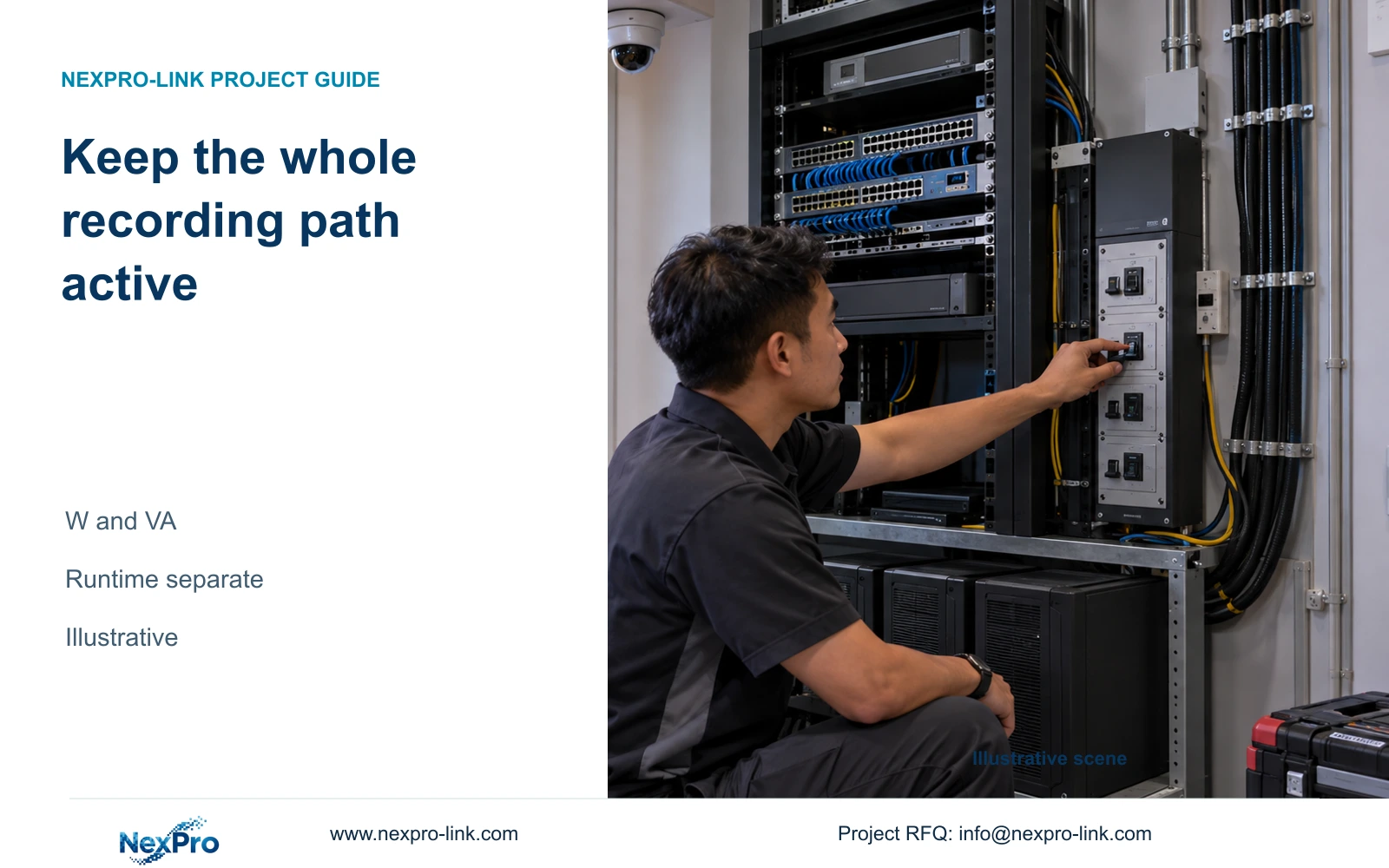
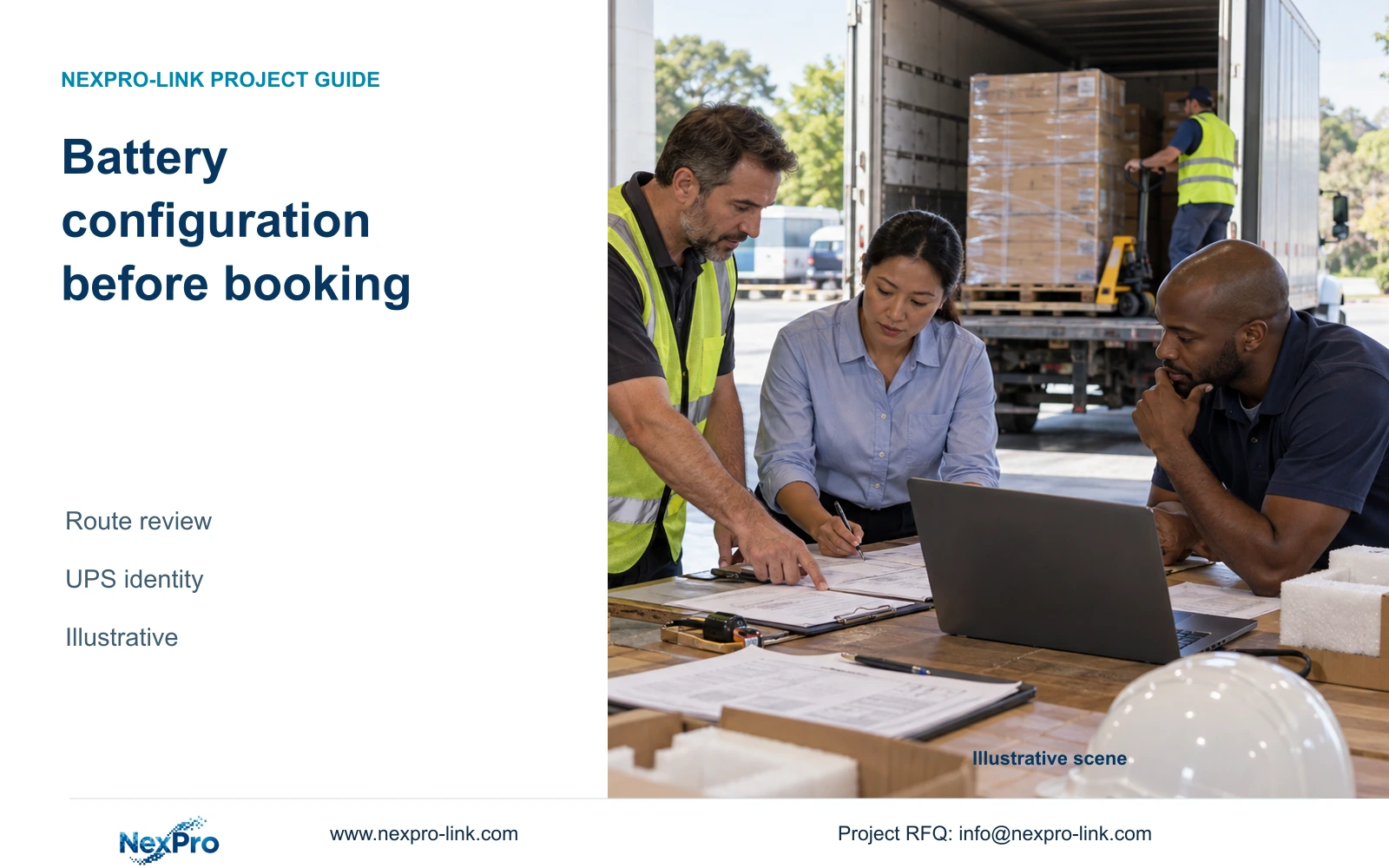
A 2 kVA rating does not establish one hour of hotel CCTV backup. Define the protected equipment, check watts and VA, then select a supported battery configuration.

10 guides

Decision area 15

UPS Runtime and Architecture

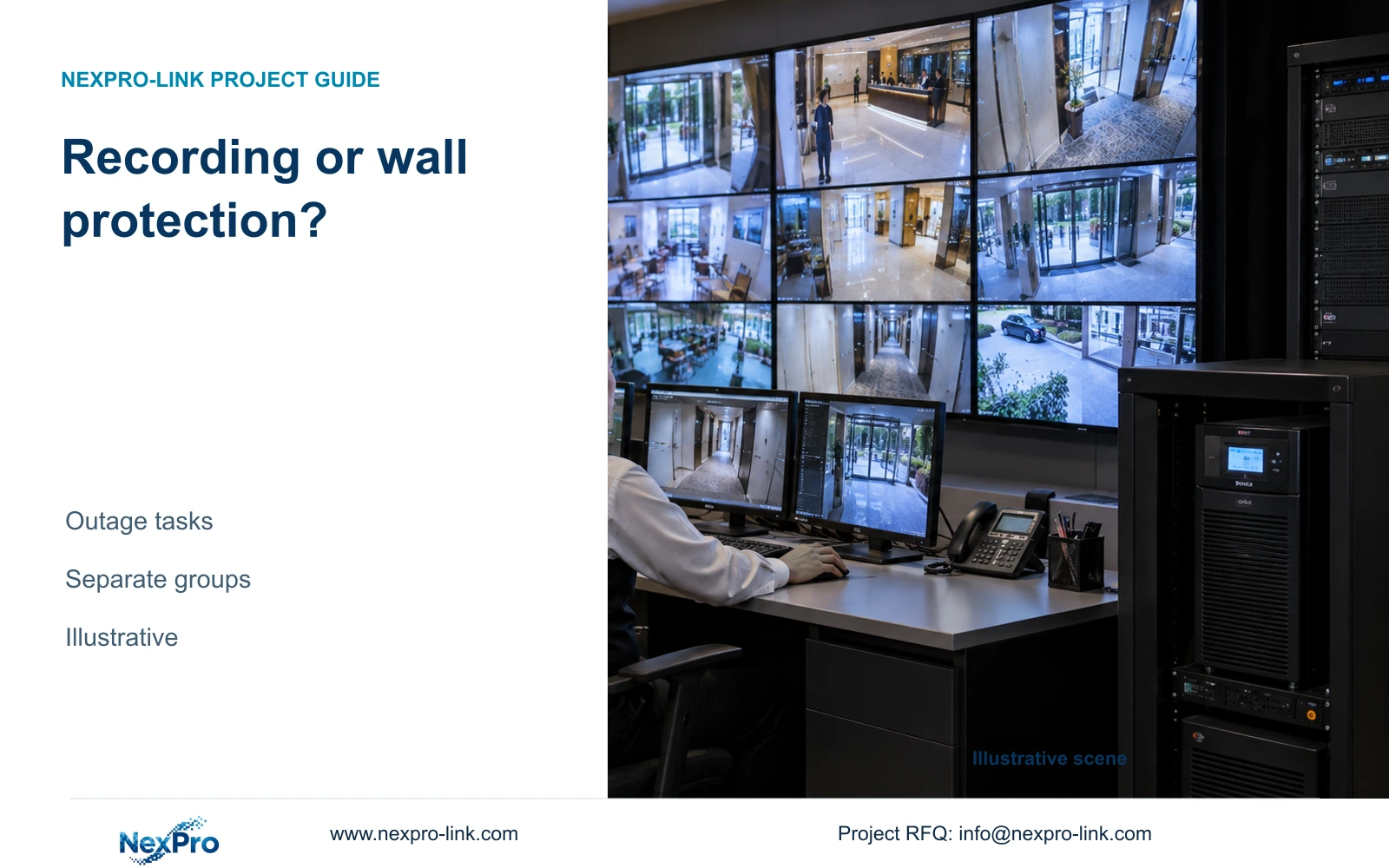
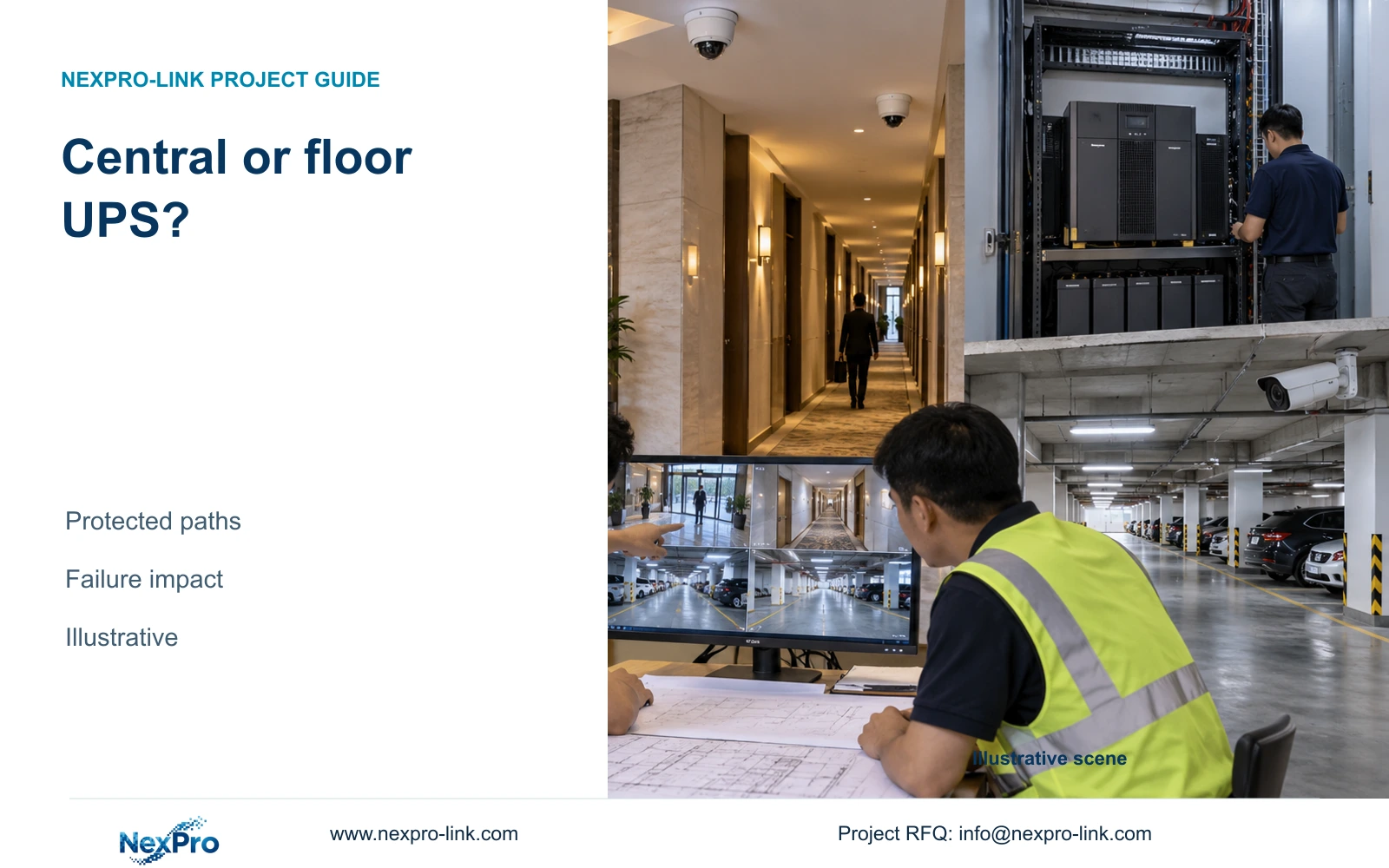
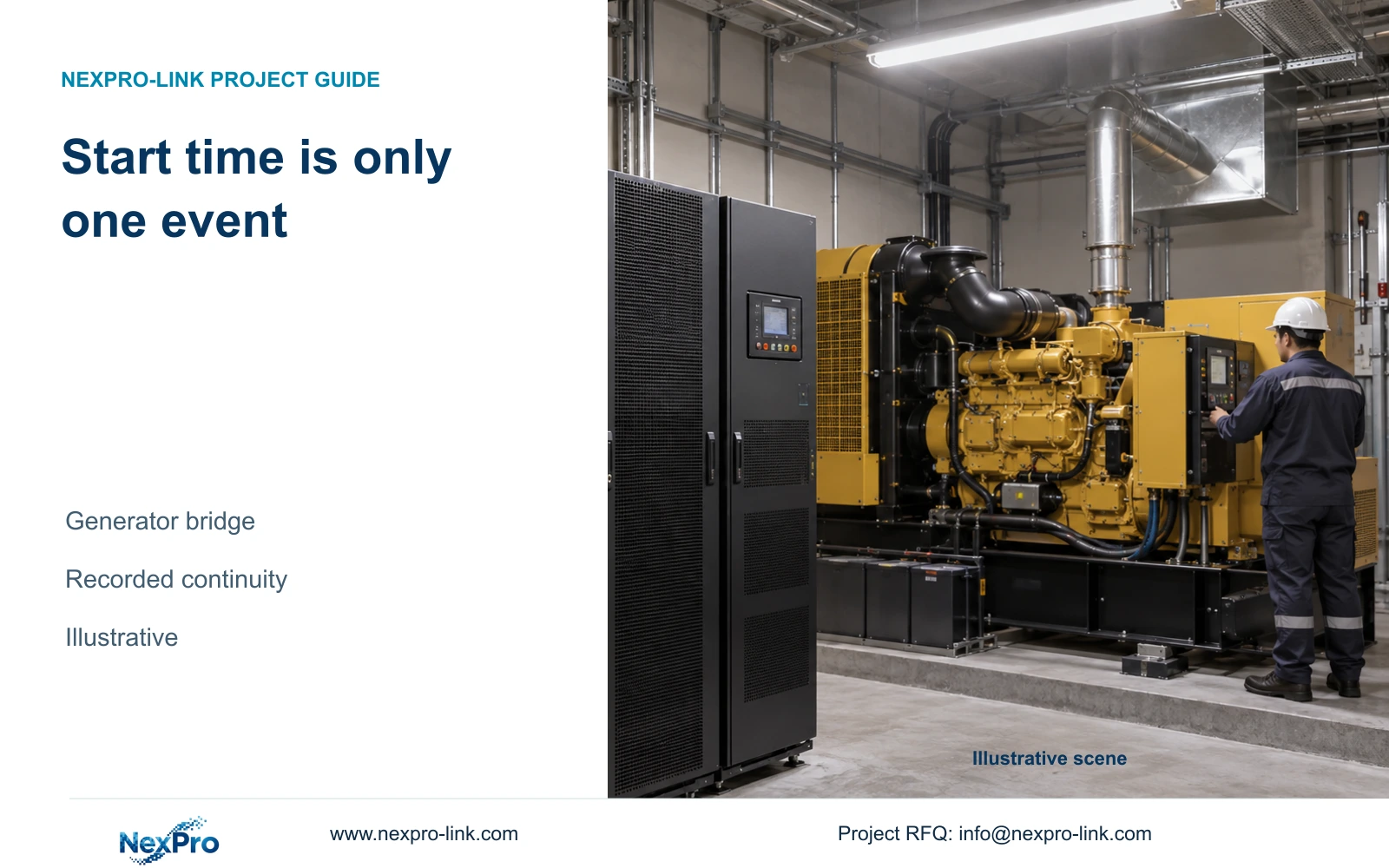
Choose centralized backup where protected distribution can reach every required CCTV node. Use floor-level UPS units where local power boundaries and service access justify them.

10 guides

Decision area 16

Video Wall and Display Options

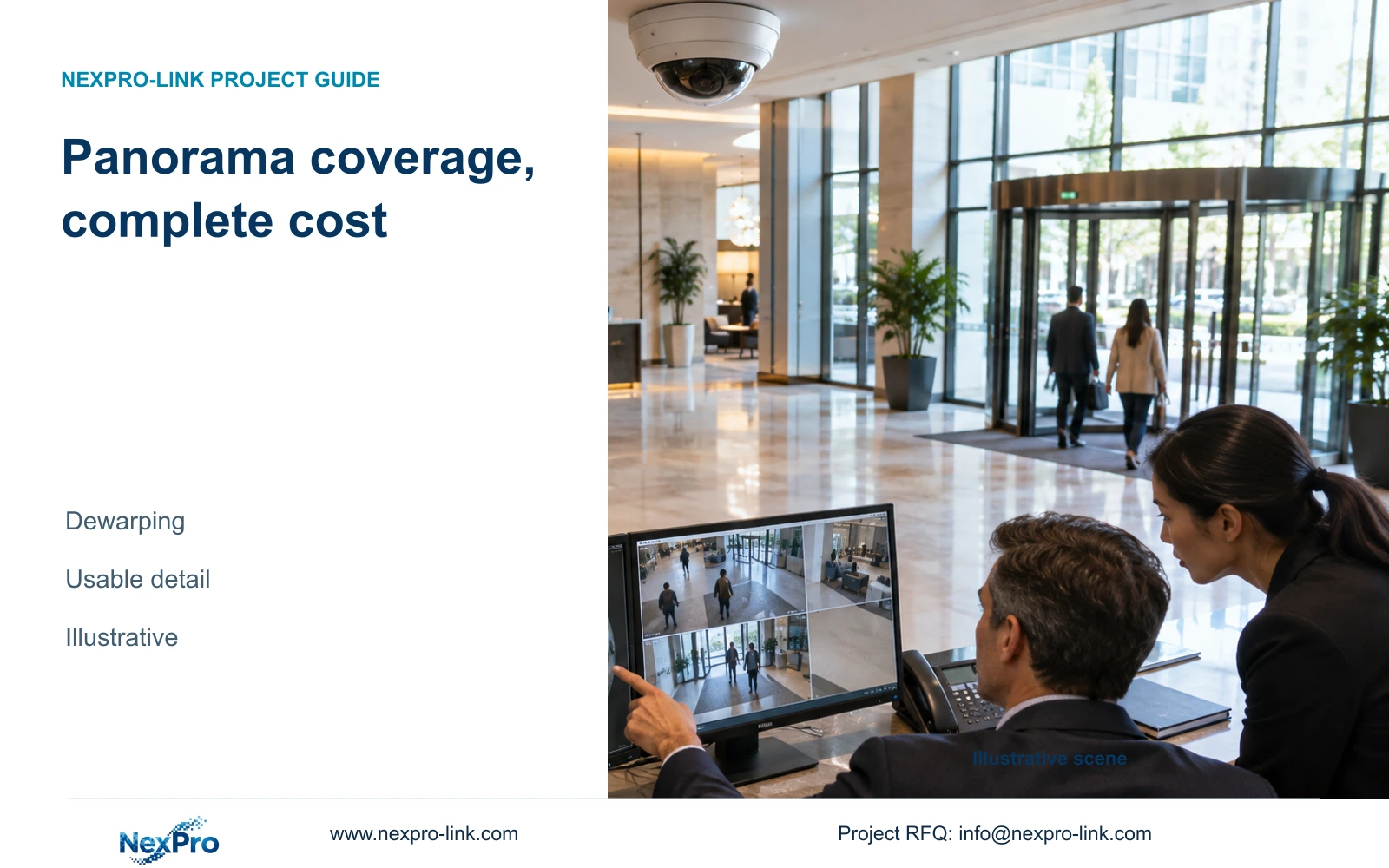
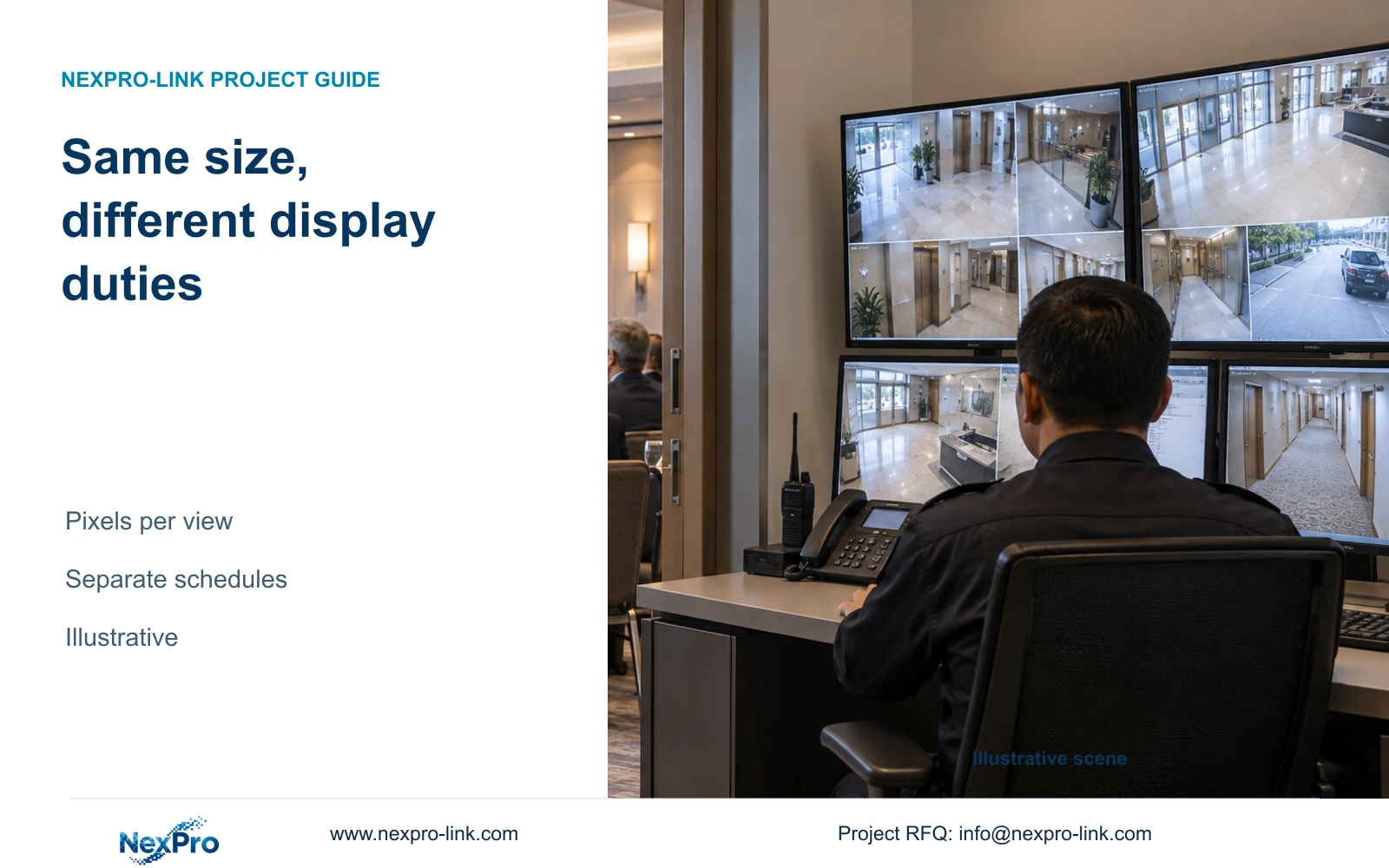
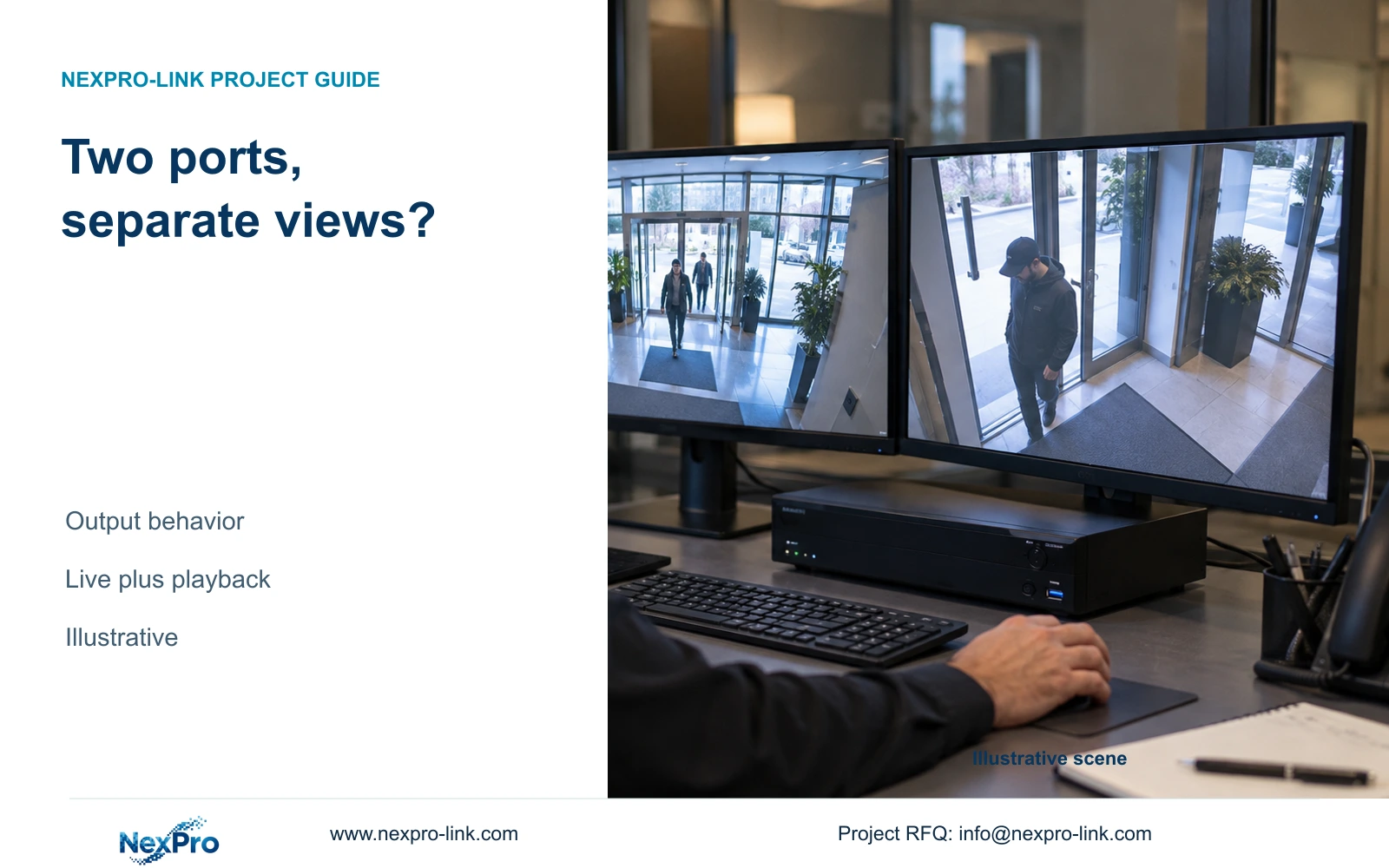
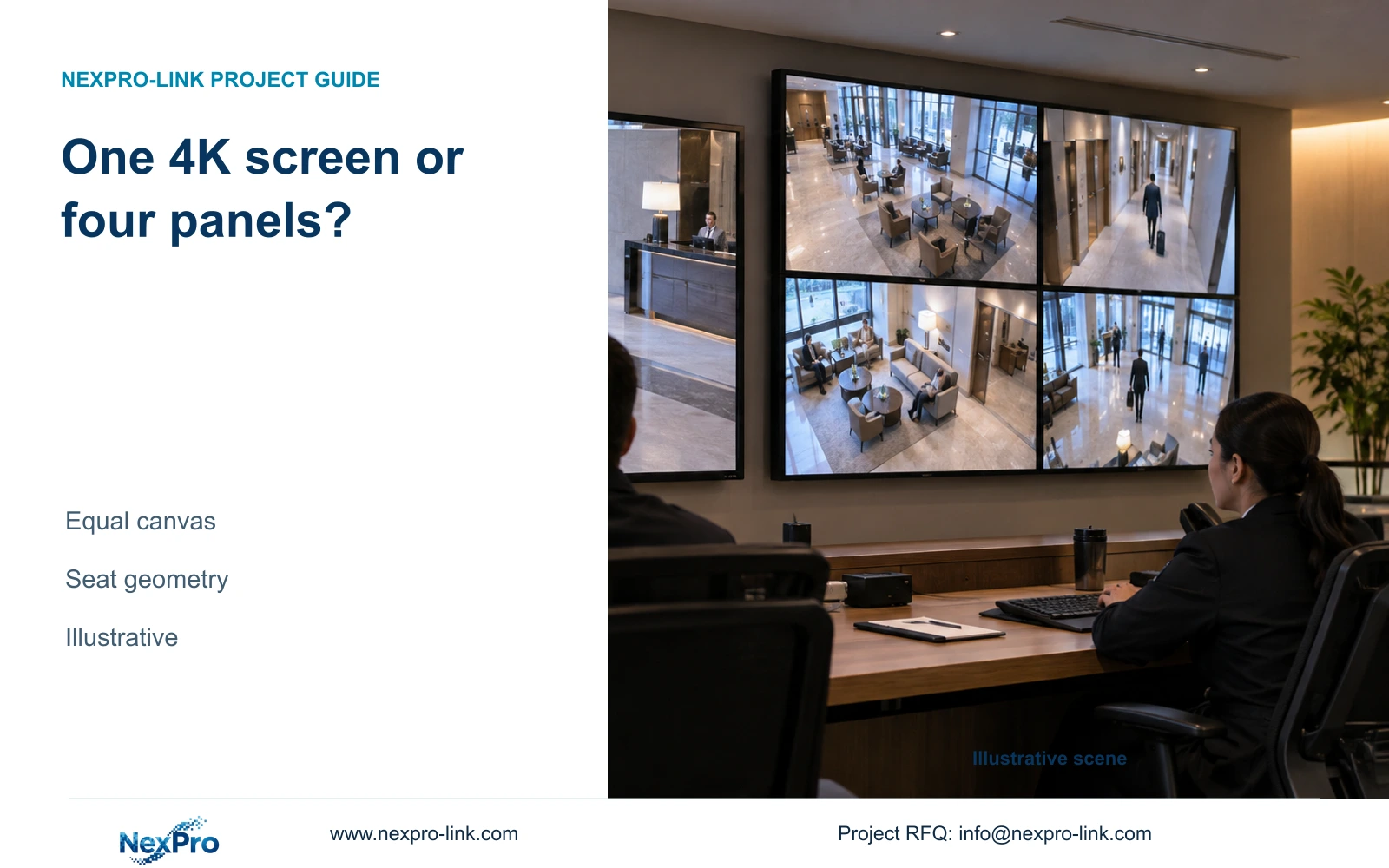
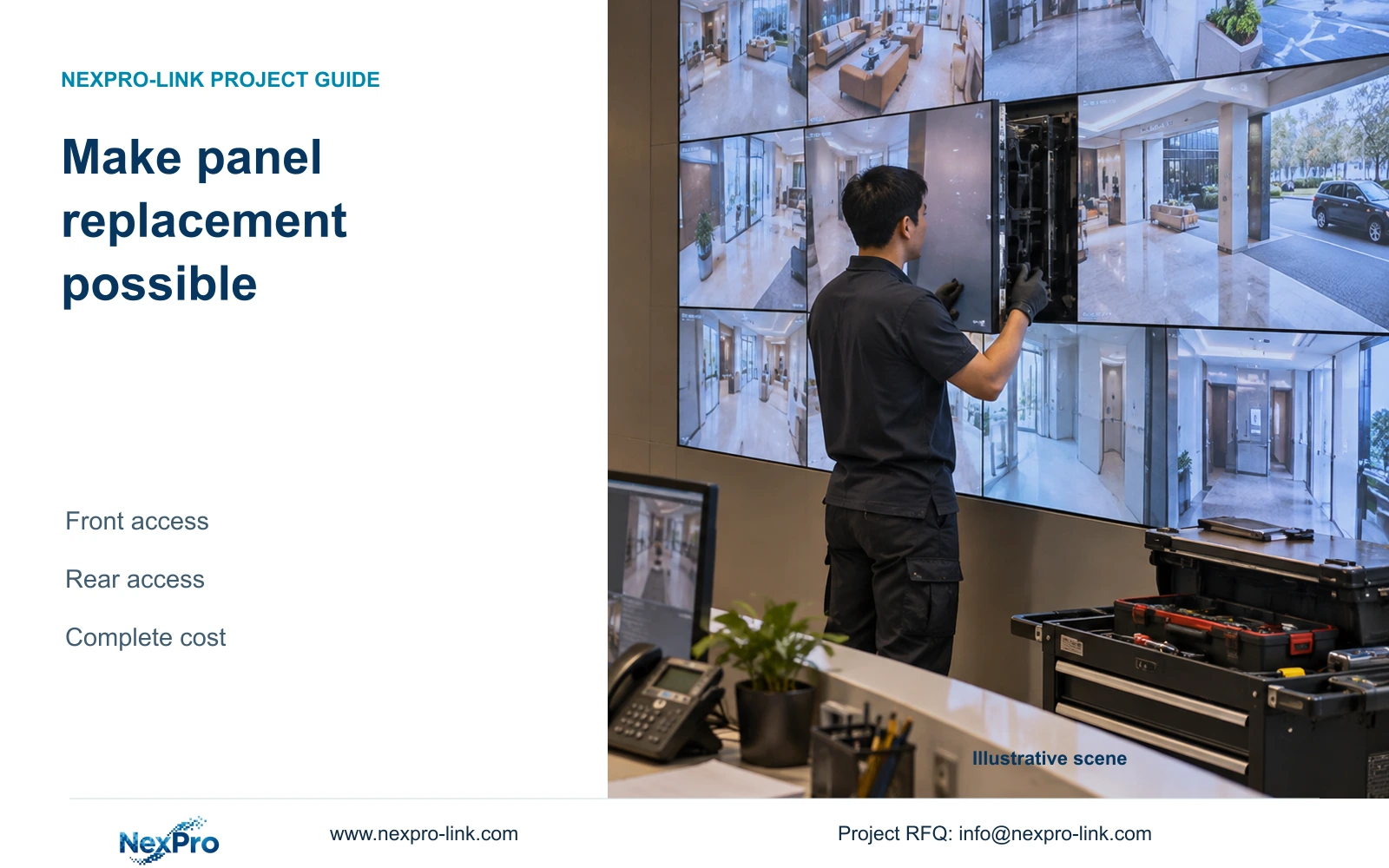
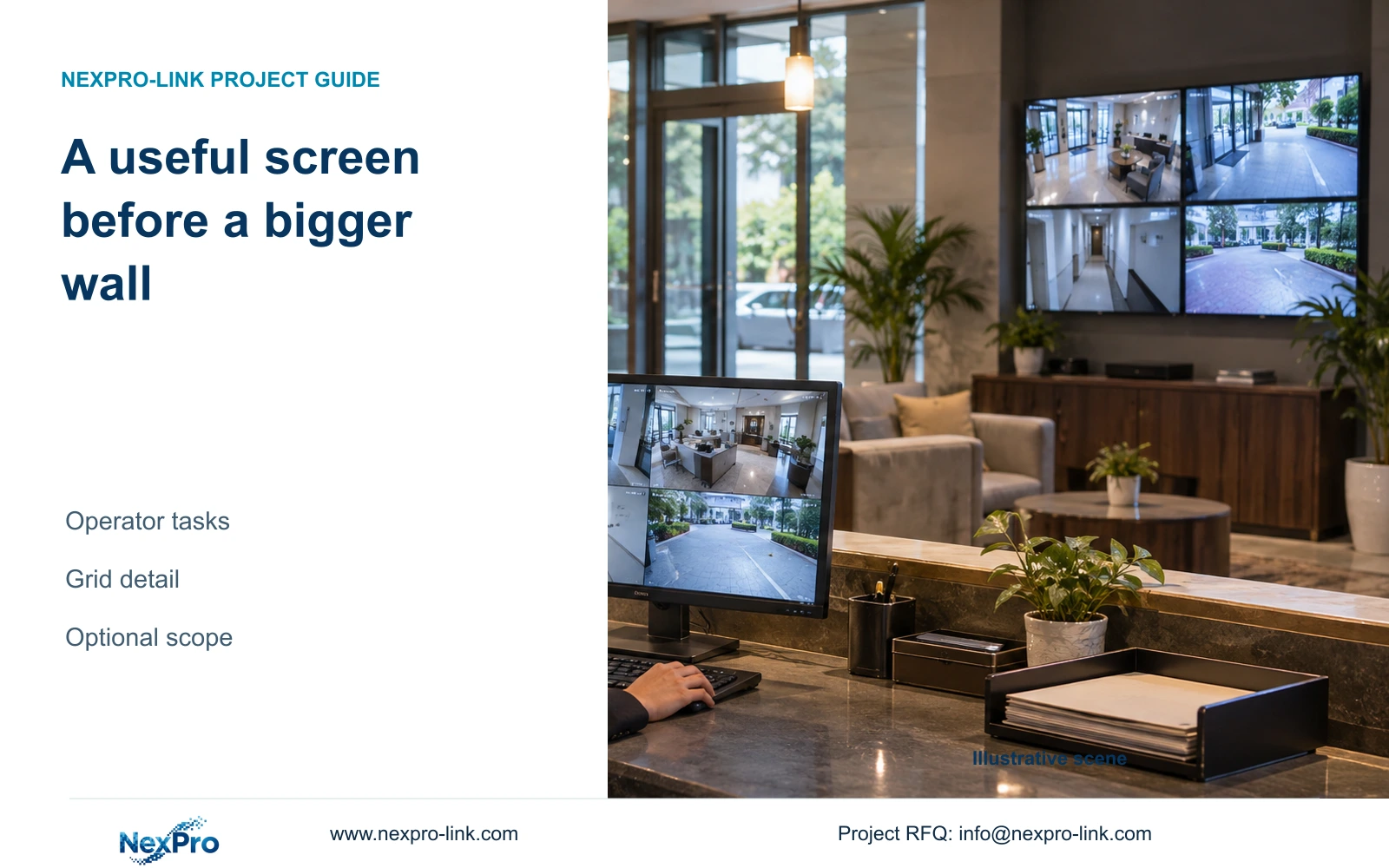
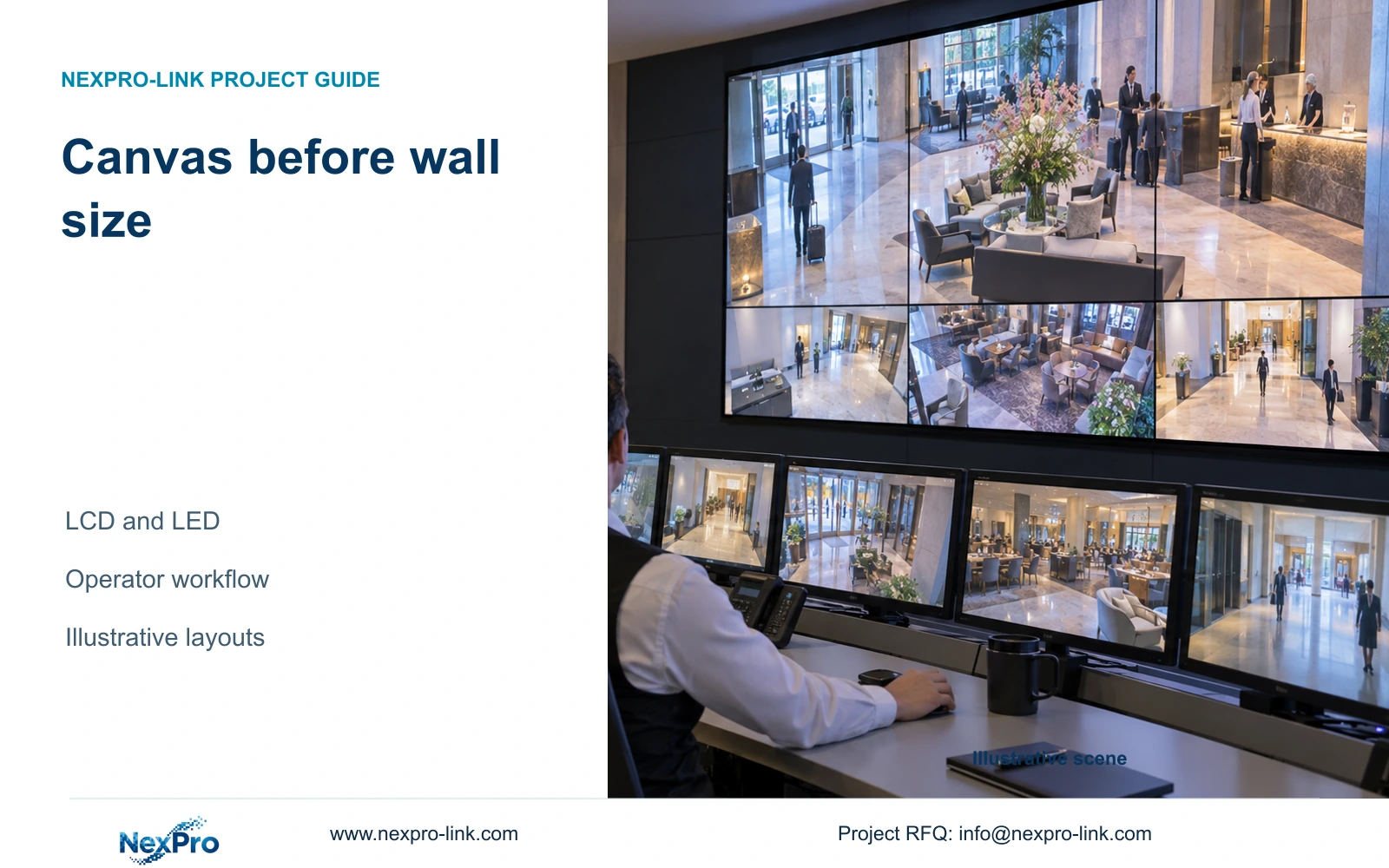
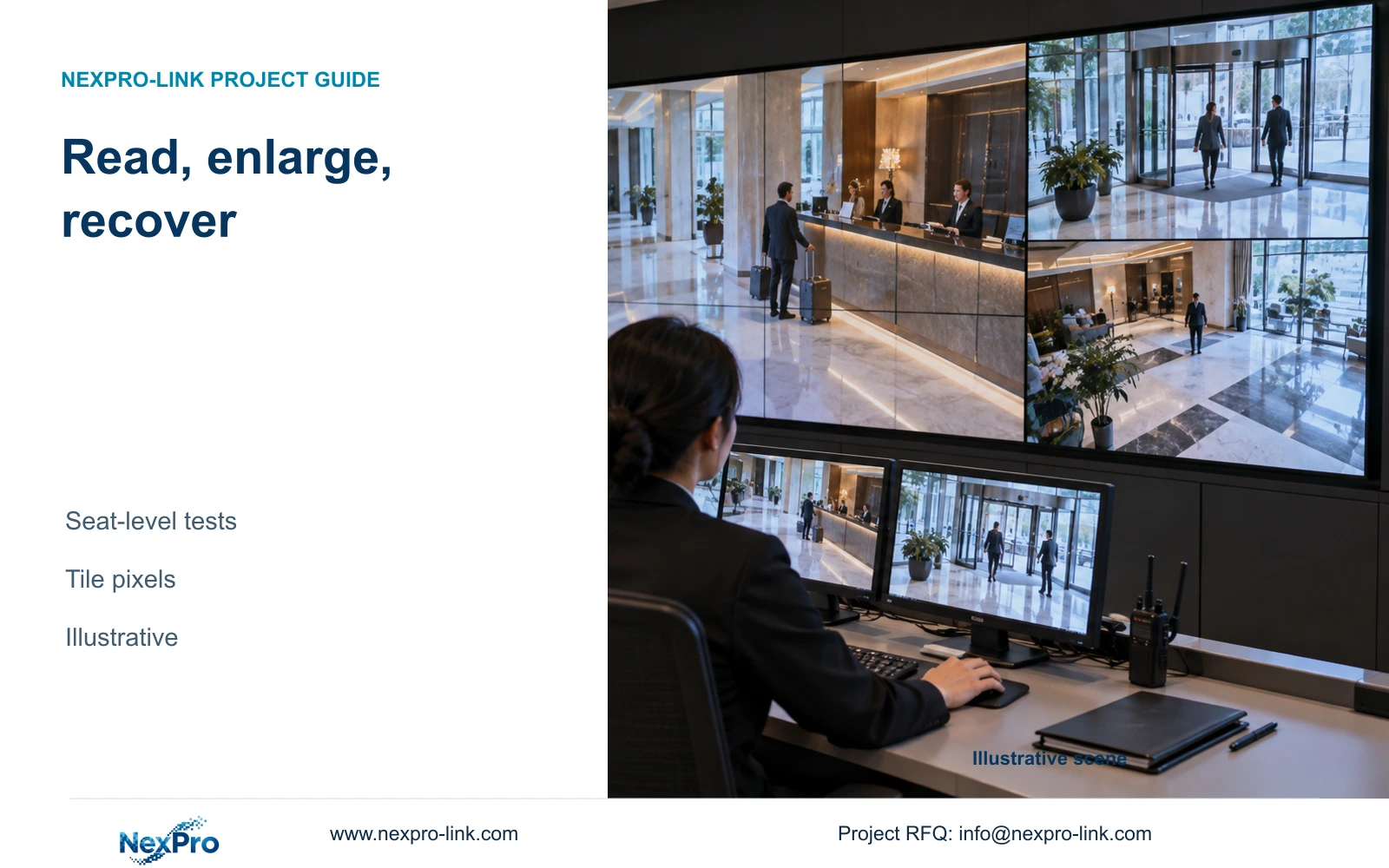
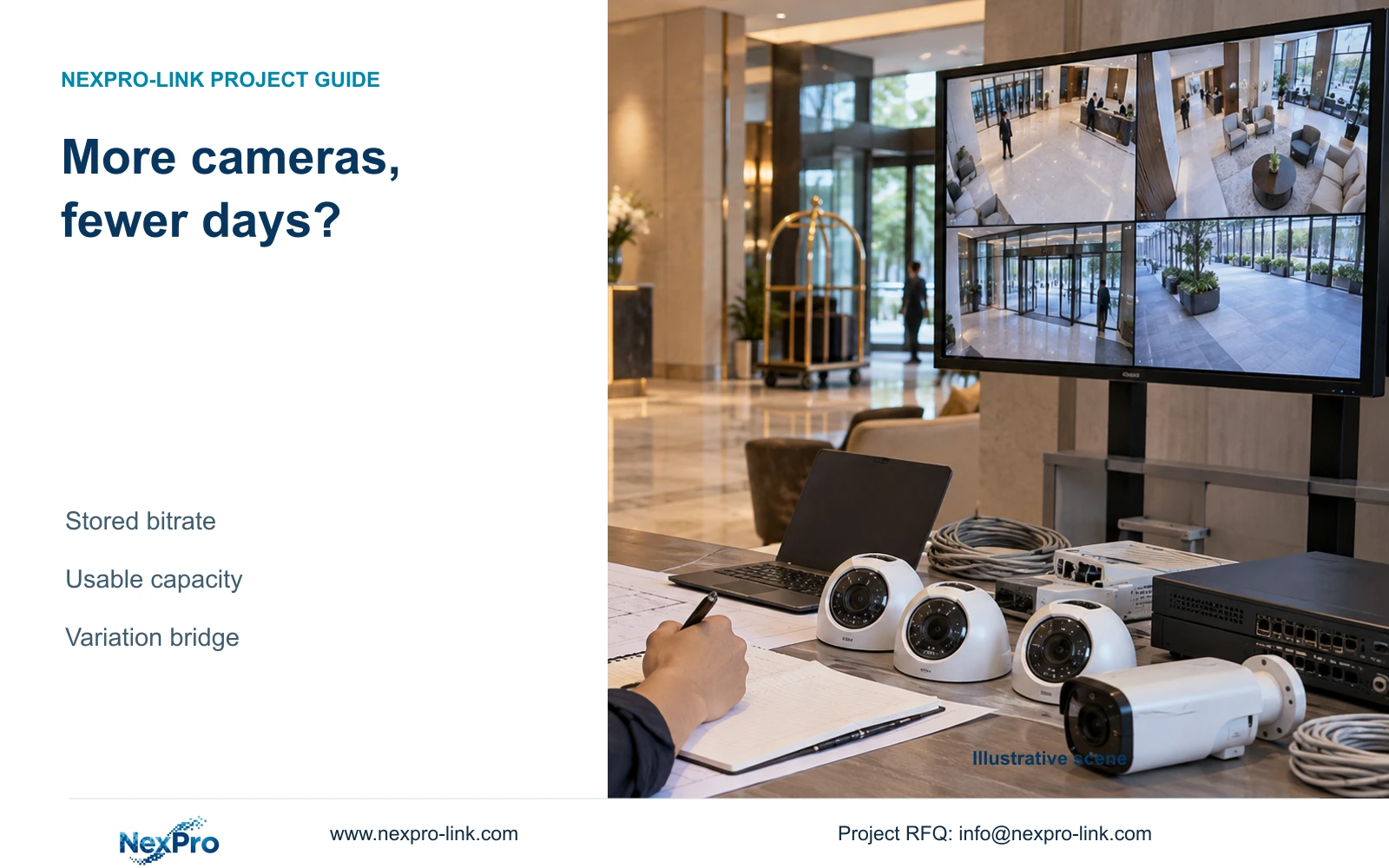
A single 4K monitor and four Full HD panels can provide the same pixel canvas. Choose between them through operator tasks, physical size and complete installation scope.
10 guides

Decision area 17

Control Room Workflows

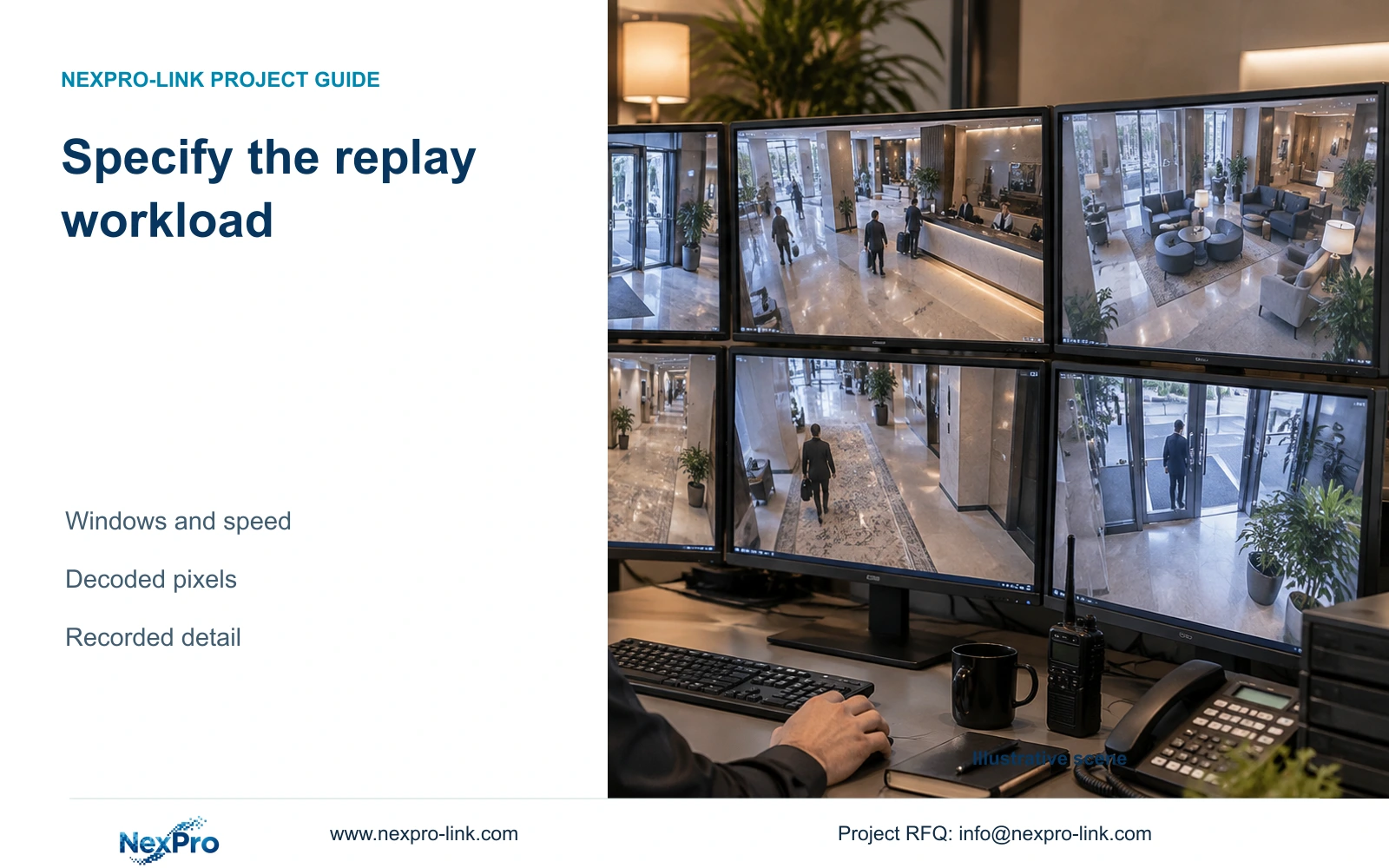
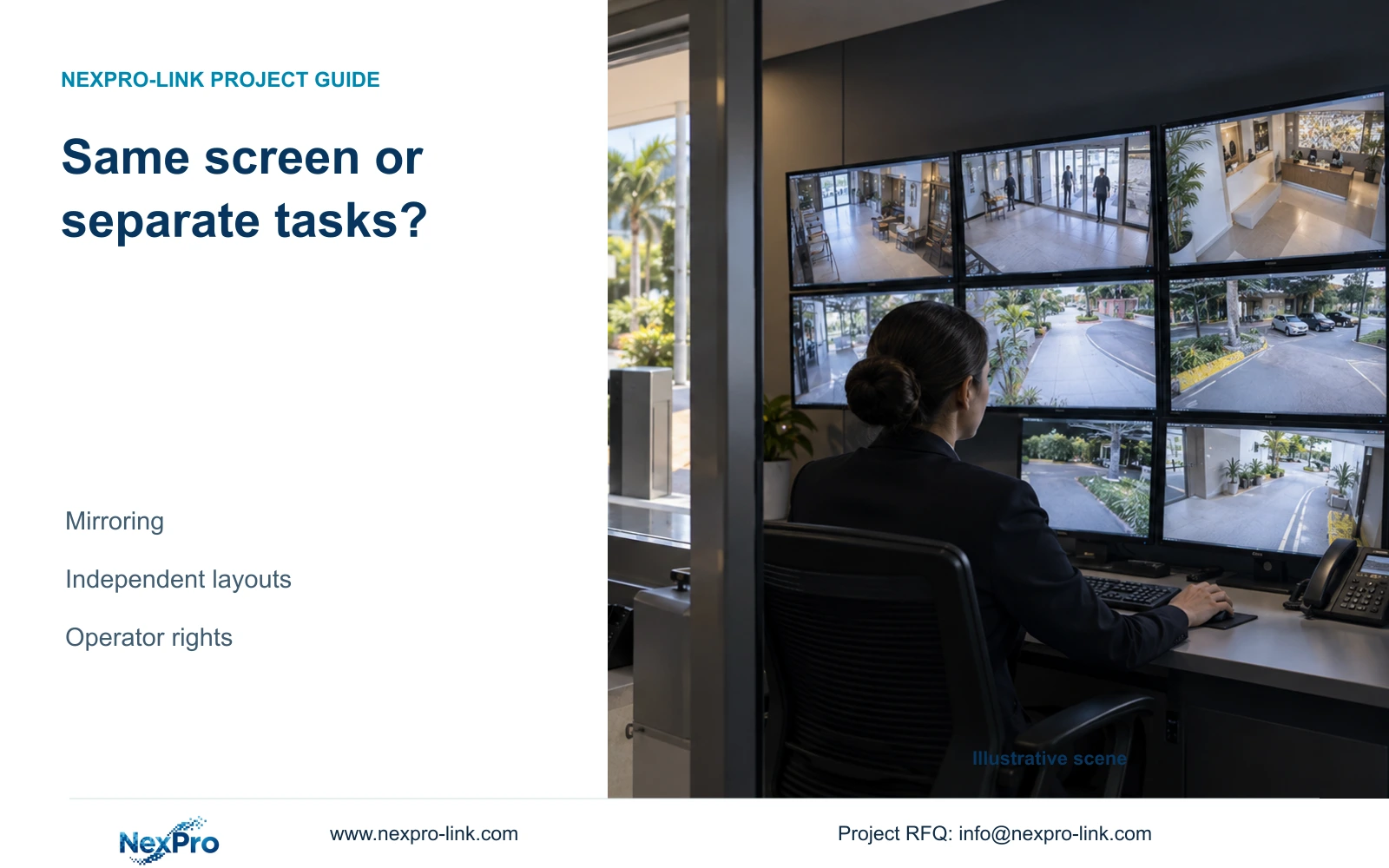
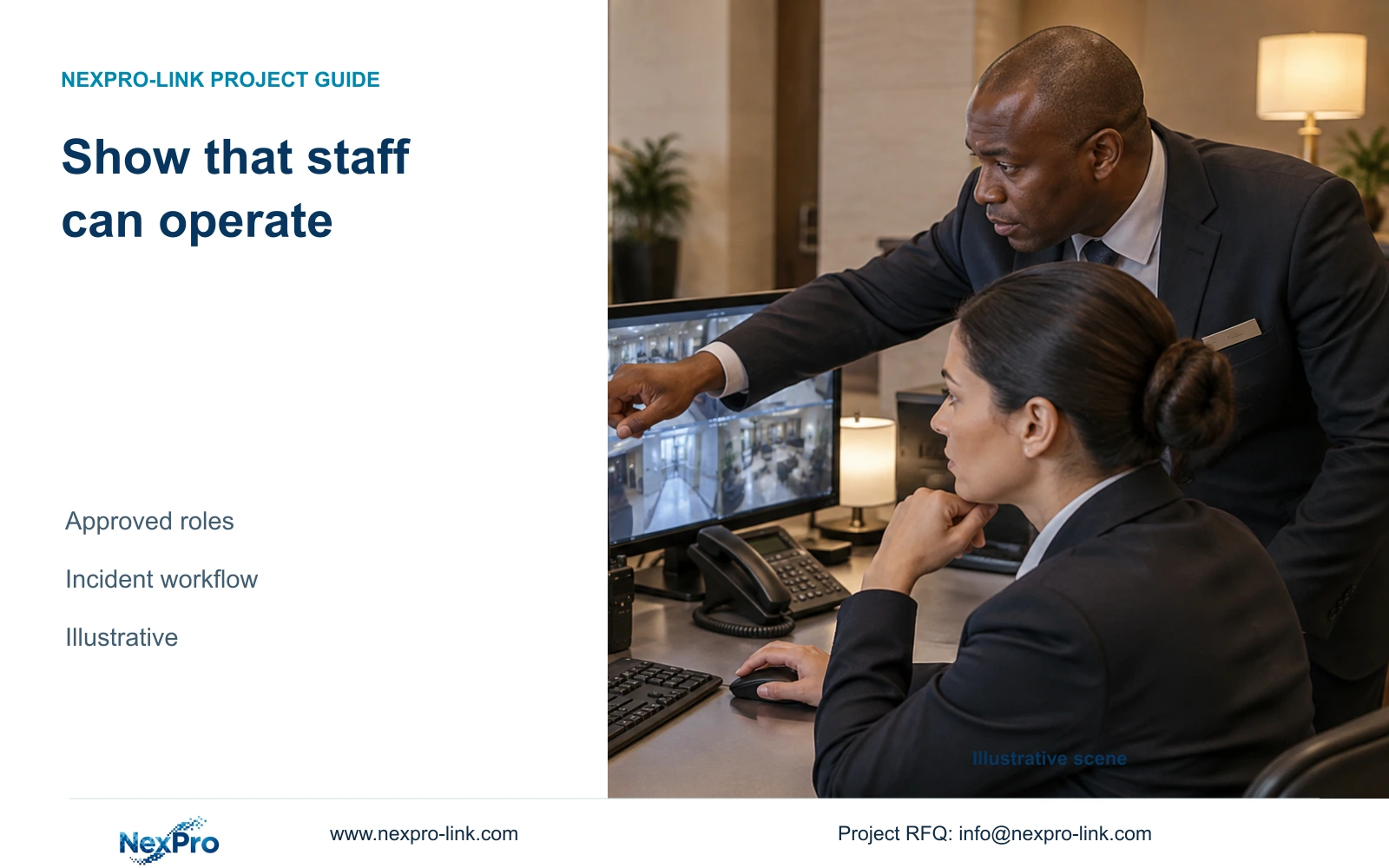
Choose a decoder against the hotel's simultaneous source formats and display layouts. An output count or a model name containing 4K does not establish decoding capacity.

10 guides

Decision area 18

Locks and Access Interfaces

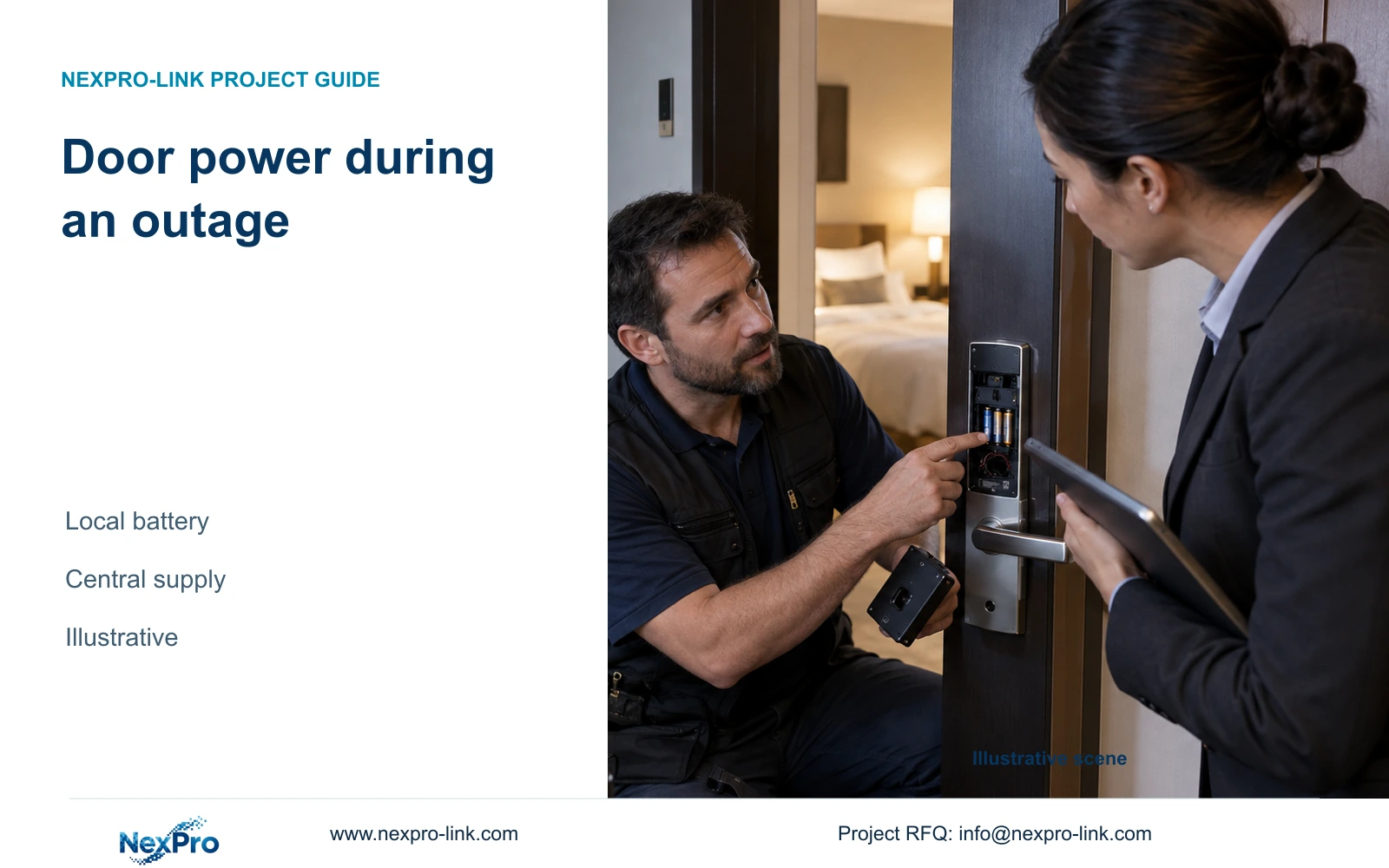
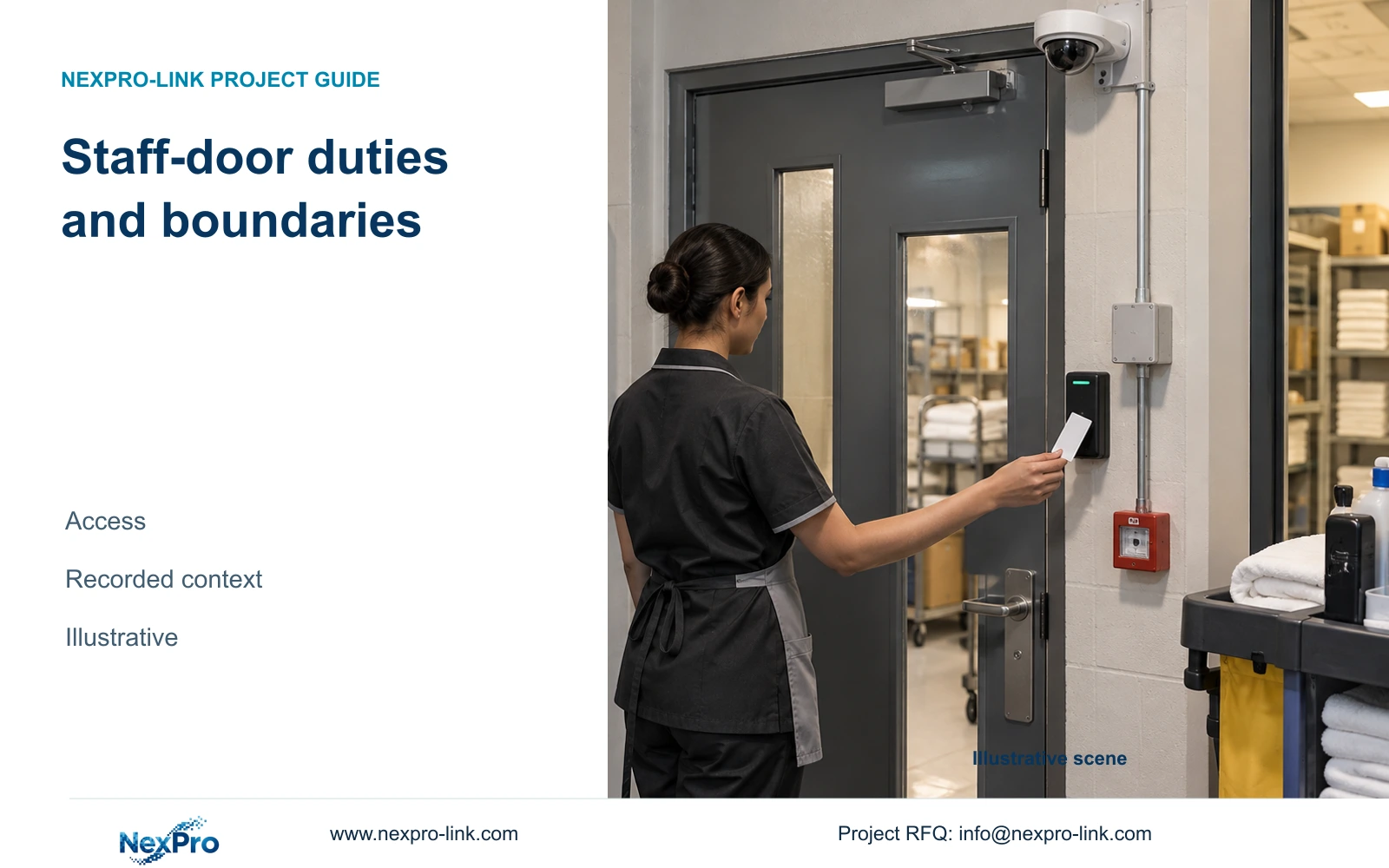
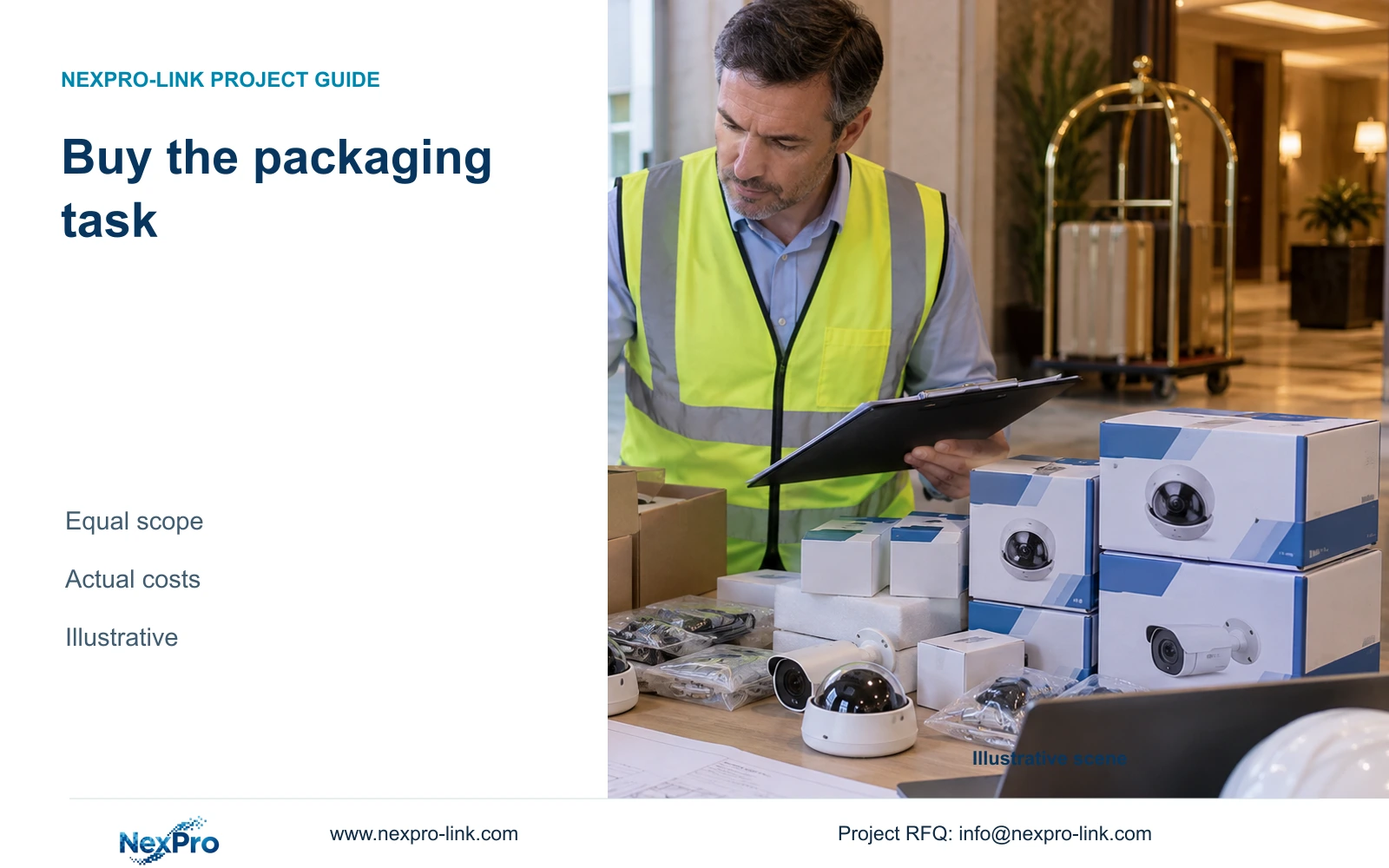
Buy CCTV and room locks through one coordinated proposal when it improves delivery, while keeping camera tasks, door hardware and interface responsibilities separately defined.

10 guides

Decision area 19

Privacy and Secure Operation

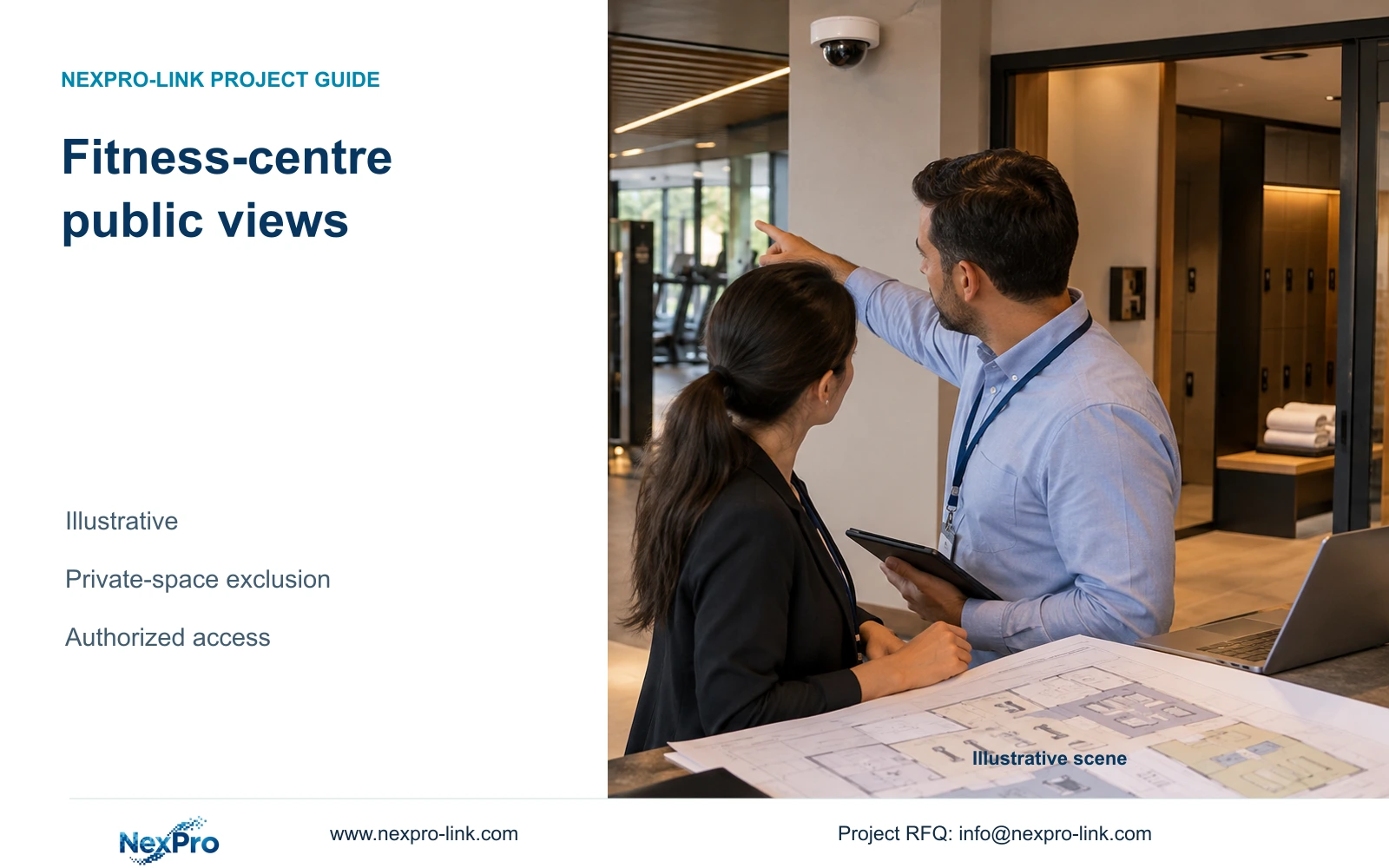
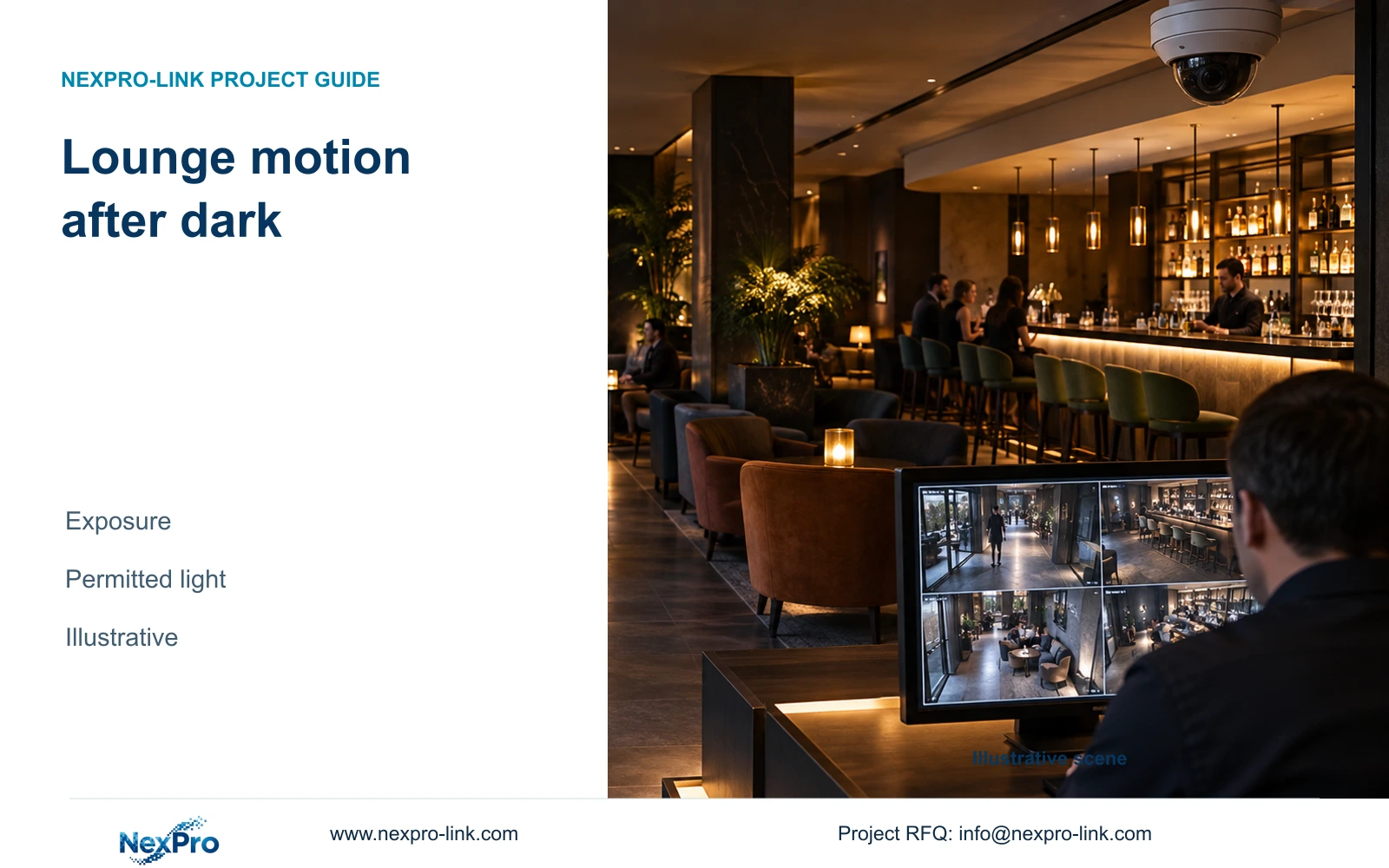
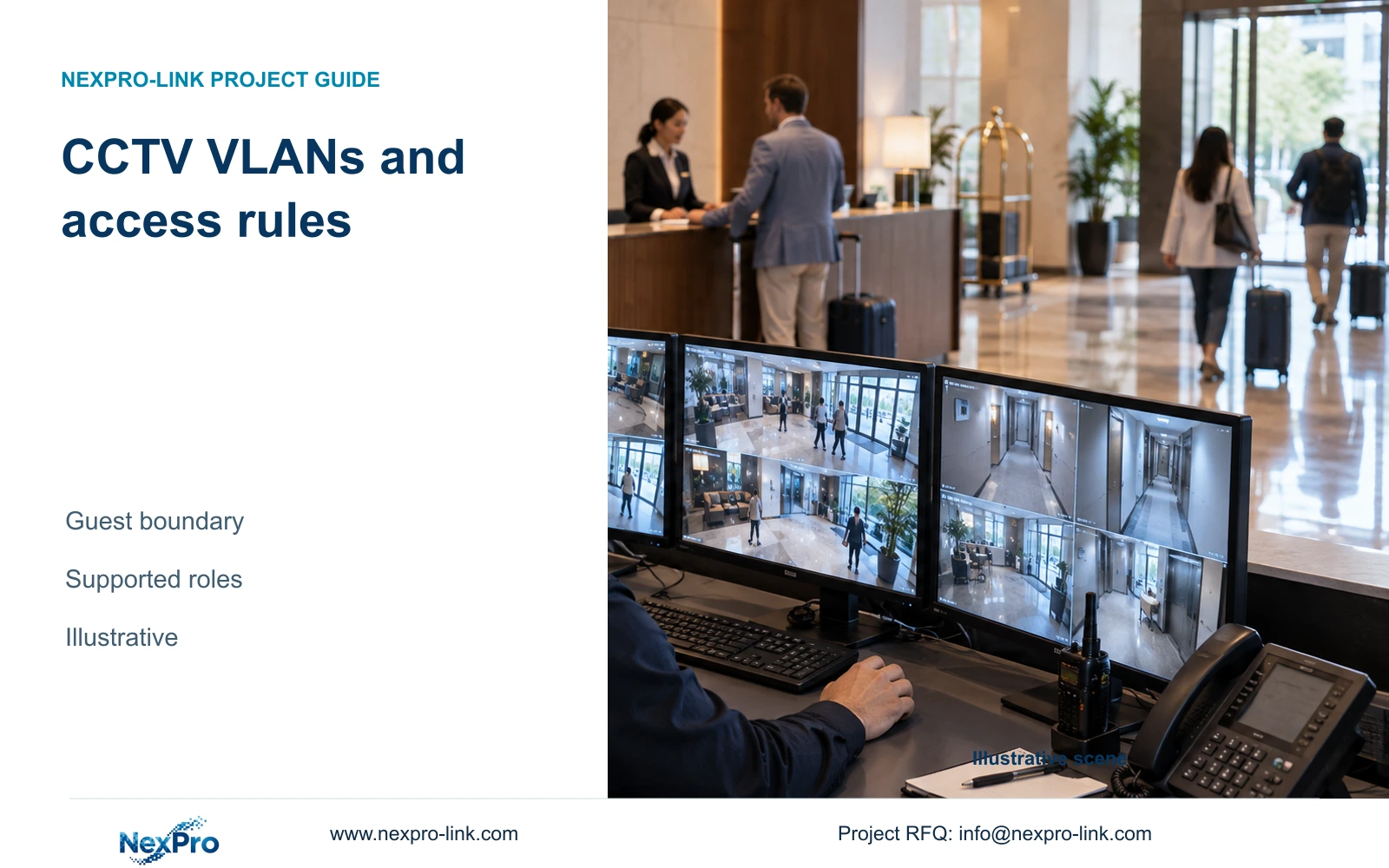
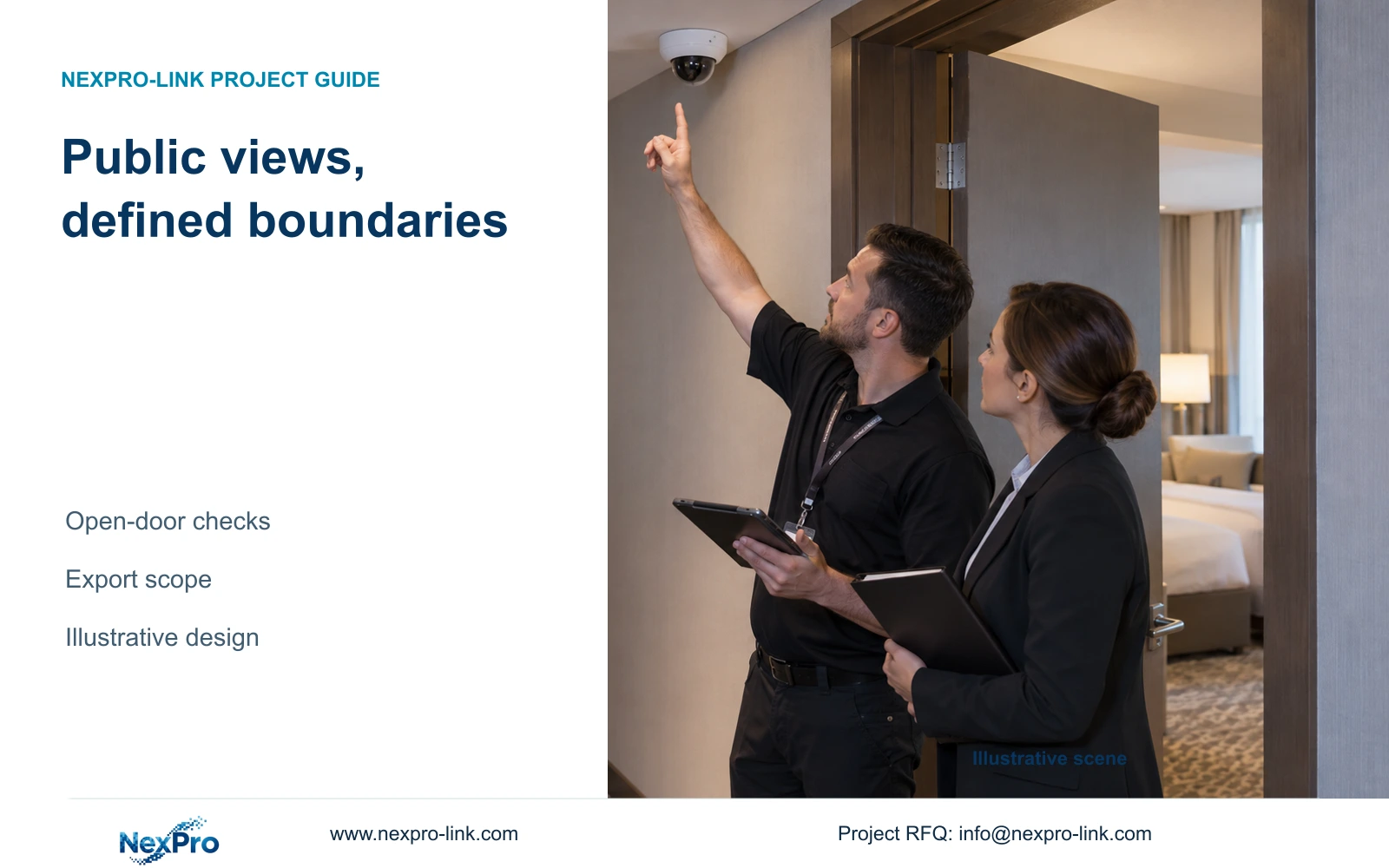
Choose camera positions around an approved public-area task, then check open doors, recorded masking and export permissions before accepting the design.

10 guides

Decision area 20

Hotel Cost Planning

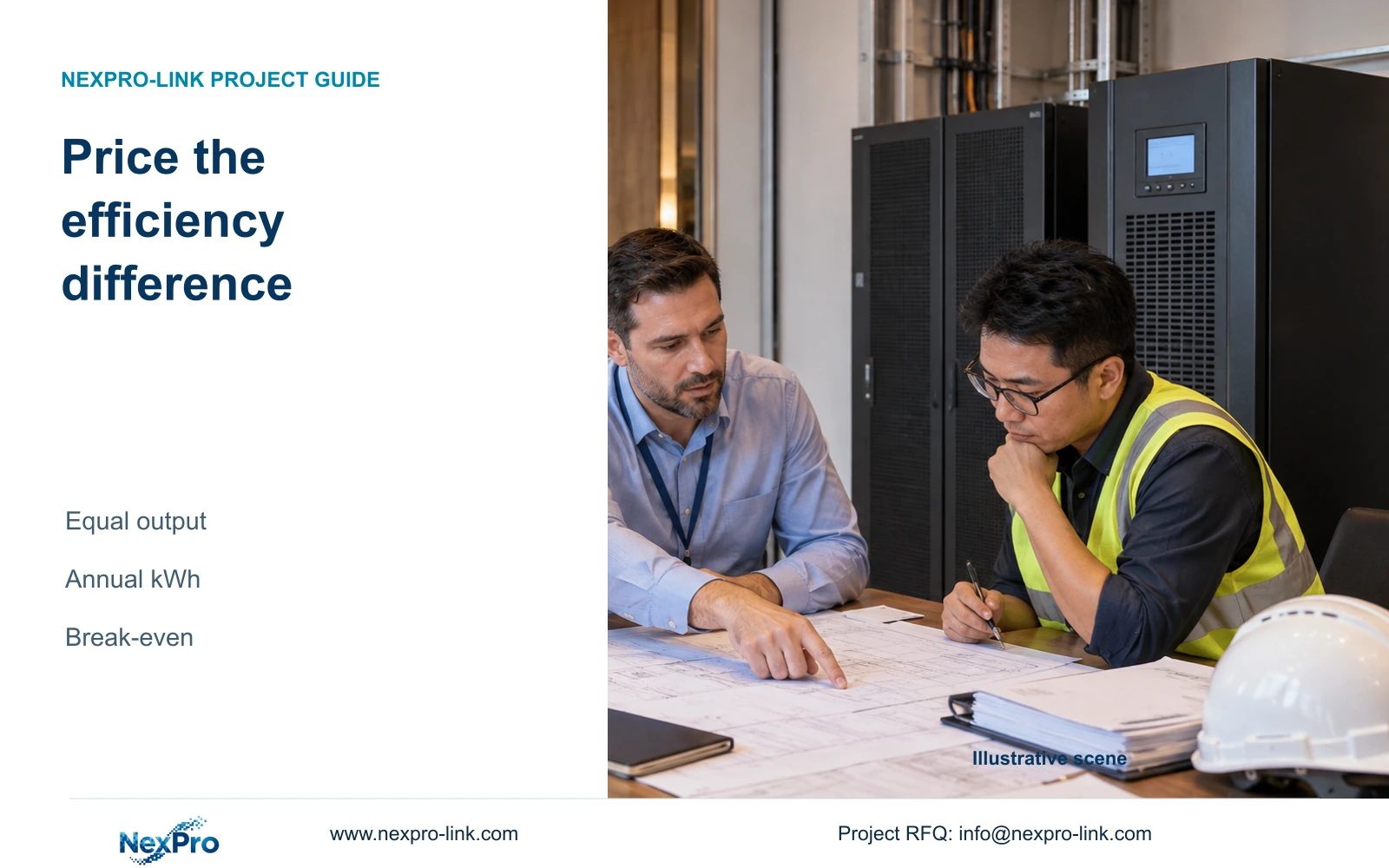
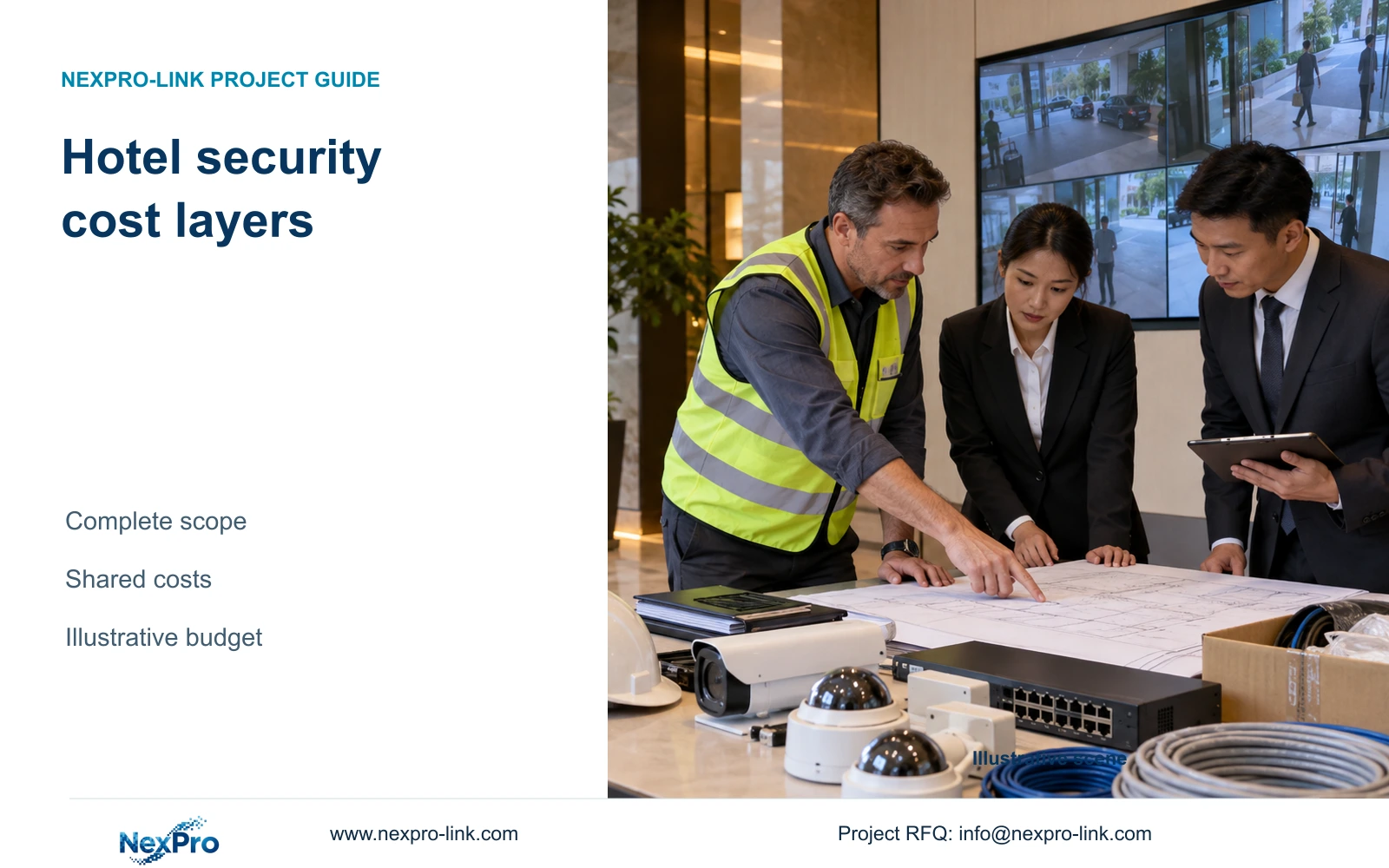
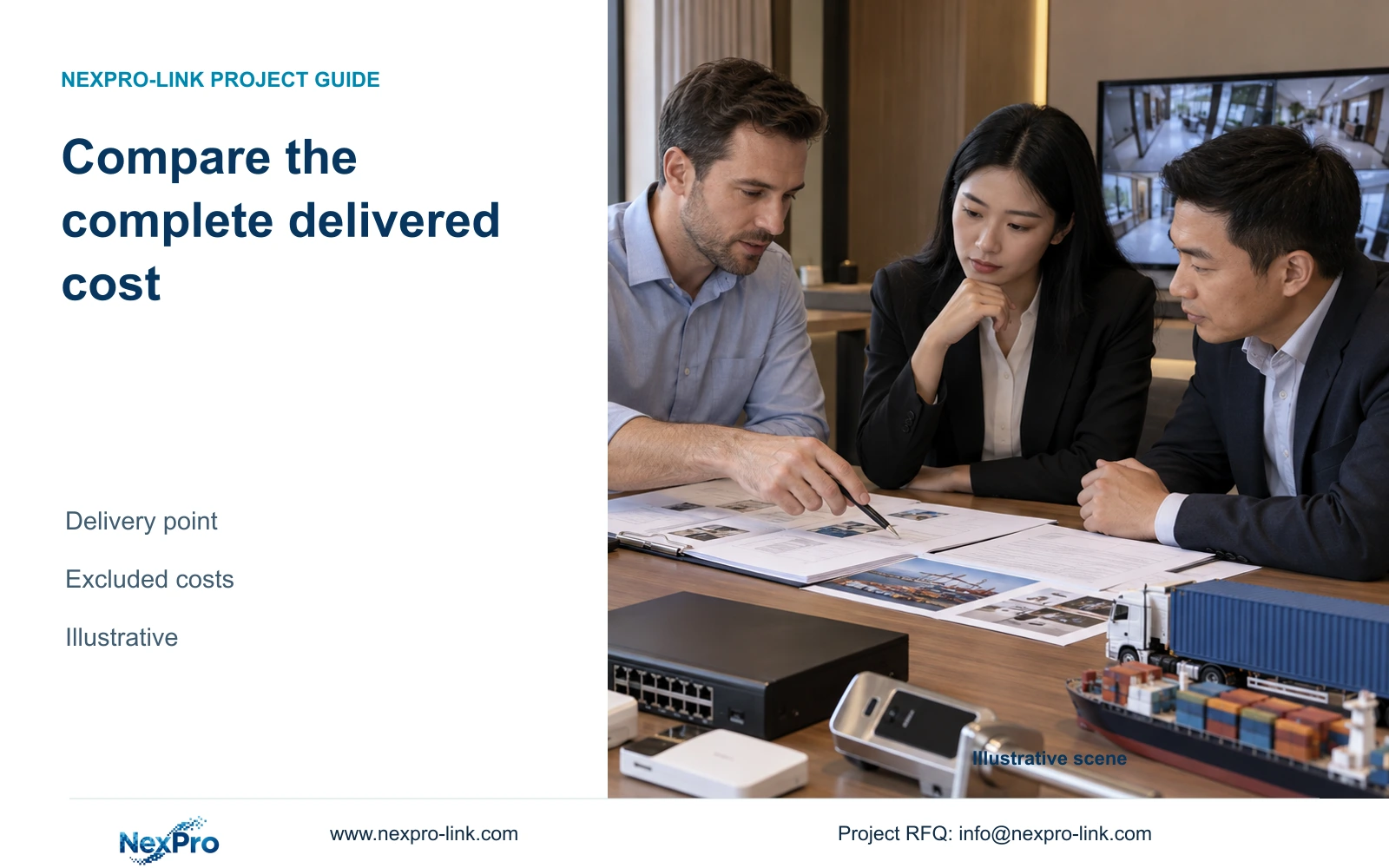
A camera allowance becomes a usable hotel security budget only when recording, networking, protected power, cabling and site responsibilities have clear cost boundaries.

10 guides

Decision area 21

BOQ Tender and Alternatives

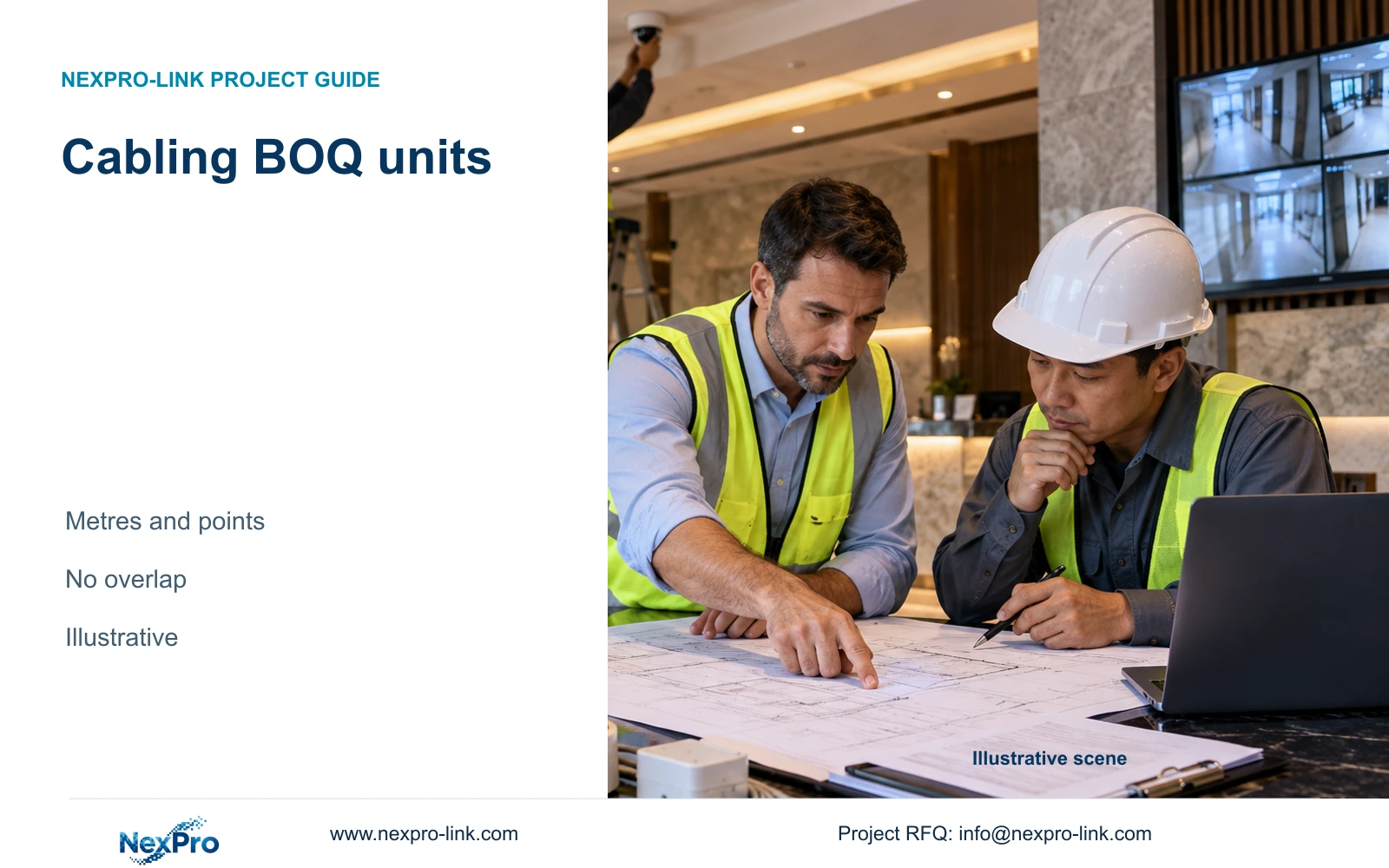
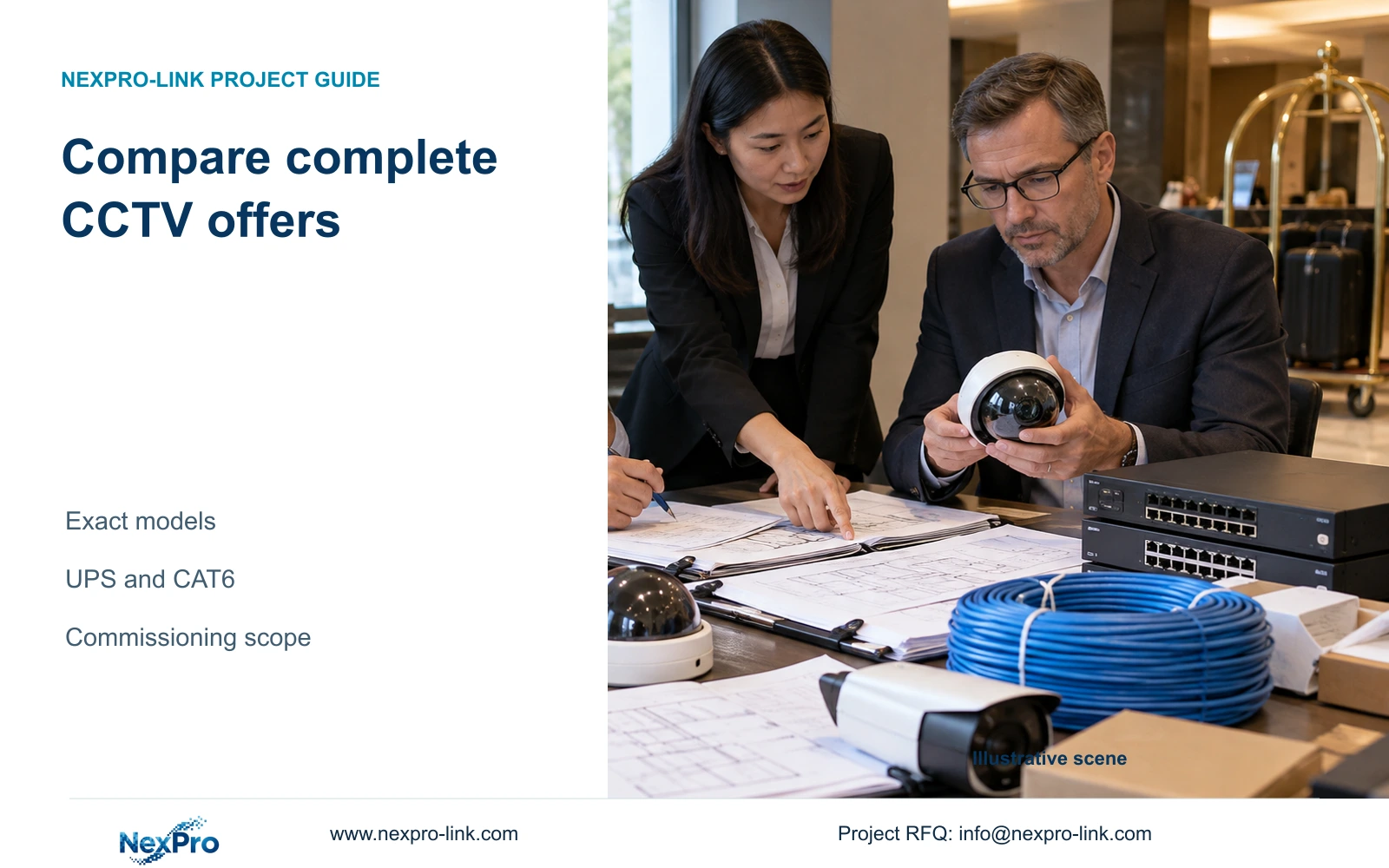
A useful hotel security BOQ connects each priced line to an operating task, preserves drawing references and assigns shared infrastructure once. This worked comparison shows how to expose missing scope before evaluating quotations.

10 guides

Decision area 22

Brand and Model Comparisons

A fair NexPro-Link and Hikvision comparison starts with the same hotel operating brief. Separate required recording and support from optional displays, then evaluate documented differences.

10 guides

Decision area 23

Complete Hotel Design Cases

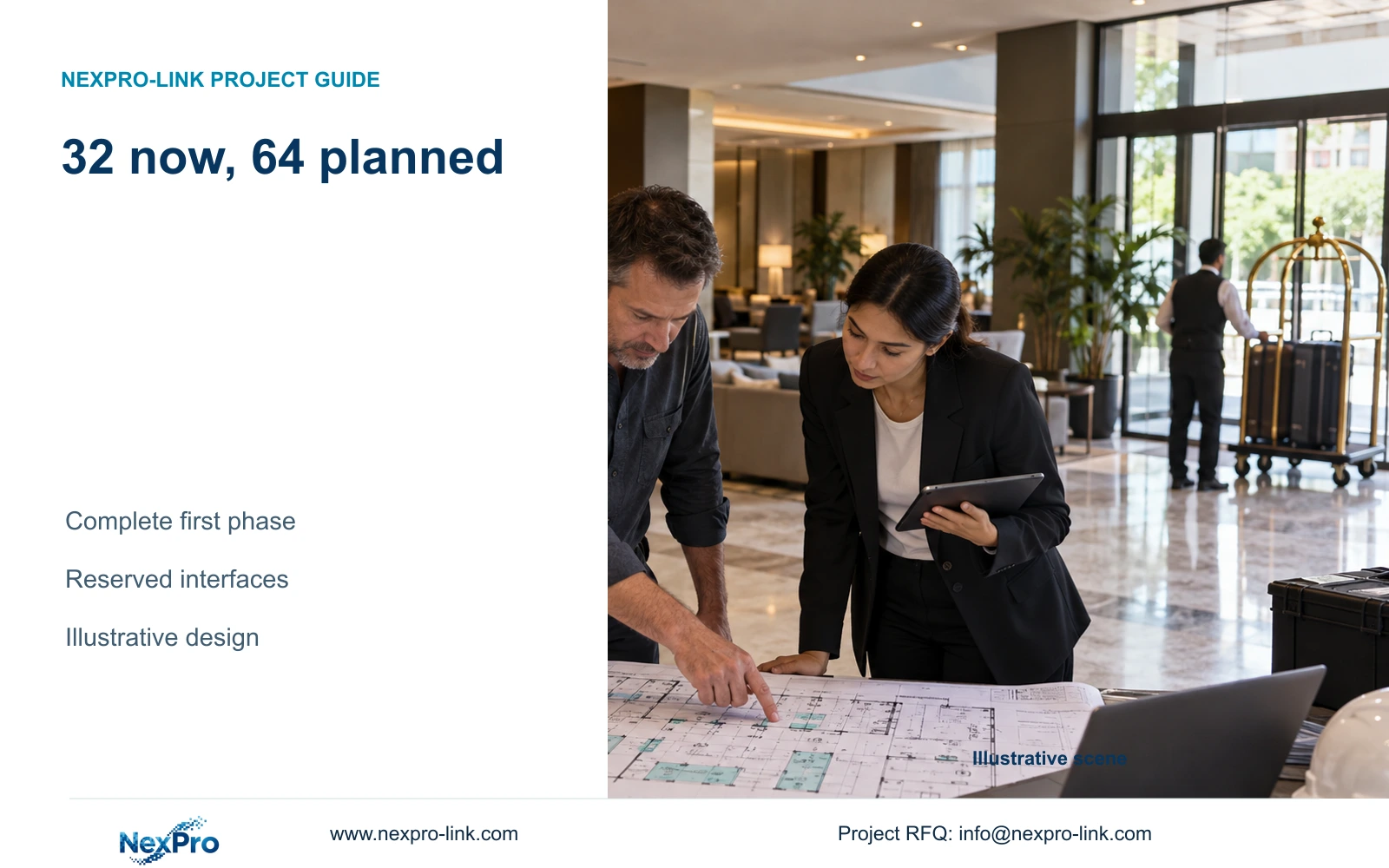
Choose a recording-first package for this illustrative 32-camera hotel, with the same 30-day retention and protected recording path in both display options.

10 guides

Decision area 24

Construction and Procurement

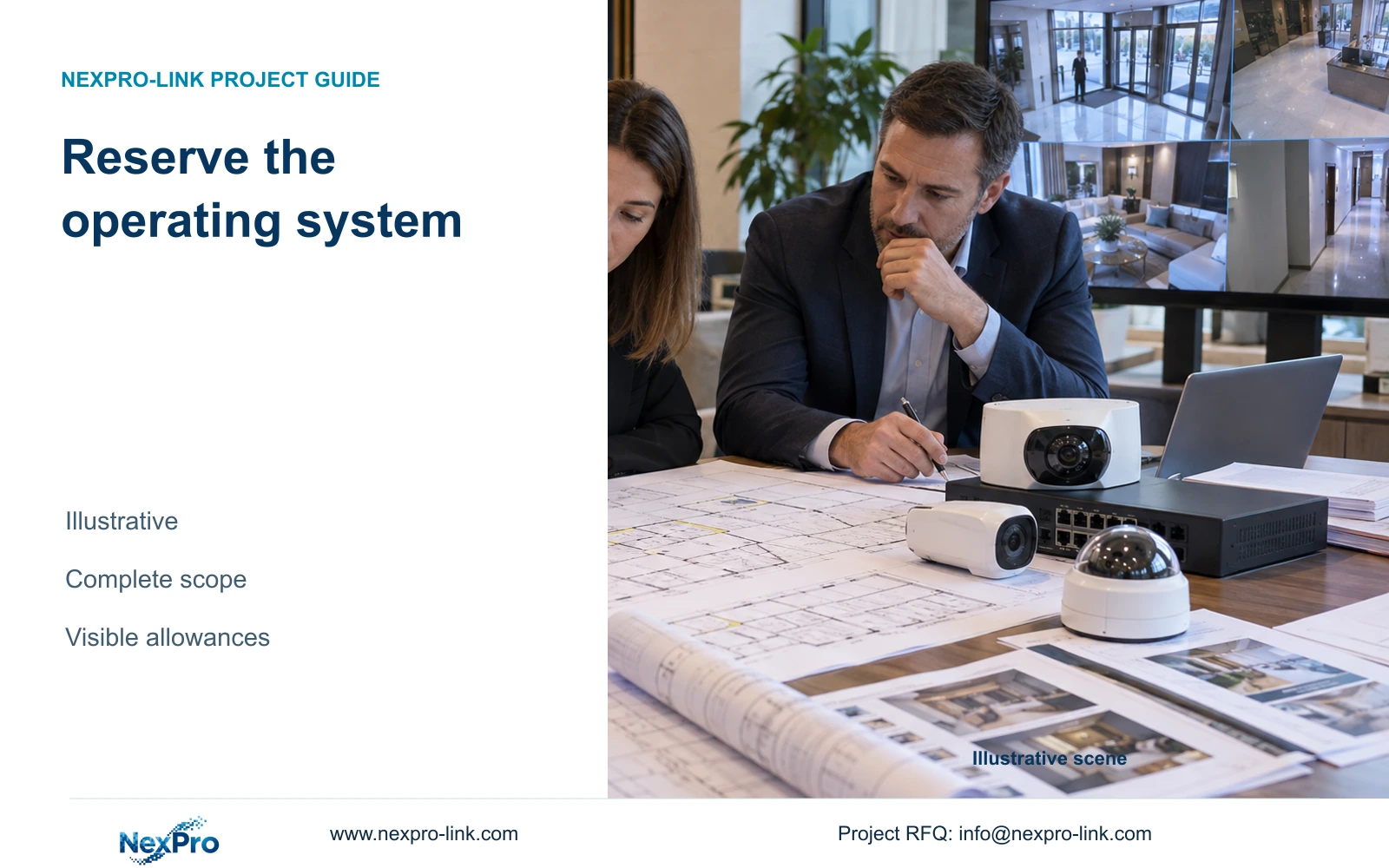
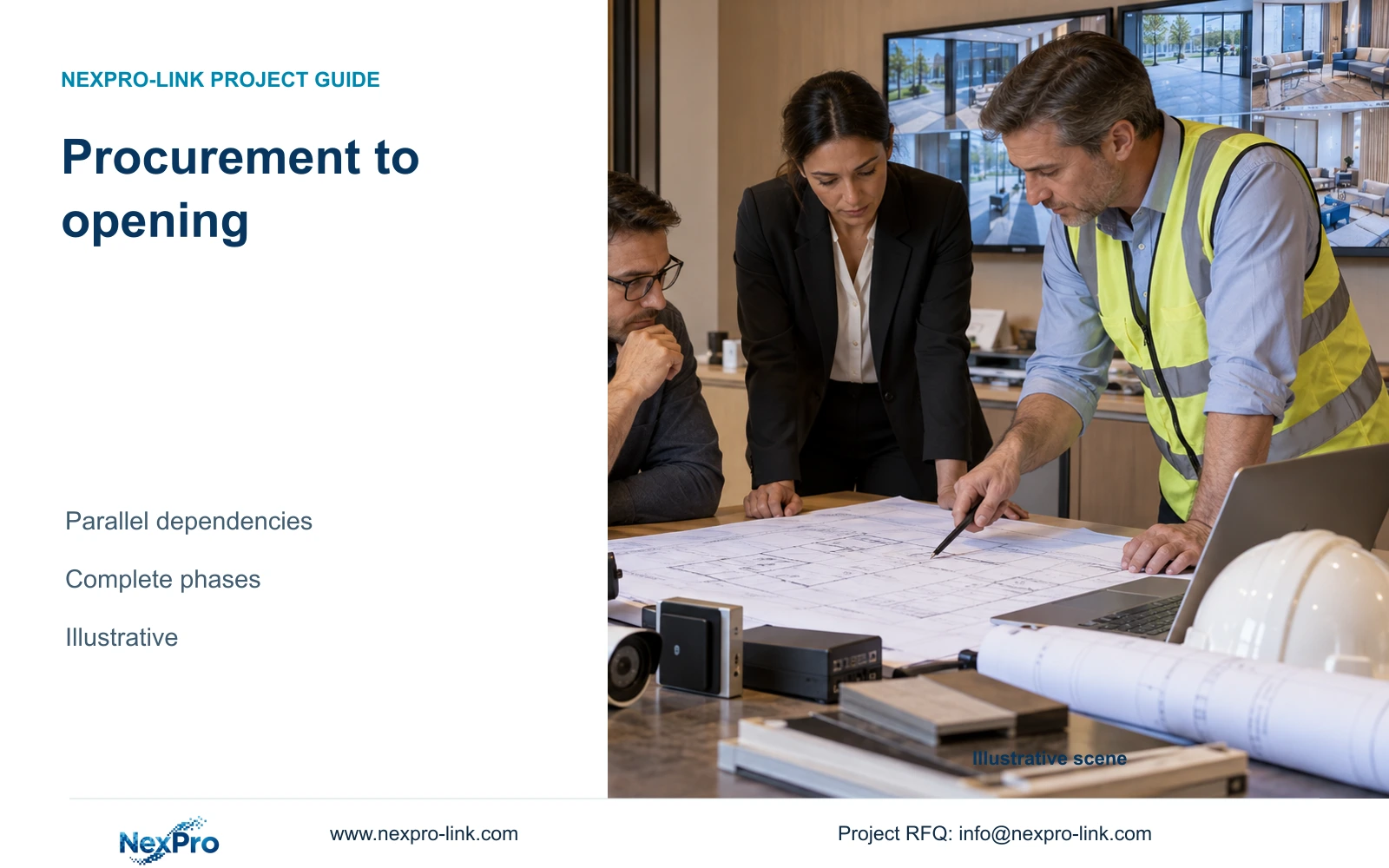
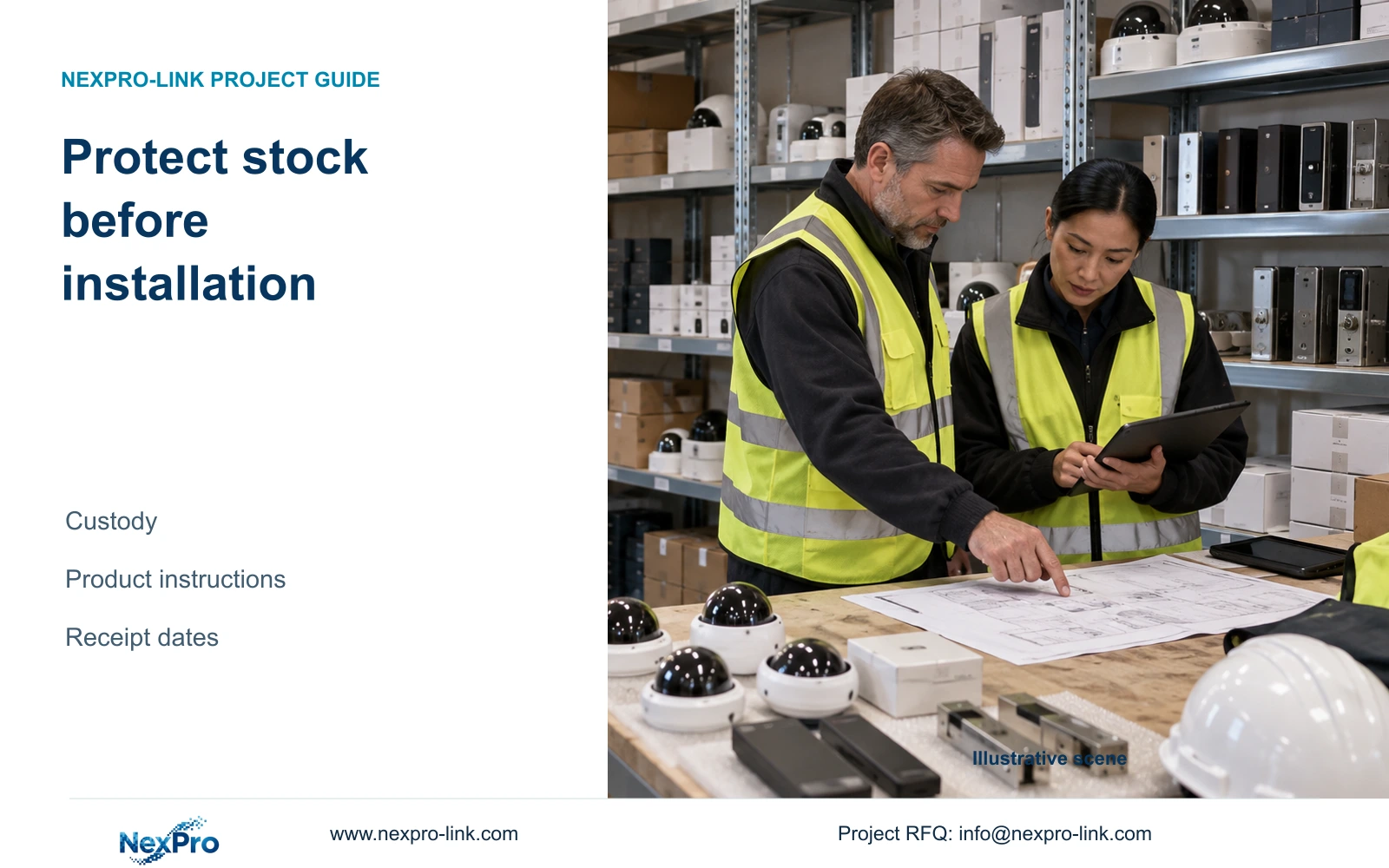
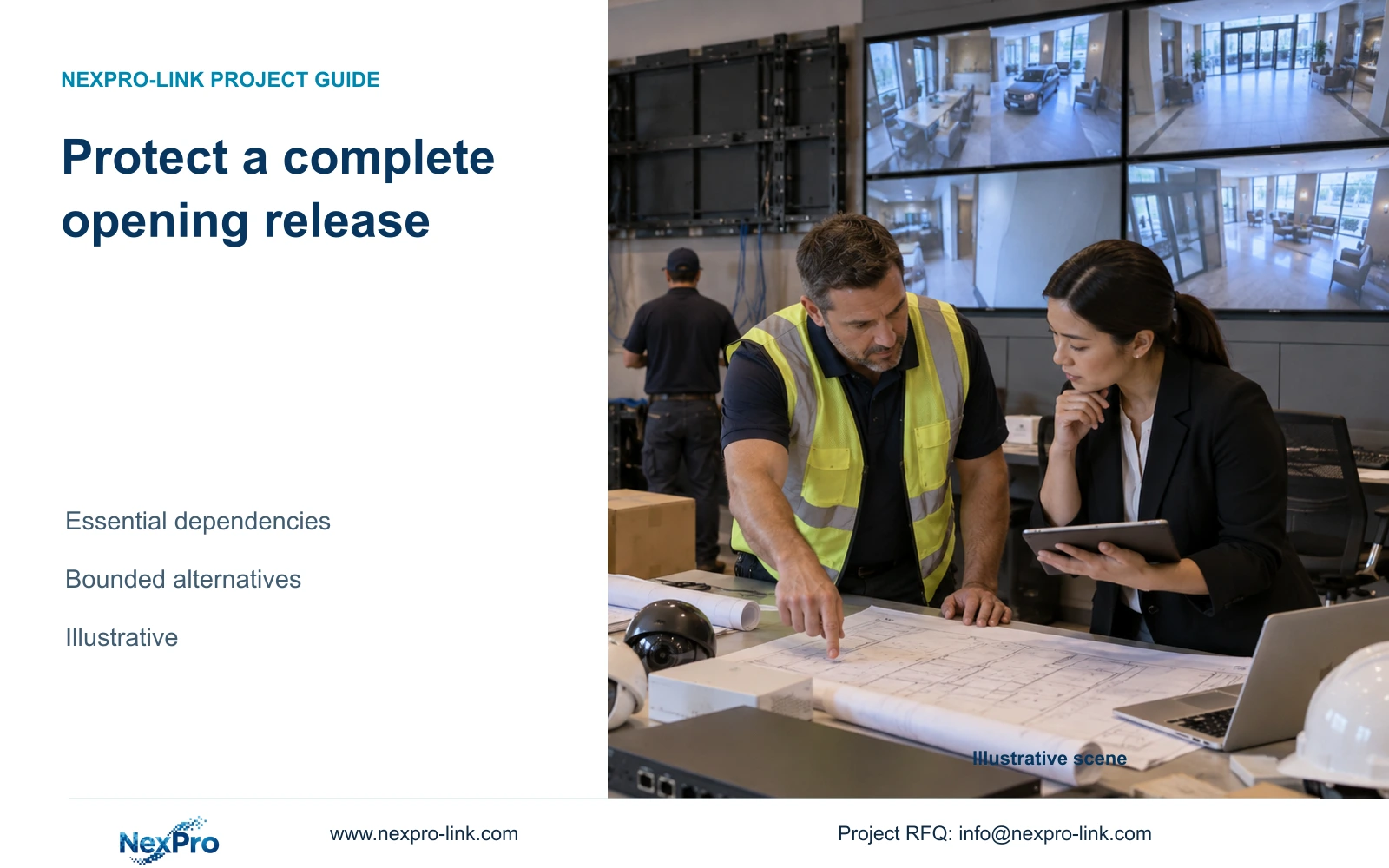
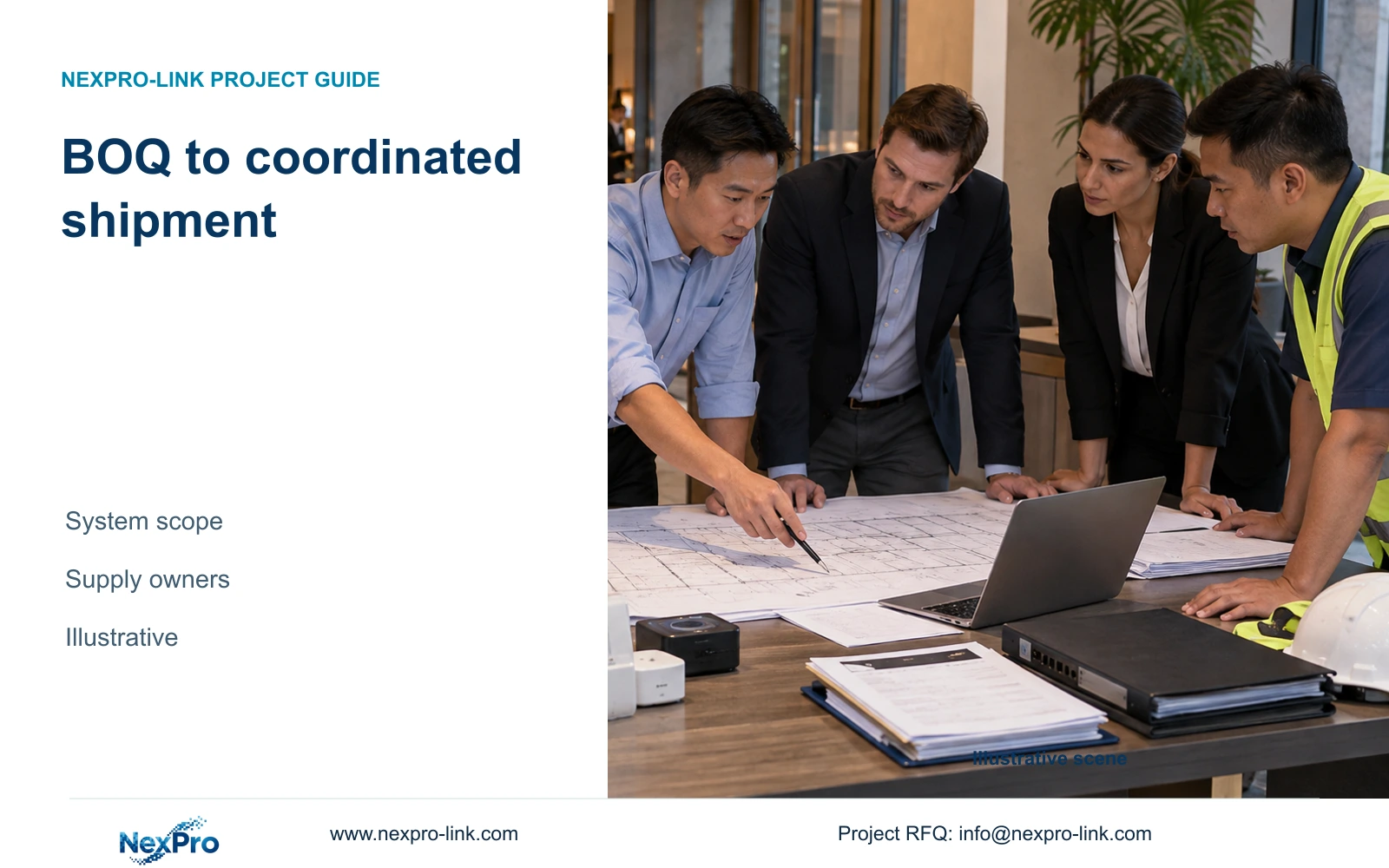
Build the procurement programme around an accepted operating system at opening. Separate approval, supply and site dependencies before choosing shipment dates.

10 guides

Decision area 25

Renovation and Migration

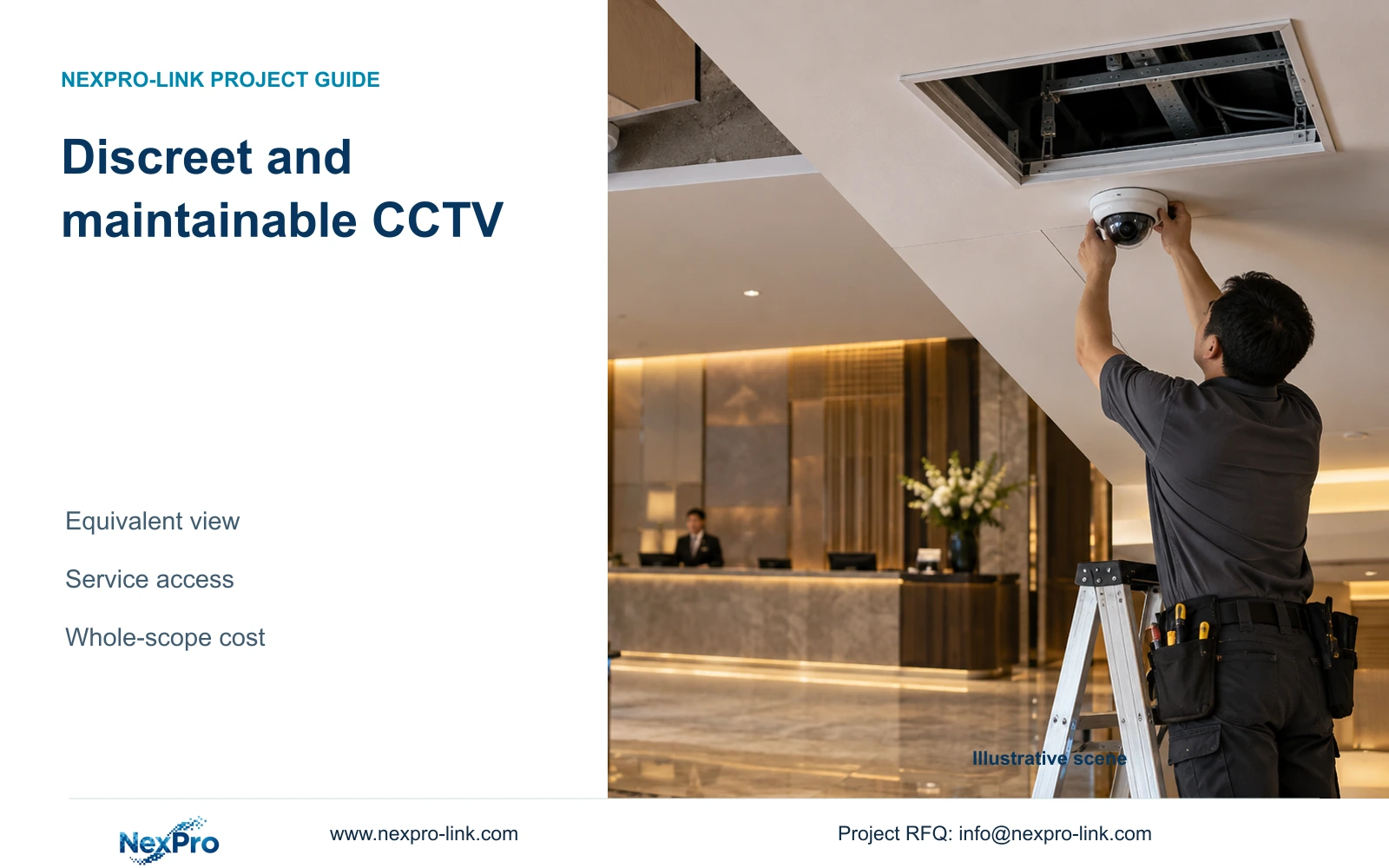
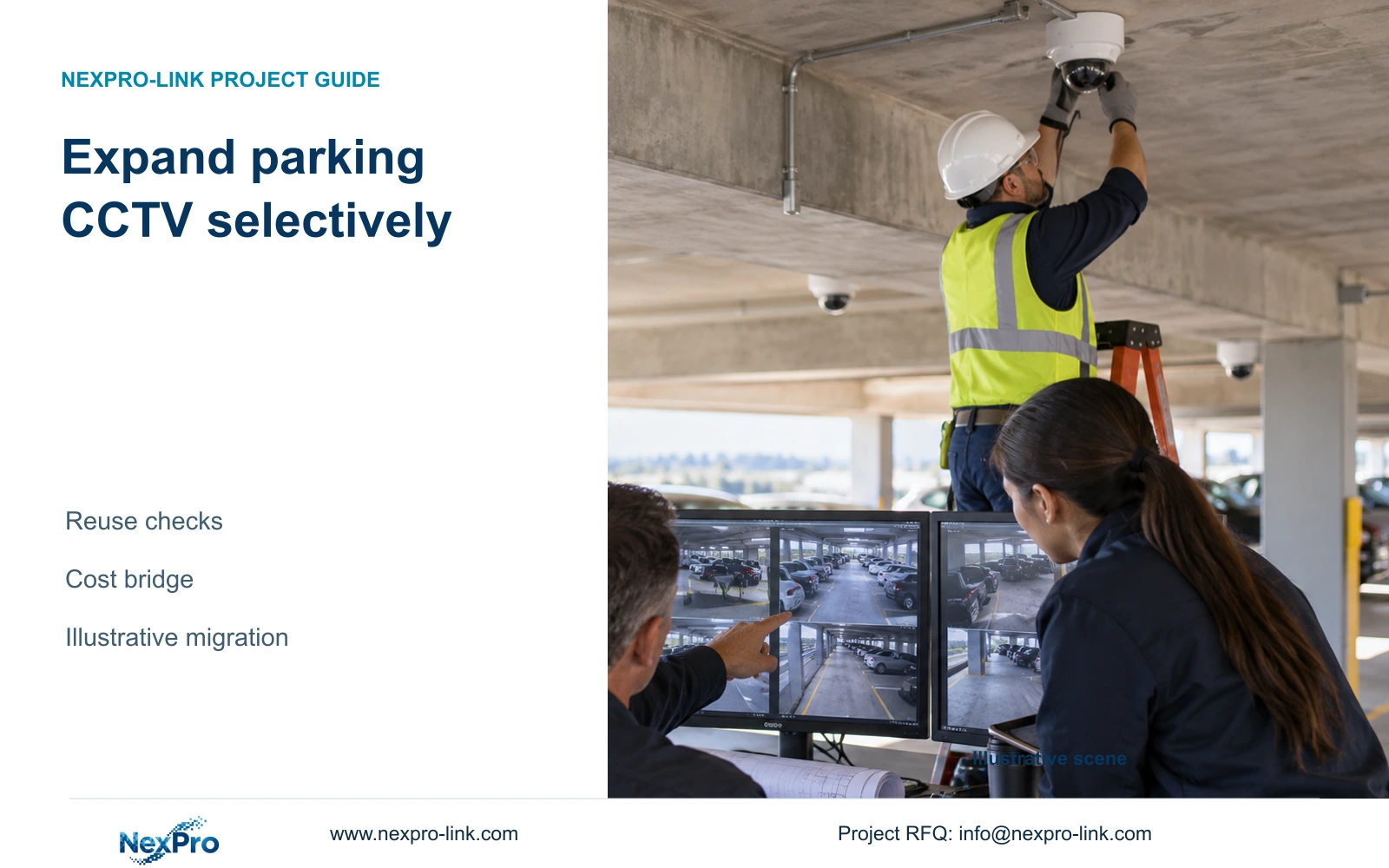
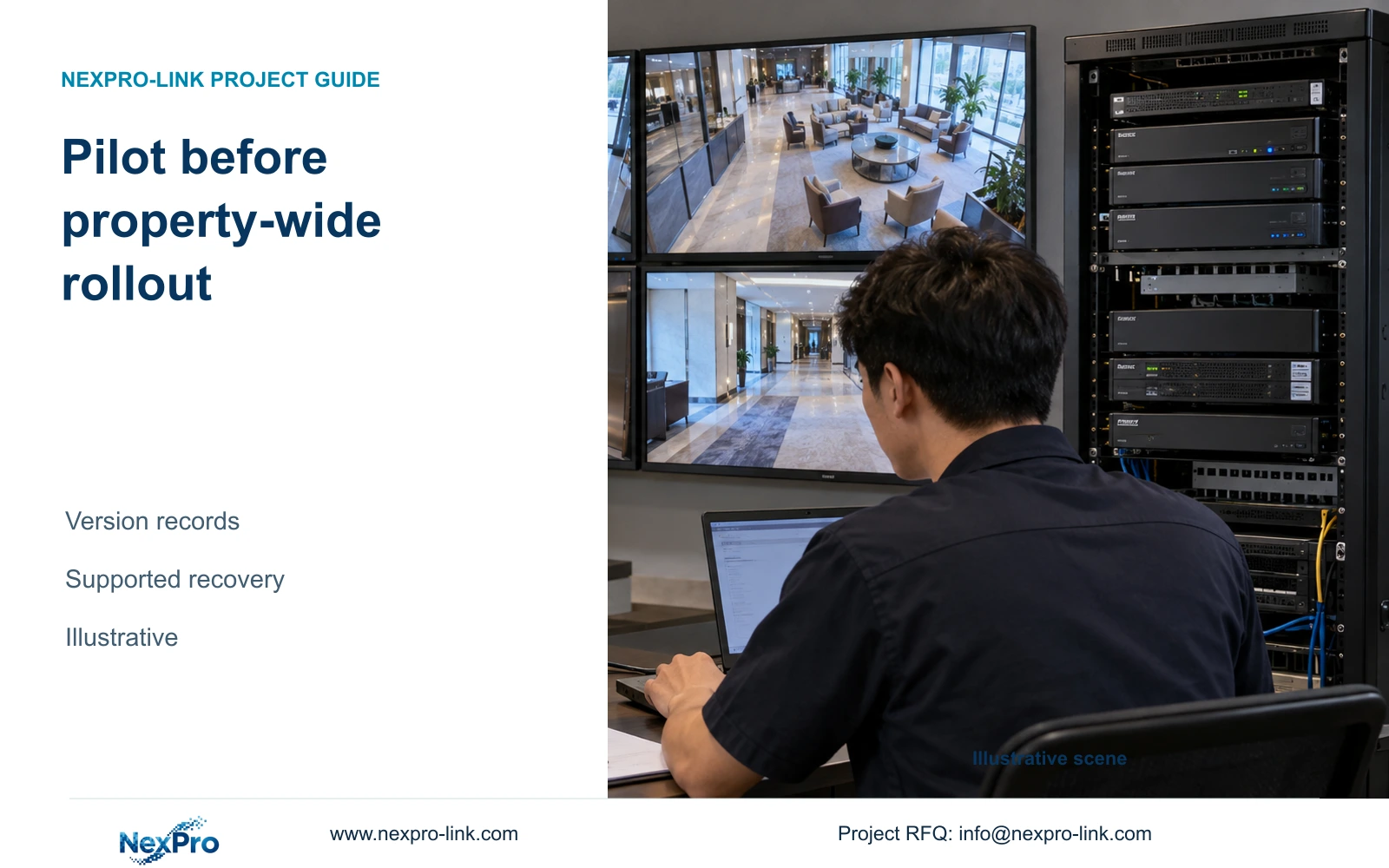
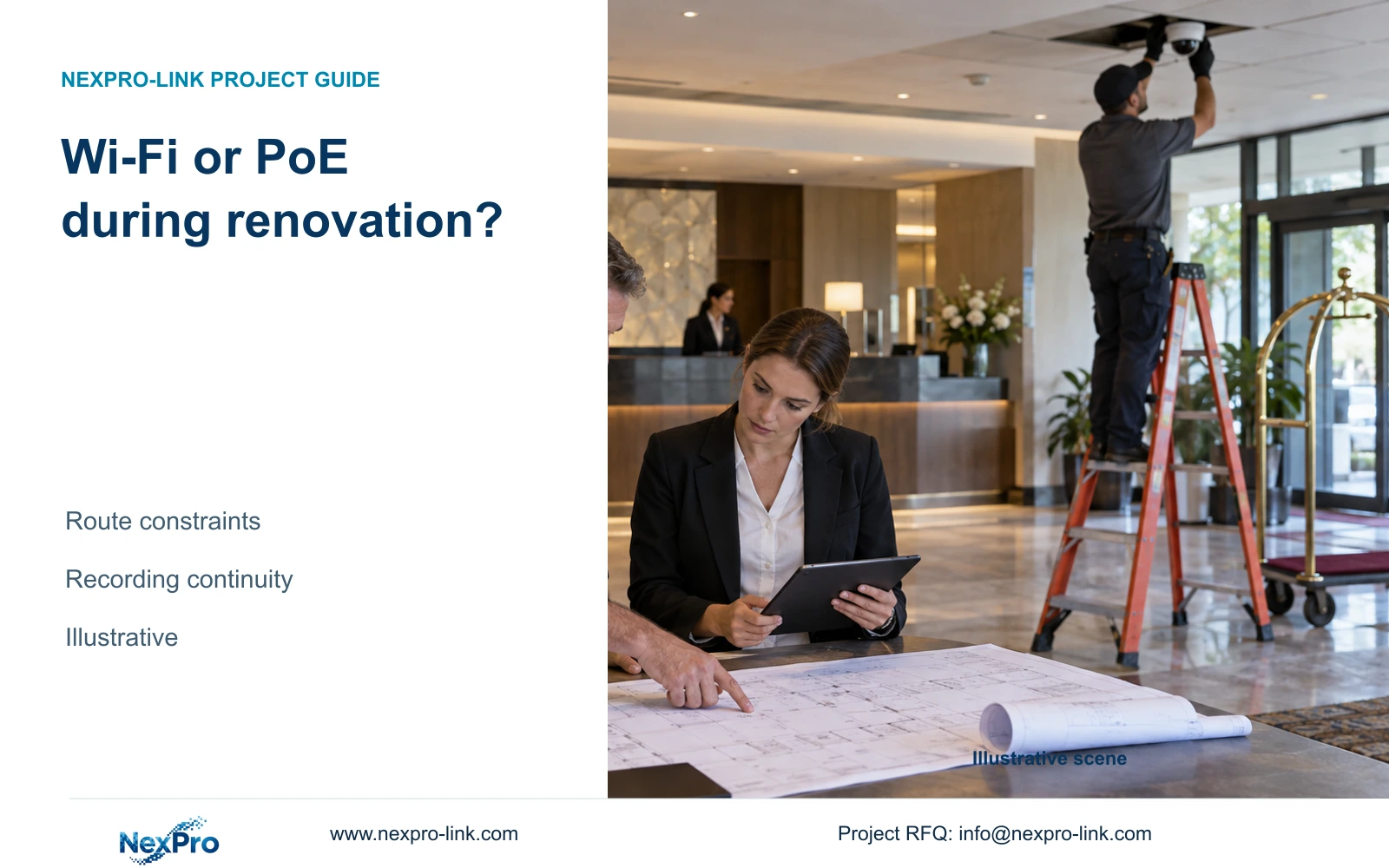
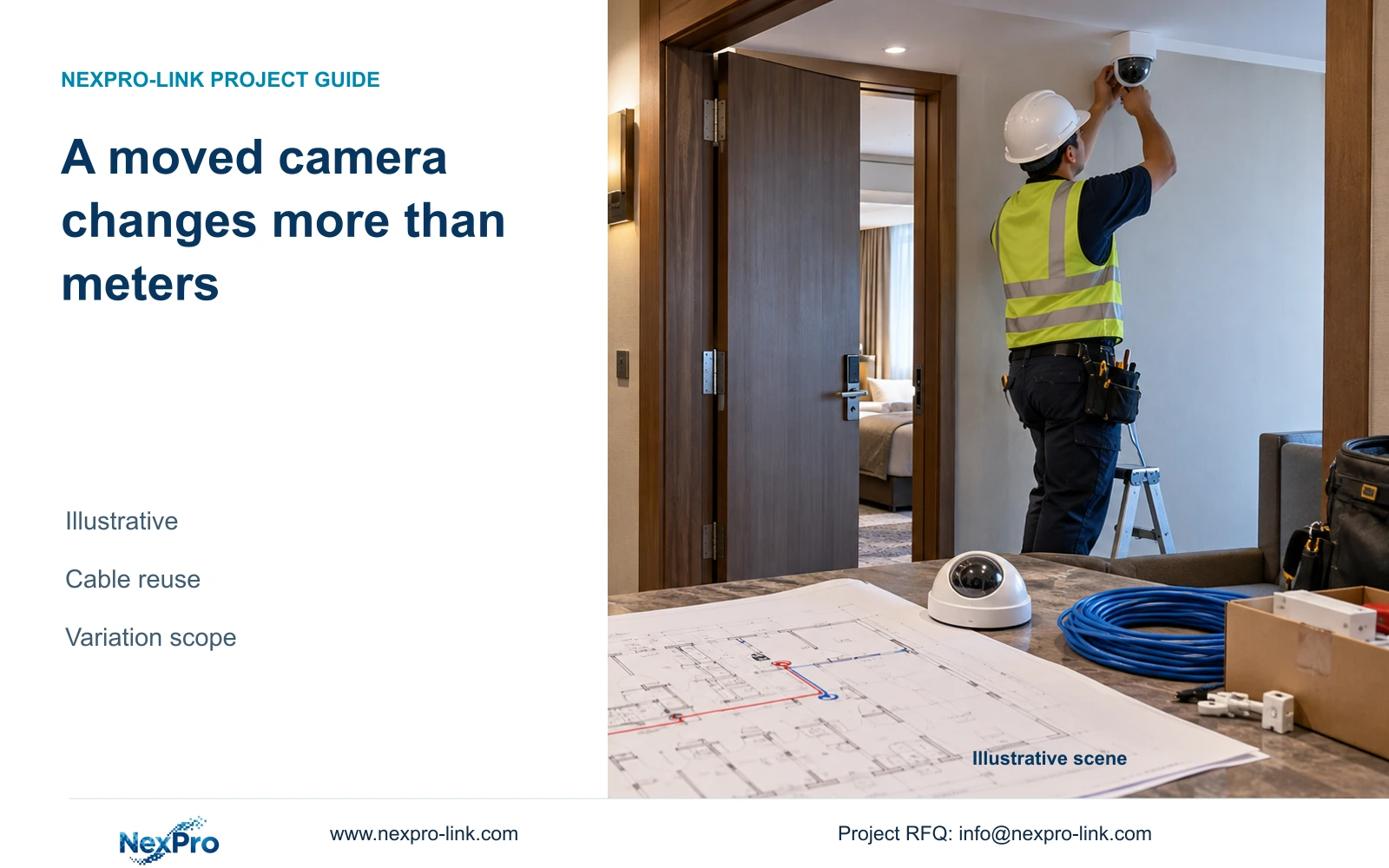
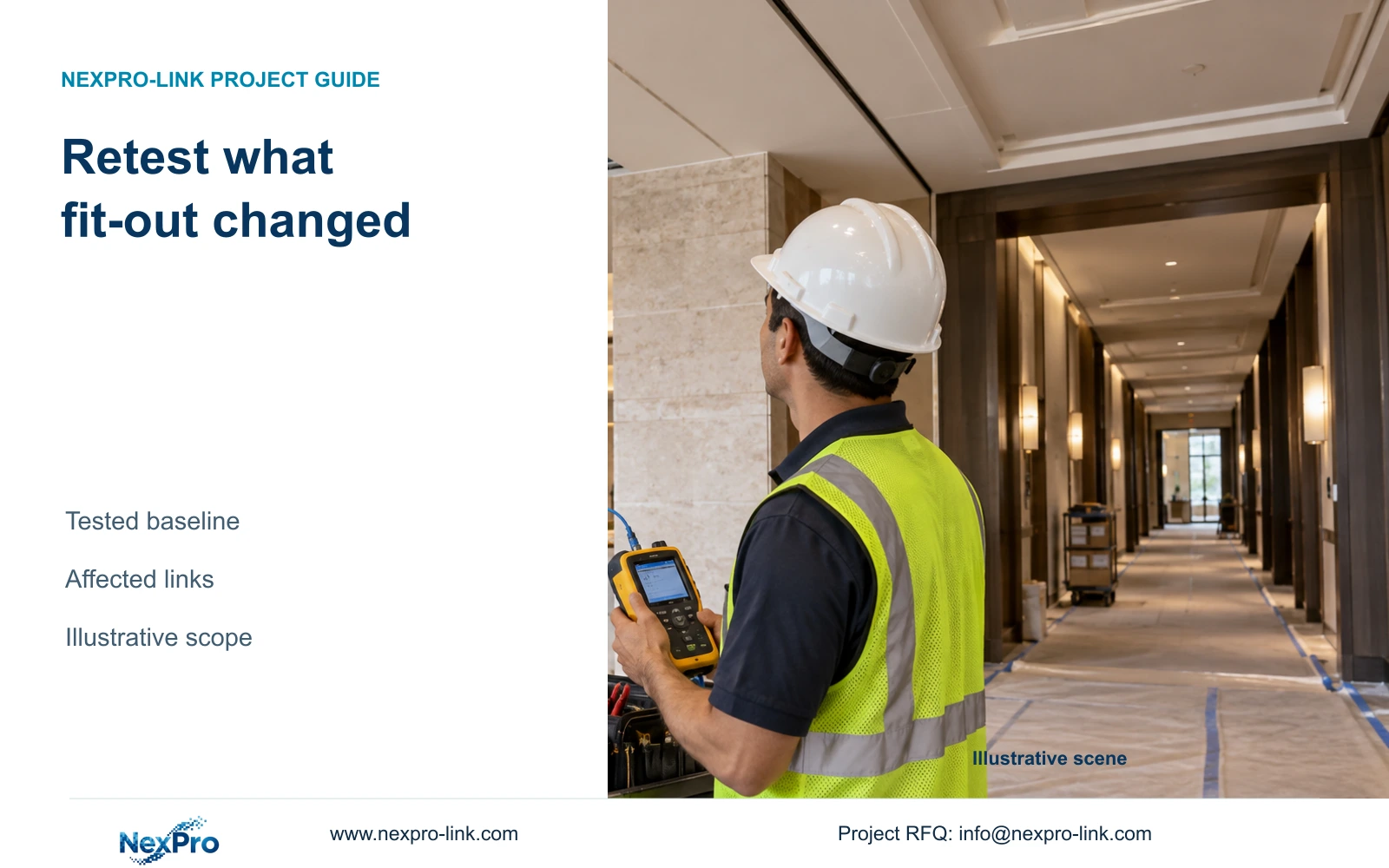
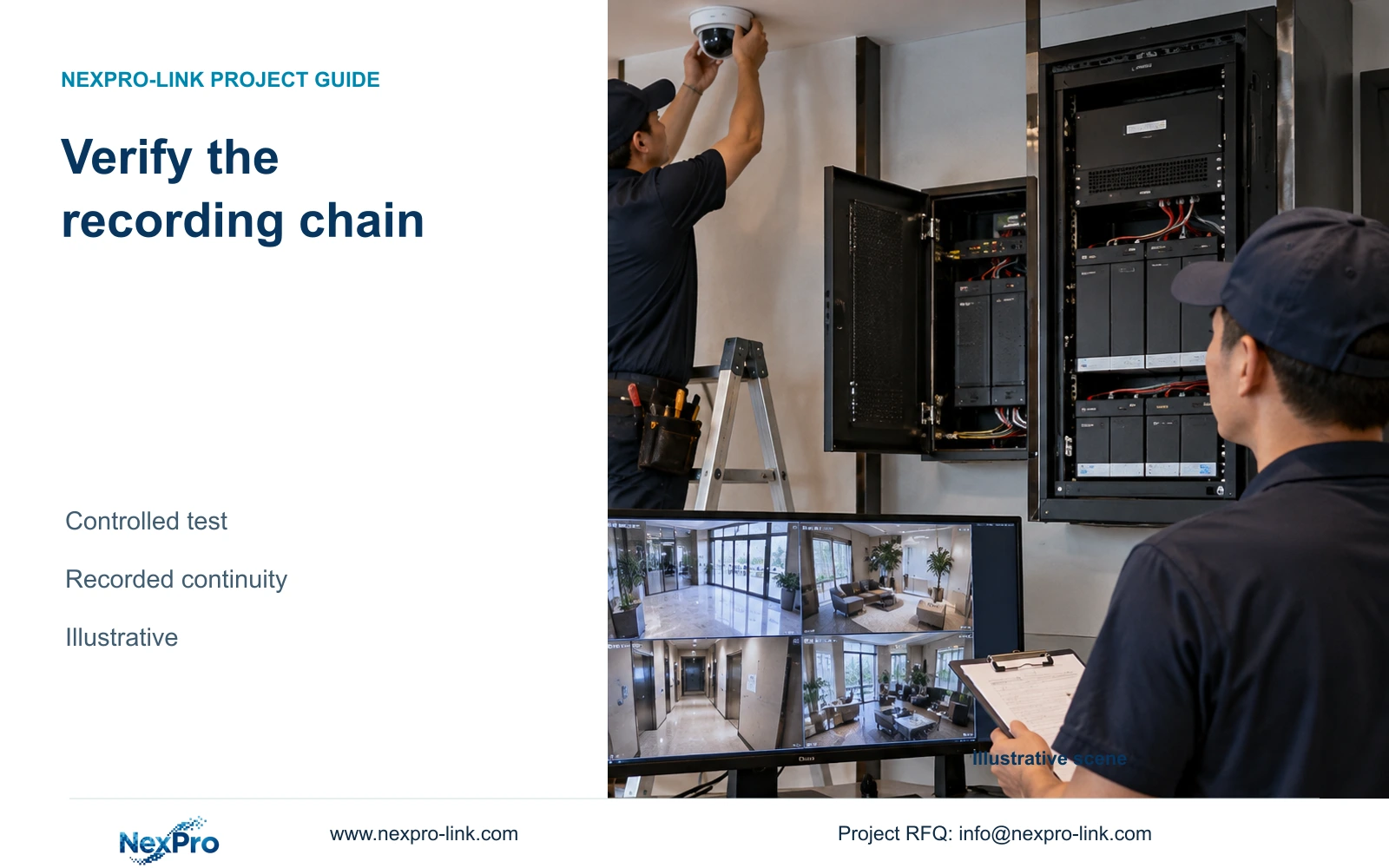
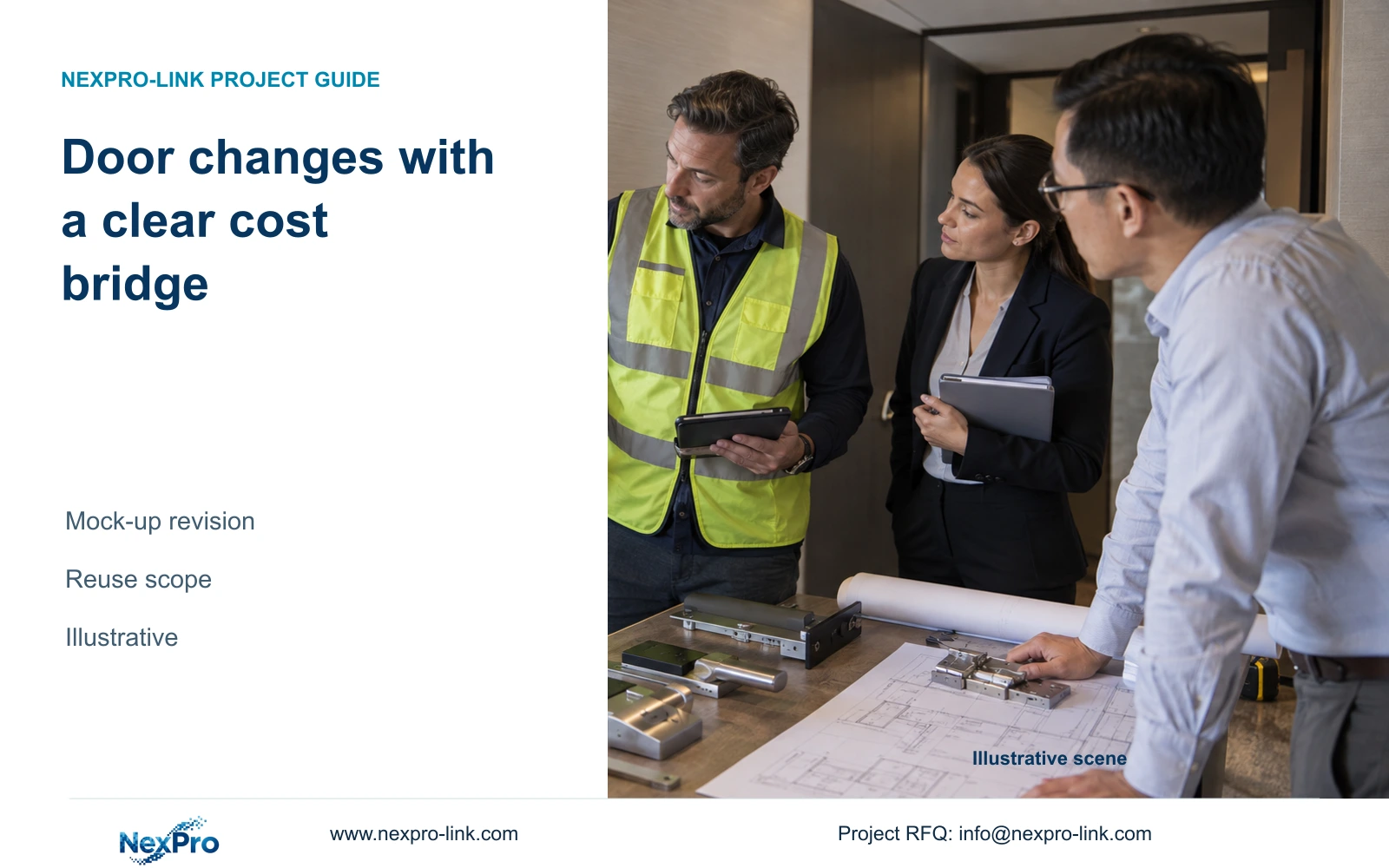
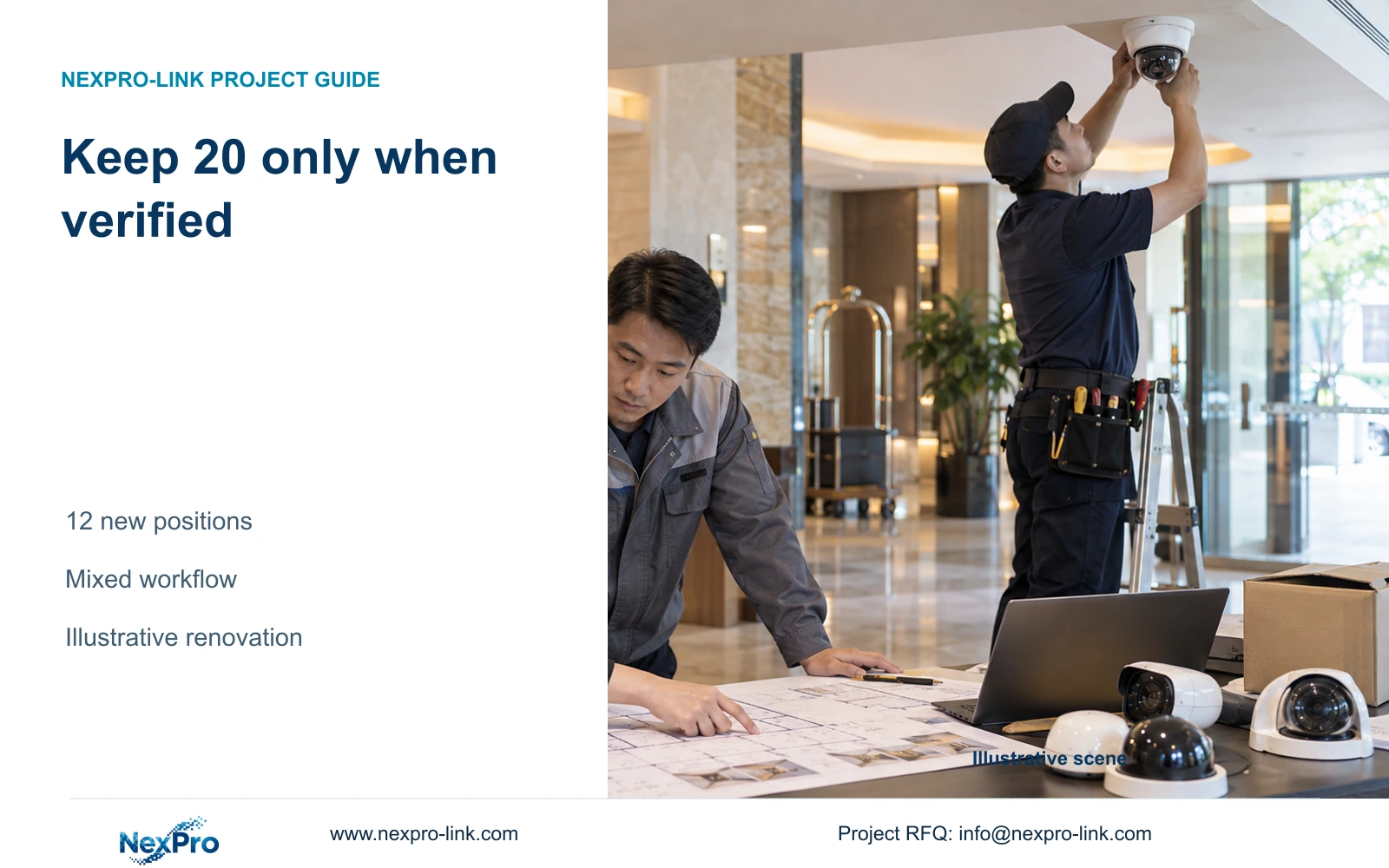
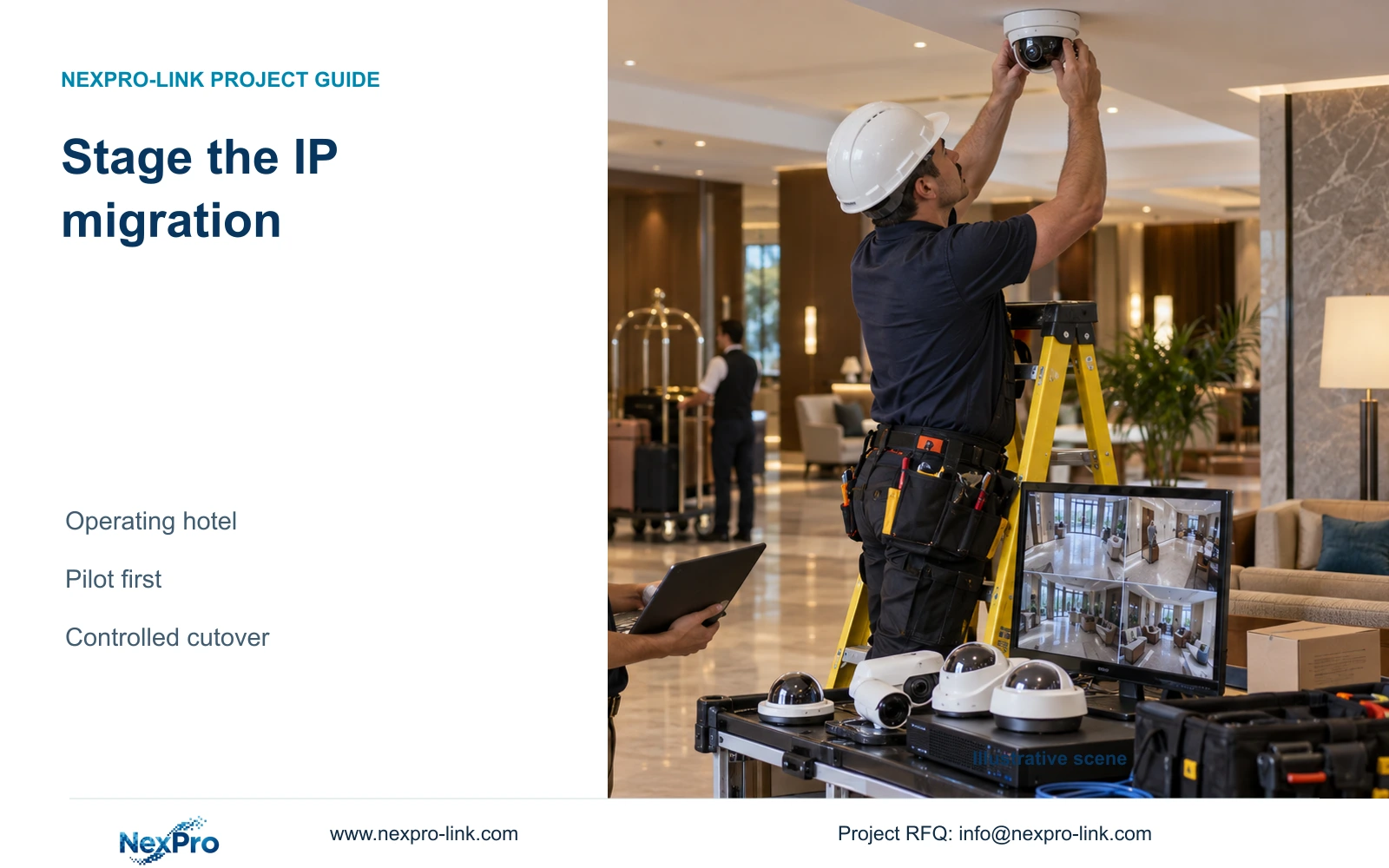
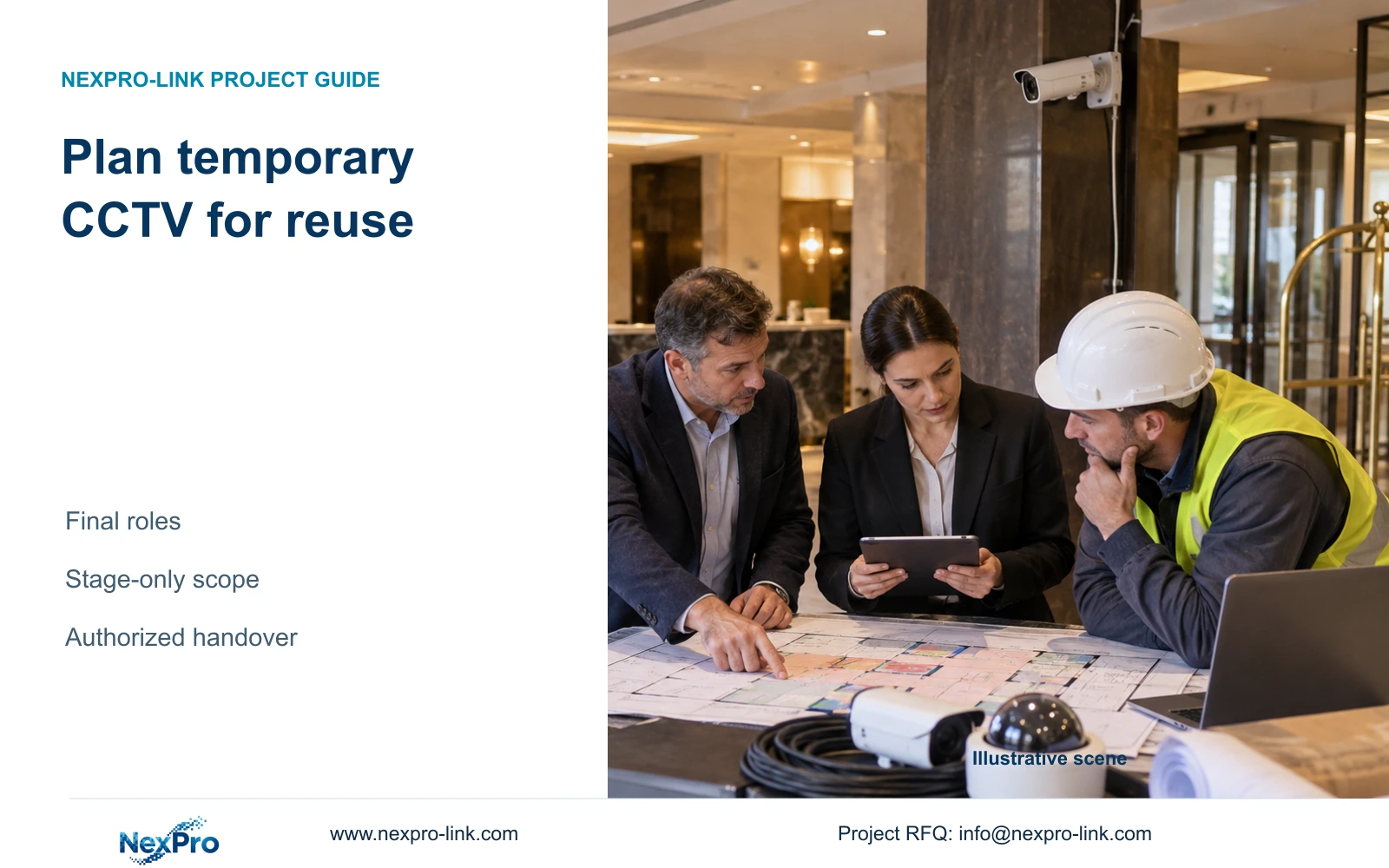
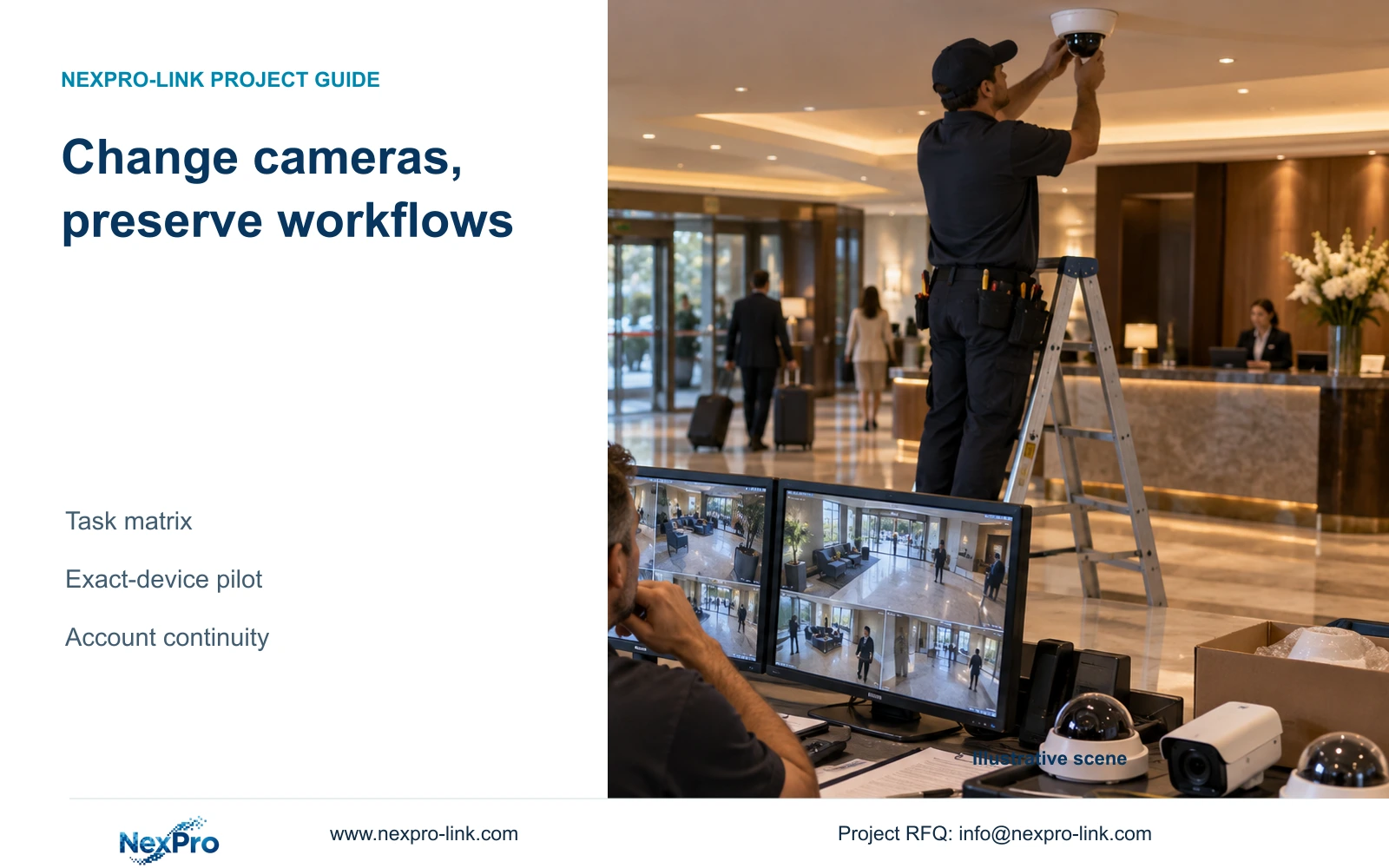
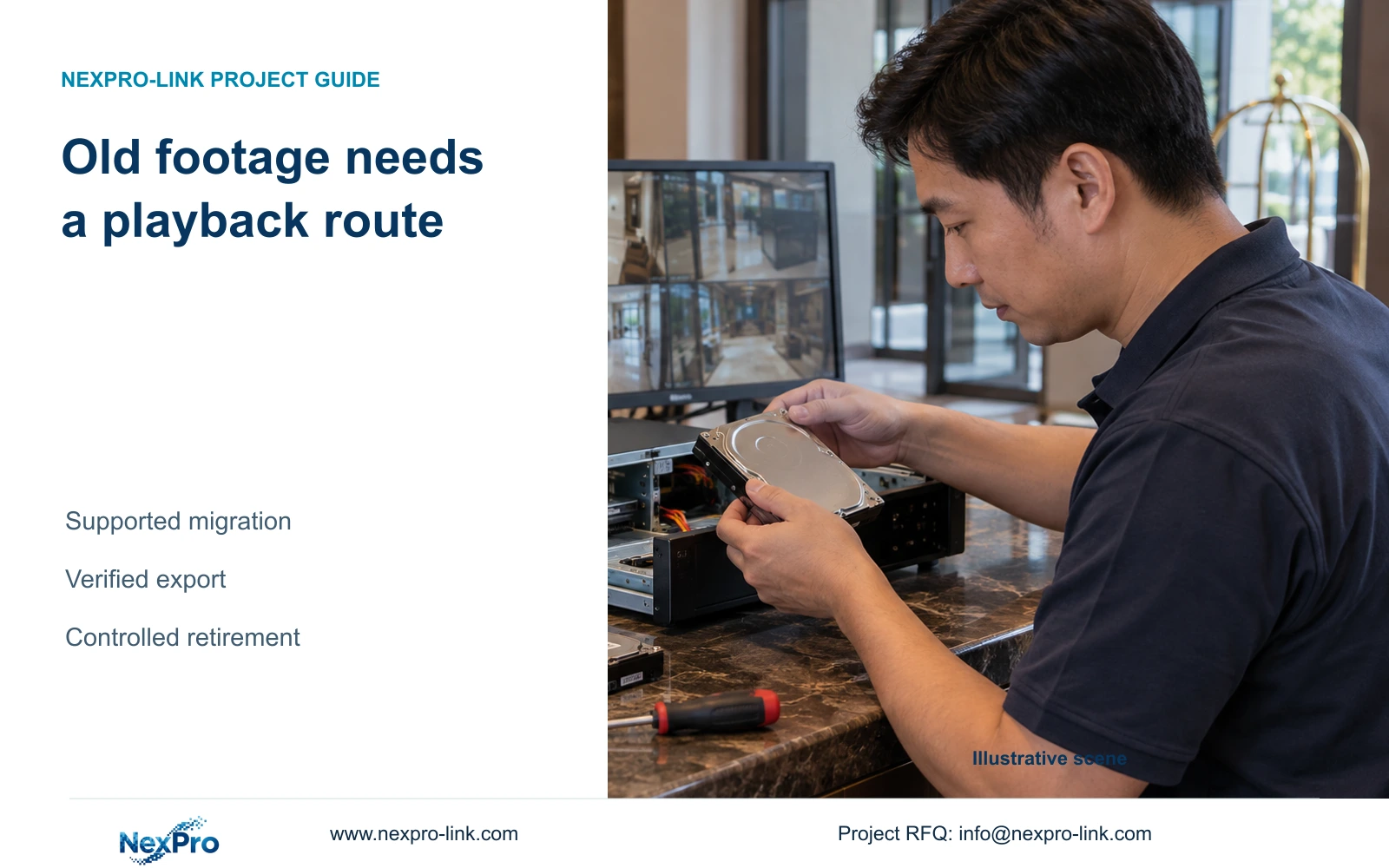
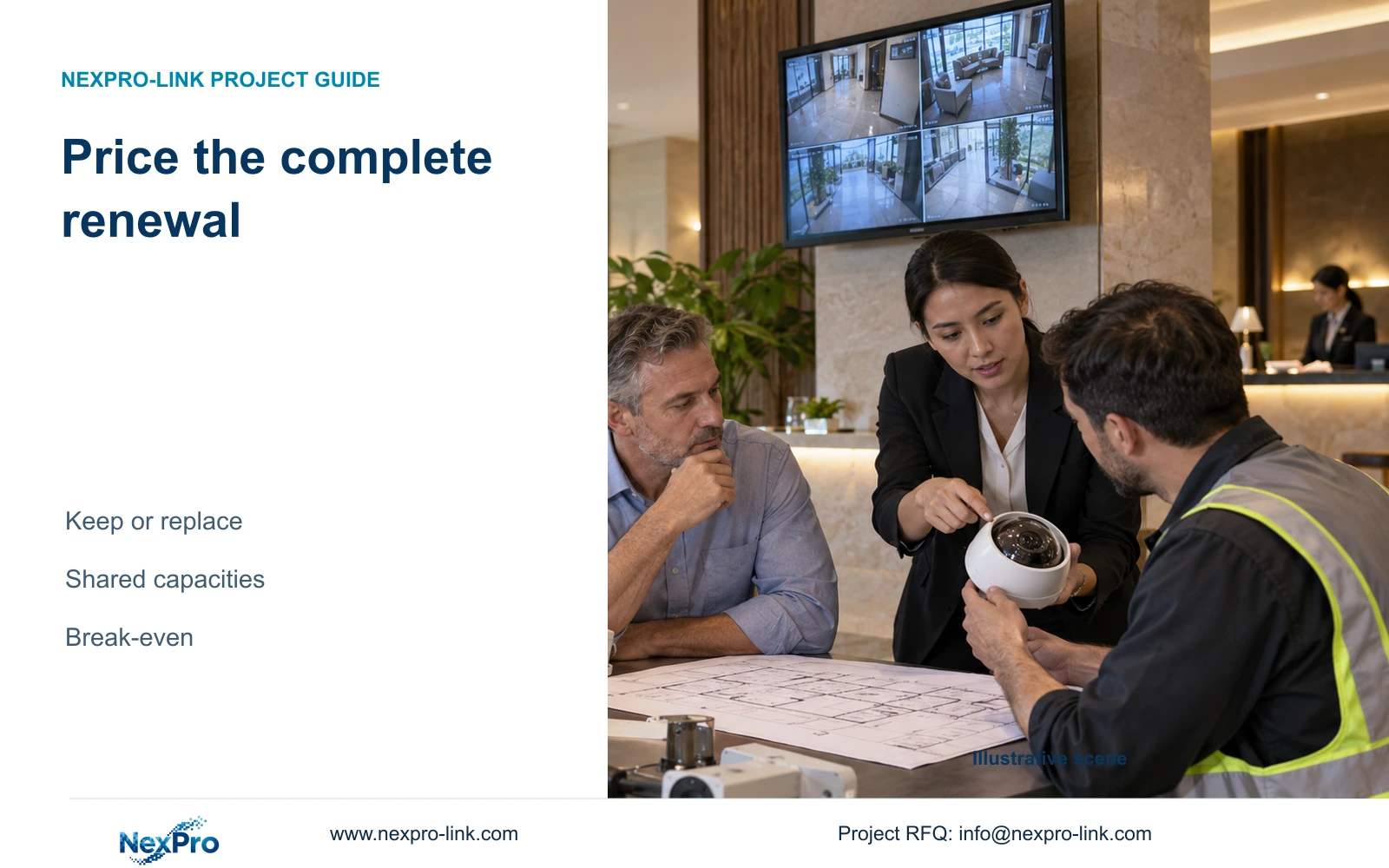
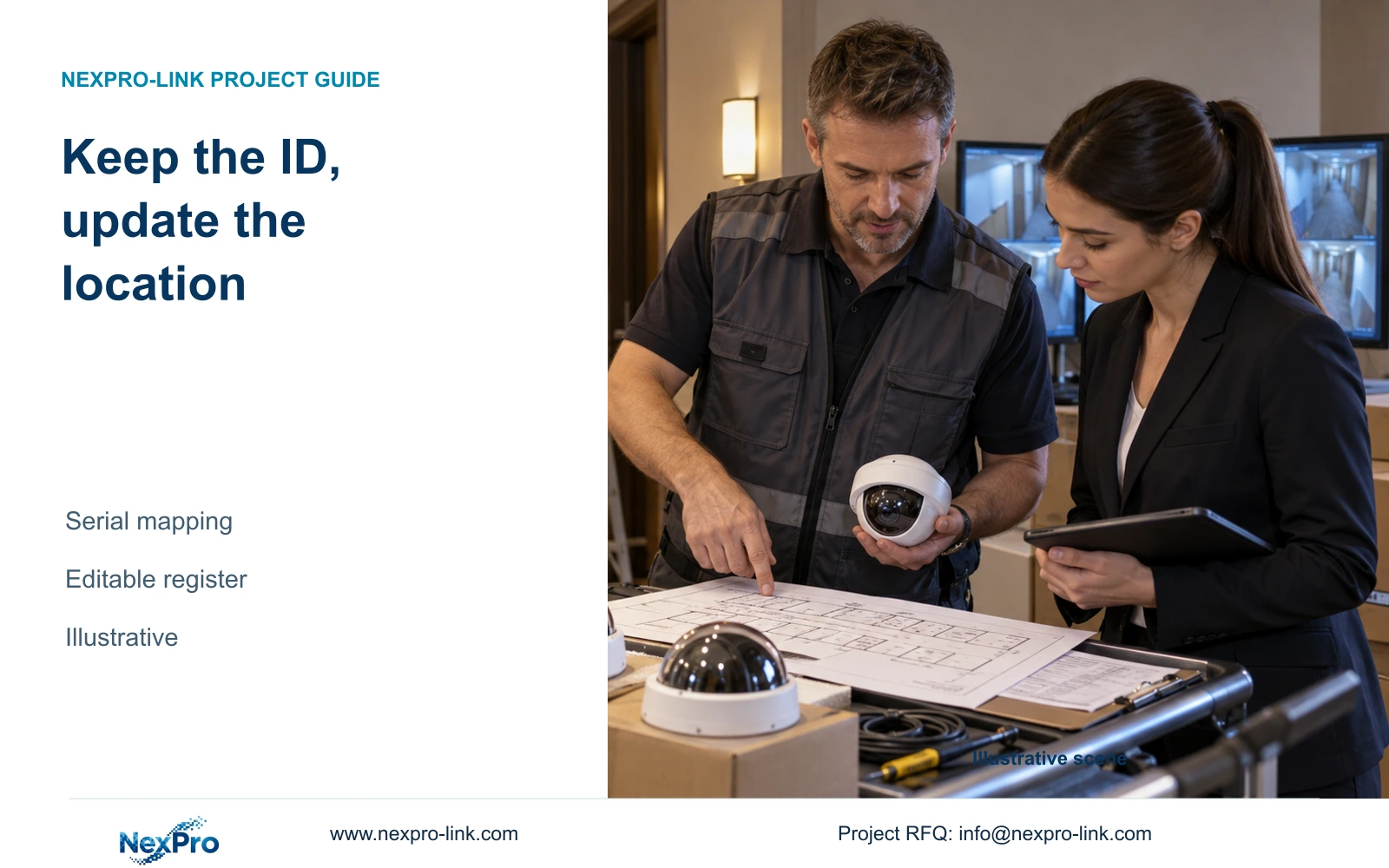
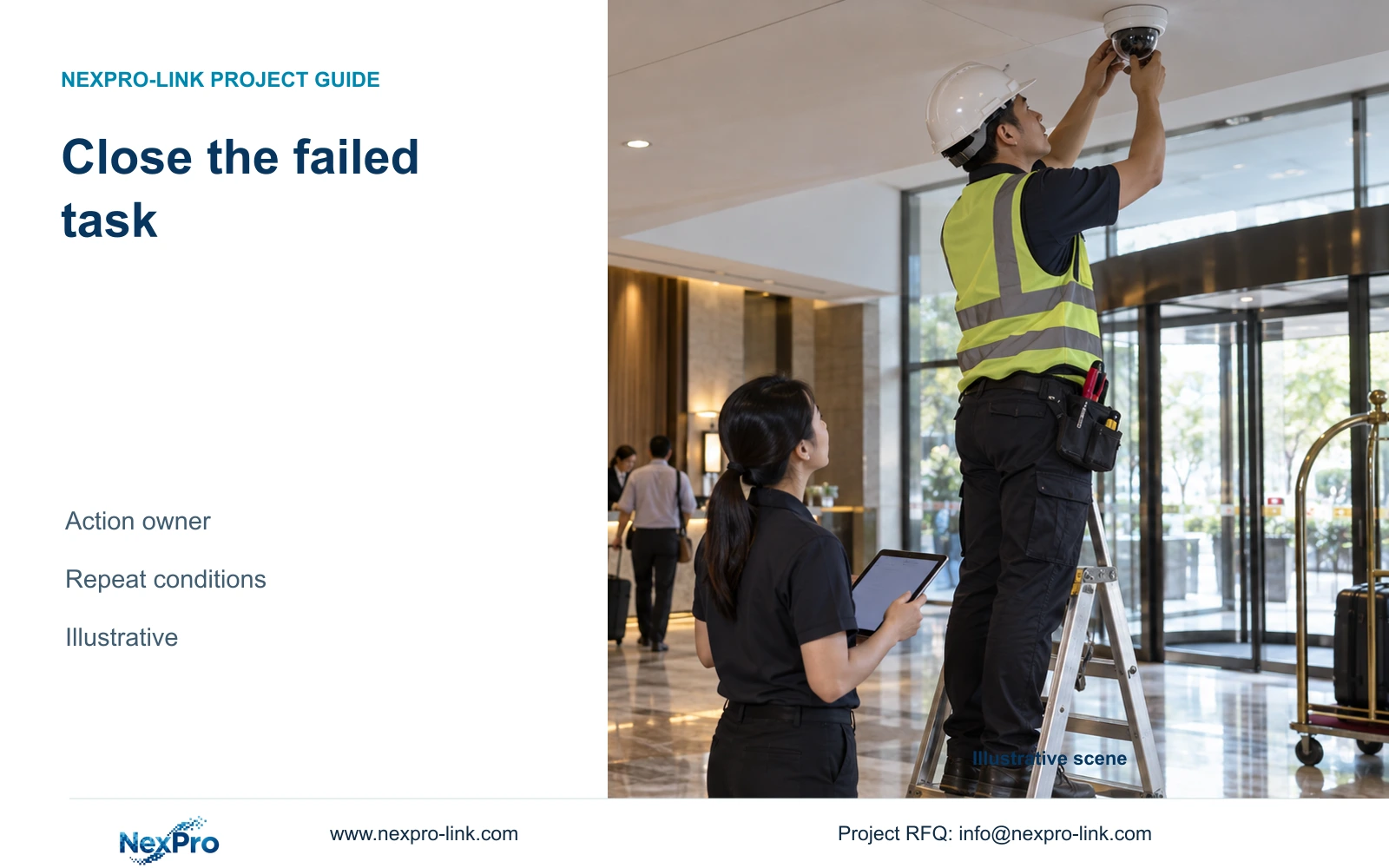
Upgrade an operating hotel's CCTV by testing reusable paths, proving a complete IP recording chain and moving each zone within an agreed cutover window.
10 guides

Decision area 26

Supplier and Brand Approval

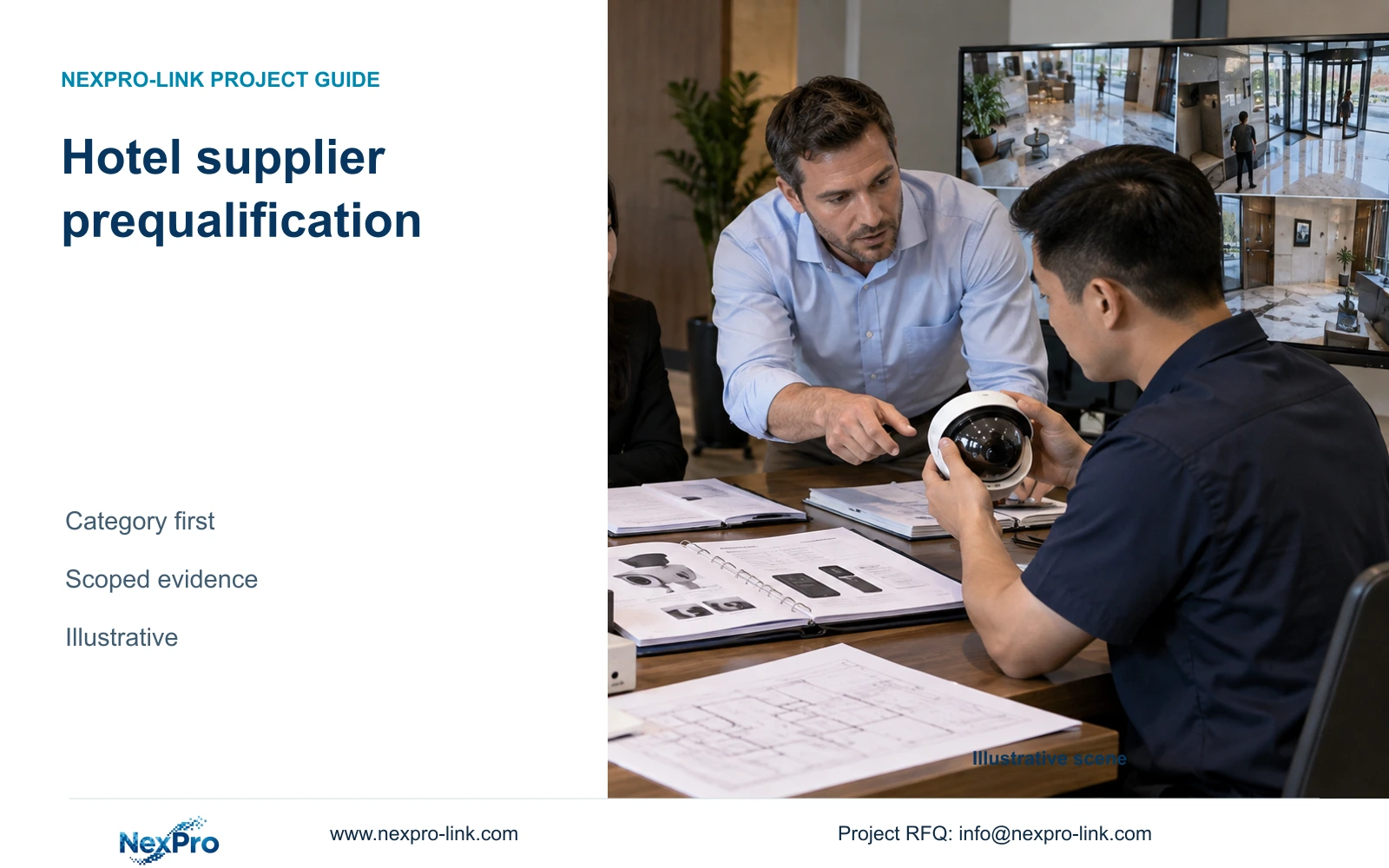
Start a hotel security supplier review with the purchasing category and a representative equipment scope. Separate commercial registration from brand, model and order decisions.

10 guides

Decision area 27

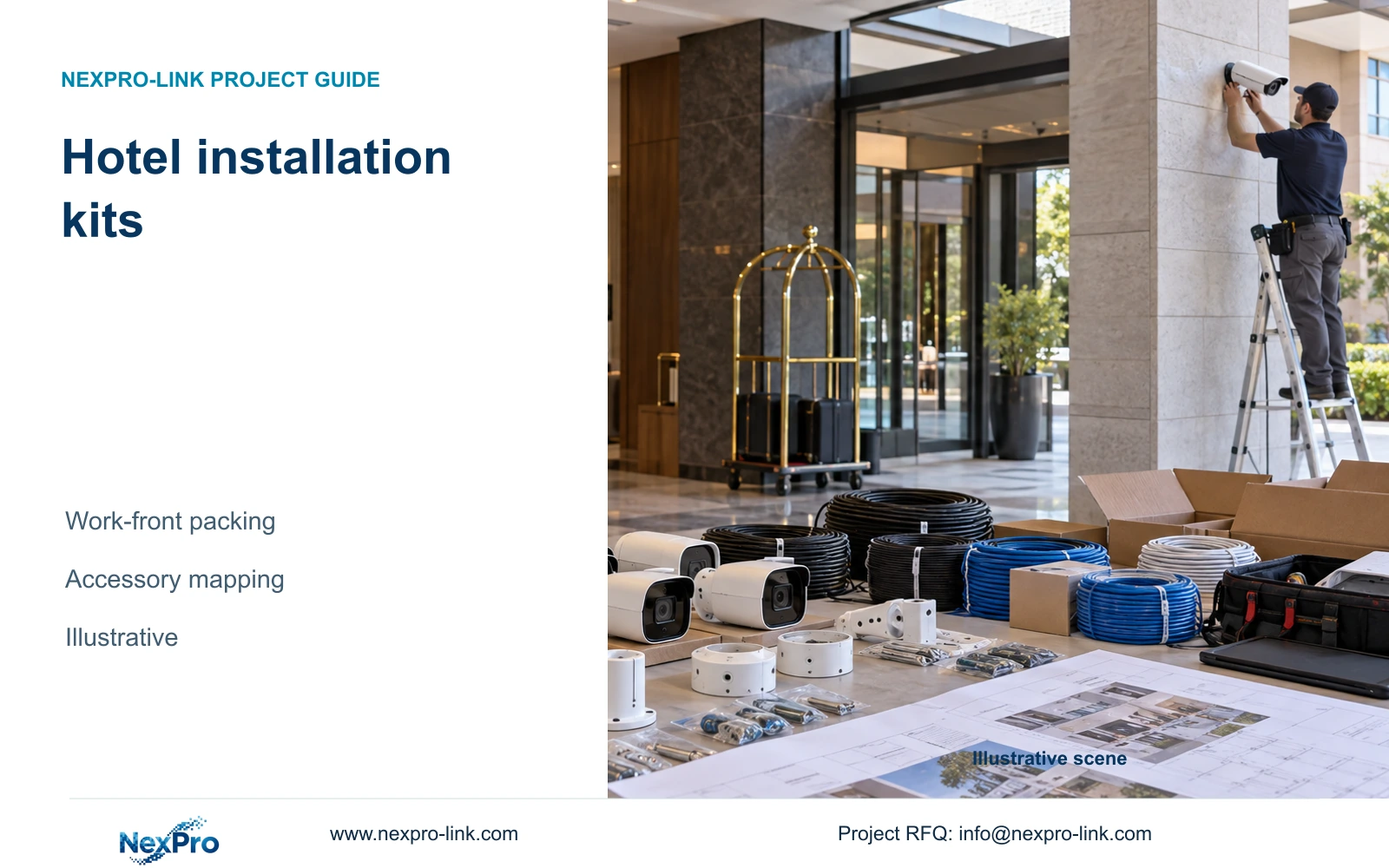
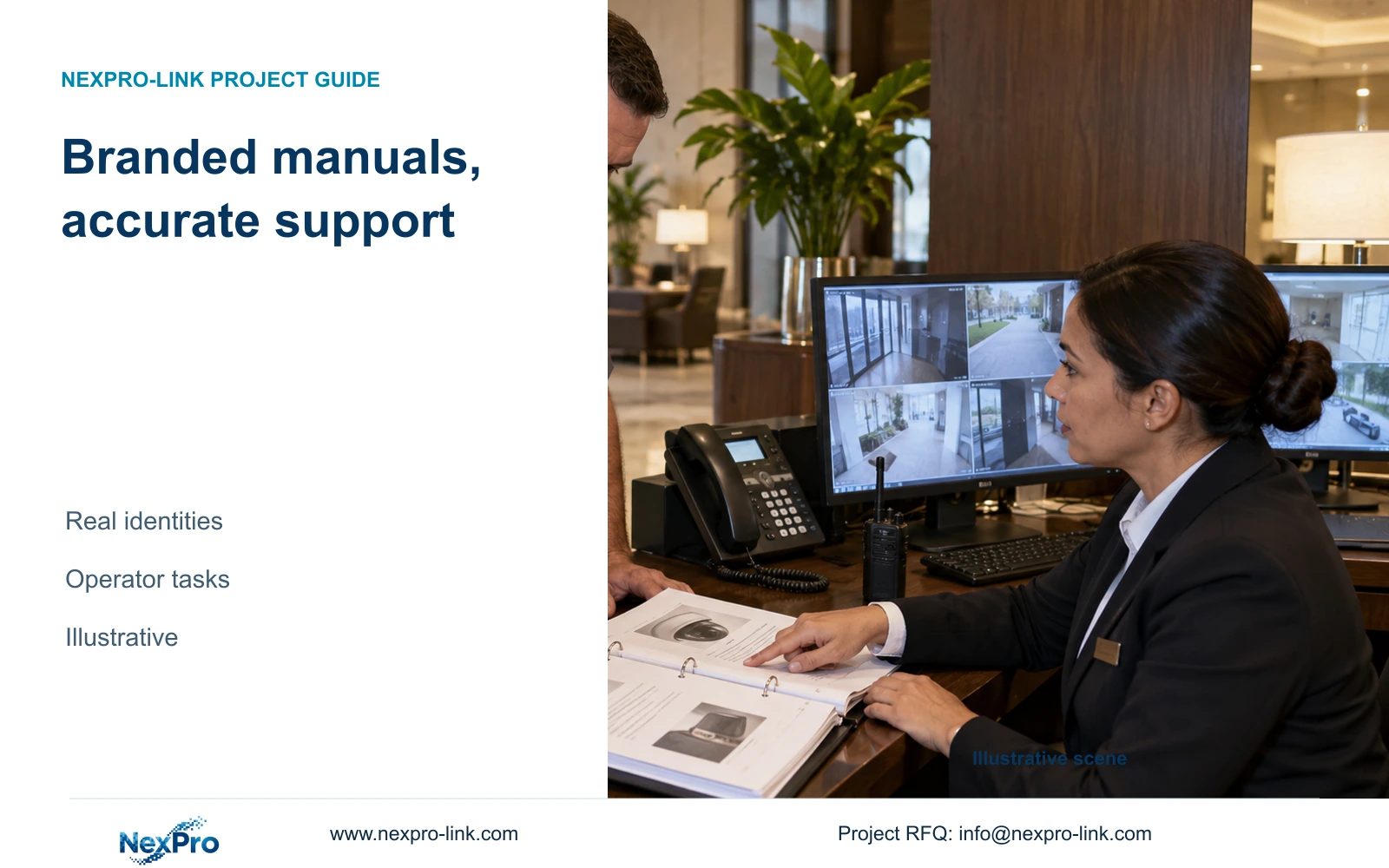
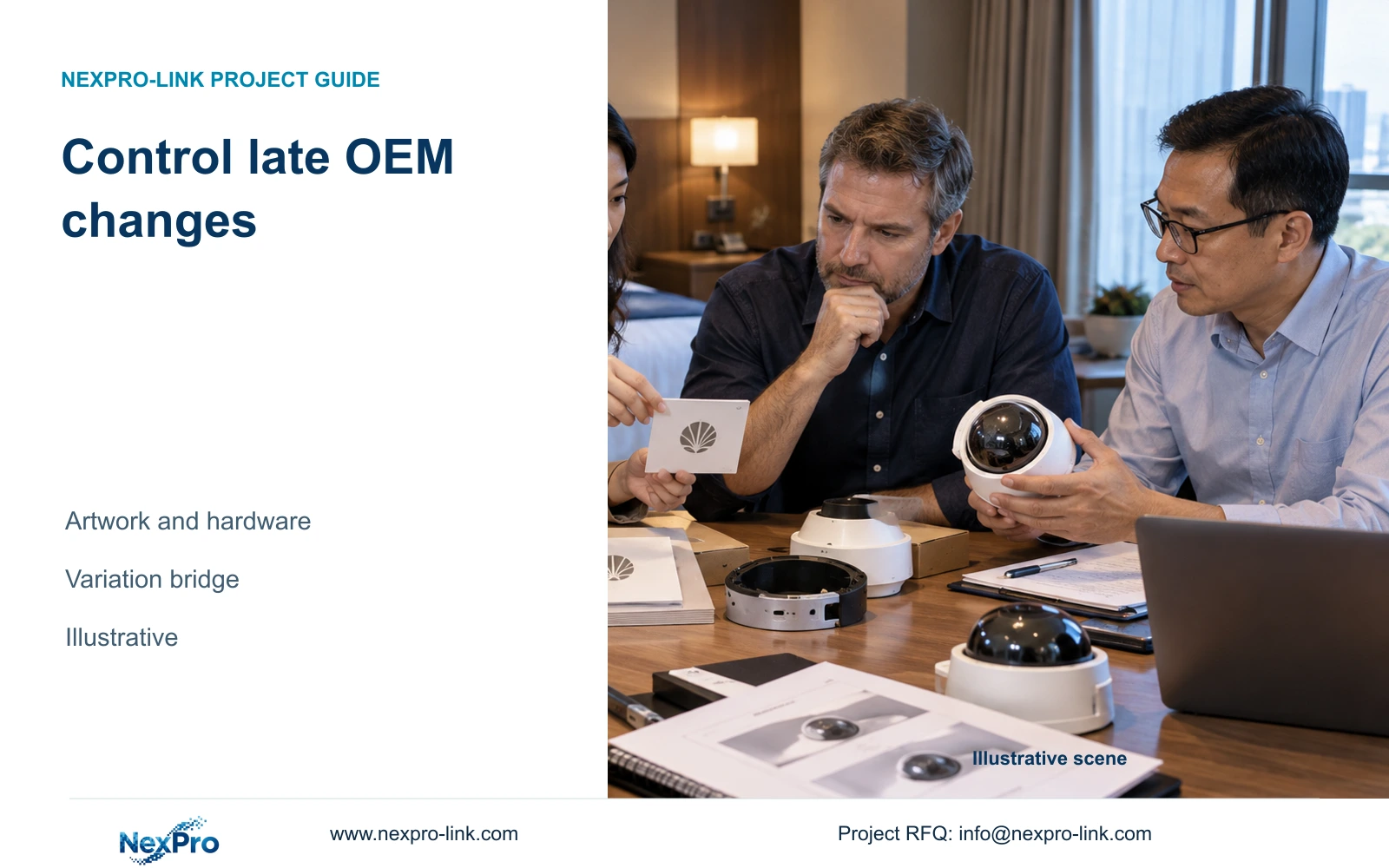
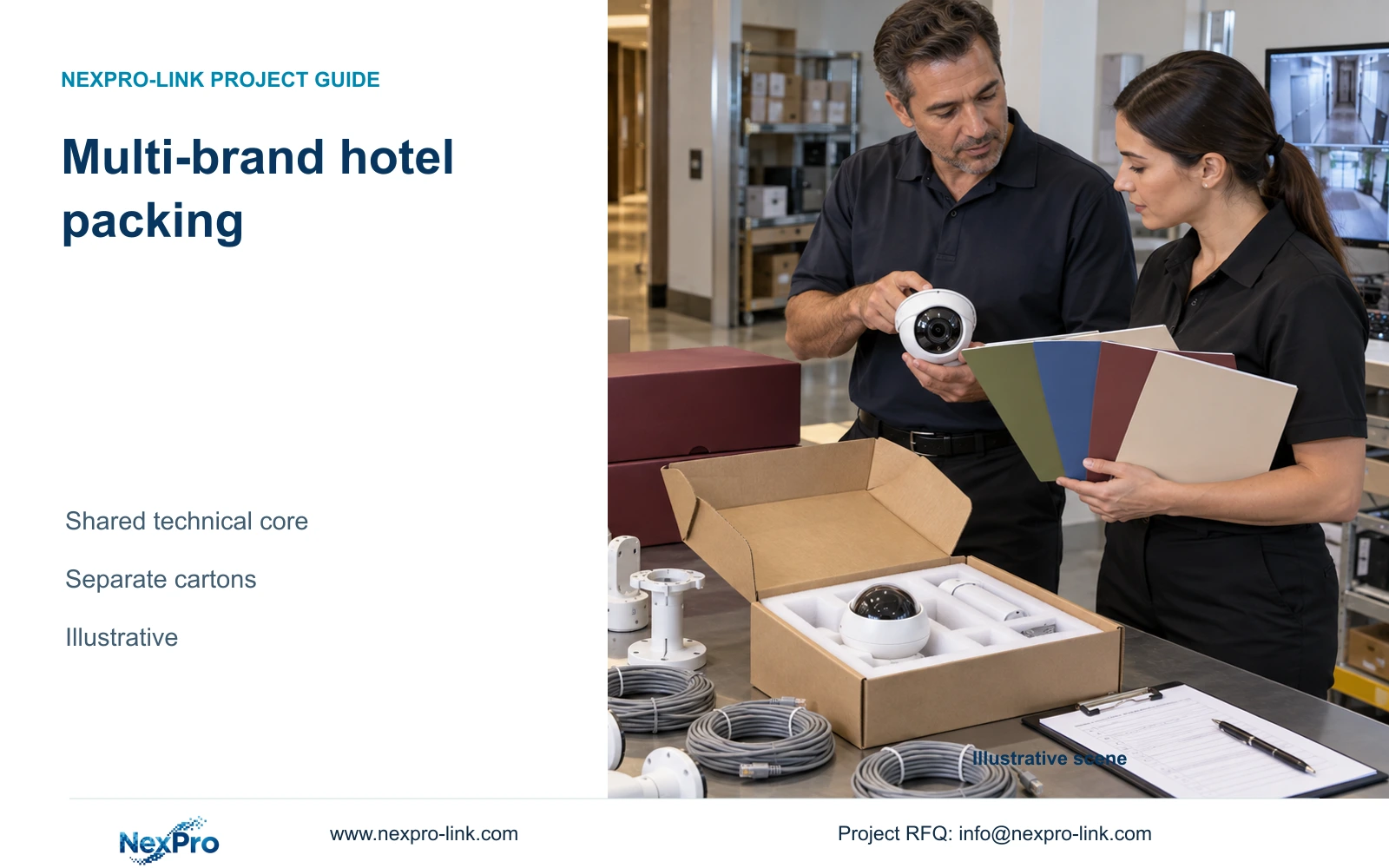
OEM and Project Packing

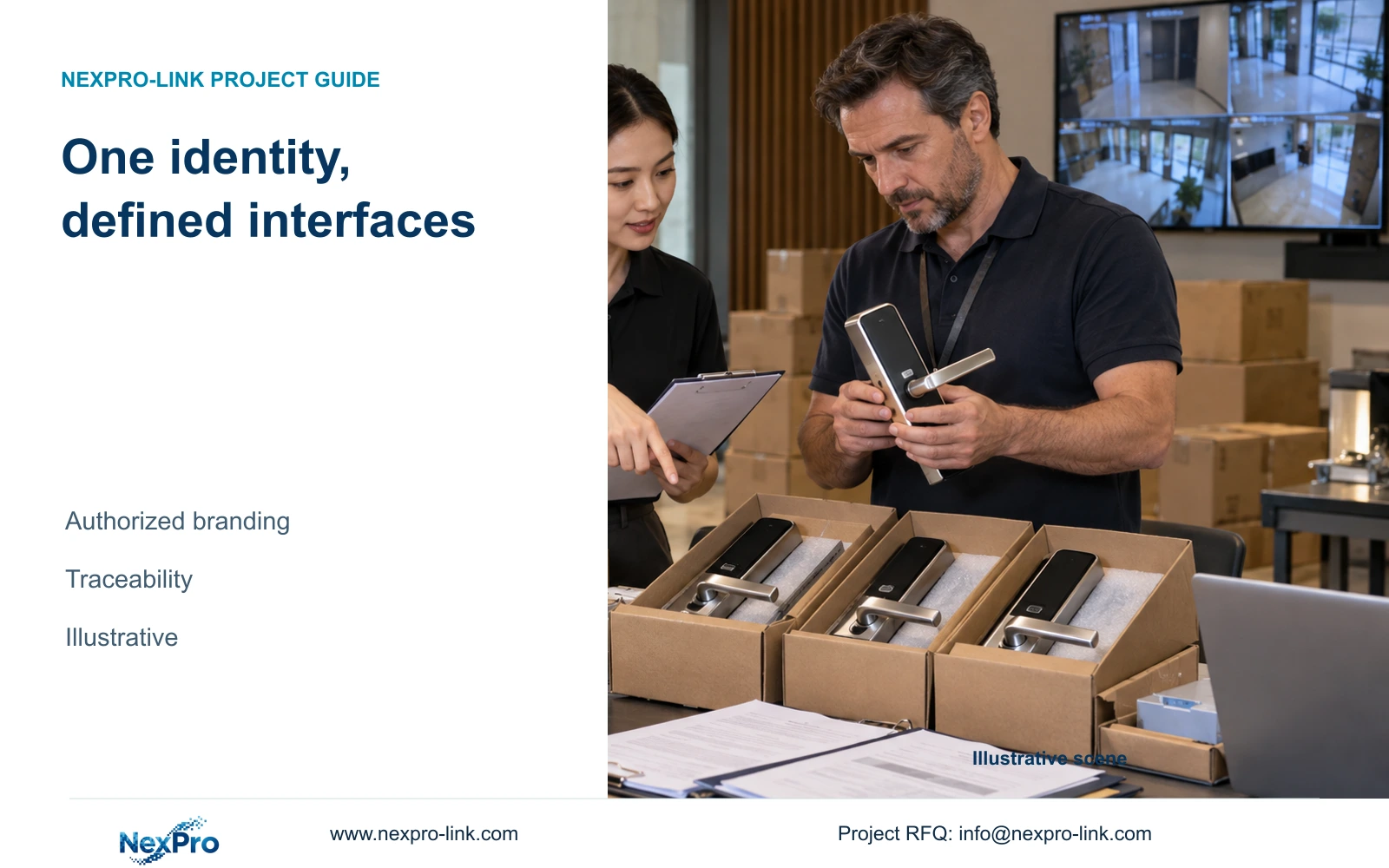
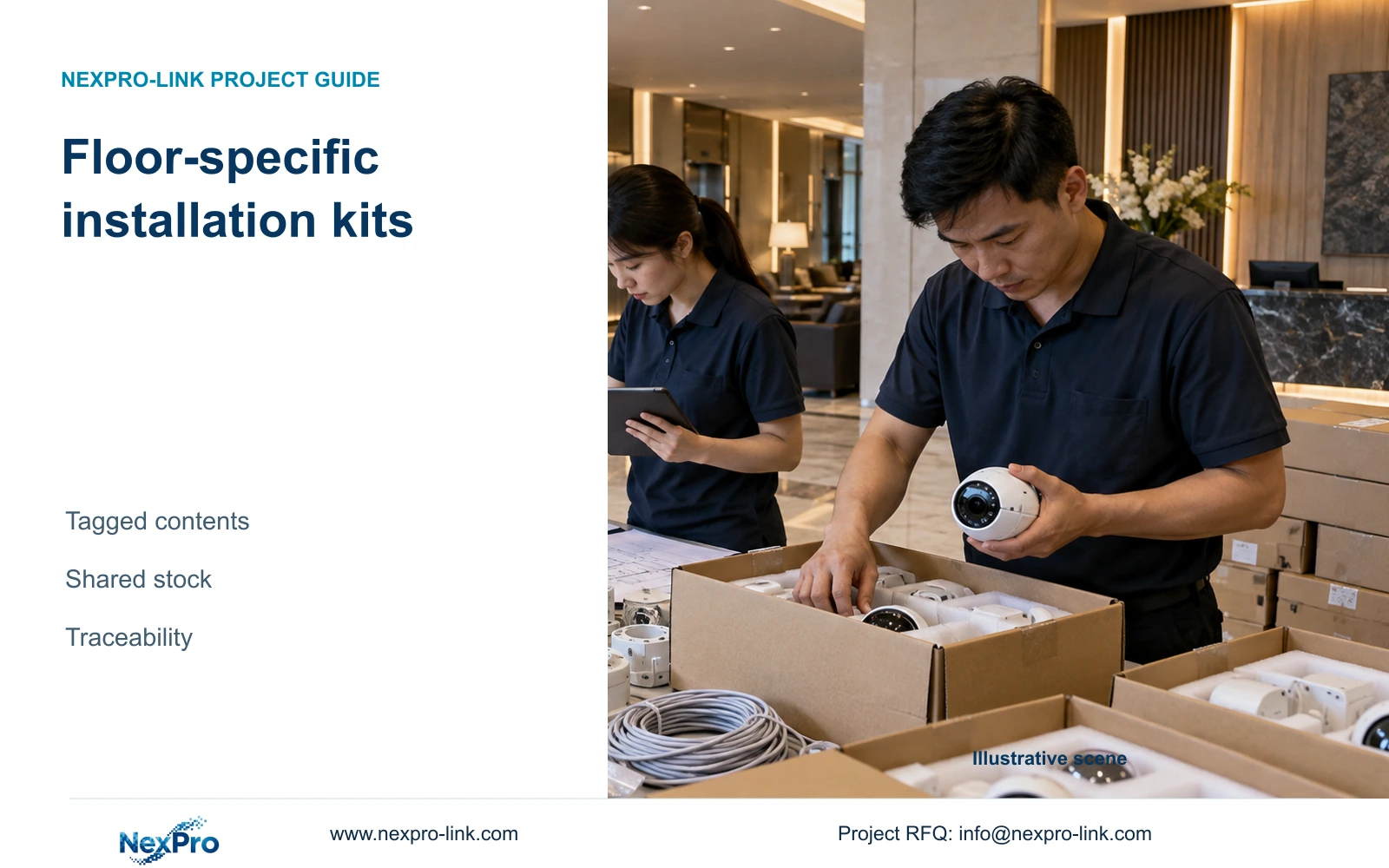
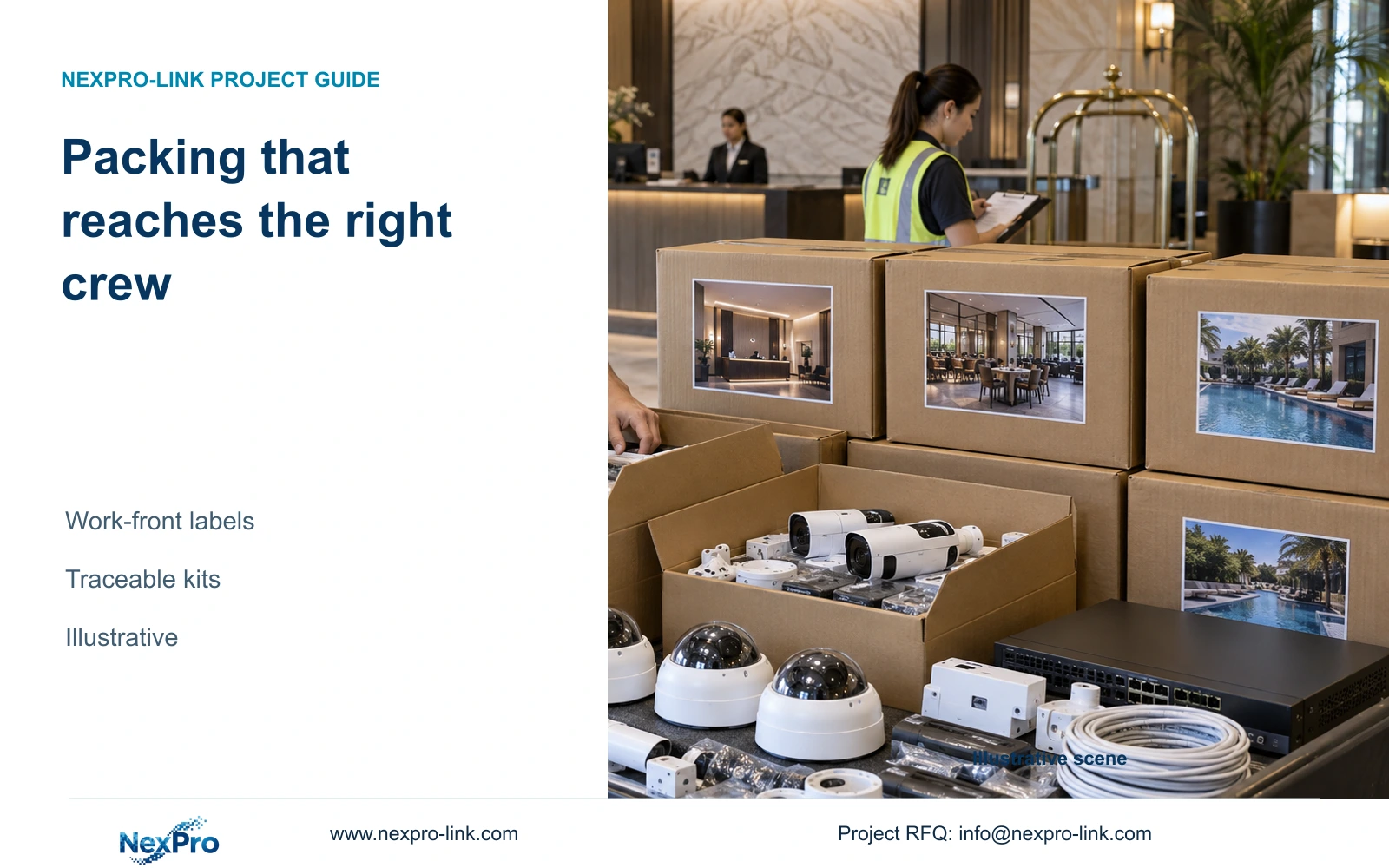
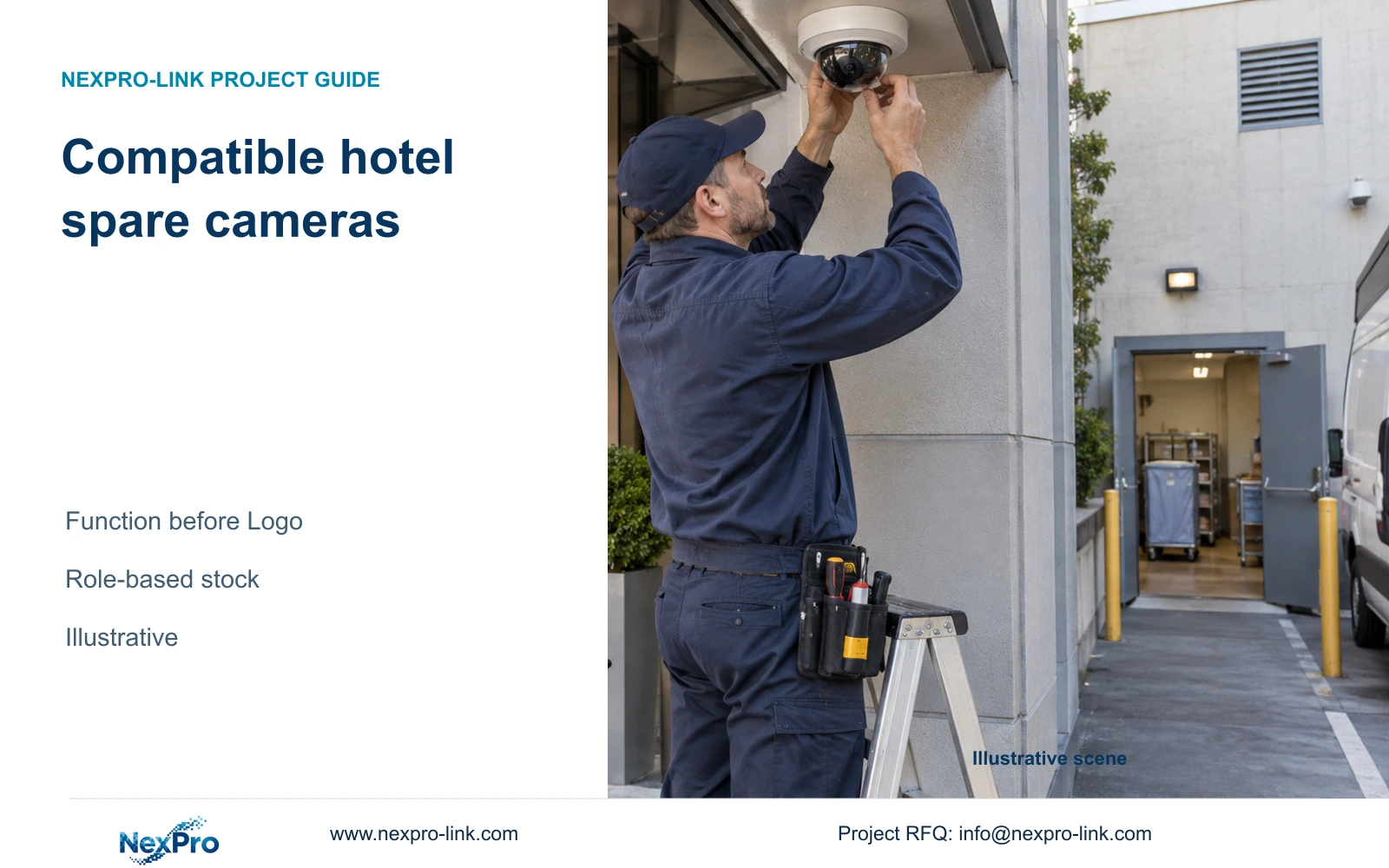
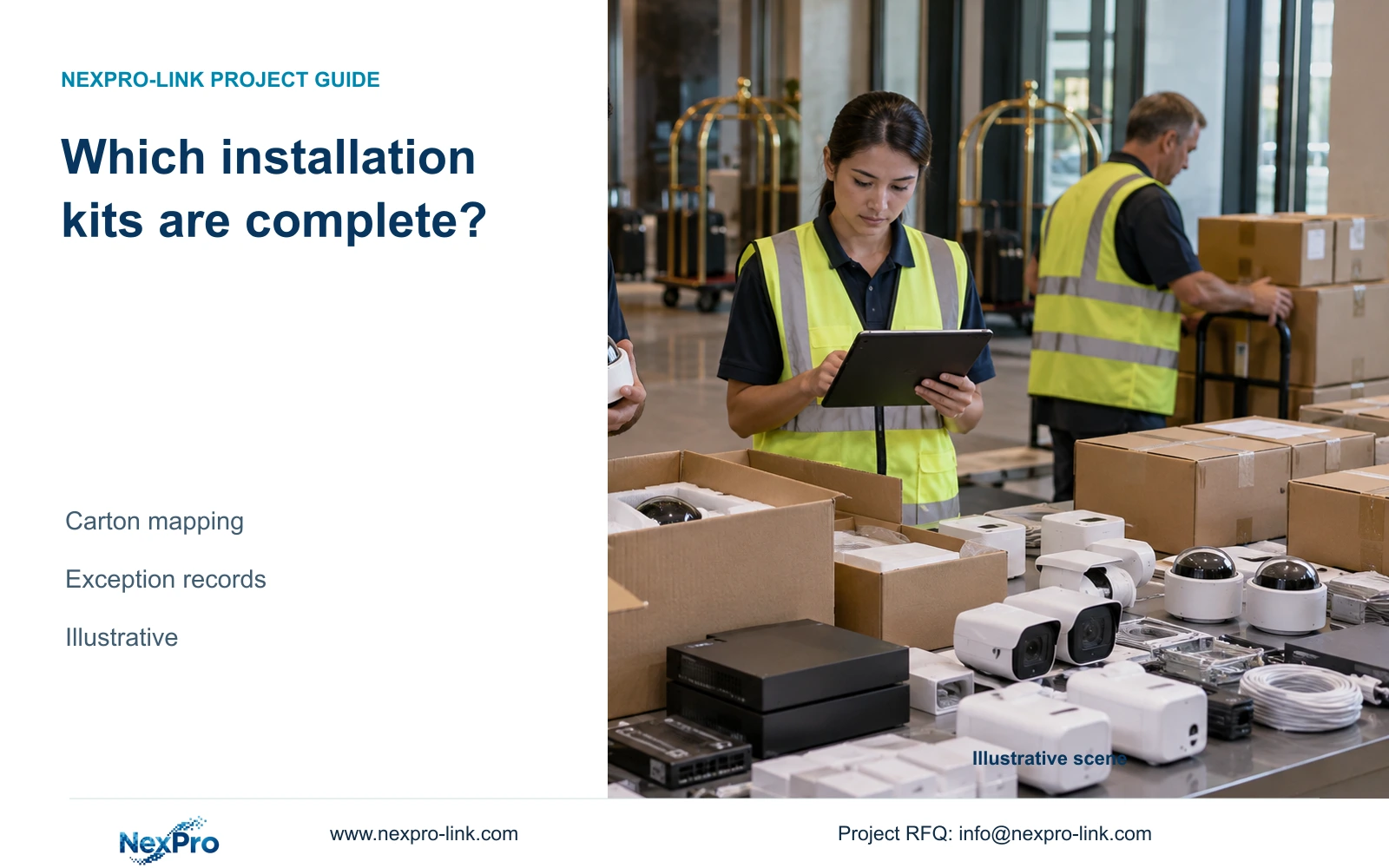
Hotel CCTV packaging should connect each carton to its installation task while preserving equipment identity. Authorized branding, zone labels and matching packing records make that possible.

10 guides

Decision area 28

Quality Testing and Acceptance

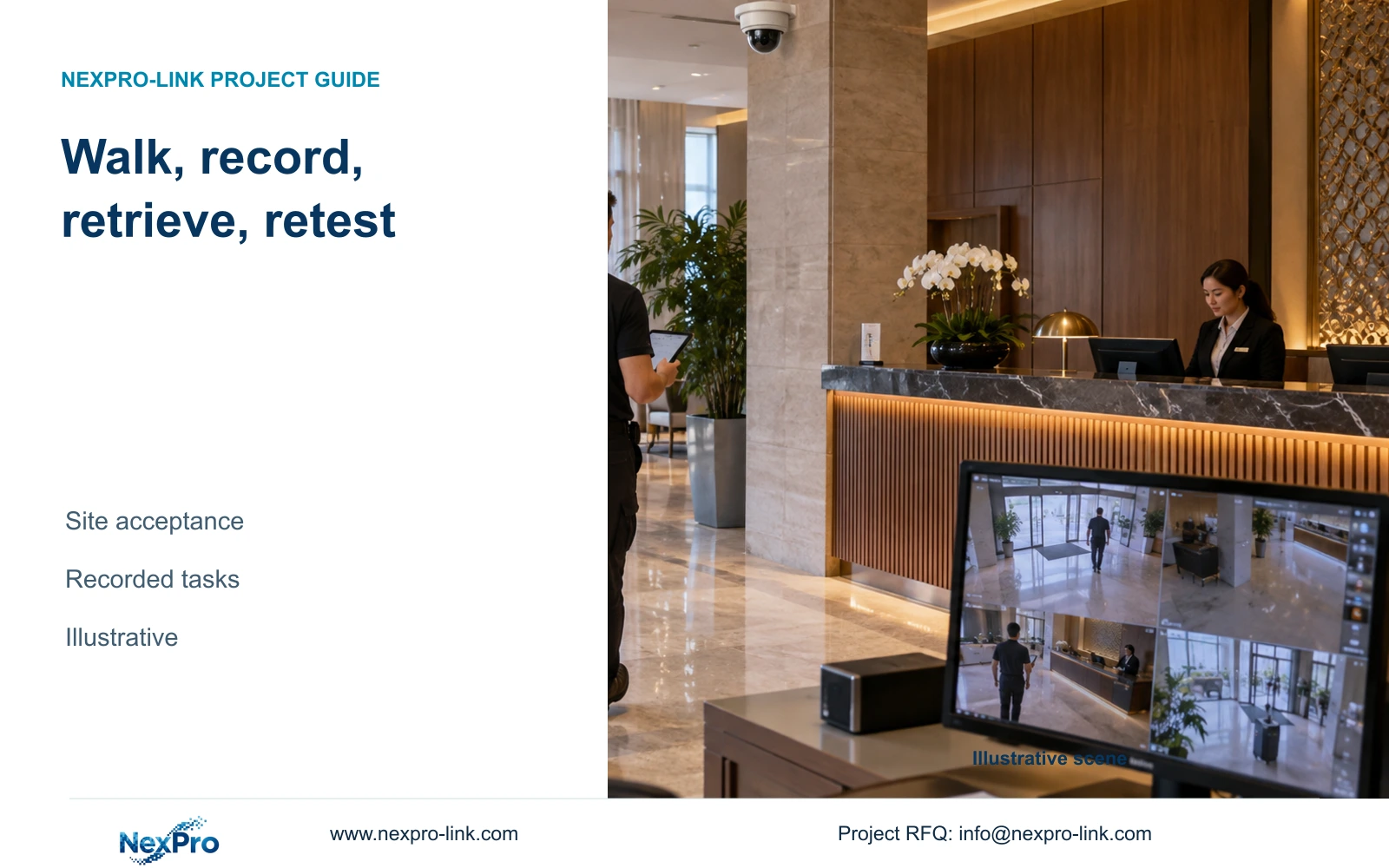
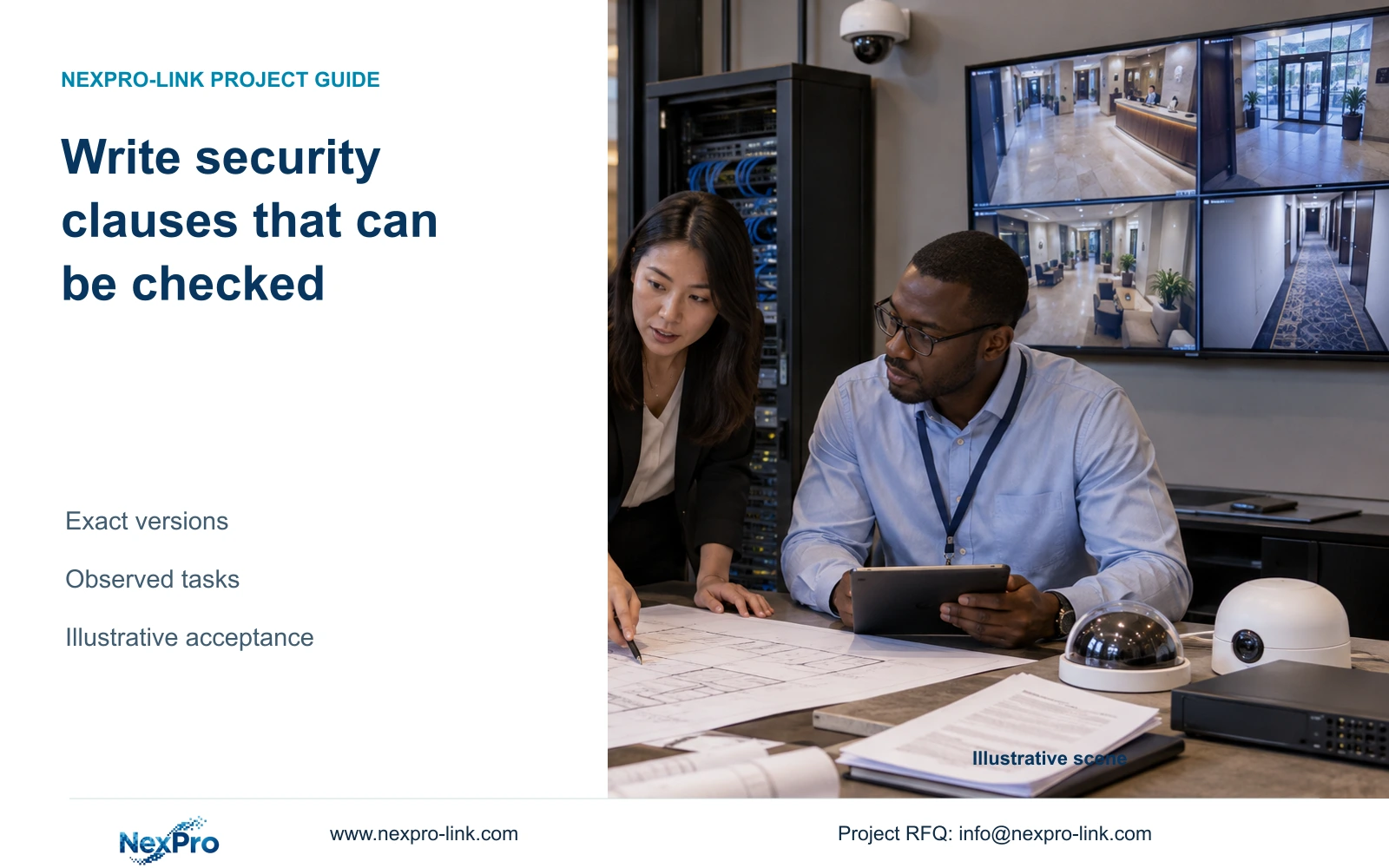
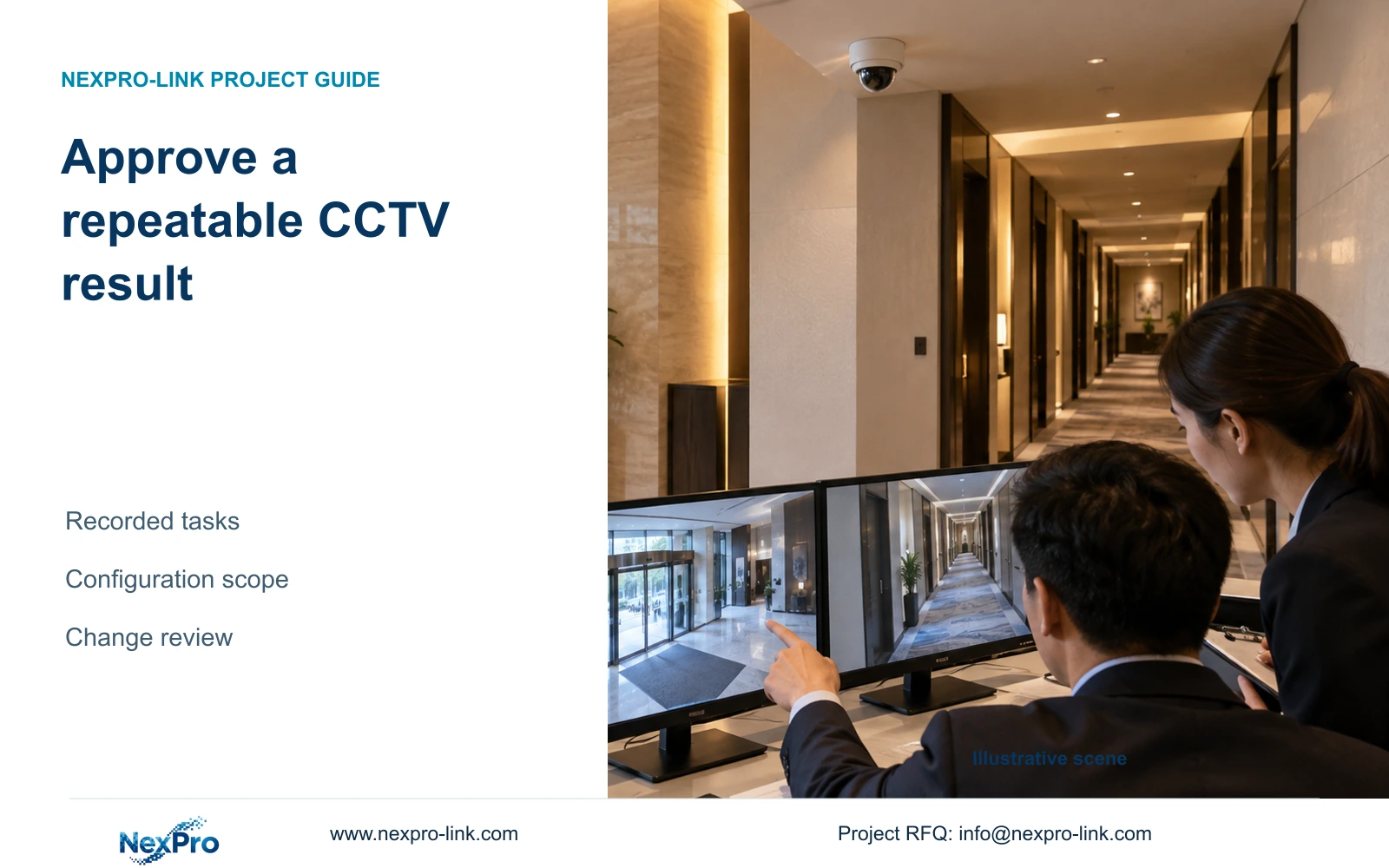
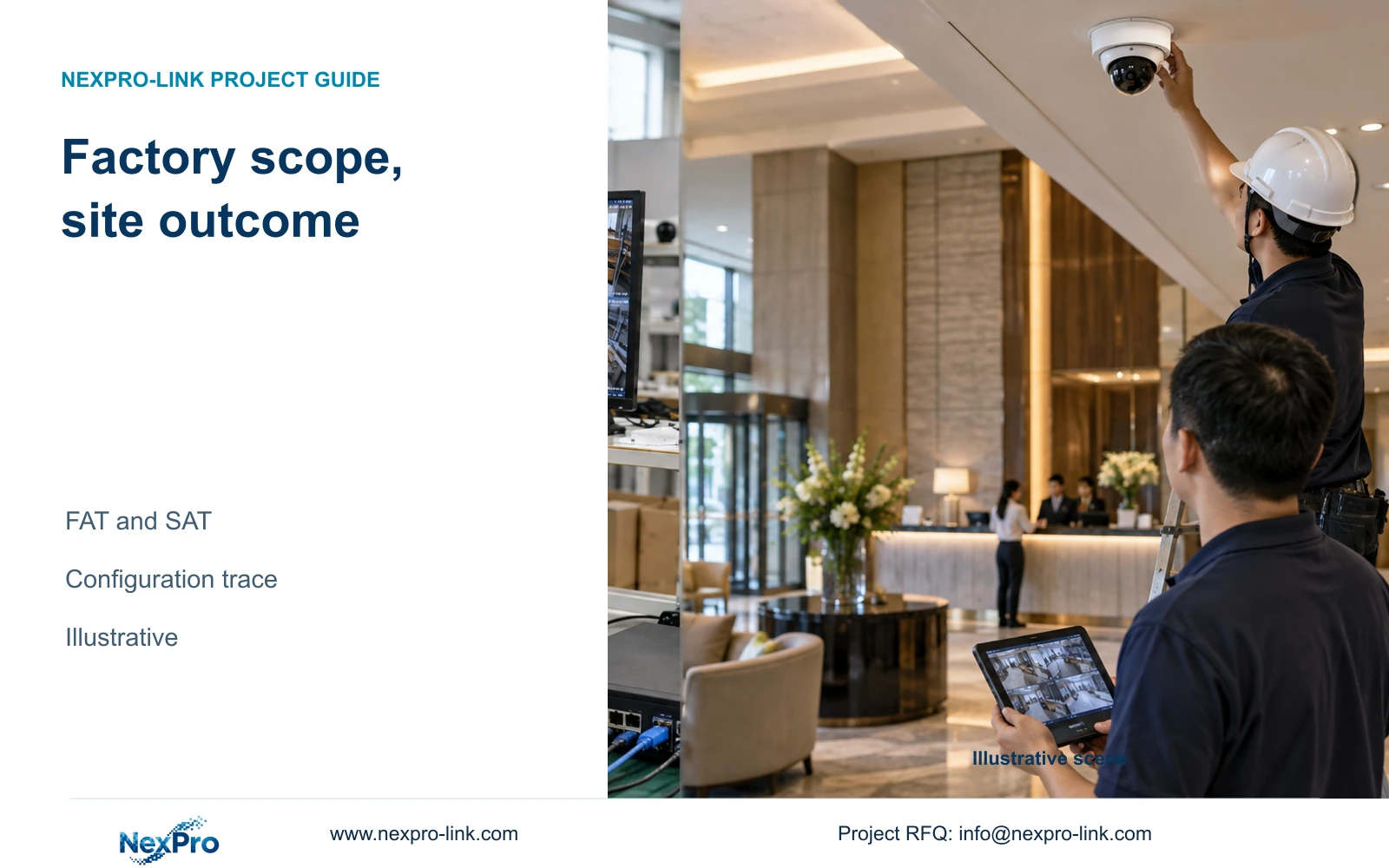
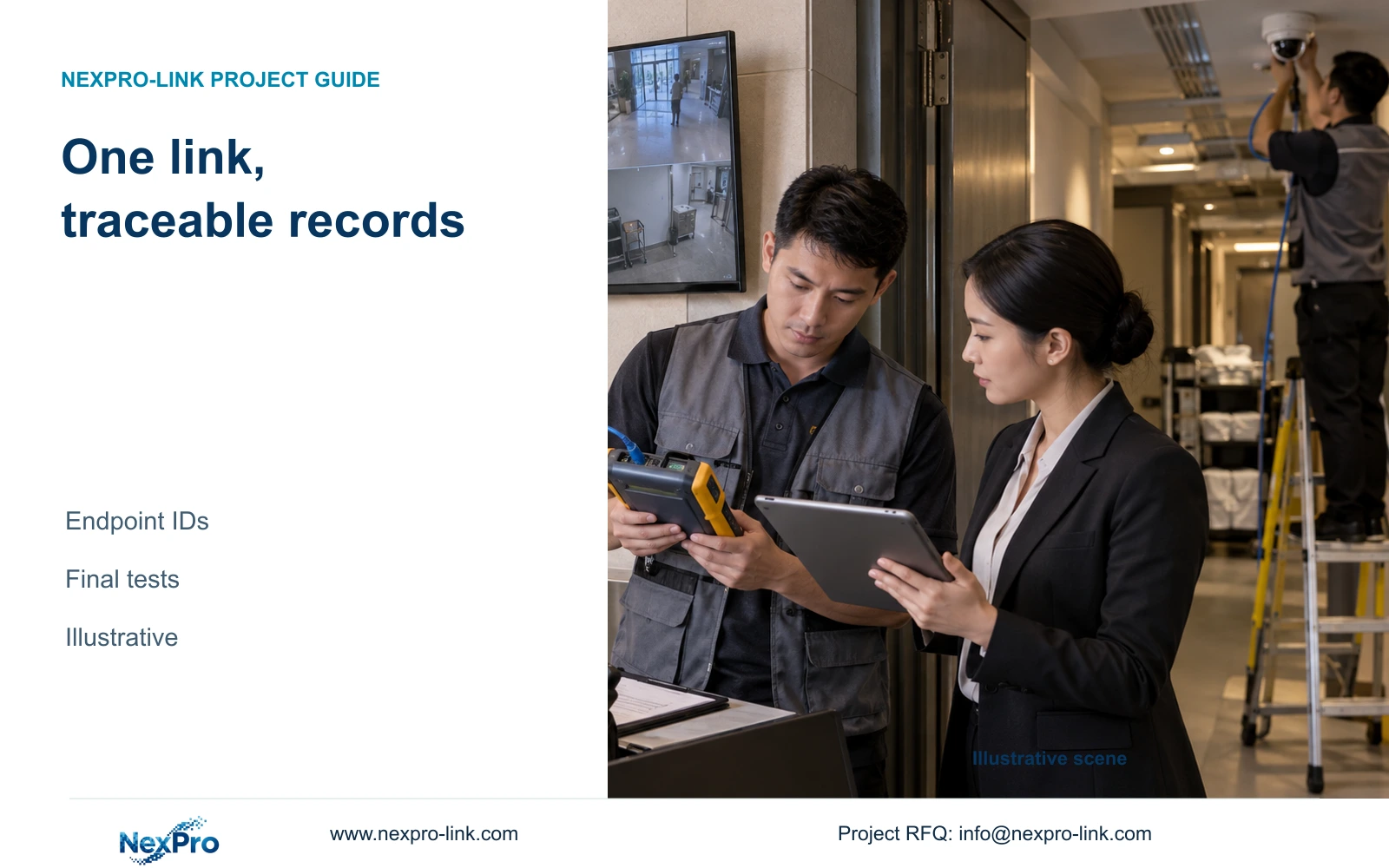
Factory checks can confirm an agreed equipment configuration. Hotel acceptance must also establish that installed views, recording paths and authorized workflows work under site conditions.

10 guides

Decision area 29

Warranty and Service Planning

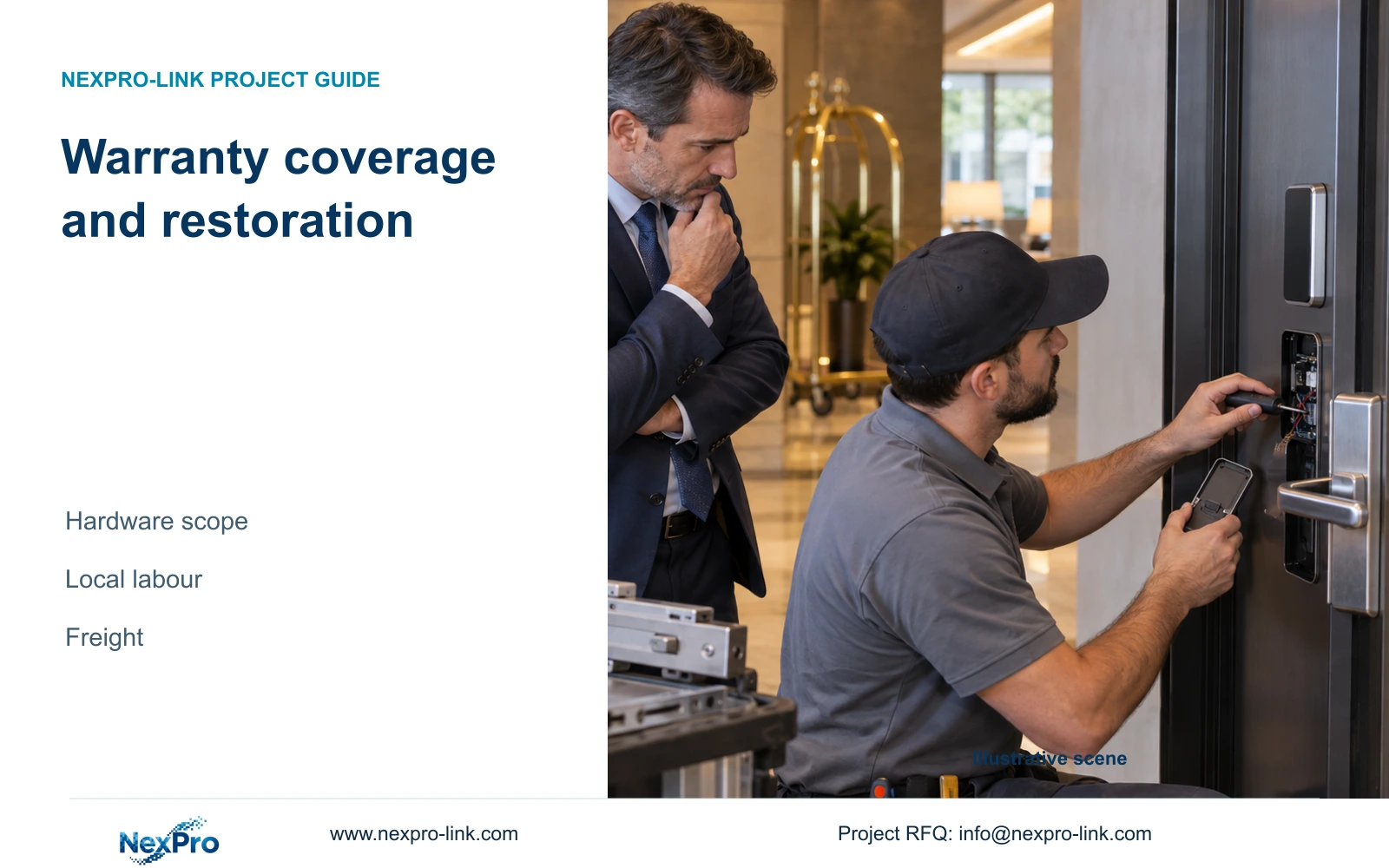
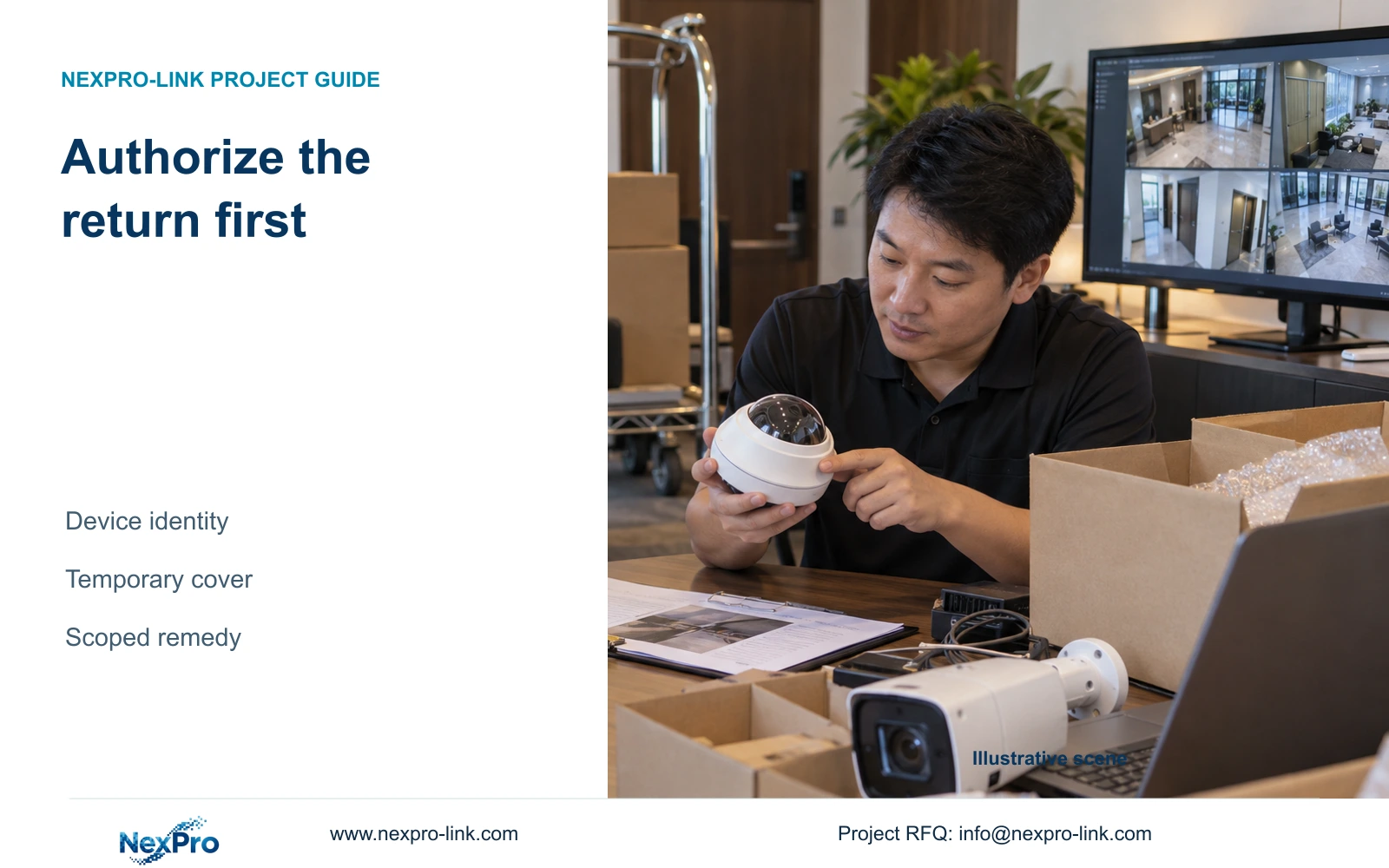
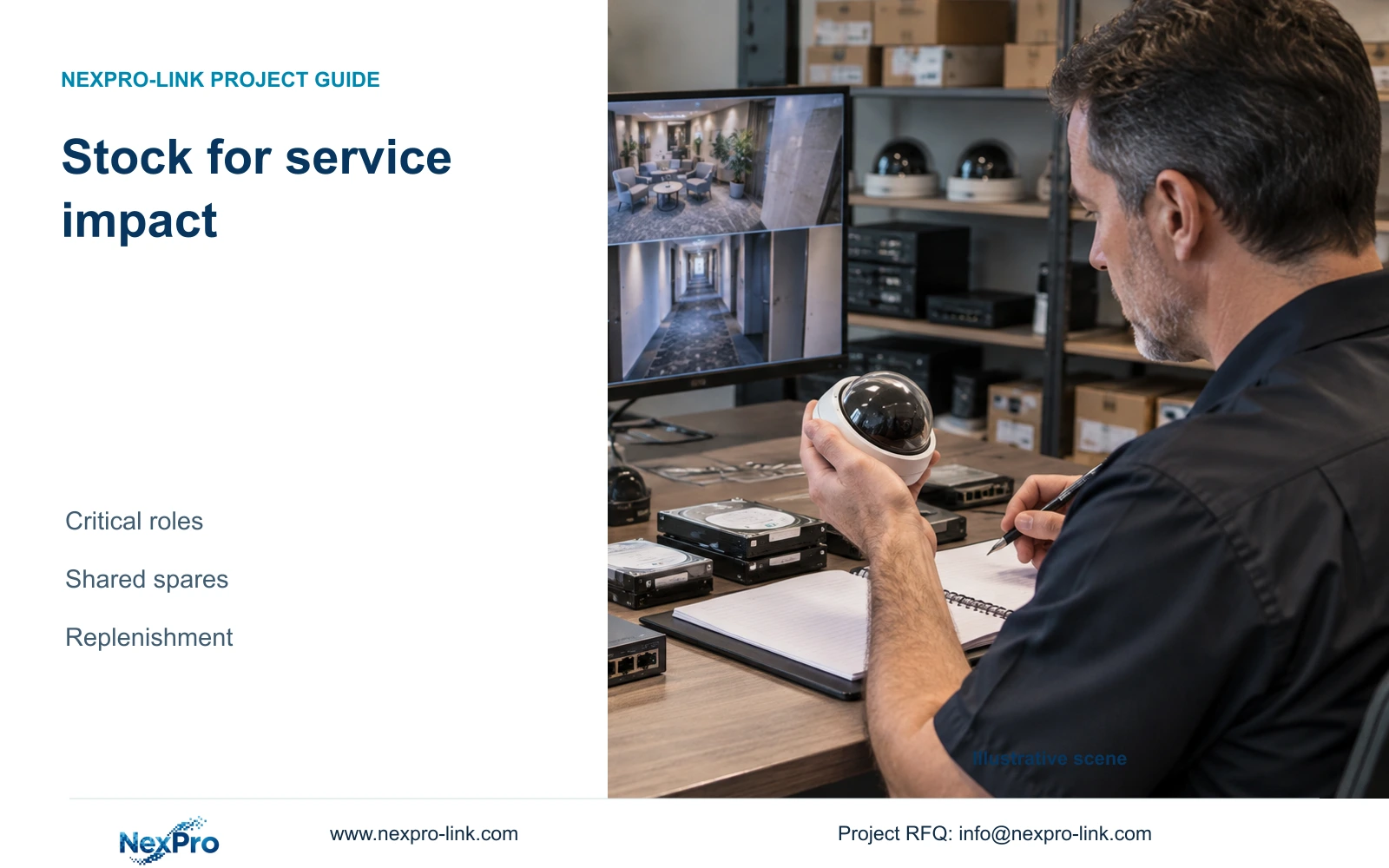
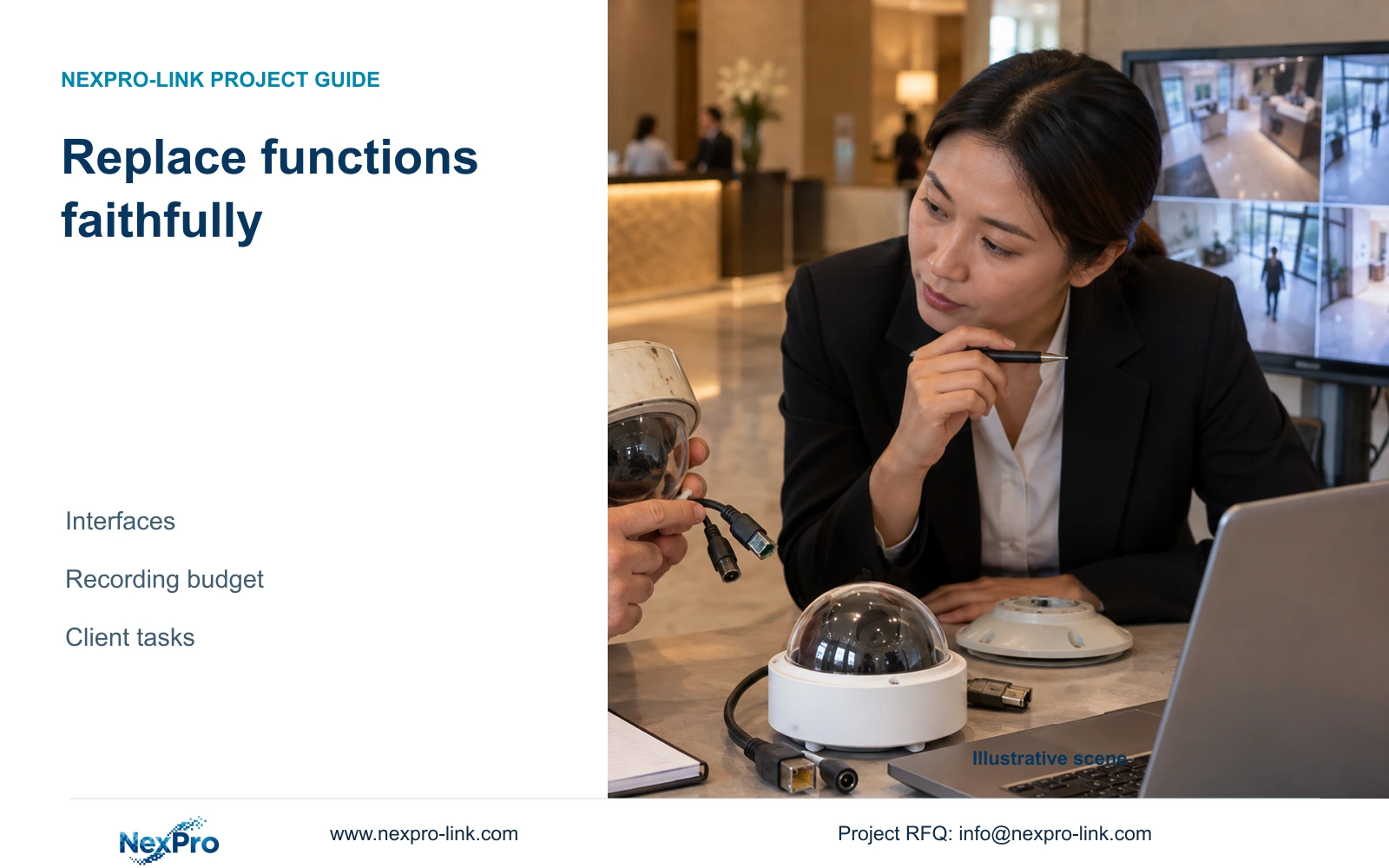
Two hotel security packages with the same warranty period can leave different repair costs and responsibilities with the owner. Compare the covered equipment, remedy and service route before ordering.

10 guides

Decision area 30

International Delivery and Cooperation

A coordinated overseas hotel order needs a system schedule, named supply responsibilities and a release plan that preserves the complete recording path.

10 guides

Prepare a useful RFQ

Send the inputs that change the equipment decision

A model list is more reliable when the supplier receives the same operating, infrastructure and acceptance assumptions used in the design.

Public-zone layout and operating tasks

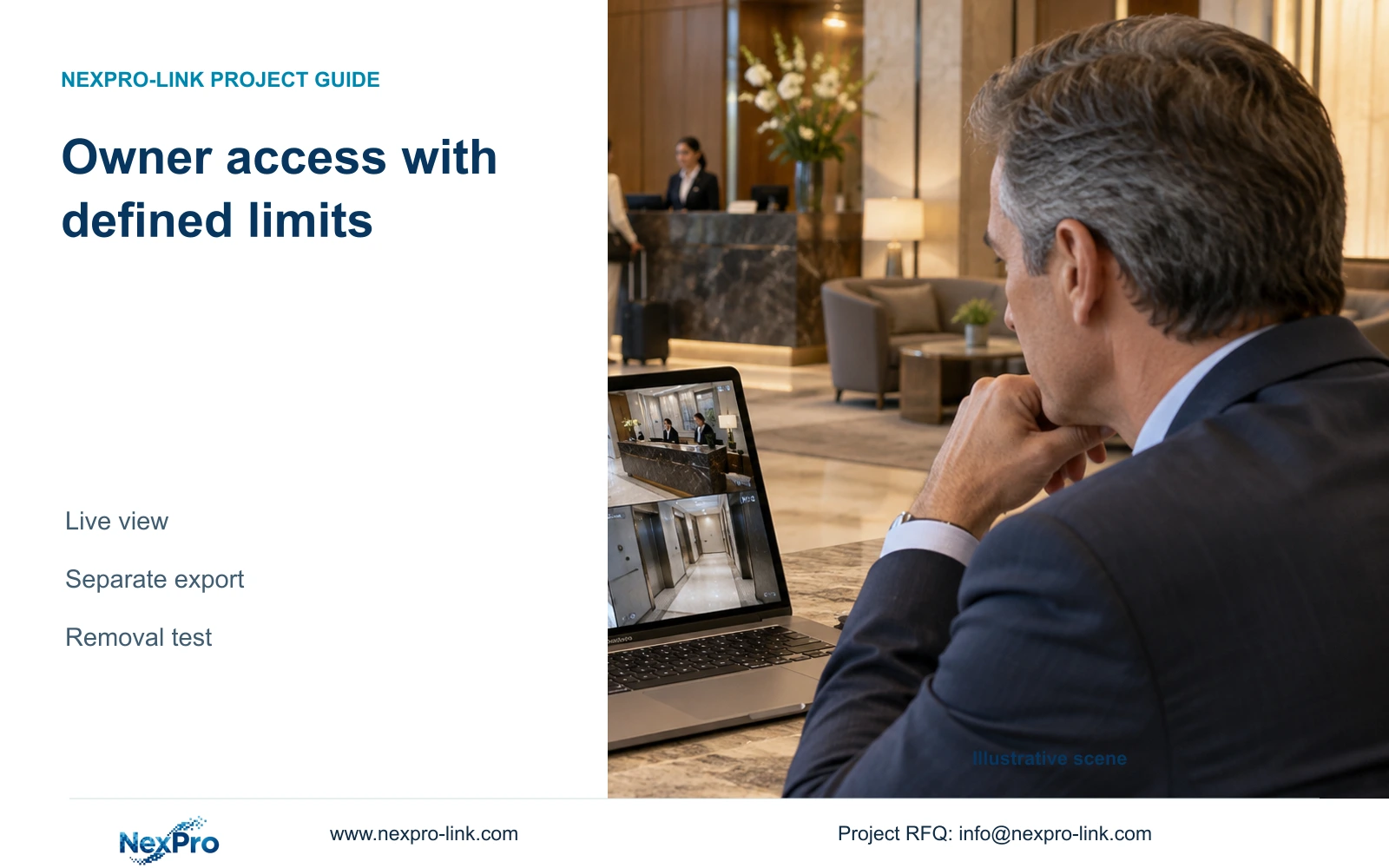
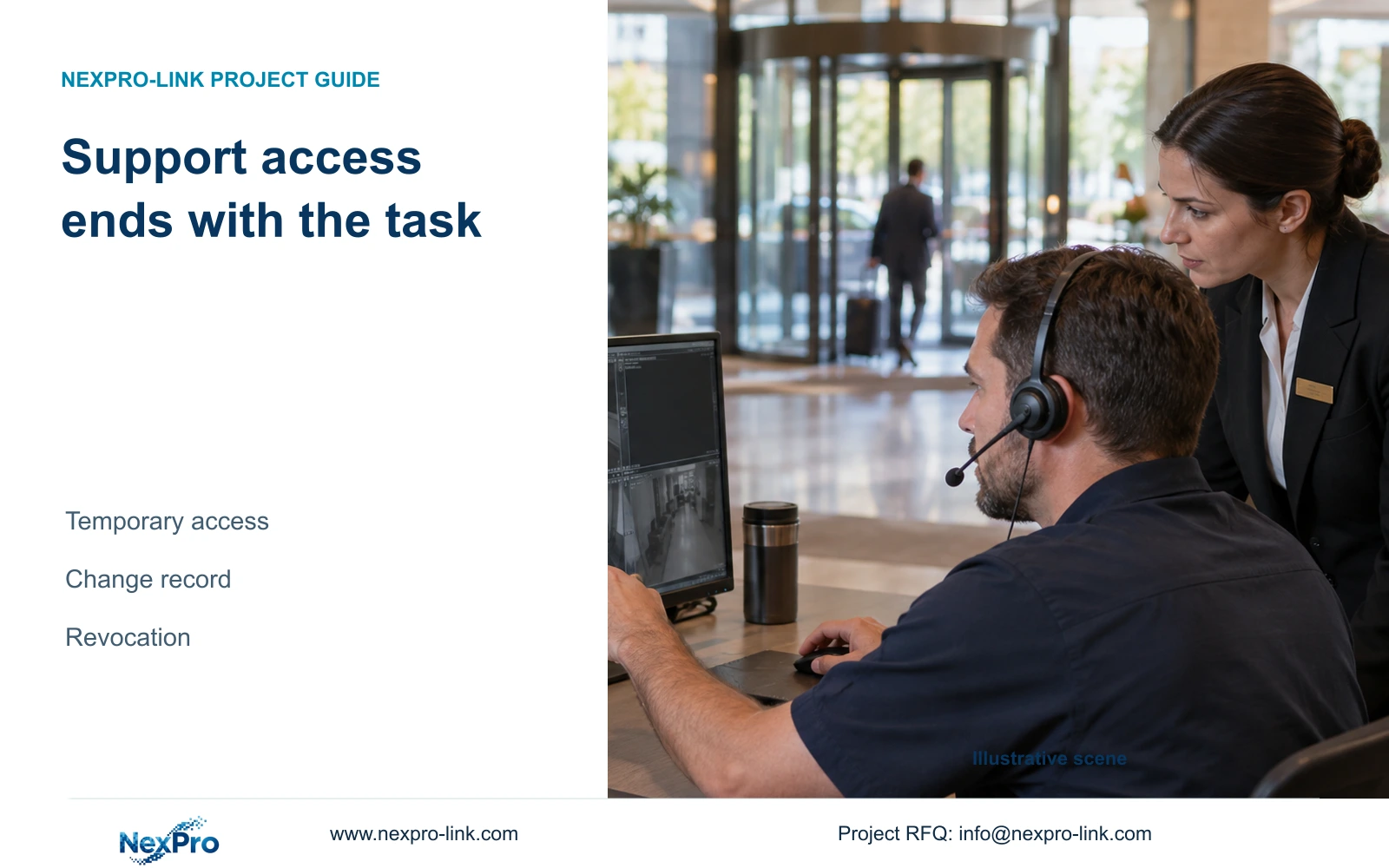
Retention and authorised access policy

Existing network and equipment records

Construction phases and supply responsibilities

Catalog Chat