Technical GuidePower Failure and Data Corruption: Where UPS Protection Fits
Place power continuity inside the data-protection plan while separating write risk, recovery cost, network security and backup responsibility.
Read engineering guide
UPS selection knowledge center
A UPS topology selection guide should begin with the service that must survive and the failure it must bridge. Use this library to separate power risks, data-recovery needs, topology choices and site constraints before comparing equipment.
For IT teams, integrators, facility managers and buyers turning power-continuity risks into an equipment brief.
Answer first
Define the protected service, acceptable interruption and recovery action first; then choose the UPS topology, capacity, runtime and management features that support that operating plan.
Trace what an outage, voltage dip or uncontrolled shutdown can interrupt.
Compare standby, line-interactive, online, modular and fixed architectures by project need.
Set the stopping point between essential loads, wider resilience measures and unsupported assumptions.
Decision area 01
Identify the application, storage and transaction states that can remain uncertain after a power event before defining the UPS boundary.
Technical GuidePlace power continuity inside the data-protection plan while separating write risk, recovery cost, network security and backup responsibility.
Read engineering guide
Technical GuideContinuous power and graceful application shutdown must work together; positioning a UPS as a blanket guarantee for all recording and disk failures is not accurate.
Read engineering guide
Industry InsightA ten-millisecond power dip does not restart every server the same way. Some loads shake it off. Others drop and take minutes to come back, leaving behind a rebooted server, an alarmed operator, and a row.
Read engineering guide
Technical GuideFind the shared power and network dependencies first, then decide the tiered supply and recovery order. Plan the project from a system dependency sketch and the essential services to keep available.
Read engineering guide
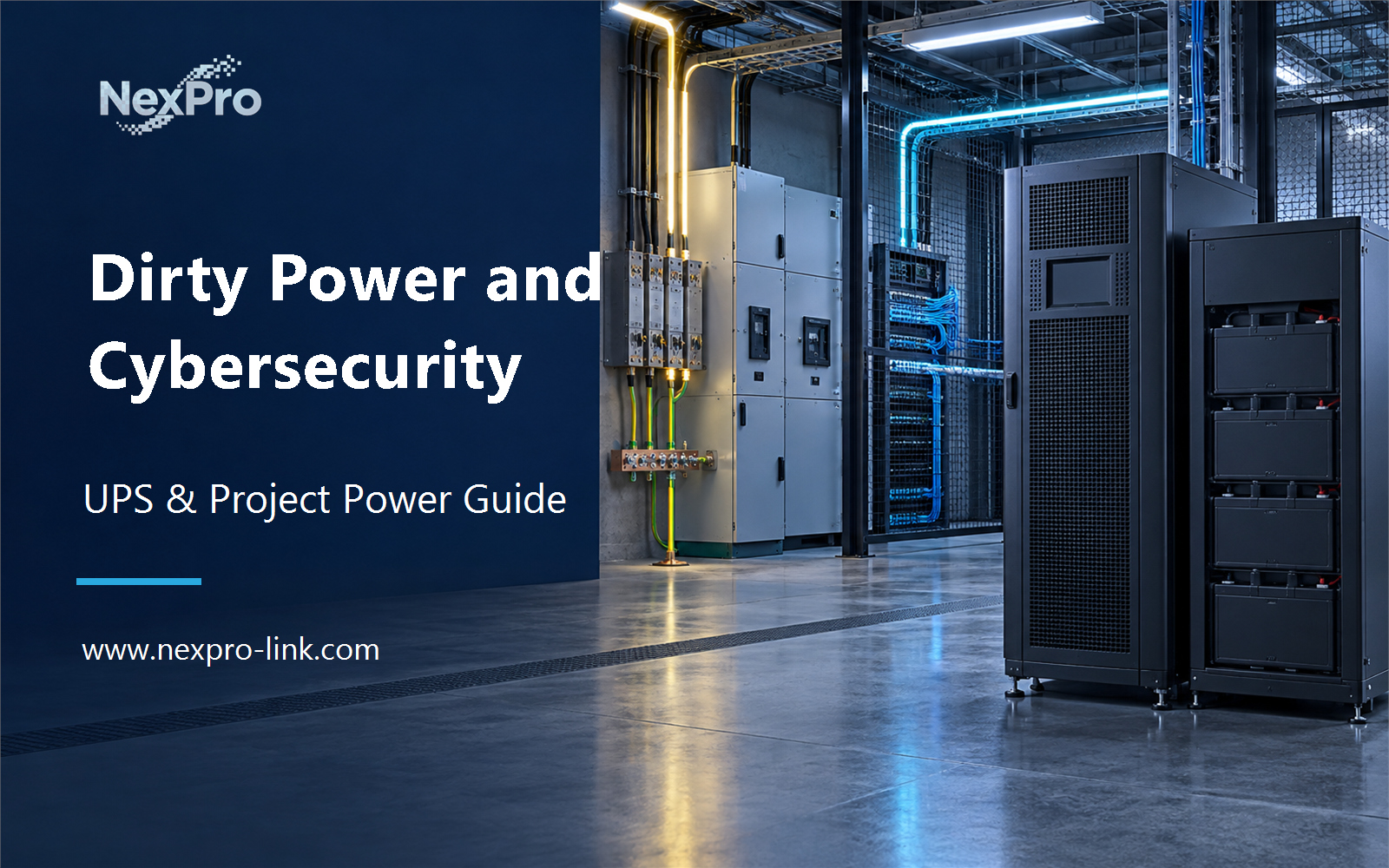
Technical GuideElectrical protection, surge protection and cybersecurity address different failure paths and should be coordinated rather than ranked by fear.
Read engineering guide
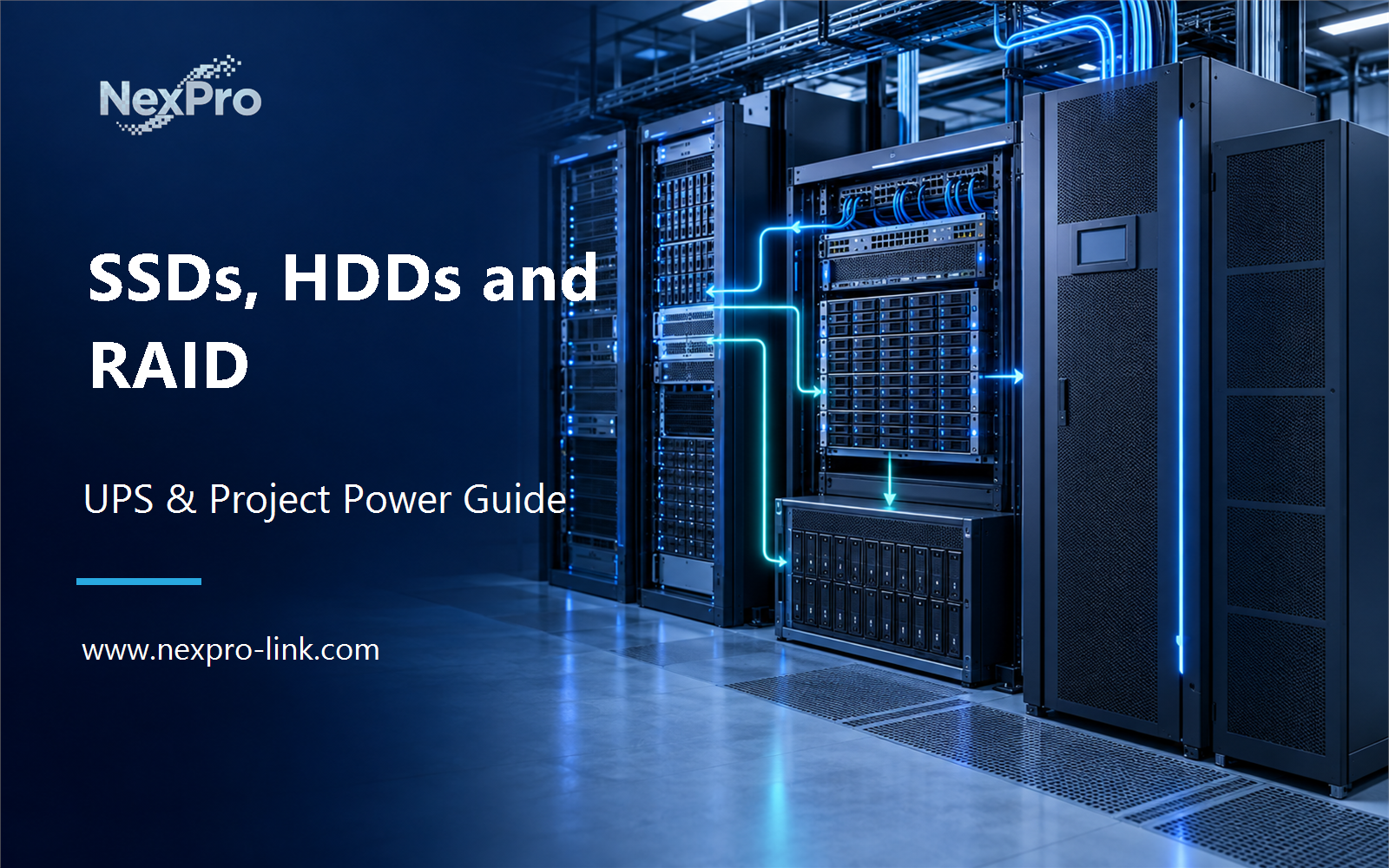
Technical GuideThe UPS protects the power window; the drives, controllers and database each own their persistence and recovery responsibilities.
Read engineering guide
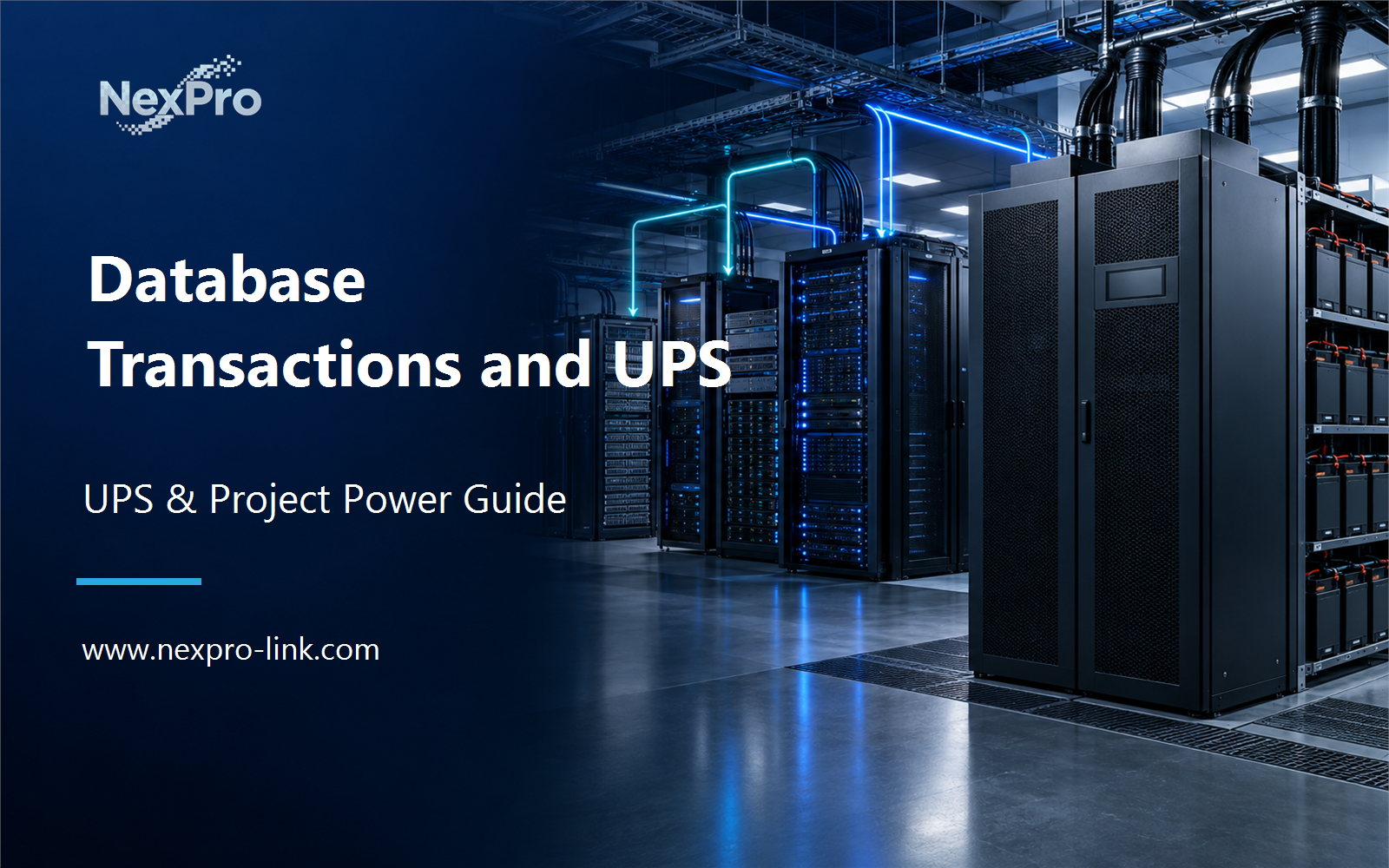
Technical GuideDiscuss how a UPS buys time for a controlled shutdown without equating ACID reliability with battery run time. Plan the project from database dependencies, host and storage loads, and the approved stop procedure.
Read engineering guideDecision area 02
Compare lifecycle cost, management exposure and post-outage verification rather than treating the UPS purchase as a one-time hardware choice.
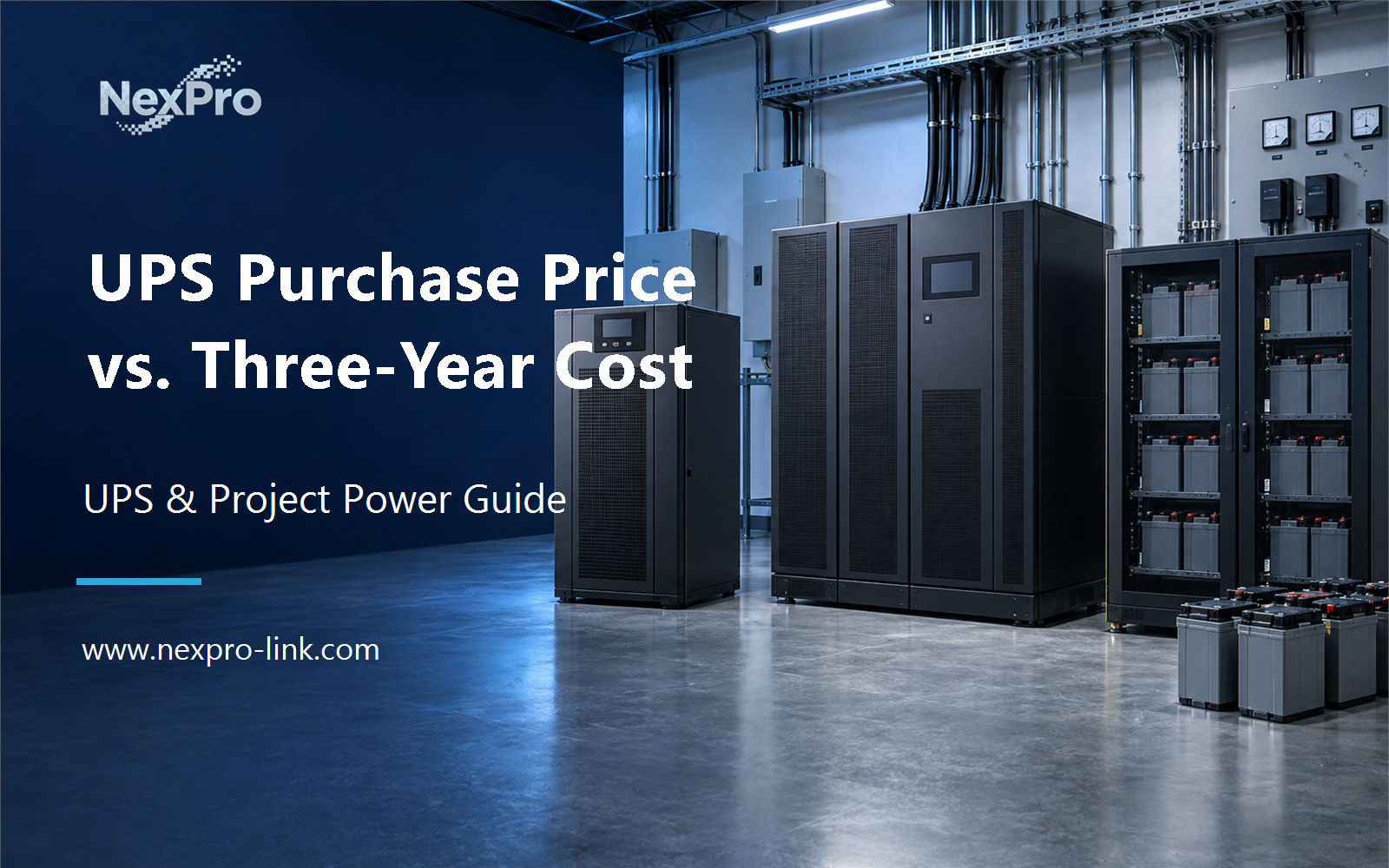
Industry InsightCompare total cost on the same load, runtime objective and service scope without deriving an eighteen-month failure rule from a low price.
Read engineering guide
Technical GuideTreat the UPS management port as an asset that can execute power control, separating read-only monitoring from high-impact actions.
Read engineering guide
Technical GuideUtility return is one step on the timeline; treat the outage as recovered only when service function and remaining battery state are confirmed.
Read engineering guideDecision area 03
Compare conversion topology, transformer arrangement, modular growth and site scale against the actual load and operating objective.
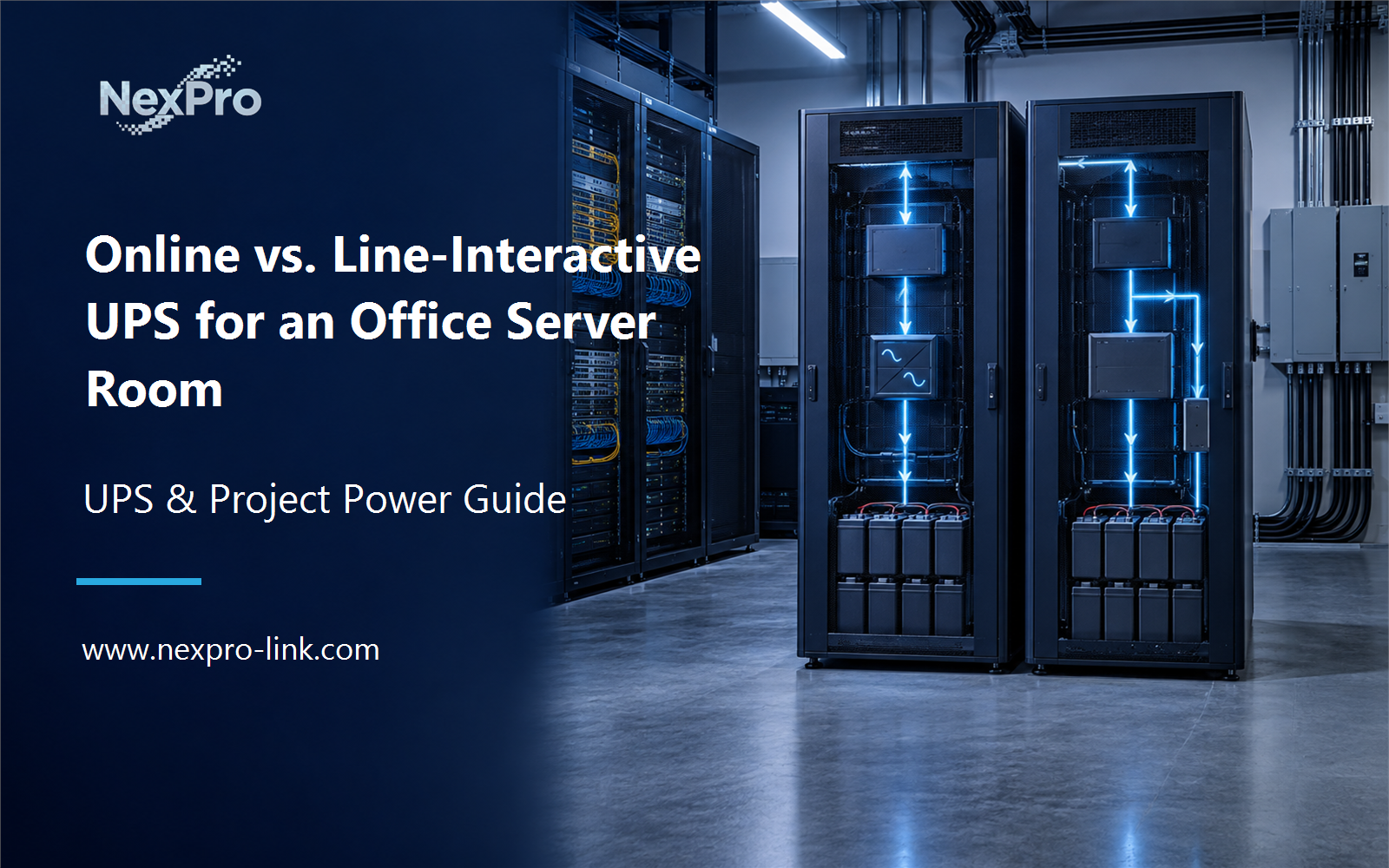
Technical GuideA server-room label does not decide the UPS topology. The topology follows from three questions: what must keep running, for how long, and what happens when utility power fails.
Read engineering guide
Industry InsightSeparate the operating topology from the transformer arrangement and switching design; weigh isolation requirements, dynamic response, footprint and efficiency.
Read engineering guide
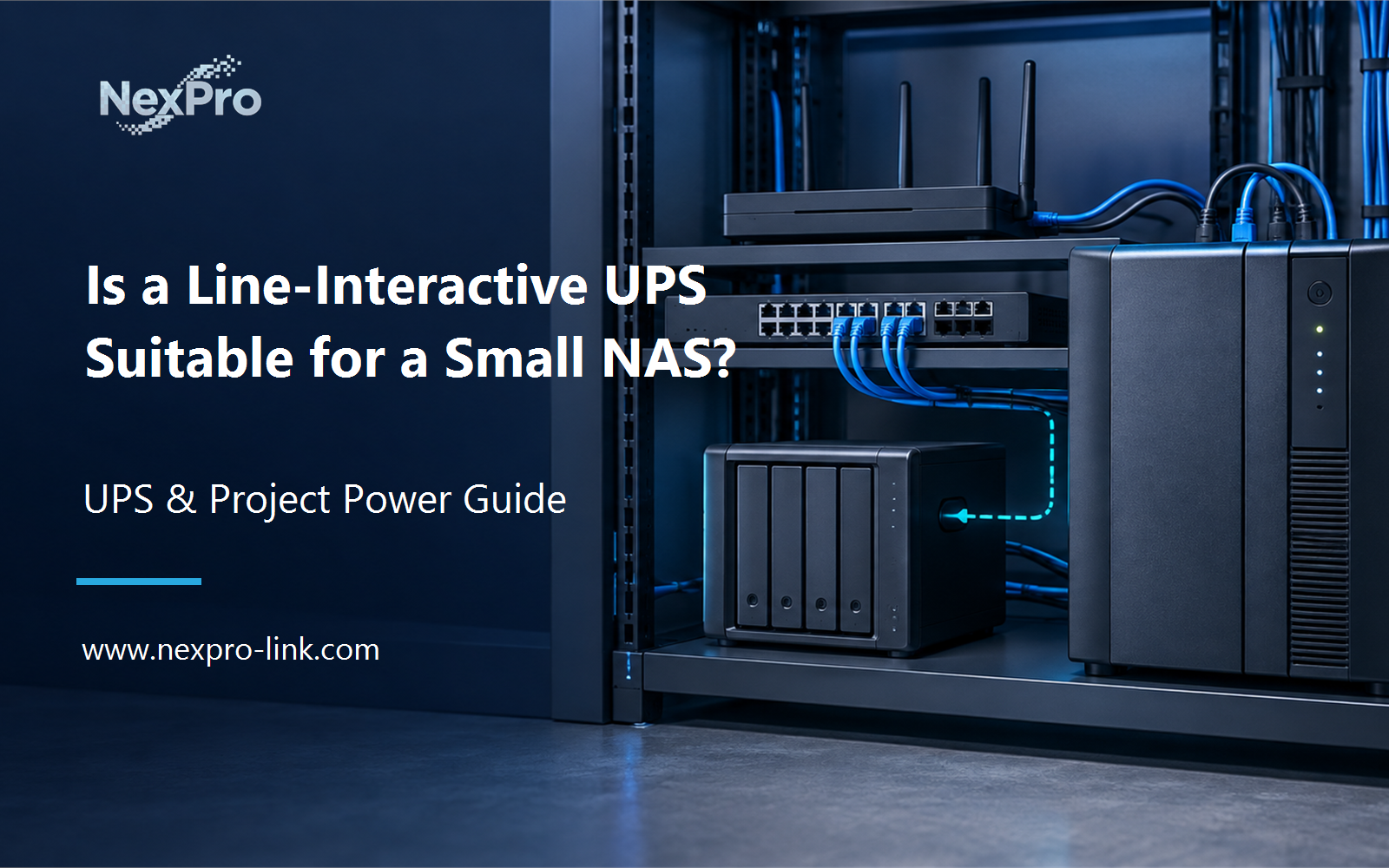
Technical GuideJudge whether a line-interactive UPS meets the real goal, starting from NAS power compatibility, write strategy and shutdown integration.
Read engineering guide
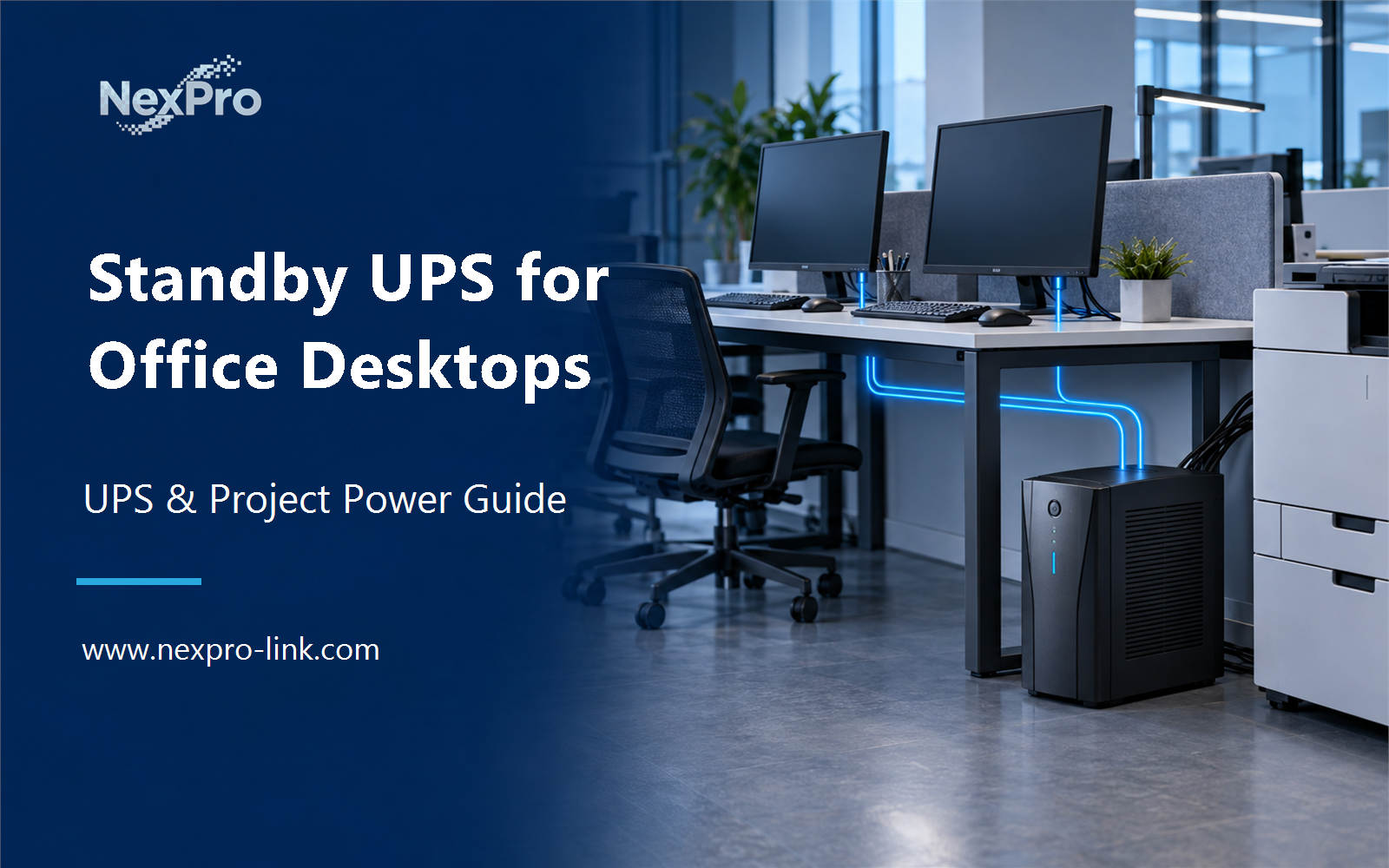
Technical GuideA standby UPS spends most of its life doing almost nothing. Utility power passes straight through to the desk, and the battery waits.
Read engineering guide
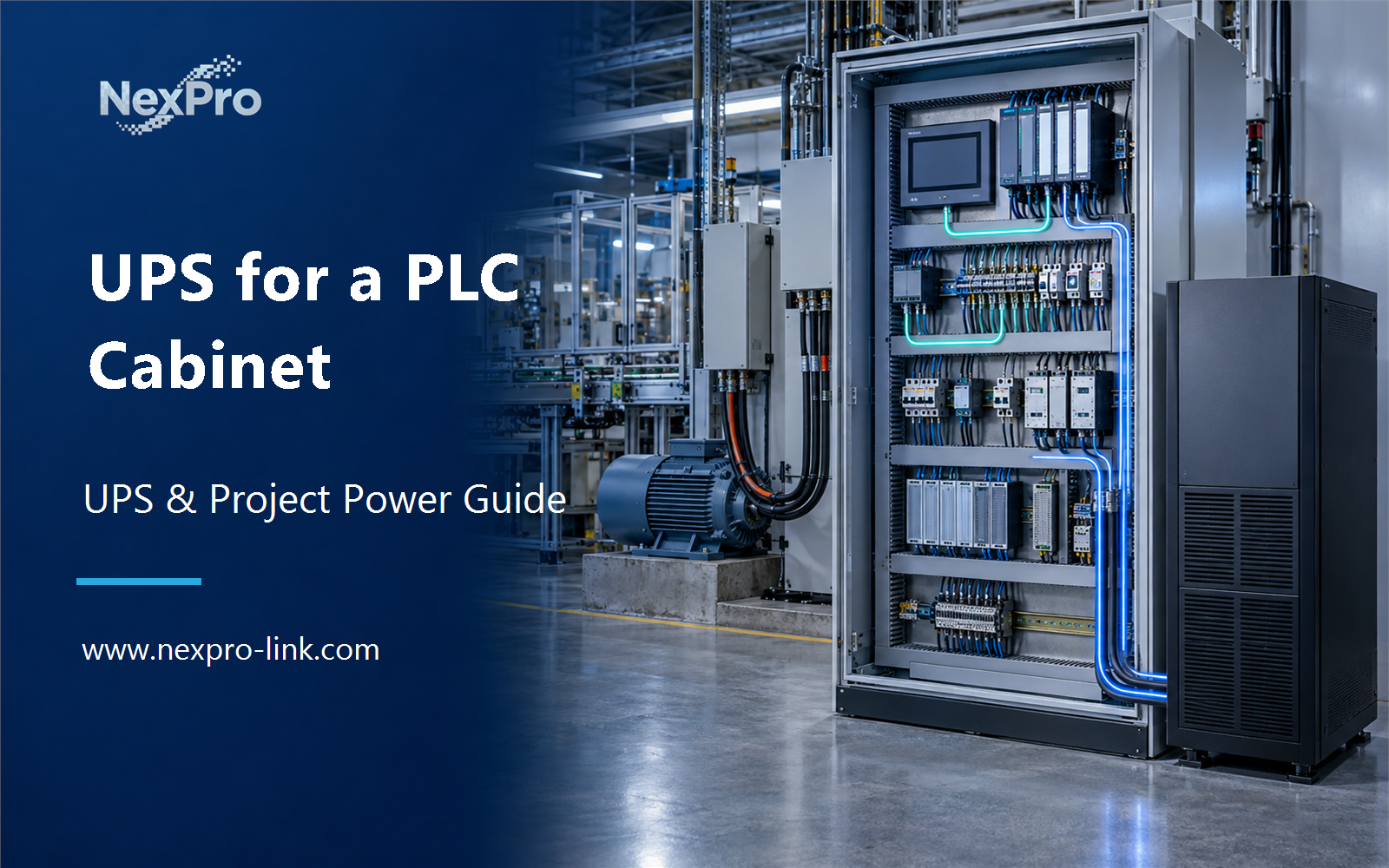
Technical GuideSeparate the control-power boundary from the motor-power boundary, then select the supply path from the load and process requirements.
Read engineering guide
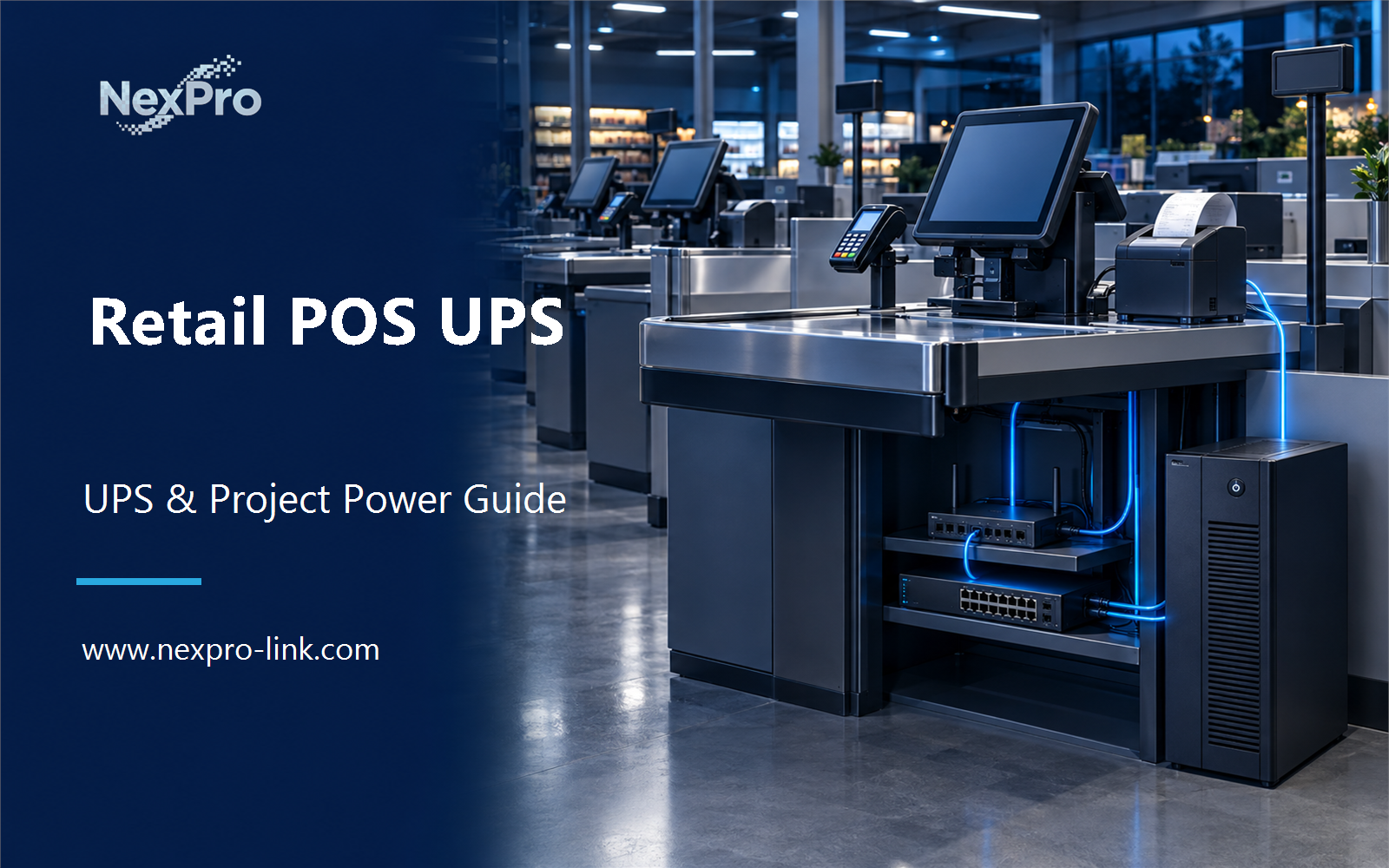
Technical GuideCompare POS backup power by transaction recovery, network dependencies, and store operating load. Plan the project from the POS peripherals, network devices, and transaction-recovery policy.
Read engineering guide
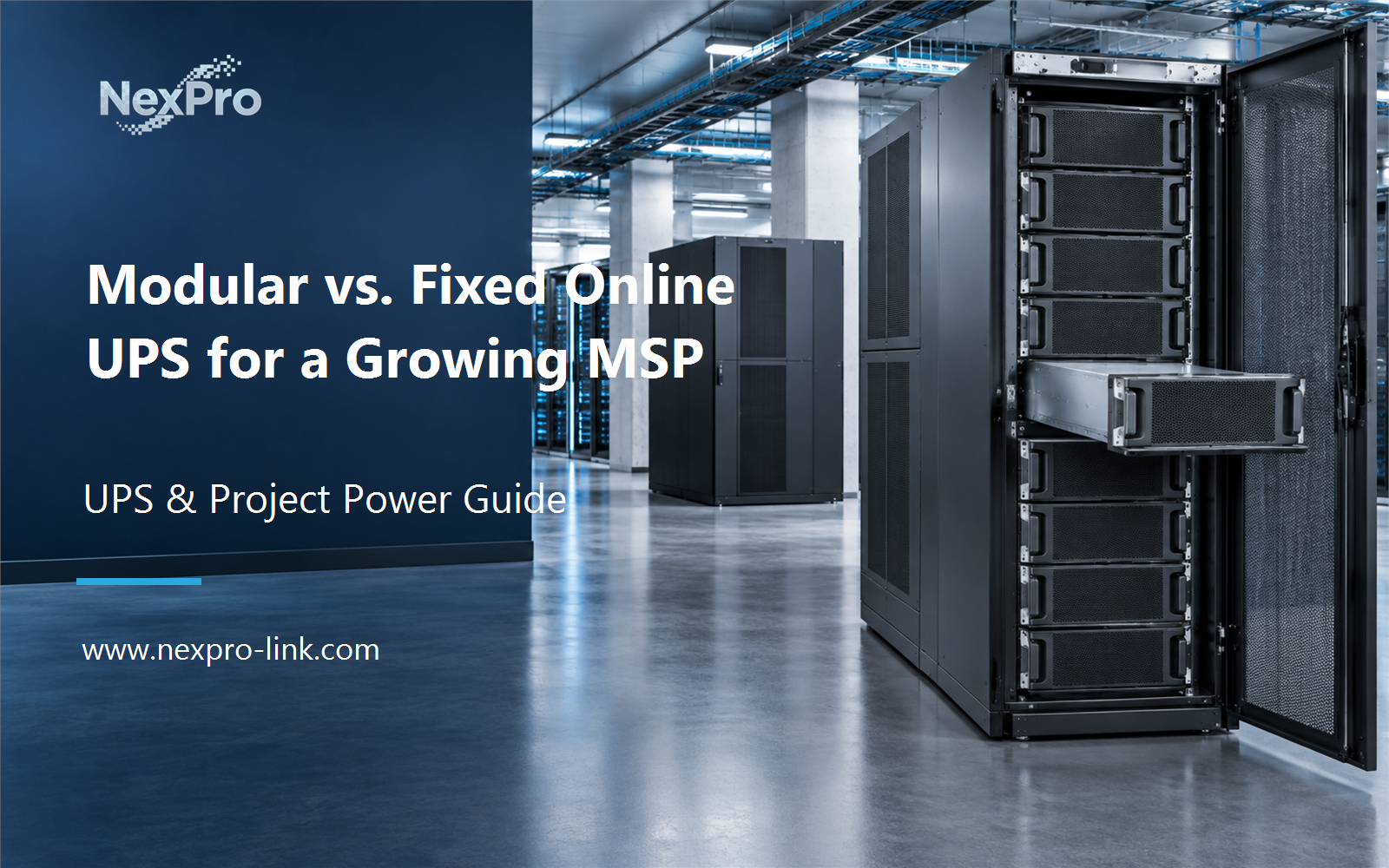
Industry InsightBefore you choose between a modular and a fixed online UPS, write down what has to be powered and when. Separate the load you are already committed to from the load that might arrive later, and attach a date to each.
Read engineering guideDecision area 04
Apply topology decisions to network closets, hospitals, security rooms, branches, warehouses and data-center pods without extending claims beyond the protected scope.
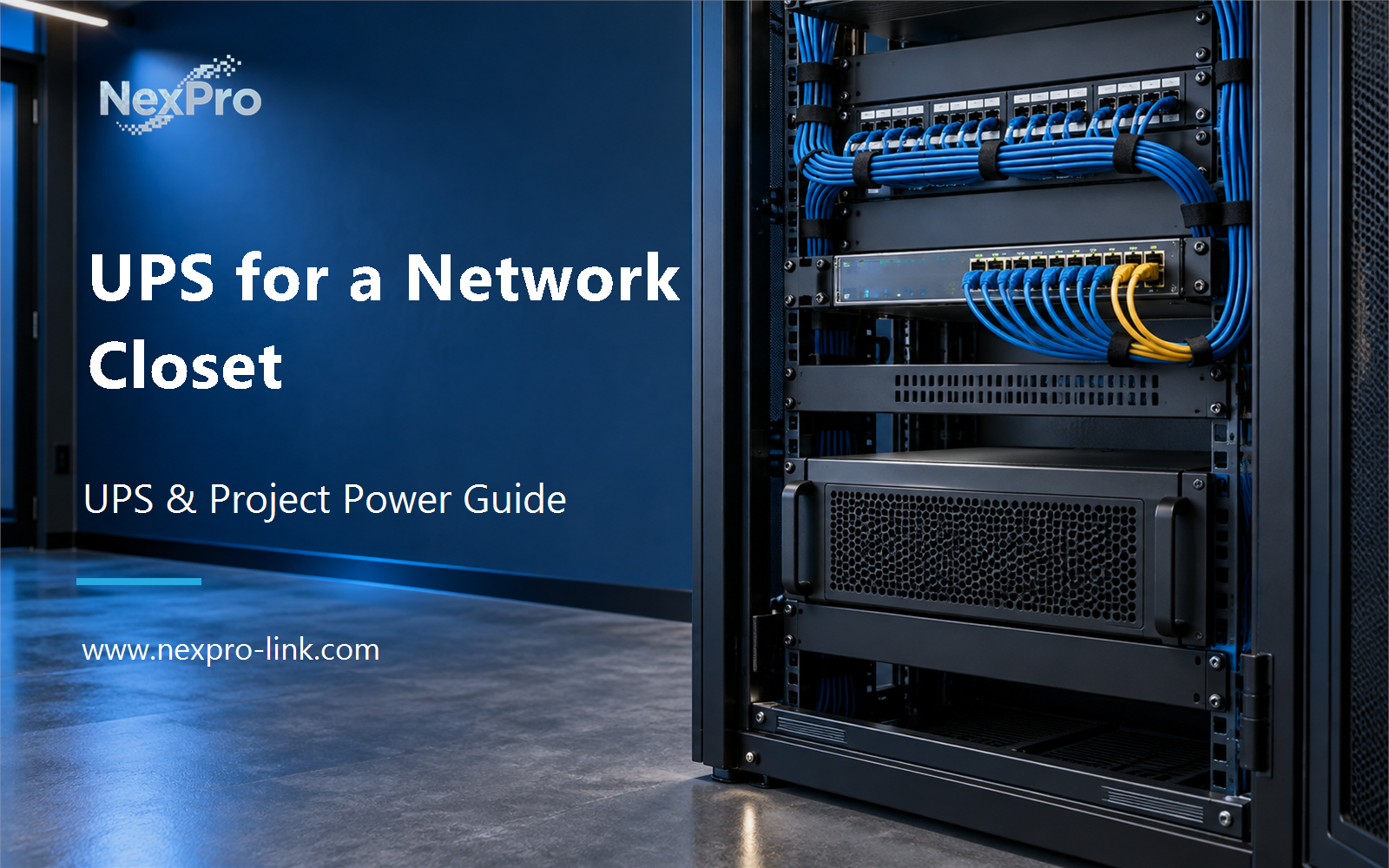
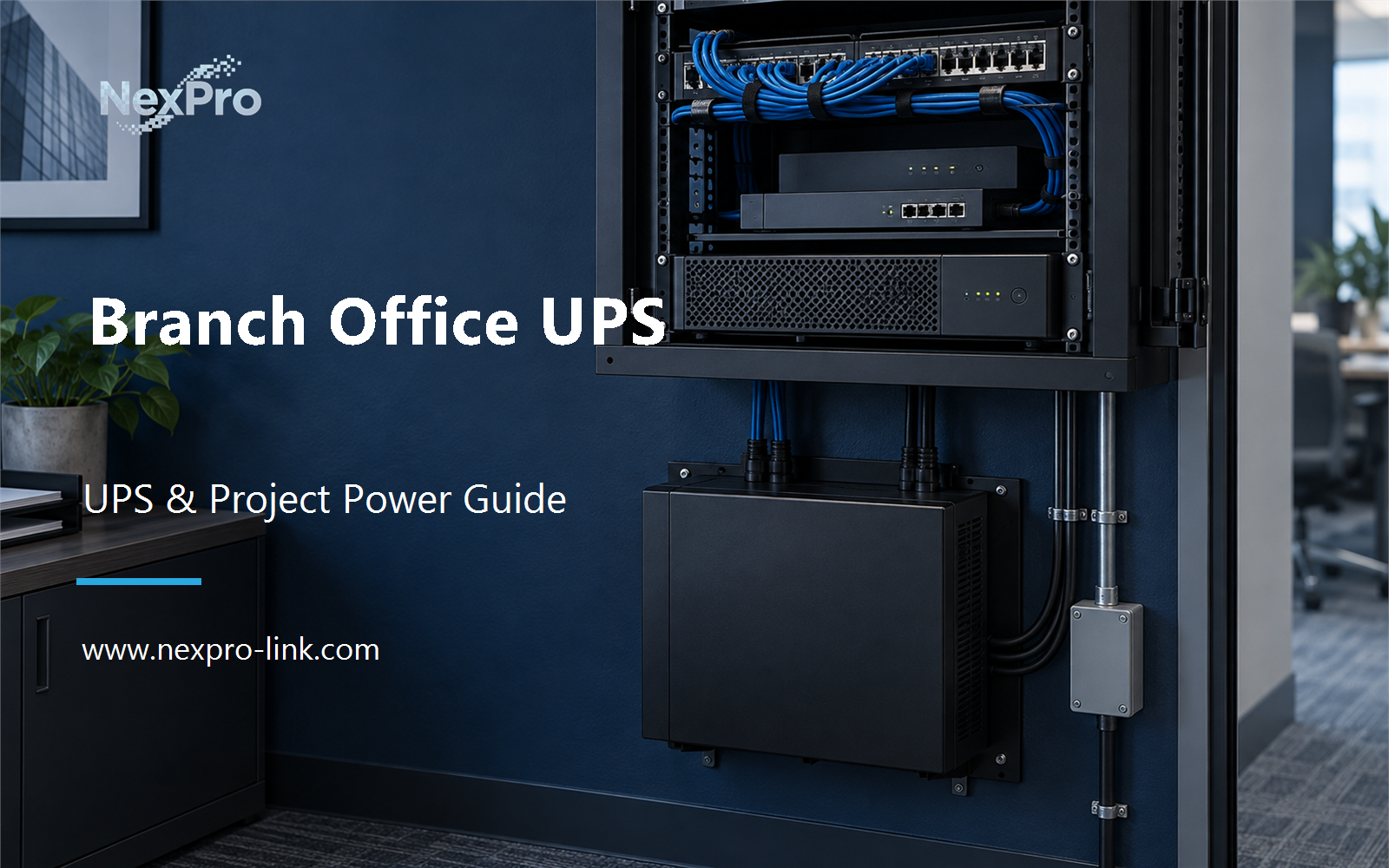
Technical GuideChoose the UPS from the dependency scope and actual PoE load; a low switch count does not mean low risk or low power. Plan the project from the switch inventory, PoE load and required upstream dependencies.
Read engineering guide
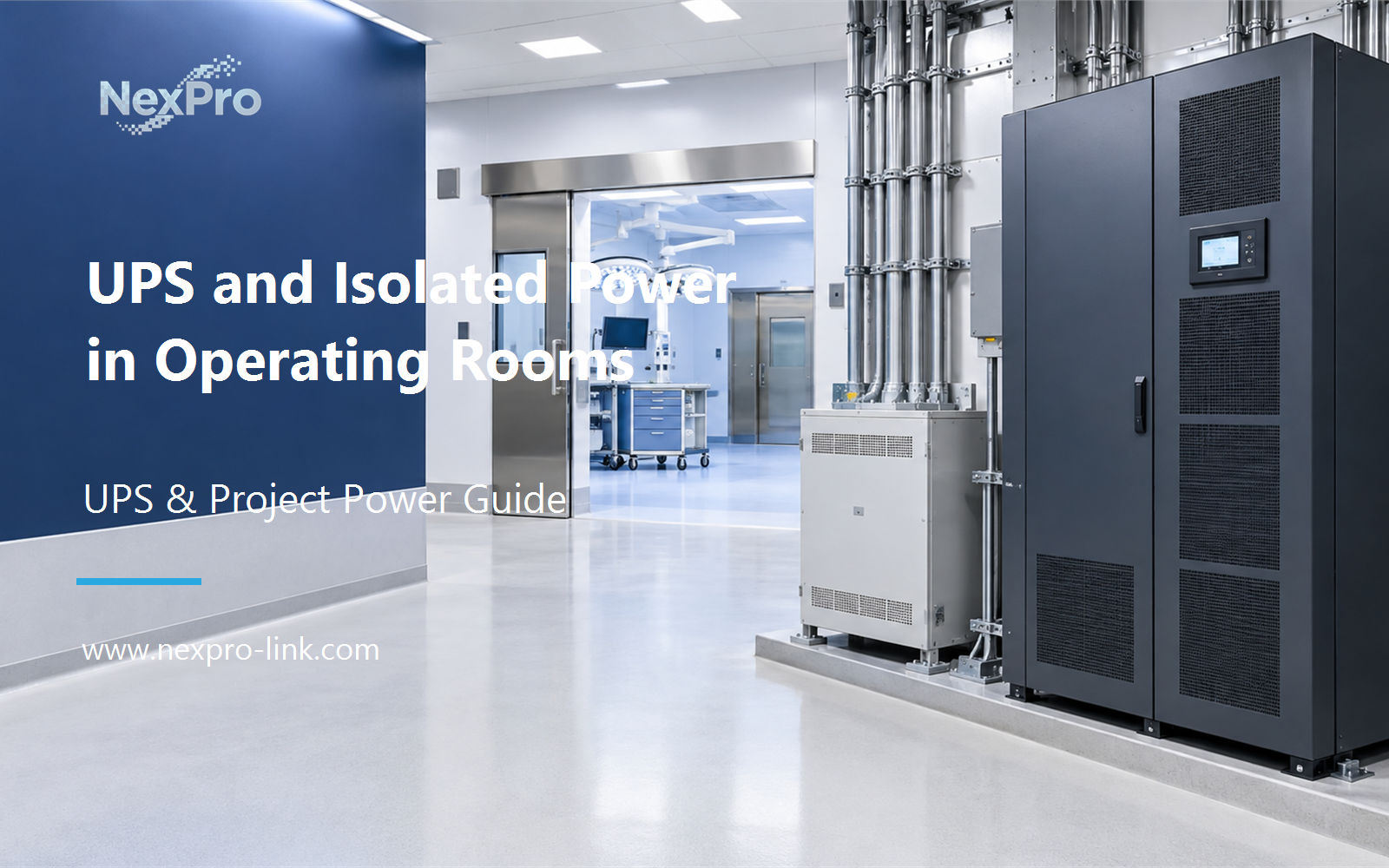
Technical GuideA general UPS guide cannot determine operating-room power design on its own. It can organize the selection inputs. The patient-care loads and the medical electrical installation still require a qualified design.
Read engineering guide
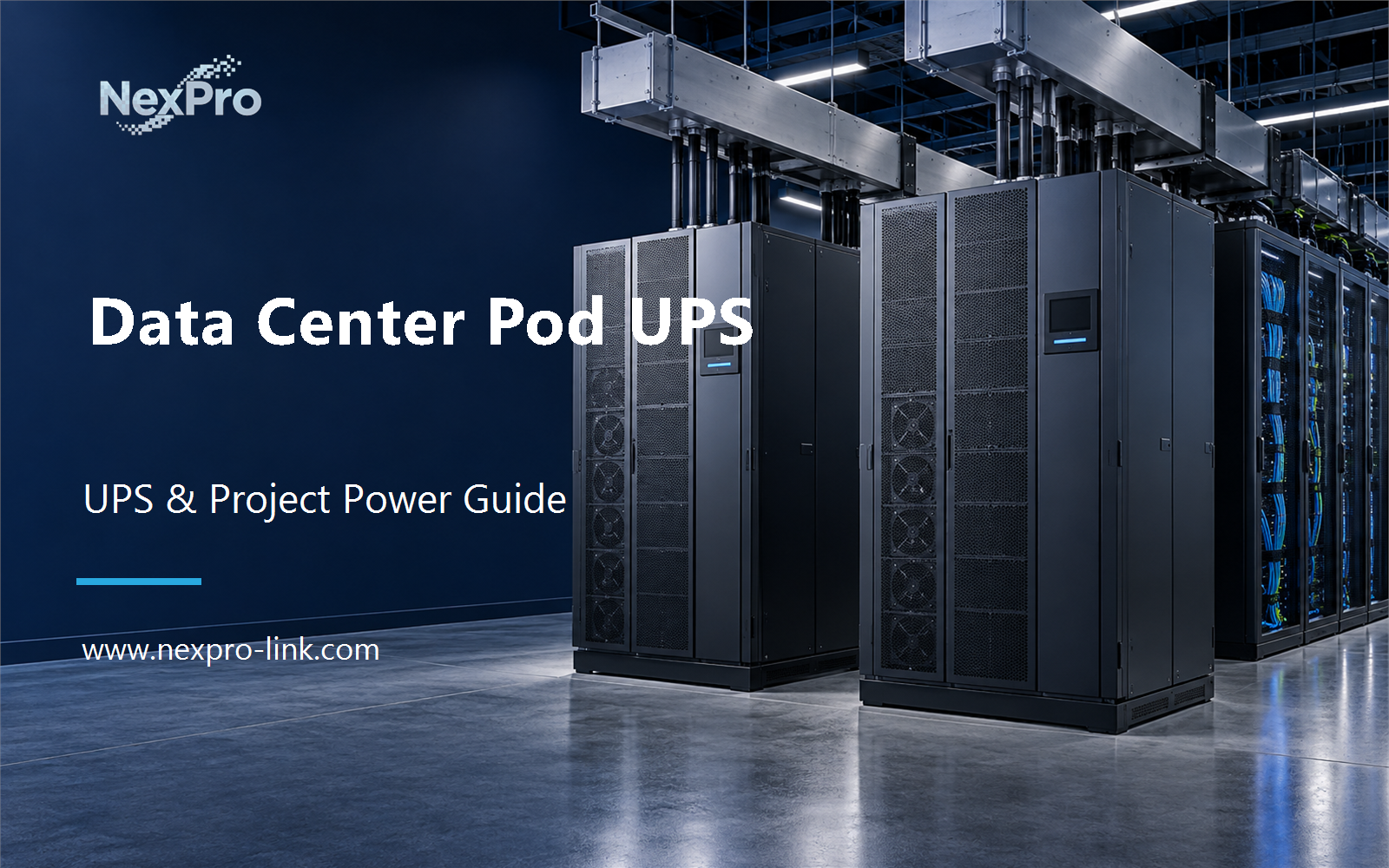
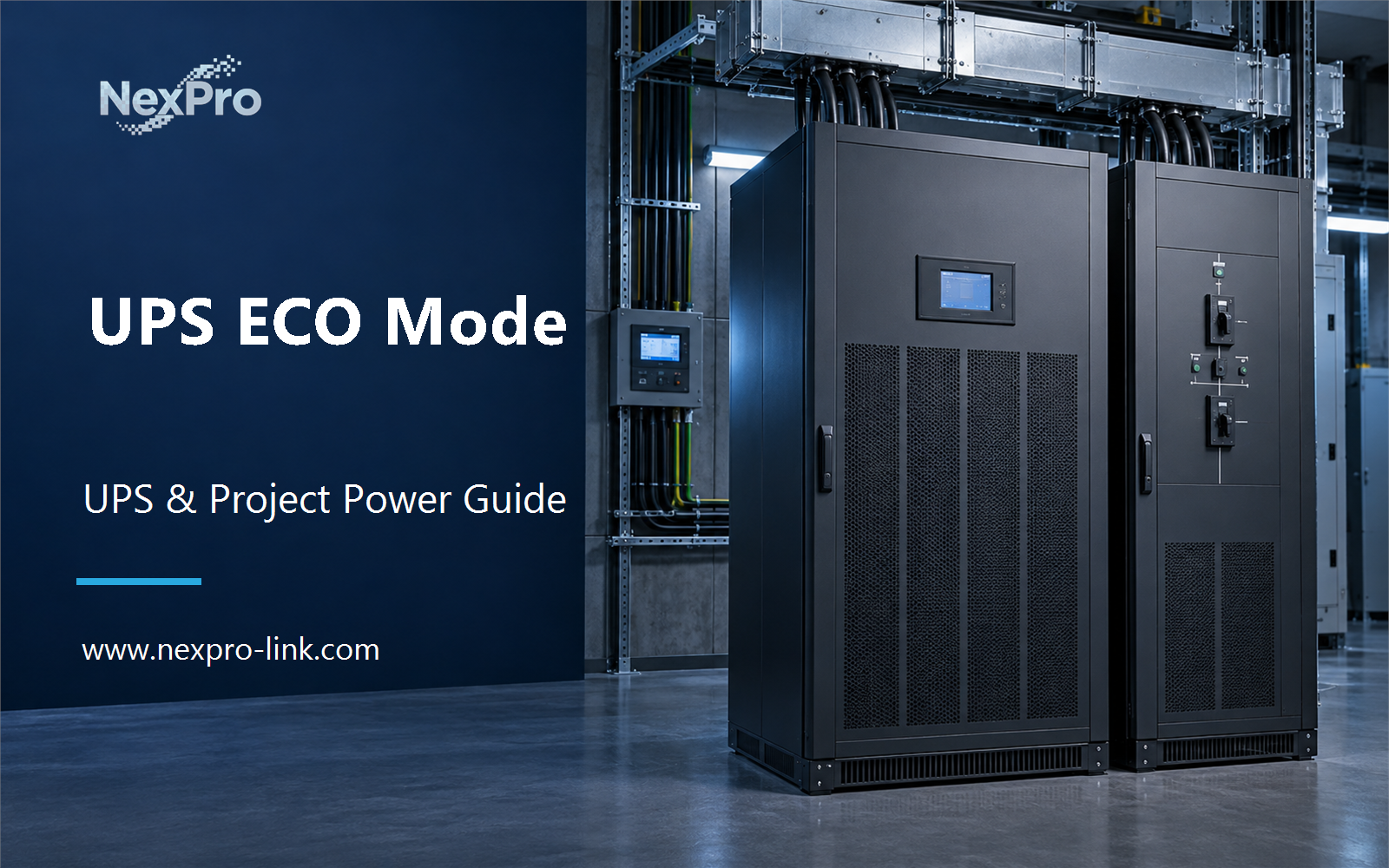
Industry InsightECO mode promises lower losses, and the savings are real when the load and the site can take them. The catch is that a peak-efficiency figure does not describe a full year of operation at your load.
Read engineering guide
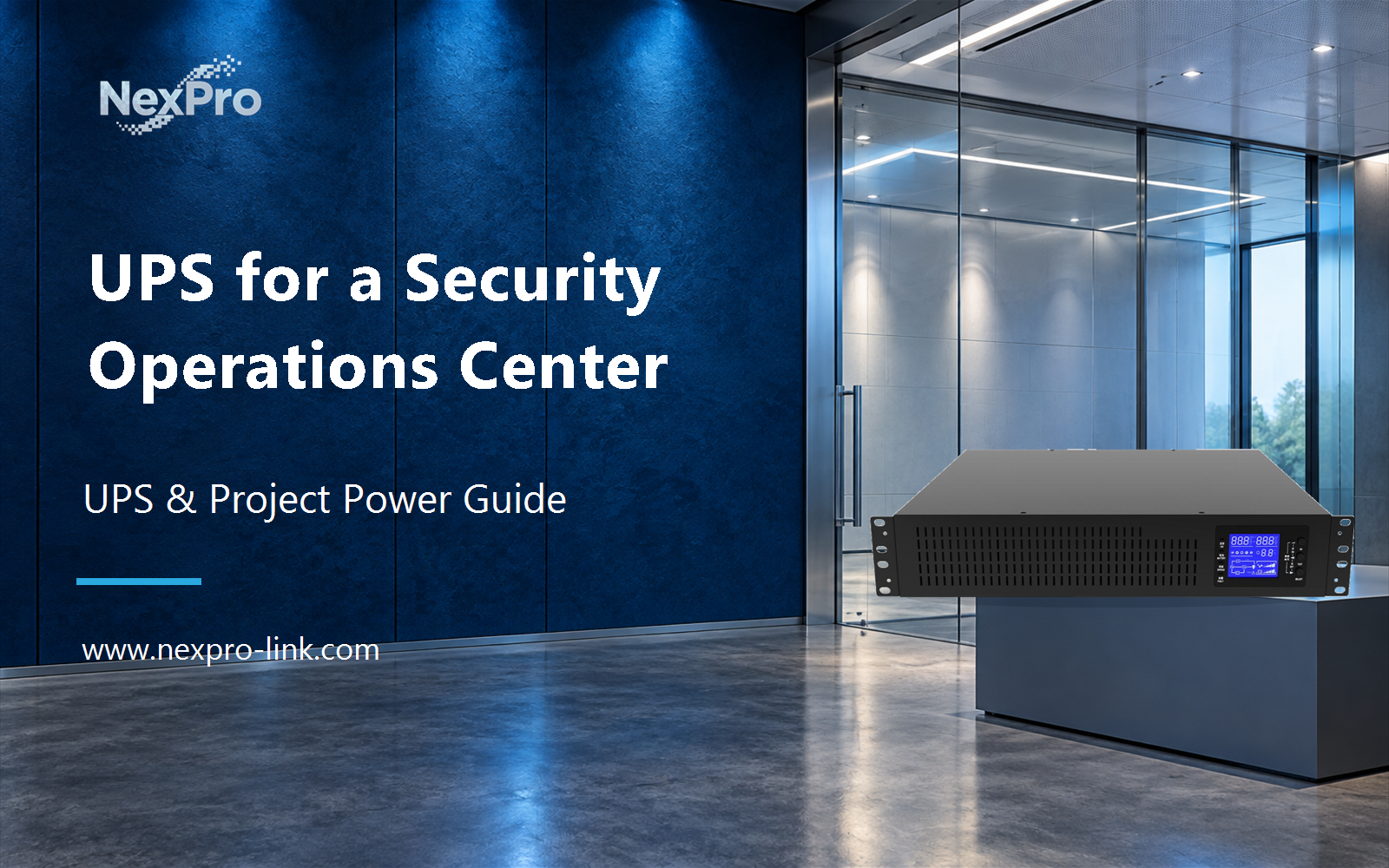
Technical GuideThe monitoring wall and the recorder rarely need the same runtime. Recording has to keep capturing until power returns. The wall only has to show operators what they still need to see.
Read engineering guide
Technical GuideDefine an adequate configuration from the minimum workable service and remote-maintenance conditions, without unlimited upgrades or a one-size cutoff.
Read engineering guide
Industry InsightDefine maintenance and fault objectives first, then count surviving capacity and shared dependencies, without equating N+1 or 2N directly with a Tier certification.
Read engineering guide
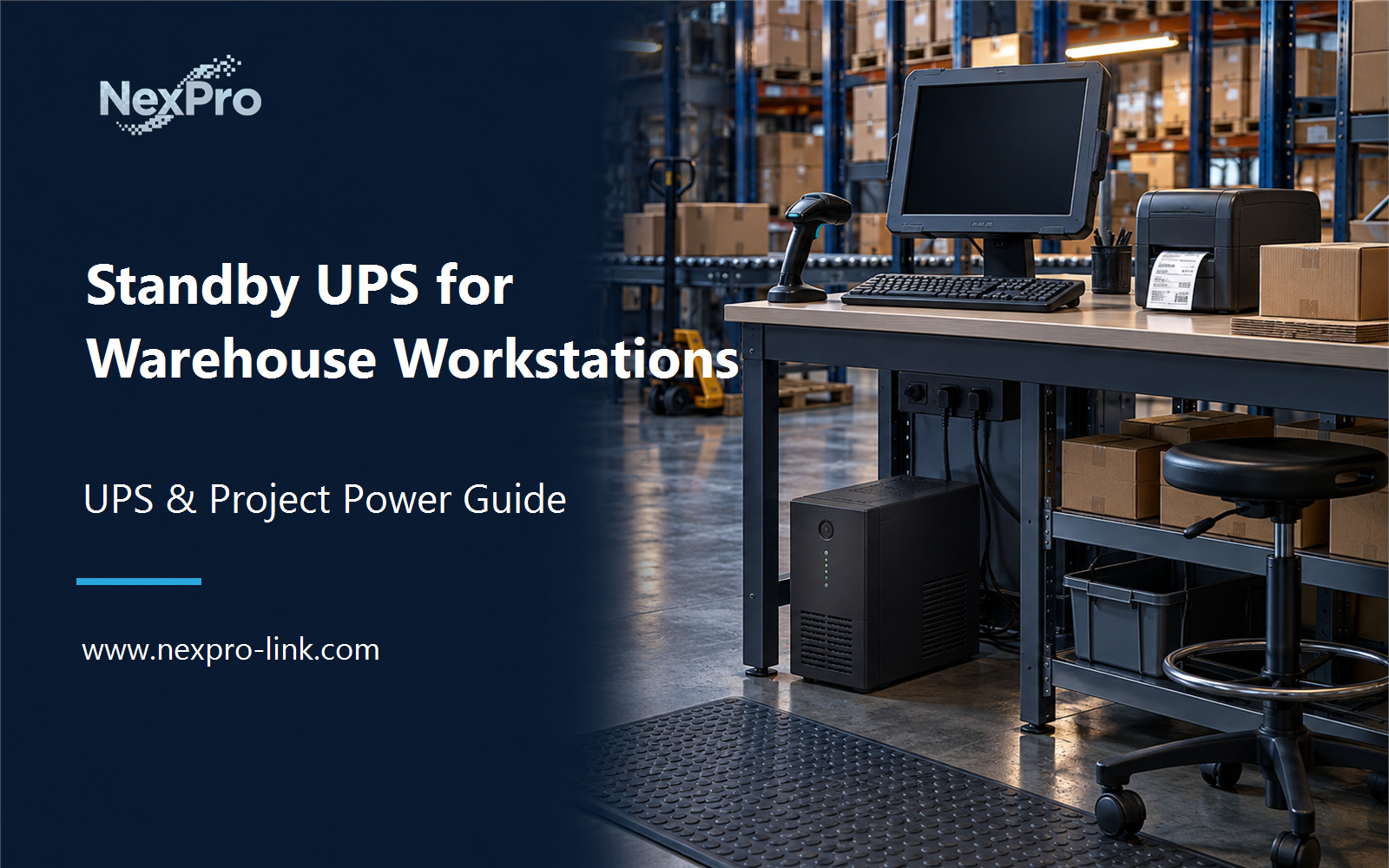
Technical GuideWhen a packing station loses power, the things worth preserving are the order state, the last scan, and the label that was mid-print when the lights went out.
Read engineering guide
Technical GuideThe first question in UPS selection is about what has to keep running and for how long. That includes the shutdown or transfer behavior the connected equipment can tolerate.
Read engineering guidePrepare a useful UPS RFQ
A model request is more reliable when the supplier receives the same load, source, runtime, environment and acceptance assumptions used in the design.
Protected services and acceptable interruption
Load inventory with watts, VA and operating state
Required runtime and shutdown or recovery action
Utility, generator and grounding conditions
Space, access, heat and maintenance constraints
Monitoring, security and support expectations