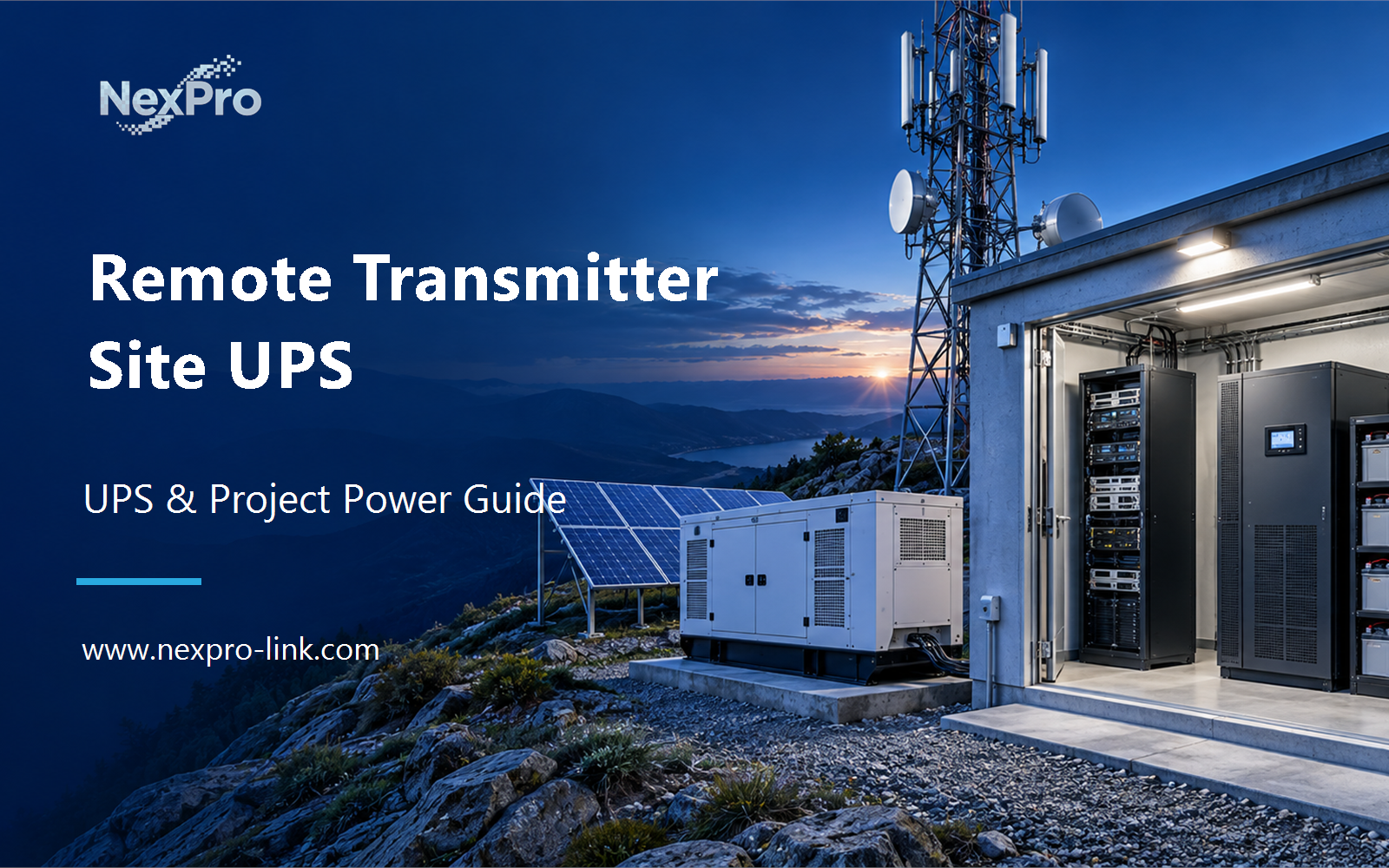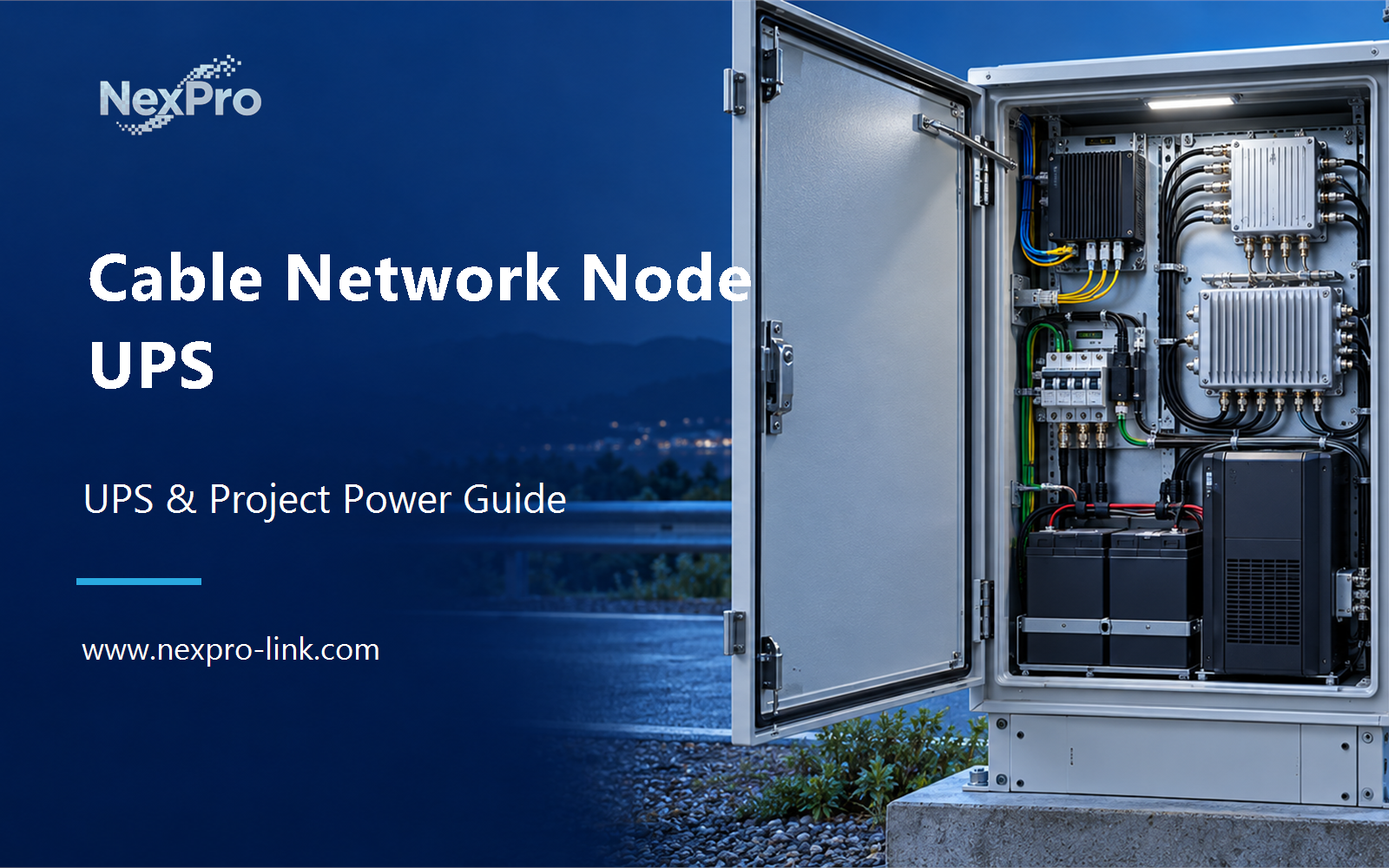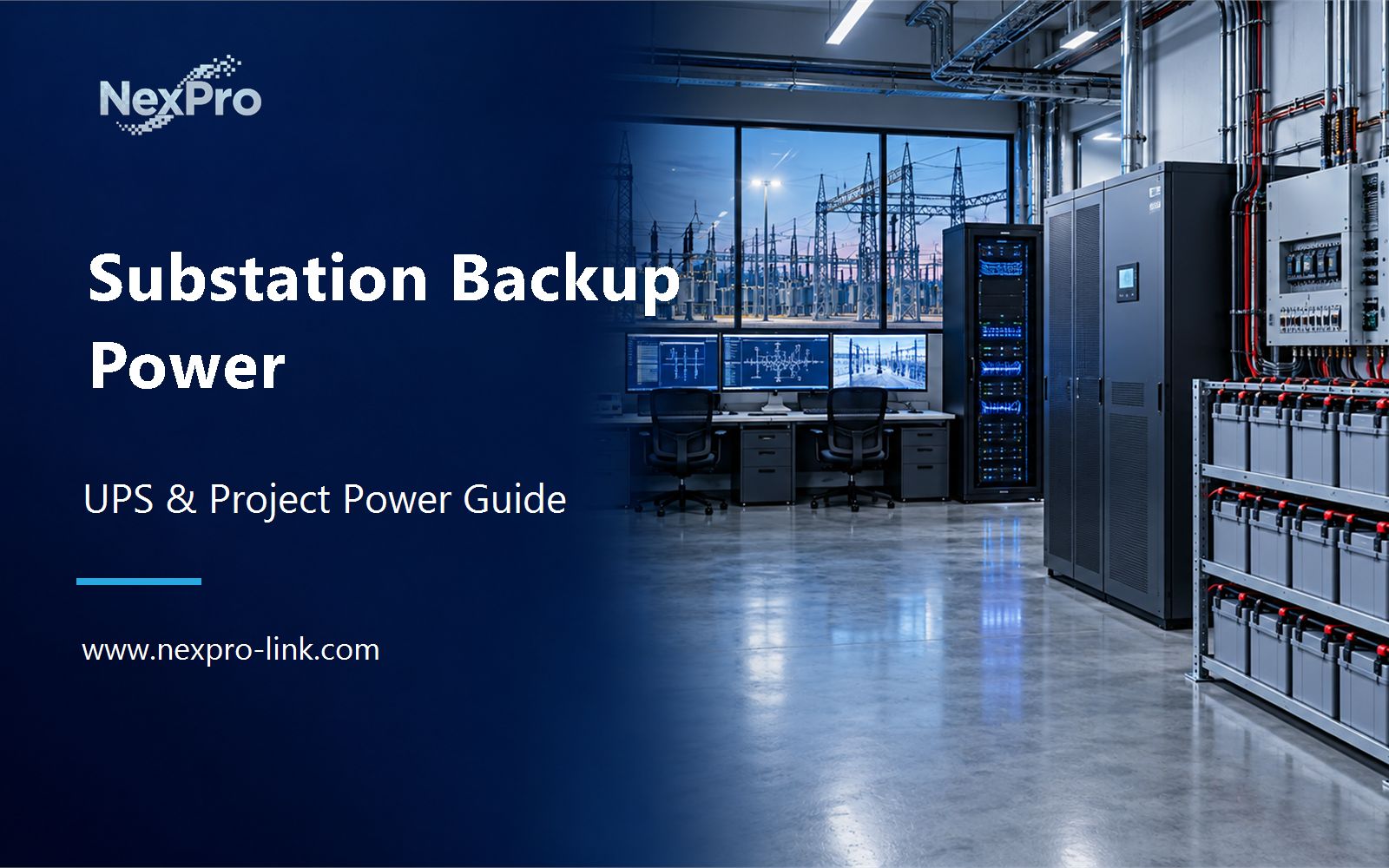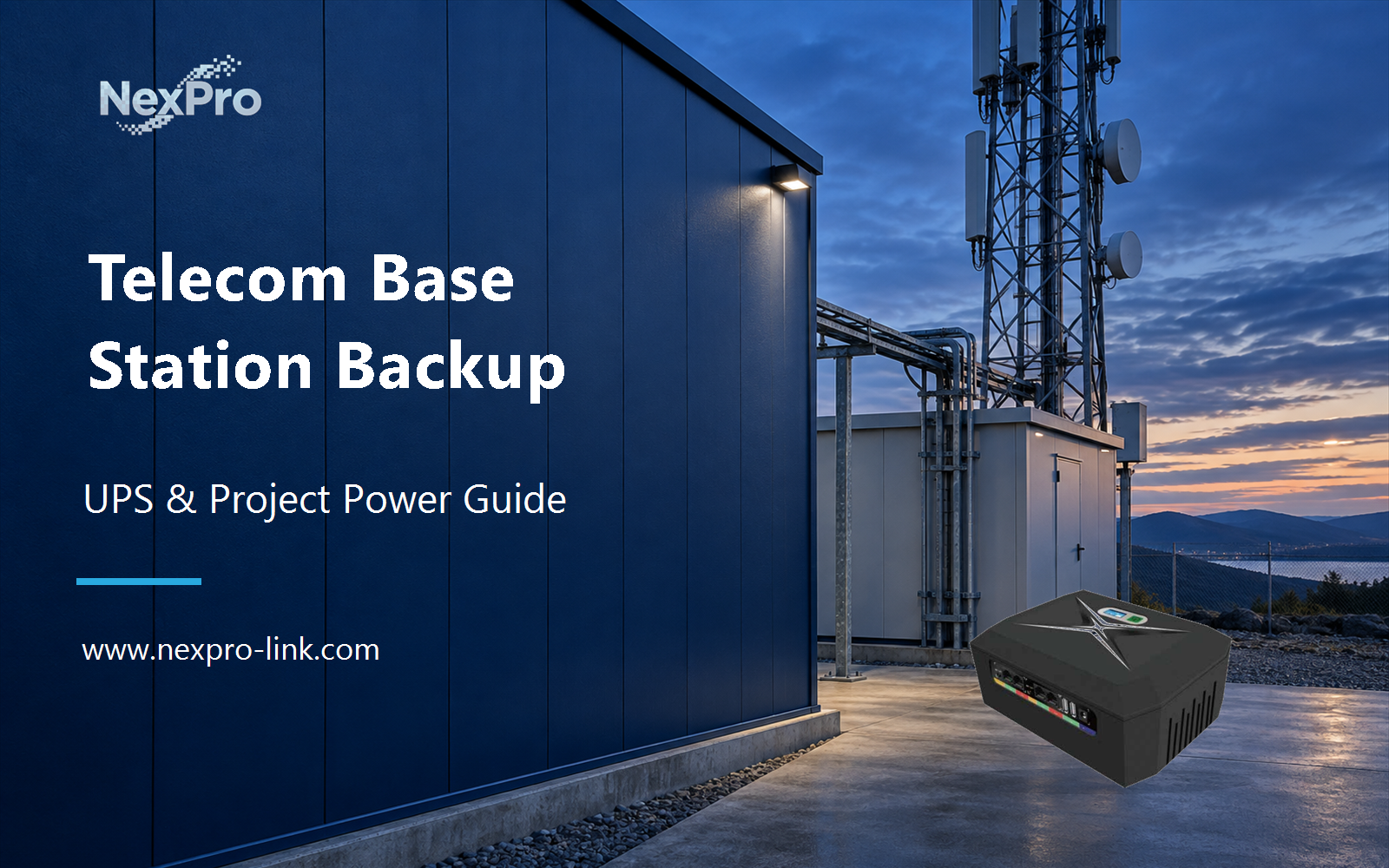
Distributed infrastructure continuity

UPS Guides for Telecom and Public Infrastructure

A telecom and public infrastructure UPS guide must follow the service across distributed power, communications and control boundaries. This library helps teams define which support loads remain in scope without replacing specialized safety or DC systems.

For telecom operators, ELV contractors, transport and energy teams, consultants and infrastructure buyers.

Answer first

The planning rule that connects this library

Trace the communications, control and operator path from field equipment to the responsible center, then protect only the AC or DC dependencies assigned to the UPS design and approval scope.

Separate existing DC plants, station batteries and specialized supplies from AC UPS loads.

Keep management, telemetry and operator visibility available across remote sites.

Confirm environmental, interface and authority boundaries before equipment selection.

Decision area 01

Telecom and network continuity

Coordinate base stations, core routing, voice systems, sorting and tracking dependencies across the complete communications path.

5 guides

Decision area 02

Broadcast and remote communications

Separate production, automation, RF and remote-site source requirements while keeping monitoring and output paths visible.

5 guides

Decision area 03

Public safety and transport

Define the support scope for command centers, CCTV aggregation, traffic, tolling, tunnels, rail, metro and airport systems without overstating authority boundaries.

8 guides

Decision area 04

Energy and charging infrastructure

Distinguish station DC, SCADA, turbine safety and EV payment/network loads before assigning UPS support.

4 guides

Prepare a useful UPS RFQ

Send the inputs that change the power decision

A model request is more reliable when the supplier receives the same load, source, runtime, environment and acceptance assumptions used in the design.

Service path and remote-site topology

AC, DC, solar, battery and generator interfaces

Communications, control and monitoring loads

Outdoor, cabinet and environmental constraints

Approved outage and recovery behavior

Applicable authority and acceptance requirements

Catalog Chat