CCTV infrastructure engineering

CCTV Network, Cabling and Control Room Guides

CCTV network and cabling design must carry video reliably from the field to the operator. Use these guides to plan switching, fiber, copper, racks, monitoring displays, UPS capacity and surge boundaries as one infrastructure path.

For ELV contractors, network teams, control-room designers and project managers coordinating shared infrastructure.

Answer first

The planning rule that connects this library

Design the complete camera-to-operator path, then verify bandwidth, cable route, rack, display, power and failure assumptions at every handoff.

Choose the switching hierarchy, VLAN boundary and fiber-versus-copper backbone.

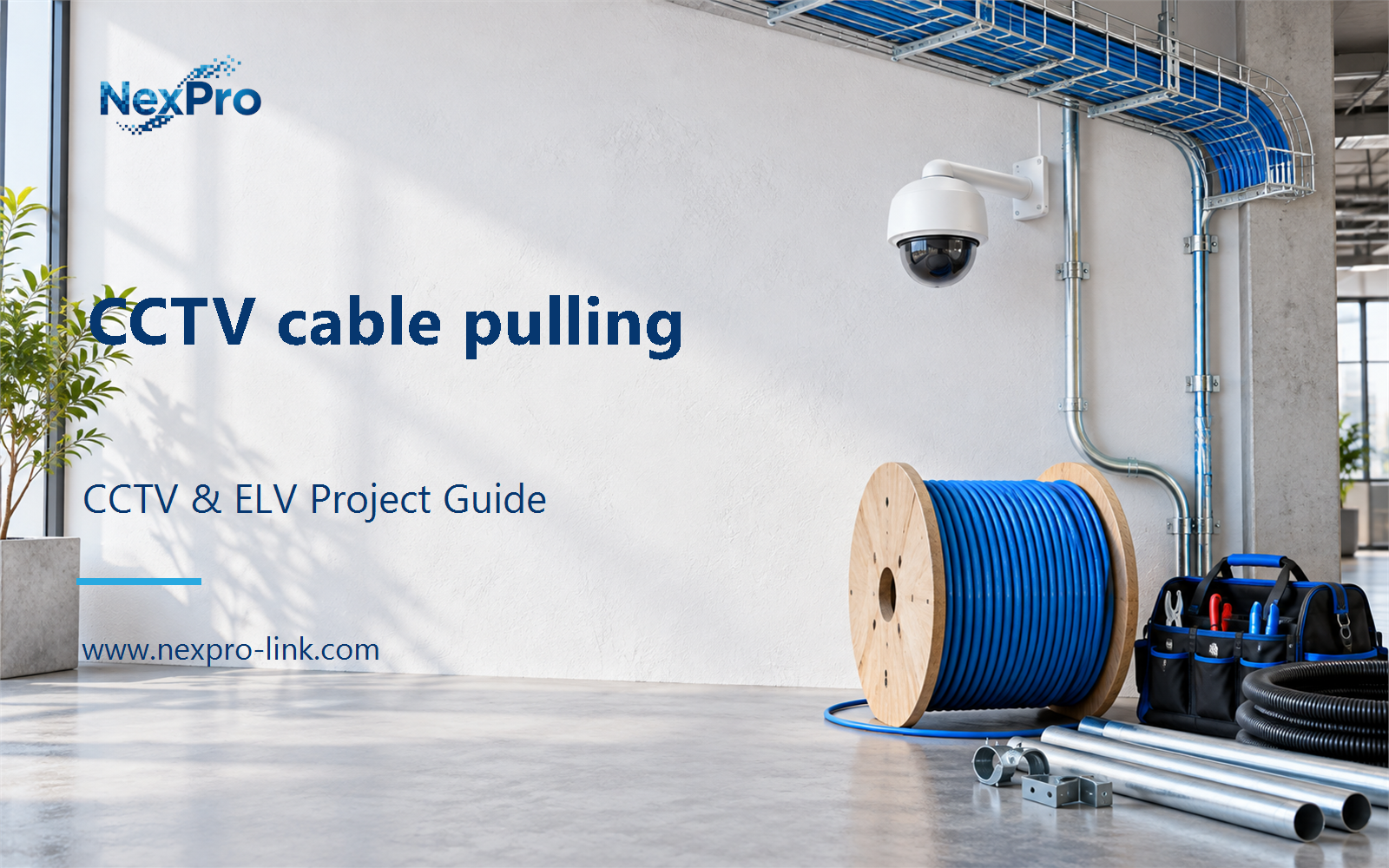
Convert drawings into cable routes, rack layouts, reel quantities and test records.

Size the monitoring wall, workstations, cooling, UPS and surge protection together.

Decision area 01

Network and backbone

Plan access, distribution and core roles, isolate camera traffic and choose the right backbone media for each distance.

4 guides

Decision area 02

Cabling, pathways and racks

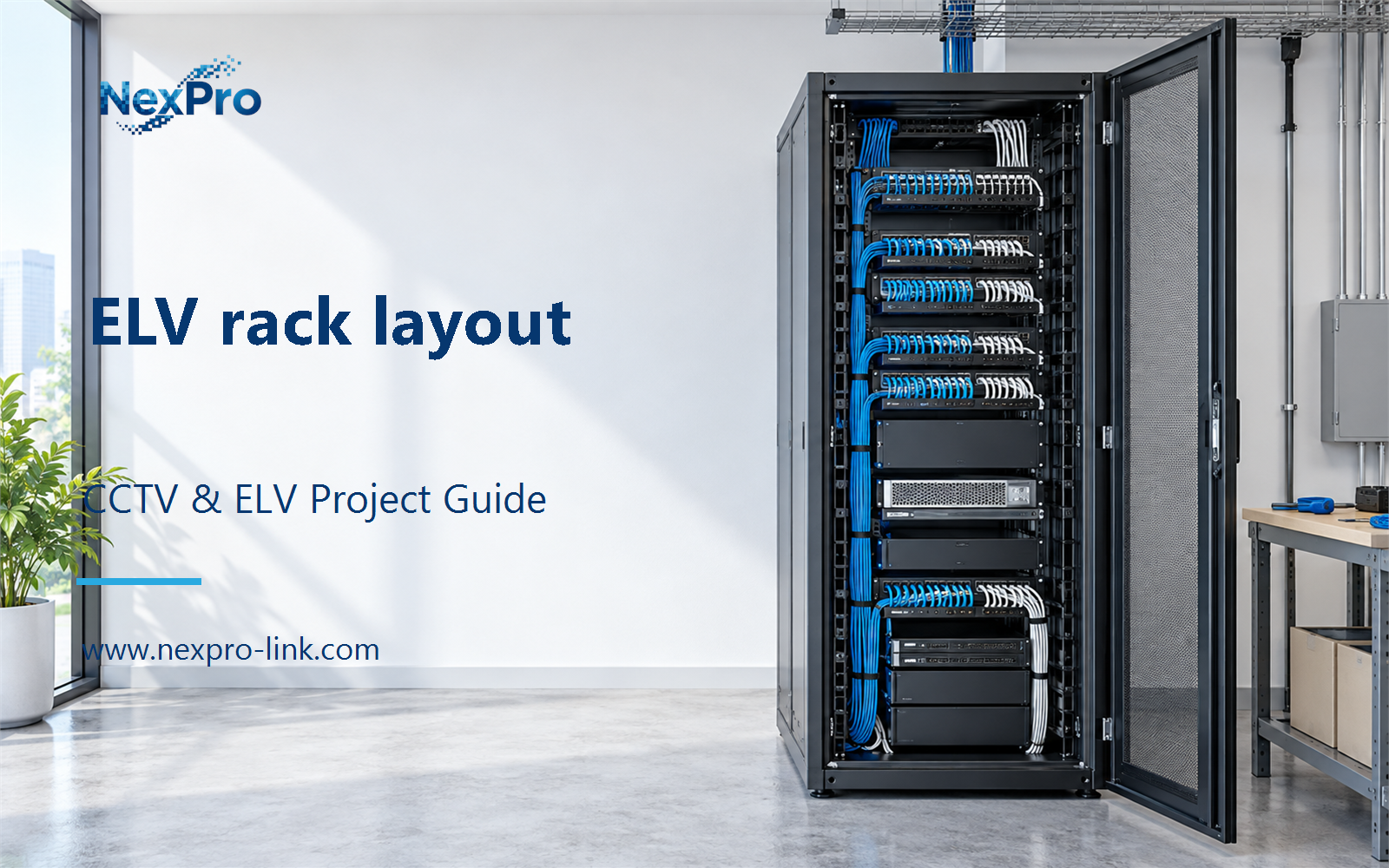
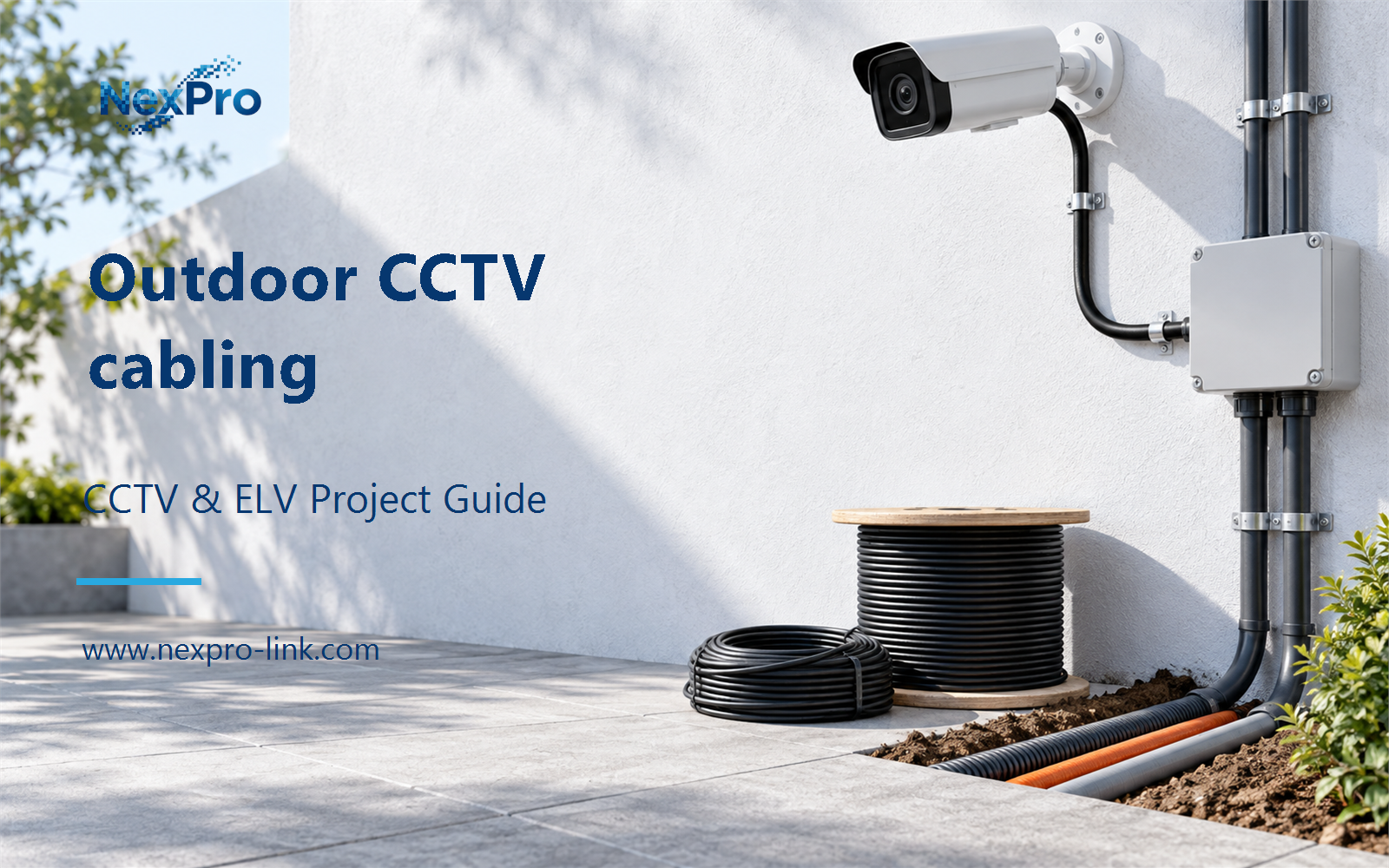
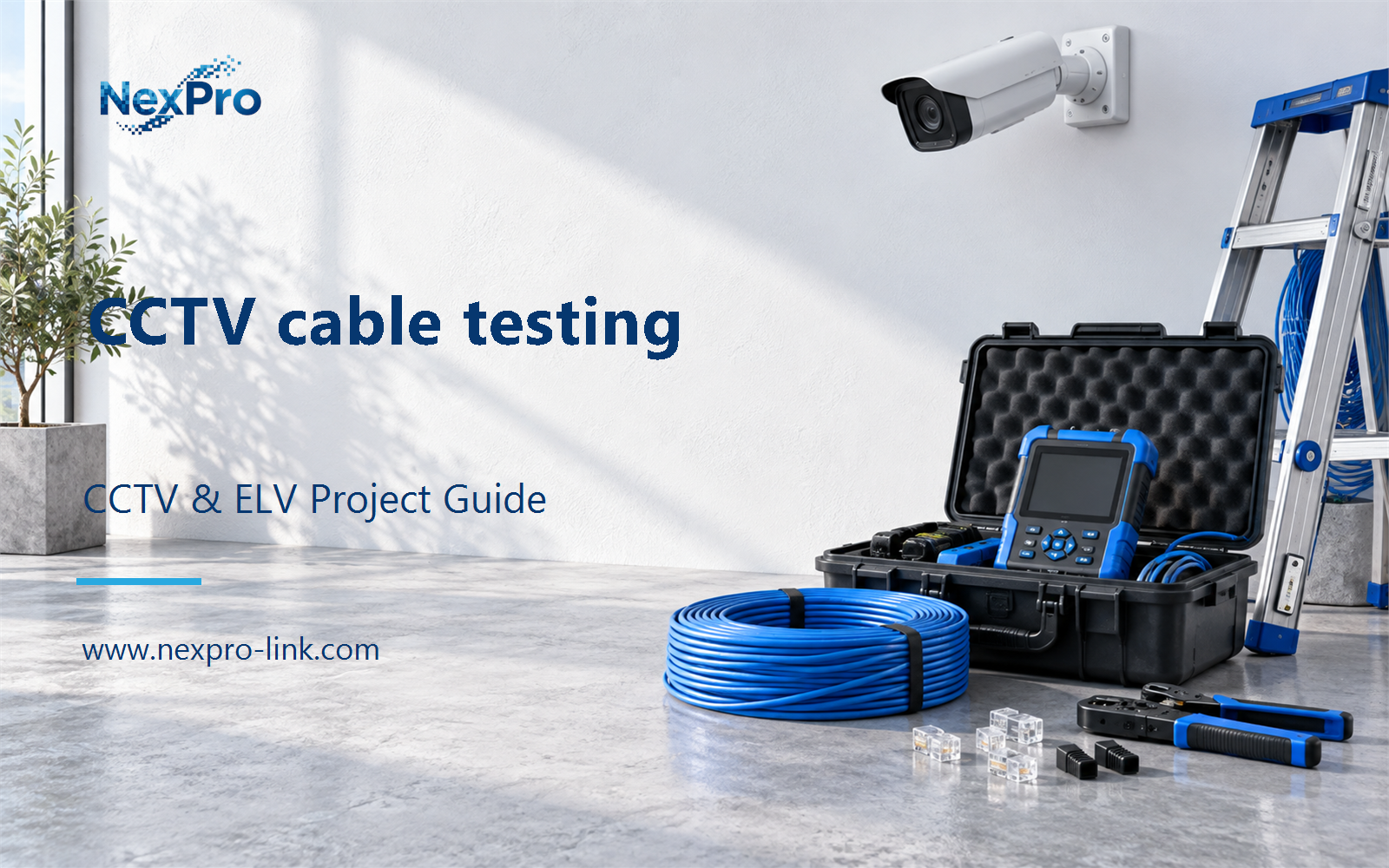
Define cable specification, pathway, pulling controls, rack organization, testing and material quantities before installation.

6 guides

Decision area 03

Monitoring and video wall

Translate operator tasks into screen layouts, controller inputs, workstation performance, viewing distance and room services.

5 guides

Decision area 04

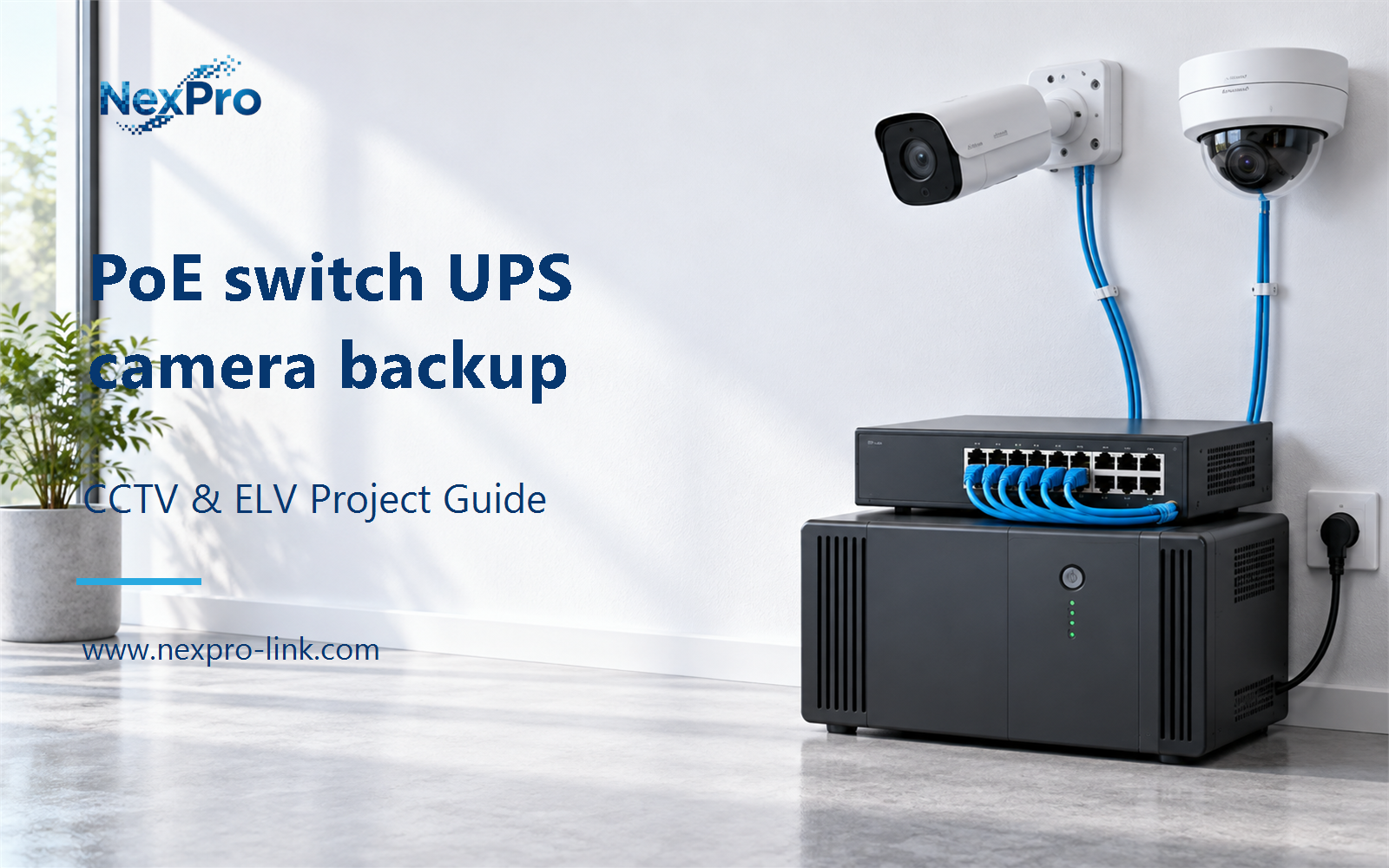
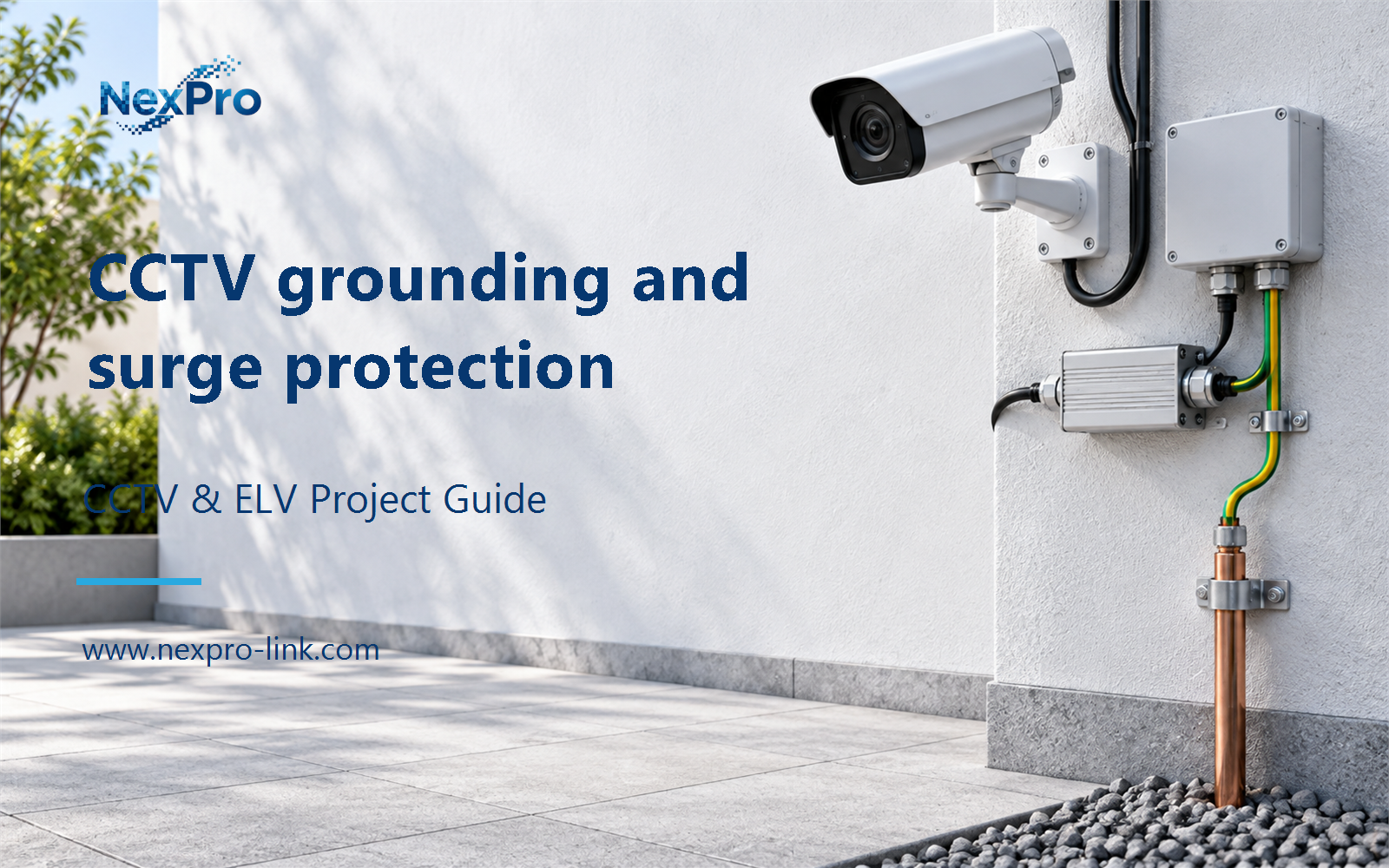
Backup power and surge protection

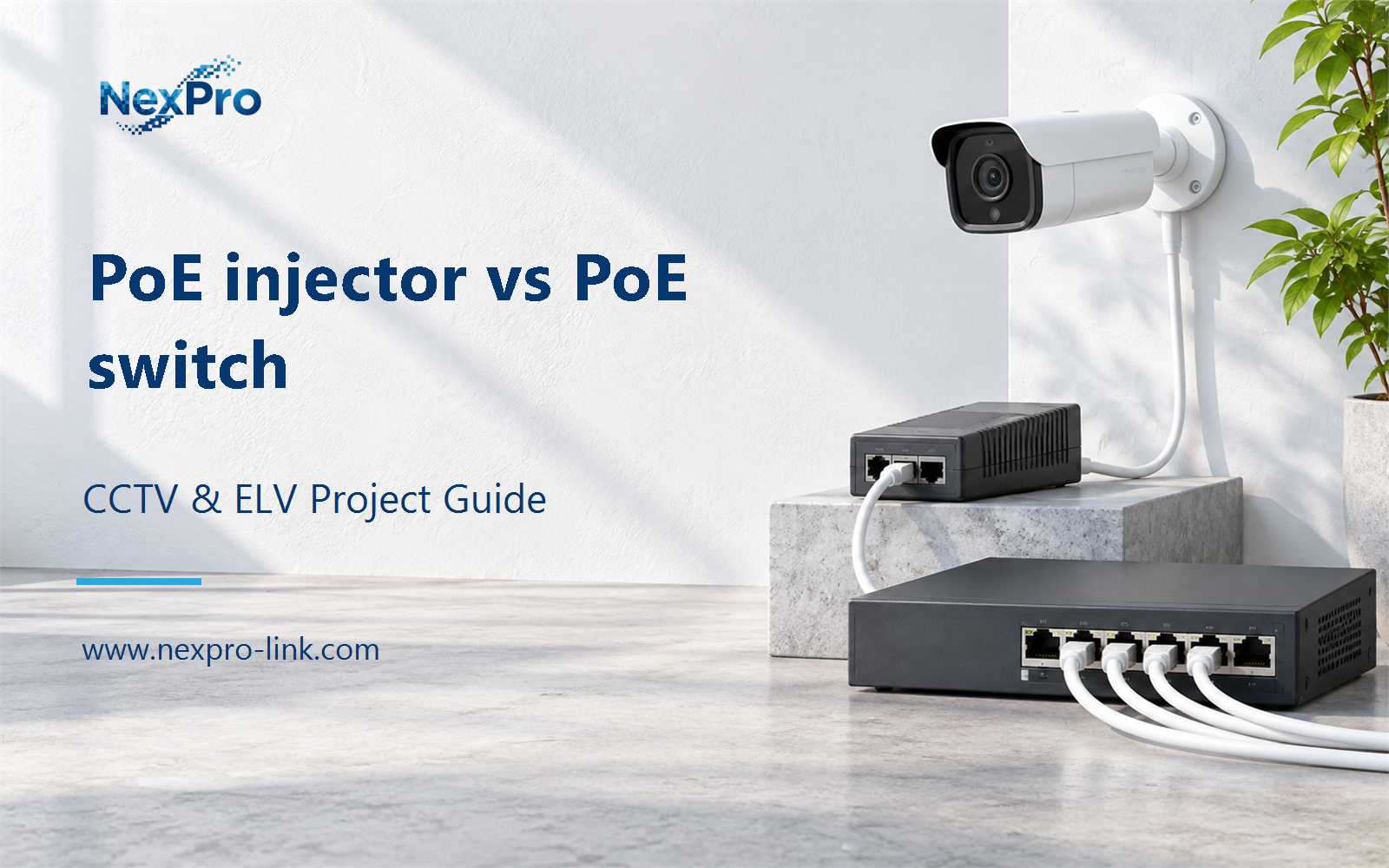
Separate critical loads, calculate runtime and coordinate UPS, PoE, grounding and surge protection for the actual topology.

5 guides

Prepare a useful RFQ

Send the inputs that change the equipment decision

A model list is more reliable when the supplier receives the same operating, infrastructure and acceptance assumptions used in the design.

Camera locations and network-node locations

Per-link distance and route environment

Stream count, bitrate and uplink assumptions

Rack, patching and test-document requirements

Operator views, layouts and display distances

Critical load, runtime and grounding information

Catalog Chat