Equipment-level UPS sizing

UPS Load Sizing Guides by Device and System

A UPS load sizing guide should use the complete operating chain, not a device category or nameplate shortcut. These articles show what to measure for payment, compute, network, storage, security, voice and mixed-rack systems.

For system integrators, IT teams, ELV contractors and buyers preparing a measurable UPS load schedule or RFQ.

Answer first

The planning rule that connects this library

Record each device's real input, operating state and dependency path, then total watts and VA, apply the required reserve and runtime policy, and document every excluded load.

Measure AC or DC input at the correct boundary and avoid double-counting downstream loads.

Include network, storage, displays and shutdown dependencies needed for the required service.

Separate incompatible peripherals, dedicated supplies and approved egress or alarm behavior.

Decision area 01

Payment and compute equipment

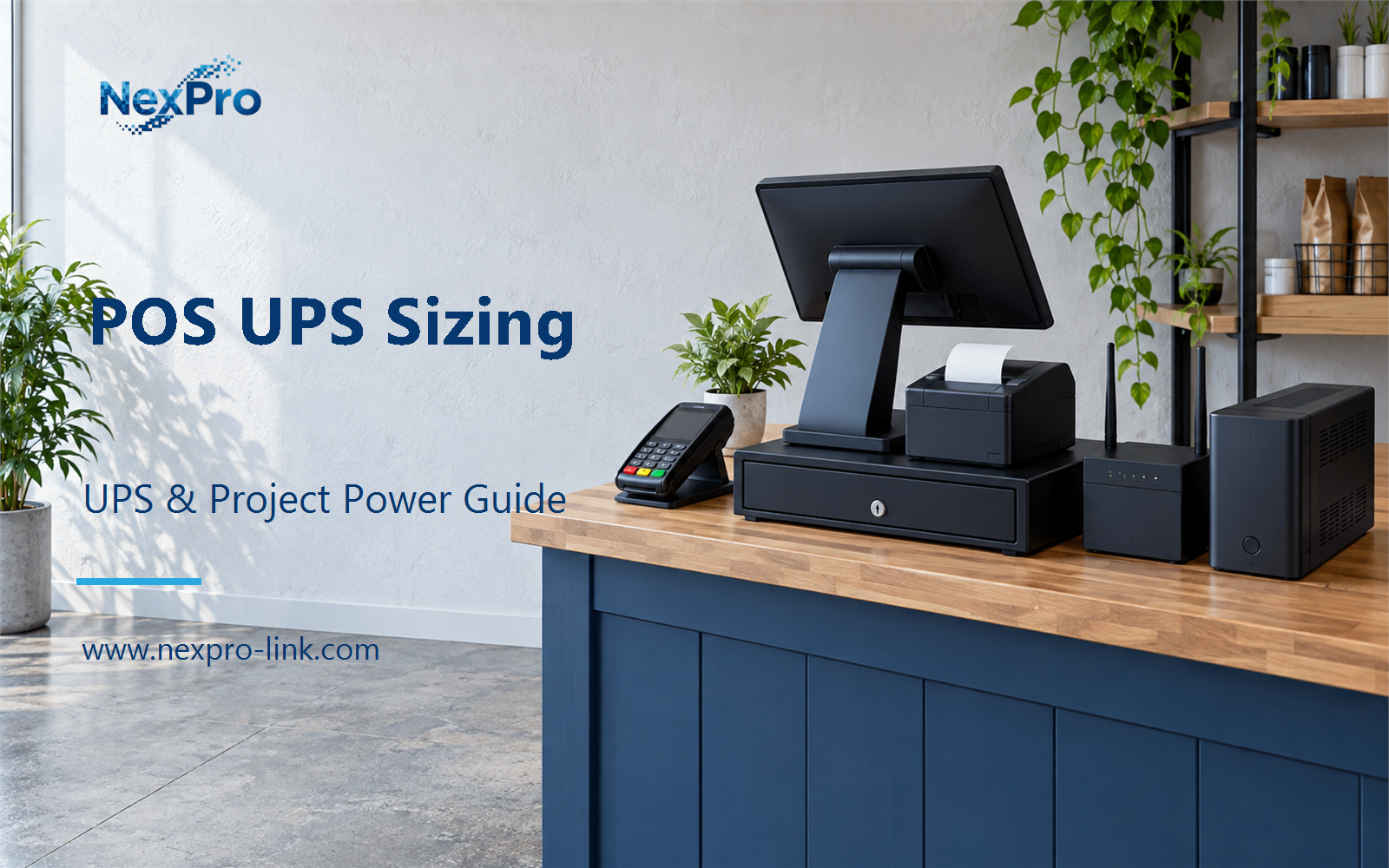
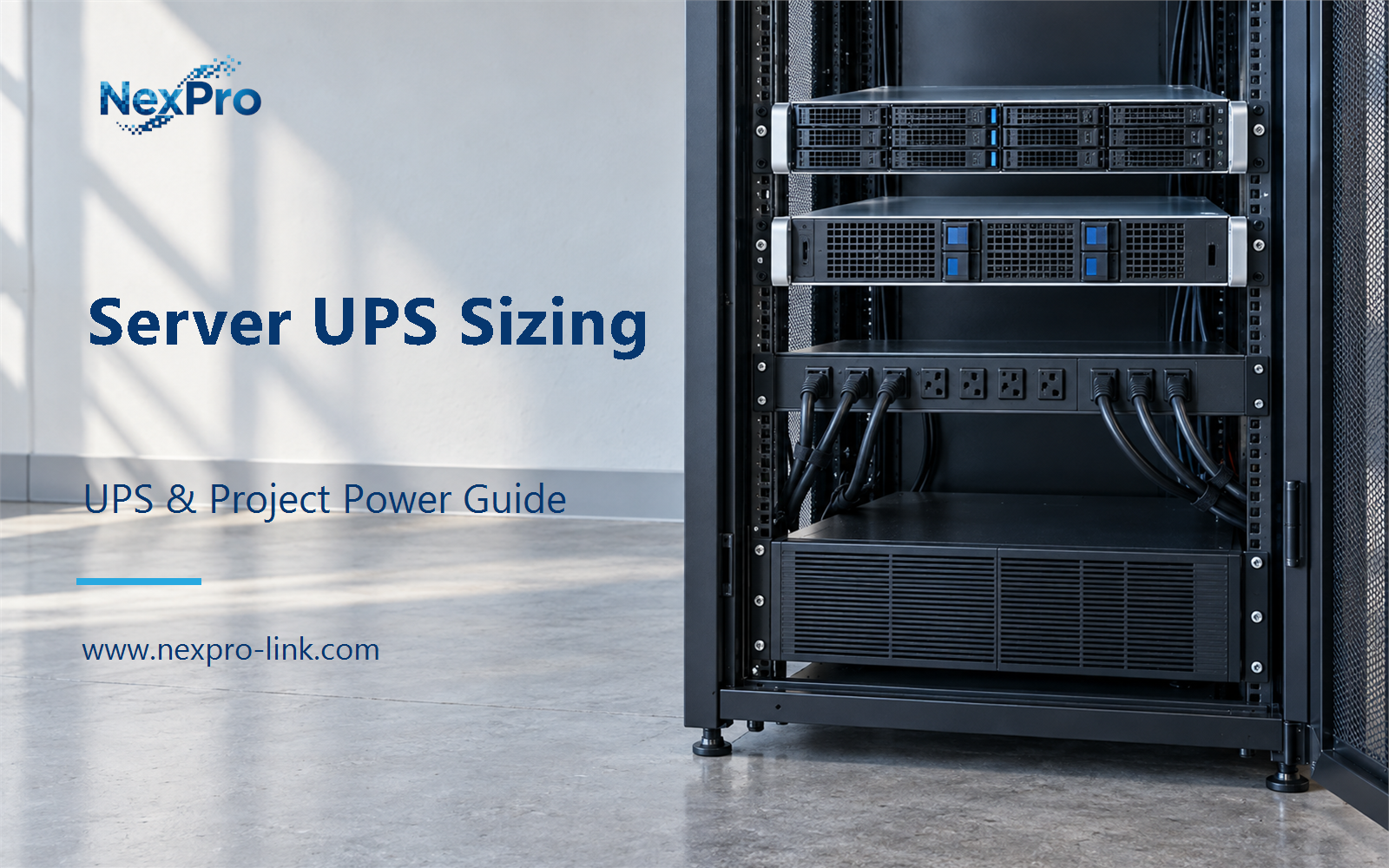
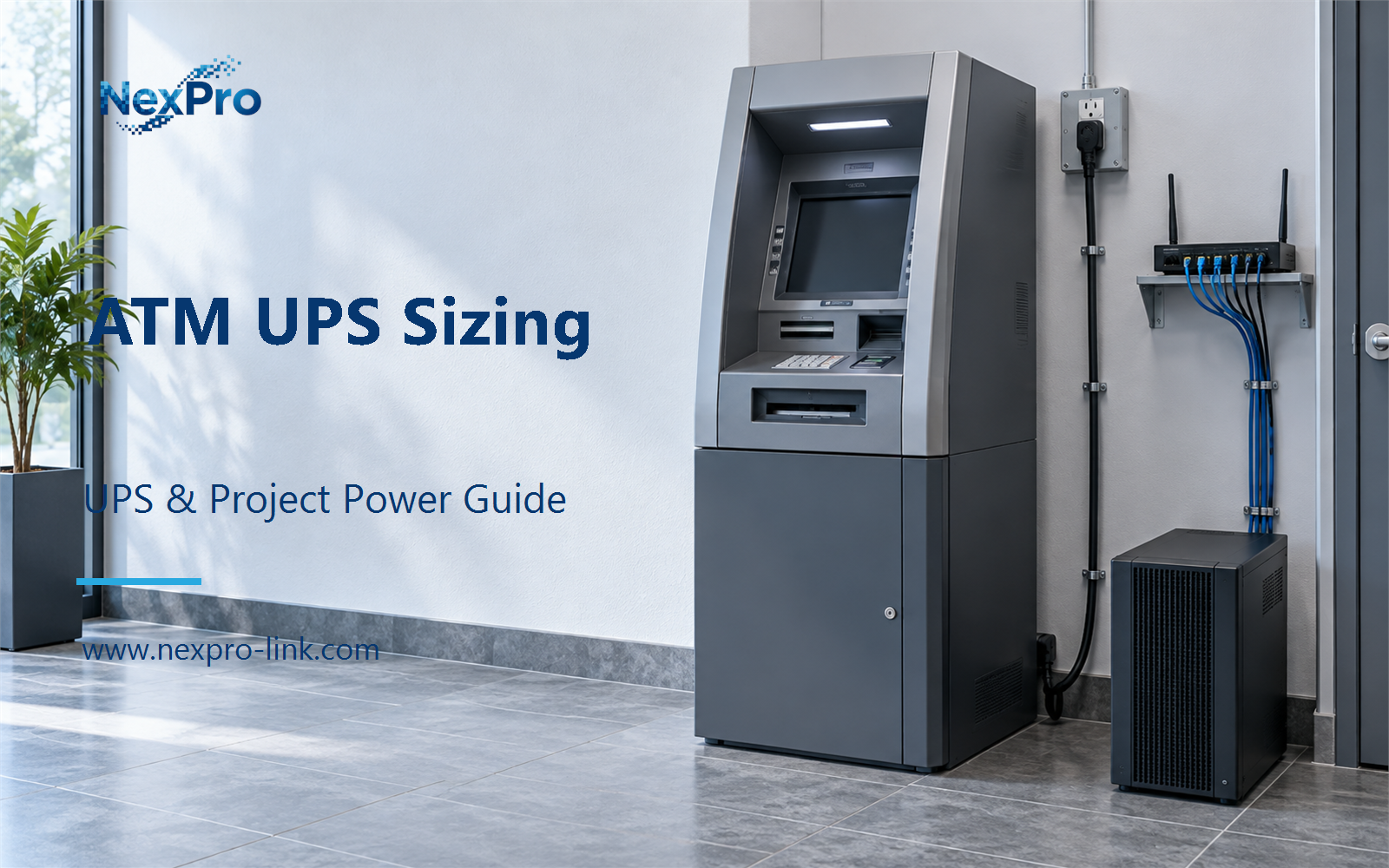
Convert ATM, POS and server inputs into a load schedule without using cabinet size or rack height as a power value.

3 guides

Decision area 02

Network, storage and video systems

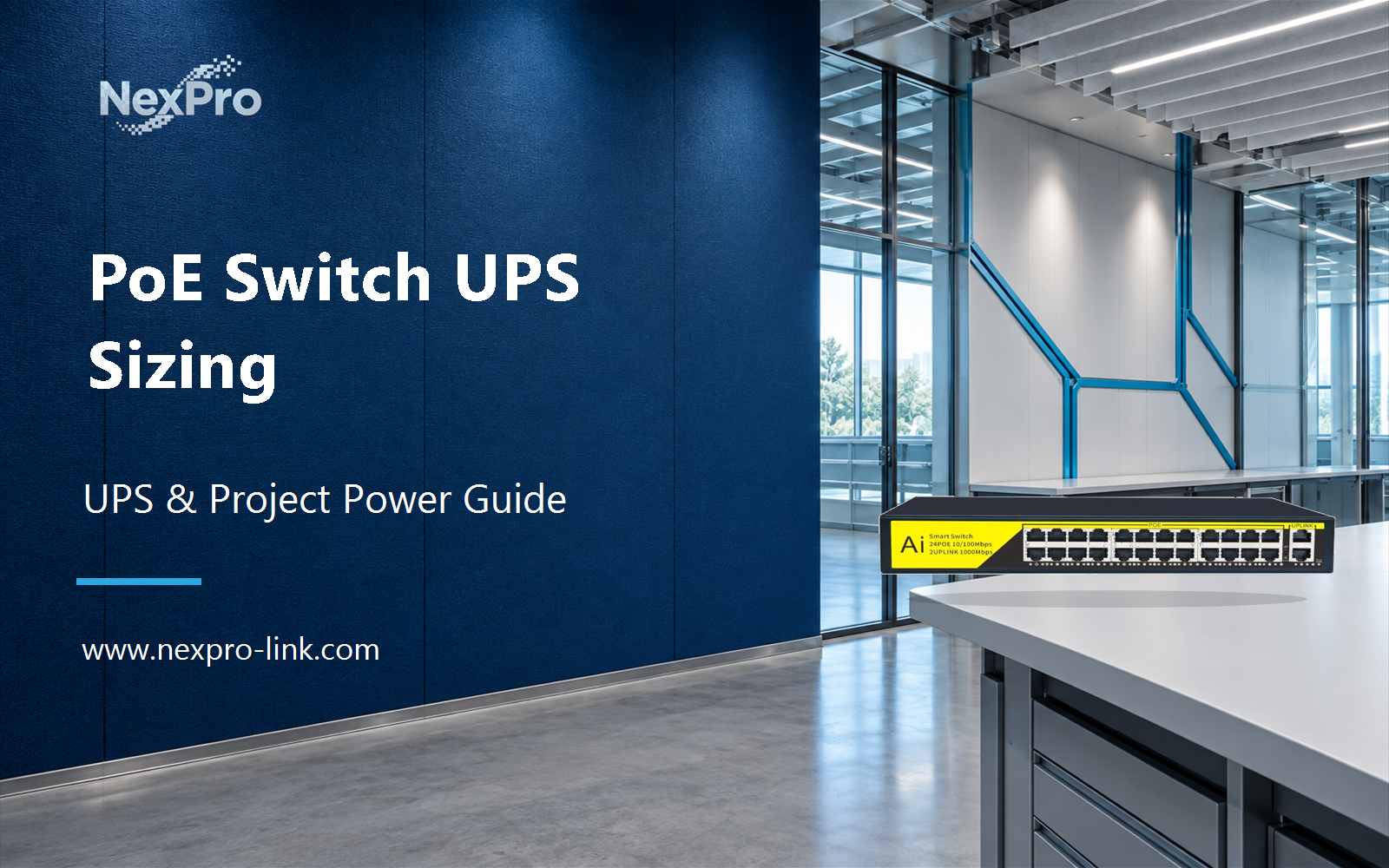
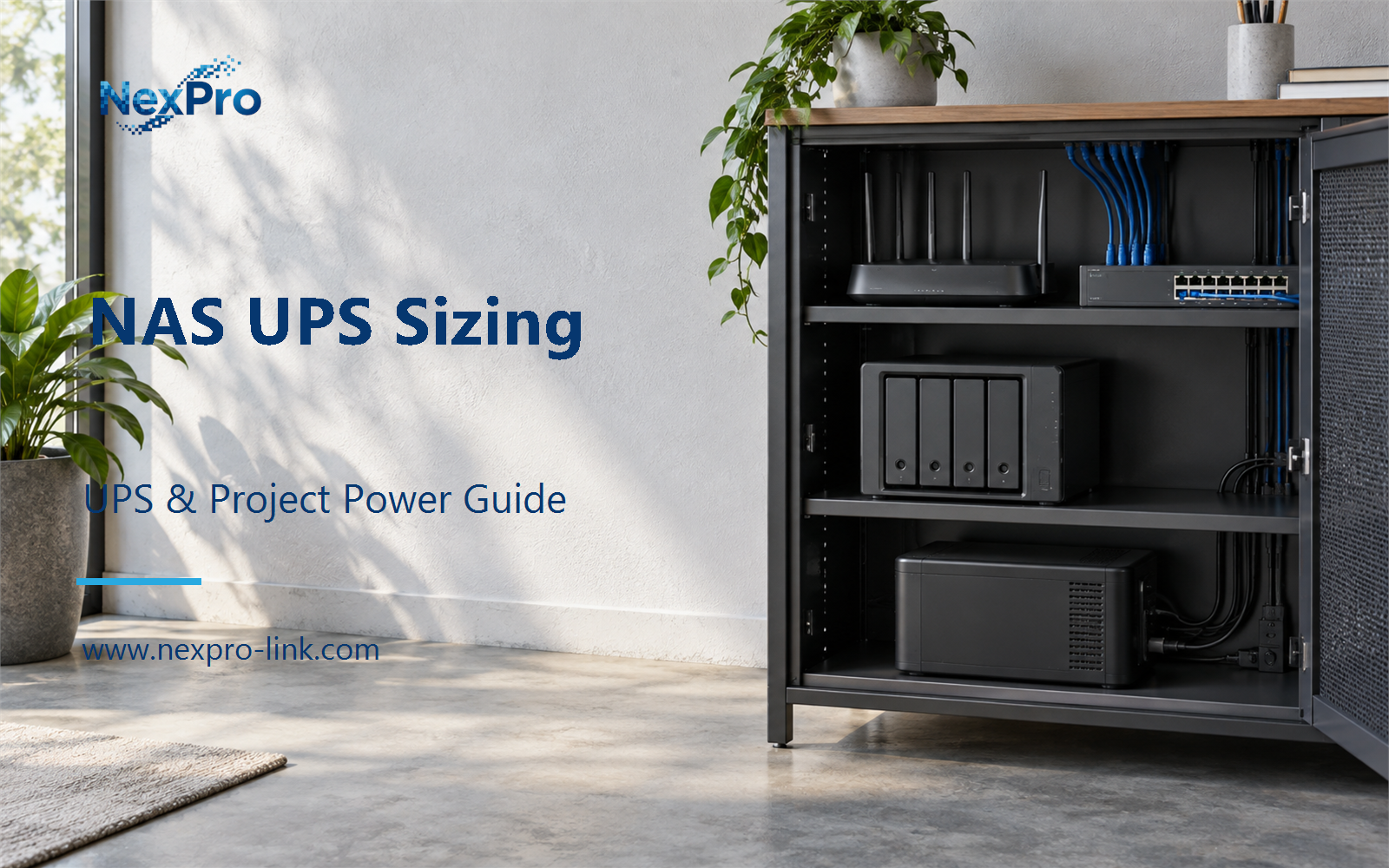
Size PoE, NAS, NVR and video-wall support around the complete processing, storage and network path.

4 guides

Decision area 03

Access, alarm and voice systems

Distinguish controllers, locks, dedicated alarm supplies, routers, ONTs, PBX and gateway dependencies before adding capacity.

4 guides

Decision area 04

Workstations, peripherals and mixed racks

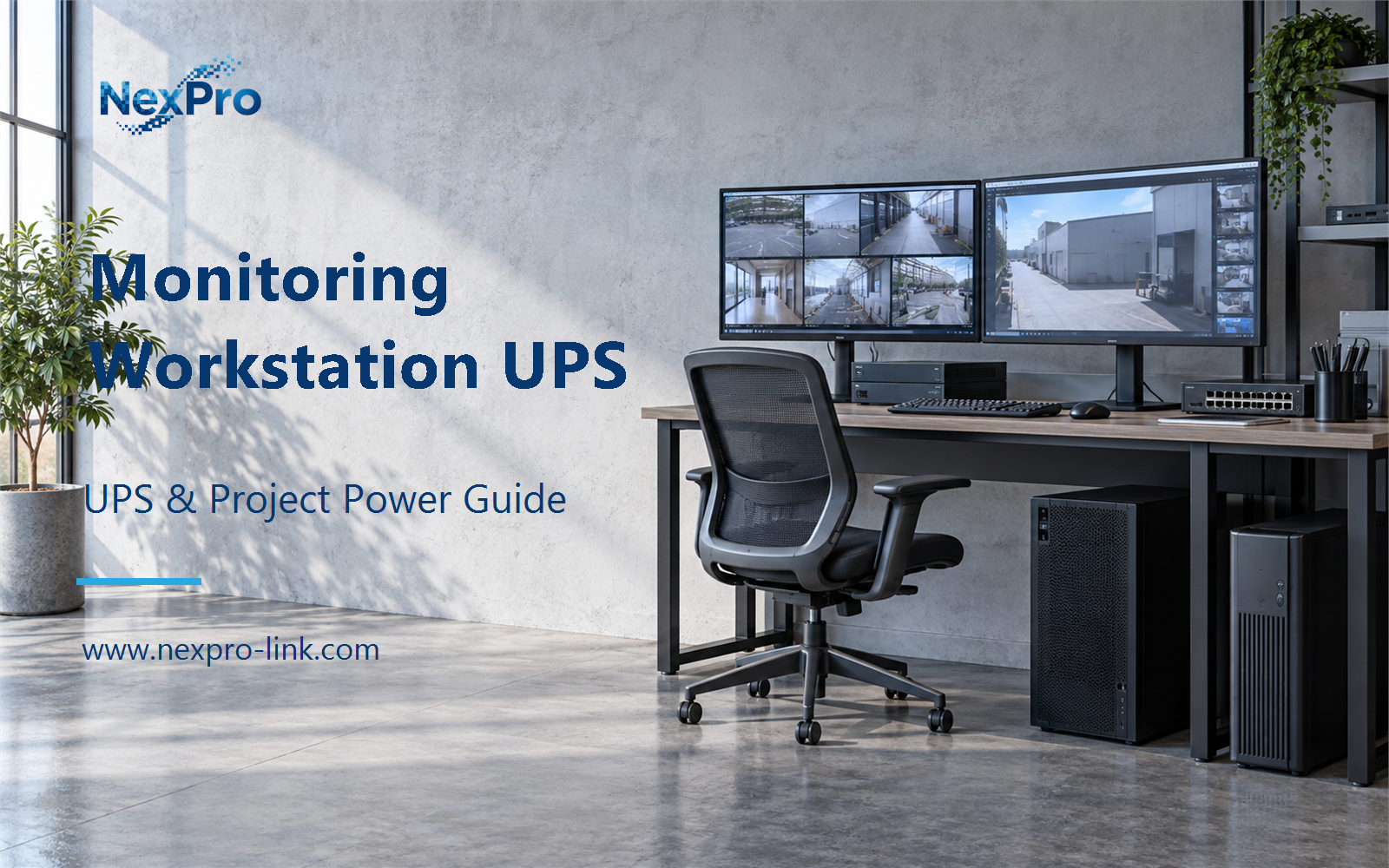
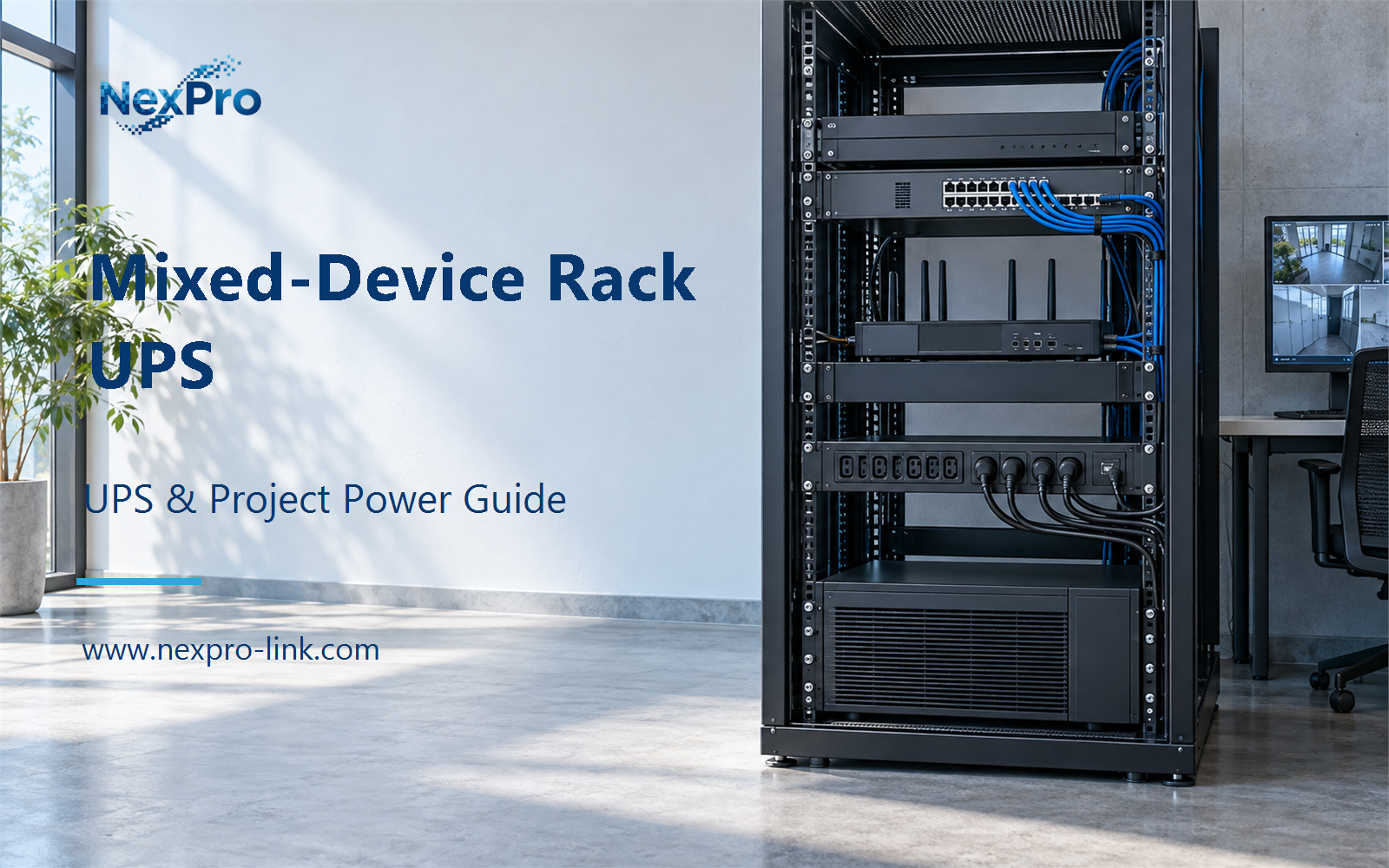
Coordinate industrial computers, printers, monitoring workstations and mixed-device racks with clear outlet and dependency assignments.

4 guides

Prepare a useful UPS RFQ

Send the inputs that change the power decision

A model request is more reliable when the supplier receives the same load, source, runtime, environment and acceptance assumptions used in the design.

Device models, quantities and power-input data

Normal, peak and startup operating states

AC/DC conversion and PoE counting boundary

Network, storage and shutdown dependencies

Required reserve, runtime and outlet assignment

Excluded devices and dedicated-supply responsibilities

Catalog Chat